La Musardière serves French and Iberian Bistro dishes at 29 Rue Alsace-Lorraine in Saintes, with a garden view and terrace seating for casual lunch or dinner.
Pearl is the En Primeur Club membership app — saves, bookings, and concierge access live there. Same editors, same standards.
- Address
- 29 Rue Alsace-Lorraine, 17100 Saintes, France
- Phone
- +33546743487
- Website
- lamusardiere-saintes.fr
- Directions
- Get directions
 Saves & bookings on Pearl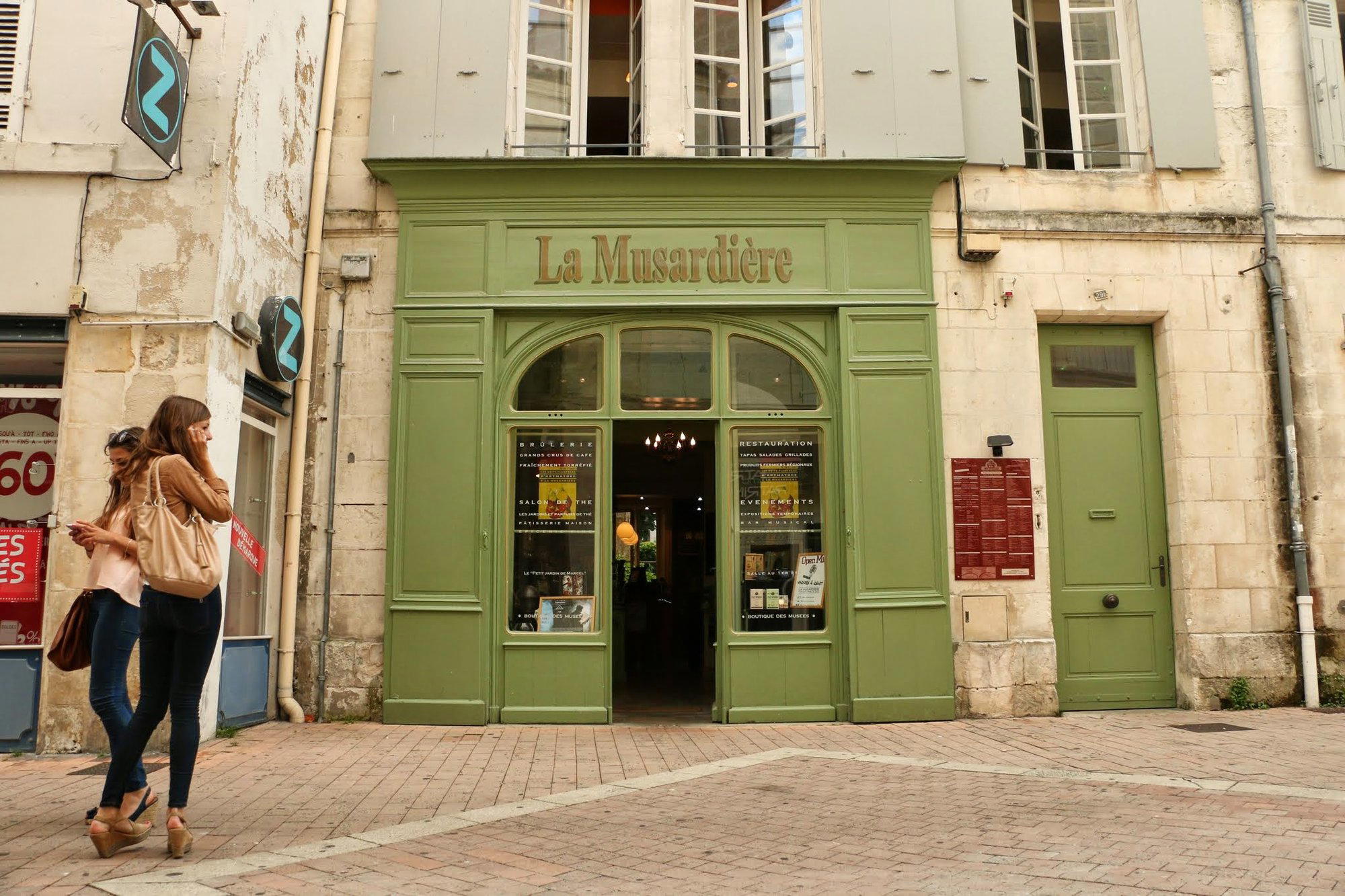
Rue Alsace-Lorraine and the Quiet Register of Saintes Dining
There is a particular quality to the streets that run through the old core of Saintes, the Charente-Maritime's quietly confident Roman capital. On Rue Alsace-Lorraine, the ambient noise is pedestrian, footsteps on stone, the occasional bicycle, rather than the hum of a crowd. La Musardière is a French and Iberian Bistro in Saintes, France, with. La Musardière occupies that register. Its address places it in walking distance of the cathedral and the Arc de Germanicus, in a part of town where the built environment dates in layers and the atmosphere leans toward the unhurried. For Saintes, that is not a coincidence: the city's dining culture follows its architecture, measured and self-assured rather than performative.
Where La Musardière Sits in the Saintes Scene
Saintes supports a modest but increasingly coherent modern dining circuit. The dominant tier sits at the €€ price point and draws on regional Charente-Maritime produce: Atlantic seafood from the nearby coast, Cognac-country dairy, and the market gardens of the wider Poitou-Charentes interior. Venues like L'IØDE, Le Dallaison, Saveurs de l'Abbaye, La Table du Relais du Bois Saint-Georges, and Le Parvis all occupy variations on that same competitive band, and the restaurant shares that positioning. What differentiates individual tables within this tier tends to come down to sourcing discipline, kitchen consistency, and the degree to which the menu actually reflects the agricultural geography surrounding the city.
The Charente-Maritime is one of France's more instructive supply corridors for a restaurant of this type. Oyster beds at Marennes-Oléron, one of the country's most closely watched appellations for bivalves, are roughly 40 kilometres to the west. The Cognac vineyards and associated cellars sit to the northeast, producing not only the region's signature spirit but also Pineau des Charentes and vins de pays that appear on local wine lists. Charolais and Limousin cattle graze within a reasonable radius. A kitchen committed to working with this geography rather than importing a generic French fine-dining supply chain has material to work with.
Ingredient Sourcing and What It Signals
Across provincial France, the gap between restaurants that invoke terroir rhetorically and those that demonstrate it through actual sourcing relationships is wide. At the €€ level in a city like Saintes, population under 30,000, without the restaurant-tourism infrastructure of a Reims or a Menton, the economics of short supply chains are more achievable than in high-rent urban settings, but they require operational commitment. Restaurants in this bracket that buy directly from Marennes oyster producers, from market gardeners in the Saintonge plain, or from Charente-Maritime fishmongers rather than centralised wholesalers tend to show it in what actually arrives at the table: seasonal coherence, provenance specificity on the menu, and dishes that change because the supply changes rather than on a fixed rotation.
This is the tradition that Saintes dining, at its better end, connects to. France's most geographically rooted kitchens, from Bras in Laguiole, whose gargouillou defined what hyper-local could mean in a fine-dining context, to Mirazur in Menton with its kitchen garden on a slope above the Mediterranean, have set a reference point for what ingredient-led cooking looks like when it is fully committed. At the other end of the spectrum, ambitious urban formats like Alléno Paris au Pavillon Ledoyen or AM par Alexandre Mazzia in Marseille interrogate sourcing from a different angle, using technical elaboration to reframe primary ingredients. A provincial table at the €€ level occupies neither extreme, but the sourcing question remains one useful lens for assessing what it is actually trying to do.
Planning a Visit
Saintes is accessible by train from Paris, making it a viable weekend destination for travellers who want to combine Roman antiquity, the city's amphitheatre dates to the first century, with a considered regional meal. The restaurant's address on Rue Alsace-Lorraine is central enough to reach on foot from the main sights. As with most independently operated provincial French restaurants at this price point, booking in advance is advisable, particularly on Friday and Saturday evenings and over the summer months when the Charente-Maritime draws visitors from across France.
For context on how France's wider restaurant geography is structured, the contrast between a provincial table like this and the major-city benchmark houses is instructive. Assiette Champenoise in Reims and Au Crocodile in Strasbourg illustrate what the upper tier looks like in smaller French cities with strong regional identities. Further afield, Troisgros in Ouches, Flocons de Sel in Megève, and Auberge de l'Ill in Illhaeusern show how deeply rooted a kitchen can become when it stays in one place long enough to develop real supply relationships. The internationally recognised end of the French dining spectrum, represented by Paul Bocuse's Auberge in Collonges-au-Mont-d'Or, operates with a different logic entirely. And for those tracking how French dining technique travels, Le Bernardin in New York City and Atomix in New York City offer useful comparison points on what rigour looks like in a different market context.
At-a-Glance Comparison
Comparable venues nearby, for context on price, style, and recognition.
| Venue | Cuisine | Price | Awards | Notes |
|---|---|---|---|---|
| La MusardièreThis venue — the venue you are viewing | French and Iberian Bistro | $$ | Not listed | Not listed |
| Le Dallaison | Modern French Fine Dining | $$$ | Michelin Plate | centre-ville |
| La Table du Relais du Bois Saint-Georges | Modern French Bistro | $$$ | Michelin Plate | Saintes |
| L'IØDE | Modern French Seafood Bistronomy | $$$$ | Bib Gourmand | Saintes |
| Le Parvis | Modern French Gastronomic | $$$ | Michelin Plate | Quai de l'Yser |
| Saveurs de l'Abbaye | French Gastronomic Market Cuisine | $$$ | Bib Gourmand | Old Town Saintes |
Continue exploring
More in Saintes
Restaurants in Saintes
Browse all →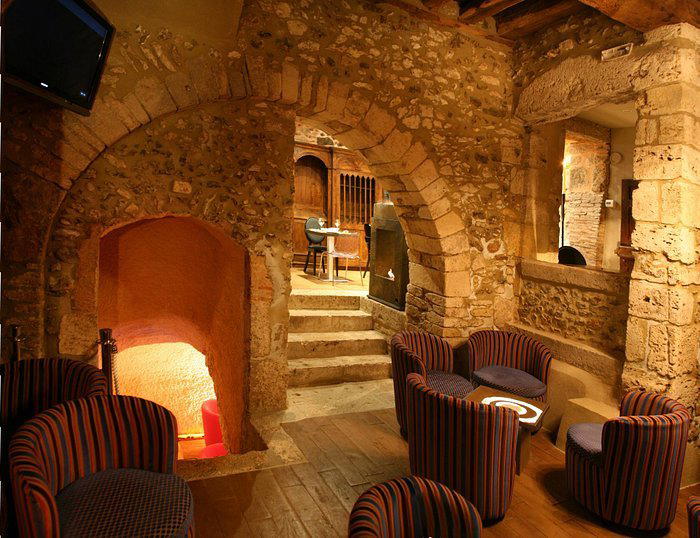
Bars in Saintes
Browse all →
Hotels in Saintes
Browse all →
At a Glance
- Cozy
- Rustic
- Intimate
- Casual Hangout
- Date Night
- Terrace
- Open Kitchen
- Garden
Current opening hours
- Monday
- 10 AM–11:30 PM
- Tuesday
- 10 AM–11:30 PM
- Wednesday
- 10 AM–11:30 PM
- Thursday
- 10 AM–11:30 PM
- Friday
- 10 AM–11:30 PM
- Saturday
- 10 AM–11:30 PM
- Sunday
- 11 AM–11:30 PM
Hours can change for holidays and private events. Last verified .
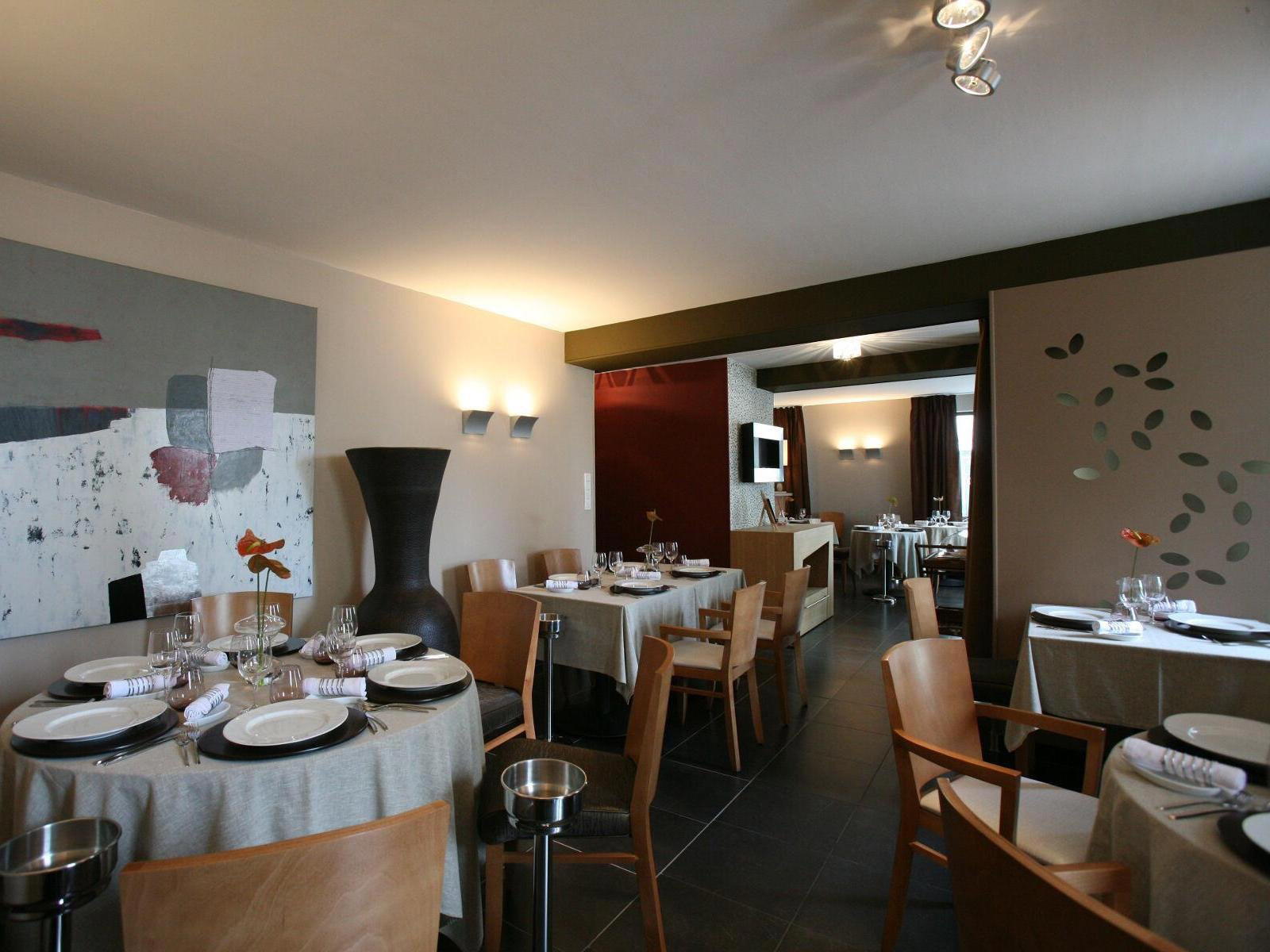
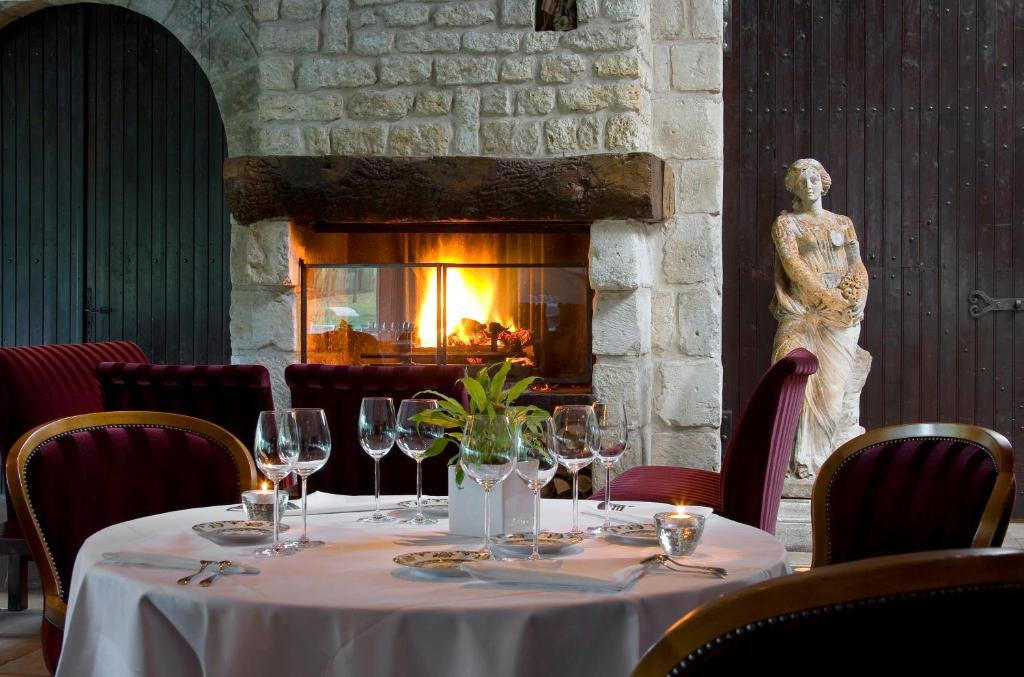
Charming and eclectic atmosphere with terrace seating and artistic interior.