La Croix Blanche

Michelin Plate
Our verdict
La Croix Blanche holds a 2025 Michelin Plate in Donnemarie-Dontilly, a small market town in Seine-et-Marne roughly 80 kilometres southeast of Paris. For travellers moving between the capital and Burgundy, it represents a considered stop rather than a detour.

Pearl is the En Primeur Club membership app, where members save venues, book tables and use the concierge.
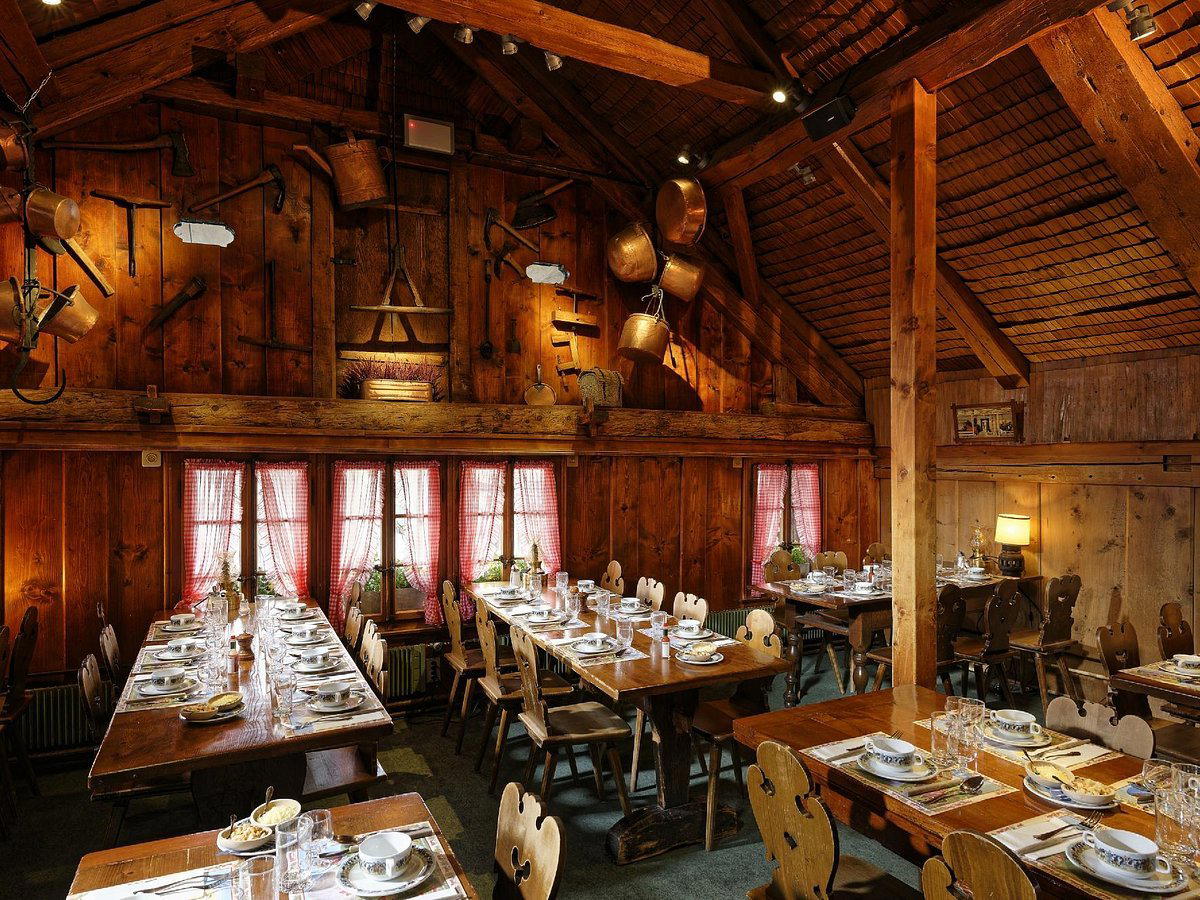
Where the Market Square Still Dictates the Menu
In rural Seine-et-Marne, the relationship between a restaurant and its immediate geography is less a philosophy than a practical necessity. Supply chains that sustain grand Parisian kitchens do not extend reliably to a village of a few hundred people 80 kilometres from the capital. What grows, what the local farms produce, and what the seasons allow becomes the de facto menu structure. La Croix Blanche sits on the Place du Marché in Donnemarie-Dontilly, and that address is not incidental: market-square restaurants across provincial France have historically earned their reputation by proximity to supply, not by proximity to critics. The 2025 Michelin Plate the kitchen now holds confirms that the guide's inspectors found cooking here worth marking, even if the recognition stops short of the starred tier where France's most-discussed addresses compete.
The traditional cuisine designation matters more in this context than it might elsewhere. At three-starred addresses like Alléno Paris au Pavillon Ledoyen or Mirazur in Menton, the creative ambition is partly the product and the terroir is often reinterpreted beyond recognition. At the other end of that spectrum, a Michelin Plate in a small Seine-et-Marne village signals something different: cooking that the guide considers honest, consistent, and worth a traveller's attention, without the apparatus of modern fine dining. That is a smaller, quieter category of recognition, but in the context of French regional cooking it carries its own logic.
Seine-et-Marne and the Logic of Local Supply
The Île-de-France region surrounding Paris is more agricultural than its metropolitan reputation suggests. Seine-et-Marne, the largest department in the region, runs from the eastern suburbs of Paris out through wheat plains, river valleys, and small market towns. The Voulzie river passes close to Donnemarie-Dontilly, and the broader area produces cereal crops, vegetables, and livestock that feed both local kitchens and the Paris wholesale markets. A kitchen working in the traditional register in this environment has access to raw material that city restaurants often source from the same region at higher intermediary cost.
This is the structural argument for why provincial traditional cooking in France can compete for recognition on its own terms. The institutional comparison point is not Flocons de Sel in Megève or Bras in Laguiole, where the sourcing story has become an explicit part of the dining proposition. It is the older, quieter tradition of the French auberge, where ingredient provenance was assumed rather than narrated: the rabbit came from a farm the chef knew, the vegetables came from the market outside the door, and the cooking existed to present those things honestly. Michelin's Plate category exists partly to mark restaurants that maintain this standard without the staging of modern fine dining.
For a useful regional parallel, Auberge Grand'Maison in Mûr-de-Bretagne operates in a similar register: traditional cuisine in a small French town, recognised by Michelin, serving a community as much as a destination diner. The format holds across different regions because the underlying logic is consistent: tight geography, established supply relationships, and a kitchen that does not try to reframe the ingredients into something they are not.
The Price Point and What It Signals
La Croix Blanche prices at the €€ tier, which in the context of Michelin-recognised French cooking is notable. The starred addresses that draw international attention, from Troisgros in Ouches to Paul Bocuse in Collonges-au-Mont-d'Or, operate at €€€€, and even regionally acclaimed houses like Assiette Champenoise in Reims or Au Crocodile in Strasbourg sit significantly higher on the price scale. At €€ with a Michelin Plate, the kitchen is operating in a different competitive category: the focus is on value delivery relative to the local market, not on premium positioning relative to destination dining.
How to Approach a Visit
Donnemarie-Dontilly sits on the D408 in Seine-et-Marne, accessible by car from Paris in under 90 minutes depending on departure point and traffic, placing it in the range of a direct day trip or a stop on a longer drive south. The village does not have significant tourist infrastructure, so a visit to La Croix Blanche works well as a purposeful stop rather than an element of a broader urban itinerary. For travellers planning to spend time in the area, our full Donnemarie-Dontilly hotels guide covers accommodation options nearby.
Visiting at lunch aligns with the traditional French rhythm that many provincial kitchens of this type still follow, and the market square location gives the approach a context that is more legible on a weekday morning than a weekend evening. For a fuller picture of what the area offers beyond the table, our full Donnemarie-Dontilly restaurants guide, bars guide, wineries guide, and experiences guide provide relevant context.
The broader French traditional cuisine category that La Croix Blanche represents also has its own set of international reference points. Auberge de l'Ill in Illhaeusern and Auberge du Vieux Puits in Fontjoncouse represent the tradition at higher recognition tiers, and comparing across those levels clarifies what the Plate designation means in the hierarchy. For a cross-border perspective on how traditional cuisine holds up in different contexts, Auga in Gijón offers an instructive comparison in the northern Spanish register. Closer to home in ambition if not in geography, AM par Alexandre Mazzia in Marseille shows what happens when a French kitchen pushes well beyond the traditional register entirely, which makes the contrast with a place like La Croix Blanche all the more instructive about the range Michelin's recognition now covers.
Frequently asked questions
Is La Croix Blanche a family-friendly restaurant?
La Croix Blanche sits on the market square of a small Seine-et-Marne town, and its traditional French format at the €€ price tier suggests an accessible, unhurried setting suited to families. French village restaurants of this type typically observe a relaxed pace around the midday service. Booking ahead is advisable regardless of group composition.
What kind of setting is La Croix Blanche?
The restaurant occupies Place du Marché in Donnemarie-Dontilly, a rural market-square address in Seine-et-Marne. That geography shapes everything: this is a village dining room, not a destination-resort property. The 2025 Michelin Plate recognition places it within a recognisable tier of honest, place-rooted French cooking rather than the formal theatre of starred addresses.
What kind of recognition has La Croix Blanche received?
La Croix Blanche has received recognition including: Michelin Plate (2025).
What dish is La Croix Blanche famous for?
What the 2025 Michelin Plate does confirm is a standard of traditional French cooking worth the detour, with the menu likely reflecting the agricultural supply of Seine-et-Marne rather than a fixed tasting format. Contacting the restaurant directly before visiting is the most reliable way to know what is being served.
Quick Comparison
Comparable venues nearby, for context on price, style, and recognition.
| Venue | Cuisine | Price | Awards | Notes |
|---|---|---|---|---|
| La Croix BlancheThis venue (the venue you are viewing) | Traditional French Gastronomic | $50–100 | Michelin Plate | Not listed |
| Ébène | Modern French Fine Dining | $100–150 | Michelin Plate | 15e arrondissement |
| Erre | Creative Fine Dining | Not listed | 1 Michelin Star | Chassy |
| Geoélia | Modern French Seafood | $150–200 | 1 Michelin Star | 16th arrondissement (Passy) |
| Chenapan | Modern French with Asian Fusion | $100–150 | Michelin Plate | 9th arrondissement (SoPi) |
| Le 39V | Contemporary French Fine Dining | $150–200 | Michelin Plate · Gault & Millau Remarkable Restaurant | 8th Arrondissement (Élysée) |
Recognition history
Dated appearances from independent guides and award organizations, with the underlying list record or original source where available.
Michelin Plate
Michelin
Full recognition history (2 entries)
Michelin Plate
Michelin
Continue exploring
More in Donnemarie-Dontilly
Restaurants in Donnemarie-Dontilly
All restaurants in Donnemarie-Dontilly →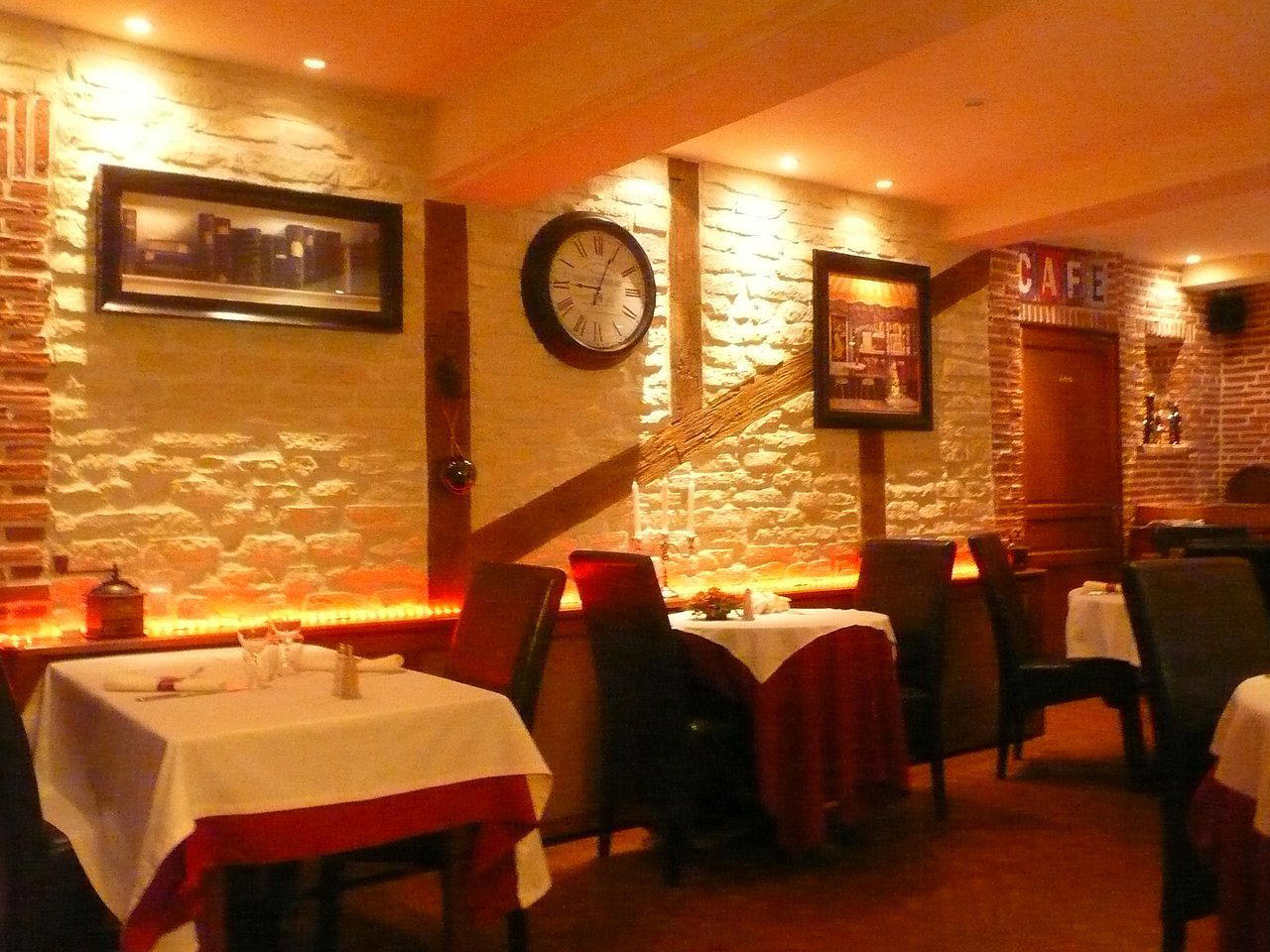
Hotels in Donnemarie-Dontilly
Browse all →


Details
- Elegant
- Cozy
- Intimate
- Sophisticated
- Classic
- Date Night
- Special Occasion
- Family
- Private Dining
- Extensive Wine List
- Local Sourcing
- A La Carte
- Vegetarian Friendly
Current opening hours
- Monday
- 12–1:15 PM
- Tuesday
- Closed
- Wednesday
- Closed
- Thursday
- 12–1:15 PM, 7:15–8:30 PM
- Friday
- 12–1:15 PM, 7:15–8:30 PM
- Saturday
- 12–1:15 PM, 7:15–8:30 PM
- Sunday
- 12–1:15 PM
Hours can change for holidays and private events. Hours as of .
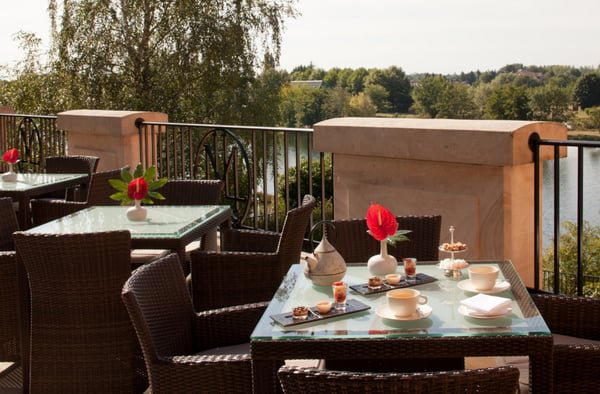
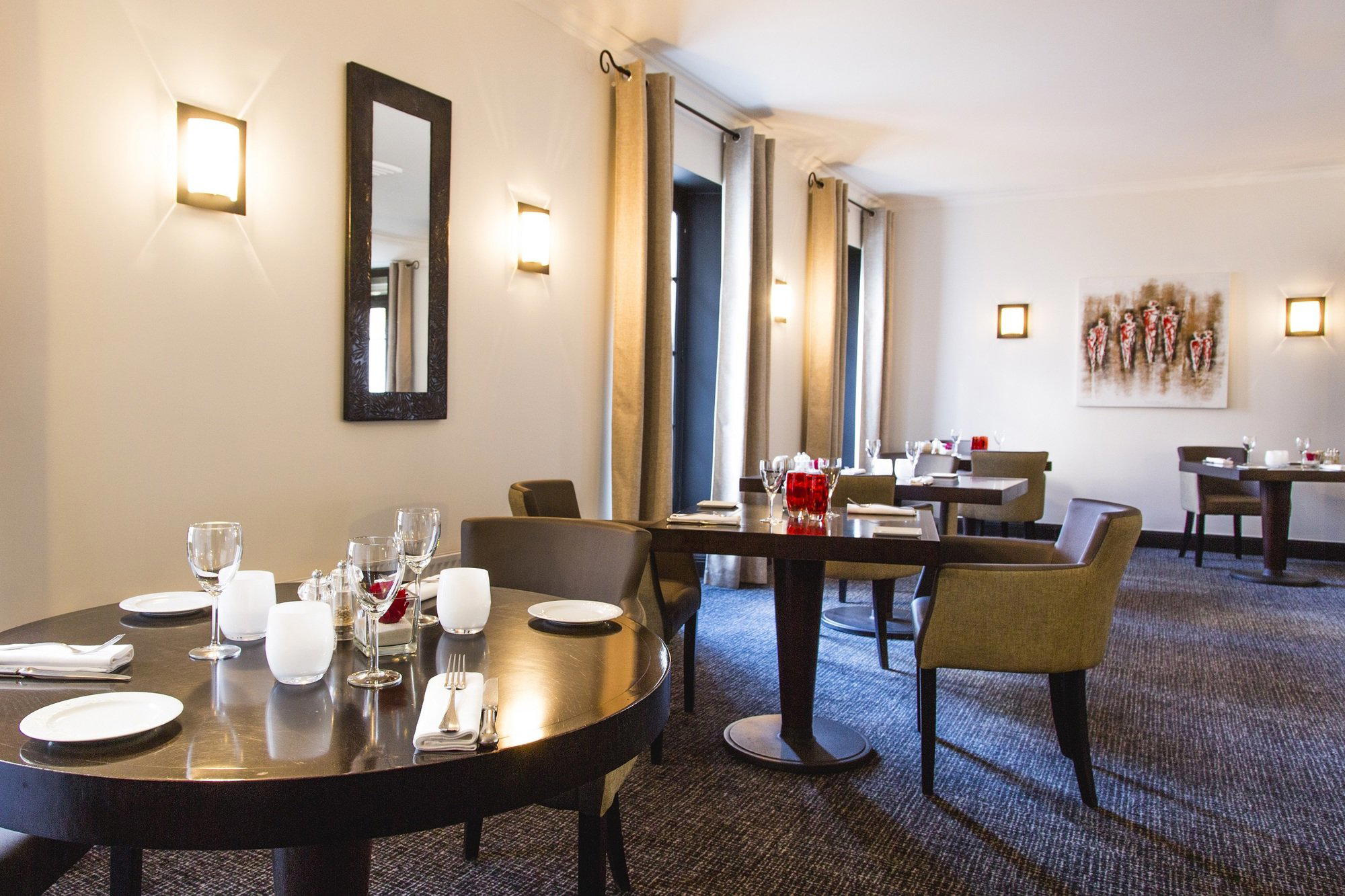
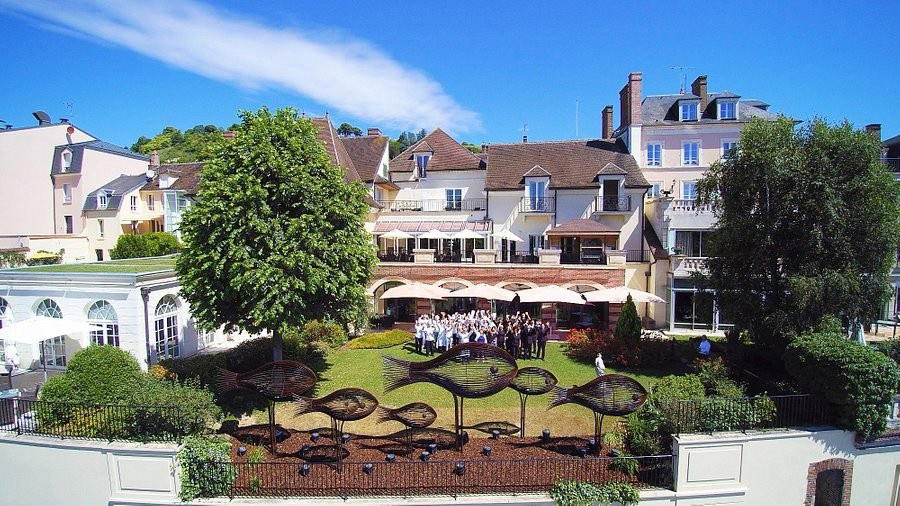
Tastefully renovated 19th-century inn with waxed parquet flooring, stone walls, chic and sober decor, well-lit, creating a warm, convivial, and intimate atmosphere.