ADMA
Our verdict
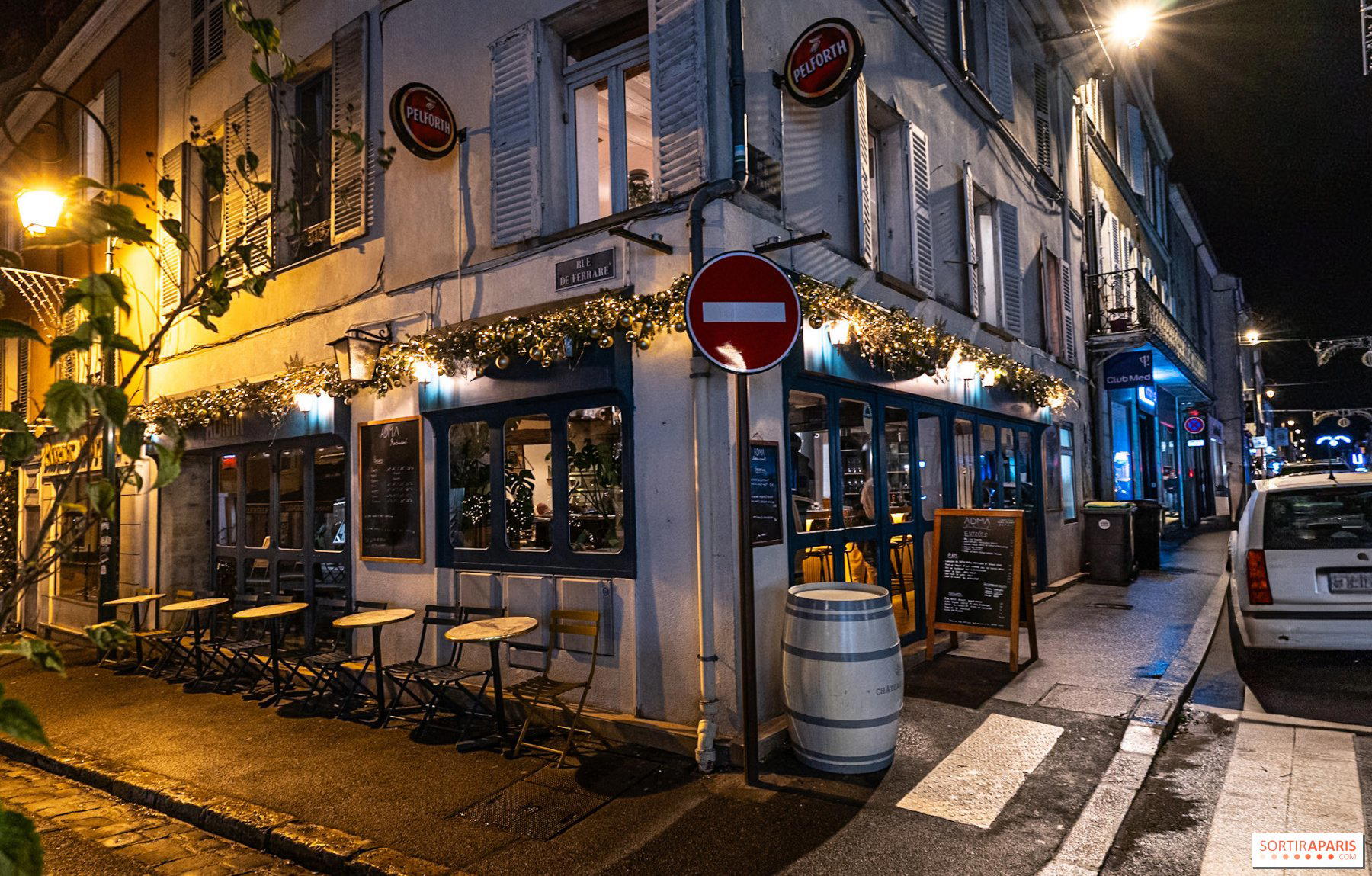
ADMA occupies a address on the Rue de France in Fontainebleau, placing it within walking distance of the royal forest and the town's compact restaurant circuit. The venue sits in a dining scene that has quietly developed beyond the tourist-facing brasseries clustered around the château, drawing a more deliberate local and Parisian day-trip clientele. Precise details on cuisine format and price tier are limited, making an advance check worthwhile before visiting.

Pearl is the En Primeur Club membership app, where members save venues, book tables and use the concierge.
The menu
What to order
- Vitello Tonnato
- Panisse Aioli
- Fish of the Day
Where Fontainebleau's Dining Scene Has Been Heading
Fontainebleau has spent the better part of a decade sorting itself into two distinct restaurant tiers. The first is the tourist-facing circuit around the château square, where menus are broad, covers are high, and the cooking rarely surprises. The second, smaller tier runs along Rue de France and the streets just off it, where a cluster of independent tables has built quieter, more considered followings among Parisians who treat the town as a serious dining destination rather than a day-trip afterthought. ADMA, at 23 Rue de France, occupies an address in that second tier.
That positioning matters for how to read the room before you arrive. Fontainebleau's better independent restaurants tend to work with shorter, more seasonal menus than their brasserie counterparts, and the clientele skews toward locals and food-focused visitors who have done some research. The dynamic is closer to what you find in mid-sized French provincial towns with a strong culinary identity than to the Paris-satellite dining that defines many of the city's suburban outposts. For broader context on how the scene fits together, the full Fontainebleau restaurants guide maps the range of options across the town's main dining corridors.
The Ingredient Question in Provincial French Cooking
Across France's provincial restaurant circuit, the most consistent differentiator between credible independent tables and merely competent ones is sourcing discipline. Establishments that commit to regional supply chains, seasonal produce windows, and named producers tend to cook in a way that reflects where they are rather than simply executing a generalist French menu. This is not a recent trend, it traces back through the cuisine du terroir tradition to figures like Michel Bras at Bras in Laguiole and the Troisgros family at Troisgros - Le Bois sans Feuilles in Ouches, both of whom anchored their cooking explicitly to the produce and geography around them.
In the Île-de-France region, that sourcing tradition intersects with proximity to some of France's most productive agricultural land. The Seine-et-Marne département, which surrounds Fontainebleau, supplies wheat, beet, and market vegetables to Paris at scale. For a restaurant willing to work within that geography rather than importing prestige ingredients from further afield, the raw material is there. How deeply any particular Fontainebleau table has committed to that approach is something you confirm at the table, through the provenance notes on a menu, a server's fluency with producer names, or the coherence between the season and what's actually on the plate.
ADMA in the Context of Fontainebleau's Independent Tables
Fontainebleau's independent dining circuit is small enough that individual openings shift its character noticeably. The town's most established reference points include L'Axel, which operates at the higher end of the local price register with a Modern Cuisine format at the €€€€ tier, and Fuumi, which brings a Japanese menu at the more accessible €€ range. Alongside these sit Démé, L'Orée des Sablons, and Milpan, each holding a distinct position in a scene that, by the standards of a town this size, is more varied than you might expect.
What the address on Rue de France does signal is a location with foot traffic from both the château visitor circuit and the town's residential core, a street that tends to attract restaurants building a genuinely local following rather than relying exclusively on tourist throughput.
The Broader French Culinary Frame
To understand what a serious independent table in a town like Fontainebleau is reaching toward, it helps to look at the broader French fine dining tradition that provincial restaurants either absorb or consciously depart from. The kitchens that have defined French regional cooking at the highest level share a commitment to place-specificity that goes beyond local sourcing as a marketing claim. Flocons de Sel in Megève builds its identity around Alpine altitude and the produce it yields. Mirazur in Menton works within the biodynamic garden it maintains on the hillside above the dining room. Auberge de l'Ill in Illhaeusern has anchored three generations of cooking to the Alsatian landscape. The thread running through all of them is that the sourcing claim is not decorative, it shapes the menu architecture.
For a restaurant at ADMA's scale and location, the relevant question is how legibly the Île-de-France context shows up in the food. France's provincial dining scene has increasingly rewarded tables that can answer that question with specific, seasonal evidence rather than a general appeal to French quality. The success of Paris-adjacent destinations as dining draws, rather than just stepping stones to the capital, depends on exactly this kind of culinary specificity. Tables like Alléno Paris au Pavillon Ledoyen demonstrate how rigorously the sourcing argument can be prosecuted at the leading end; the same principle scales to smaller formats when the kitchen commits to it.
Planning a Visit
ADMA is located at 23 Rue de France, 77300 Fontainebleau, France. Fontainebleau is accessible from Paris by train from Gare de Lyon, with the journey to Fontainebleau-Avon station running approximately 40 minutes on the R line; the town centre, including Rue de France, is a short walk or local taxi ride from the station.
Those building a broader reading of the French restaurant circuit alongside a Fontainebleau visit might also consider how destinations like Les Prés d'Eugénie - Michel Guérard in Eugénie-les-Bains, La Table du Castellet in Le Castellet, Georges Blanc in Vonnas, and Paul Bocuse - L'Auberge du Pont de Collonges in Collonges-au-Mont-d'Or position themselves within the provincial French tradition. For transatlantic reference on how the French culinary influence translates abroad, Le Bernardin in New York City and Lazy Bear in San Francisco each represent distinct interpretations of European sourcing rigour in an American context.
Frequently asked questions
Is ADMA child-friendly?
Nothing in ADMA's available details signals a dedicated children's menu or play facilities. Situated on Rue de France in central Fontainebleau, the restaurant sits in a town that draws family visitors to the château, so the surrounding context is family-aware. Calling ahead to confirm suitability for young children is the practical step before booking.
What's the overall feel of ADMA?
ADMA occupies the independent end of Fontainebleau's dining circuit, a town that divides sharply between tourist-facing places near the château and more considered local tables. At 23 Rue de France, it sits within easy reach of the town centre without being on the main tourist drag. The register reads as a serious provincial French room rather than a casual bistro.
Is ADMA a good option for a day trip restaurant from Paris?
Fontainebleau is around 40 minutes from Paris Gare de Lyon by train, making ADMA at 23 Rue de France a plausible lunch destination for a day centred on the château and forest. Among Fontainebleau's independent tables, ADMA sits outside the tourist-facing circuit, which matters when you want a meal that reflects the town rather than its visitor economy. Confirming current hours directly before travelling is advisable.
What do people recommend at ADMA?
What draws repeat visitors to independent French tables in towns like Fontainebleau is typically the sourcing discipline: whether the kitchen is buying from producers in the Seine-et-Marne region or pulling from further afield. Arriving with an open mind toward the day's market-led choices tends to be the better strategy than seeking a signature dish.
Where exactly is ADMA?
ADMA is located at 23 Rue de France, 77300 Fontainebleau, France, Fontainebleau.
Quick Comparison
Comparable venues nearby, for context on price, style, and recognition.
| Venue | Cuisine | Price | Awards | Notes |
|---|---|---|---|---|
| ADMAThis venue (the venue you are viewing) | Mediterranean-Influenced French Bistronomie | $20–30 | Not listed | Not listed |
| L'Orée des Sablons | Bistronomique French | $50–100 | Michelin Plate · Relais Desserts Member Boutique | centre piéton |
| Milpan | Contemporary Mexican | Not listed | Not listed | centre-ville |
| Démé | Southern Italian Pizza and Pasta | $30–50 | Not listed | Fontainebleau |
| Fuumi | Authentic Japanese Teppanyaki | $30–50 | Michelin Plate | centre |
| L'Axel | French-Japanese Fusion Fine Dining | $150–200 | 1 Michelin Star · Gault & Millau Remarkable Restaurant | Fontainebleau city center |
Continue exploring
More in Fontainebleau
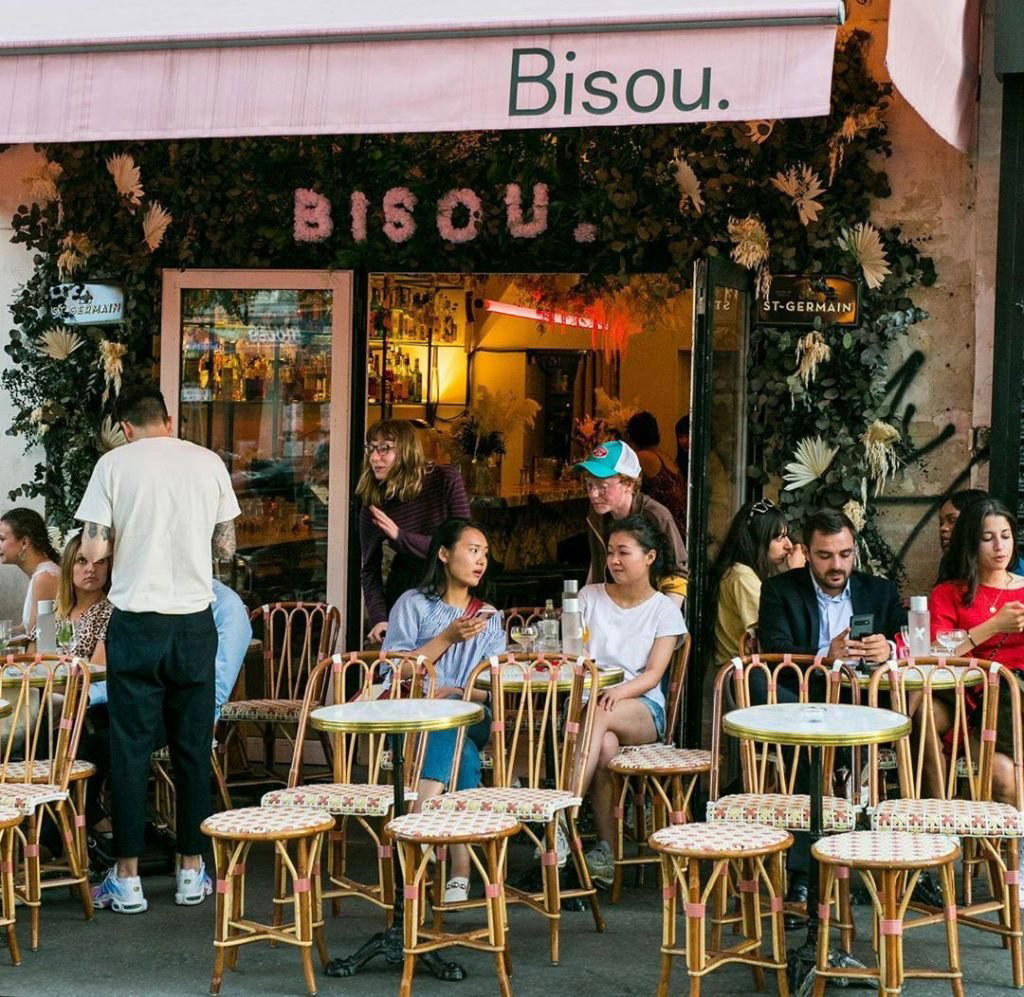
Restaurants in Fontainebleau
All restaurants in Fontainebleau →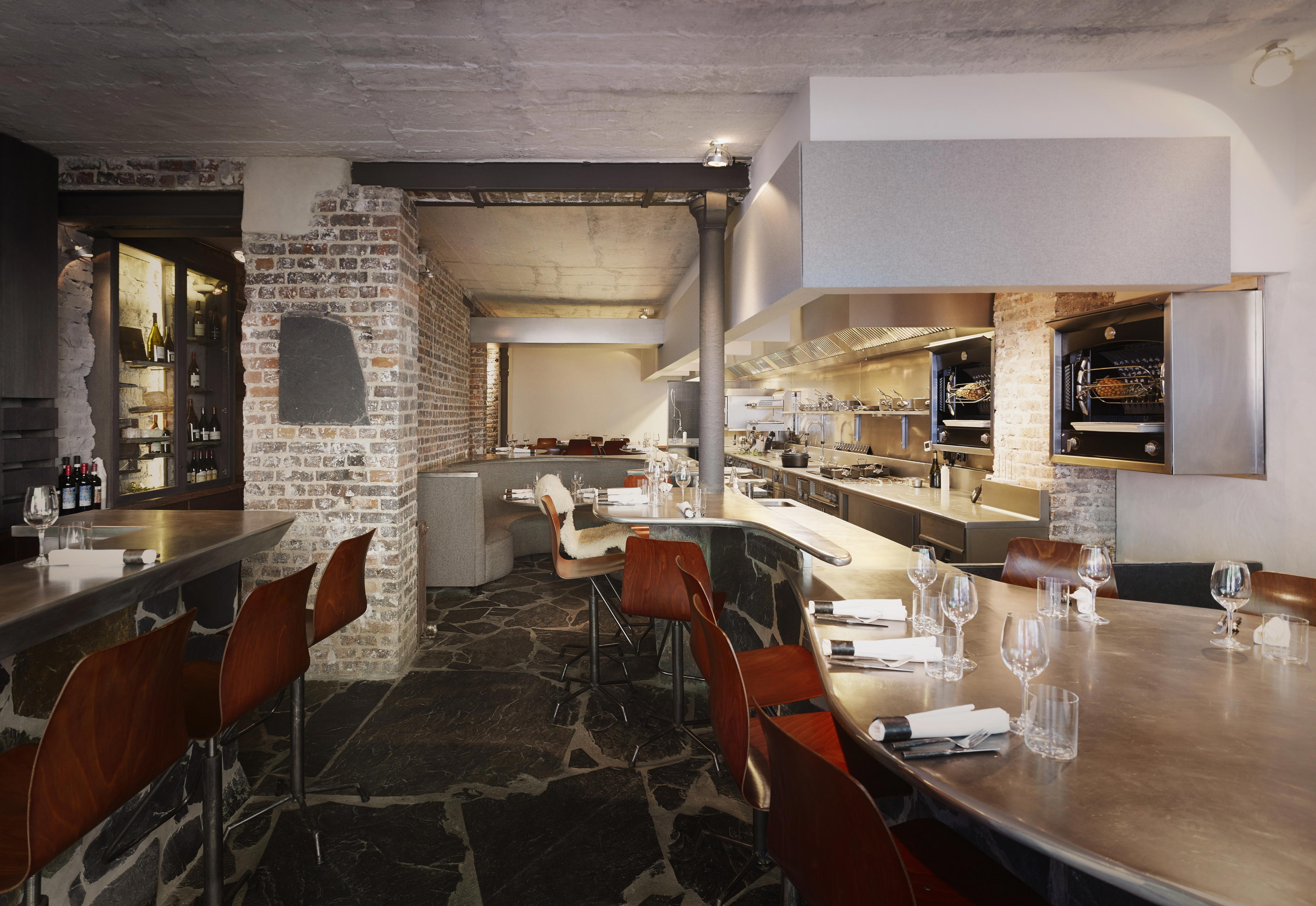
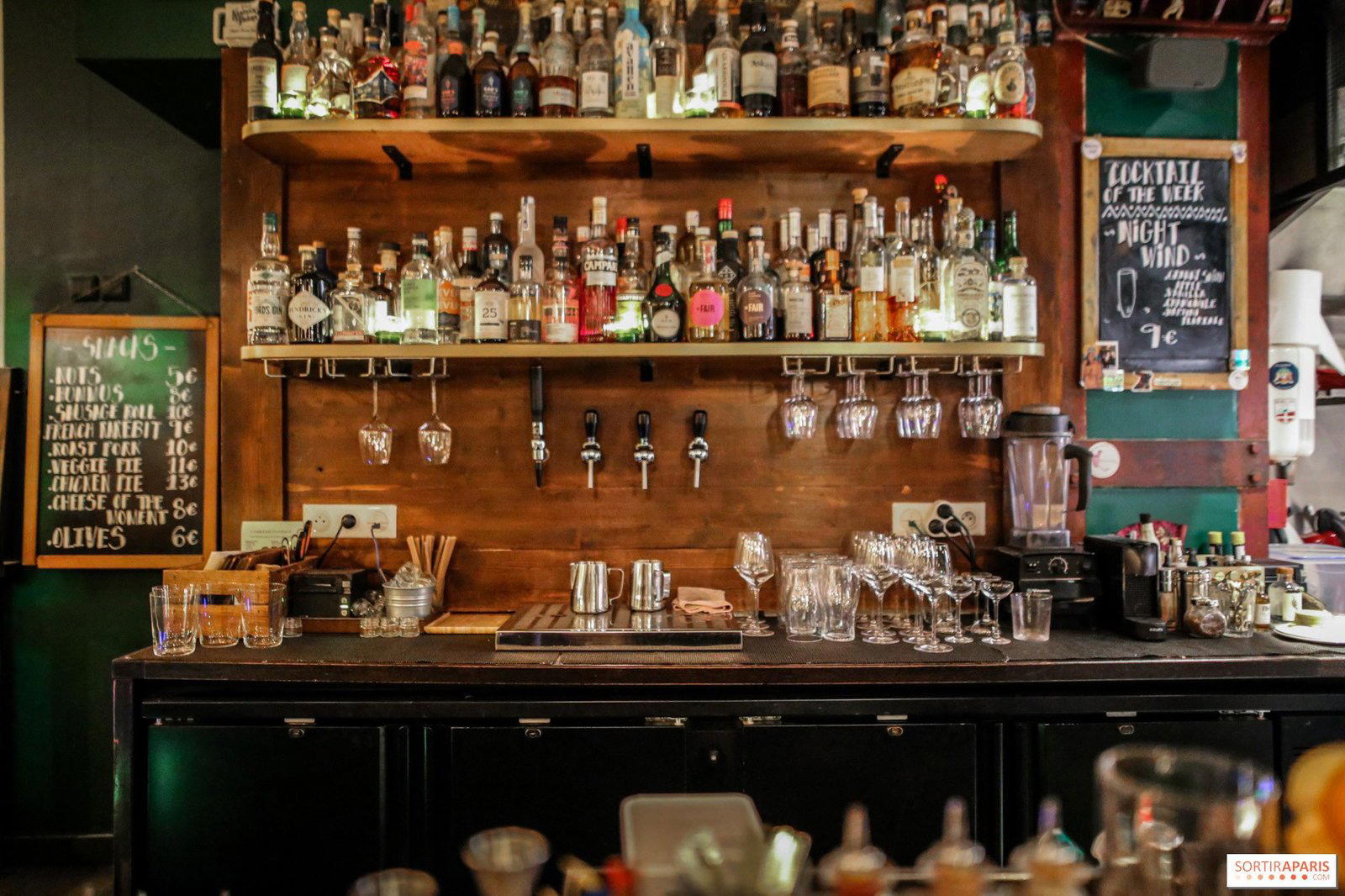
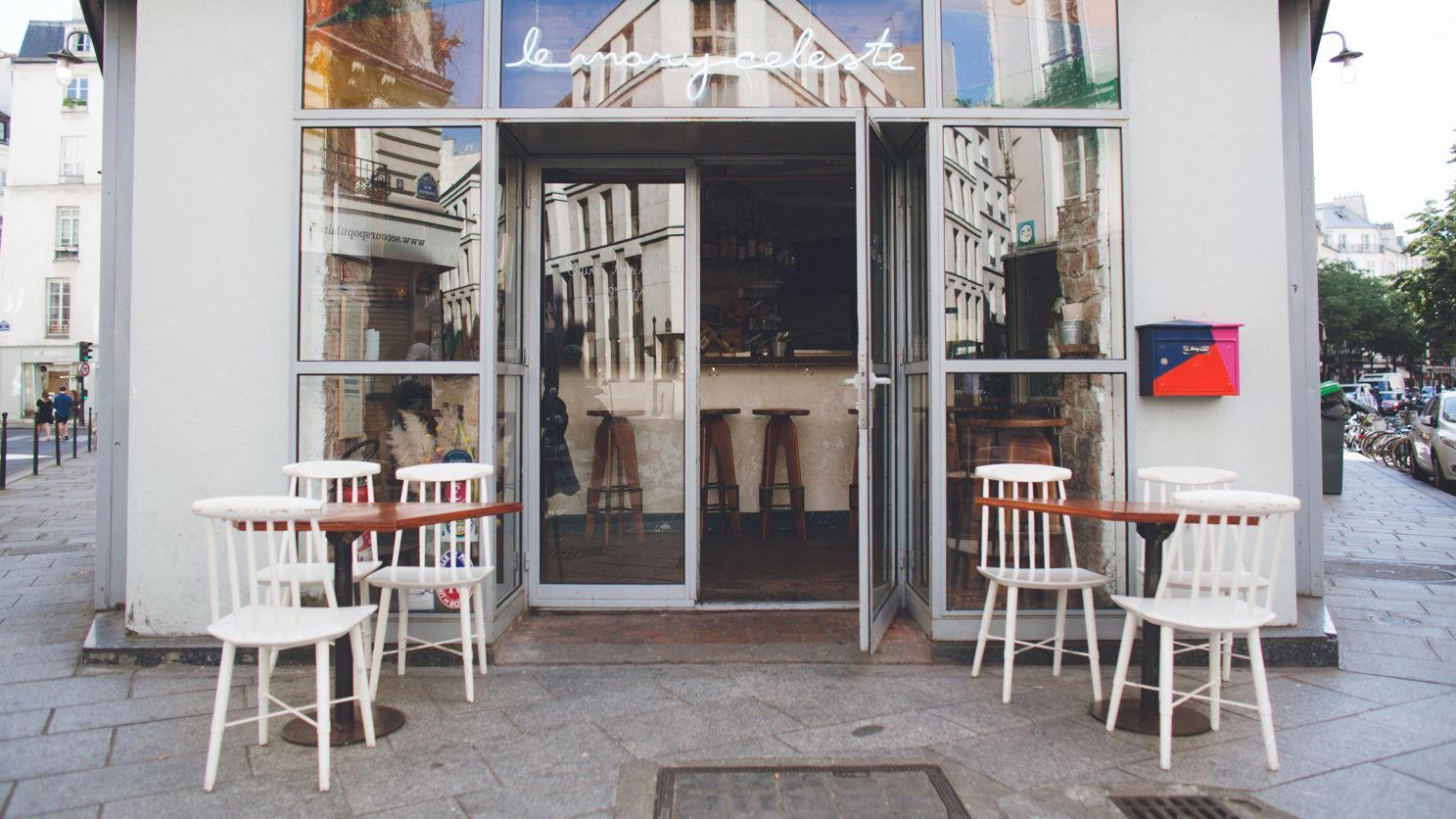
Bars in Fontainebleau
Browse all →
Hotels in Fontainebleau
All hotels in Fontainebleau →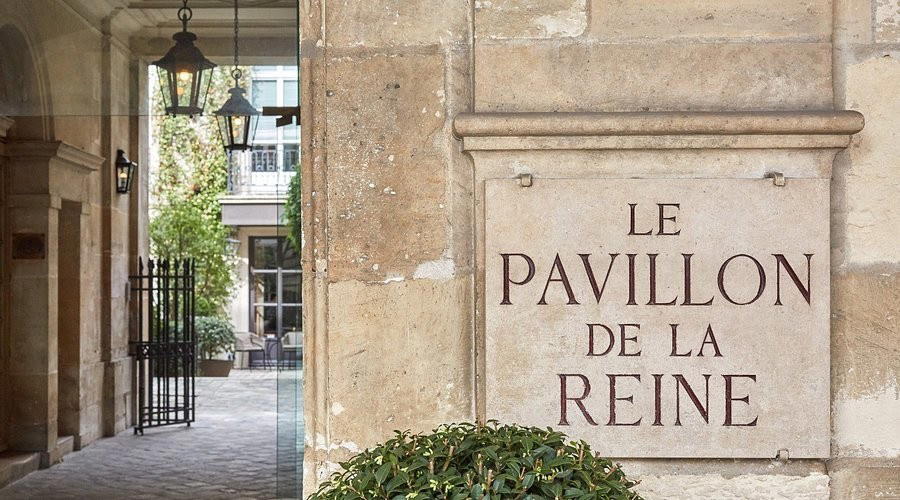
Wineries in Fontainebleau
Browse all →
Details
- Cozy
- Romantic
- Intimate
- Elegant
- Date Night
- Group Dining
- Family
- Casual Hangout
- Open Kitchen
- Farm To Table
- Local Sourcing
- A La Carte
- Vegetarian Friendly
- Allergy Accommodating
Current opening hours
- Monday
- 12–2 PM, 7–11:30 PM
- Tuesday
- Closed
- Wednesday
- Closed
- Thursday
- 12–2 PM, 7–11:30 PM
- Friday
- 12–2 PM, 7–11:30 PM
- Saturday
- 11 AM–3 PM, 7–11:30 PM
- Sunday
- 11 AM–3 PM
Hours can change for holidays and private events. Last verified .
Warm and friendly atmosphere with two dining rooms across two floors; downstairs features an open kitchen view for authenticity, upstairs is more convivial and ideal for groups.