Our verdict
La Borracha sits on Dade Street in Accra at a moment when the city's dining scene is rethinking where its ingredients come from and what that means for the plate. The address places it inside a broader West African shift toward source-conscious cooking, where provenance is editorial rather than decorative. For visitors tracing Accra's contemporary food direction, it belongs in the same conversation as the city's most considered tables.

Pearl is the En Primeur Club membership app, where members save venues, book tables and use the concierge.
The menu
What to order
- Tacos
- Margaritas
- Burritos
- Chicken wings
- Nachos
Dade Street and the Question of Where Accra's Food Comes From
Accra's restaurant scene has spent the better part of a decade sorting itself into two camps. On one side sit the international-format venues that source globally and plate accordingly, reading as interchangeable with similar rooms in Nairobi or Lagos. On the other, a smaller and more interesting cohort has started asking harder questions about supply chains, regional producers, and what West African cooking actually looks like when the ingredients are treated as the point rather than the backdrop. La Borracha, at 11 Dade St, enters that second conversation. The address is in Accra proper, removed from the airport-corridor hotel clusters that tend to flatten dining into a kind of pan-African generic. That physical positioning matters: it signals an operation pitched at the city rather than at transit.
The name itself, Spanish for "the drunk woman", sits in an interesting register for a West African address. It signals a degree of irreverence, a willingness to borrow from elsewhere without pretending to be from elsewhere. That tension between local grounding and cosmopolitan reference is, increasingly, the productive space where Accra's most considered kitchens are operating. Midunu (Ghanaian Cuisine) works that same register, using Ghanaian culinary logic as the spine of a menu that reads internationally fluent. Asanka Local Restaurant takes a different route, anchoring harder to tradition. La Borracha appears to occupy the more hybrid middle, where the sourcing story and the cultural code can coexist without either cancelling the other.
Ingredient Geography in a City Reclaiming Its Larder
The editorial angle that matters most for a venue like this is not the menu itself but what the menu implies about sourcing geography. Ghana's agricultural diversity is substantial: the coast produces seafood that never needs to travel far to arrive fresh; the inland regions supply yams, plantain, cassava, and a range of peppers that serious kitchens in Europe and North America have started importing precisely because the varieties are distinct. A restaurant on Dade Street in Accra has access to that larder in a way that no amount of sourcing budget can replicate from a kitchen in another continent.
Sourcing question matters beyond local pride. At venues like Arpège in Paris, Alain Passard made the radical case decades ago that a kitchen's identity could be rebuilt around what grows nearby. That argument has since become mainstream across three-star Europe, from Arzak in San Sebastián to Aponiente in El Puerto de Santa María, where the sea is treated as a farm rather than just a fishing ground. In Accra, that same logic applies with additional force: the raw material is not merely good, it is frequently unavailable anywhere else. A kitchen that takes that seriously is working with an asset that money alone cannot import.
For visitors who have tracked this argument through its European iterations, watching it play out in West Africa is genuinely instructive. The Amber in Hong Kong made a comparable case for Asian ingredient integrity within a French framework. 8½ Otto e Mezzo Bombana did something similar for Italian produce sourced across the region. In each case, the interesting work happened at the intersection of technique and terroir. La Borracha appears positioned for that same conversation, translated into a West African register.
Accra's Competitive Set and Where This Address Fits
Placing La Borracha within Accra's current dining structure requires some honest cartography. The city's top tier is not yet as codified as Lagos or Cape Town, which means the boundary between a serious independent and a well-marketed newcomer is less clearly drawn. What distinguishes the stronger operations is usually a combination of sourcing discipline, a consistent format, and some form of external validation, whether through press attention, returning clientele, or the kind of word-of-mouth that travels between cities.
Tortuga Island Gh operates in a different register, leaning into the leisure and waterfront positioning that draws a different kind of crowd. The venues that feel most directly comparable to what La Borracha appears to be doing are those that have chosen a specific culinary argument and committed to it rather than hedging toward crowd-pleasing range. That kind of discipline is what separates the Accra venues worth a detour from those worth a glance. For a broader map of where this address sits relative to the city's other tables, the full Accra restaurants guide provides the wider context.
Beyond Accra, the reference set for this style of cooking extends outward. Venues like Lazy Bear in San Francisco and Emeril's in New Orleans have each, in different ways, made sourcing and regional identity central to their format. Atomix in New York City does it through a Korean lens. The common thread is that the kitchen's relationship with its ingredient supply is editorial, it shapes the menu's logic rather than merely decorating it.
Planning a Visit to Dade Street
La Borracha is located at 11 Dade St in Accra. For visitors building a broader Accra itinerary, the Linda-Dor Rest Stop in Tafo offers a useful reference point for understanding how roadside and informal Ghanaian eating fits into the wider food culture of the region. Accra rewards the kind of visit that moves between registers, from the street level up to the more composed dining addresses, and Dade Street sits comfortably in that upper tier of the progression.
For those who track ingredient-led cooking across cities, placing La Borracha alongside global reference points like Le Bernardin in New York City, Alain Ducasse at Louis XV in Monte Carlo, Alinea in Chicago, Alléno Paris au Pavillon Ledoyen, and Aqua in Wolfsburg is not hyperbole but a useful exercise in understanding what this kind of sourcing commitment looks like when it reaches its logical conclusion. La Borracha is at an earlier stage of that arc, which is arguably the more interesting moment to pay attention.
Frequently asked questions
Where exactly is La Borracha?
La Borracha is located at 11 Dade St, Accra, Ghana, Accra.
How does La Borracha fit into Accra's broader food scene compared to other Dade Street venues?
Dade Street has become one of the reference addresses in Accra for restaurants operating outside the international-franchise template, and La Borracha occupies that same geography at number 11. Ghana's agricultural base, which includes a documented range of regional produce distinct from other West African markets, gives kitchens in this part of Accra a sourcing argument that venues in import-dependent cities cannot easily replicate. Whether La Borracha has formalised that argument into a declared cooking philosophy is not yet confirmed, but the address itself carries that context.
What's the best thing to order at La Borracha?
What the Dade Street address signals, based on the editorial context around venues at this location in Accra, is a kitchen oriented toward Ghanaian agricultural sourcing rather than imported formats.
Is La Borracha reservation-only?
Until that information is verified, the practical advice is to check the venue's official channels before visiting, particularly if you are travelling specifically for dinner.
What do critics highlight about La Borracha?
No formal award citations or named critical reviews for La Borracha are currently documented in EP Club's records. The venue sits in Accra's evolving mid-to-upper dining tier, a competitive set that is still less codified than Lagos or Cape Town but generating increasing editorial attention. As coverage solidifies, EP Club will add sourced critical commentary here.
Side-by-Side Snapshot
Comparable venues nearby, for context on price, style, and recognition.
| Venue | Cuisine | Price | Awards | Notes |
|---|---|---|---|---|
| La BorrachaThis venue (the venue you are viewing) | Mexican Cantina & Tequila Bar | $10–20 | Not listed | Not listed |
| Tortuga Island Gh | Vegetarian Ghanaian | Not listed | Not listed | Osu |
| ASANKA LOCAL RESTAURANT | Authentic Ghanaian | $1–10 | Not listed | Osu |
| Midunu | New African Cuisine | $20–30 | La Liste Top Restaurants · The Best Chef One Knife | Tesano |
| Linda-Dor Rest Stop | Ghanaian Highway Rest Stop | Not listed | Not listed | Tafo |
Continue exploring
More in Accra
Restaurants in Accra
All restaurants in Accra →
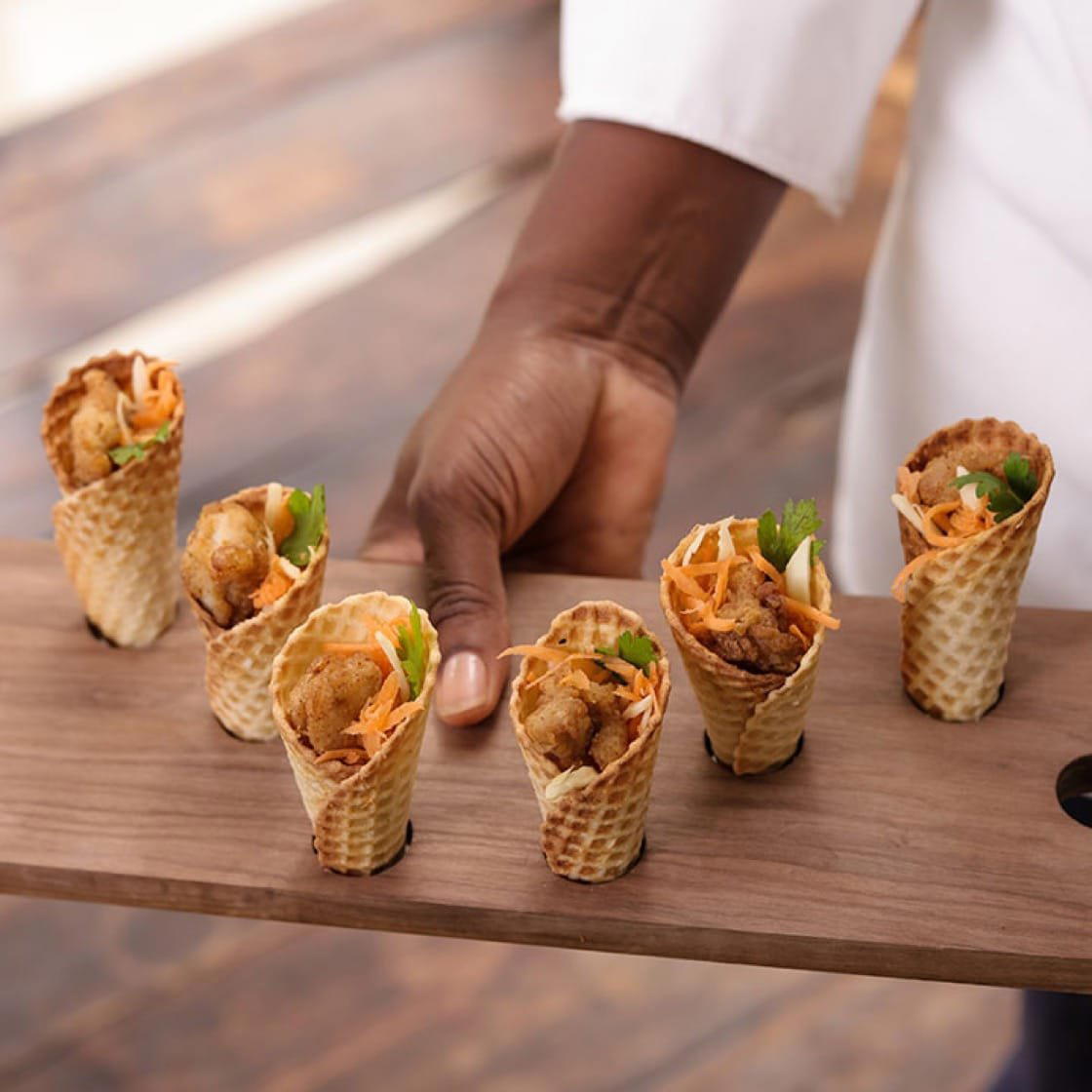
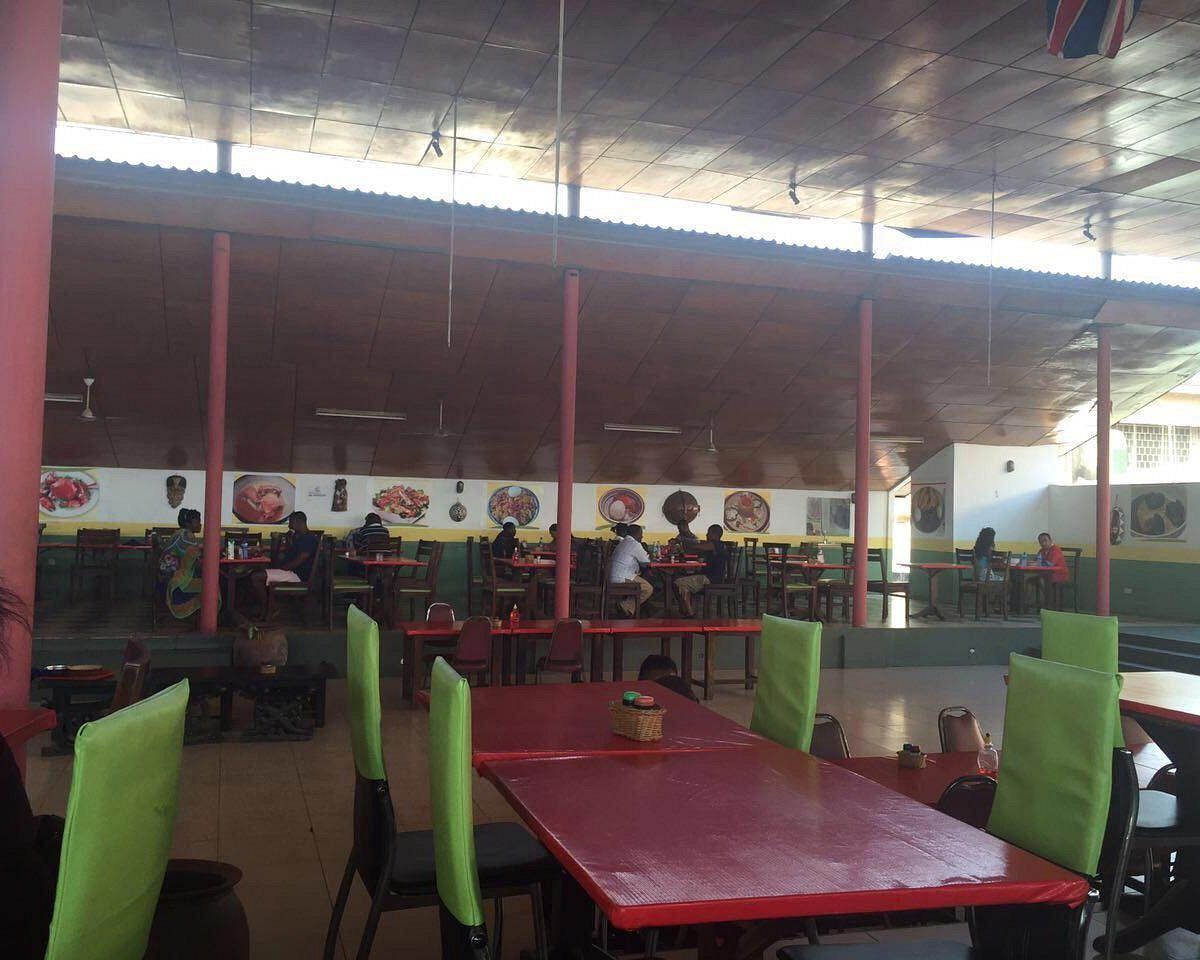
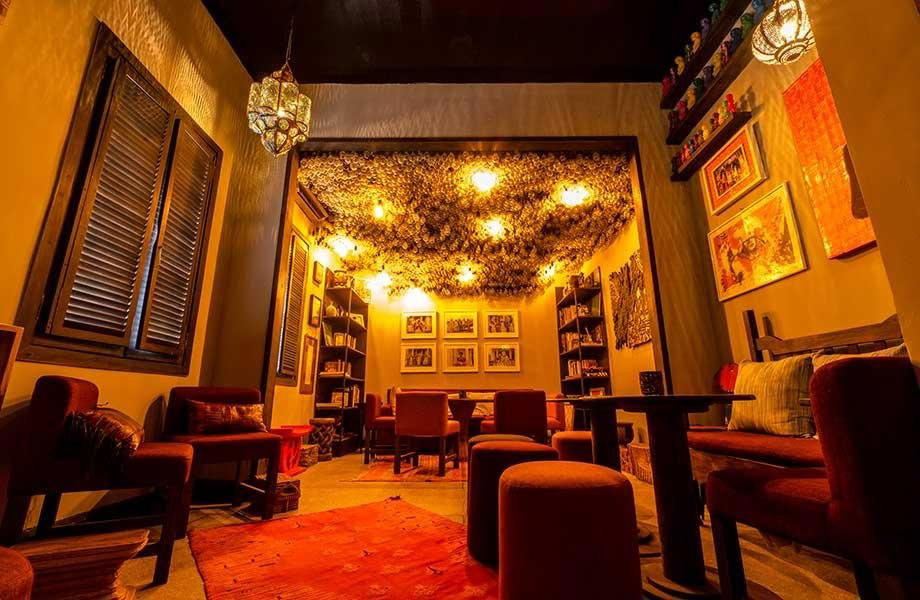
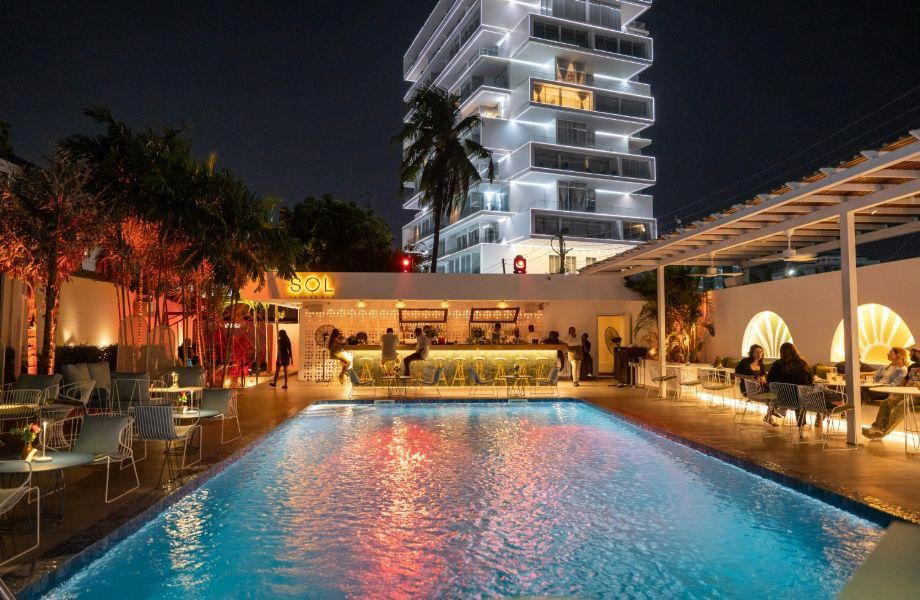
Details
- Lively
- Whimsical
- Energetic
- Trendy
- Casual Hangout
- Date Night
- Group Dining
- After Work
- Late Night
- Terrace
- Live Music
- Standalone
- Craft Cocktails
- Extensive Wine List
- Street Scene
- A La Carte
- Small Plates
- Tequila
- Margaritas
- Cocktails
- Mocktails
Current opening hours
- Monday
- 12–11:30 PM
- Tuesday
- 12–11:30 PM
- Wednesday
- 12–11:30 PM
- Thursday
- 12–11:30 PM
- Friday
- 12 PM–2:30 AM
- Saturday
- 12 PM–2:30 AM
- Sunday
- 12–10:30 PM
Hours can change for holidays and private events. Hours as of .
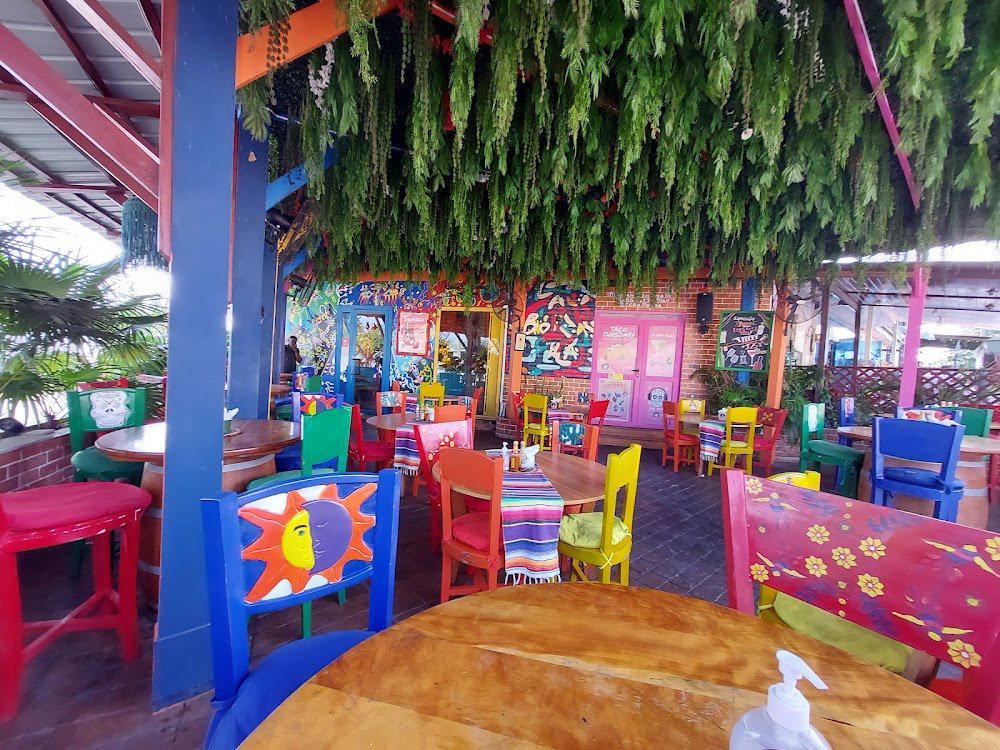
Colorful and street art-inspired interior with sweeping murals and technicolour design palette; playful and upbeat energy with a hint of día de los muertos vibe.