La Belle Vie brings a French dining sensibility to Bardon, one of Brisbane's quieter inner-west suburbs, at a remove from the CBD restaurant cluster. The address positions it as a neighbourhood proposition rather than a destination-dining circuit stop, which shapes everything from the atmosphere to who books a table. For Brisbane diners who follow the city's expanding French-leaning scene, it sits alongside venues like Bar Miette and Bacchus as part of a broader shift toward European classical forms in the Queensland capital.
Pearl is the En Primeur Club membership app — saves, bookings, and concierge access live there. Same editors, same standards.
- Address
- 1/60 MacGregor Terrace, Bardon QLD 4065, Australia
- Phone
- +61731808851
- Website
- labellevie.com.au
- Directions
- Get directions
 Saves & bookings on Pearl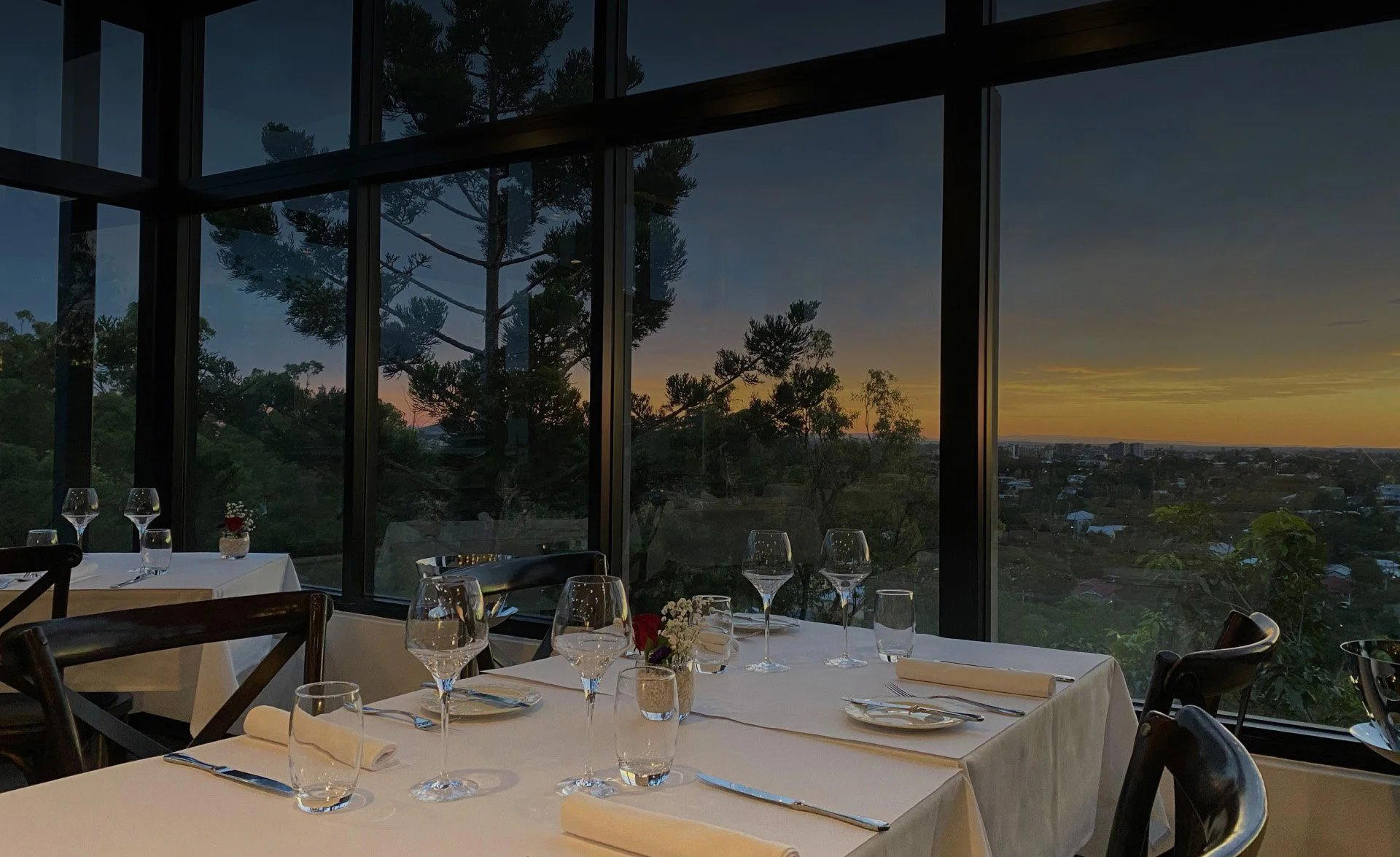
French Dining in the Inner West: What Bardon Changes
Brisbane's fine dining conversation tends to anchor itself along the river or inside the CBD precincts, where venues like Agnes and Bacchus draw from a wide metropolitan catchment. La Belle Vie French Restaurant operates from a different spatial logic entirely. Its address at 1/60 MacGregor Terrace places it in Bardon, an inner-western suburb in Brisbane.
The pattern is not distinctive to Brisbane. In Melbourne, French-influenced neighbourhood rooms in areas like Northcote, where Barry Cafe anchors a quieter strip, have historically outperformed their CBD counterparts on repeat visitation. Diners return not because the room is the subject of a press cycle but because proximity and consistency earn habitual loyalty. La Belle Vie sits in that tradition by geography if nothing else.
Brisbane's French-Leaning Scene and Where This Fits
Brisbane has developed a more textured European dining picture over the past decade. Italian has long held ground through venues like 1889 Enoteca and Bar Alto, while French-inflected formats have arrived more recently through places like Bar Miette, which operates as a compact, wine-forward French bistro in a format common to Melbourne and Sydney but still relatively rare in Queensland. La Belle Vie reads as part of this same broader movement: classical French cooking applied to the Brisbane market, with the suburb providing insulation from the competitive intensity of inner-CBD positioning.
Nationally, the French restaurant tier in Australia covers significant ground. At the upper end, rooms like Rockpool in Sydney and internationally credentialled operations like Le Bernardin in New York City represent what the format looks like under maximum pressure and resource. Closer in spirit to La Belle Vie's apparent positioning are the neighbourhood-scale operations that treat French technique as a foundation rather than a performance: rooms where a well-executed duck confit or a properly reduced sauce matters more than theatre. That is the competitive set most relevant here, even if the specific menu details for La Belle Vie are not publicly documented in a way that allows precise dish-level comparison.
The Bardon Address as a Practical Consideration
For diners coming from the CBD, Bardon sits within reasonable reach by car or taxi, though the suburb is less readily served by public transport than riverside or inner-city addresses. The MacGregor Terrace location is a strip rather than a destination block, which means the surrounding streetscape does not amplify the experience the way a heritage laneway or waterfront setting might. What it does offer is the kind of unforced neighbourhood atmosphere that is increasingly difficult to manufacture in premium-positioned CBD rooms: lower ambient noise, less transient foot traffic, and a clientele that has made a deliberate choice to be there rather than defaulting to the nearest well-reviewed option.
That deliberateness matters in how a French restaurant of this type actually functions. In suburbs like Bardon, where restaurant density is low, a French room becomes a reference point for the wider local area rather than one option among many. That position carries both a reward, in the form of embedded local loyalty, and a risk: if the kitchen is inconsistent, there is no street-level buzz to cushion the reputation impact. The address commits the restaurant to a standard it cannot hide behind volume or novelty.
French Technique in the Queensland Context
French restaurants operating in Australian cities outside Sydney and Melbourne face a specific calibration challenge. The classical French canon assumes a certain diner familiarity with its conventions, from the structure of a multi-course menu to the wine list grammar of Burgundy and Bordeaux. In Brisbane, that familiarity exists but is concentrated in a narrower demographic band than in the southern capitals. Restaurants that have navigated this well nationally tend to offer enough classical rigour to satisfy French-trained palates while keeping the format accessible to diners arriving without that reference frame.
The comparison with venues like Brae in Birregurra or Attica in Melbourne is instructive not because La Belle Vie operates at that tier of recognition, but because those venues illustrate what happens when European classical roots are adapted to an Australian setting with genuine conviction rather than superficial theming. The better neighbourhood French rooms in Australian cities follow a similar logic at a more accessible price point and scale. Across Australia's dining scene, meanwhile, venues of all types continue to claim European lineage with varying degrees of credibility; the French designation in particular requires a kitchen that can execute the fundamentals consistently rather than relying on the cultural cachet of the label alone.
Other cities provide further context. In New York, Atomix shows how a rigorous tasting format can be sustained outside its native culinary tradition; in South Yarra, Bar Carolina demonstrates the neighbourhood bistro model operating with genuine European conviction. Brisbane has its own version of that question developing, and La Belle Vie is part of it. For readers planning travel across Australia's east coast dining scene, our full Brisbane restaurants guide maps the broader picture alongside venues across Sydney, including bills in Bondi Beach, Bayly's Bistro in Kirribilli, and Johnny Bird in Crows Nest, as well as regional options like Hungry Wolfs Italian Restaurant in Newcastle and Jaani Street Food in Ballarat.
Planning Your Visit
La Belle Vie French Restaurant is located at 1/60 MacGregor Terrace, Bardon QLD 4065. Bardon is accessible by car from the CBD in approximately ten to fifteen minutes depending on traffic, with street parking available in the surrounding residential streets. La Belle Vie is recommended for reservations, with smart casual dress.
The Essentials
Comparable venues nearby, for context on price, style, and recognition.
| Venue | Cuisine | Price | Notes |
|---|---|---|---|
| La Belle Vie French Restaurant BrisbaneThis venue — the venue you are viewing | Bardon, Authentic French Bistro | $$$ | Not listed |
| Aunty | Fortitude Valley, Modern Asian | $$$ | Not listed |
| Golden Avenue | Not listed | $$$ | Brisbane CBD, Modern Middle Eastern woodfire restaurant |
| Supernormal Brisbane | CBD, Modern Pan-Asian Fusion | $$$ | Not listed |
| Bar Monte | Newstead, Modern neighbourhood Italian | $$ | Not listed |
| Rosmarino Ristorante & Wine Bar | Fortitude Valley, Modern Italian | $$$ | Not listed |
Continue exploring
More in Brisbane
Restaurants in Brisbane
Browse all →
Bars in Brisbane
Browse all →
Hotels in Brisbane
Browse all →
Wineries in Brisbane
Browse all →
At a Glance
- Romantic
- Elegant
- Intimate
- Sophisticated
- Cozy
- Date Night
- Special Occasion
- Celebration
- Open Kitchen
- Extensive Wine List
- Craft Cocktails
- Organic
- Biodynamic
- Skyline
Current opening hours
- Monday
- Closed
- Tuesday
- 12–2:30 PM, 6–9:30 PM
- Wednesday
- 12–2:30 PM, 6–9:30 PM
- Thursday
- 12–2:30 PM, 6–9:30 PM
- Friday
- 12–2:30 PM, 6–9:30 PM
- Saturday
- 12–2:30 PM, 5:30–9:30 PM
- Sunday
- Closed
Hours can change for holidays and private events. Last verified .
Cozy and elegant with lush landscape views, warm lighting, and an authentic French atmosphere praised for its intimacy and sophistication.