La Baraque à Frites
Our verdict
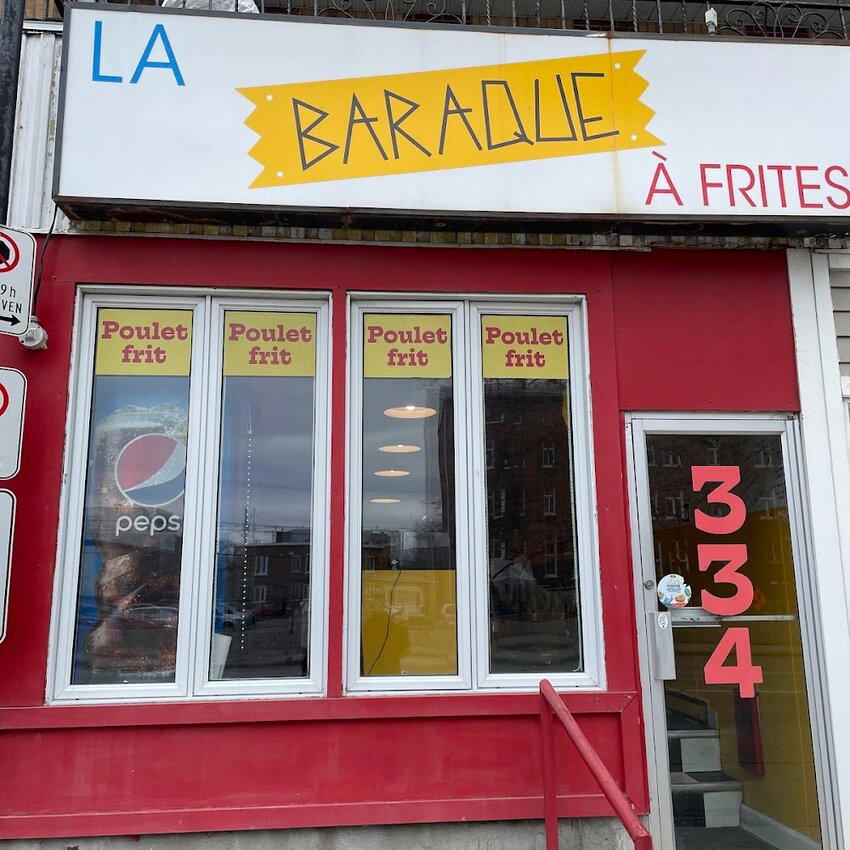
La Baraque à Frites is a frites-focused counter on Rue Marie-de-l'Incarnation in Quebec City, operating within a city that takes its street food as seriously as its white-tablecloth dining. The format is simple by design: fried potatoes, sauces, and the kind of unhurried transaction that defines the baraque tradition imported from Belgium and northern France. It sits at the casual end of a dining scene that also runs to Michelin-level tasting menus.

Pearl is the En Primeur Club membership app, where members save venues, book tables and use the concierge.
The menu
What to order
- Frites Belges
- Moules Frites
- Poutine
- Croquettes de Poulet
The Frite Tradition in a City That Knows How to Eat
Quebec City's dining identity is often narrated through its formal end: the vaulted dining rooms of Old Quebec, the tasting counter ambitions of Tanière³, the heritage-food stewardship at Aux Anciens Canadiens. But that reading skips the street-level food culture that has always run alongside it. The baraque à frites format, borrowed from Belgium and northern France and carried into Québécois culture through deep francophone ties, represents something genuinely distinct from the poutine-and-smoked-meat shorthand that gets applied to the province from outside. A proper baraque is a counter operation, often a standalone structure or a compact shopfront, built around the single discipline of frying potatoes well and offering a range of sauces that determine where on the quality spectrum the result lands.
La Baraque à Frites on Rue Marie-de-l'Incarnation occupies exactly this position in Quebec City's food ecosystem. The address places it in a residential-commercial band that sits between the tourist density of the Old Port and the quieter neighbourhood rhythms further southwest, the kind of block where a counter like this can build a local clientele rather than living off passing traffic. In a city where the formal dining tier includes ARVI and Laurie Raphaël at the upper end, a frites counter represents a completely different kind of commitment to quality, one measured in oil temperature and potato variety rather than wine list depth or tasting menu length.
What the Baraque Format Actually Means
The baraque à frites as a European institution has a specific logic. The Belgian model, which spread through northern France and into francophone communities elsewhere, prioritises the double-fry method: potatoes blanched at a lower temperature to cook through, then finished at high heat to produce the characteristic exterior crispness without sacrificing the interior. The sauce selection in this tradition is not an afterthought. Andalouse, samurai, tartare, and straight mayonnaise are as load-bearing to the format as the frites themselves. The experience is transactional in the leading sense: a short menu, a counter, a paper cone or cardboard tray, and the expectation that the thing you ordered will be executed correctly rather than creatively.
This matters as a cultural reference point in Quebec City because it sits in contrast to the province's better-known street-food export. Poutine, which also begins with fried potatoes, evolved from Quebec's own cheese curd and gravy tradition and now functions as the province's most internationally recognised food. The baraque format predates poutine's commercial rise and represents a different inheritance, one that arrived via immigration patterns and francophone cultural exchange rather than rural Quebec invention. Both exist on the same informal dining spectrum, but they come from different directions.
Placing It in the Quebec City Casual Tier
Quebec City's casual dining tier is more varied than its formal reputation suggests. The city supports a range of price points and formats, from the approachable bistro end represented by venues like Chez Boulay - Bistro Boréal through mid-range modern options. A frites counter sits at the most accessible level of this tier, which means it functions differently from casual restaurants in the conventional sense. There is no table service implied, no wine list, no booking window to think about. The transaction is immediate and the overhead is low, which is precisely the structural reason why a well-run baraque can focus all its attention on one thing.
That single-discipline focus is worth taking seriously in a city where the competition for attention at the serious dining level is meaningful. Kebec Club Privé and Auberge Saint-Antoine represent the formal poles of what Quebec City dining can do. A counter on Rue Marie-de-l'Incarnation is not competing with those addresses; it is filling a different function in the same city's food life. The question a visitor or resident asks at a baraque is simpler: are the frites properly executed? Everything else follows from that.
For reference points elsewhere in Canada, the closest analogues for this kind of single-focus discipline at the informal end are harder to find than one might expect. Much of Canada's casual dining tier has consolidated around comfort-food formats that cover more menu ground. In that sense, the baraque model, which refuses to broaden, represents a more European attitude to what a food counter should do. It shares a certain conceptual kinship with the counter-culture discipline that defines places like AnnaLena in Vancouver or the focused ambition of Narval in Rimouski, even if the register is completely different.
Planning Your Visit
Rue Marie-de-l'Incarnation is accessible on foot from the Saint-Jean-Baptiste neighbourhood and from the lower sections of Old Quebec, making La Baraque à Frites a natural stop when moving between the city's main districts on foot. No booking is required or possible at a counter of this format; the visit is walk-up by design. Dress code is non-existent in any meaningful sense. The format suits children without any adjustment, the menu being self-explanatory and the transaction quick. Winter visits are common in Quebec City, where the cold creates its own argument for fried food served hot in a paper cone. Those touring the broader Quebec dining scene and comparing across price tiers will find the contrast instructive: the same city that supports the ambitious Canadian-ingredient sourcing at Auberge Saint-Antoine or the creative precision of Tanière³ also sustains a functional baraque on a working neighbourhood street. See our full Quebec City restaurants guide for broader context on how the tiers connect.
Frequently asked questions
Is La Baraque à Frites okay with children?
The baraque format is inherently family-oriented. Frite counters across Belgium and francophone communities built their reputation on accessible, quick-serve meals with broad appeal, and La Baraque à Frites on Rue Marie-de-l'Incarnation fits that tradition. The Saint-Jean-Baptiste neighbourhood location makes it reachable on foot from central Quebec City, which simplifies logistics for families visiting the area.
Is La Baraque à Frites formal or casual?
It is a frite counter, which puts it at the casual end of Quebec City's dining spectrum by definition. The baraque model as a European institution is built around standing or minimal-seating service, paper cones or trays, and no dress expectations. Quebec City's casual tier runs wider than the city's formal Old Quebec reputation suggests, and La Baraque à Frites sits firmly in that accessible register.
How does La Baraque à Frites fit into Quebec City's food culture?
Quebec City has a documented affinity for the frite as a cultural staple, rooted in its francophone heritage and proximity to the poutine and casse-croûte traditions common across the province. La Baraque à Frites at 334 Rue Marie-de-l'Incarnation represents the European baraque model applied within that local context, operating in a city whose casual dining tier includes formats from casse-croûtes to neighbourhood bistros alongside its more formal Old Quebec rooms.
What's the signature dish at La Baraque à Frites?
The name of the venue identifies the product: frites are the anchor. In the Belgian baraque tradition that the format draws from, frites are twice-fried and served with a range of sauces, with the fries themselves carrying the weight of the offering rather than any secondary item.
Pricing, Compared
Comparable venues nearby, for context on price, style, and recognition.
| Venue | Cuisine | Price | Notes |
|---|---|---|---|
| La Baraque à FritesThis venue (the venue you are viewing) | Belgian Fries & Fried Chicken | $10–20 | Not listed |
| Portofino | Traditional Italian Trattoria with Wood-Fired Pizza | $30–50 | Vieux-Québec, Cap-Blanc, Colline parlementaire, Traditional Italian Trattoria with Wood-Fired Pizza |
| Ciel | Modern French Bistro with Quebec Influences | $50–100 | Vieux-Québec, Cap-Blanc, Colline parlementaire, Modern French Bistro with Quebec Influences |
| Nina Pizza Napolitaine St-Roch | Authentic Neapolitan Pizza | $20–30 | Saint-Roch, Authentic Neapolitan Pizza |
| Restaurant Le Fin Gourmet | French with Quebec influences | Not listed | Saint-Sauveur, French with Quebec influences |
| Sushi X Cartier | Asian | Not listed | Montcalm, Japanese-French Fusion Sushi |
Continue exploring
More in Quebec City
Restaurants in Quebec City
All restaurants in Quebec City →
Details
- Cozy
- Rustic
- Casual Hangout
- A La Carte
- Local Craft Beers
Current opening hours
- Monday
- Closed
- Tuesday
- 11:30 AM–9 PM
- Wednesday
- 11:30 AM–9 PM
- Thursday
- 11:30 AM–9 PM
- Friday
- 11:30 AM–9 PM
- Saturday
- 4–9 PM
- Sunday
- 4–9 PM
Hours can change for holidays and private events. Hours as of .
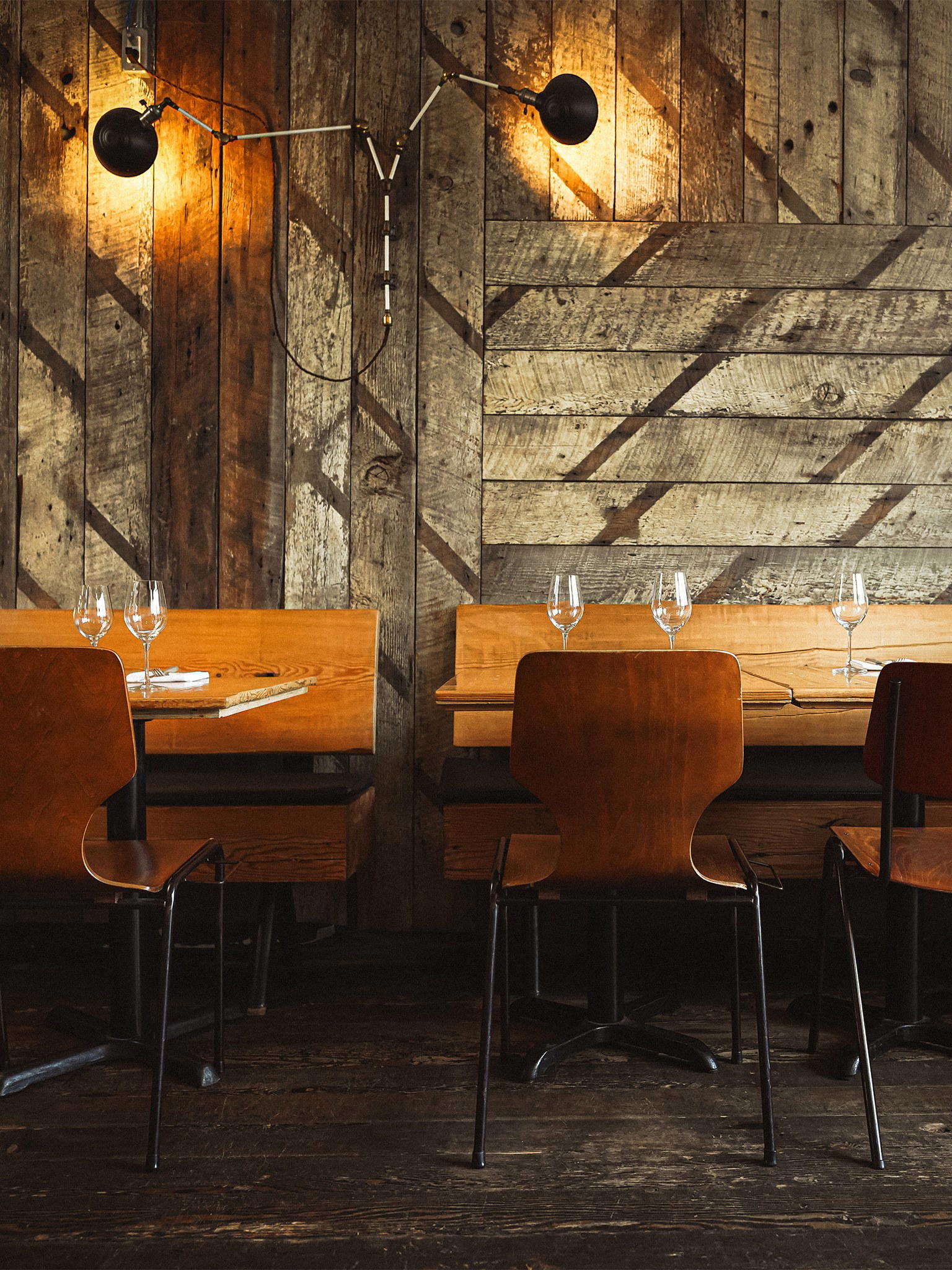
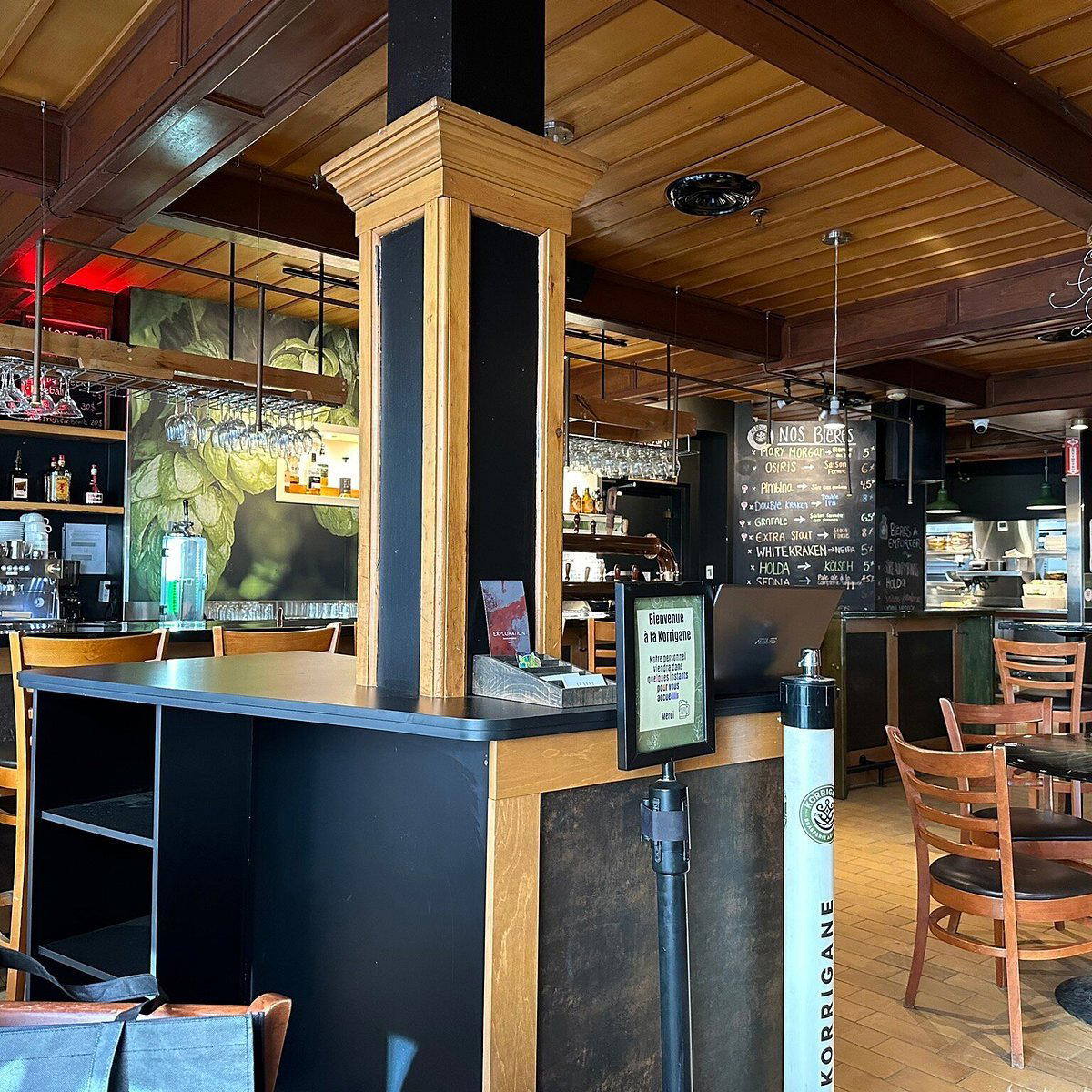
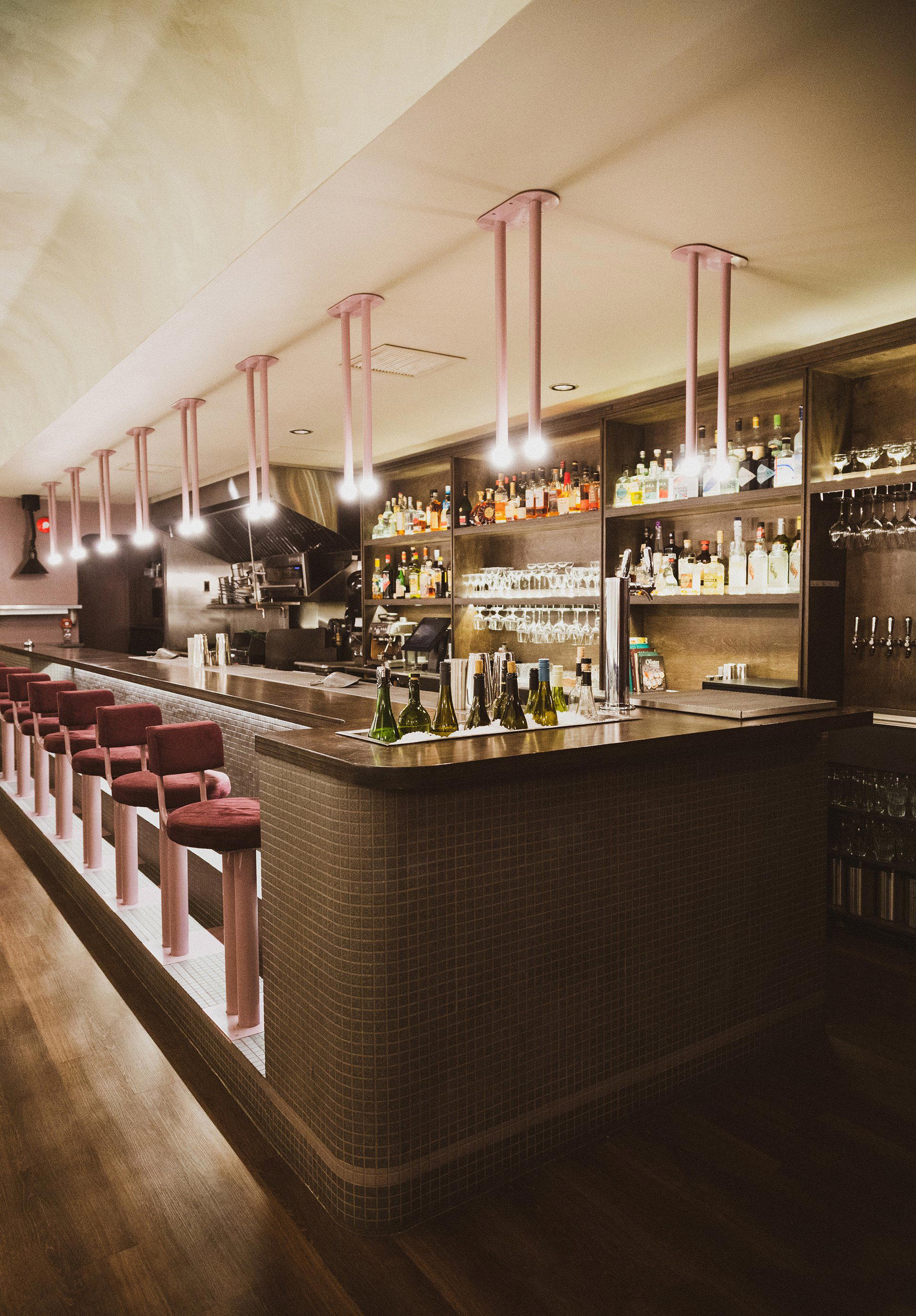
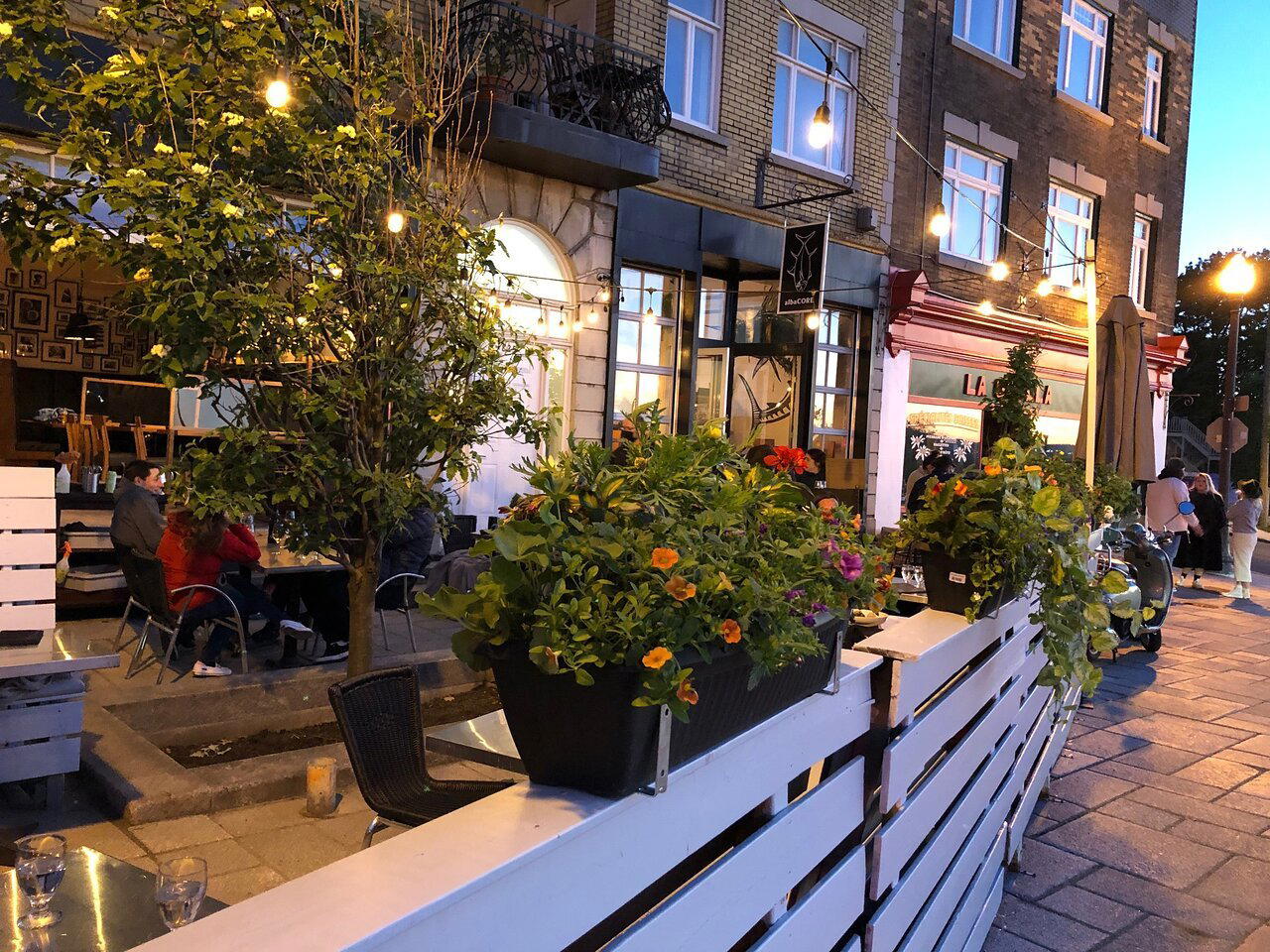
Warm and inviting with a comforting, casual atmosphere focused on quality comfort food.