Krasi

Krasi brings the Greek tradition of philoxenia to Boston's Back Bay with a wine program anchored in Hellenic varietals, alongside fresh breads, cured meats, and shareable meze. It occupies a distinct position in Boston's restaurant scene: a serious wine bar with food credentials strong enough to anchor a full evening. Located on Gloucester Street, it rewards those who arrive hungry and curious about the eastern Mediterranean canon.
 Discover on Pearl
Pearl is the En Primeur Club membership app — saves, bookings, and concierge access live there. Same editors, same standards.
- Address
- 48 Gloucester St, Boston, MA 02115
- Phone
- (617) 536-0230
- Website
- krasiboston.com
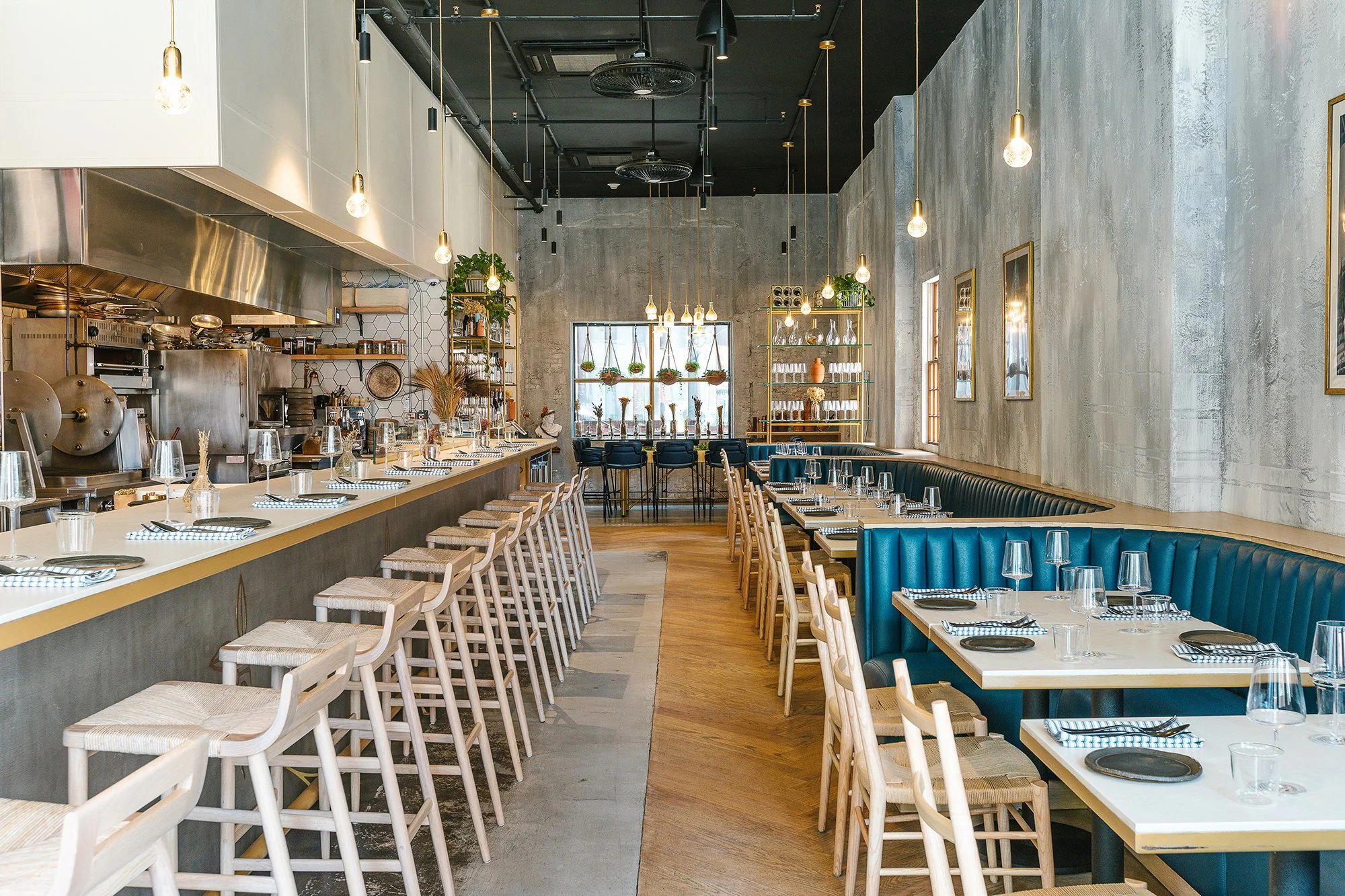
Greek Wine Culture Finds a Back Bay Address
The Greek wine bar has taken longer to arrive in American cities than its Italian or French equivalents. The reasons are partly structural: Greek wine exports remained dominated by retsina and bulk production until the 1990s reform wave that refined indigenous varietals like Assyrtiko, Xinomavro, and Agiorgitiko to serious export status. In Boston, that delay has meant the category is still thin on the ground. Krasi, at 48 Gloucester Street in the Back Bay, is a Boston restaurant serving Modern Greek Meze with a strong Hellenic wine list and a price point around $50 per person.
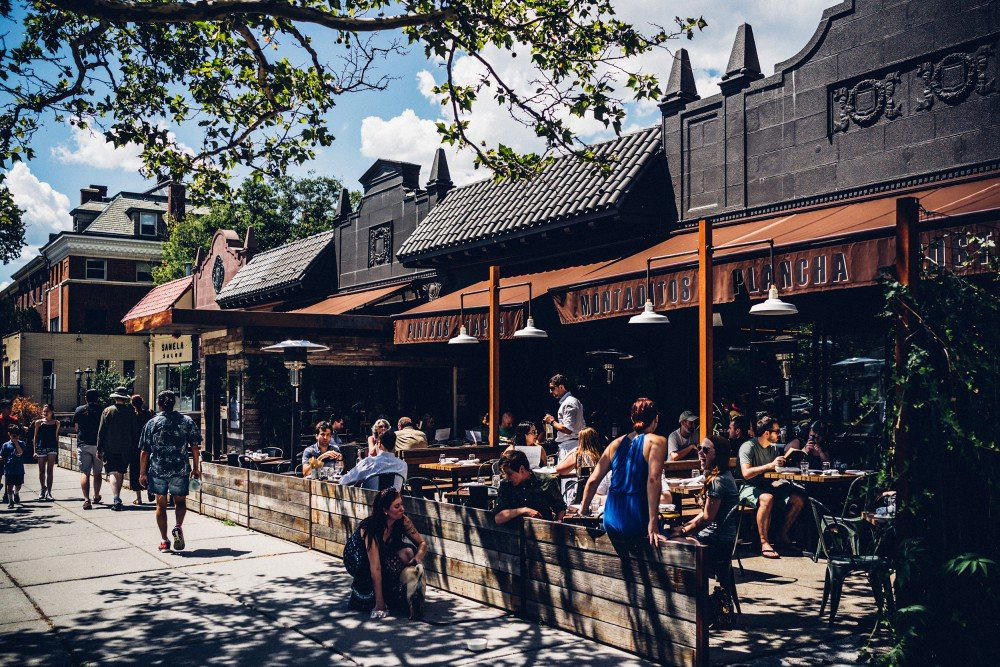
The Back Bay setting matters as context. Gloucester Street sits within a block cluster that also holds Bar Mezzana, Abe & Louie's, and the broader dining corridor running toward Copley and the South End. It is a neighborhood that supports a mid-to-upper dining register with regulars who know what they want. Krasi fits that register with a format built around wine discovery, shared plates, and an atmosphere that shifts in character between the afternoon and the evening.
Daytime Versus Evening: Two Modes, One Room
Lunch-versus-dinner divide at a wine bar like Krasi is not merely about lighting or noise level. It reflects how Greek hospitality actually functions. The Greek midday meal has traditionally been the social anchor of the day, a long, unhurried affair built around bread, spreads, cured meats, and wine consumed without pressure. Dinner, by contrast, carries a more ceremonial weight.
At Krasi, the afternoon and early-evening service tends to reward the meze format most directly. The combination of fresh breads, cured meats, and small shared plates maps well onto a two-hour window where the goal is grazing alongside a couple of by-the-glass pours from the Hellenic list. The wine program's range across Greek regions and varietals makes this a more educational exercise than most casual afternoon stops, where the list rarely extends beyond the familiar European appellations.
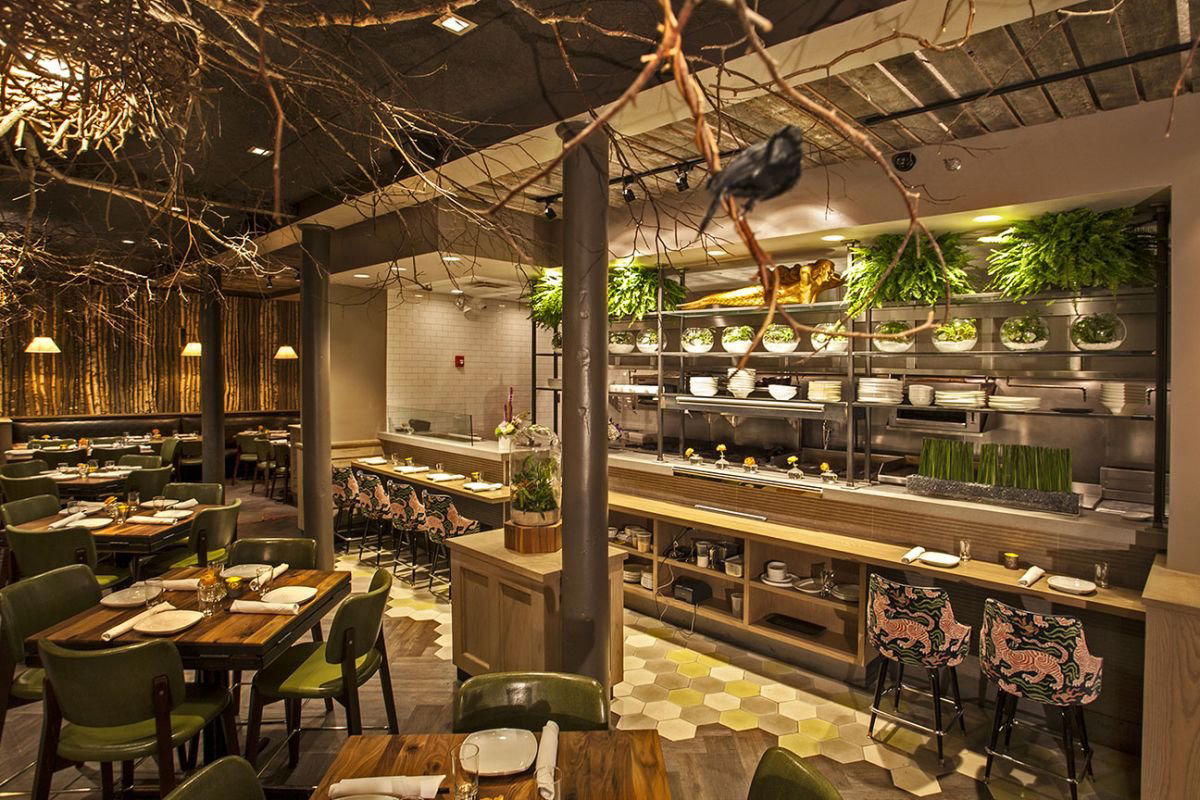
Evening service sharpens the experience in a different direction. The room is styled with enough intent that it reads as a proper dinner destination rather than a transitional wine stop. The philoxenia concept, the Greek principle of generous hospitality toward guests, shapes the pace and feel of service across both sittings, but it comes into fullest expression when the kitchen has time to build a meal in stages rather than pivot quickly for daytime throughput.
For comparison: Bar Volpe operates on a similar wine-bar-with-kitchen model but within an Italian frame. Asta sits further along the tasting-menu continuum. Krasi's Greek specificity places it apart from both, and its afternoon-to-evening flexibility gives it a different rhythm than the city's more format-rigid dining rooms.
The Wine Program as Primary Argument
Boston's restaurant wine lists are reasonably strong in French, Italian, and American bottlings. Hellenic wine at this depth is rarer. The Greek wine renaissance of the last three decades produced a significant library of serious, ageworthy bottles from regions including Santorini, Naoussa, Nemea, and Cephalonia, but those bottles rarely appear in depth outside specialist Greek restaurants or major urban wine bars. Krasi's positioning as a wine bar first gives the Hellenic list room to function as an argument in itself.
Assyrtiko from Santorini, with its volcanic mineral drive and high-acid spine, is the varietal most likely to convert a skeptic. Xinomavro from Macedonia's Naoussa appellation offers the comparison point to Nebbiolo that sommeliers have been making for two decades. Moschofilero and Roditis fill out the lighter white categories. A list built around these grapes and their regions does something no Italian or French wine list can do in the same space: it makes the eastern Mediterranean's vinous geography legible in a single sitting.
That educational dimension connects Krasi to a broader tier of serious American wine bars that use the format to advance a specific regional argument. At the far end of that spectrum, places like Atomix in New York City use beverage programming to extend a cultural and culinary point. Krasi operates at a more accessible register, but the underlying logic is the same: the wine list is not supplemental, it is the editorial.
Food Format: Meze as Structure
Meze is a format that rewards patience and suffers under impatience. It is designed to accumulate rather than to arrive complete, which means it works well when the table is willing to order in waves. Fresh breads and cured meats function as the structural base of the Krasi table, providing a platform for the wine rather than competing with it. The rustic character of the food is deliberate: Greek taverna cooking has always prioritized technique in service of ingredient rather than technique as spectacle.
This positions Krasi differently from the white-tablecloth Greek restaurants that defined the American perception of Greek fine dining in the 1980s and 1990s. The stylish update the venue applies to Greek tradition is a matter of environment and wine depth rather than culinary reinvention. The cuisine stays in its lane, which is the right call for a room where the wine program carries the primary intellectual weight.
Across Boston's wider dining map, the meze format has few direct competitors operating at this level of wine seriousness.
Planning a Visit
Krasi operates at 48 Gloucester Street, a walkable address from the Hynes Convention Center or Copley Square MBTA stops. The Back Bay location means parking is limited, and the neighborhood is better approached on foot or by transit in the evening.
The format suits a two-person visit anchored around three to four meze selections and a structured progression through the wine list, with the afternoon window offering a lower-pressure entry point for those new to Greek wine. Evening reservations will require more advance planning given the venue's reputation in a neighborhood where dinner demand runs high.
A Minimal comparable set
Comparable venues nearby, for context on price, style, and recognition.
| Venue | Cuisine | Price | Notes |
|---|---|---|---|
| KrasiThis venue — the venue you are viewing | Back Bay, Modern Greek Meze | $$$ | |
| Willie’s | Beacon Hill, Steakhouse & Sushi | $$$ | |
| Union Oyster House | Downtown, Classic New England Seafood | $$$ | |
| Nebo | $$$ | Financial District, Pugliese Italian Cucina & Enoteca | |
| Matria | $$$ | Financial District, Northern Italian Steakhouse | |
| Moxies - Boston Seaport | Inner Harbor, Modern American | $$$ |




At a Glance
- Elegant
- Trendy
- Modern
- Cozy
- Sophisticated
- Date Night
- Special Occasion
- Group Dining
- Open Kitchen
- Extensive Wine List
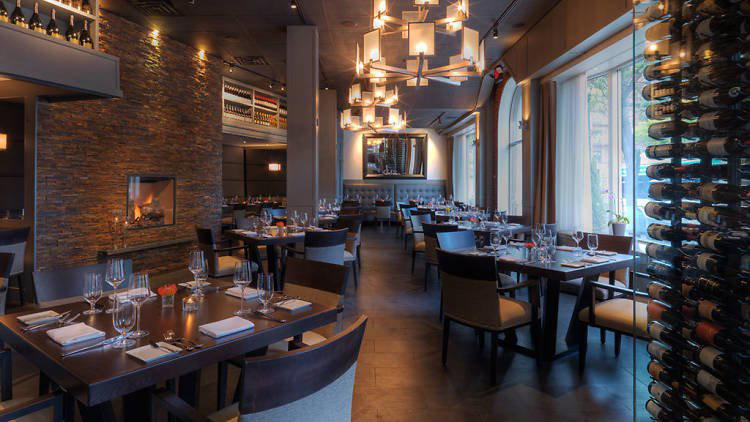
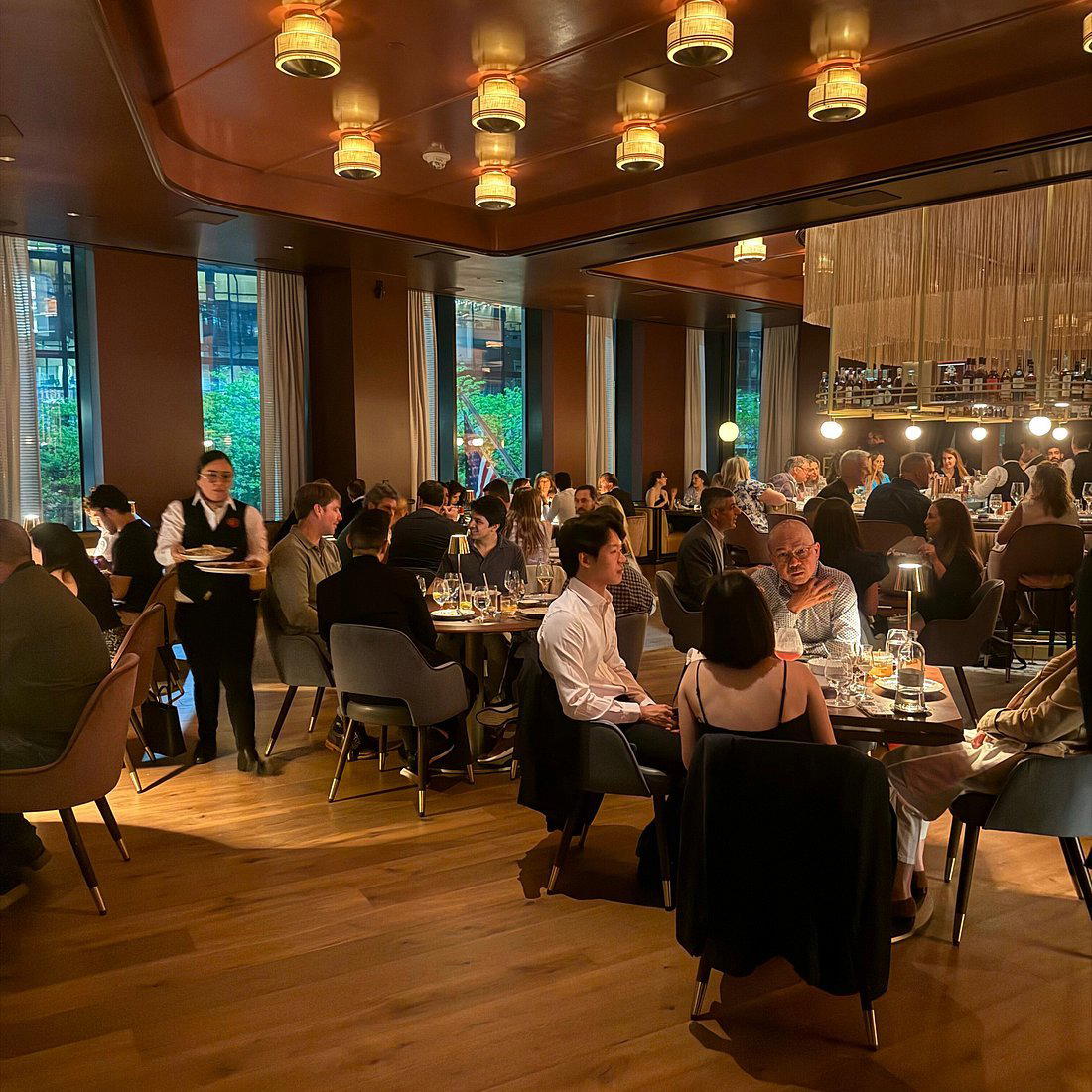
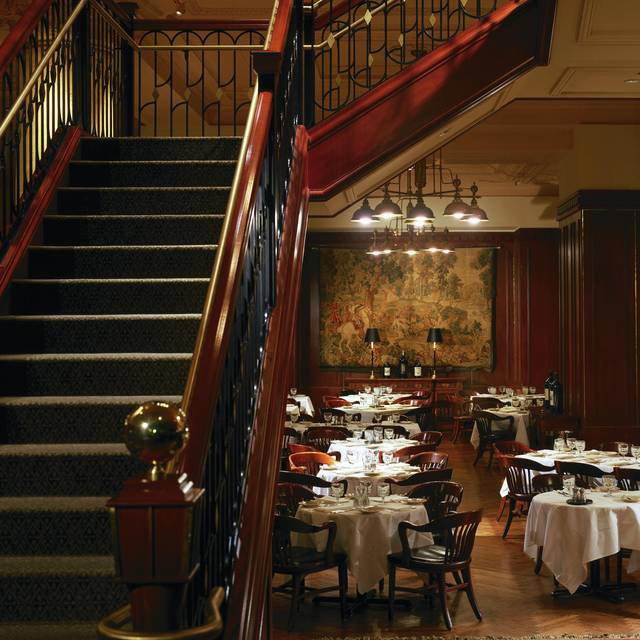
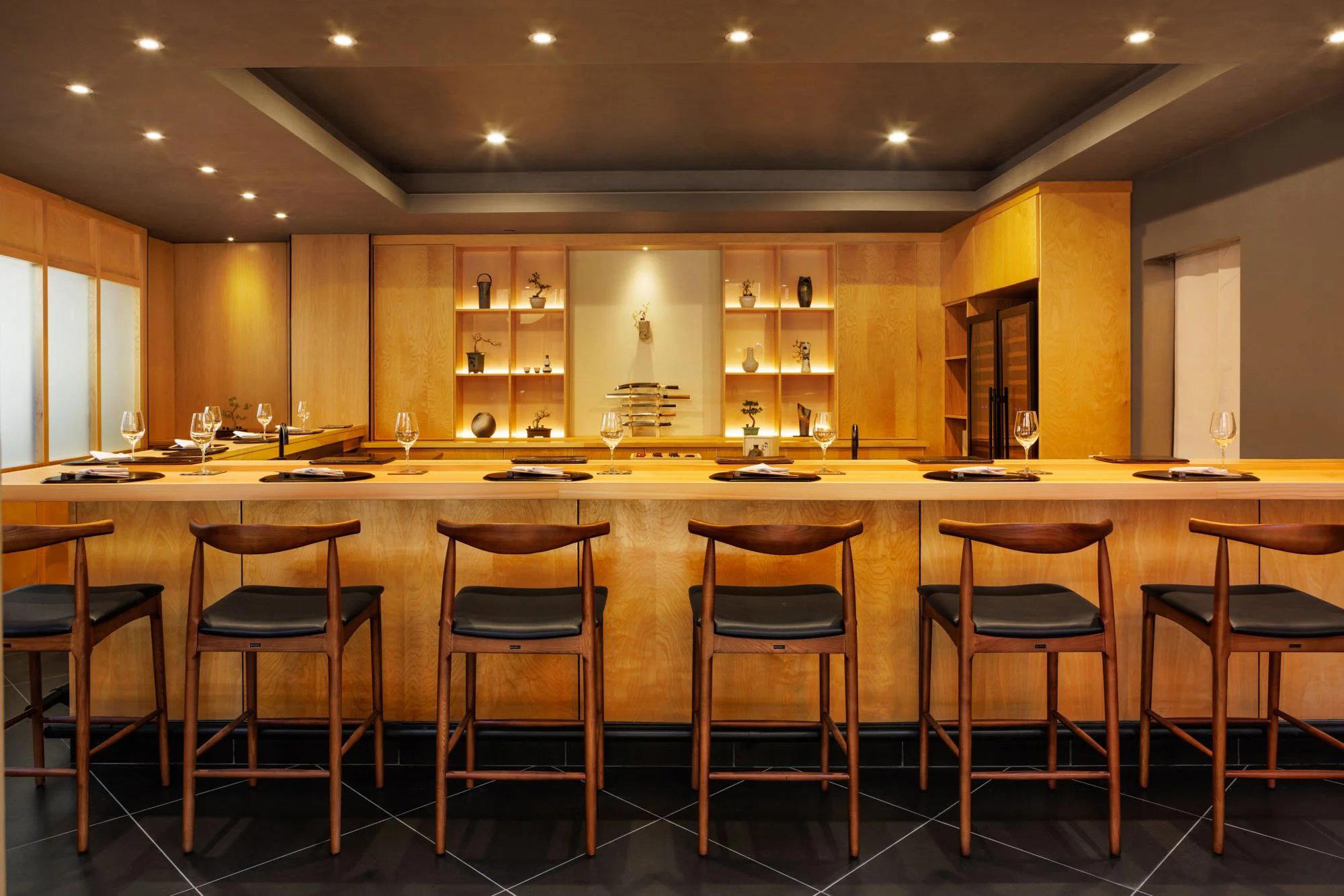
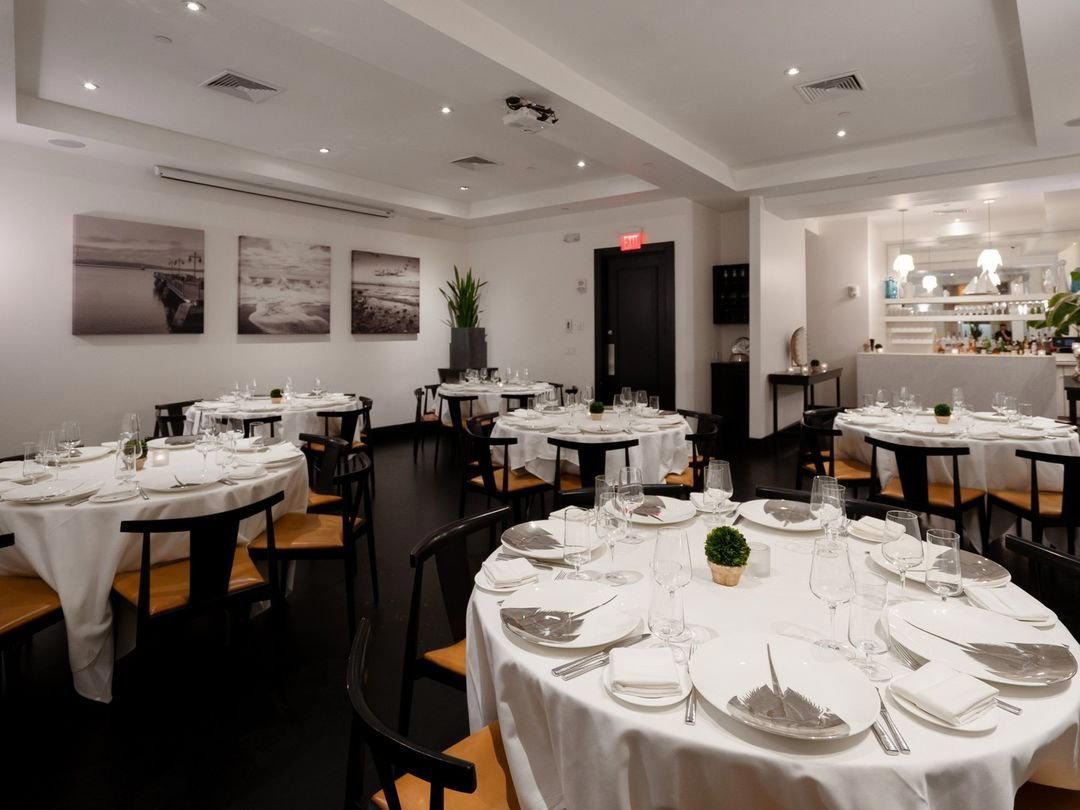
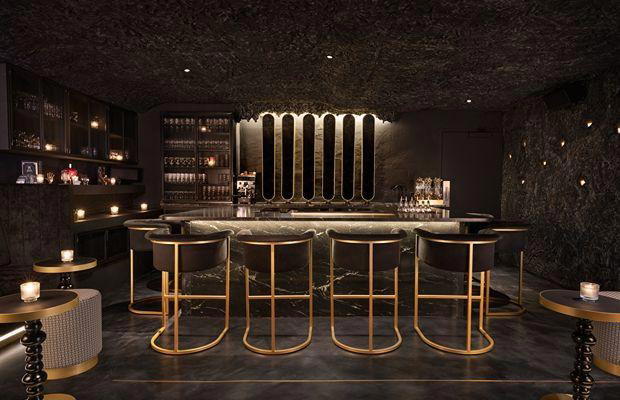
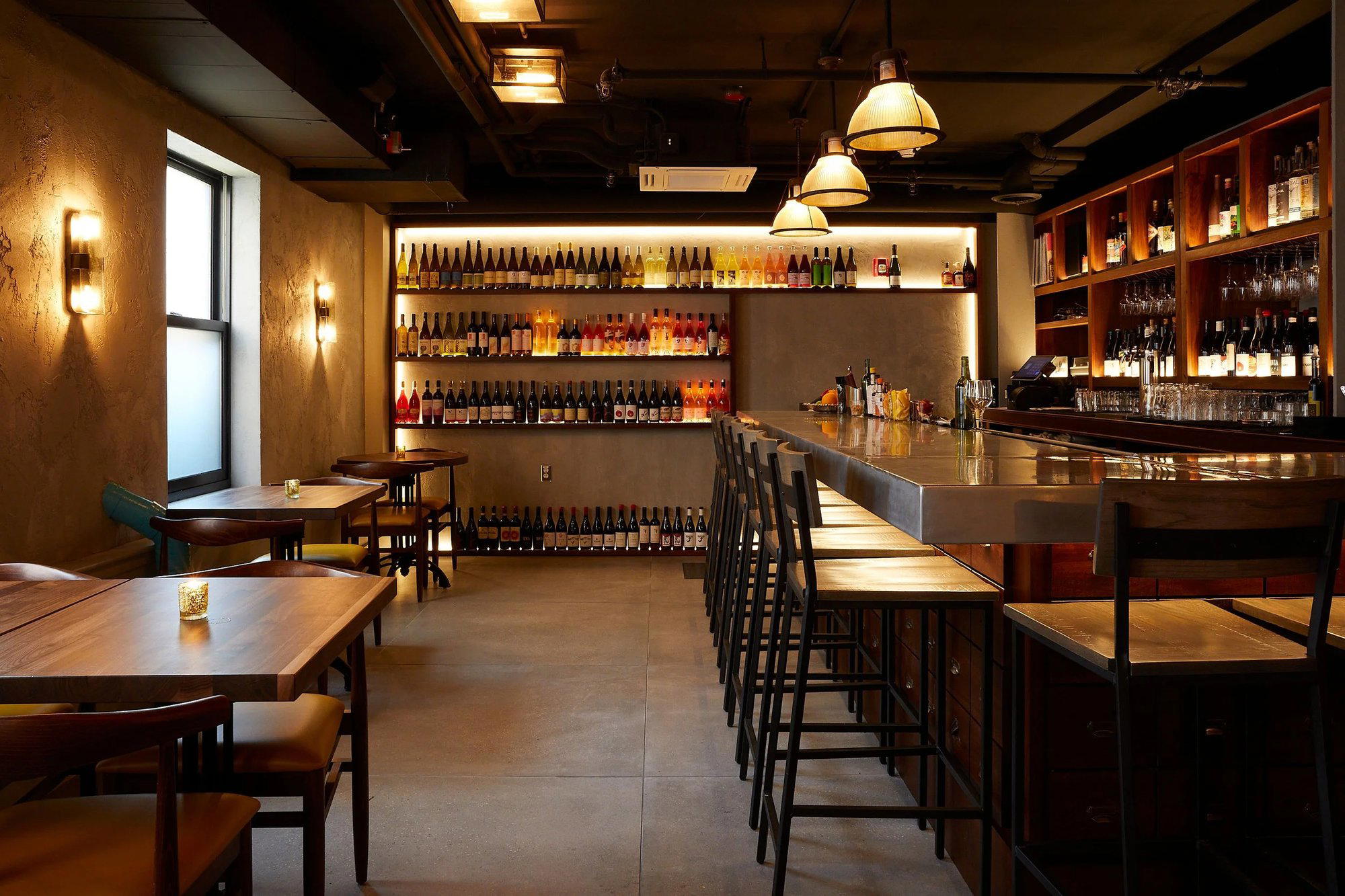
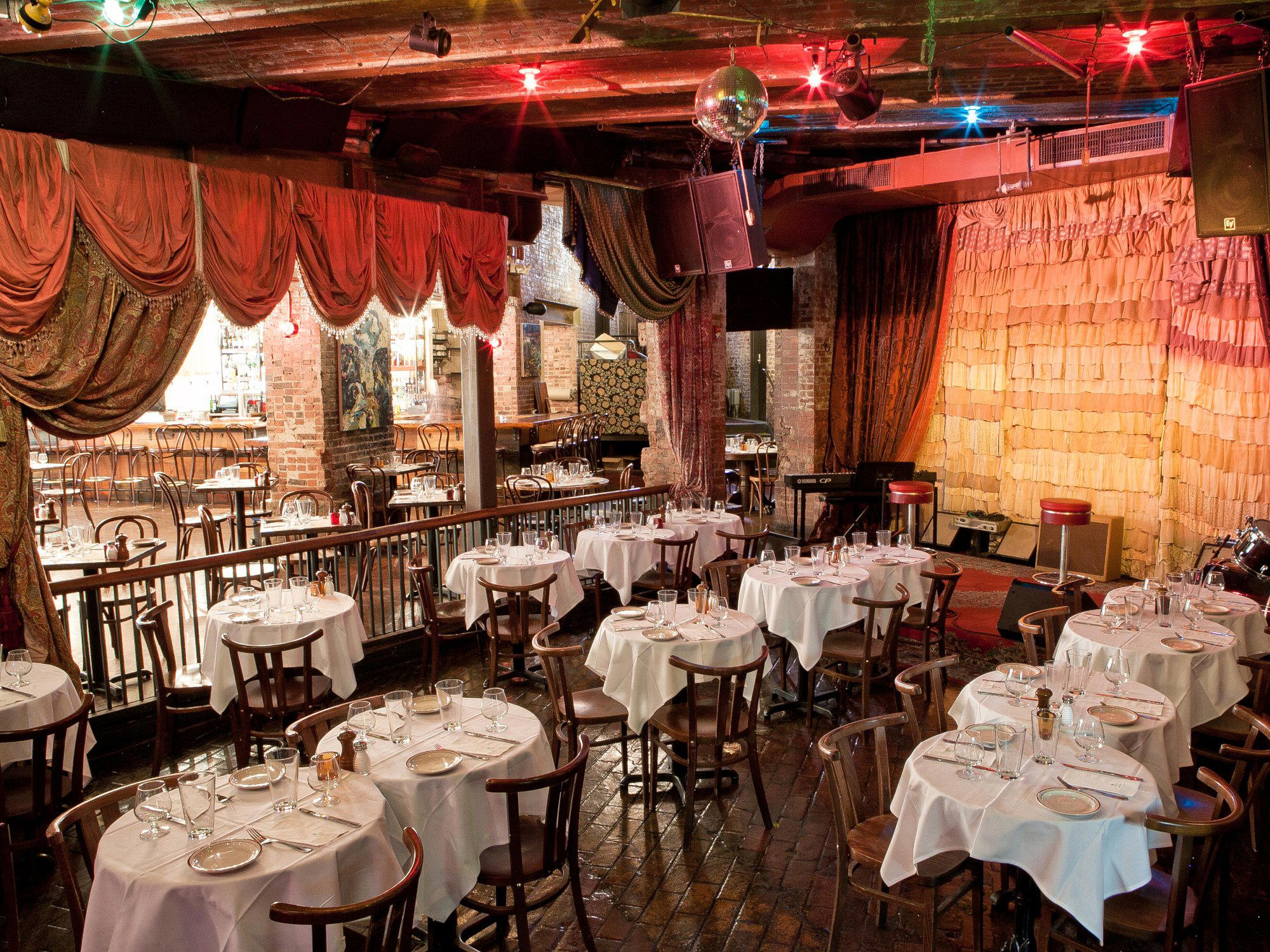
Warm lighting with rustic textures and modern Greek influences, lively with high ceilings.