KPOT Korean BBQ & Hot Pot
KPOT Korean BBQ & Hot Pot brings the interactive dining format of tabletop cooking to Overland Park's southern suburbs, where diners grill marinated meats and simmer broths at their own pace. The dual-concept setup places it within a broader national chain model that has found consistent traction in mid-American markets. It sits on W 135th Street, a corridor that covers a wide range of international dining options.
Pearl is the En Primeur Club membership app — saves, bookings, and concierge access live there. Same editors, same standards.
- Address
- 7001 W 135th St, Overland Park, KS 66223
- Phone
- +19133351053
- Website
- thekpot.com
- Directions
- Get directions
 Saves & bookings on Pearl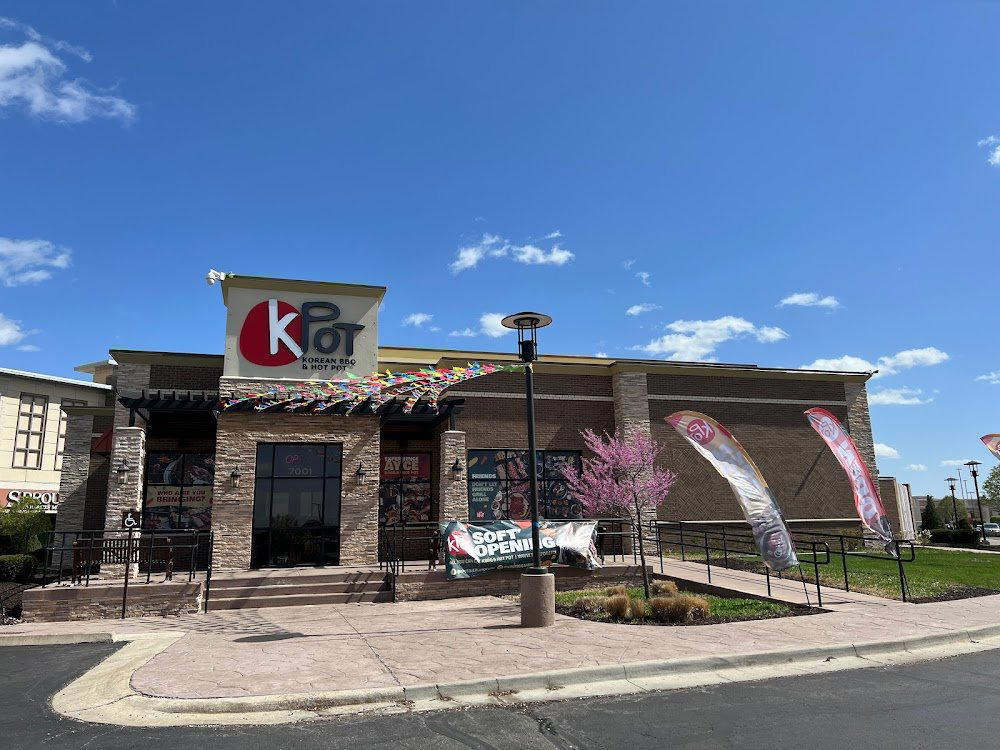
Tabletop Cooking in the Midwest: What KPOT Represents in Overland Park's Dining Mix
The southern stretch of Overland Park's dining corridor along W 135th Street runs through one of the Kansas City metro's more internationally varied suburban strips. Korean BBQ and hot pot as a combined format has expanded steadily across American mid-markets over the past decade, moving from coastal Korean-American enclaves into suburban chains that industrialize the participatory cooking model. KPOT sits within that expansion, occupying a slot at 7001 W 135th St that puts it alongside a range of international options, from the Mediterranean-leaning Hummus and Pita to the Thai-focused Hot Basil. That proximity matters: this part of Overland Park has accumulated enough international dining density to suggest a shift in what the local market can sustain.
The Korean BBQ and hot pot format is built on a simple premise: diners cook at the table, using either a grill grate for meats or a simmering broth pot for vegetables, proteins, and noodles, or both simultaneously in dual-function tables. What the chain model offers that independent operators often cannot is consistency of equipment, a standardized selection of broths and marinades, and the volume purchasing that keeps a wide ingredient spread accessible at a price point suited to group dining. The tradeoff is that the sourcing story behind any individual ingredient is rarely made explicit, which is a pattern common in chain dining.
The Format as the Feature: How Tabletop Cooking Changes the Sourcing Conversation
In Korean BBQ tradition, the quality of the raw meat is central. In Seoul's Mapo-gu or Mapo District, where the galbi and samgyeopsal culture is most concentrated, the conversation between diner and server often begins with cut, thickness, and provenance. The chain model in American markets compresses that conversation, standardizing the selection into a menu of options rather than a sourcing dialogue. That is not a criticism distinctive to KPOT, it applies to many American Korean BBQ chains.
Hot pot operates by a different logic. The broth is the carrier of flavor, and the quality of aromatics, dried chilies, and base stock determines whether the pot functions as a background simmer or an active flavor engine. Sichuan-style mala broths rely on Sichuan peppercorns and dried facing heaven chilies for their signature numbing heat; clear bone-based broths depend on slow extraction from quality stock bones. In chain hot pot environments, these broths are typically pre-prepared to a formula, which standardizes the outcome. For diners newer to the format, that standardization is often an asset rather than a limitation, it removes variability and allows focus on the interactive cooking process itself.
The combination of both formats in one sitting is where the American chain model has genuinely added something to the dining conversation. In Korea, Korean BBQ restaurants and hot pot restaurants are largely separate categories. The dual-concept table, with a grill surface and a broth well, is largely a North American innovation designed for mixed groups with different preferences. It broadens the format's appeal without deepening its sourcing ambition, and that tradeoff is consistent with what venues like KPOT are designed to do.
Overland Park's Position in the Broader Dining Map
Overland Park is not a dining destination in the way that cities like San Francisco or New York generate travel specifically for food. The culinary reference points at the summit of the American dining hierarchy, Le Bernardin in New York City, The French Laundry in Napa, or Alinea in Chicago, represent a different kind of dining investment, one built around tasting menus, sourcing transparency, and craft at every stage. At the other end of the spectrum, the farm-to-table sourcing rigor of Blue Hill at Stone Barns in Tarrytown or the ingredient-first ethos at Single Thread Farm in Healdsburg reflects a sourcing philosophy that extends to every component on the plate.
What the W 135th Street corridor offers instead is functional international diversity for a suburban market, with Korean BBQ sitting alongside Overland Park's existing strengths in American BBQ (see Fiorella's Jack Stack Barbecue) and local kitchen-driven formats like Of Course Kitchen & Company. Korean BBQ in this context serves a different purpose than it does in, say, Los Angeles's Koreatown or New York's Korea Way, where the format is embedded in a cultural and community context. In Overland Park, it functions primarily as an interactive group dining experience, and on those terms, the format delivers what it promises.
For Korean dining at a more refined, sourcing-conscious level, the reference point in the United States is increasingly Atomix in New York City, where Korean culinary traditions are applied with the same discipline and ingredient scrutiny found at venues like Providence in Los Angeles or Addison in San Diego. That is a distinct tier, and the gap between it and a chain BBQ-hot pot concept is less a failing of the latter than a reflection of what different formats are built to accomplish.
Planning a Visit
KPOT is located at 7001 W 135th St in Overland Park, Kansas, within easy reach of the broader southern suburban corridor. The format suits groups and family dining more than solo visits, given that the economics of tabletop cooking improve with more people sharing a wider selection of proteins and add-ins. First-time visitors to the combined Korean BBQ and hot pot format should lean toward the dual-table setup if available, which allows the grilling and broth-simmering to run simultaneously and makes the case for why the format has translated well to American mid-market dining. For a broader map of what Overland Park's dining mix currently covers, see our full Overland Park restaurants guide. Hours run Monday through Thursday and Sunday from 12 to 10:30 PM, and Friday and Saturday from 12 to 11:30 PM. Reservations are recommended, and pricing is about $30 per person.
Comparison Snapshot
Comparable venues nearby, for context on price, style, and recognition.
| Venue | Cuisine | Price | Notes |
|---|---|---|---|
| KPOT Korean BBQ & Hot PotThis venue — the venue you are viewing | Korean BBQ & Hot Pot | $$ | Not listed |
| Hot Basil | Authentic Thai | $$ | Rosana Square |
| Fiorella's Jack Stack Barbecue | Kansas City-Style Barbecue | $$ | Overland Park |
| Mediterranean Taste | Mediterranean & Middle Eastern | $ | Overland Park |
| Hummus and Pita | Middle Eastern Mediterranean | $$ | Downtown Overland Park |
| Buck Tui | Thai–Kansas City BBQ fusion | $$ | Overland Park |
Continue exploring
More in Overland Park
Restaurants in Overland Park
Browse all →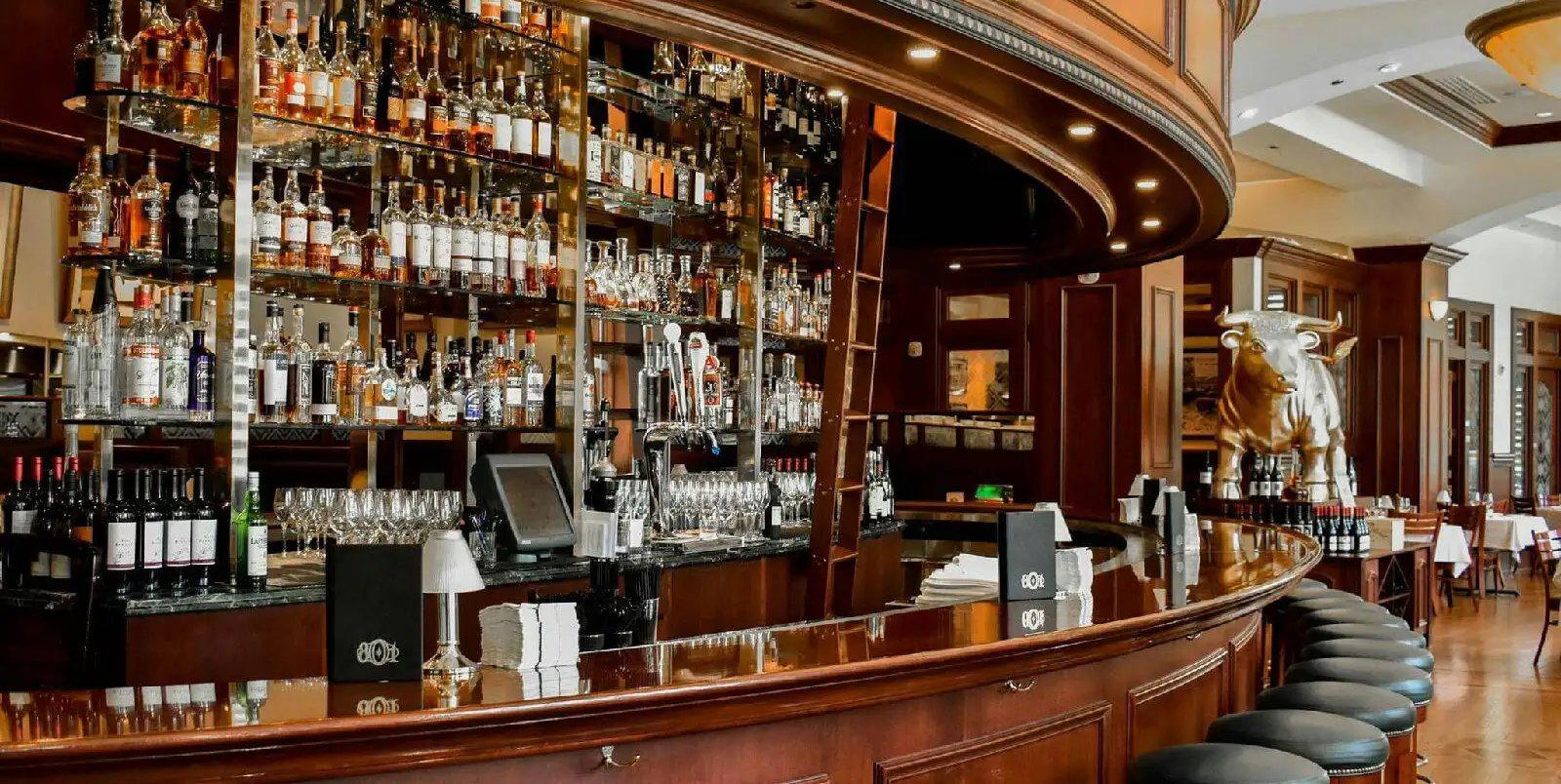
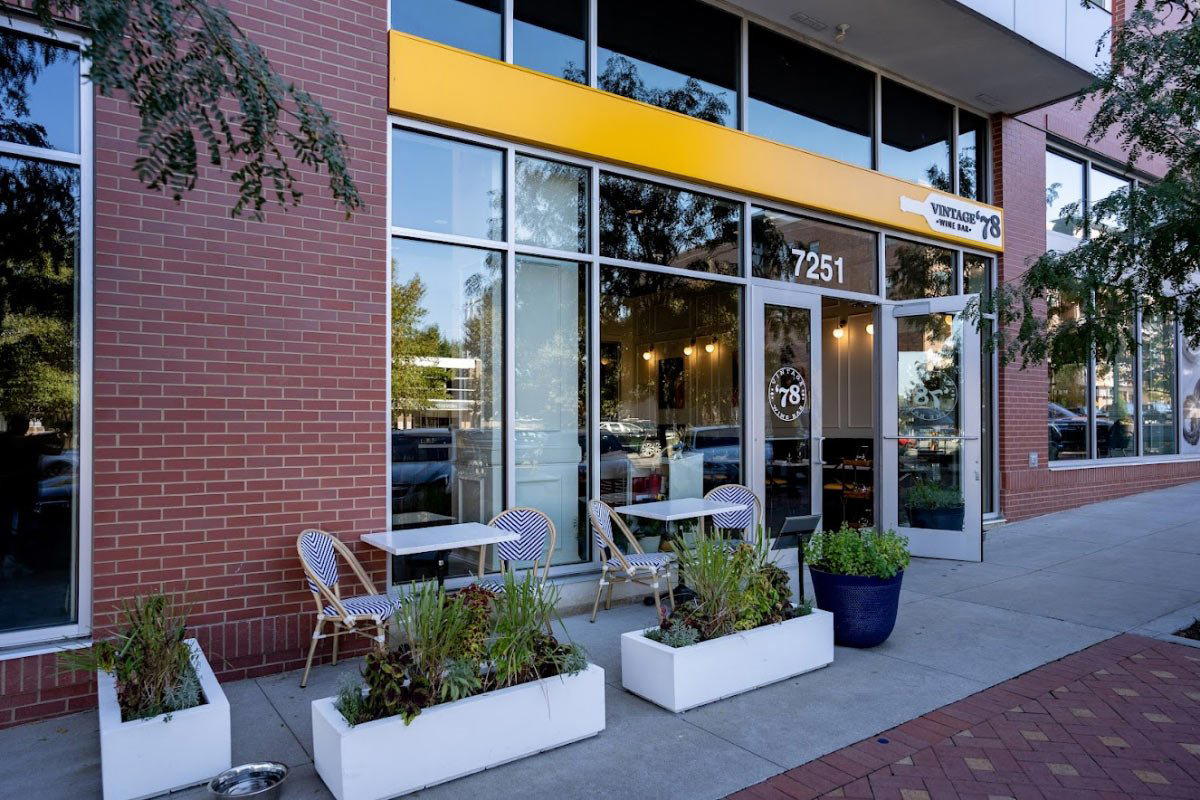
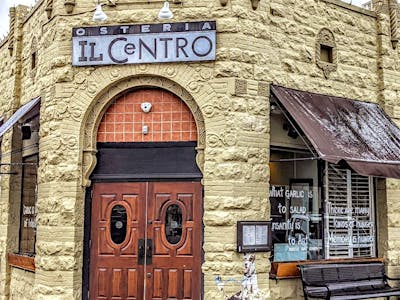
Bars in Overland Park
Browse all →



At a Glance
- Lively
- Trendy
- Energetic
- Group Dining
- Casual Hangout
- Celebration
- Open Kitchen
Current opening hours
- Monday
- 12–10:30 PM
- Tuesday
- 12–10:30 PM
- Wednesday
- 12–10:30 PM
- Thursday
- 12–10:30 PM
- Friday
- 12–11:30 PM
- Saturday
- 12–11:30 PM
- Sunday
- 12–10:30 PM
Hours can change for holidays and private events. Last verified .
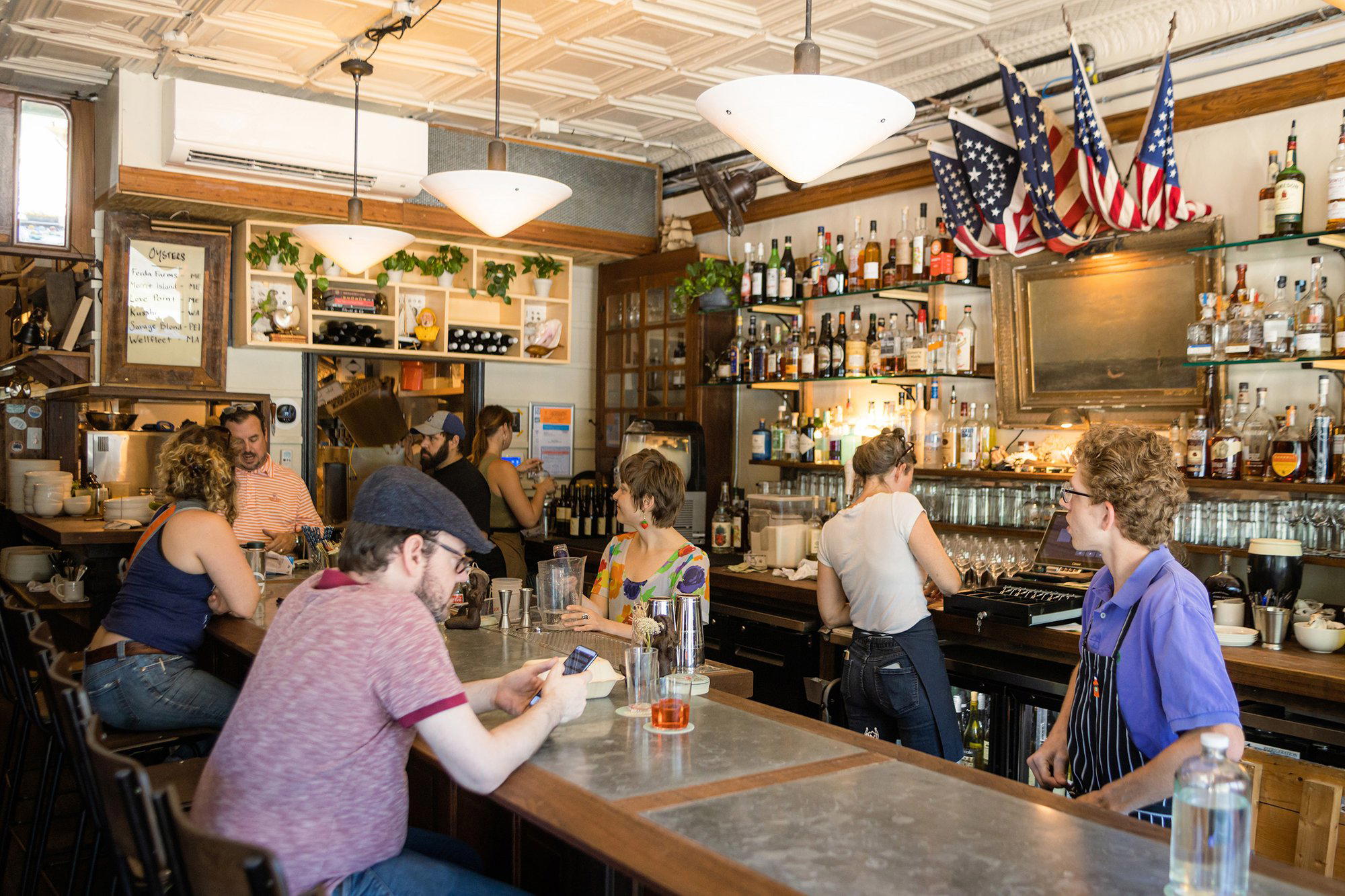
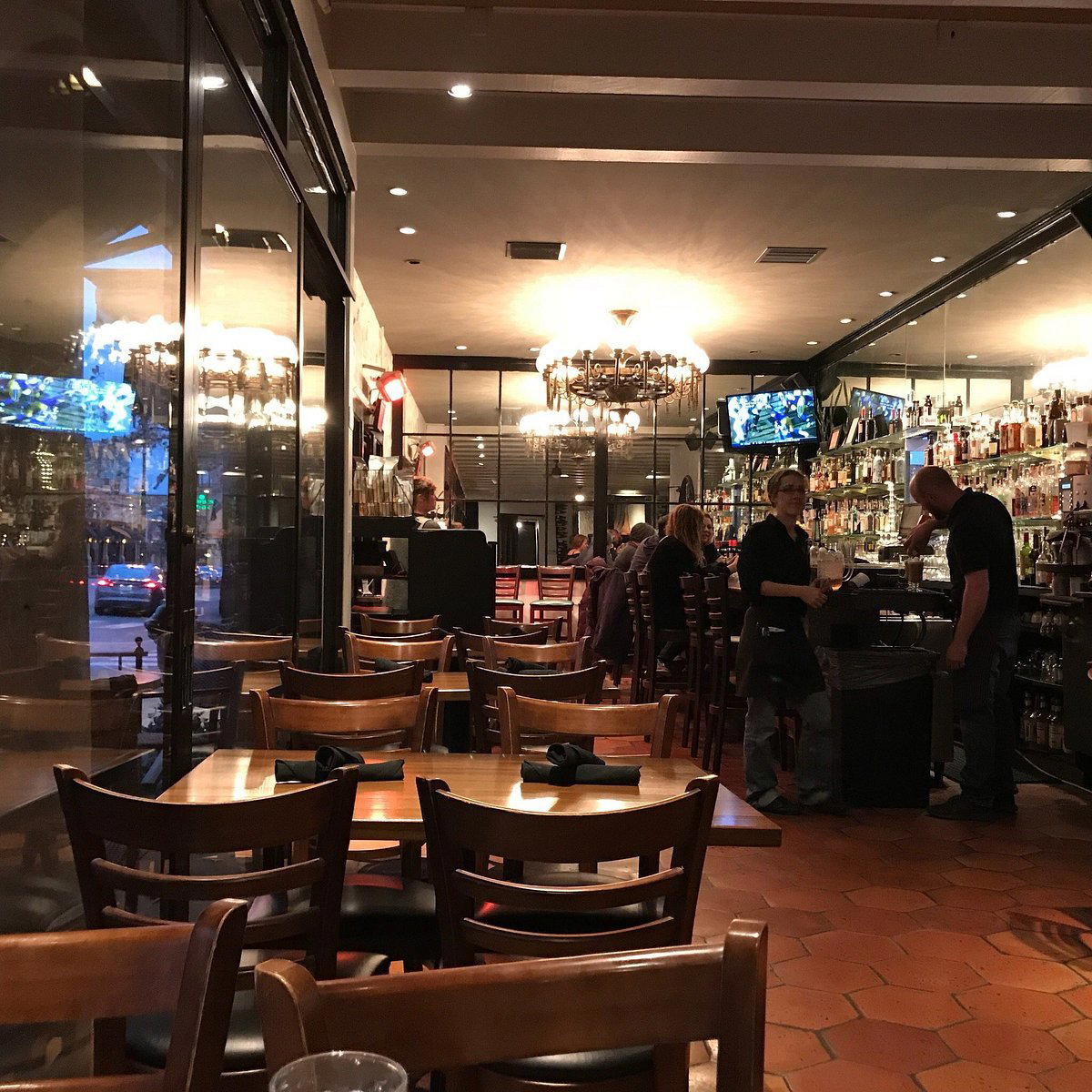
Energetic and social atmosphere with nightlife vibe, featuring modern aesthetics and lively communal grilling and cooking.