

Guía Repsol 1 Sol · Macarfi 7.6 Food Rating
Our verdict
Koku places Pamplona’s dining conversation beyond the old split between pintxo counters and formal Navarrese rooms. Its 2026 Guía Repsol 1 Sol recognition puts it in a selective regional tier, useful for travellers who want a contemporary reading of local produce without losing sight of the city’s market-led habits and compact dining rhythm.

Pearl is the En Primeur Club membership app, where members save venues, book tables and use the concierge.
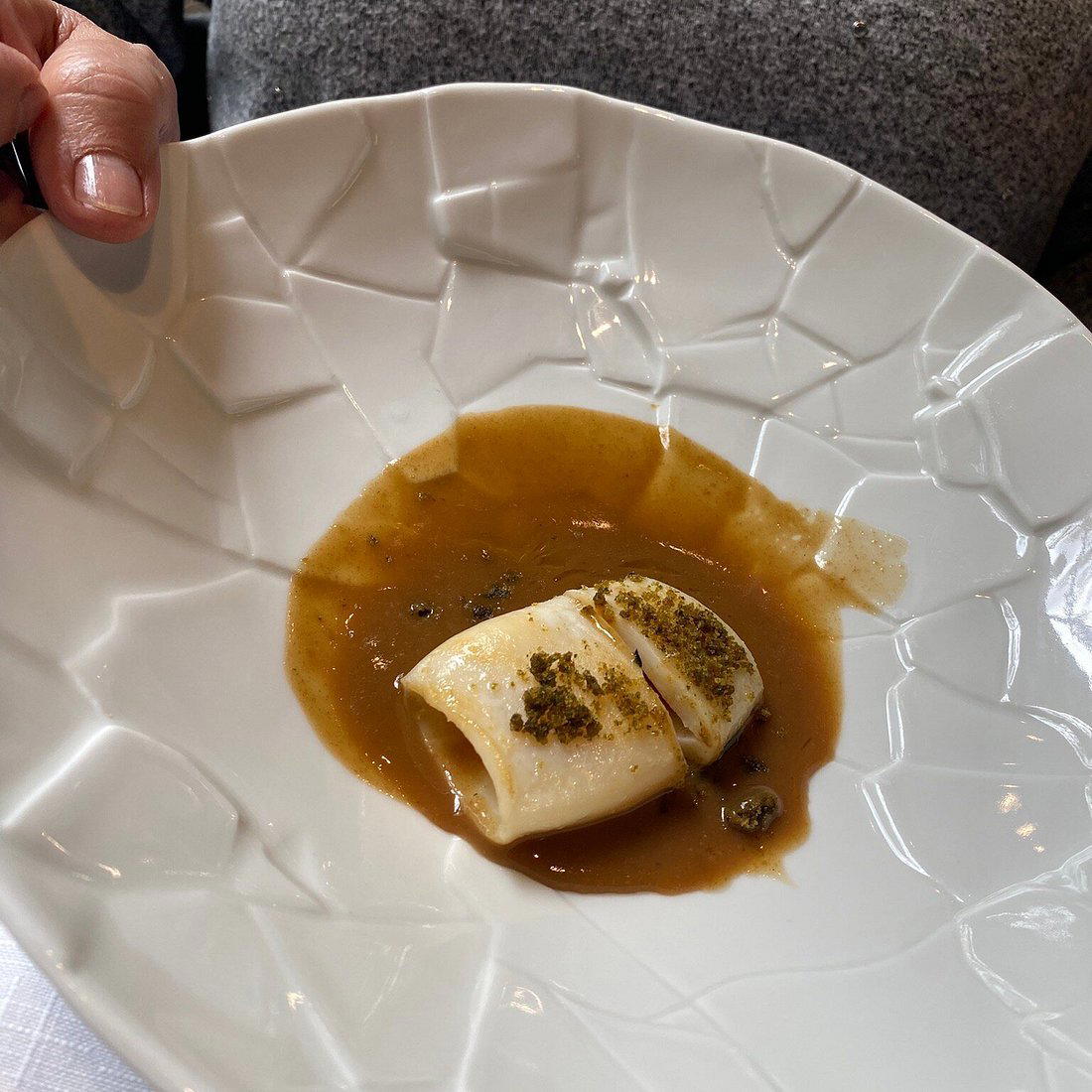
The menu
What to order
- Koku Menu
- Fusion Menu
- Mochi
Approaching Koku in Pamplona changes the register before the meal begins. The city’s rhythm of shoulder-to-shoulder pintxos gives way to a more deliberate table: less bar crawl, more composed service, and a kitchen expected to argue through produce rather than theatre. That matters in Navarra, where vegetables, mushrooms, game, lamb, trout, beef, and wines from nearby appellations give cooks enough material to avoid borrowed glamour.
Koku belongs to the smaller Pamplona category where the meal is not built around quick turnover or festival-season appetite. The comparison is not only with casual tapas addresses such as Bar Gorriti or the historic café-bar circuit around Café Iruña, but with contemporary kitchens, including Baserriberri and established dining rooms that ask diners to sit down, slow the pace, and read Navarra through a plate rather than a glass and a toothpick.
Navarra's produce gives the meal its point of view
Pamplona is an inland capital with a powerful pantry. The city need not imitate the coastal seafood confidence of San Sebastián or Madrid’s grand urban polish to be serious. Its advantage is proximity: Ribera vegetables, Pyrenean influence, strong meat traditions, seasonal forest products, and a wine culture between Navarra, Rioja, and the Basque Country. Ambitious city restaurants are judged by how clearly they translate that supply chain into modern service.
The 2026 Guía Repsol listing gives Koku a concrete credential: 1 Sol in the guide’s Pamplona-Iruña selection. In Spain, that marker matters because Repsol has long read regional cooking with more local sensitivity than many international lists. A Sol signals not just polish, but consistency, product awareness, and regional clarity beyond the immediate neighbourhood.
That is the useful lens for the room. Pamplona’s dining identity is split across three durable habits: traditional Navarrese cooking, bar-led pintxos, and a younger contemporary tier willing to edit the plate without abandoning local reference points. Other Pamplona dining rooms may speak more directly to the traditional side; Koku sits in the newer category, where sourcing, season, and restraint carry more weight than nostalgia.
A quieter alternative to Pamplona's bar-first itinerary
Many visitors first understand Pamplona through its bars. That is not wrong; the city’s social grammar is built around short pours, small plates, and routes that shift by hour and crowd. But the bar itinerary can flatten the region if it becomes the whole story. A table-led restaurant changes the scale of attention, giving the kitchen time to work with texture, temperature, and sequence, and giving the diner a clearer reading of Navarra beyond the pintxo format.
This is where Koku’s placement is most useful. It is not competing with a quick sweet stop, nor with the fast social pleasure of a bar counter. It occupies the part of a Pamplona trip where a visitor wants evidence of the city’s current cooking rather than another address with historical charm. In a compact capital, that can be the meal that clarifies the destination.
The comparison set also explains who should prioritise it. Diners building a classic-first itinerary may start with older Navarrese cooking and café culture. Diners tracking contemporary Spanish regional cooking should treat Koku as part of the national conversation connecting small-city ambition with larger-market visibility, from other northern Spanish dining rooms to more destination-driven restaurants elsewhere in the country. The point is not sameness; it is how Spanish regional restaurants now use locality as a discipline rather than decoration.
How to fit it into a serious Pamplona food trip
A strong Pamplona itinerary should not treat restaurant dining and bar eating as rivals. They work better in sequence. Use the bar circuit to understand pace and appetite, then reserve a composed meal for the part of the trip where regional ingredients need more room. The city rewards that contrast: morning or early-day sweets, a traditional lunch, a pintxo run, then a more structured dinner across another day.
For planning around Koku, the practical advantage is that it broadens the map without asking travellers to leave Pamplona’s urban frame. That matters during busy periods, when central addresses absorb obvious demand and San Fermín season changes the city’s feel. The smarter move is to avoid treating one restaurant as a standalone trophy and build a route across categories: restaurants, bars, hotels, nearby wineries, and cultural time between meals.
EP Club’s broader Pamplona coverage can frame that route. Start with our full Pamplona restaurants guide, then cross-check the drinking side through our full Pamplona bars guide. For where to sleep, use our full Pamplona hotels guide; for regional context beyond the table, see our full Pamplona wineries guide and our full Pamplona experiences guide.
Travellers comparing Spain more broadly should note how differently cities express ambition. Larger capitals can fold international influence into a broad dining market. Smaller towns and secondary cities often show their hand through tighter regional focus, while destination-format rooms elsewhere in Spain may build the trip around a single meal. Even outside Spain, ingredient-led specialisation can define a venue more clearly than décor or slogan, making comparisons with focused formats useful at the level of editorial logic, not cuisine.
The verdict is simple: Koku is for travellers who want Pamplona to read as a serious food city, not only a city of excellent snacking. Its Repsol recognition supplies the external signal; the stronger reason to care is its position in a regional dining culture where sourcing, season, and restraint can say more than spectacle.
Frequently asked questions
Is Koku suitable for children?
Koku may suit older children who are comfortable with a seated restaurant meal. Its Guía Repsol 1 Sol for 2026 suggests a more formal dining room than a casual drop-in spot.
What should I expect atmosphere-wise at Koku?
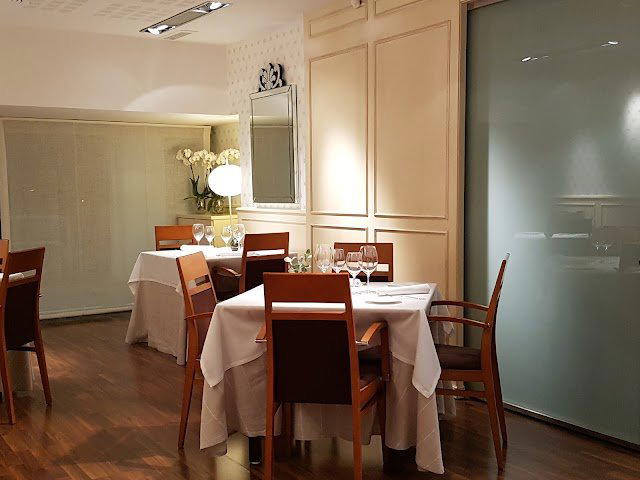
Expect a controlled, restaurant-led room rather than a bar scene. Koku's Guía Repsol 1 Sol 2026 points to a measured, sit-down experience in Pamplona.
Where is Koku?
Pamplona.
What is Koku known for?
Koku is known as a Pamplona restaurant recognised with 1 Sol in the Guía Repsol Soles 2026.
Comparable Spots, Quickly
Comparable venues by cuisine and price in the same metro.
| Venue | Cuisine | Price | Awards | Notes |
|---|---|---|---|---|
| KokuThis venue (the venue you are viewing) | Japanese-Navarrese Fusion | Not listed | Guía Repsol 1 Sol · Macarfi 7.6 Food Rating | Not listed |
| Bar Gorriti | Traditional Spanish Tapas | Not listed | Not listed | Tapas Bar |
| Baserriberri | Modern Basque Tapas & Pintxos | $30–50 | Macarfi 7.5 Food Rating · Guía Repsol 1 Sol | Not listed |
| Les Amis | French-Peruvian Fusion | $30–50 | Michelin Plate · Macarfi 8 Food Rating | French |
| Café Iruña | Traditional Spanish Tapas & Café | $20–30 | Not listed | Bar |
| Enekorri Restaurante | Modern Spanish Basque | $50–100 | Star Wine List · Macarfi 7.7 Food Rating | Contemporary Spanish |
Recognition history
Dated appearances from independent guides and award organizations, with the underlying list record or original source where available.
Guía Repsol 1 Sol
Guía Repsol
Macarfi 7.6 Food Rating
Macarfi
Continue exploring
More in Pamplona
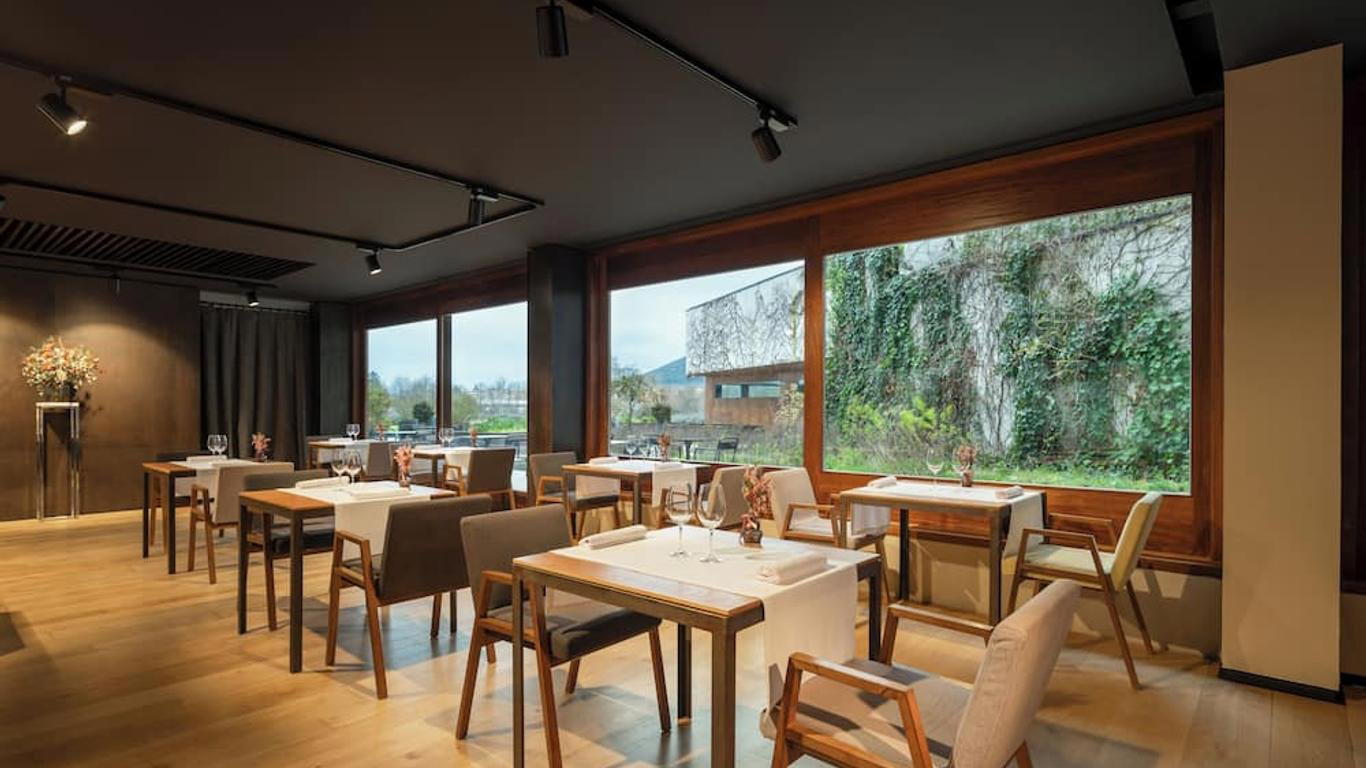
Restaurants in Pamplona
All restaurants in Pamplona →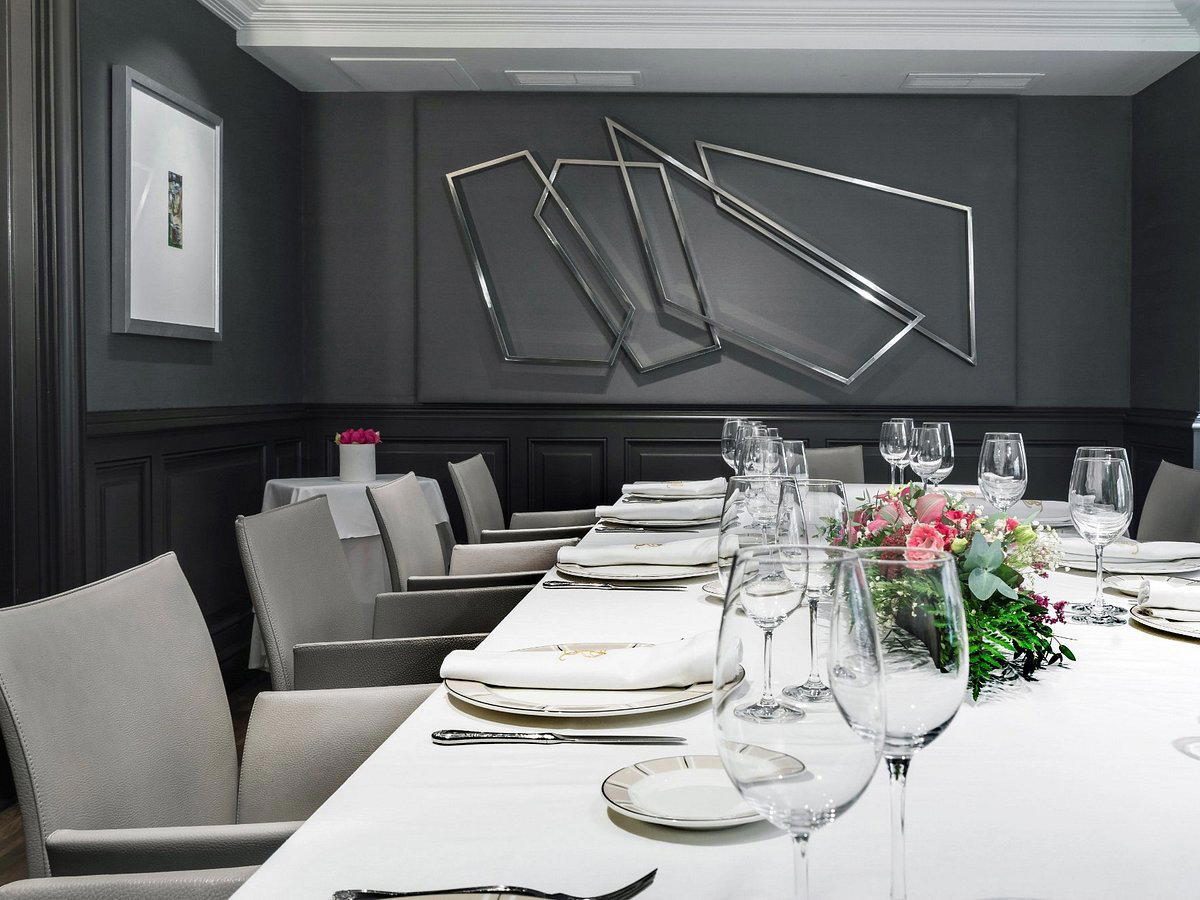
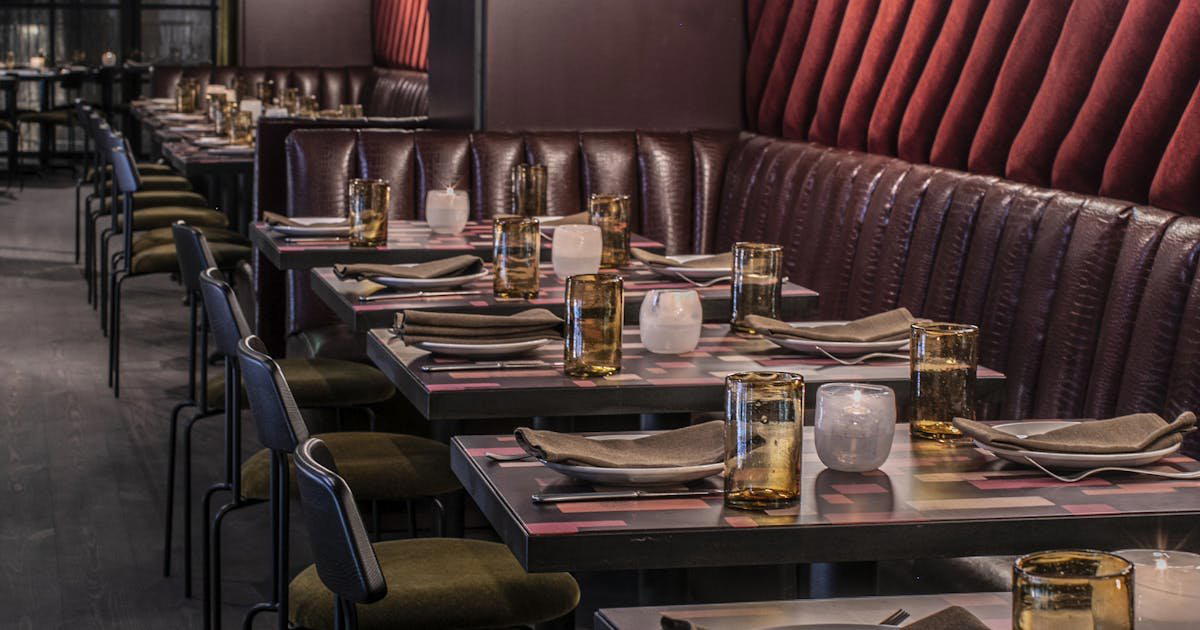
Bars in Pamplona
All bars in Pamplona →

Details
- Elegant
- Modern
- Romantic
- Sophisticated
- Intimate
- Date Night
- Special Occasion
- Business Dinner
- Standalone
- Extensive Wine List
- Local Sourcing
- Set Menu
- A La Carte
- Japanese Wines
- Spanish Wines
- Japanese Beer
Current opening hours
- Monday
- Closed
- Tuesday
- 1:30–3:30 PM
- Wednesday
- 1:30–3:30 PM, 8:30–10:30 PM
- Thursday
- 1:30–3:30 PM, 8:30–10:30 PM
- Friday
- 1:30–3:30 PM, 8:30–10:30 PM
- Saturday
- 1:30–3:30 PM, 8:30–10:30 PM
- Sunday
- 1:30–3:30 PM
Hours can change for holidays and private events. Hours as of .
An elegant, carefully designed dining room with outstanding service and a refined, high-end feel.