
A compact Rua Coelho da Rocha address that plants Peruvian heat firmly inside a Lisbon dining room, Kitu Champanheria pairs spice-forward cooking with marble tables and considered tableware in a space that reads more like a neighbourhood institution than a fusion experiment. The menu's architecture is built around controlled heat rather than novelty, making it a counterpoint to the modern Portuguese tasting-menu circuit that dominates the city's premium tier.
Pearl is the En Primeur Club membership app — saves, bookings, and concierge access live there. Same editors, same standards.
- Address
- R. Coelho da Rocha 66B, 1350-071 Lisboa, Portugal
- Phone
- +351 21 596 1345
- Directions
- Get directions
 Saves & bookings on Pearl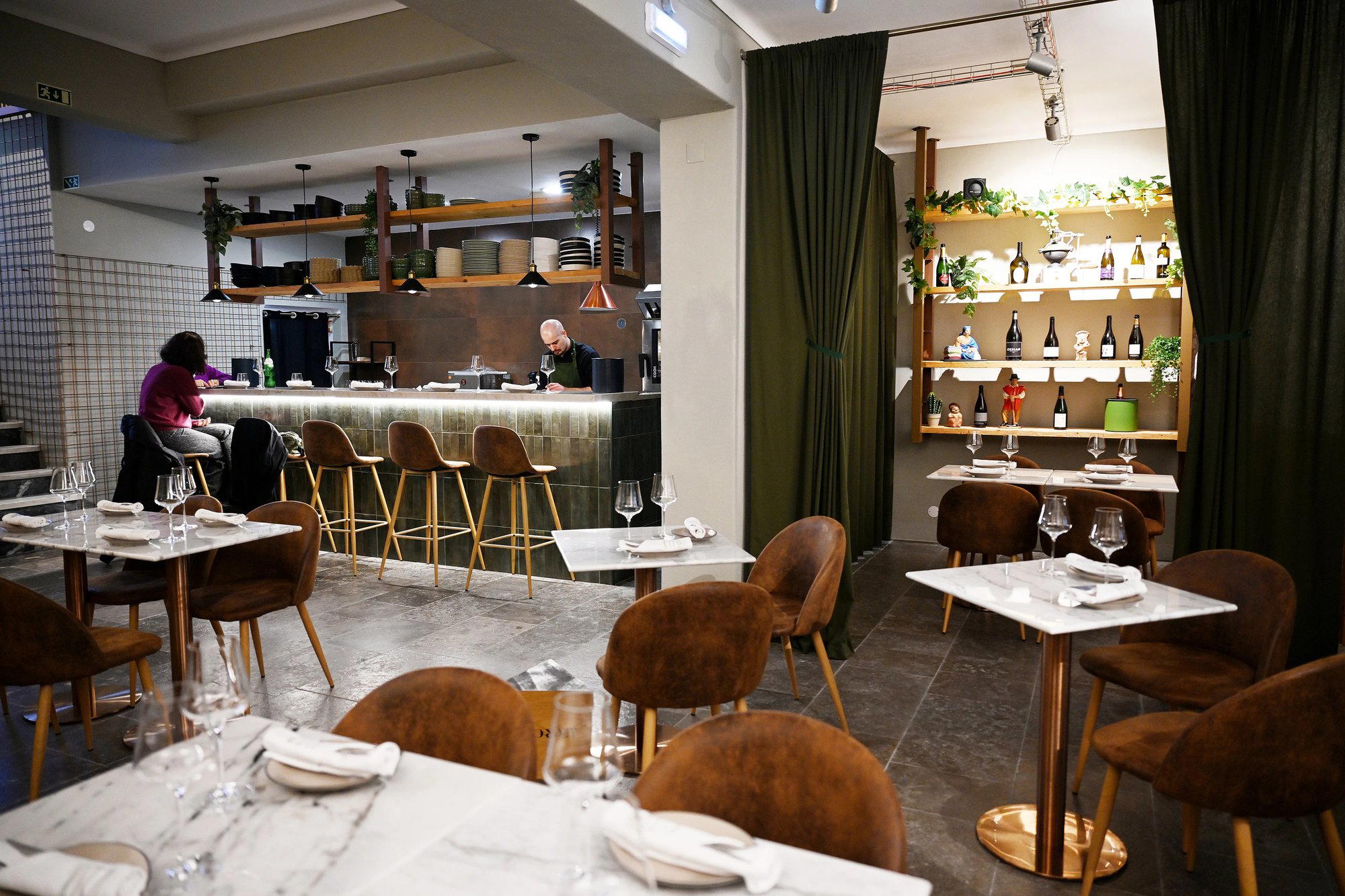
Where Peruvian Heat Meets a Lisbon Side Street
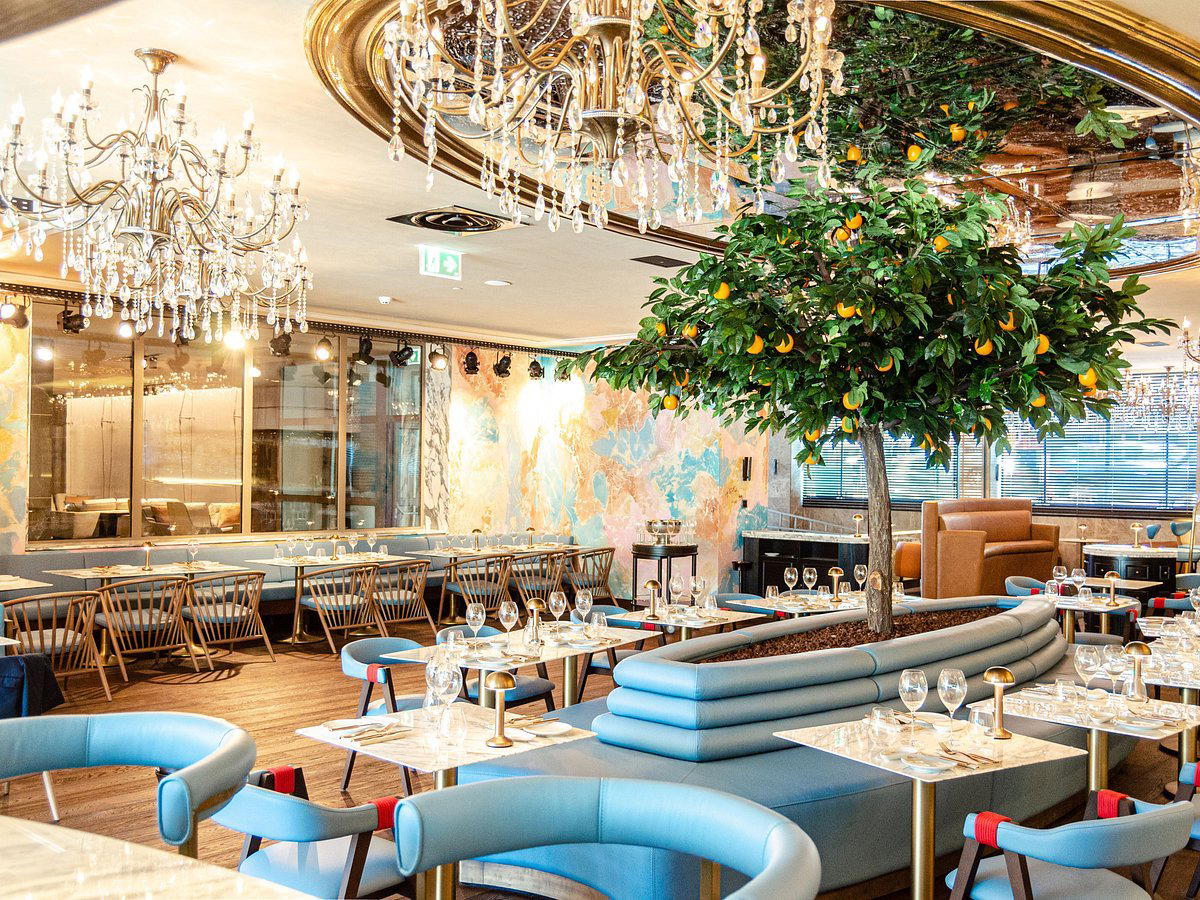
The dining rooms that stay in a city's memory are rarely the ones with the loudest profiles. On Rua Coelho da Rocha in Lisbon, Kitu Champanheria is a Peruvian Small Plates & Wine Bar with a smart casual dress code and a recommended reservation policy. The room signals its intentions through material choices: marble tables, carefully chosen cutlery, a scale that keeps the atmosphere close and the cooking in focus. The approach here is not fusion for its own sake. It is Peruvian-influenced cooking brought into a Lisbon context, where the heat reads as an argument rather than an accident.
Lisbon's dining circuit has shifted decisively toward modern Portuguese tasting menus in recent years. Venues like Belcanto, CURA, Eleven, and 50 Seconds from Martin Berasategui have anchored the upper tier of the city's restaurant scene in a format that prizes restraint, seasonal produce, and a clear narrative arc across eight or more courses. Kitu operates in a different register entirely. Its Peruvian influence means the kitchen is working with a flavour vocabulary built around acidity, chilli heat, and layered spice, none of which appear regularly in the contemporary Portuguese menu-building tradition. That difference is the point.
How the Menu Is Built
Menu architecture at Peruvian-influenced restaurants tends to resolve in one of two directions: either the heat is decorative, a gesture toward geography that dissipates by the second course, or it is structural, running through the meal as a consistent organising principle. At Kitu, the reported character of the kitchen leans toward the latter. The heat is described as prominent but calibrated, present across dishes without crossing into a register that overpowers the other flavours on the plate. That calibration is harder to achieve than it sounds. Peruvian cuisine at its most considered, from the ceviche tradition to the wok-driven techniques absorbed from Chinese and Japanese immigration, is built on balance, and transplanting that balance to a European dining room requires the kitchen to hold two reference points simultaneously.
The room reinforces that ambition. Marble tables and high-quality tableware are not incidental decorative choices in a small neighbourhood restaurant. They are signals about how seriously the kitchen expects its food to be received. The cosy scale of the space, combined with materials that belong to a more formal dining vocabulary, produces an atmosphere that sits between a relaxed local and a considered dining destination. That positioning is deliberate and relatively rare in a city where the two registers rarely overlap.
Kitu sits outside that structure, offering a format where Peruvian-influenced dishes can be ordered individually rather than as a fixed sequence, which changes the rhythm of the meal and the type of decision-making the table is doing. Kitu sits outside that structure, offering a format where Peruvian-influenced dishes can be ordered individually rather than as a fixed sequence, which changes the rhythm of the meal and the type of decision-making the table is doing.
Campo de Ourique and the Logic of Neighbourhood Dining
Campo de Ourique is one of Lisbon's residential districts that has accumulated a dining identity without being formally designated a dining destination. Its streets hold a mix of long-standing neighbourhood addresses and newer, more considered openings, and the area's relatively low tourist density compared to Chiado or Bairro Alto means the clientele skews local. For a restaurant built around a specific culinary tradition that requires repeat engagement to fully understand, a local-heavy audience is an advantage. It means the kitchen can assume familiarity and push the cooking further than it might in a room full of first-time visitors seeking orientation.
The address, 66B, sits on a block that is residential in character, so first-time visitors should look for the entrance rather than assuming a prominent street-level presence.
Placing Kitu in Portugal's Wider Restaurant Picture
Portugal's restaurant scene beyond Lisbon has developed a strong identity around native produce and regional technique. Vila Joya in Albufeira, Antiqvvm in Porto, Casa de Chá da Boa Nova in Leça da Palmeira, Il Gallo d'Oro in Funchal, Ocean in Porches, and The Yeatman in Vila Nova de Gaia all operate inside a tradition that is firmly anchored in Portuguese identity. Kitu sits at a different angle to that tradition, drawing on South American culinary heritage in the same way that internationally oriented restaurants in other European capitals have expanded their cities' palates without displacing the native canon. The champanheria name also gestures toward a specific Lisbon dining culture, the sparkling wine bars that pair small plates and wine in a casual format, though the Peruvian influence here gives that format a sharper edge than the category usually carries.
For international comparison, the tension between a transplanted culinary tradition and a local dining context is familiar from venues like Le Bernardin in New York City and Emeril's in New Orleans, both of which have maintained a distinct culinary identity in cities with strong pre-existing food cultures. The question at Kitu is a narrower version of the same problem: how do you bring a specific regional tradition to a foreign room and hold its integrity across service?
Planning Your Visit
Kitu Champanheria is at R. Coelho da Rocha 66B, 1350-071 Lisboa. Given the room's described scale, which reads as intimate rather than capacious, booking ahead is the sensible approach, particularly on weekend evenings when Campo de Ourique's neighbourhood restaurants tend to fill from locals rather than walk-in tourists. Confirm current hours and reservation availability directly, as neither is confirmed in public records at time of writing. For the wider Lisbon dining picture, EP Club's full Lisbon restaurants guide covers the city's full range of formats and price points, and the Lisbon hotels guide, bars guide, wineries guide, and experiences guide round out the full trip picture.
Awards and Standing
Comparable venues nearby, for context on price, style, and recognition.
| Venue | Cuisine | Price | Notes |
|---|---|---|---|
| Kitu ChampanheriaThis venue — the venue you are viewing | Peruvian Small Plates & Wine Bar | $$ | Not listed |
| Il Matriciano | Authentic Roman Trattoria | $$ | Bairro Alto |
| Pharmacia | Portuguese Tapas & Mediterranean | $$ | Bairro Alto |
| Fidalgo | Portuguese Tapas & Wine Bar | $$ | Chiado |
| Al Garage | Authentic Italian Pasta and Pizza | $$ | Rato |
| Le Chat | Rooftop Lounge Bar with Small Plates | $$ | Madragoa |
Recognition history
Dated appearances from independent guides and award organizations, with the underlying list record or original source where available.
Star Wine List
Star Wine List
Continue exploring
More in Lisbon
Restaurants in Lisbon
Browse all →
Bars in Lisbon
Browse all →
Hotels in Lisbon
Browse all →
At a Glance
- Trendy
- Cozy
- Lively
- Date Night
- Casual Hangout
- Natural Wine
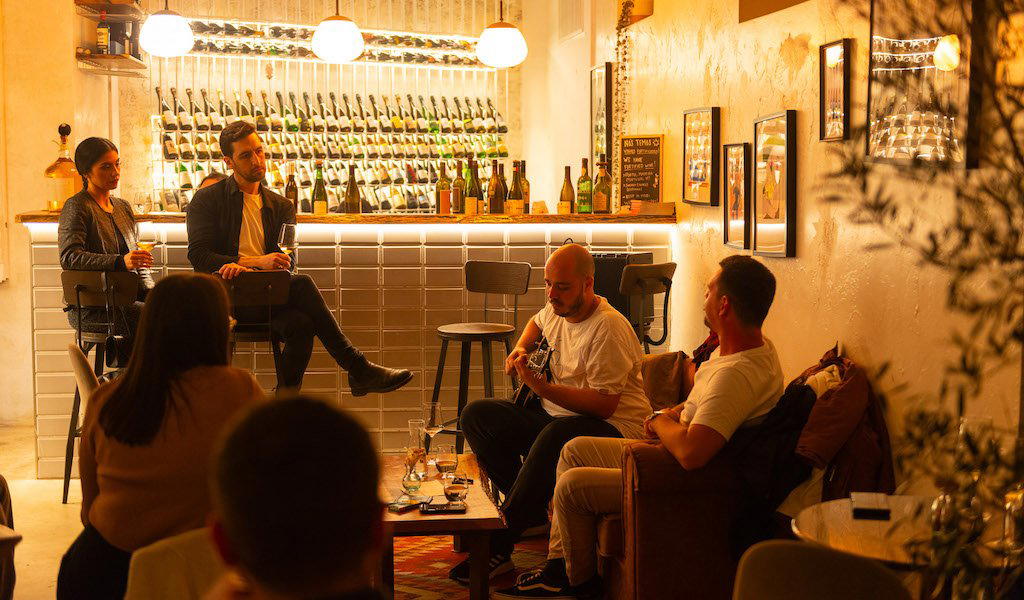
Lively without being overwhelming, with attentive service and a social drinking focus.