Kitsch Bar Asia
Kitsch Bar Asia occupies a prominent address on Oxford Street in Leederville, one of Perth's most active dining precincts. The bar sits within a suburb that has developed a reputation for venues that draw on Asian culinary traditions without treating them as novelty. For visitors orienting themselves around Western Australia's food scene, it represents a stop worth factoring into any Leederville itinerary.
Pearl is the En Primeur Club membership app — saves, bookings, and concierge access live there. Same editors, same standards.
- Address
- 229 Oxford St, Leederville WA 6007, Australia
- Phone
- +61 8 9242 1229
- Website
- kitschbar.net.au
- Directions
- Get directions
 Saves & bookings on Pearl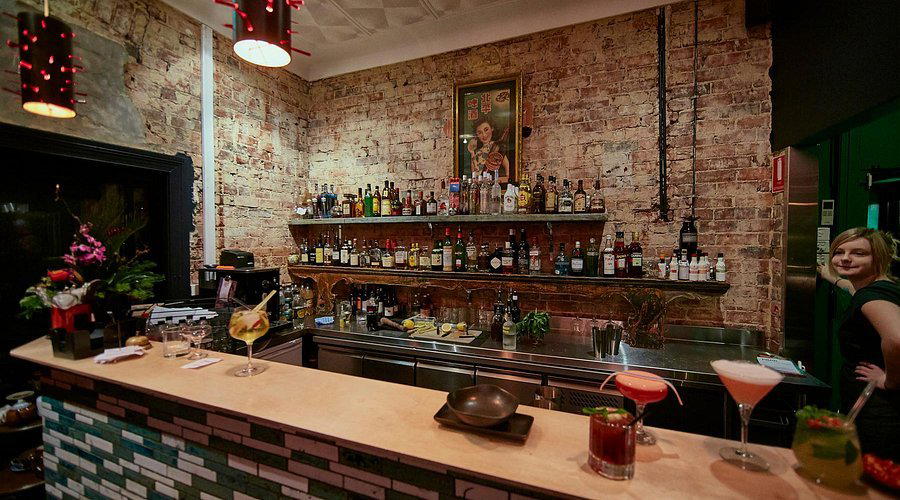
Oxford Street After Dark: What Leederville's Bar Scene Signals
Perth's inner-north dining corridor has shifted meaningfully over the past decade. Oxford Street in Leederville now runs a dense sequence of bars, restaurants, and casual venues that collectively position the suburb as a genuine alternative to the CBD for evening eating and drinking. The street rewards walking: the transition from cafe format to full bar service happens within a few hundred metres, and the density means that a plan to visit one venue rarely ends there. Kitsch Bar Asia sits at 229 Oxford Street, directly within this corridor, which places it in the same foot-traffic stream as the suburb's broader eating-and-drinking culture.
Leederville belongs to a small group of Perth neighbourhoods where the dining offer has become self-reinforcing. Venues like Low Key Chow House have demonstrated that the suburb can support a serious Asian-influenced food proposition, and that local appetite for the format goes beyond trend-chasing. Kitsch Bar Asia operates in the same precinct and benefits from, and contributes to, that accumulated credibility.
Asian Bar Culture and What It Demands of Sourcing
Venues trading under an Asian bar identity in Australian cities face a specific sourcing tension. The pantry of East and Southeast Asian cooking, from fermented pastes and specialty soy to particular cuts and aromatics, requires either reliable import supply chains or serious local substitution work. Neither path is invisible to a paying guest: imported ingredients carry authenticity premiums, while local substitutes reveal their quality (or lack of it) under the relatively unmasked conditions of bar food, where the cooking is faster, the portions smaller, and the flavour contrasts sharper.
Australia's broader fine-dining scene has developed a strong answer to this tension through deep regional sourcing. Places like Brae in Birregurra and Attica in Melbourne have made the provenance of raw material central to their identity, while Rockpool in Sydney has long demonstrated how high-volume Australian product can meet technical rigour. That ethos has filtered into mid-format venues across Australian cities, including Western Australia, where producers in the Swan Valley, Margaret River, and further into the south-west have expanded the range of quality ingredients available to Perth kitchens.
For a bar operating with Asian-influenced food, this creates real opportunity. Western Australian seafood, in particular, carries a quality argument that competes internationally. The state's rock lobster, octopus, and fin-fish supply chains are among the more reliable in the southern hemisphere, and Perth kitchens that build Asian-style preparations around that material rather than treating imported product as the default are making a coherent sourcing decision, not just a cost one.
The Anatomy of an Asian Bar Format
Across Australian cities, the Asian bar format has evolved from a fairly narrow template (shared plates, baijiu-adjacent spirits, neon signage) into something more varied. The better-executed versions now sit alongside Australian restaurants that take sourcing as seriously as places like Botanic in Adelaide or Hentley Farm in Seppeltsfield, even if the price point and formality are considerably lower. What defines the stronger venues in this category is not the geographic range of their menu references, but the internal consistency of their sourcing decisions and the drinks program's ability to complement food rather than compete with it.
The drinks side of Asian bar culture has its own sourcing dimension. Sake, shochu, soju, and craft Asian spirits each carry production-method and regional origin signals that attentive bar teams now communicate with the same fluency that Australian sommeliers apply to local wine. The Margaret River and Great Southern regions have also produced distillers and winemakers whose output pairs naturally with umami-forward food, giving Perth bars geographic arguments that venues in eastern capitals cannot replicate. Remote coastal producers like those reviewed alongside Wills Domain in Yallingup illustrate the depth of Western Australia's western edge as a producer region.
Where Kitsch Bar Asia Sits in a National Context
Australian dining has developed a strong cohort of venues that sit between destination-restaurant formality and casual eating, operating at a mid-register that requires genuine kitchen competence without the architecture of a full tasting menu. That tier includes venues from Pipit in Pottsville to Provenance in Beechworth, each anchored by a clear point of view on where their ingredients come from and why that matters. At the more remote or resort-dependent end, venues like Lizard Island Resort and Salt Water Restaurant in Cairns show how Australian coastal produce can anchor a kitchen's identity across different formats.
Internationally, the bar-restaurant hybrid has attracted serious investment and critical attention in cities from New York, where Le Bernardin demonstrates what sourcing discipline looks like at the highest register, to San Francisco, where Lazy Bear has turned communal format into a defining identity. In that broader context, Leederville's Oxford Street sits several categories below in formality and price, but the underlying question of whether a venue has a coherent sourcing position applies regardless of scale.
Venues like Ormeggio at The Spit in Mosman, Aloft in Hobart, Blackwood Pantry in Cronulla, and Laura at Pt Leo Estate in Merricks each demonstrate, in different ways, that the Australian dining public has developed a real appetite for venues with a legible identity and clear ingredient story. That expectation has migrated down the formality scale and now reaches bars and casual venues. It is the standard against which any venue in this space is increasingly assessed.
Planning a Visit
The restaurant is located at 229 Oxford Street, Leederville, easily reached from central Perth by public transport or a short drive north through Northbridge. Oxford Street has reliable on-street parking outside peak Friday and Saturday evening windows, when walking from the nearby train station becomes the more practical option. As with most Leederville bars operating in a competitive social strip, arriving earlier in the evening gives more flexibility on seating. Hours are Monday closed, Tuesday to Thursday 5 to 10 PM, Friday 12 to 10:30 PM, Saturday 11:30 AM to 3:30 PM and 5 to 10:30 PM, and Sunday closed. Reservations are recommended.
Comparable Venues
Comparable venues nearby, for context on price, style, and recognition.
| Venue | Cuisine | Price | Notes |
|---|---|---|---|
| Kitsch Bar AsiaThis venue — the venue you are viewing | Pan-Asian Street Food & Cocktails | $$ | Not listed |
| Low Key Chow House | Modern Pan-Asian Fusion | $$ | Leederville |
| Lucky Chan's Laundry & Noodle Bar | Asian Fusion Noodle Bar | $$ | Northbridge |
| Casa | Modern Fusion Wine Bar | $$$ | Mount Hawthorn |
| Spaghetti Club | Southern Italian Trattoria | $$ | Richmond |
| Sergio’s | Italian Pizza Bistro | $$ | Ashburton |
Continue exploring
More in Leederville
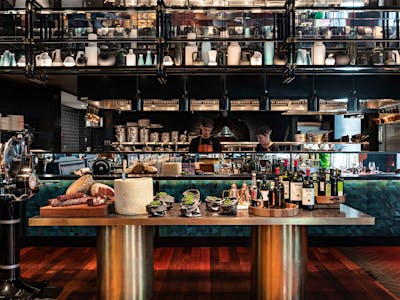
Restaurants in Leederville
Browse all →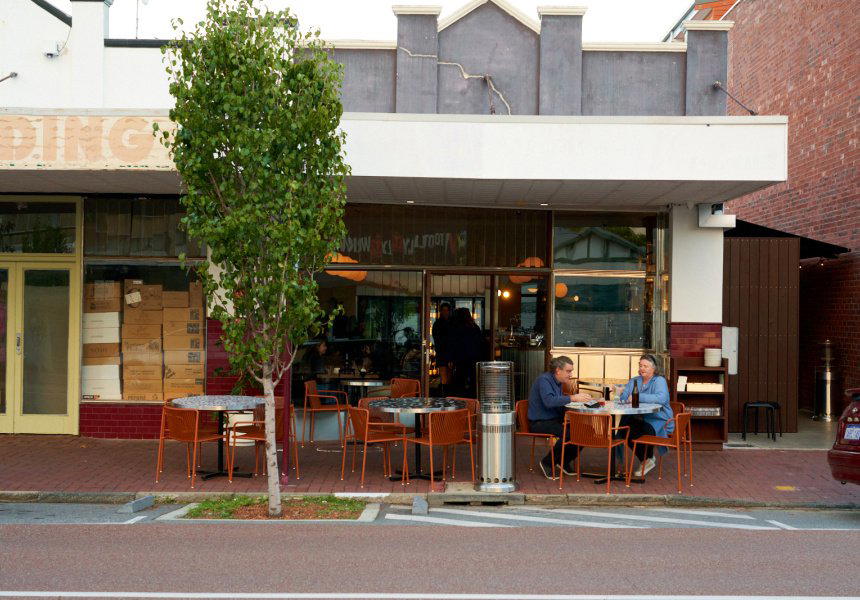
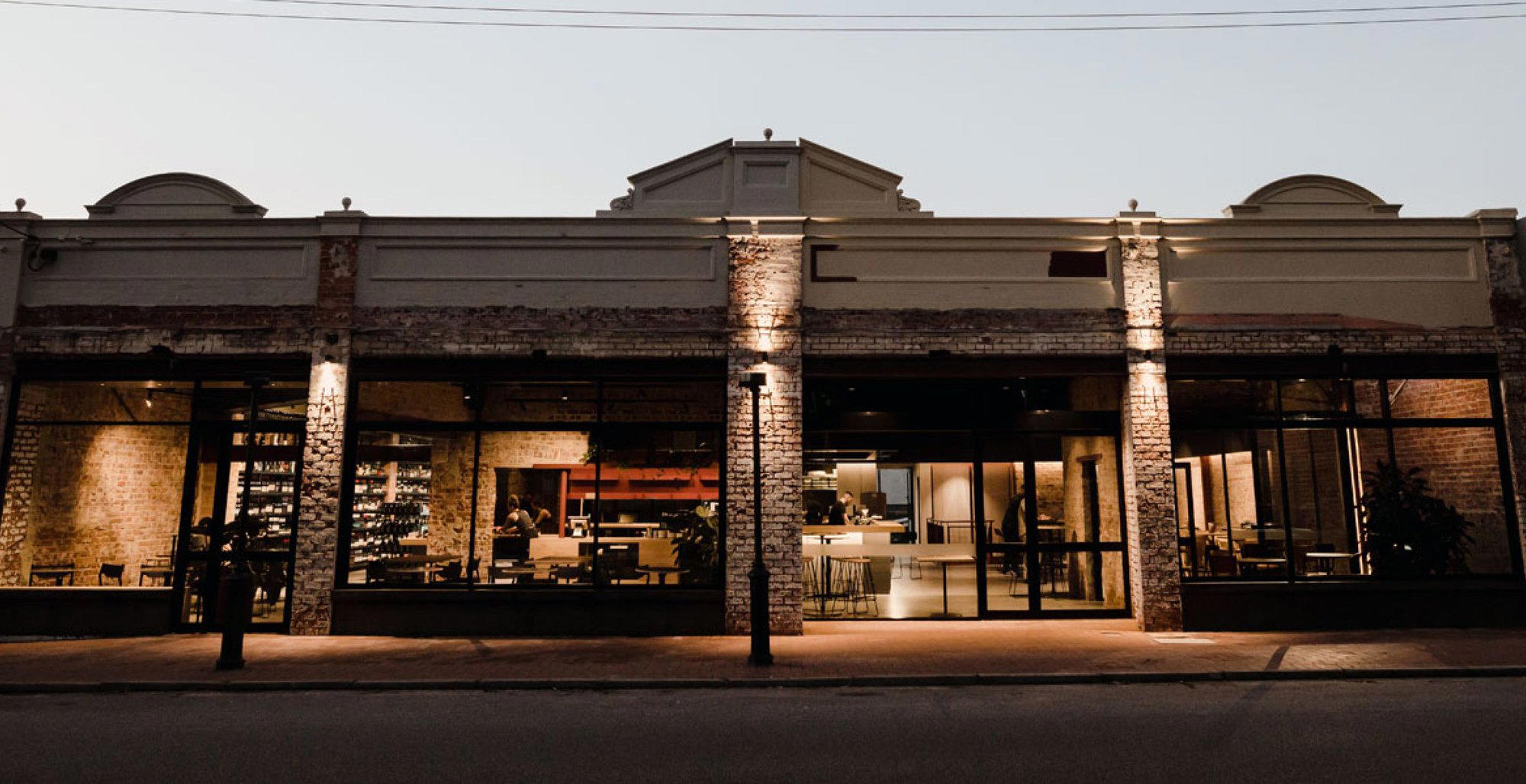
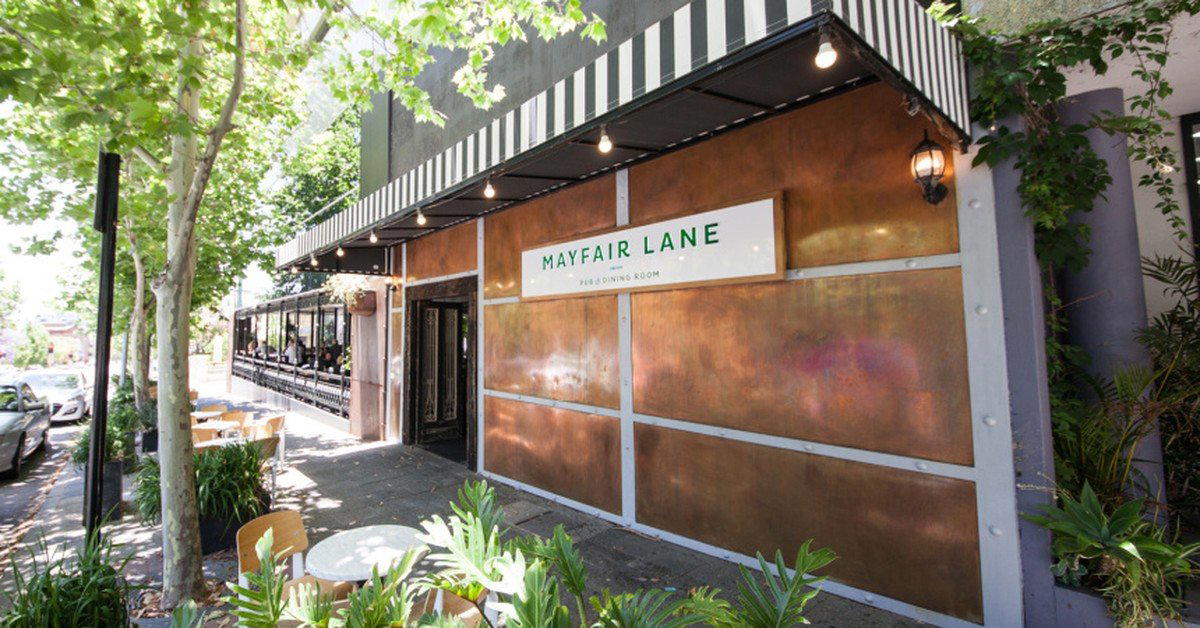
Bars in Leederville
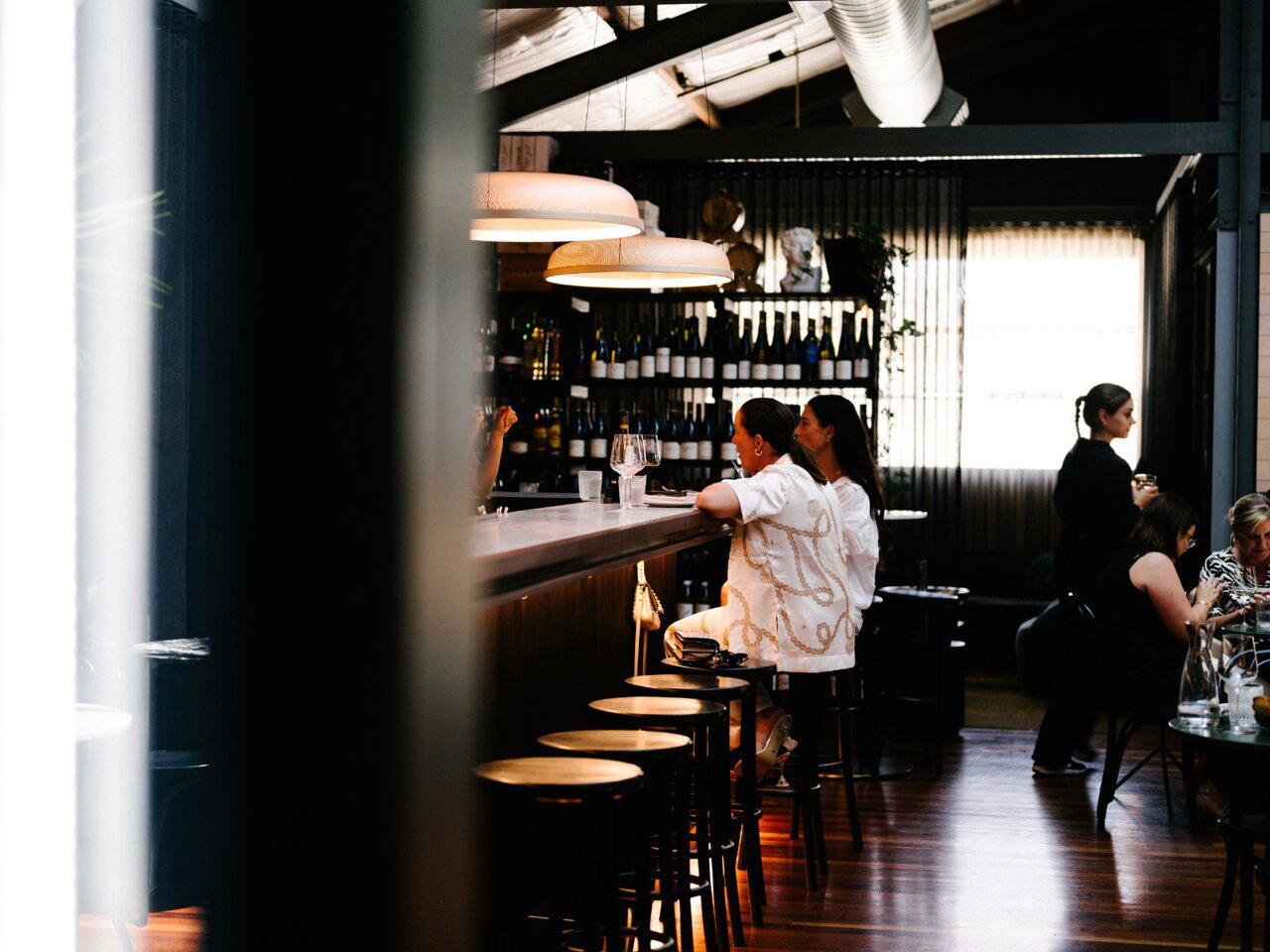
Browse all →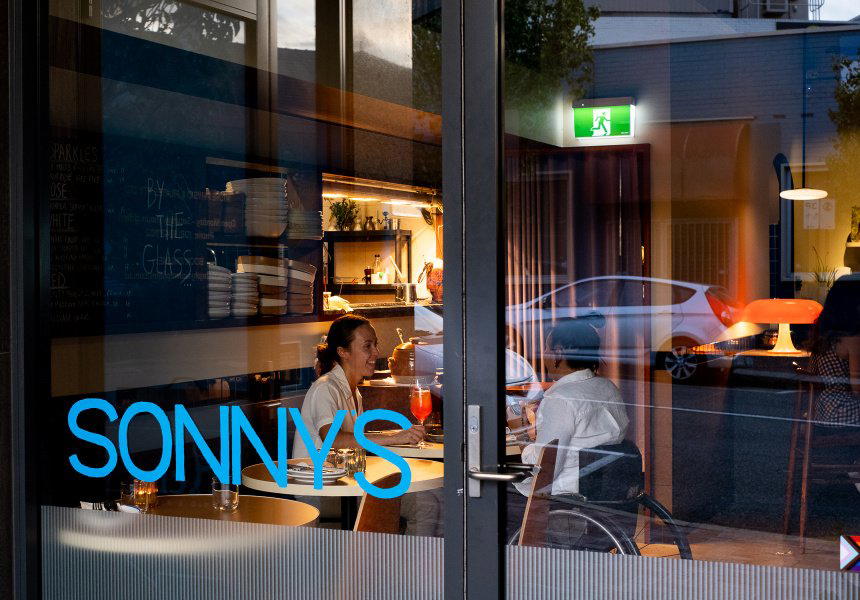

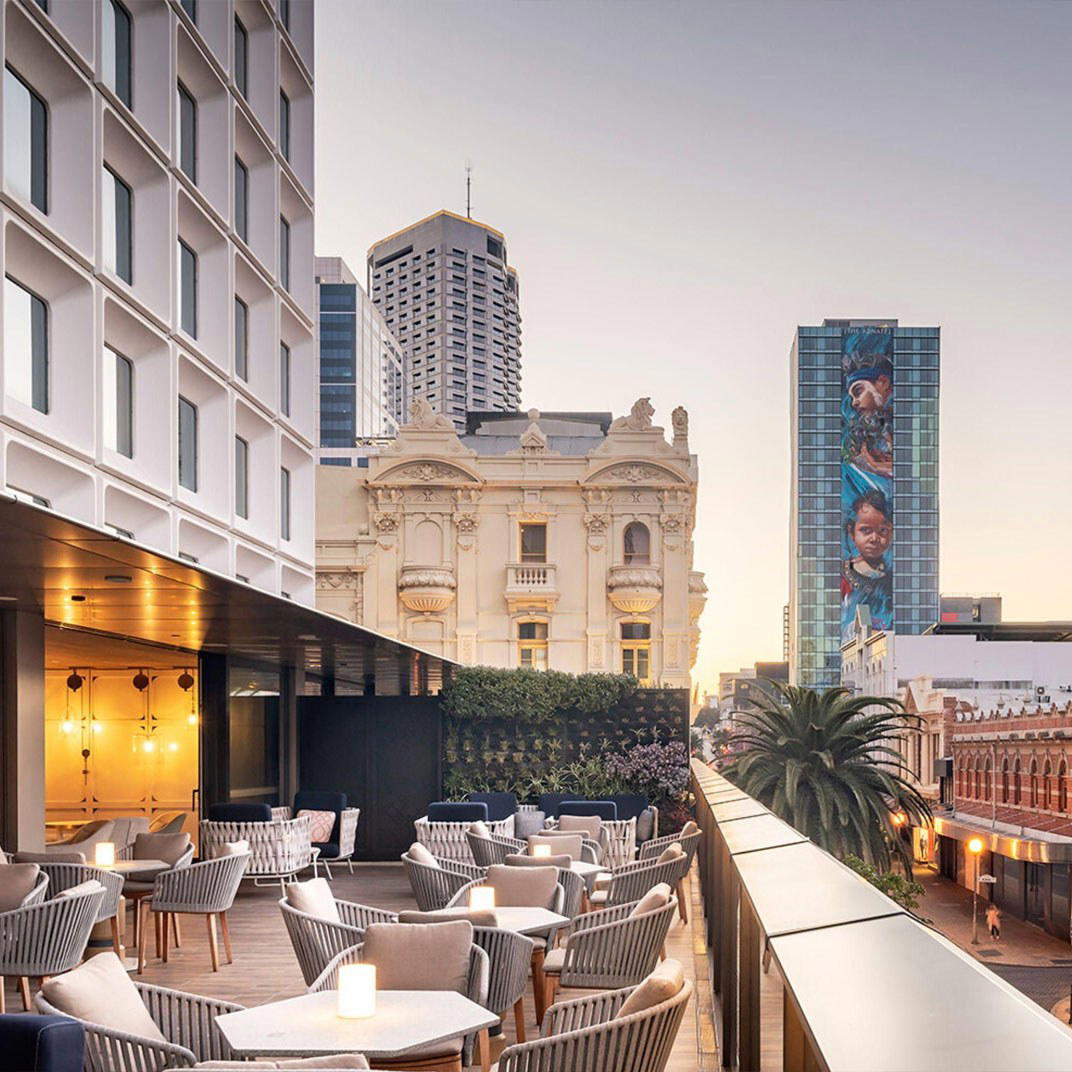
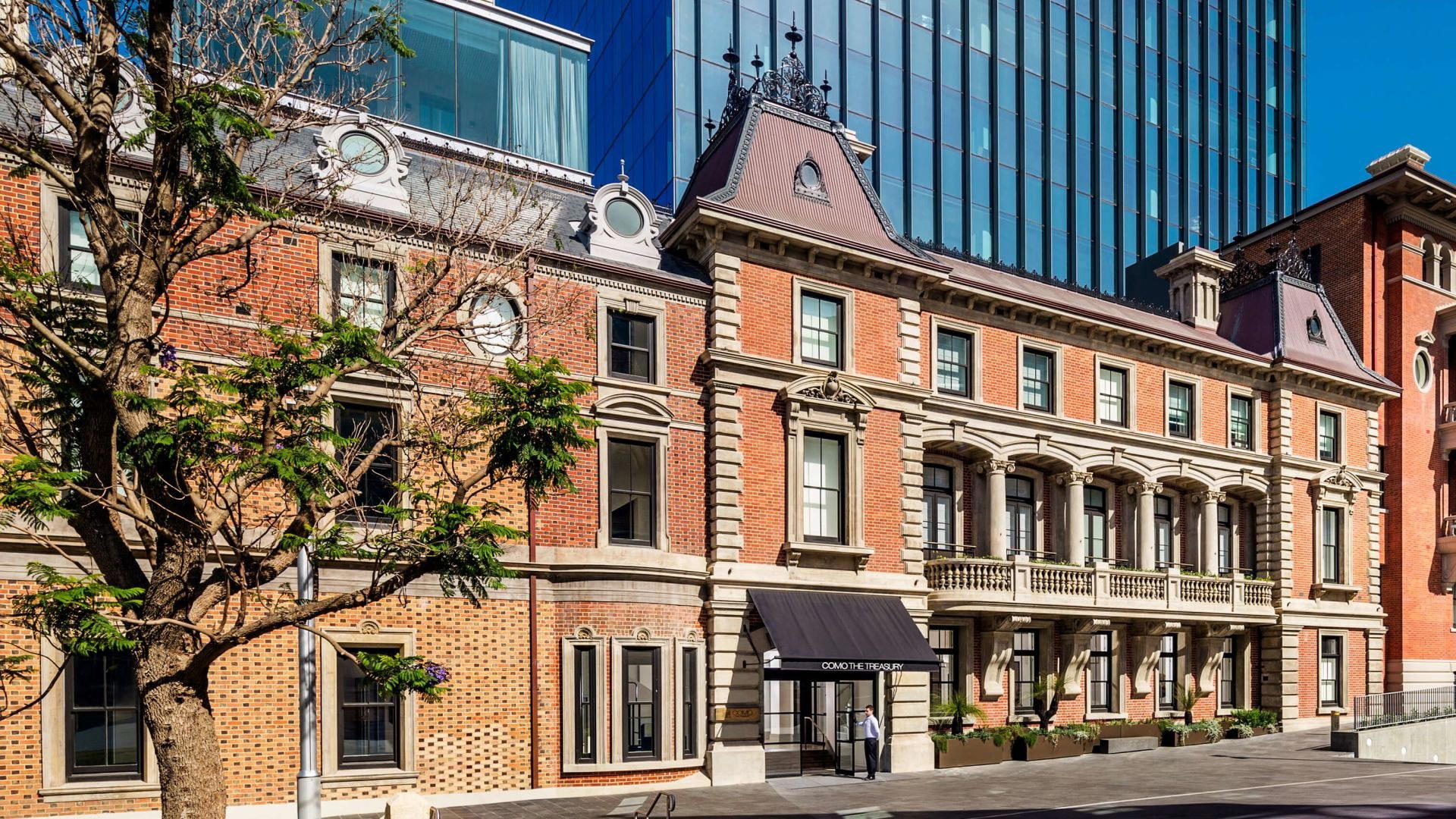
Hotels in Leederville
Browse all →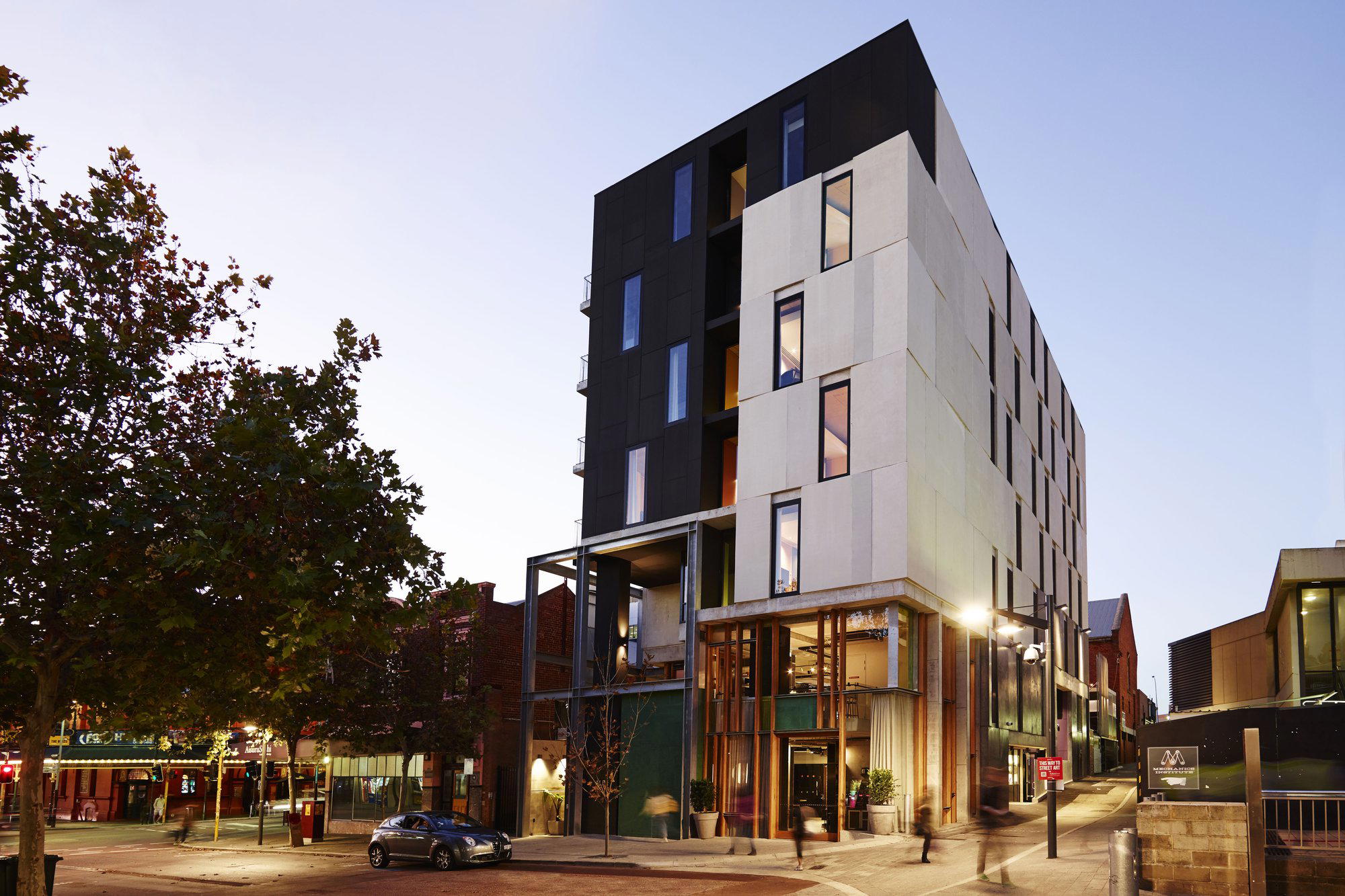
Wineries in Leederville
Browse all →
At a Glance
- Trendy
- Cozy
- Lively
- Intimate
- Date Night
- Group Dining
- Casual Hangout
- Late Night
- Open Kitchen
- Courtyard
- Craft Cocktails
Current opening hours
- Monday
- Closed
- Tuesday
- 5–10 PM
- Wednesday
- 5–10 PM
- Thursday
- 5–10 PM
- Friday
- 12–10:30 PM
- Saturday
- 11:30 AM–3:30 PM, 5–10:30 PM
- Sunday
- Closed
Hours can change for holidays and private events. Last verified .
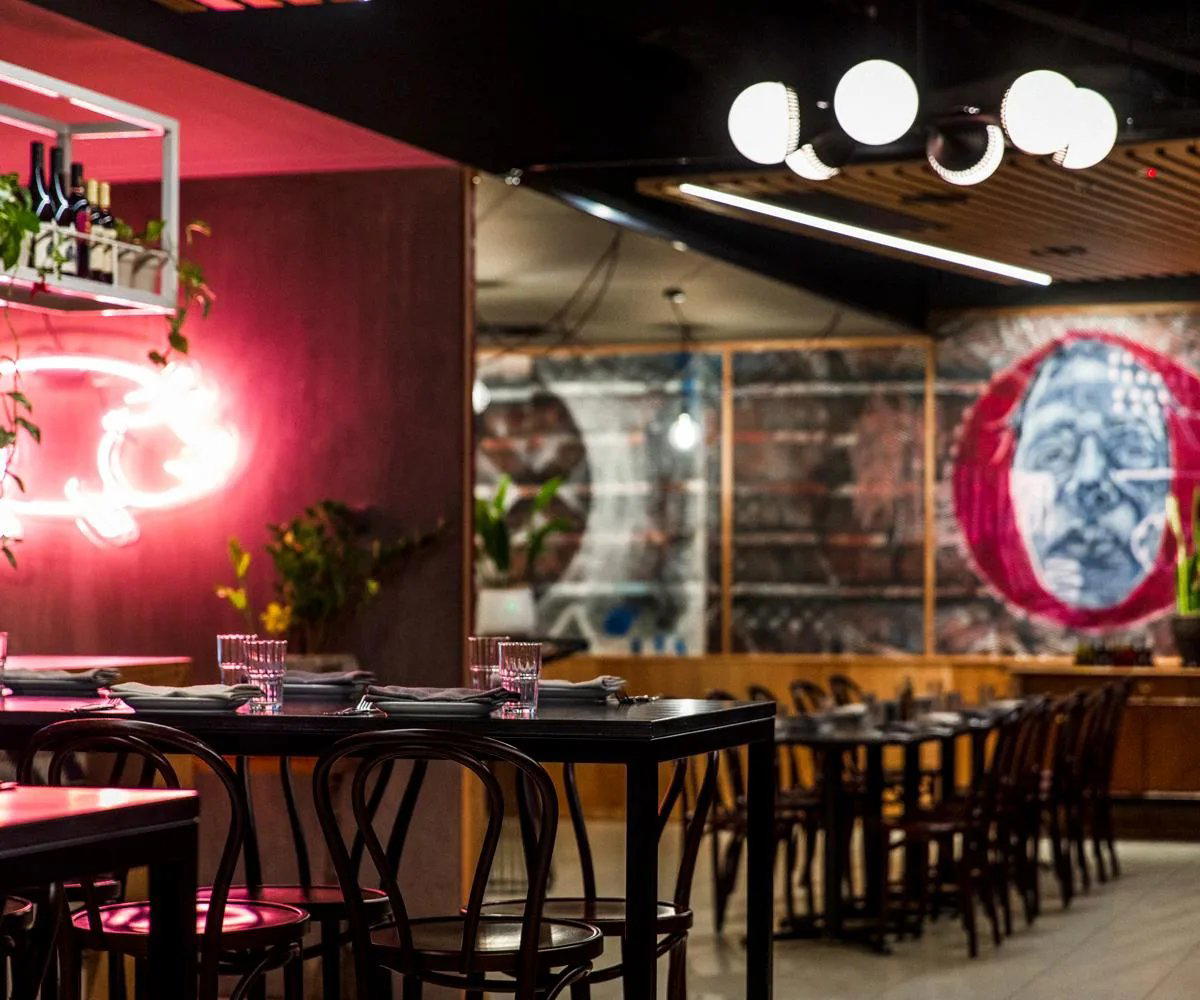
Bare bulbs and open flames create a lively, energetic atmosphere reminiscent of Southeast Asian night markets; colorful decor and sizzling sounds of cooking contribute to an eclectic, bohemian vibe with low-cost seating and earnest comfort.