Aiko Sushi
Sushi in the Canary Islands: What the Setting Demands Santa Cruz de Tenerife occupies an unusual position in Spain's dining conversation. The capital of Tenerife sits closer to the coast of West Africa than to the Spanish mainland, which means...
Pearl is the En Primeur Club membership app — saves, bookings, and concierge access live there. Same editors, same standards.
- Address
- C. Capitán Gómez Landero, 17, 38006 Santa Cruz de Tenerife, Spain
- Phone
- +34822775887
- Website
- aikosushi.es
- Directions
- Get directions
 Saves & bookings on Pearl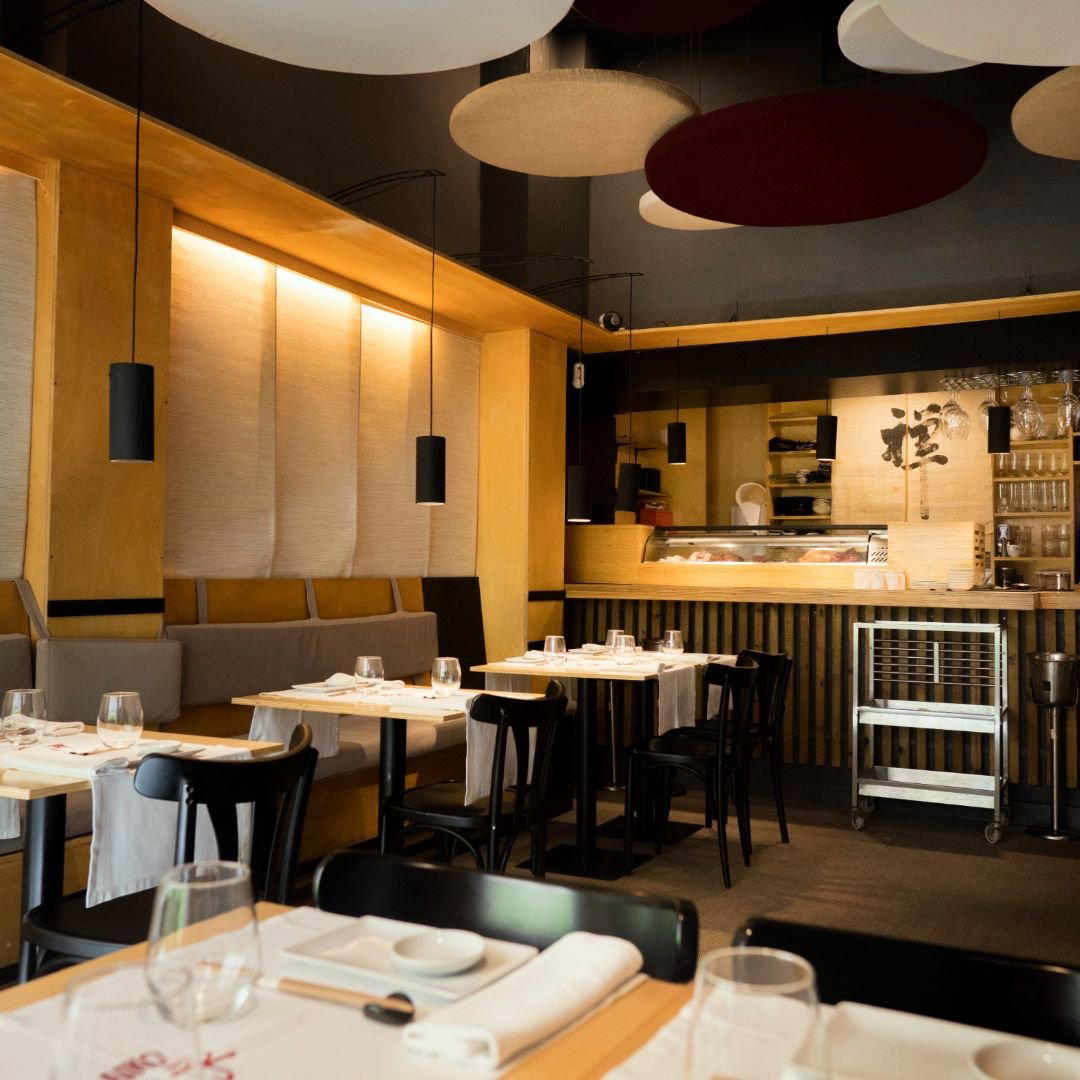
Sushi in the Canary Islands: What the Setting Demands
Santa Cruz de Tenerife occupies an unusual position in Spain's dining conversation. The capital of Tenerife sits closer to the coast of West Africa than to the Spanish mainland, which means its ingredient economy runs on Atlantic fish landed at ports that feed one of Europe's most productive fishing zones. That context matters enormously when a sushi restaurant opens here. Japanese technique applied to Canarian-Atlantic seafood is not an exotic novelty in this city; it is a logical response to extraordinary local supply. Aiko Sushi, on Calle Capitán Gómez Landero in the Centro Ifara district, operates inside that logic.
The address places it in a residential-commercial stretch of the city that does not announce itself as a dining destination, which is characteristic of how Santa Cruz de Tenerife works. The city's better restaurants tend to sit inside neighbourhoods rather than on tourist-facing promenades, and the walk to Aiko Sushi from the city centre gives you the ordinary texture of a working Canarian city before you arrive. That walk is, in itself, a useful calibration.
The Ingredient Argument for Sushi on an Atlantic Island
The reason Japanese cuisine has taken hold across Spain's coastal cities is rarely explained well in the restaurants themselves, but it deserves attention. Japan and Spain share a fishing culture of unusual depth: both nations consume fish at volumes that drove centuries of technique development, and both have built preservation and aging traditions around that abundance. When Japanese sushi formats arrived in Spain, they found a country with existing fluency in raw fish, curing, and the idea that the leading preparation is often the most minimal one.
In the Canary Islands, that convergence intensifies. The Atlantic waters around Tenerife produce species that Japanese technique handles well: bluefin tuna from waters the island has long supplied to Japanese buyers, local bream and sea bass with clean flesh suited to nigiri and sashimi formats, and smaller species that a skilled hand can work into interesting preparations. The sourcing case for a sushi restaurant in Santa Cruz is, on paper, stronger than in many inland European cities where Japanese restaurants operate on imported fish flown in from distant markets.
Spanish fine dining at the highest tier, from Aponiente in El Puerto de Santa María to Quique Dacosta in Dénia, has long argued that proximity to source changes what a kitchen can do. The same principle applies at a more accessible price tier, and sushi restaurants in coastal Spanish cities that source locally rather than relying on imported standard product operate with a material advantage in quality and freshness that shows directly in the eating.
Where Aiko Sushi Sits in the Santa Cruz Dining Order
Santa Cruz de Tenerife does not have the Michelin density of San Sebastián, where Arzak and the concentration of starred kitchens have defined a global reputation, or the creative infrastructure of Barcelona, where Cocina Hermanos Torres represents a particular strand of progressive Spanish cuisine. The island's dining scene is shaped instead by a strong local food culture, good raw material access, and a population that eats out regularly without requiring theatrical dining formats.
Japanese restaurants in this context occupy a specific tier. They are not competing with the peninsula's progressive fine dining operations, like Azurmendi in Larrabetzu or Martin Berasategui in Lasarte-Oria, which operate at a different scale of ambition and infrastructure entirely. They are competing locally, against tapas bars with strong fish counters, against seafood restaurants with direct port relationships, and against each other for the portion of the Santa Cruz dining public that has developed a genuine appetite for Japanese formats rather than a casual curiosity about them.
Aiko Sushi's position on a non-tourist street in Centro Ifara suggests it is oriented toward that local dining public rather than the holiday visitor passing through the city. That orientation, where it holds, tends to produce more consistent kitchens than those calibrated to transient traffic.
The Wider Spanish Sushi Context
Japan's influence on Spanish dining has moved well beyond the phenomenon stage. Cities across the country now have sushi restaurants operating at multiple price points, and the category has stratified in the same way that it has in Tokyo, New York, and London. At the upper end, omakase counters with strict booking windows and premium pricing have appeared in Madrid and Barcelona. At the accessible mid-range, neighbourhood sushi restaurants have replaced many of the generic Japanese restaurants that opened in the 1990s and 2000s on the back of novelty rather than quality.
The most interesting tier is the one in between: restaurants that apply genuine technique to local product without charging omakase prices or requiring the formality of a counter booking weeks in advance. In coastal cities with strong fish supply, that tier can punch significantly above its weight if the sourcing discipline holds. Spain's broader restaurant culture, shaped by decades of ingredient-first cooking from kitchens like El Celler de Can Roca in Girona and Mugaritz in Errenteria, has raised the baseline expectation for what good product looks like at the table, and that expectation now extends to Japanese formats as well.
Planning a Visit
Aiko Sushi is on Calle Capitán Gómez Landero 17 in the 38006 postal district of Santa Cruz de Tenerife. The location is accessible by foot from the city centre and sits within the Centro Ifara neighbourhood. Given the absence of published booking details at the time of writing, visiting in person or checking current contact information through local listings is advisable before planning an evening around the restaurant. For the broader Santa Cruz dining picture, including comparable and complementary options across cuisine types, see our full Centro Ifara restaurants guide.
Sushi restaurants in Spanish cities at this neighbourhood level tend to fill quickly on Thursday through Saturday evenings, so mid-week visits or early evening arrivals on weekend nights generally offer more flexibility. The Canary Islands' year-round mild climate means there is no strong seasonal peak to avoid, though August and the Christmas-New Year period see higher overall visitor volume in the city.
How It Stacks Up
| Venue | Cuisine | Price | Awards |
|---|---|---|---|
| Aiko SushiThis venue — the venue you are viewing | This venue | Not listed | Not listed |
| Quique Dacosta | Creative | €€€€ | Michelin 3 Star |
| Arzak | Modern Basque, Creative | €€€€ | Michelin 3 Star |
| Azurmendi | Progressive, Creative | €€€€ | Michelin 3 Star |
| Martin Berasategui | Progressive Spanish, Creative | €€€€ | Michelin 3 Star |
| Aponiente | Progressive - Seafood, Creative | €€€€ | Michelin 3 Star |
Continue exploring
More in Centro Ifara
Restaurants in Centro Ifara
Browse all →
Bars in Centro Ifara
Browse all →
Hotels in Centro Ifara
Browse all →
At a Glance
- Modern
- Trendy
- Intimate
- Date Night
- Casual Hangout
- Sake Program
Current opening hours
- Monday
- 1:30–4 PM, 8–11:30 PM
- Tuesday
- 1:30–4 PM, 8–11:30 PM
- Wednesday
- 1:30–4 PM, 8–11:30 PM
- Thursday
- 1:30–4 PM, 8–11:30 PM
- Friday
- 1:30–4 PM, 8–11:30 PM
- Saturday
- 1:30–4 PM, 8–11:30 PM
- Sunday
- Closed
Hours can change for holidays and private events. Last verified .
Cozy lighting with sleek minimalist decor creating a sophisticated yet relaxed sushi atmosphere.
Know Before You Go
- Getting there
- C. Capitán Gómez Landero, 17, 38006 Santa Cruz de Tenerife, Spain