Khans
Khans on Lavender Hill is a long-standing address on Battersea's South London dining circuit, where the tradition of subcontinental cooking has taken root in a neighbourhood better known for its proximity to the park than its restaurant credentials. The kitchen draws on the kind of South Asian culinary lineage that London has shaped into its own distinct register over decades of immigration, adaptation, and local appetite.
Pearl is the En Primeur Club membership app — saves, bookings, and concierge access live there. Same editors, same standards.
- Address
- 159 Lavender Hill, London SW11 5QH, United Kingdom
- Phone
- 020 7727 5420
- Website
- khans-sw11.co.uk
- Directions
- Get directions
 Saves & bookings on Pearl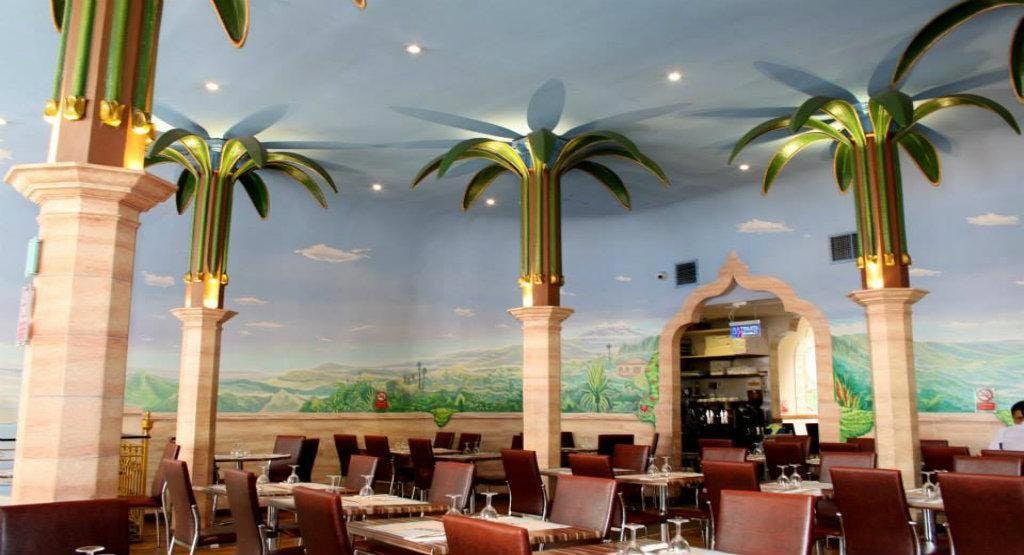
Battersea and the Long Arc of South Asian Cooking in London
Khans is a traditional Punjabi and South Indian curry house in Battersea, London SW11, at 159 Lavender Hill, and it serves meals at about $28 per person. What began as a practical provision for post-war immigrant communities evolved, across several decades, into a culinary tradition that now occupies every price tier in the city, from canteen-style curry houses in Whitechapel to refined tasting-menu formats in Marylebone. Battersea sits somewhere in the middle of that arc: a neighbourhood with the demographics of the inner suburbs and the dining habits that go with them, where a reliable, well-practised South Asian kitchen can build a loyal base without competing against the volume or density of East London's Brick Lane corridor or the more self-conscious experimentation found north of the river.
Khans, at 159 Lavender Hill, occupies that position. The address has been part of Battersea's local dining circuit for long enough to function as a neighbourhood institution rather than a discovery, the kind of place that accumulates regulars rather than tourists and builds its reputation through consistency rather than press cycles. Lavender Hill itself runs between Clapham Junction and Wandsworth Road and carries the character of a working high street: independent retailers, a mix of price points, and a food offer that reflects the area's composition rather than any single trend.
The Cultural Architecture of the Curry House Format
Understanding what Khans represents requires some sense of what the curry house format has meant to British dining more broadly. The genre, which took its current shape largely through Bangladeshi and Pakistani restaurateurs in the 1960s and 1970s, developed a set of conventions, tandoor-cooked breads, tiered heat levels, set menus, licensed dining rooms, that became so embedded in British eating habits they stopped being read as foreign at all. By the 1990s, chicken tikka masala had been half-jokingly described as a national dish. By the 2010s, that same format was under pressure from two directions: premium operators offering more regionally specific South Asian cooking, and the casual fast-food sector absorbing the lower end of the market.
What survived was the middle tier: restaurants with enough cooking skill to retain regulars, enough format consistency to deliver reliable meals, and enough neighbourhood presence to function as social infrastructure. These are the places that fill on a Thursday evening not because of a review but because people who live within ten minutes know what they are getting. Khans on Lavender Hill fits that description. For context on where London's higher-end kitchens are operating, venues like CORE by Clare Smyth, Restaurant Gordon Ramsay, and Sketch, The Lecture Room and Library represent a different register entirely: three-Michelin-star operations at the ££££ tier, where the competitive set is international rather than local. Khans competes on different terms, ones defined by proximity, familiarity, and the depth of a cuisine that has been practised on British high streets for more than half a century.
South Asian Cooking as a London Register
The food traditions that inform a restaurant like Khans span the entire subcontinent, but what London has done with them is distinct. The city's South Asian restaurant culture has always been shaped by the particular communities that built it, predominantly Sylheti Bangladeshi in the East End, Punjabi in Southall, a mix of Pakistani and Indian communities across the inner suburbs. Each brought its own regional techniques, spice logic, and protein preferences, and over time those inputs blended into a London idiom that is neither purely regional nor purely anglicised but something specific to the city's own culinary history.
That idiom, slow-cooked dals, charred tandoor breads, marinated grills, cream-finished kormas alongside drier, more assertive dishes, remains the backbone of mid-market South Asian dining in neighbourhoods like Battersea. The format is readable to anyone who has eaten in this tier of London restaurant, which is precisely why it functions as social infrastructure: there is no learning curve, no dress code anxiety, no ten-step tasting sequence. You sit down, you order, you eat well, and you leave having spent an accessible amount of money.
For readers building a broader picture of London's dining offer, the EP Club guides cover the full range: our full London restaurants guide maps the city's kitchens across every cuisine and price tier, while our full London hotels guide, our full London bars guide, and our full London experiences guide cover the rest of the city's offer. For those travelling beyond London, the EP Club also tracks destinations like The Fat Duck in Bray, L'Enclume in Cartmel, Moor Hall in Aughton, and Gidleigh Park in Chagford, all of which represent British fine dining at its more formal end. Closer to London, Hand and Flowers in Marlow and hide and fox in Saltwood offer high-quality cooking at more accessible price points. Internationally, Le Bernardin in New York City and Atomix in New York City represent the same premium-tier logic applied to French seafood and Korean tasting menus respectively. The Ledbury and Dinner by Heston Blumenthal round out London's Michelin-decorated tier for readers who want to cross-reference the city's full range.
Planning a Visit
Khans is located at 159 Lavender Hill, London SW11 5QH, in the Battersea stretch of the street between Clapham Junction and Wandsworth Road. Clapham Junction is the nearest major rail and bus interchange, making the address direct to reach from central London and the wider Southwest London rail network. The restaurant is open daily from 5 to 11 PM, and reservations are recommended.
Reputation Context
Comparable venues nearby, for context on price, style, and recognition.
| Venue | Cuisine | Price | Notes |
|---|---|---|---|
| KhansThis venue — the venue you are viewing | Traditional Punjabi & South Indian Curry House | $$ | Not listed |
| Dhaba49 | Authentic North Indian Dhaba | $$ | Maida Hill |
| Namaaste Kitchen | Modern Indian Bar and Grill | $$ | Camden Town |
| Tokri | North Indian Street Food & Curries | $$ | South Acton |
| Rasa | South Indian Vegetarian | $$ | Stoke Newington |
| Kricket Brixton | Modern Indian Small Plates | $$ | Brixton |
Continue exploring
More in London
Restaurants in London
Browse all →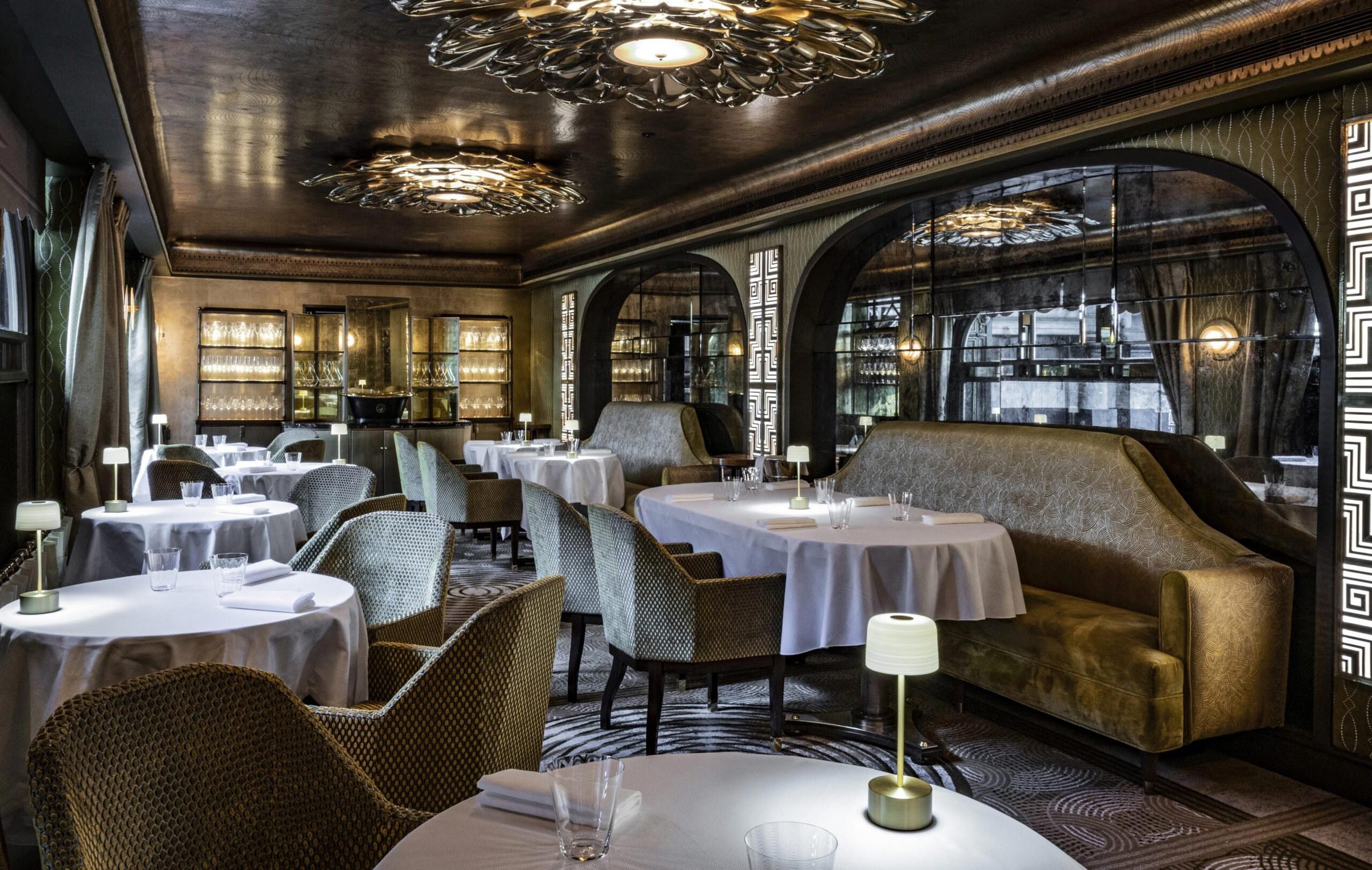
Bars in London
Browse all →
Hotels in London
Browse all →



At a Glance
- Cozy
- Classic
- Lively
- Family
- Group Dining
- Casual Hangout
- Standalone
- Byob
Current opening hours
- Monday
- 5–11 PM
- Tuesday
- 5–11 PM
- Wednesday
- 5–11 PM
- Thursday
- 5–11 PM
- Friday
- 5–11 PM
- Saturday
- 5–11 PM
- Sunday
- 5–11 PM
Hours can change for holidays and private events. Last verified .
Understated, warm decor with friendly atmosphere; recently refurbished with subtle furnishings and traditional Indian music reminiscent of Punjab.