

1 Michelin Star
Our verdict
Ôke sits at Hans Ruths Vej 1 in Skagen, Denmark's northernmost tip, where the dining scene draws on one of Europe's most storied fishing traditions. The address places it within reach of the harbour and the pale northern light that defines this part of Jutland. Visitors travelling to Skagen for serious eating should factor Ôke into their planning alongside the town's other destination-grade tables.

Pearl is the En Primeur Club membership app, where members save venues, book tables and use the concierge.
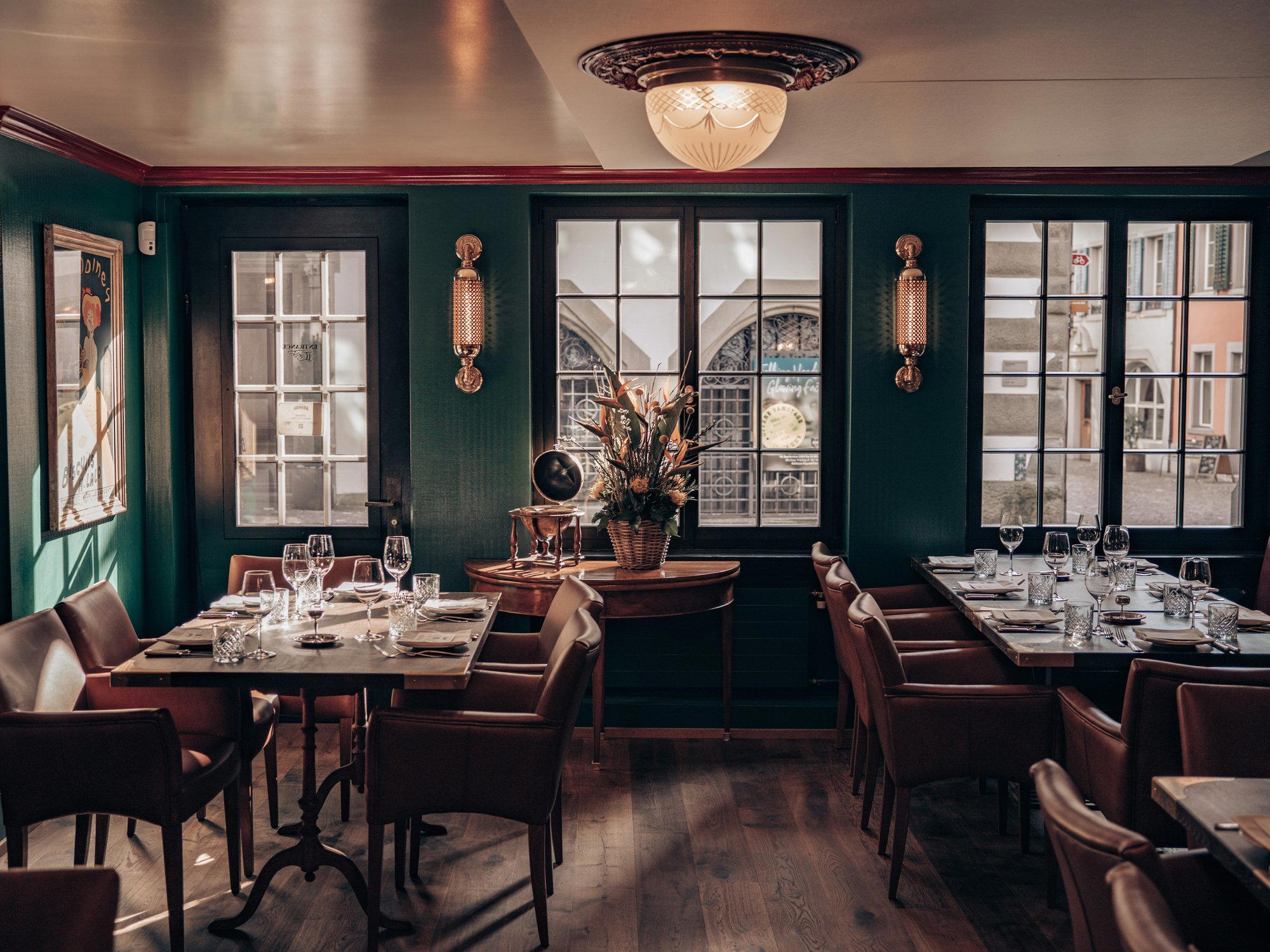
Where the North Sea Meets the Plate
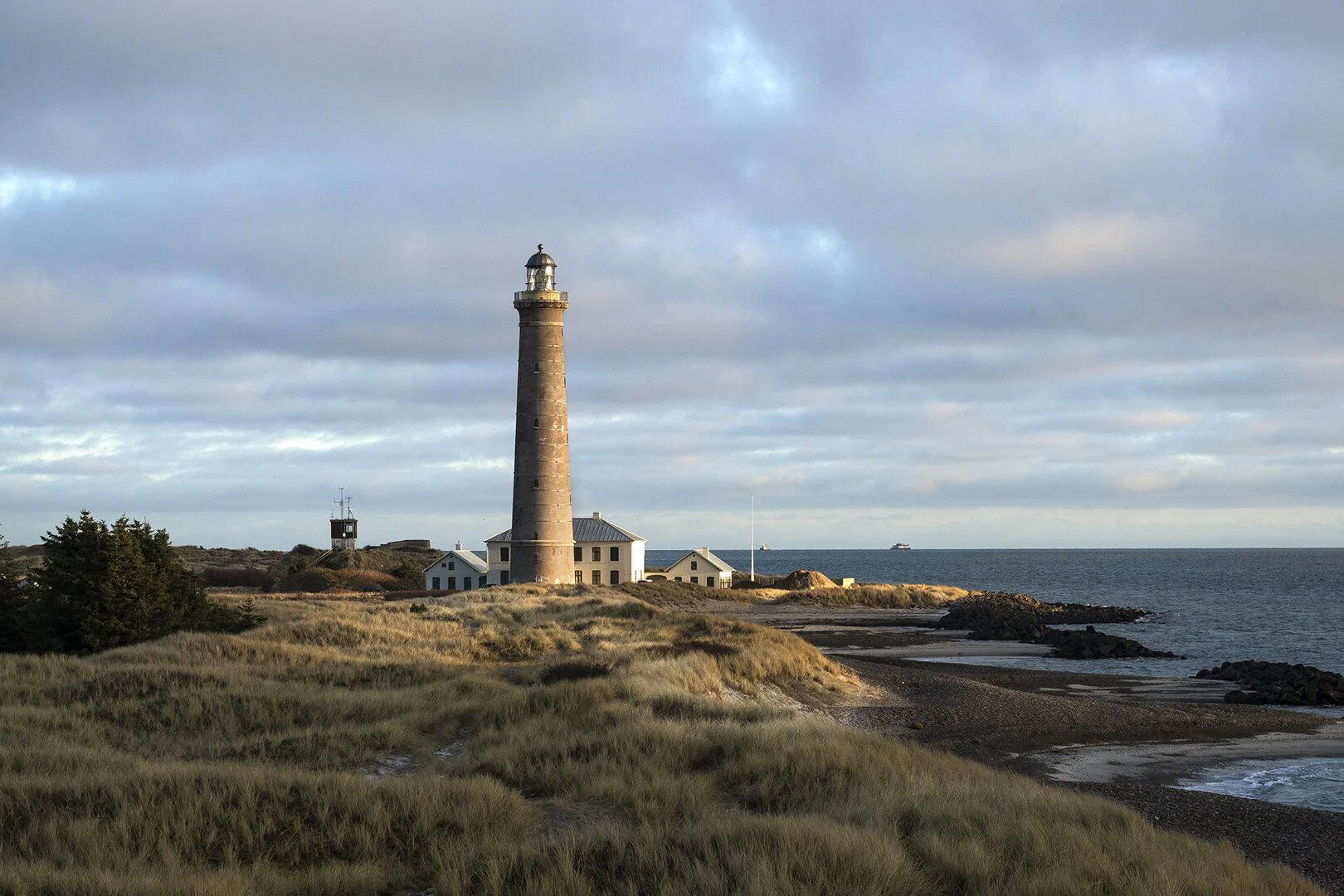
Skagen occupies a genuinely unusual position in the Danish dining conversation. It is a town of around 8,000 permanent residents at the very tip of Jutland, where the Skagerrak and the Kattegat meet in a visible convergence of currents, a geography that has shaped how people here eat for centuries. The harbour at Skagen has historically landed some of Denmark's most prized fish: turbot, plaice, langoustine, and the small shrimp that appear on open-faced bread across Scandinavia. Any serious table operating in this postcode is working within that tradition, whether it acknowledges it explicitly or not.
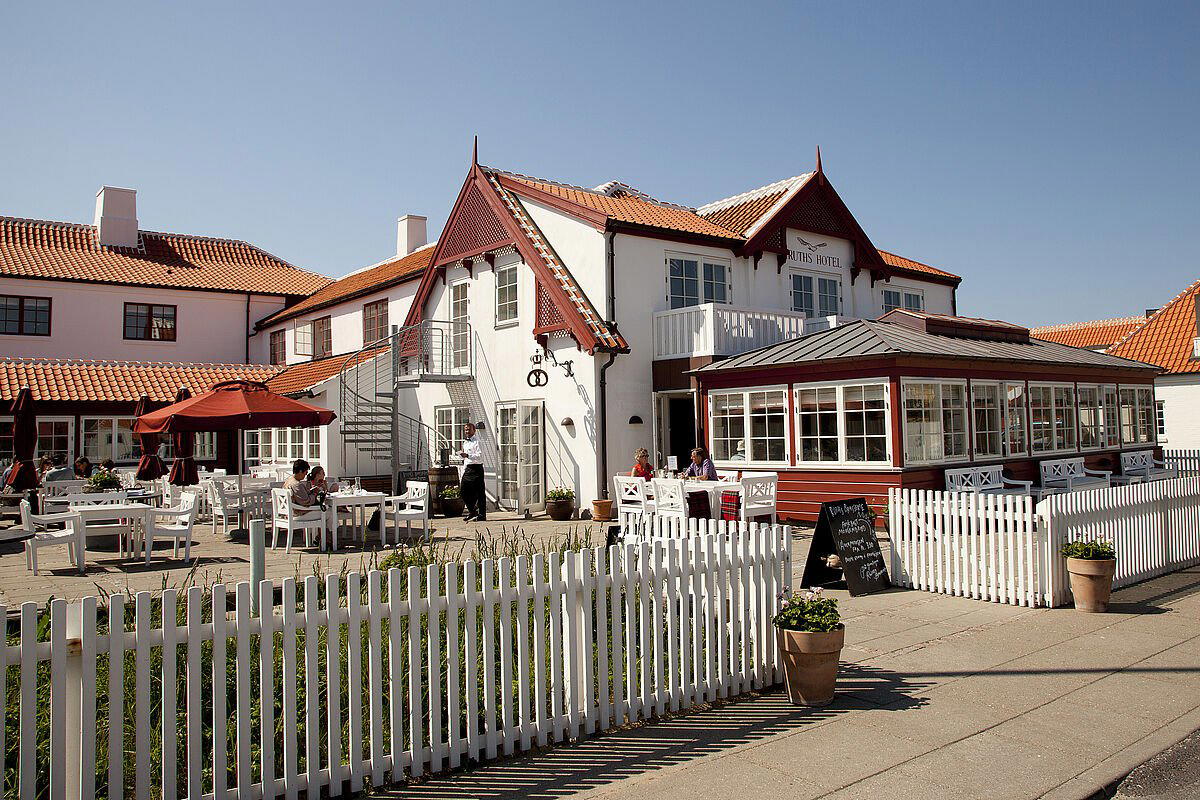
That context matters when considering Ôke, located at Hans Ruths Vej 1, a short distance from the town centre. The address places it in proximity to Ruths hotel, one of Skagen's most established hospitality addresses, and within the orbit of the wider dining corridor that has made this remote northern town a credible destination for food-focused travellers willing to make the three-hour journey from Copenhagen by train or the shorter drive from Aalborg.
The Cultural Weight of Cooking at the top of Denmark
Nordic cuisine's international recognition over the past two decades has created a secondary effect in regions outside Copenhagen: a generation of smaller-town kitchens operating with genuine ambition, often with tighter supply chains and more direct relationships with producers than their capital counterparts. Skagen is a particular case. The fishing boats that work out of the harbour represent a living supply infrastructure that restaurants in Copenhagen spend considerable effort replicating through logistics. A kitchen at this latitude can, in principle, work with material that arrived this morning.
That proximity to primary produce is the defining cultural fact about eating in Skagen. It is what separates the town's dining from, say, a coastal-themed restaurant in a major city. The cuisine of northern Jutland's coastline is not decorative, it is documentary, reflecting what the sea produces at each point in the year. Turbot peaks in summer. Langoustine runs through the warmer months. The grey winter North Sea yields different things entirely. This seasonality is not a menu concept; it is a practical constraint that shapes what any honest kitchen in Skagen can offer.
That same logic applies to the broader Danish fine dining scene. At the top of the national tier, restaurants like Geranium in Copenhagen and Jordnær in Gentofte have established a template for how Nordic produce can be handled at the highest technical level. Outside the capital, addresses like Frederikshøj in Aarhus, Henne Kirkeby Kro in Henne, and LYST in Vejle have demonstrated that serious cooking is not geographically confined to the capital. Skagen's dining scene, anchored by a handful of committed tables, sits within that broader national pattern.
Ôke in the Context of Skagen's Table
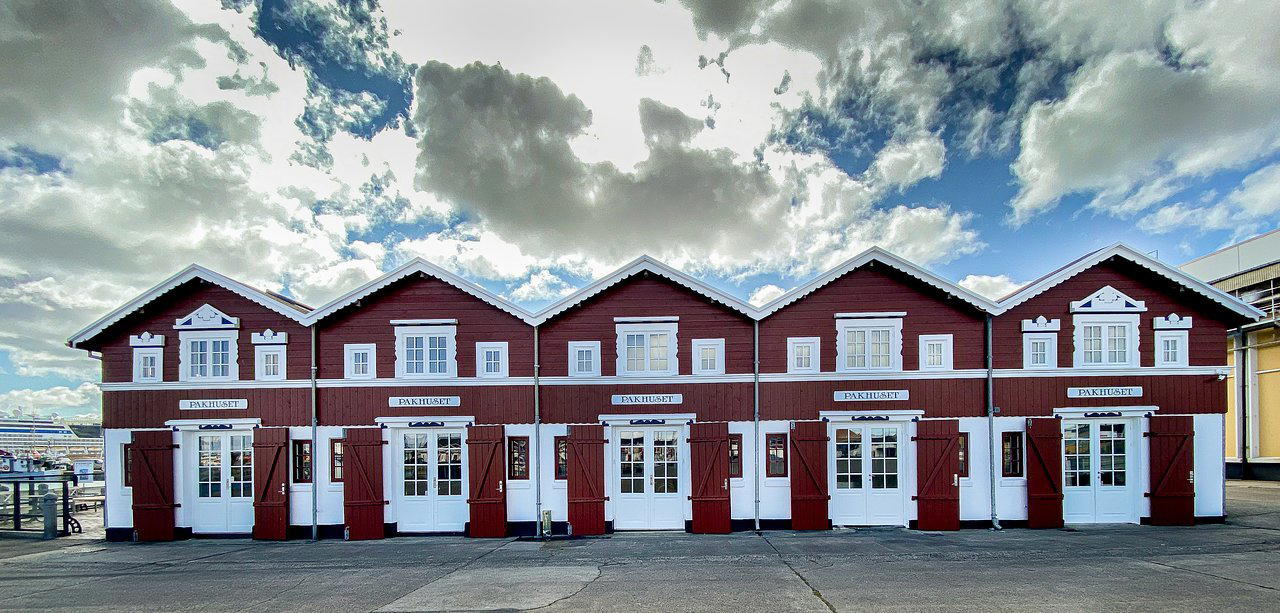
Skagen's restaurant offering has consolidated around a small number of addresses that take the local larder seriously. Blink and Pakhuset represent different registers of that local commitment, while Brøndums hotel and Hjorths Badehotel carry the town's longer hospitality history. Ôke's position on Hans Ruths Vej 1 places it in a part of town where dining expectations tend to run higher, partly due to the proximity to Ruths hotel and its own kitchen, which has maintained a consistent reputation over many years.
The name Ôke itself is worth noting. In Scandinavian linguistic tradition, names of this form often carry local or dialectal weight, signalling a rootedness in place rather than a cosmopolitan reach. That framing, whether intentional or incidental, aligns with how the most interesting kitchens in provincial Denmark tend to position themselves: specific to their geography rather than aspirationally pan-European.
For comparison, the kind of seafood-forward cooking that defines the better end of this coastline finds international parallels at places like Le Bernardin in New York City, where the discipline around fish cookery operates at a different scale but with similar respect for the primary ingredient. Closer to home in the Danish context, the produce-led precision seen at Alimentum in Aalborg or the format discipline of ARO in Odense provides a sense of where the regional ambition currently sits.
Planning a Visit to Skagen
Getting to Skagen requires commitment. The town is connected to Frederikshavn by a regional train line, and from Copenhagen the full journey by rail runs to approximately three hours. Driving from Aalborg takes around 90 minutes. The summer months from June through August bring the bulk of visitors, drawn by the extended daylight hours and the particular quality of light that made Skagen famous as an artists' colony in the nineteenth century. Tables at the town's more sought-after restaurants book ahead during this window, and the same applies at Ôke given its address and positioning. Travelling in May or September avoids the peak pressure while still offering reasonable weather and the full range of the local catch.
Visitors building a broader itinerary around Danish regional dining might also consider Dragsholm Slot Gourmet in Hørve, Frederiksminde in Præstø, or Domæne in Herning as part of a wider tour of Denmark's non-capital dining circuit. The country's geography rewards this kind of structured movement: distances between significant tables are manageable, and the regional variation in produce and cooking sensibility is genuine. Our full Skagen restaurants guide covers the town's wider offering in detail.
For those approaching Skagen specifically for its food, the practical reality is that the town rewards patience and advance planning in equal measure. The light in high summer is extraordinary, the fish supply is as direct as it gets in Denmark, and the concentration of committed kitchens relative to the town's size is higher than the location might suggest.
Frequently asked questions
Where do I go for Ôke?
Ôke is located at Hans Ruths Vej 1, 9990 Skagen, Denmark, Skagen.
Is Ôke in Skagen open year-round or only during the summer season?
Skagen operates on a pronounced seasonal rhythm, most of the town's restaurants, including its more serious dining addresses, calibrate opening periods around the summer influx that peaks between June and August. Outside that window, Skagen's permanent population of roughly 8,000 supports a much reduced dining circuit, and several kitchens reduce hours or close entirely through winter. Confirming current opening periods directly with Ôke at its Hans Ruths Vej 1 address before travelling is advisable, particularly if visiting outside the core summer months.
What do regulars order at Ôke?
Ôke sits in Skagen, where the Kattegat and North Sea converge to produce some of Denmark's most prized fish and shellfish. Regulars at serious Skagen addresses tend to anchor their meals in whatever came off the boats that morning, local plaice, langoustine, and shrimp from the Skagen harbour fleet are the reference points for the town's better kitchens. Without a documented menu on record, the pattern that holds across Skagen's committed restaurants is short, market-driven dishes built around that catch.
Do I need a reservation for Ôke?
Skagen's better restaurants face genuine capacity pressure between late June and mid-August, when the town's population of around 8,000 is swelled by summer visitors and the light-chasing crowds that the area draws reliably each year. Booking ahead is the practical approach for any Skagen address worth the effort, and Ôke at Hans Ruths Vej 1 is no exception to that seasonal logic. Arriving without a reservation during peak summer carries real risk of missing a table entirely.
Cost and Credentials
Comparable venues nearby, for context on price, style, and recognition.
| Venue | Cuisine | Price | Awards | Notes |
|---|---|---|---|---|
| ÔkeThis venue (the venue you are viewing) | Modern Japanese-Nordic Fine Dining | $150–200 | 1 Michelin Star | Not listed |
| Hjorths Badehotel | Modern Danish Seasonal | $50–100 | Not listed | Kandestederne, Skagen, Modern Danish Seasonal |
| Ruths hotel | French Brasserie | Not listed | Star Wine List · White Guide Denmark Restaurants - Masters Level | Højen, French Brasserie |
| Pakhuset | Danish Seafood | $20–30 | Not listed | Skagen harbor, Danish Seafood |
| Brøndums hotel | Classic Danish Fine Dining | $50–100 | Star Wine List · Wine Spectator Best of Award of Excellence | Skagen, Classic Danish Fine Dining |
| Blink | Seasonal Nordic Seafood | Not listed | Star Wine List | Skagen, Seasonal Nordic Seafood |
Recognition history
Dated appearances from independent guides and award organizations, with the underlying list record or original source where available.
Michelin 1 Star
Michelin
White Guide Denmark Restaurants - Global Masters Level
White Guide
Continue exploring
More in Skagen
Details
- Elegant
- Scenic
- Intimate
- Sophisticated
- Date Night
- Special Occasion
- Celebration
- Hotel Restaurant
- Waterfront
- Historic Building
- Open Kitchen
- Sommelier Led
- Local Sourcing
- Waterfront
- Tasting Menu
- Set Menu
- Wine
- Pescatarian Friendly
Current opening hours
- Monday
- Closed
- Tuesday
- Closed
- Wednesday
- Closed
- Thursday
- 6–11 PM
- Friday
- 6–11 PM
- Saturday
- 6–11 PM
- Sunday
- Closed
Hours can change for holidays and private events. Hours as of .
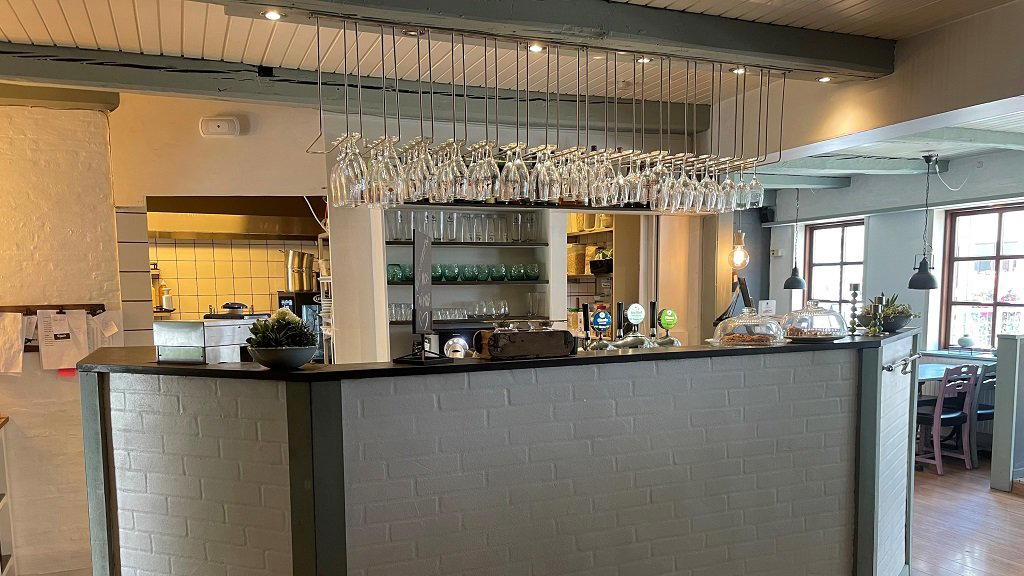
Understated elegance with refined, intimate atmosphere in a quaint historic hotel setting overlooking the coast.