Kapé Lasita
Kapé Lasita brings Filipino diasporic cooking into a serious conversation with Los Angeles's most considered dining rooms. The space and the food share the same logic: nothing decorative, nothing superfluous. For a city still mapping the full range of what Southeast Asian-descended kitchens can do at the upper end, Kapé Lasita occupies an important position.
Pearl is the En Primeur Club membership app — saves, bookings, and concierge access live there. Same editors, same standards.
- Address
- Los Angeles, United States
- Website
- lasita-la.com
 Saves & bookings on Pearl
The Room as Argument
Los Angeles has spent the better part of a decade sorting out what serious Asian-heritage dining looks like outside of Japanese and Chinese idioms. The city now has a list of rooms where Filipino diasporic cooking receives architectural and culinary attention. Kapé Lasita belongs to that list, and the physical space makes the case before the first plate arrives.
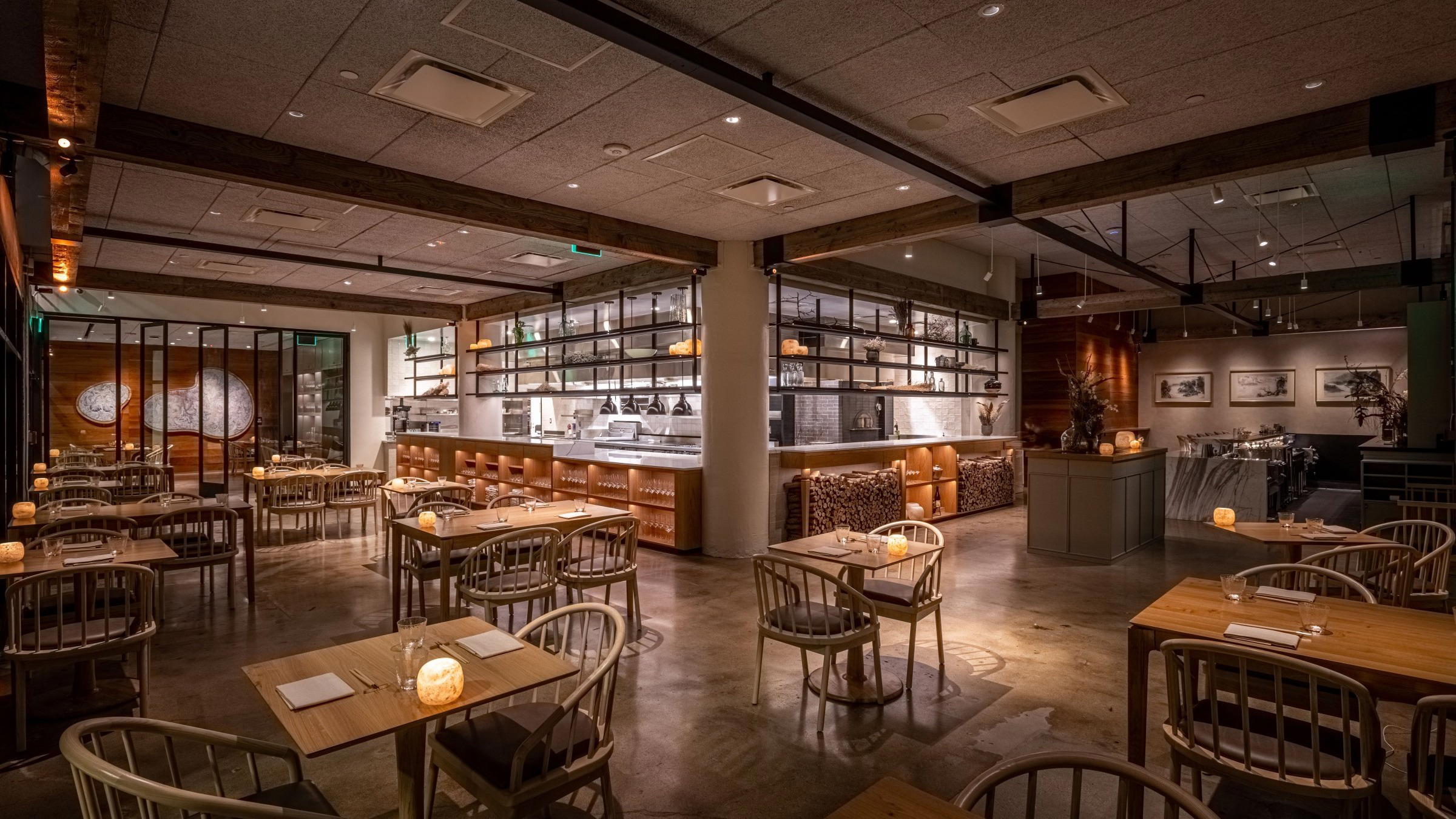
The interior grammar here is the same one you find at the better end of the LA dining cohort: restrained material palette, deliberate lighting that flattens the room toward intimacy, seating arrangements that push attention inward rather than toward spectacle. Compare this to the approach taken at Hayato, where the room is essentially a wooden envelope designed to collapse the distance between diner and cook, or to Kato, whose compact dining room functions as a signal that the kitchen's ambition is the point, not the square footage. Kapé Lasita reads within that same register: the physical container is spare enough to insist that what happens on the table is the only thing worth looking at.
That restraint is not accidental. Filipino diasporic kitchens in the United States have historically lived inside casual formats, from fast-casual turo-turo counters to family-style neighborhood spots. Moving that tradition into a more controlled, lower-capacity setting is a design decision as much as a culinary one. It tells a specific guest that these flavors and techniques are worth sustained, unhurried attention.
Filipino Diasporic Cooking in the Los Angeles Moment
The framing of Filipino cuisine as diasporic, rather than simply national or regional, carries meaning. It acknowledges that the cooking has traveled, absorbed, and recalibrated through successive generations of movement between the Philippines, the United States, and the cultural pressures of both. Los Angeles, with one of the largest Filipino-American populations in the country, is the right city for that conversation to happen at a serious level.
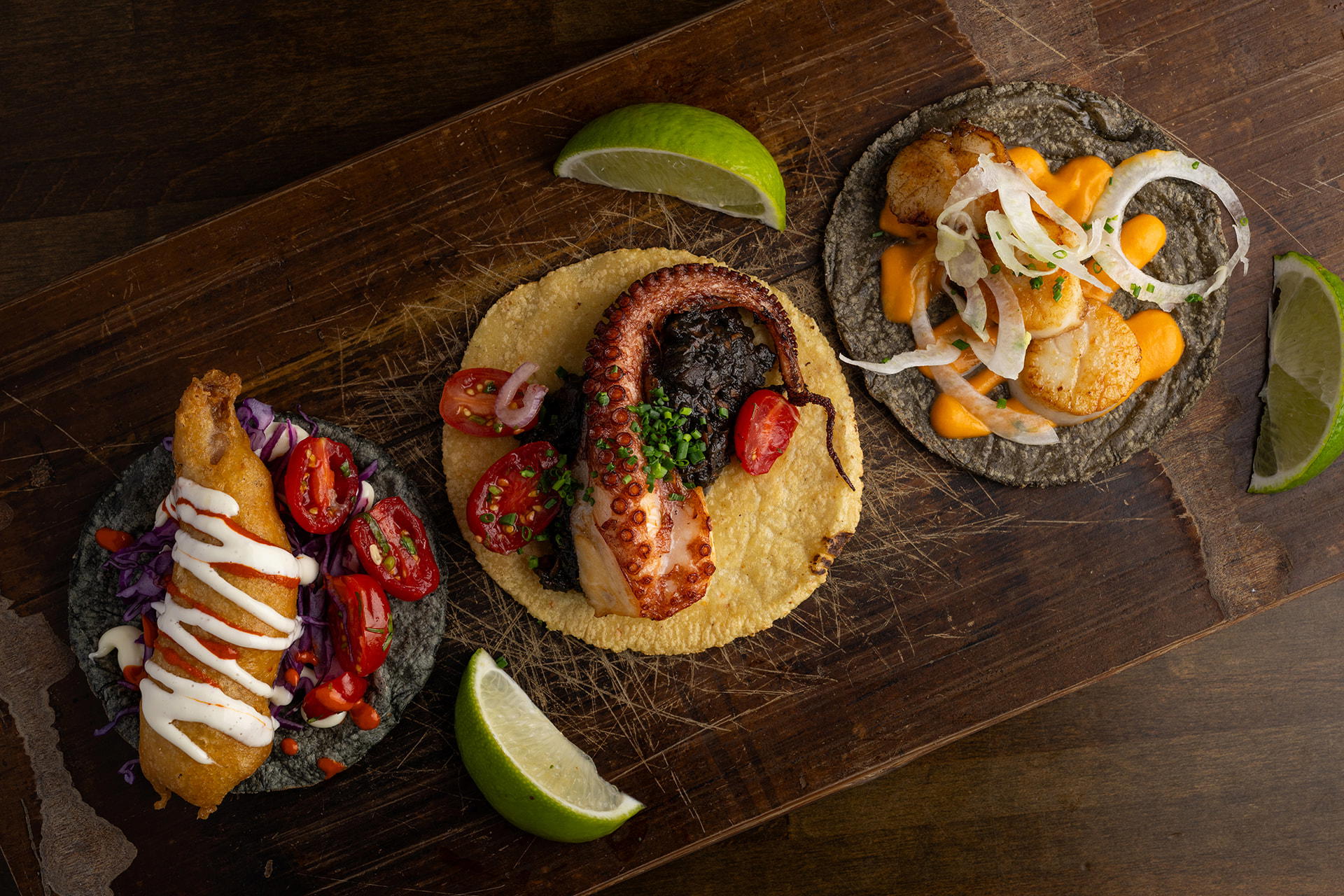
Across the city's current dining tier, the venues drawing attention are the ones that treat heritage cuisines as living traditions rather than nostalgia vehicles. Kato does this with Taiwanese reference points. Somni approaches Spanish-inflected technique in a similarly interrogative way. Kapé Lasita occupies a parallel position within the Filipino diasporic tradition: the cooking draws on ingredients, preparations, and flavor logic rooted in the Philippines and its diaspora, then subjects those references to the kind of scrutiny that higher-end restaurant formats make possible.
That scrutiny matters because Filipino cuisine contains more technical range than its casual-dining reputation in the US has historically communicated. Slow-braised and vinegar-forward cooking, fermented condiments, the particular interplay of sour, salt, and fat that runs through dishes from kare-kare to sinigang, these are structures that reward precision as readily as any French or Japanese canon. When a kitchen operates in a setting designed for that precision, the food tends to show dimensions that a faster, louder environment would obscure.
Positioning Within the LA Dining Tier
The relevant comparison is the cluster of high-intention, mid-to-small-format restaurants operating with a serious culinary program in a city that now holds its own against most major dining destinations globally. That group includes Hayato in the Japanese omakase category, Kato in the New Taiwanese space, and at the upper end of the formality register, rooms like Providence and Somni.
Los Angeles's dining scene has built a track record of recognition. Restaurants in this city now compete in conversations alongside Lazy Bear in San Francisco, Alinea in Chicago, and Le Bernardin in New York City. The infrastructure for serious dining in LA, press attention, a guest base accustomed to tasting menus, and a supply chain for premium ingredients, is now mature enough that a Filipino diasporic kitchen can join that conversation.
Within the Italian-heritage and European-rooted side of the LA dining map, Osteria Mozza has long demonstrated that a cuisine with deep casual roots can be treated with fine-dining seriousness and find a sustained audience for it. The restaurant makes a structurally similar argument for a different culinary tradition.
The Design Logic of the Space
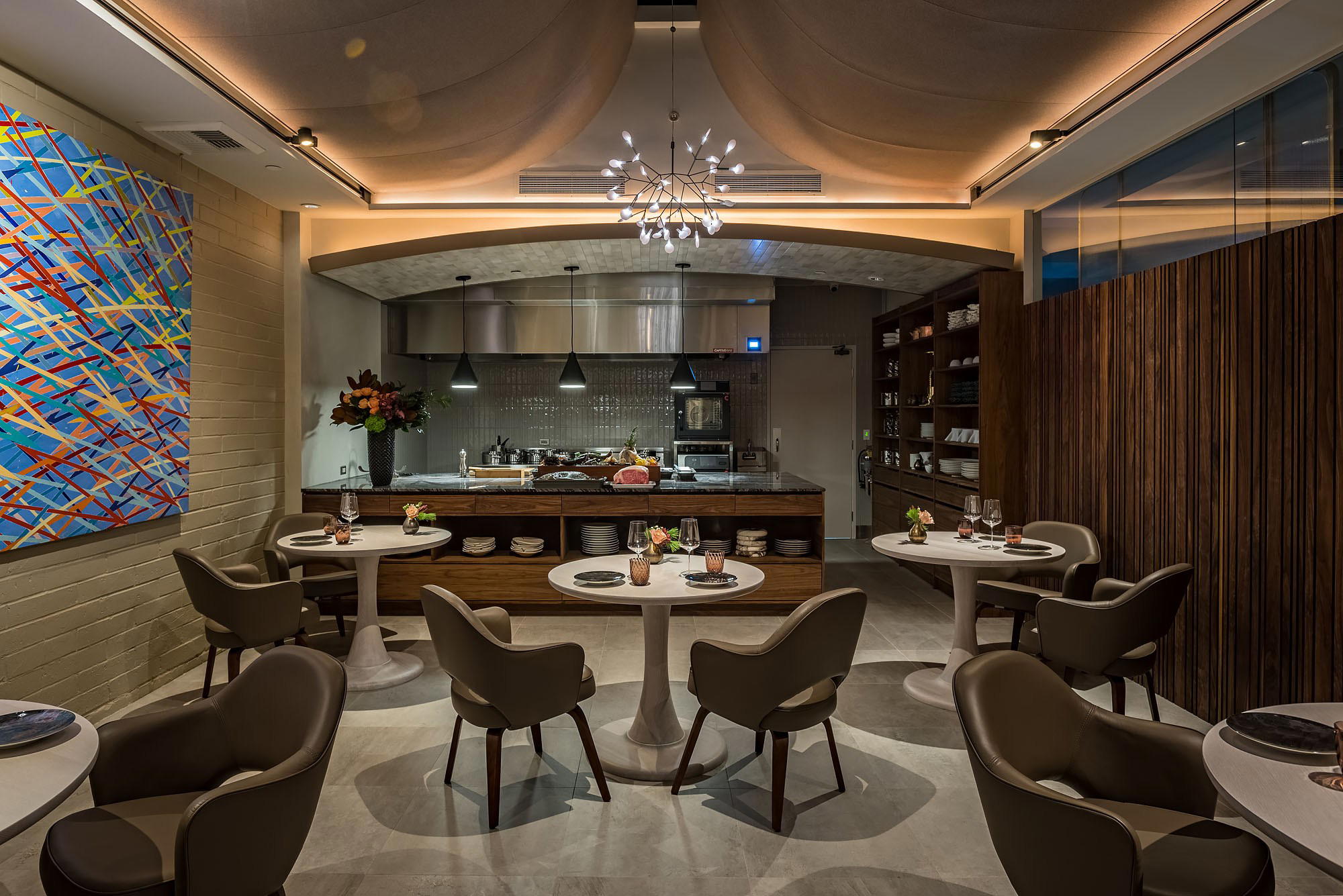
The architecture of a dining room shapes what guests believe they are being invited to do. A loud, densely packed room says: move quickly, share loudly, order broadly. A quieter, lower-capacity room with considered materials and controlled light says: slow down, pay attention, this is worth your full concentration. The restaurant operates in the second mode.
That positioning connects to a broader trend in LA's higher-end dining, where particularly credible openings of the past several years have tended toward smaller, more composed physical formats rather than large spectacle spaces. The dining room works as a focused instrument rather than an event venue. At the far end of that tendency in LA you find Hayato, where the counter is essentially the room. The restaurant sits somewhere in that spectrum: a space designed to concentrate rather than expand the guest's experience.
Planning a Visit
Guests traveling from elsewhere who want to compare the diasporic tasting-menu format against West Coast peers in different culinary traditions should also consider Single Thread Farm in Healdsburg and The French Laundry in Napa for a sense of how different kitchen philosophies express themselves in similarly controlled environments.
The Short List
Comparable venues nearby, for context on price, style, and recognition.
| Venue | Cuisine | Price | Notes |
|---|---|---|---|
| Kapé LasitaThis venue — the venue you are viewing | Chinatown, Filipino-Inspired Cafe | $ | Not listed |
| Pazzo Gelato | Not listed | $ | Sunset Junction, Artisanal Gelato & Sorbetto |
| Yogurtland | Hancock Park, Self-Serve Frozen Yogurt | $ | Not listed |
| Stark Waxing Studio | Silver Lake, other | $$ | Not listed |
| Yai | Not listed | $ | Hollywood Studio District, Authentic Thai |
| Kuya Lord | Not listed | $$ | Hollywood Studio District, Modern Filipino |
Continue exploring
More in Los Angeles
Restaurants in Los Angeles
Browse all →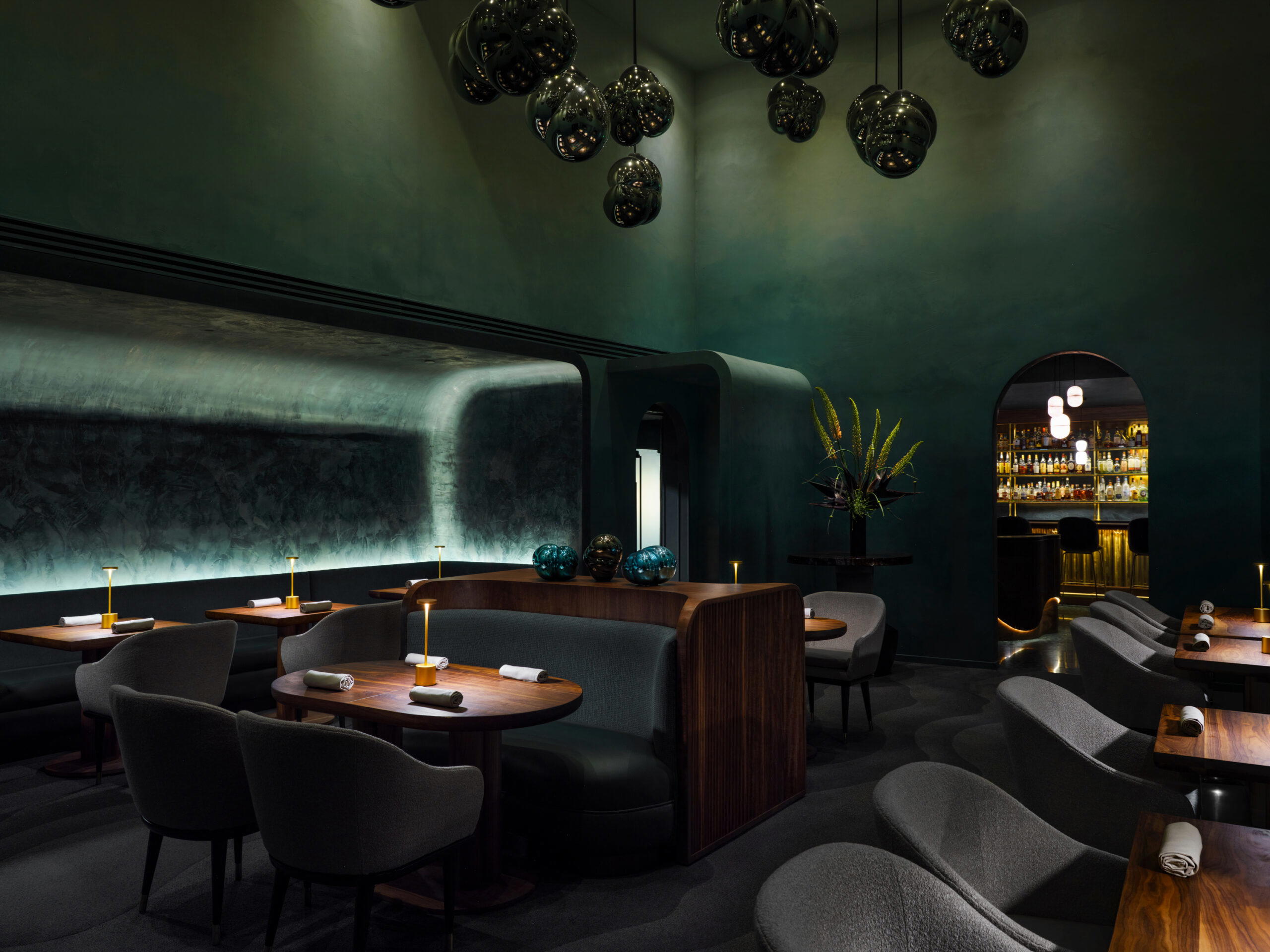
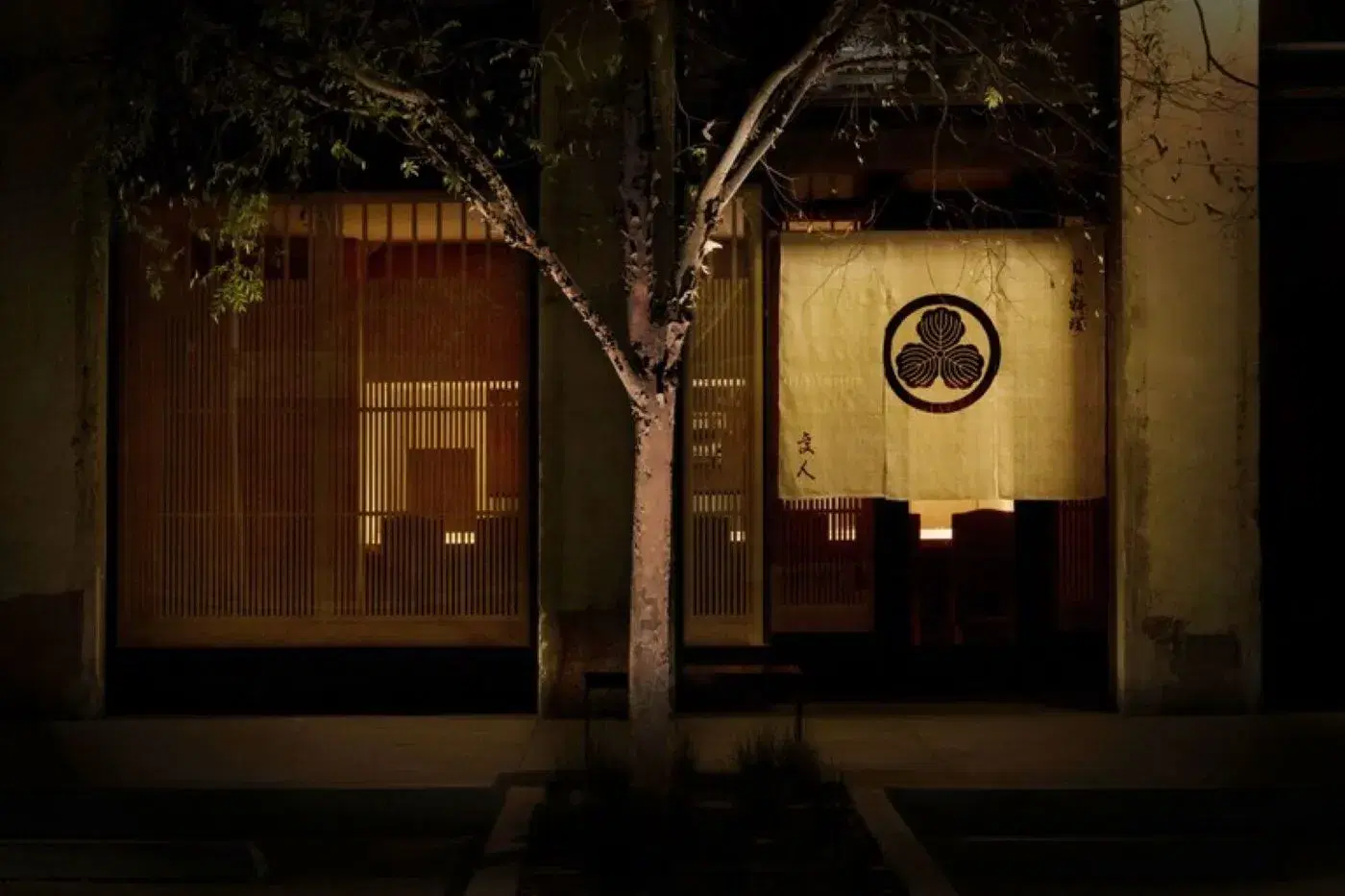
Bars in Los Angeles
Browse all →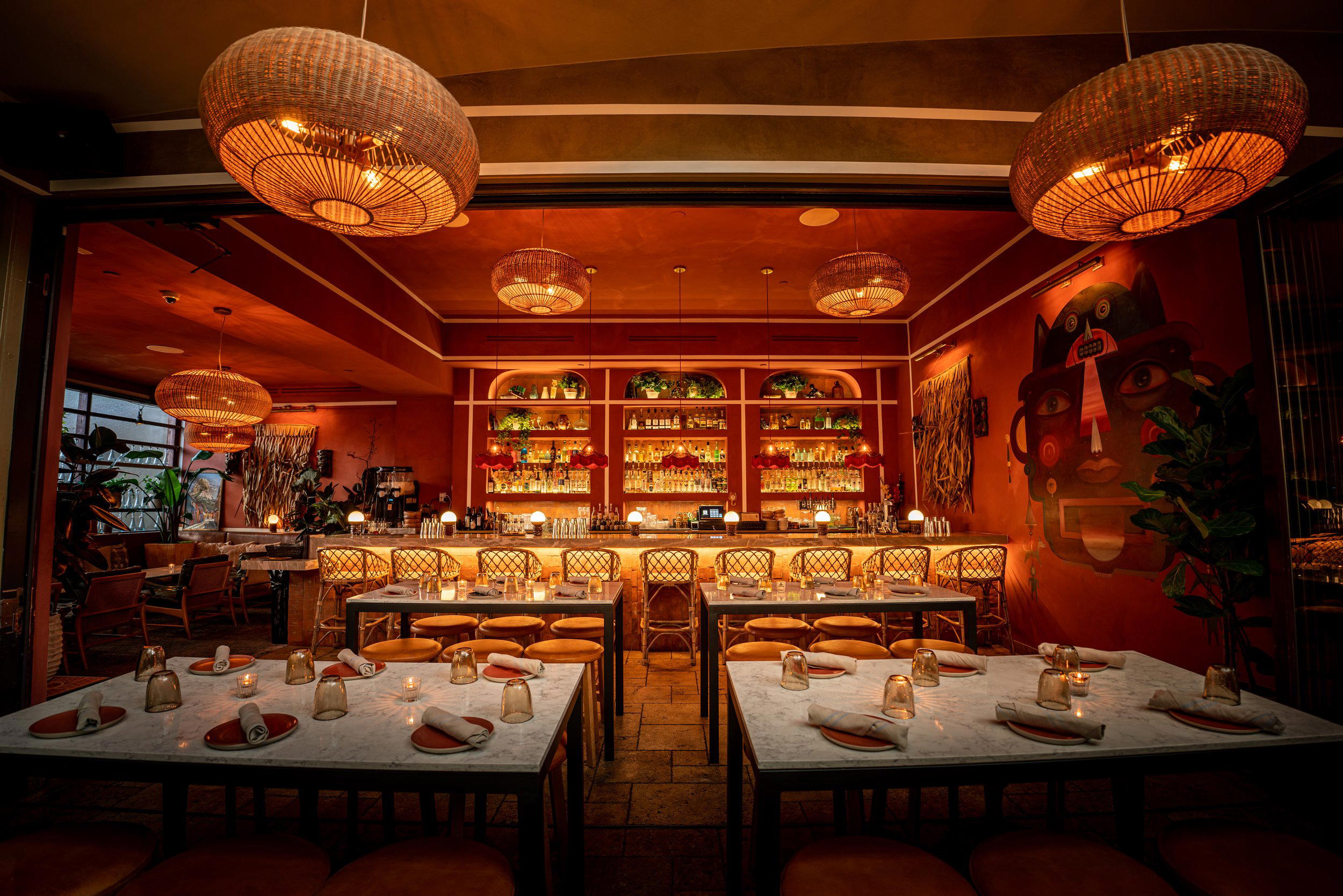

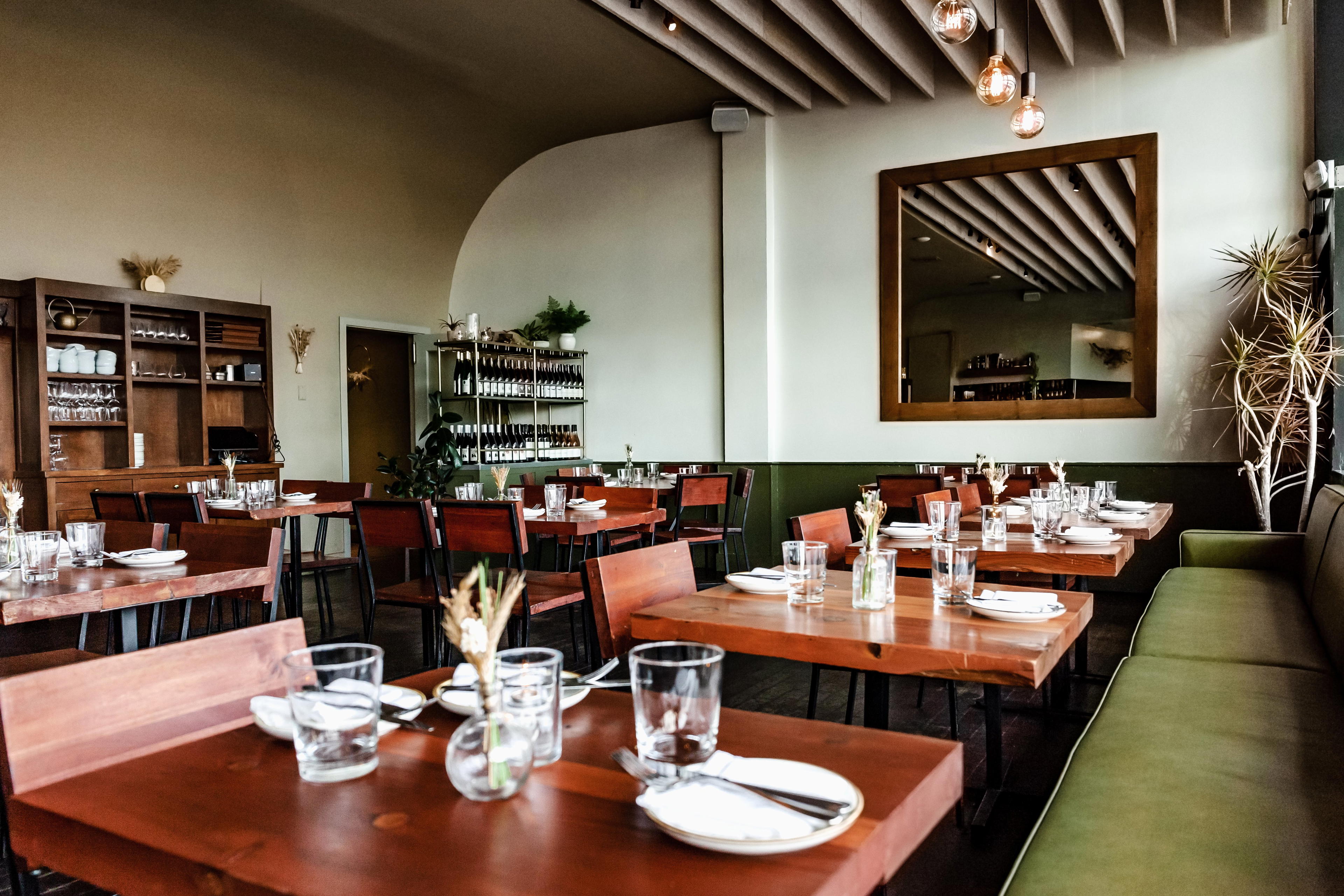
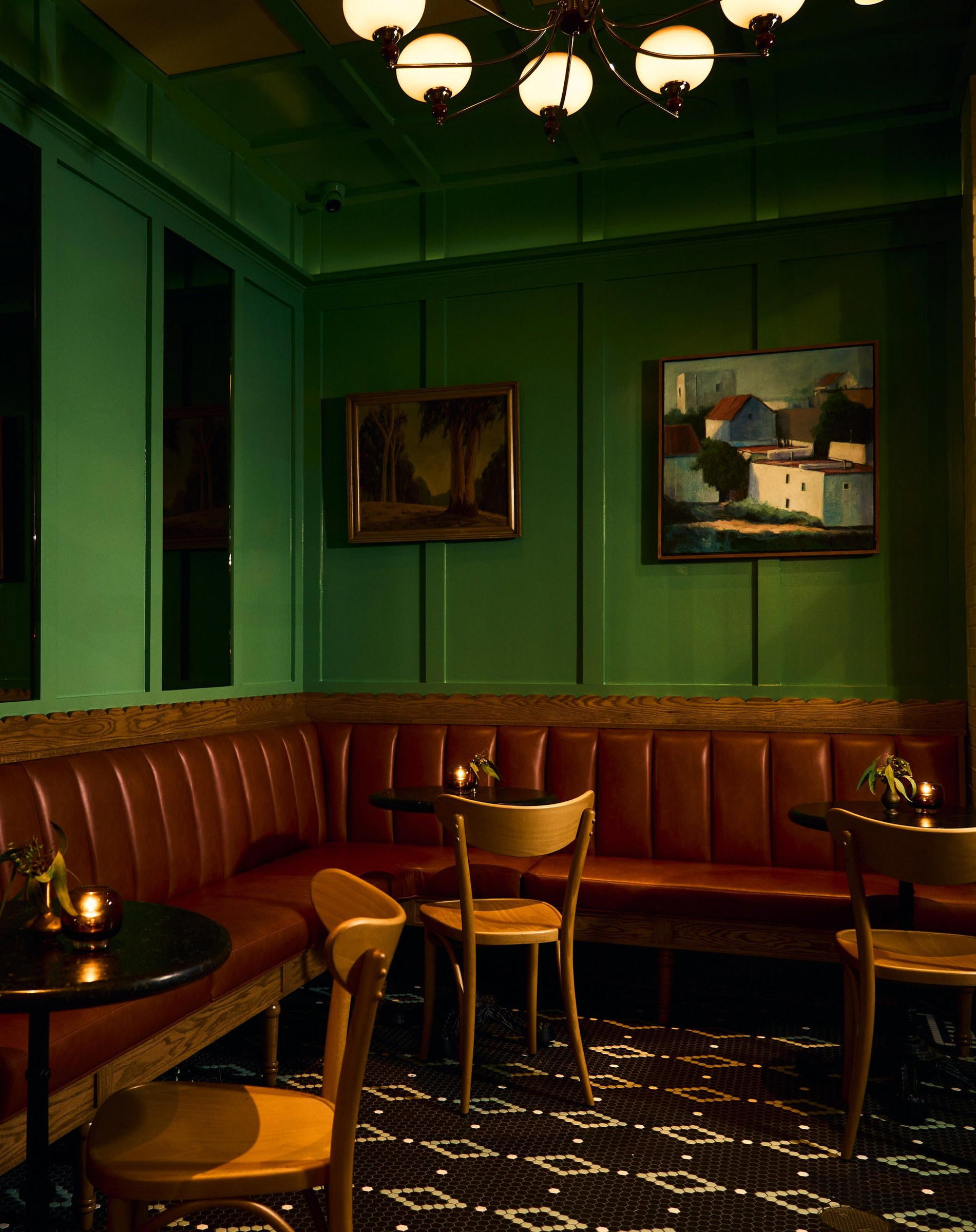
Hotels in Los Angeles
Browse all →
Wineries in Los Angeles
Browse all →
At a Glance
- Lively
- Cozy
- Brunch
- Casual Hangout
Easy breezy patio with lively cafe atmosphere.