

SCMP 100 Top Tables Restaurants
Our verdict
Kanesaka Hong Kong brings a Tokyo-sushi grammar to Central, with Chef Seiji Taniguchi attached and a 2026 Opinionated About Dining Recommended listing in Asia. The useful way to read it is through seasonality: Hong Kong’s serious sushi counters compete on sourcing rhythm, rice temperature, pacing, and how tightly the room holds attention across lunch and dinner.

Pearl is the En Primeur Club membership app, where members save venues, book tables and use the concierge.
The menu
What to order
- Edomae Omakase Nigiri Set
- Hokkaido bafun uni
- Whelk shell sashimi
- Flounder sashimi
- Hokkaido hairy crab with caviar
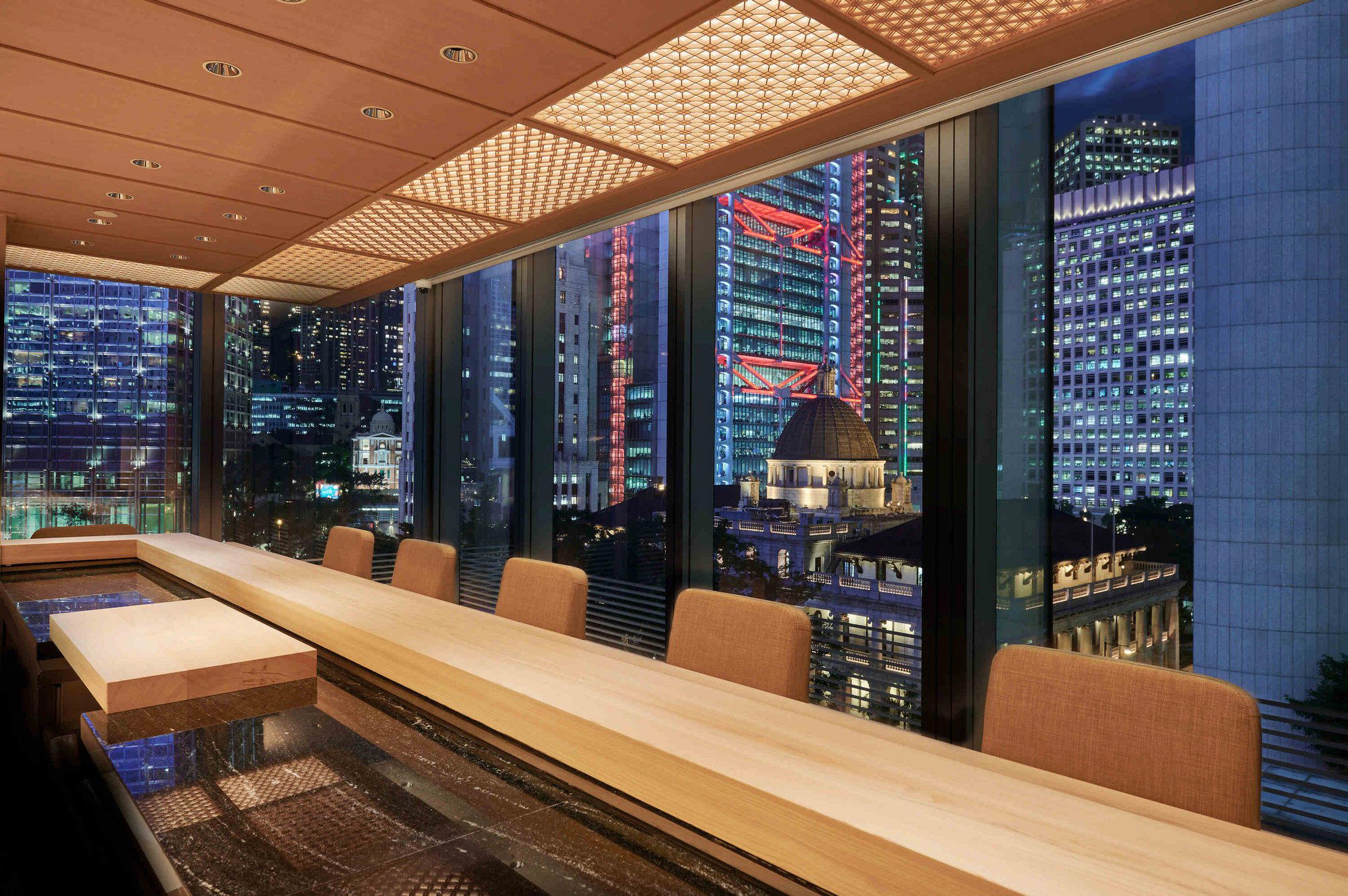
Serious sushi in Hong Kong is often vertical before theatrical: lifts, office towers, quiet corridors, then a room built for concentration rather than spectacle. Here, the counter reduces the meal to sequence, temperature, knife work, rice, and timing. Kanesaka Hong Kong belongs to the Japanese sushi tier where the calendar is not decoration; it is the operating system.
Hong Kong has spent years absorbing Tokyo-style omakase into its luxury dining habits. Diners know imported prestige from disciplined craft, and stronger counters must prove themselves against local Japanese specialists and the memory of meals in Japan. The room is in Hong Kong, but expectations come from Japan’s counter culture: short decision paths, close chef-to-guest contact, and a meal that changes as seafood quality shifts through the year.
Seasonality is the real structure of the counter
Sushi seasonality is procurement logic, not a romantic menu change. Spring brings shellfish and lighter textures; summer rewards clean acidity and leaner profiles; autumn and winter push richer fish, deeper aging decisions, and a different conversation around fat. Hong Kong’s strongest sushi counters compete on how convincingly they translate that Japanese calendar into a city dependent on imported product and precise logistics.
That matters more than a long dish list. Without verified menu detail, the sharper point is format: a counter like this lives or dies on sequencing. Rice temperature must hold its line. Fish cannot become a parade of luxury nouns. The chef’s hand must move the meal through contrast rather than repetition. Serious Hong Kong sushi usually understands restraint as rhythm, not slogan.
Kanesaka Hong Kong carries a 2026 Opinionated About Dining Top Restaurants in Asia Recommended listing, placing it in a regional conversation, not only a Hong Kong expense-account circuit. Chef Seiji Taniguchi gives the room a named culinary anchor, but the better reading is consistency across a narrow format: rice, fish, seasoning, pacing, and guest management, repeated service after service.
The local comparison set is dense. Sushi Ima, Sushi Kami, Sushi Kuu, Sushi Sase, and Sushi Shikon all show the same reality: Hong Kong no longer treats sushi omakase as a novelty import. It is a mature category, with diners comparing counters by rice style, sourcing cadence, chef presence, and how much ceremony surrounds each piece.
Hong Kong's sushi economy rewards precision over theatre
Hong Kong is built for high-stakes dining: finance lunches, client dinners, later seatings after office hours, and customers used to Japanese restaurants that need little explanation. That can make sushi counters seem interchangeable, but distinctions are real. Some rooms lean into luxury codes; others chase Tokyo austerity; others adapt to Hong Kong’s polished hospitality. The question is not whether the meal is formal, but whether the format protects focus.
In this tier, the absence of à la carte sprawl is part of the argument. Omakase narrows the contract between kitchen and guest. The diner gives up control; the counter must repay trust with progression. A strong seasonal sushi meal makes timing legible without announcing it: early pieces calibrate the palate, the middle carries depth, and the final stretch resolves rather than exhausts. Hong Kong’s better Japanese counters know luxury is not volume. It is judgment.
The city also occupies a demanding supply position. It has access, capital, and an audience willing to pay for Japanese product, yet lacks Tokyo’s proximity. Logistics become craft. A Hong Kong sushi counter must be judged not only by ambition, but by whether seasonality survives the journey from market to service. The more serious the counter, the less forgiving the equation.
For readers mapping a broader Hong Kong itinerary, the contrast helps. Other Hong Kong dining rooms represent polished fine-dining lanes, while more casual and regional addresses show the city’s food culture beyond refined counters. Restaurants in different registers make the same point: serious sushi should be read as one specialized lane, not a summary of Hong Kong dining.
How to place it in a Hong Kong itinerary
The decision case is clear: this is for diners wanting a controlled sushi counter in Hong Kong, with Japanese seasonality as the organizing principle and an OAD Recommended signal for 2026. It is less suited to groups seeking a loose, conversational restaurant night, and better for pairs or small parties who care about pace and omakase discipline.
Timing changes the meal’s logic. Lunch can sharpen the counter’s restraint, especially for diners building a day around Hong Kong meetings, shopping, or cultural stops. Dinner gives the format more psychological space, particularly when the meal is the main event rather than a stop between appointments. The city’s humid summers and mild winters also affect appetite: lighter seasonal progressions read differently in July than richer late-year sushi sequences, which is part of the point.
Travelers comparing across cities should keep the frame honest. Sushi counters in Tokyo operate inside Japan’s native sushi ecosystem, while other Japanese cities belong to their own urban rhythms. Hong Kong’s version is not a replica; it is a translation shaped by imported sourcing, high expectations, and a clientele fluent in luxury Japanese dining.
For a fuller read on the city around it, use Our full Hong Kong restaurants guide alongside Our full Hong Kong hotels guide, Our full Hong Kong bars guide, Our full Hong Kong wineries guide, and Our full Hong Kong experiences guide. The sushi counter makes sharpest sense within that wider Hong Kong pattern: compact, expensive, international, and unusually sensitive to detail.
Frequently asked questions
Is Kanesaka Hong Kong good for families?
Kanesaka Hong Kong is better suited to adults than large family groups. The sushi counter format in Hong Kong works for diners who can settle into a quieter, fixed pace of service.
Is Kanesaka Hong Kong formal or casual?
It reads as formal: sushi counter dining and service aligned with chef-led Japanese dining. The 2026 OAD Recommended listing reinforces that it sits in a serious dining bracket rather than a casual one.
What should I expect cuisine-wise at Kanesaka Hong Kong?
Kanesaka Hong Kong serves Sushi cuisine.
When is Kanesaka Hong Kong open?
Opening hours for Kanesaka Hong Kong should be confirmed directly with the restaurant before visiting.
What's the address for Kanesaka Hong Kong?
Hong Kong.
Booking and Cost Snapshot
Comparable venues by cuisine and price in the same metro.
| Venue | Cuisine | Price | Awards | Notes |
|---|---|---|---|---|
| Kanesaka Hong KongThis venue (the venue you are viewing) | Edomae Sushi Omakase | $300–500 | SCMP 100 Top Tables Restaurants | Not listed |
| Sushi Ima | Edomae Omakase | $200–300 | Not listed | Sushi |
| Sushi Shikon | Traditional Edomae Omakase | $300–500 | 3 Michelin Stars · La Liste Top Restaurants | Sushi |
| Sushi Kami | Premium Edomae Omakase | $300–500 | Not listed | Sushi |
| Sushi Kuu | Modern Japanese Sushi and Omakase | $100–150 | Not listed | Sushi |
| Sushi Sase | Japanese | Not listed | Not listed | Sushi |
Recognition history
Dated appearances from independent guides and award organizations, with the underlying list record or original source where available.
Opinionated About Dining Top Restaurants in Asia Recommended
Opinionated About Dining
SCMP 100 Top Tables Restaurants
SCMP 100 Top Tables
Continue exploring
More in Hong Kong
Restaurants in Hong Kong
All restaurants in Hong Kong →
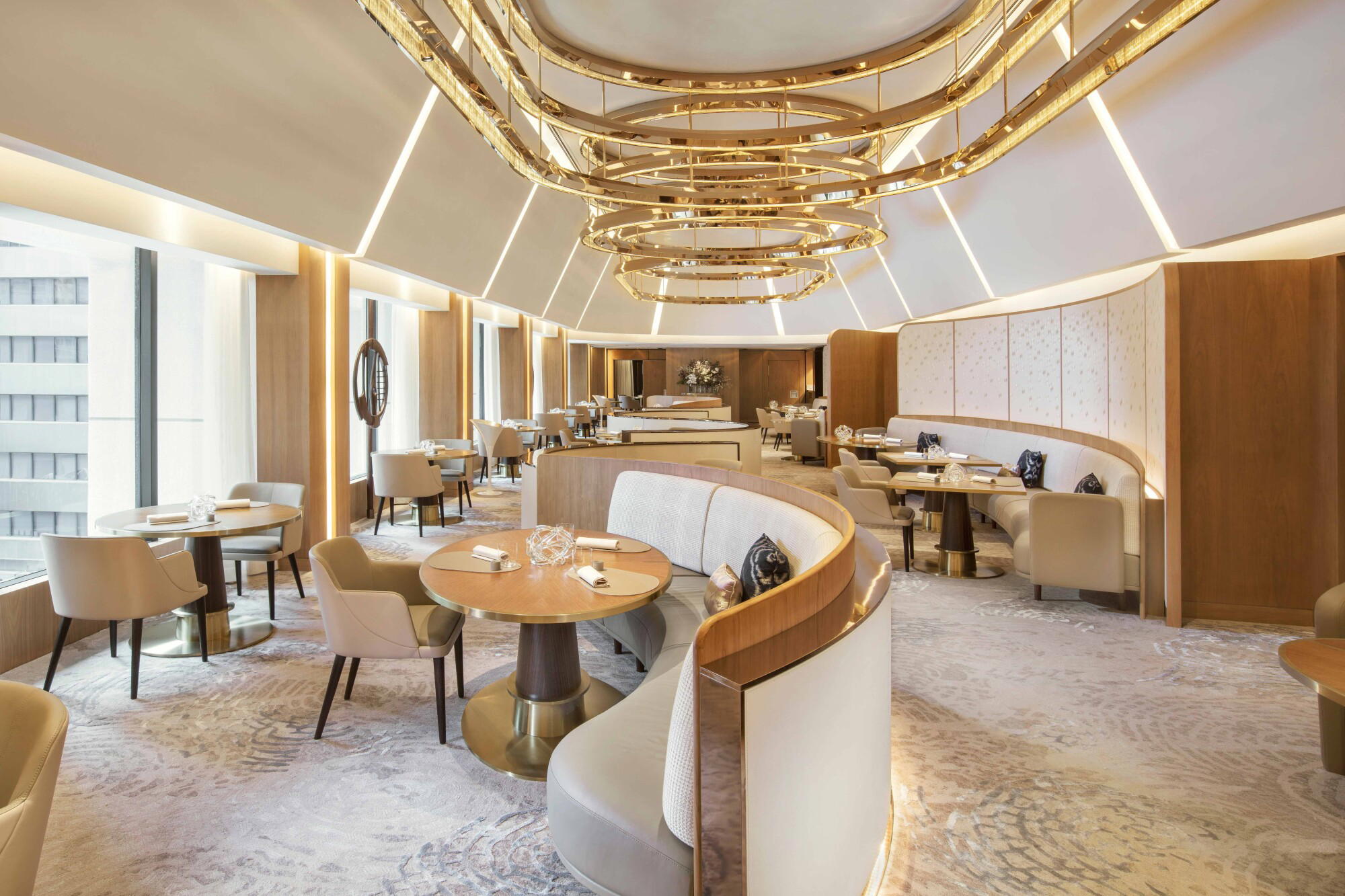
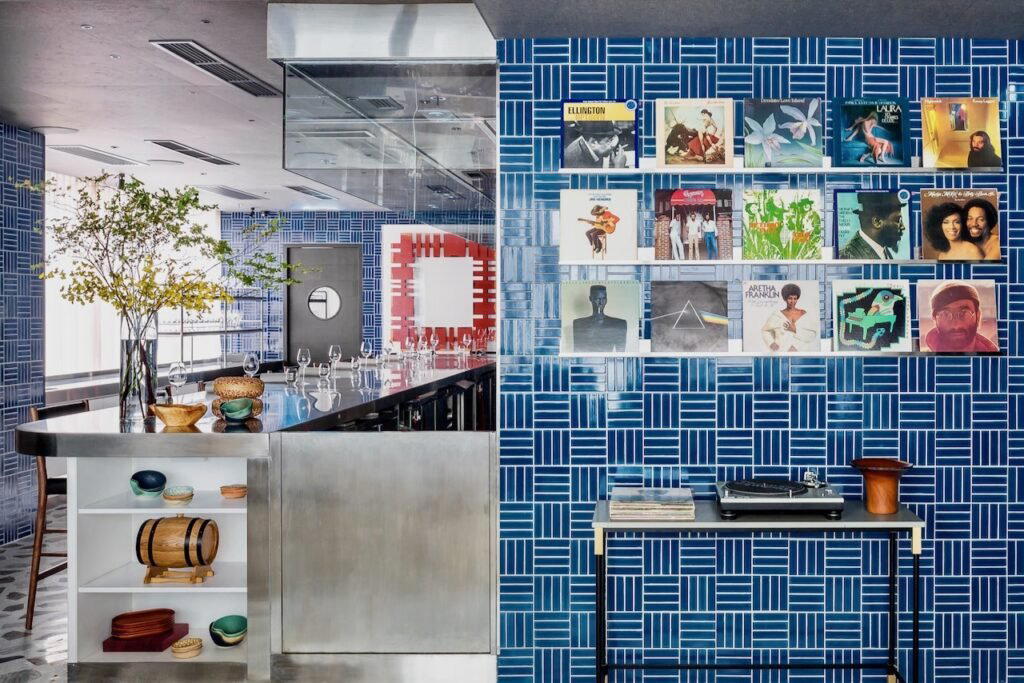
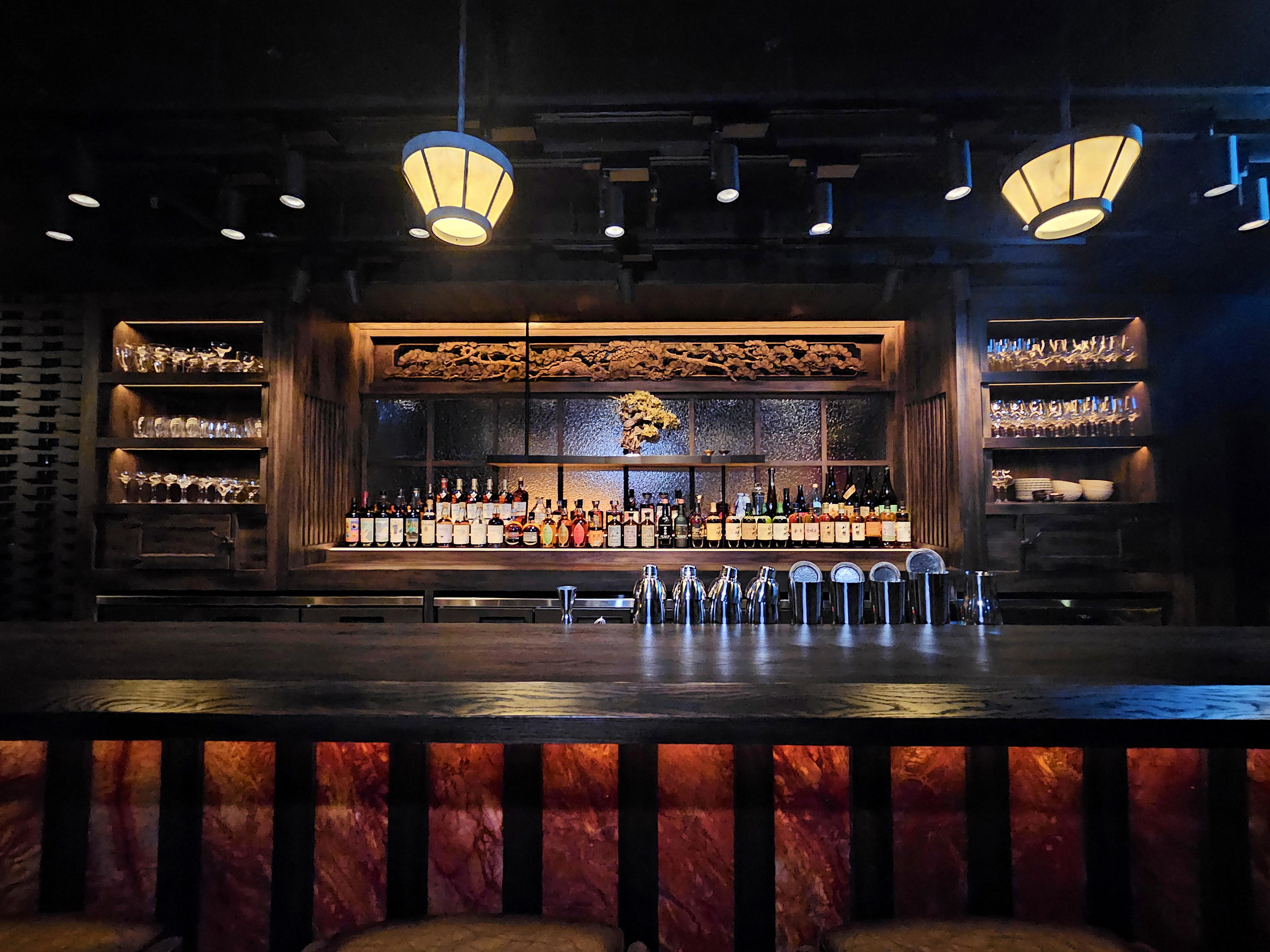
Bars in Hong Kong
All bars in Hong Kong →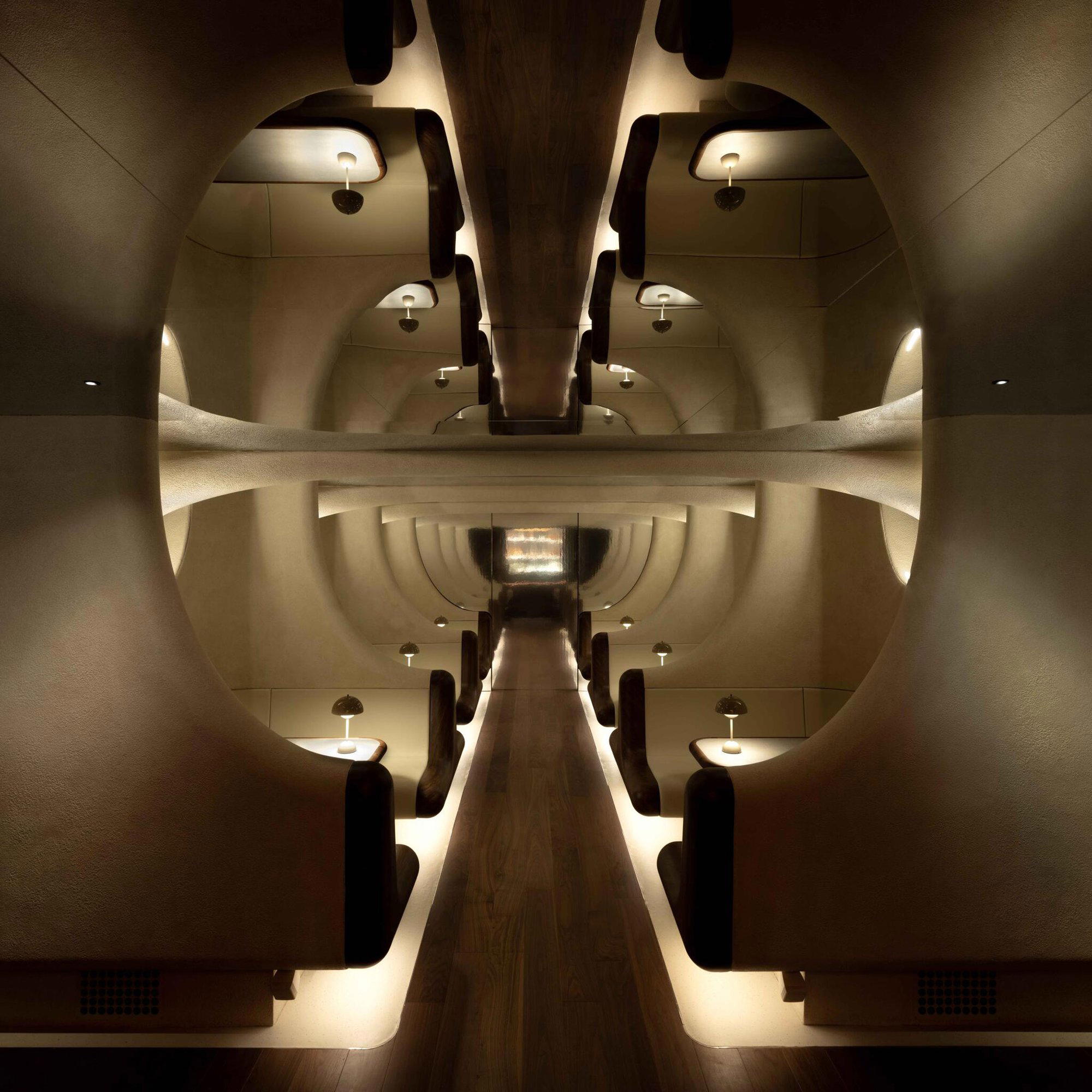
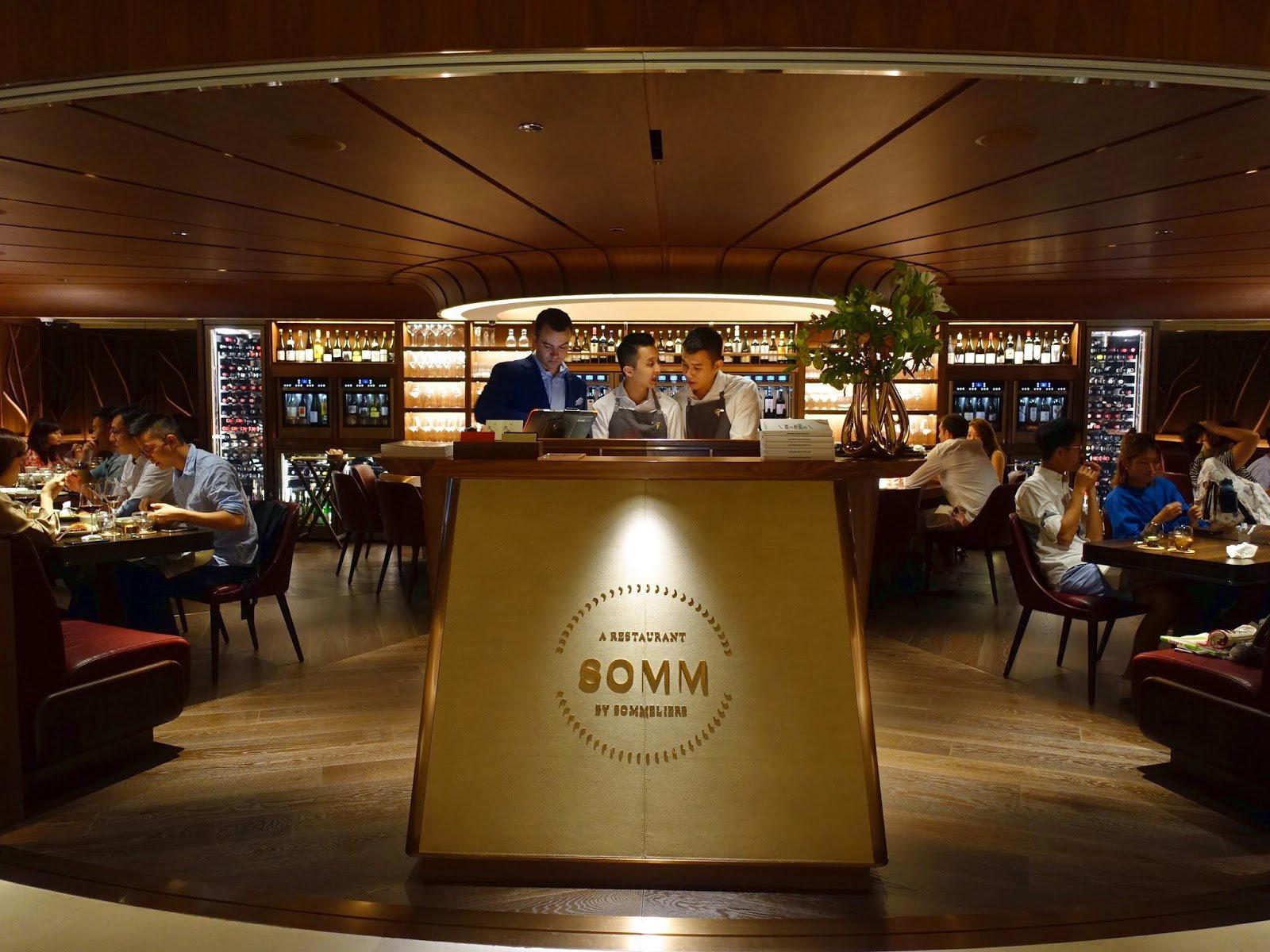
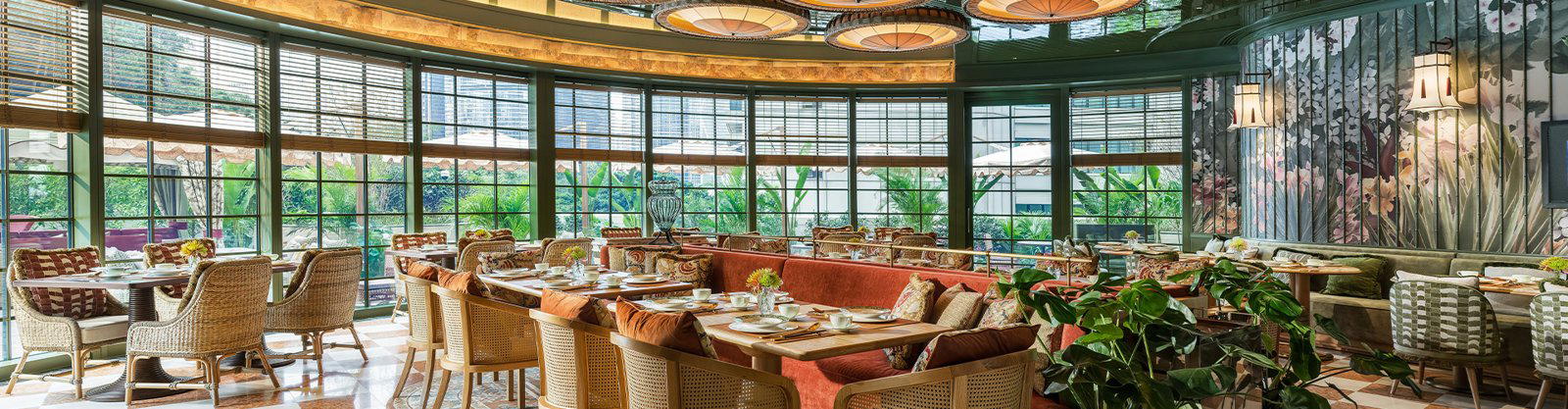
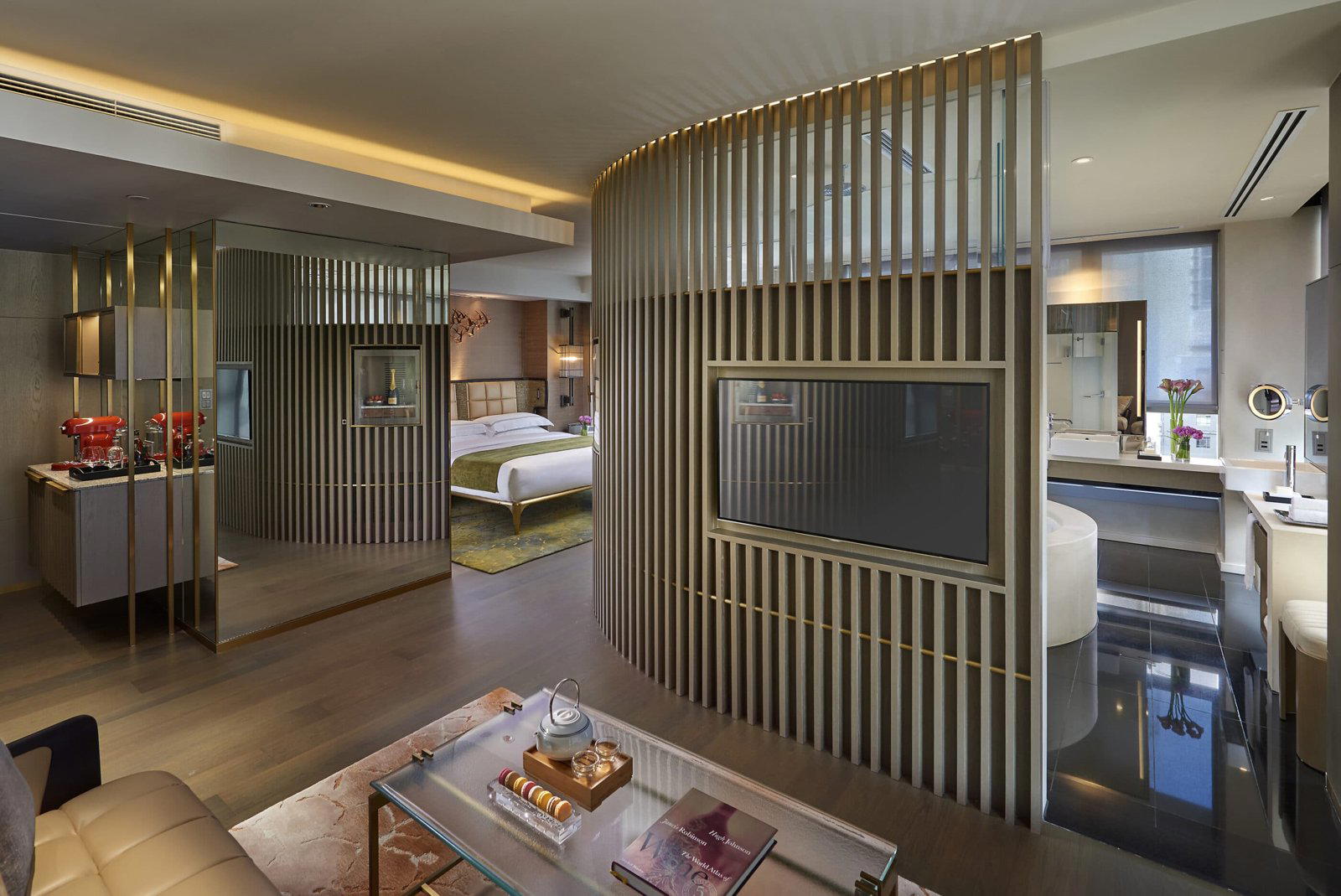
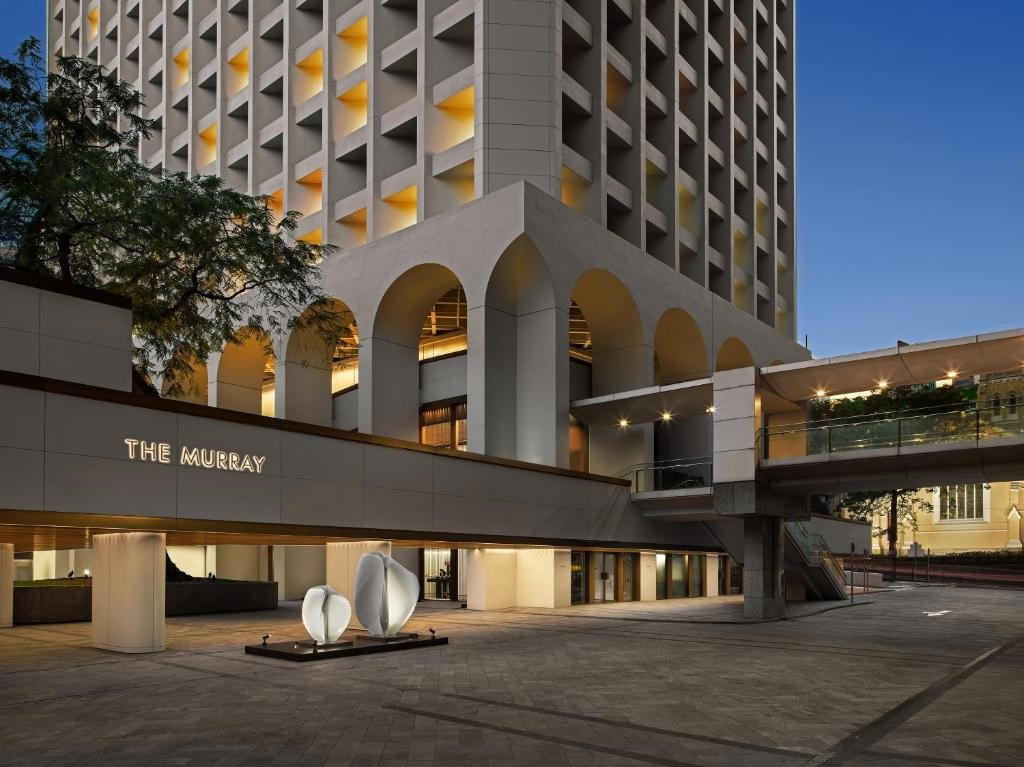
Hotels in Hong Kong
All hotels in Hong Kong →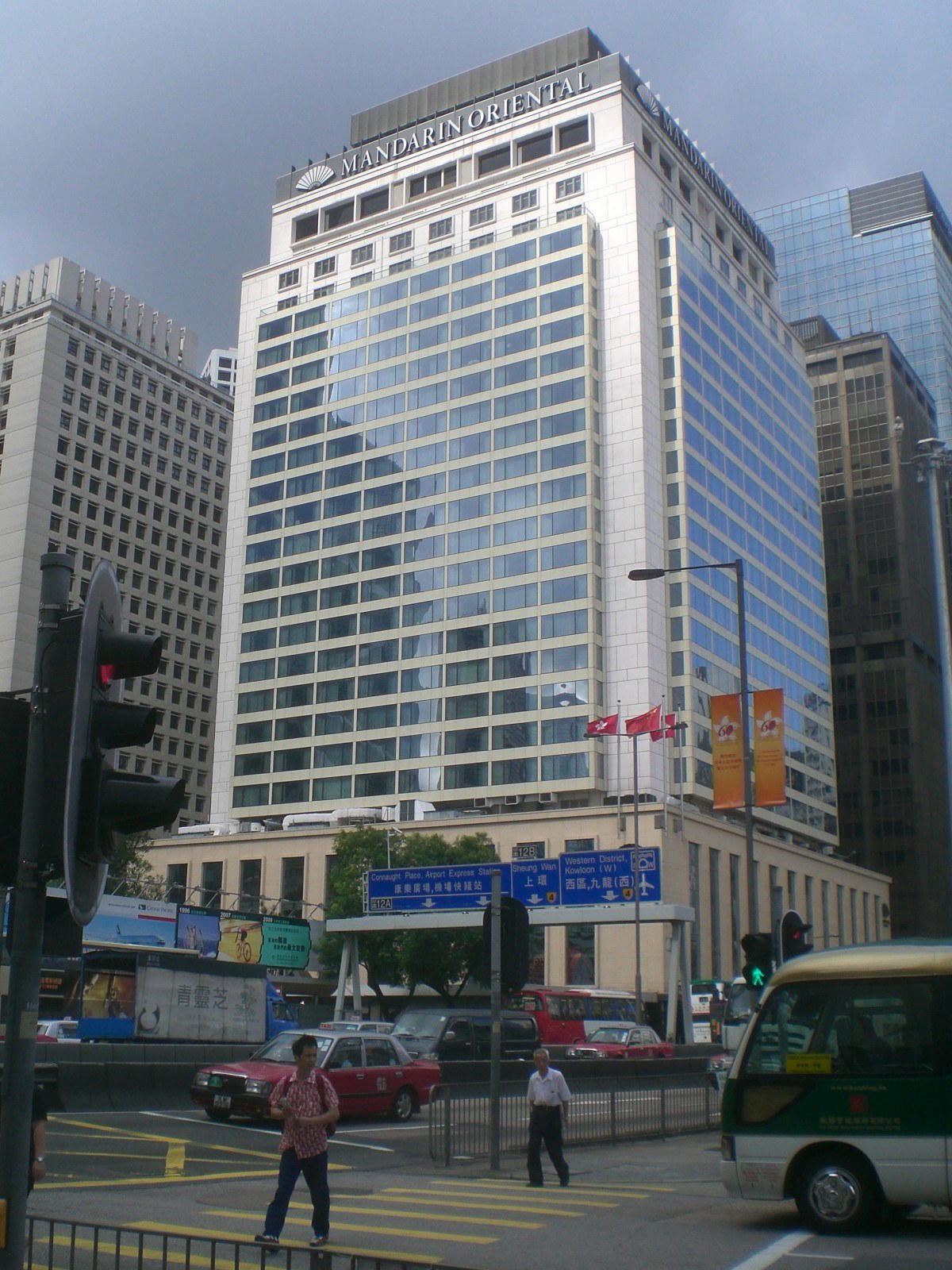
Wineries in Hong Kong
All wineries in Hong Kong →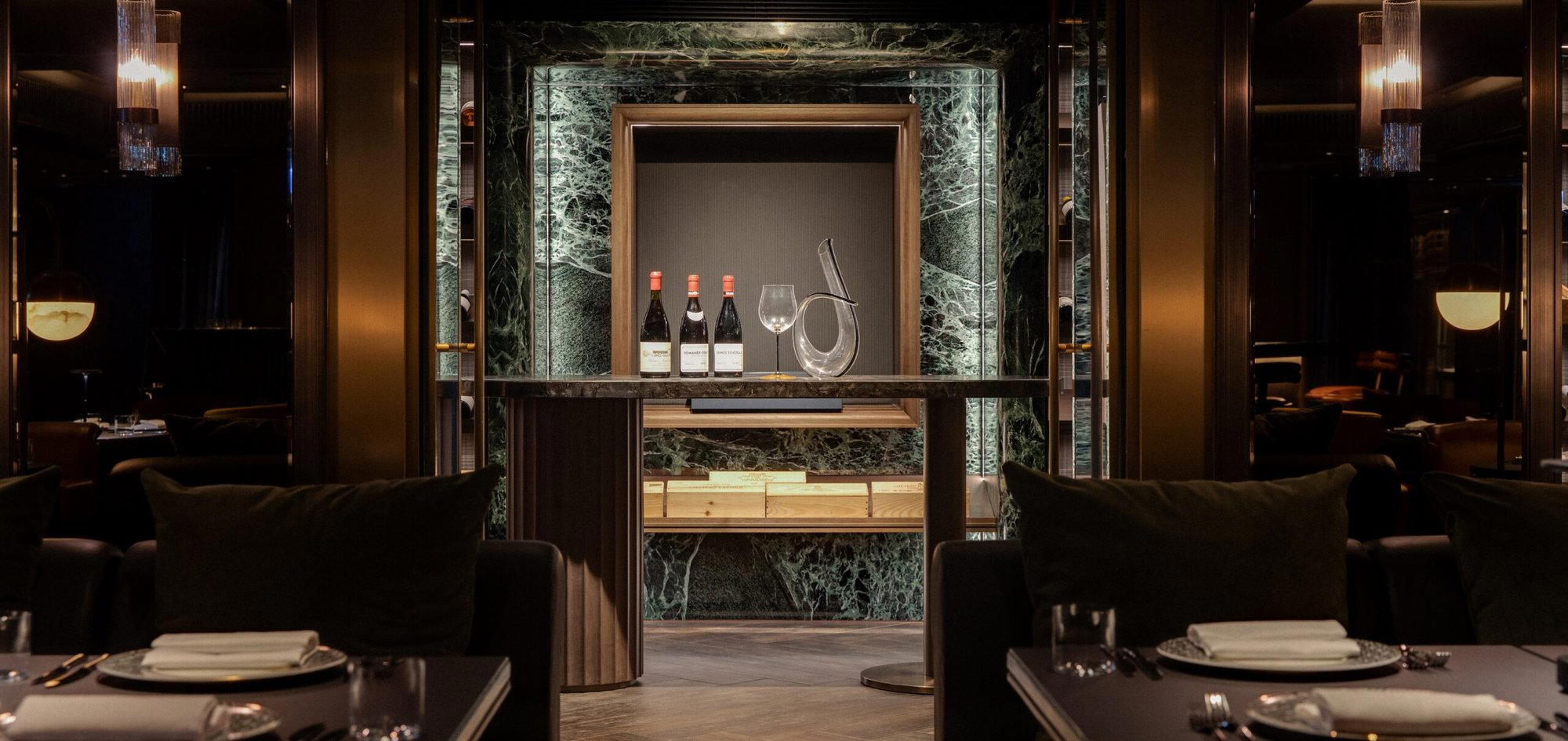
Details
- Elegant
- Intimate
- Sophisticated
- Classic
- Minimalist
- Ornate
- Date Night
- Business Dinner
- Celebration
- Special Occasion
- After Work
- Solo
- Chefs Counter
- Private Dining
- Design Destination
- Standalone
- Panoramic View
- Sake Program
- Extensive Wine List
- Sustainable Seafood
- Skyline
- Omakase
- Counter Dining
- Tasting Menu
- A La Carte
- Sake
- Wine
- Pescatarian Friendly
Current opening hours
- Monday
- 12–3 PM, 7–11 PM
- Tuesday
- 12–3 PM, 7:30–11 PM
- Wednesday
- 12–3 PM, 7:30–11 PM
- Thursday
- 12–3 PM, 7–11 PM
- Friday
- 12–3 PM, 7–11 PM
- Saturday
- 12–3 PM, 7–11 PM
- Sunday
- Closed
Hours can change for holidays and private events. Hours as of .
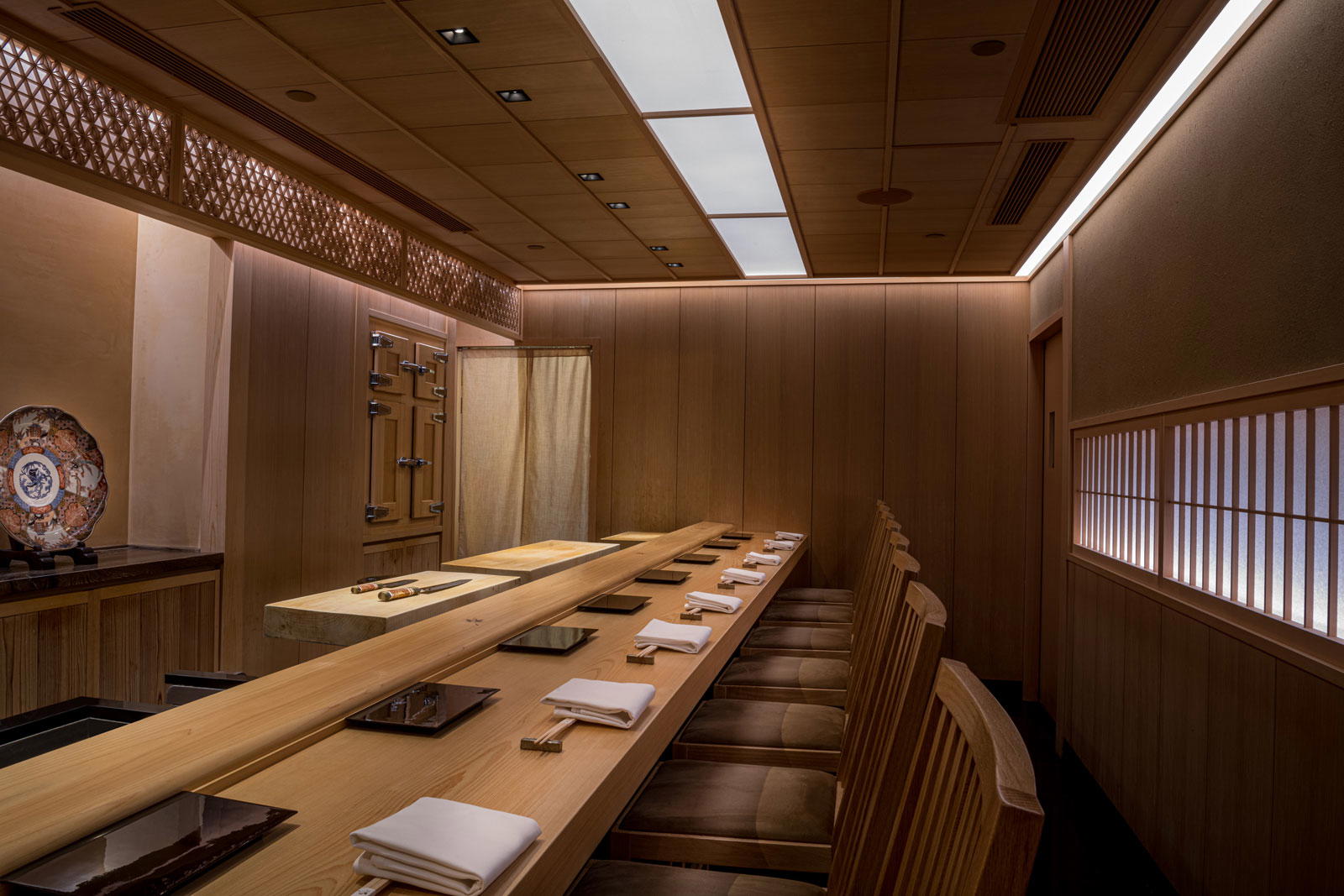
Traditional yet minimalist Japanese design with a long hinoki-wood counter, handcrafted kumiko ceiling patterns, and a serene, quietly luxurious atmosphere suited to focused omakase dining.