Kalaveras
Kalaveras brings Mexican-inspired cooking to Philadelphia Street in Whittier, CA, operating within a dining corridor that draws comparisons to more established SGV-area restaurant rows. The address sits at the intersection of suburban Whittier's appetite for regional flavor and a broader Southern California shift toward sourcing-conscious casual dining. For context on the full Whittier scene, the EP Club city guide maps the competitive set.
Pearl is the En Primeur Club membership app — saves, bookings, and concierge access live there. Same editors, same standards.
- Address
- 13112 Philadelphia St, Whittier, CA 90601
- Phone
- +15623601152
- Website
- kalaveras.com
- Directions
- Get directions
 Saves & bookings on Pearl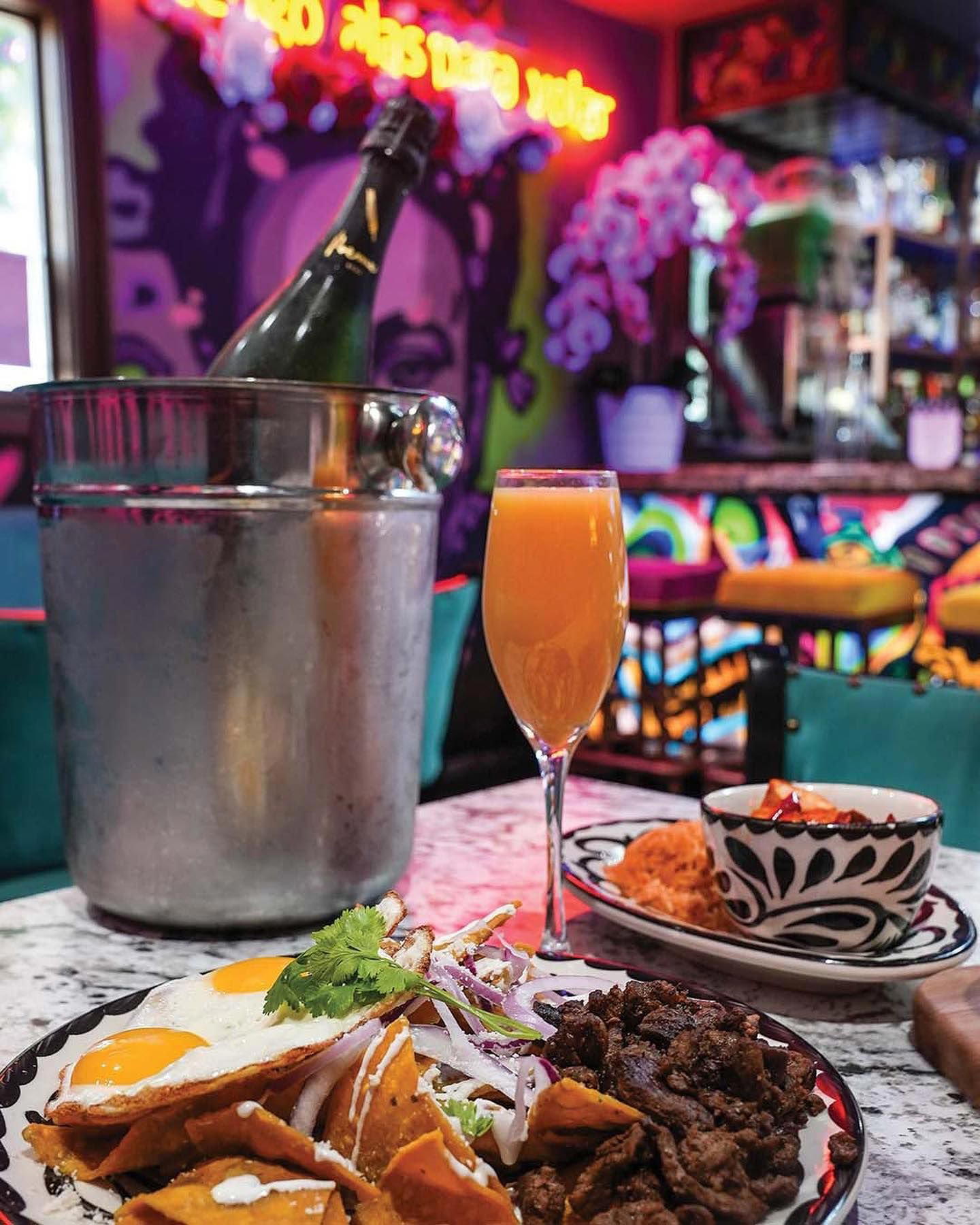
Philadelphia Street and the Case for Sourcing-Led Mexican Dining in the SGV Orbit
Southern California's relationship with Mexican cuisine is older, more layered, and more contested than almost any other regional food tradition in the United States. From East LA taquerias with decades of neighborhood loyalty to upmarket Oaxacan tasting menus in Silver Lake, the spectrum runs wide. Whittier, positioned southeast of Los Angeles proper and historically connected to the broader San Gabriel Valley dining corridor, sits at an interesting pressure point in that spectrum: close enough to LA's more documented restaurant scene to feel its influence, distinct enough in character to develop its own dining identity. Kalaveras, a Mexican Cantina at 13112 Philadelphia St, Whittier, CA 90601, occupies that local context directly.
Philadelphia Street functions as one of Whittier's more active dining stretches, where casual-to-mid-range concepts share blocks with long-standing neighborhood staples. The corridor's texture is less about destination dining and more about consistent, return-visit restaurants that build loyalty through ingredient quality and kitchen reliability rather than press attention. In that environment, the sourcing question matters more than the spectacle question: what arrives on the plate, and where did it come from, carries more weight with a local dining public that can cross-reference against a wide regional field.
Why Ingredient Origin Matters More in This Price Tier Than in Tasting-Menu Formats
There is a tendency in food coverage to associate sourcing-forward cooking exclusively with high-ticket tasting menus. Operations like Single Thread Farm in Healdsburg, Blue Hill at Stone Barns in Tarrytown, or The French Laundry in Napa have made farm-to-table sourcing central to their editorial identity precisely because the price point creates space for that narrative. The argument in casual and mid-range dining is actually harder to make and, when executed, more meaningful: it demonstrates that the sourcing choice is a kitchen conviction rather than a marketing tool.
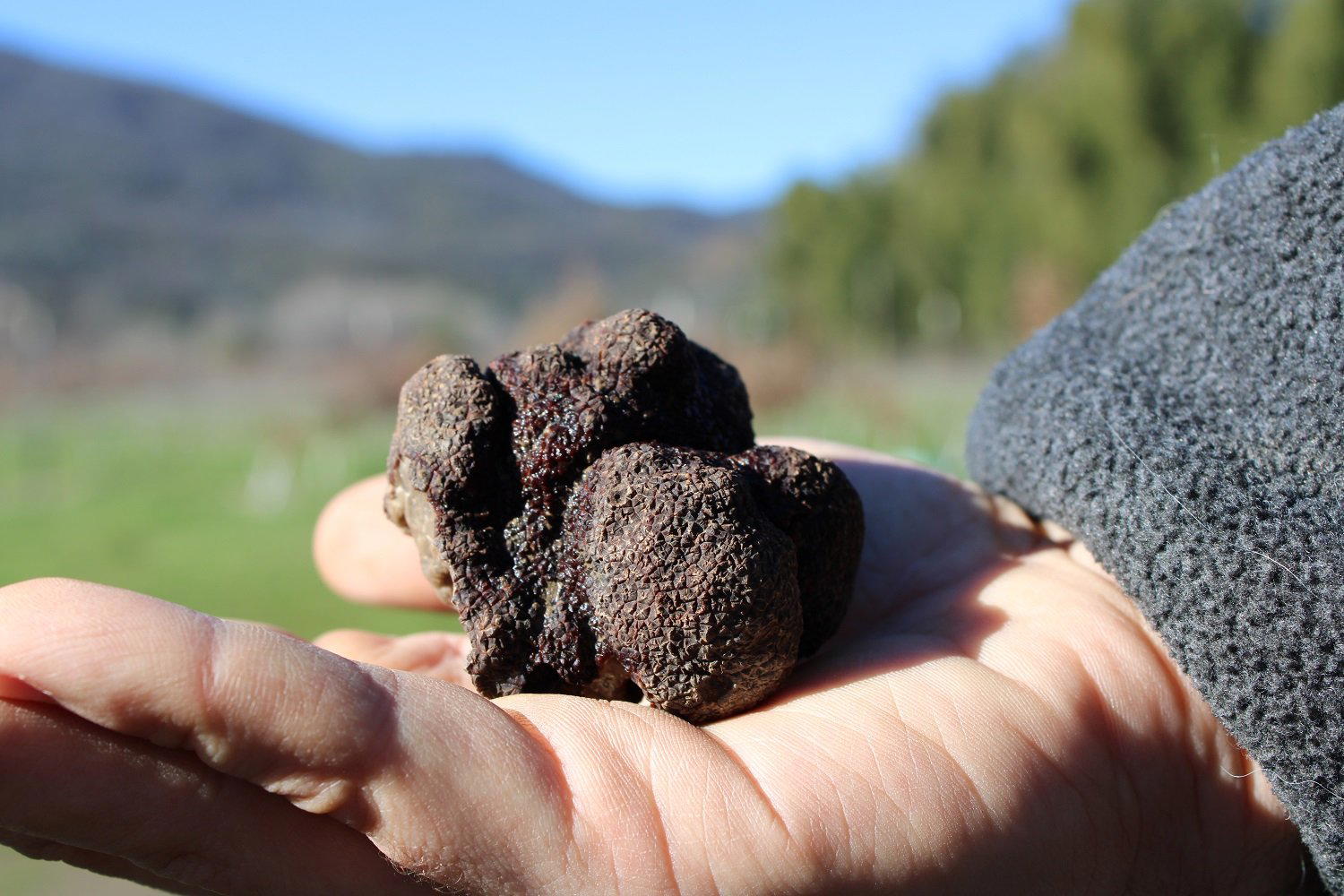
Mexican cuisine is particularly well-suited to sourcing-led execution because the ingredient logic is built into the tradition. Dried chiles, heirloom corn varieties, fresh aromatics, and proteins prepared with regional specificity are all categories where provenance changes the outcome in ways a diner can detect without being told. A mole built from a single-origin pasilla versus a commodity dried chile produces a measurably different result. Masa made from nixtamalized heirloom corn versus industrial masa harina is not a subtle distinction. These are not points of food-media theater; they are structural differences in flavor and texture that repeat visit diners in places like Whittier learn to recognize.
Southern California has enough examples of sourcing-serious Mexican cooking, from family-run operations in the San Gabriel Valley to more formatted concepts closer to the Westside, to make the comparison set real rather than aspirational. The city's proximity to agricultural regions in the Central Valley, Baja California, and the broader California growing belt means that supply chain access is not the obstacle; kitchen commitment to using it is the differentiating variable.
Kalaveras in the Whittier Dining Field
Whittier's restaurant scene distributes across a few distinct registers. At the higher end of the local field, The Nixon Steakhouse anchors a more formal, proteins-forward dining experience. Concepts like 19Seventy and Azabu fill out the mid-range and specialty tiers respectively, giving the city a more varied dining map than its relative media obscurity might suggest.
Kalaveras sits in a Mexican cuisine category that, across Southern California, is among the more internally competitive in any American city. The bar is set by generations of family-operated restaurants with deep community roots and by a diner base that is both knowledgeable and opinionated. In that context, the relevant comparison is not to destination-format venues like Providence in Los Angeles or award-circuit operations like Atomix in New York City. The relevant comparison is to the quality of Mexican cooking available within a 20-minute drive of Whittier, where the field is genuinely deep.
Nationally, the sourcing-led Mexican cooking conversation has expanded in the past decade, with venues like Bacchanalia in Atlanta demonstrating that regional sourcing commitment can anchor a restaurant's reputation independent of cuisine category, and coastal operations like Addison in San Diego showing how proximity to the Mexican border can translate into ingredient access that shapes a kitchen's identity. The model applies at multiple price points; the question is always execution.
Planning a Visit to Kalaveras
Kalaveras is located at 13112 Philadelphia St, Whittier, CA 90601, on one of the city's more walkable dining blocks. Kalaveras is open Monday through Thursday from 11 AM to 11 PM, Friday from 11 AM to 1 AM, Saturday from 10 AM to 1 AM, and Sunday from 10 AM to 10 PM. Reservations are recommended. Given that the surrounding restaurant cluster draws consistent local traffic, weekday visits typically offer more flexibility than weekend evenings when the Philadelphia Street corridor sees higher footfall across multiple concepts.
For visitors coming from Los Angeles proper, Whittier is accessible via the 605 and 60 freeways, placing it roughly in the same geographic tier as other SGV dining destinations but with a distinct neighborhood character that rewards slower, street-level exploration rather than in-and-out destination visits. The dining circuit on and around Philadelphia Street is compact enough to combine multiple stops in a single evening, which the EP Club Whittier guide addresses in its routing section.
Quick Comparison
Comparable venues nearby, for context on price, style, and recognition.
| Venue | Cuisine | Price | Notes |
|---|---|---|---|
| KalaverasThis venue — the venue you are viewing | Mexican Cantina | $$$ | Not listed |
| 19Seventy | Modern Italian | $$ | Whittier |
| The Nixon Steakhouse | Modern Steakhouse with Mexican & Asian Influences | $$$$ | Uptown Whittier |
| Azabu | Modern Japanese Sushi | $$$ | Uptown Whittier |
| SOL Mexican Cocina | Modern Coastal Mexican | $$$ | Centerview |
| B.S. Taqueria | Modern Taqueria | $$ | Financial District |
Continue exploring
More in Whittier
Restaurants in Whittier
Browse all →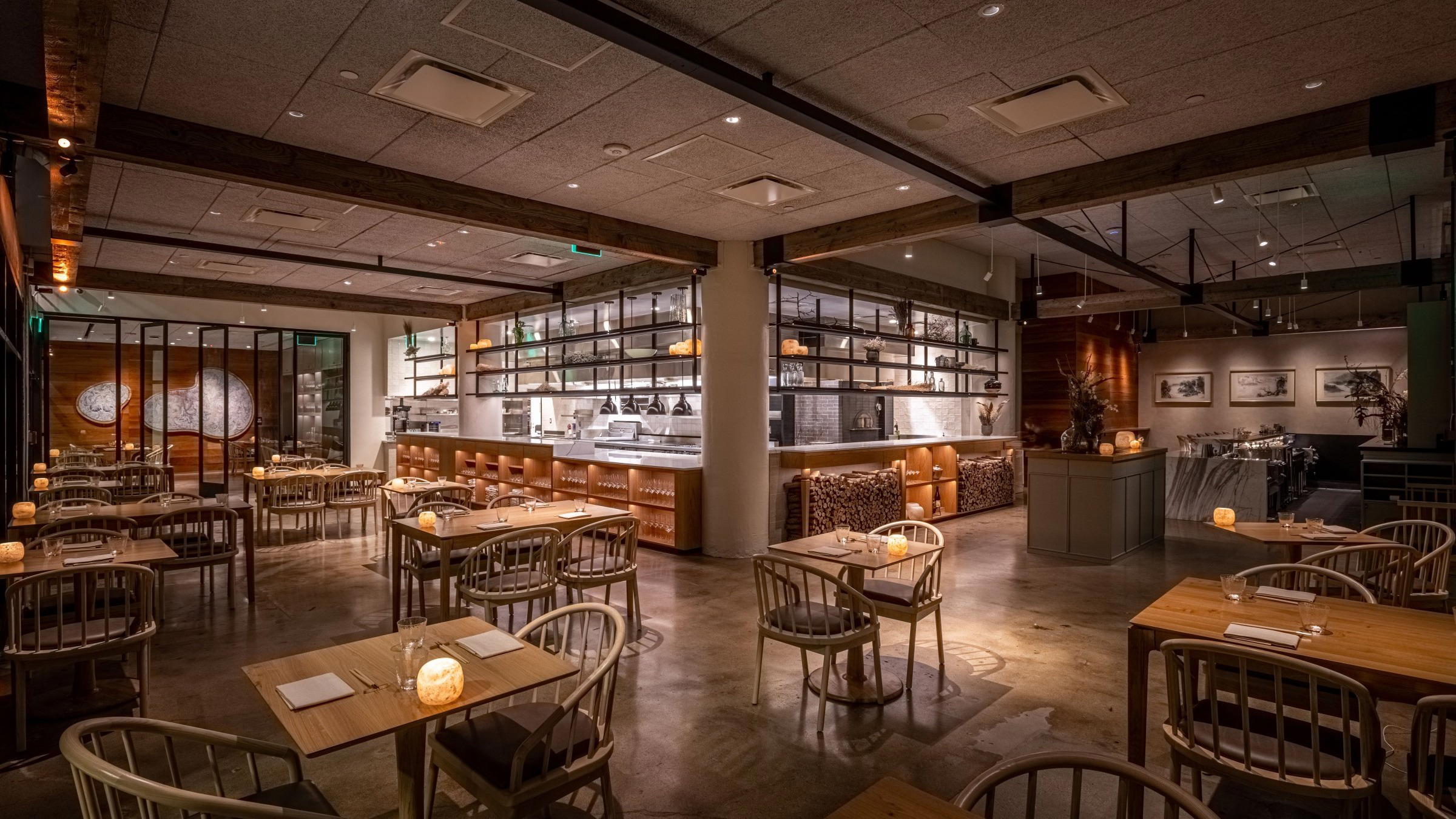
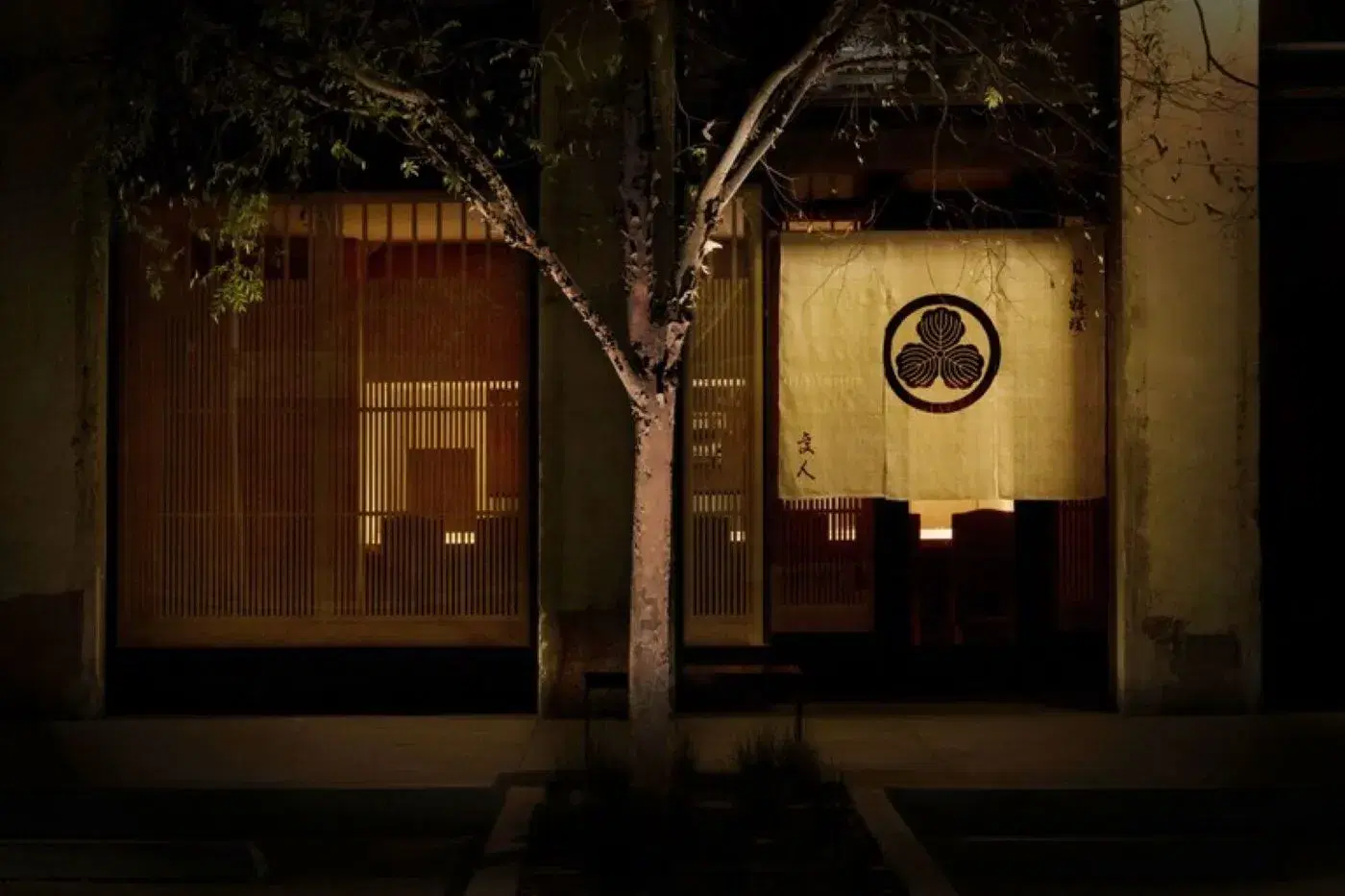
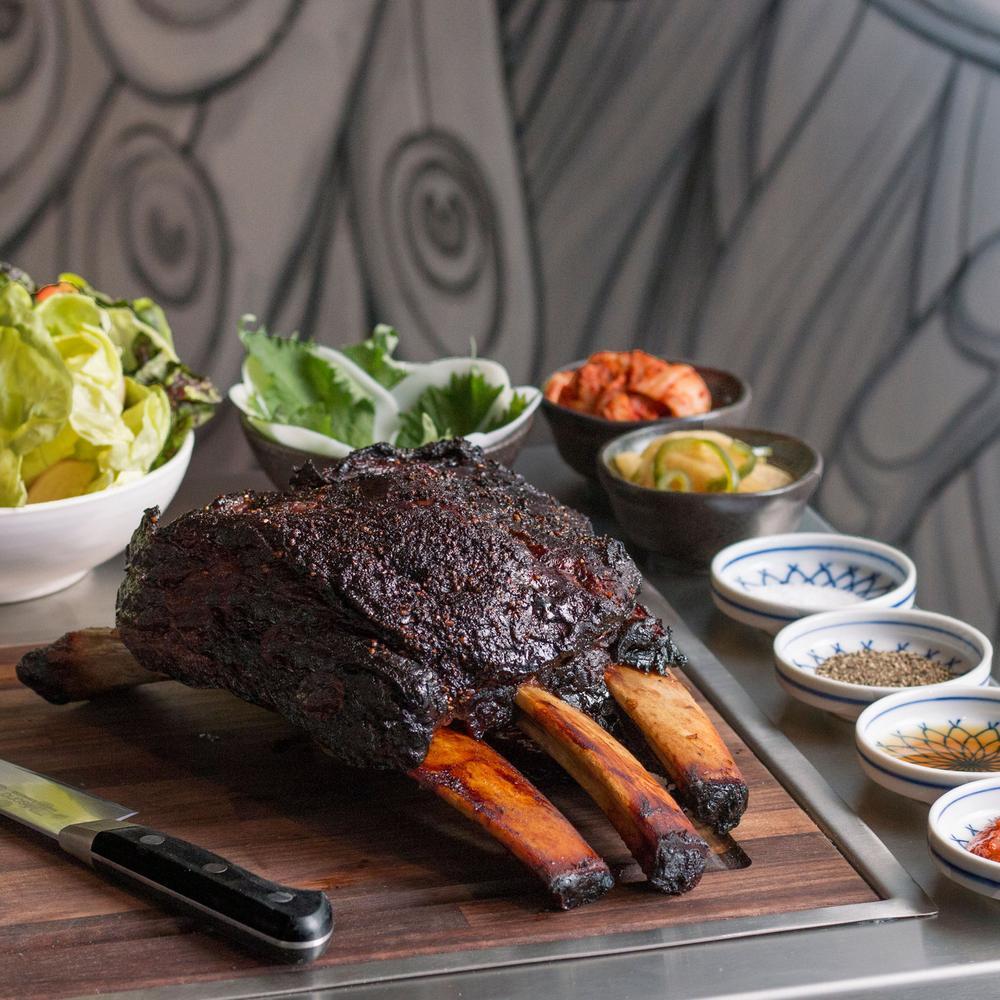
Bars in Whittier
Browse all →
Hotels in Whittier
Browse all →
Wineries in Whittier
Browse all →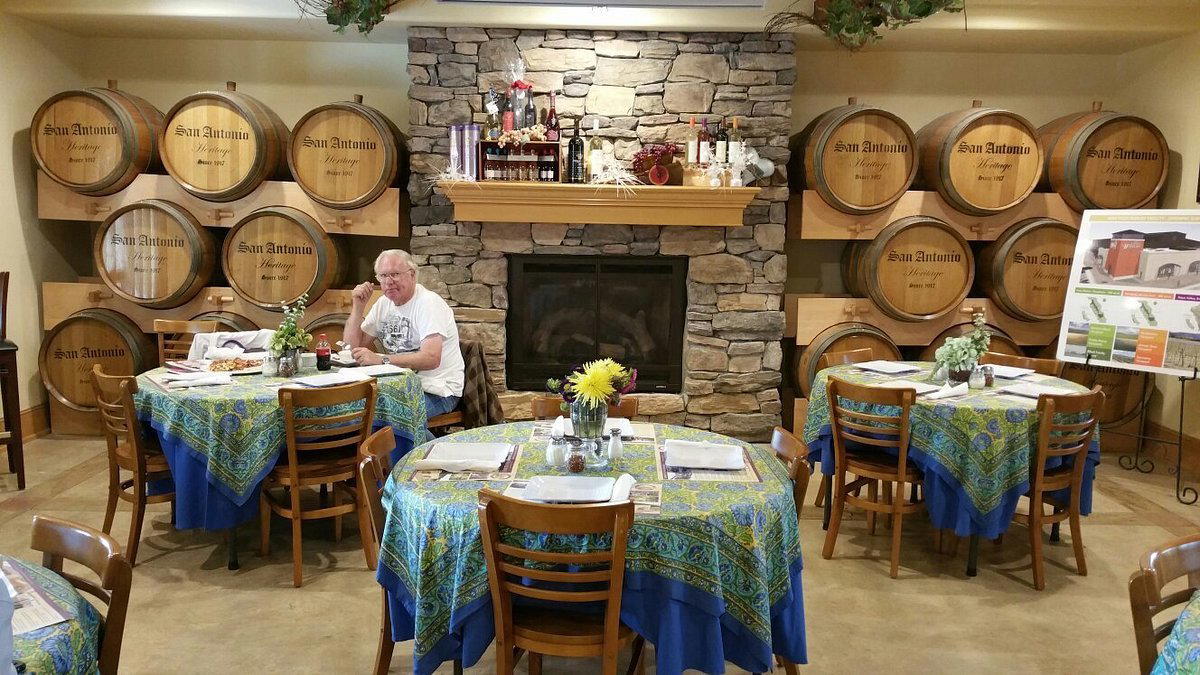
At a Glance
- Lively
- Trendy
- Energetic
- Group Dining
- Casual Hangout
- Celebration
- Live Music
- Open Kitchen
- Craft Cocktails
Current opening hours
- Monday
- 11 AM–11 PM
- Tuesday
- 11 AM–11 PM
- Wednesday
- 11 AM–11 PM
- Thursday
- 11 AM–11 PM
- Friday
- 11 AM–1 AM
- Saturday
- 10 AM–1 AM
- Sunday
- 10 AM–10 PM
Hours can change for holidays and private events. Last verified .
Colorful art-filled space with lively music, energetic atmosphere, and cultural vibes inspired by El Día de los Muertos.