

Michelin Plate · Macarfi 6.7 Food Rating
Our verdict
A Michelin Plate-recognised Japanese counter in the heart of Jaén, KA-ORŪ fuses the ritual of traditional sushi with local Andalusian ingredients. Two advance-order menus anchor the experience, served either at the counter overlooking the chefs or across three intimate tables..

Pearl is the En Primeur Club membership app — saves, bookings, and concierge access live there. Same editors, same standards.
- Address
- C. Chinchilla, 1, 23001 Jaén, Spain
- Phone
- +34 657 11 66 96
- Hours
- Mon–Tue ClosedWed–Sat 2–4 PM, 8:30–11:30 PMSun Closed
- Website
- ka-oru.com
- Directions
- Get directions
- Booking
- Book on CoverManager
A Counter in Olive Country
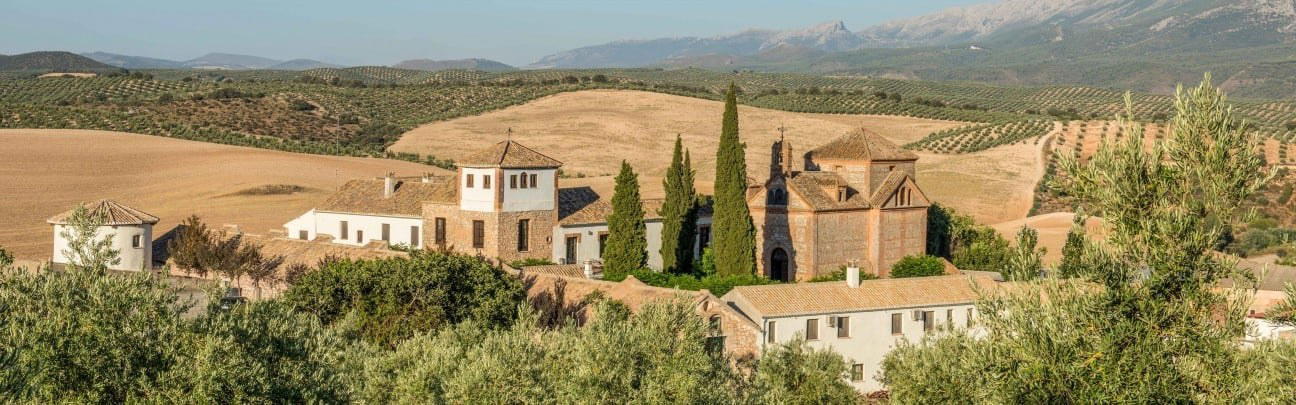
Jaén is Spain's most productive olive oil province, a city whose culinary identity has been shaped almost entirely by the groves that cover its surrounding hills. Against that backdrop, the presence of a serious Japanese sushi counter on Calle Chinchilla feels less like an anomaly and more like a specific argument: that the same discipline applied to Andalusian ingredients, particularly pork and olive produce, can generate something worth sitting down slowly for. KA-ORŪ SUSHIBAR & COCKTAIL holds a Michelin Plate for 2025, placing it in the tier of Jaén restaurants the guide considers worth the trip even if a full star has not yet been awarded.
The Name as Programme
The name is a constructed compound of two Japanese words: kazoku, meaning family, and orību, meaning olive tree. That etymology is not incidental. It maps the kitchen's intentions directly onto its setting, connecting the Japanese tradition of communal, generationally transmitted craft with the defining agricultural fact of the province. In that sense, the name functions as an editorial statement about what the restaurant is trying to do, which is to make Japanese cooking feel specifically located in this part of Spain rather than borrowed from it.
The Ritual of the Meal
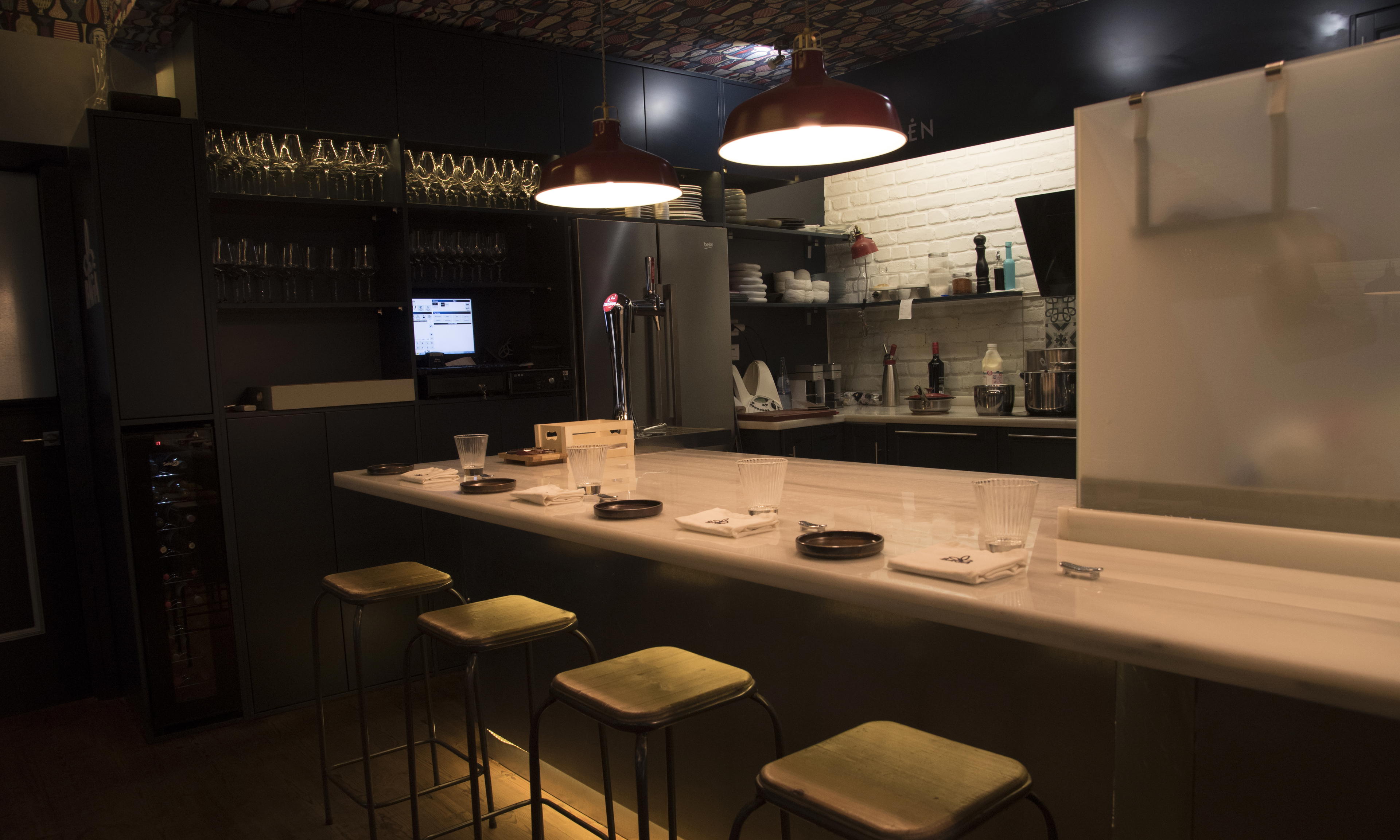
Japanese dining, at its most considered, is built around pace and intentionality. The counter format at KA-ORŪ reflects this: guests seated at the bar watch the sushi chefs move through their work in real time, with the meal unfolding as a sequence rather than a set of simultaneous choices. This is the omakase-adjacent model that has become the dominant format for serious Japanese dining across Europe, from the counter rooms at Myojaku in Tokyo to the more intimate setups found in mid-sized European cities. The key constraint here, as with most counters operating at this level, is that both menus require advance ordering. That condition is not a logistical inconvenience; it is structural to the format. It allows the kitchen to source, prepare, and sequence with the kind of control that table-service-on-demand cannot accommodate.
For those who prefer a different register, three tables are available, offering the same menus at a slight remove from the kitchen's rhythm. The counter, however, is where the experience is most legible.
Two Menus, One Kitchen Logic
The two available formats are named Kazoku and Ka-Oru, each requiring advance reservation and representing different depths of engagement with the kitchen's range. The Michelin Plate recognition signals that the kitchen is producing food at a standard the guide considers technically coherent and worthy of attention, which in the context of a Japanese counter in an inland Andalusian city is a meaningful credential.
The menu includes top-quality nigiri and fresh wasabi, ingredients that signal sourcing seriousness. Fresh wasabi is not a standard offering at this price tier in Spain; outside of dedicated Japanese counter restaurants in Madrid or Barcelona, it appears rarely. Its presence here indicates a supply chain and a kitchen commitment that go beyond surface-level Japanese aesthetics.
Katsu Sando on the menu uses pork head as its filling, a nod toward local Iberian pork culture that is executed within a Japanese format. In broader terms, this kind of ingredient dialogue between Japanese technique and Iberian produce has become one of the more generative tensions in Spanish dining. Restaurants like DiverXO in Madrid have made Asian-Spanish fusion a centrepiece of their identity, while more regionally grounded operations tend to approach the connection with more restraint. KA-ORŪ appears to sit in the latter category, using local ingredients as punctuation within a Japanese structure rather than as its dominant theme.
Jaén's Dining Position
Jaén's restaurant scene is small relative to Andalusian cities like Seville or Málaga, but it contains a handful of addresses operating at a level that rewards attention. Bagá holds a Michelin star and represents the city's most internationally visible dining proposition. Casa Antonio and Malak operate in the contemporary Spanish and modern cuisine registers respectively. Bomborombillos and Radis round out a scene that is compact but not thin. Within that set, KA-ORŪ occupies a position that none of the others hold: a Japanese counter at the €€ price tier with Michelin recognition and a format that demands a different kind of attention from the diner.
That positioning matters because it means the competitive reference point is not only the local dining scene but also the broader Spanish Michelin map. Restaurants like Arzak in San Sebastián, Azurmendi in Larrabetzu, El Celler de Can Roca in Girona, Cocina Hermanos Torres in Barcelona, and Aponiente in El Puerto de Santa María define the upper register of Spanish fine dining. KA-ORŪ does not operate in that tier, but its Michelin Plate places it in the guide's wider recognised set, which is a different kind of credential: a signal of consistent quality rather than exceptional ambition. For a Japanese counter in a city of Jaén's size, that consistency is the more relevant achievement.
Planning Your Visit
KA-ORŪ is located at Calle Chinchilla 1, in central Jaén, at the €€ price point. Both menus, Kazoku and Ka-Oru, must be ordered in advance, which means that contacting the restaurant before arrival is not optional. The counter seats provide the clearest view of the kitchen's work; the three tables offer a quieter alternative. Given the advance-order requirement and the small scale of the operation, booking well ahead is advisable, particularly for weekend sittings. Phone and website details were not available at time of publication; reservations are most reliably made through walk-in inquiry or via local booking channels.
For a wider view of what Jaén offers, see our full Jaén restaurants guide, our full Jaén hotels guide, our full Jaén bars guide, our full Jaén wineries guide, and our full Jaén experiences guide. For Japanese counter dining at the top of the global format, Azabu Kadowaki in Tokyo provides a useful reference point for what the counter tradition looks like at its most rigorous.
Frequently asked questions
What awards or recognition does KA-ORŪ SUSHIBAR & COCKTAIL have?
KA-ORŪ SUSHIBAR & COCKTAIL has received recognition including: A reinvented dining option that has taken on a new lease of life and name, the latter a combination of the Japanese words for family (kazoku) and olive tree (Orību). The cuisine here, which remains faithful to the traditions of Japanese coo….
What's the must-try dish at KA-ORŪ SUSHIBAR & COCKTAIL?
The nigiri programme is the structural core of what the kitchen does. KA-ORŪ's Michelin Plate recognition in 2025 aligns with its use of fresh wasabi and high-grade tuna, both markers of a kitchen that takes the nigiri format seriously. The Katsu Sando filled with pork head is the counter's most direct nod to Jaén itself, bridging Japanese technique with the pork-forward traditions of the surrounding province. Both menus must be pre-ordered, so the decision about depth of engagement happens before you arrive.
Is KA-ORŪ SUSHIBAR & COCKTAIL expensive?
Pricing at KA-ORŪ SUSHIBAR & COCKTAIL is listed as €€.
What's the address for KA-ORŪ SUSHIBAR & COCKTAIL?
KA-ORŪ SUSHIBAR & COCKTAIL is located at C. Chinchilla, 1, 23001 Jaén, Spain, Jaén.
Awards and Standing
| Venue | Cuisine | Price | Awards | Notes |
|---|---|---|---|---|
| KA-ORŪ SUSHIBAR & COCKTAILThis venue — the venue you are viewing | Authentic Japanese Sushi with Jaén Influences | $50–100 | Michelin Plate · Macarfi 6.7 Food Rating | Not listed |
| Bagá | Avant-Garde Spanish Fine Dining | Not listed | 1 Michelin Star · La Liste Top Restaurants | Progressive, Modern Cuisine |
| Casa Antonio | Contemporary Spanish | Not listed | Michelin Plate · Macarfi 7.5 Food Rating | Not listed |
| Dama Juana | Modern Andalusian Fine Dining | $50–100 | 1 Michelin Star · Falstaff Restaurant - 95 Falstaff Points | Not listed |
| Bomborombillos | Modern Cuisine | Not listed | Michelin Plate | Not listed |
| MangasVerdes | Modern Mediterranean Fusion | Not listed | Michelin Plate | Not listed |
Recognition history
Dated appearances from independent guides and award organizations, with the underlying list record or original source where available.
Michelin Plate
Michelin
Macarfi 6.7 Food Rating
Macarfi
Full recognition history (3 entries)
Michelin Plate
Michelin
Continue exploring
More in Jaén
Restaurants in Jaén
Browse all →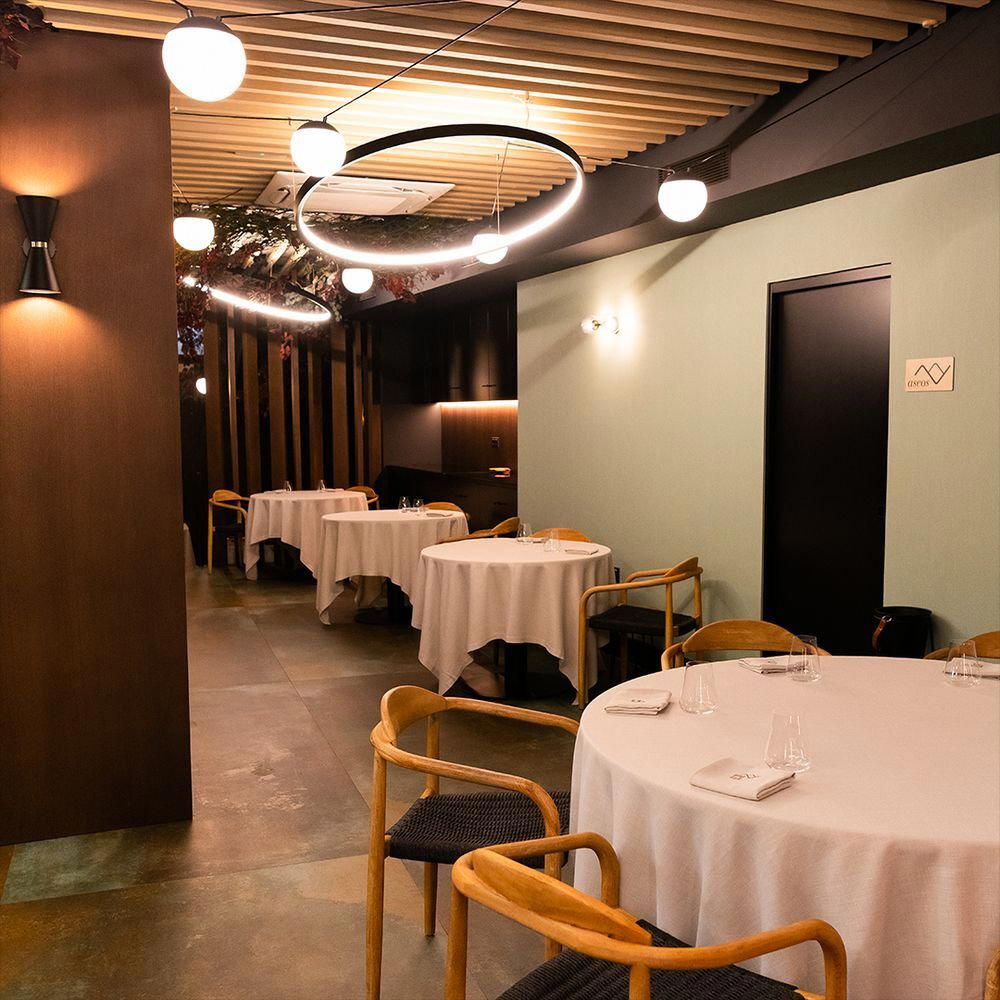
Details
- Intimate
- Cozy
- Elegant
- Modern
- Date Night
- Special Occasion
- Chefs Counter
- Open Kitchen
- Craft Cocktails
- Sake Program
- A La Carte
- Counter Dining
- Craft Cocktails
- Vegetarian Friendly
Current opening hours
- Monday
- Closed
- Tuesday
- Closed
- Wednesday
- 2–4 PM, 8:30–11:30 PM
- Thursday
- 2–4 PM, 8:30–11:30 PM
- Friday
- 2–4 PM, 8:30–11:30 PM
- Saturday
- 2–4 PM, 8:30–11:30 PM
- Sunday
- Closed
Hours can change for holidays and private events. Last verified .
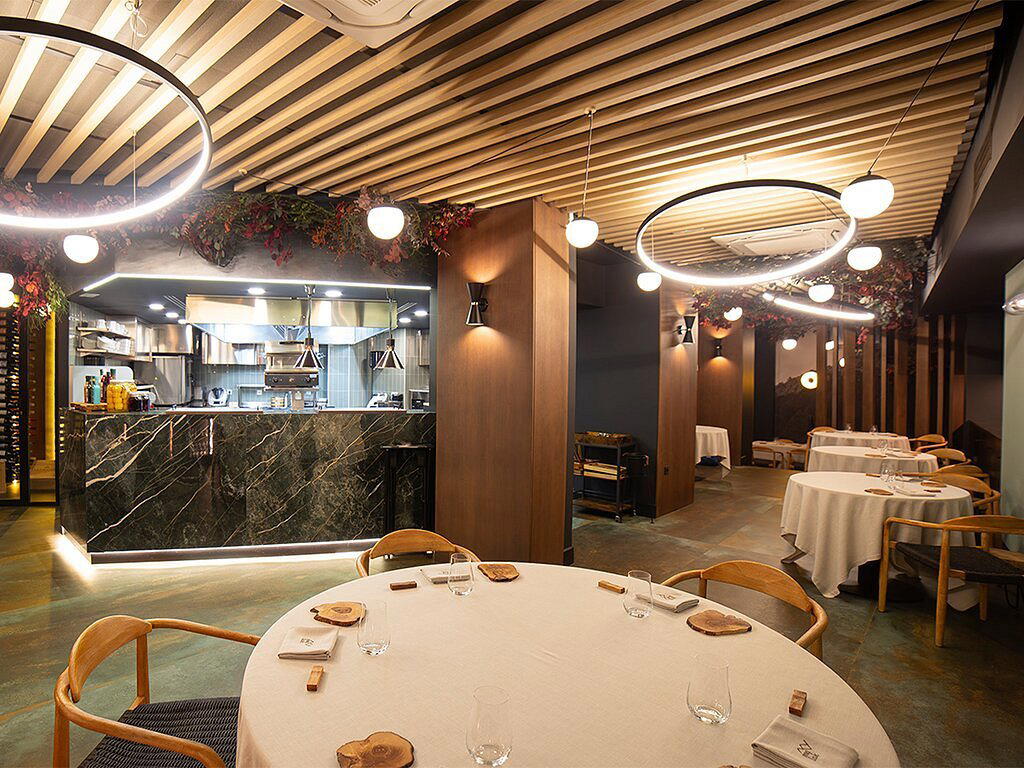
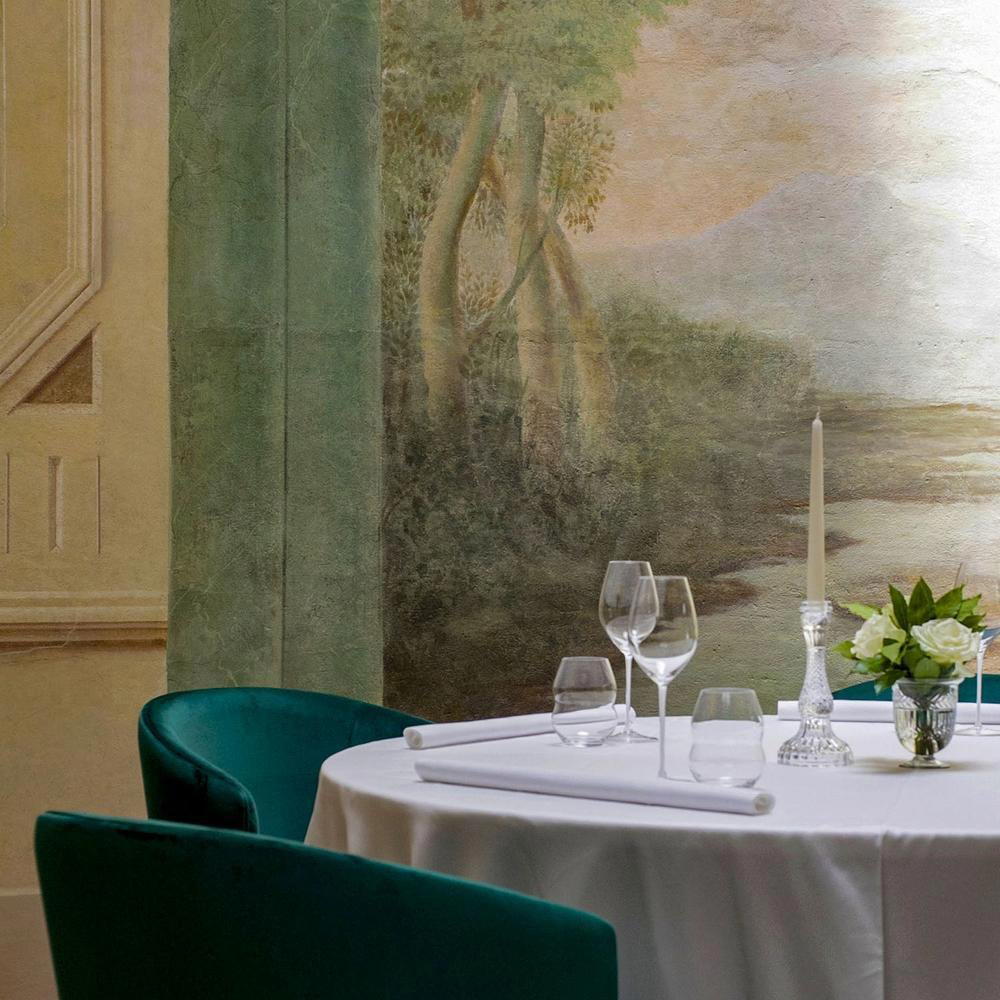
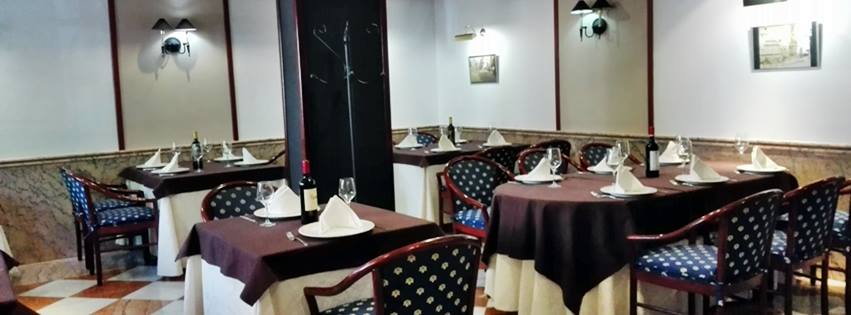
Warm, intimate atmosphere with relaxing music, open kitchen visibility from the bar, and meticulous attention to detail in a cozy small space.