Juniper Grill

Juniper Grill in Cranberry Township sits at 2030 Mackenzie Way in one of Pittsburgh's most active northern suburbs, where the American grill format has taken on a sourcing-conscious identity. The kitchen works within a region that connects western Pennsylvania farmland to the broader mid-Atlantic supply chain, positioning it among Cranberry Township's more considered dining options. For residents and visitors moving through Butler County, it represents a practical but purposeful choice.
Pearl is the En Primeur Club membership app — saves, bookings, and concierge access live there. Same editors, same standards.
- Address
- 2030 Mackenzie Way Suite 800, Cranberry Twp, PA 16066
- Phone
- +17245918850
- Website
- junipergrill.com
- Directions
- Get directions
 Saves & bookings on Pearl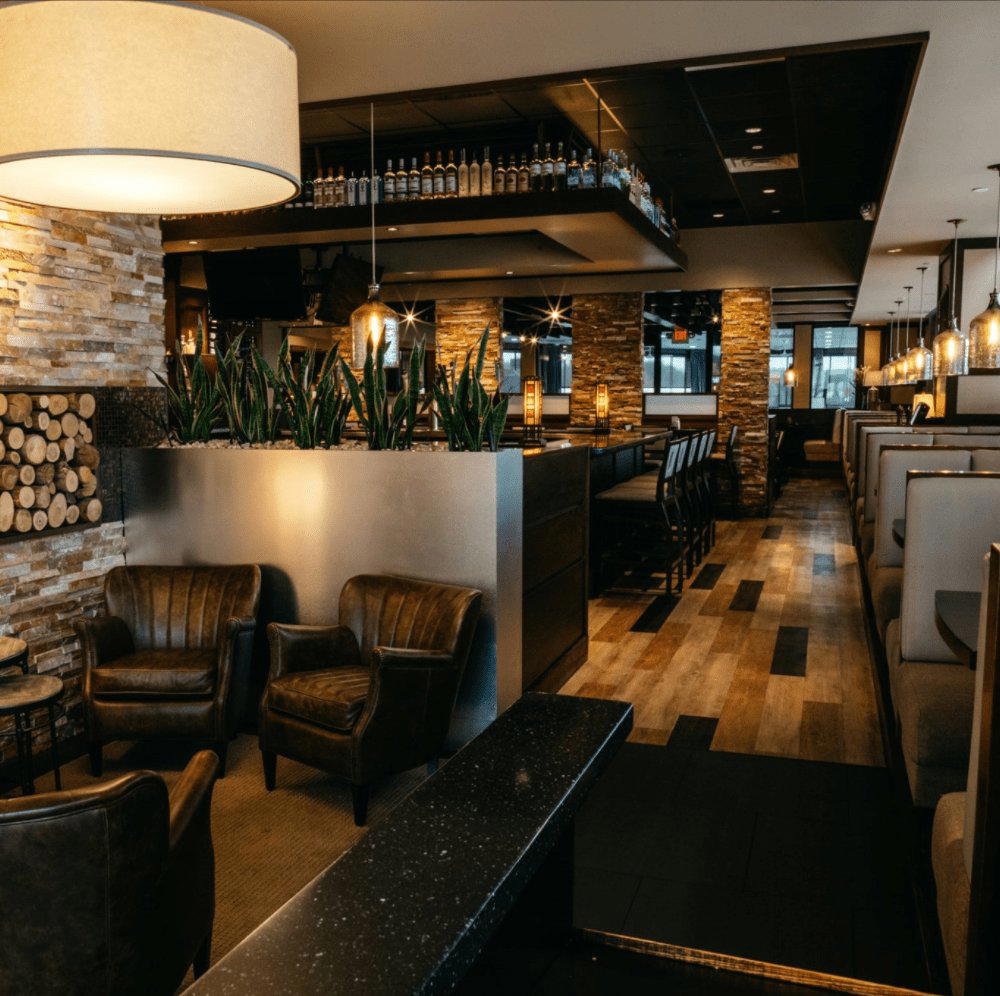
The American Grill in Suburban Context
Cranberry Township's dining scene has expanded steadily alongside the suburb's commercial growth north of Pittsburgh, pulling in formats that once required a trip downtown. The American grill category, in particular, has found a comfortable home here: accessible enough for weeknight business dinners, considered enough for occasions that warrant a reservation. Juniper Grill, at 2030 Mackenzie Way in the Mackenzie Way commercial corridor, sits inside that pattern. The address places it within a cluster of mid-to-upper-tier casual dining options that have made Cranberry Township a self-sufficient dining destination rather than a waypoint to the city.
That shift matters for understanding where Juniper Grill fits. A decade ago, Butler County residents with higher dining expectations defaulted to Pittsburgh's Strip District or the South Side. Today, the northern suburbs have enough volume and variety that a well-run grill concept can hold its own as a primary destination. Juniper Grill occupies that position in Cranberry Township, drawing from a local population that has grown alongside the township's corporate office parks and residential expansion. For a broader picture of the options available in the area, our full Cranberry Township restaurants guide maps the full range.
Sourcing in Western Pennsylvania
The American grill format, when it operates with any seriousness, is defined less by cooking technique than by what arrives at the back door. Western Pennsylvania sits within reach of some of the mid-Atlantic's more productive agricultural zones: the farmland corridors of Butler and Lawrence counties, the dairy operations that run through the region, and the Allegheny River watershed that has historically supported freshwater fishing. Restaurants that pay attention to these supply lines, even at a casual-to-mid level, can build menus with a regional coherence that distinguishes them from chain-adjacent competitors importing generic proteins from national distributors.
This sourcing dynamic is what separates the more considered American grill operations from those that simply apply grill heat to commodity cuts. At the higher end of American sourcing-led dining nationally, places like Blue Hill at Stone Barns in Tarrytown and Single Thread Farm in Healdsburg have made ingredient provenance the entire editorial frame of their menus. That is a different price tier and a different ambition than what Cranberry Township's market supports, but the underlying principle, that where food comes from shapes what it tastes like, applies across price points. Bacchanalia in Atlanta and Frasca Food and Wine in Boulder have demonstrated that regional sourcing discipline at the mid-to-upper tier translates into menus with genuine local character, even outside major metropolitan markets.
The Grill Format and What It Demands
The American grill is a format that lives or dies on execution rather than concept. Unlike tasting-menu restaurants, where the narrative of the meal carries structural weight, a grill-format kitchen earns its reputation through consistency: the char on a steak at 8 p.m. should match the one at 6 p.m. and the same protein cooked on a Tuesday should hold to the same standard as a Saturday. That operational discipline is harder than it looks, and it is what separates grill restaurants that sustain a local following from those that see initial interest trail off within a year.
In cities where the grill format has been taken seriously at the highest level, the results have been significant. Le Bernardin in New York City operates at the far end of the precision spectrum for protein cookery, and Emeril's in New Orleans demonstrated that American-rooted cooking with regional ingredients could sustain serious critical attention over decades. Closer in spirit to the Cranberry Township context, Brutø in Denver has shown that ingredient-led American cooking outside coastal markets can develop a dedicated following when the kitchen has clear sourcing commitments. The pattern holds across regions: specificity of supply builds loyalty of audience.
Within Cranberry Township itself, Juniper Grill competes in a field that includes both corporate chain outposts and independently operated concepts. The township's demographics, skewed toward professional households with disposable income and limited time to drive into Pittsburgh for dinner, favor restaurants that can deliver a genuinely satisfying meal without requiring the full commitment of a city-center reservation. Mr. Mister Supper Club represents another point in Cranberry Township's evolving dining range, and the two operate in a local market that rewards consistent quality more than novelty.
The broader American dining context also matters here. Restaurants like Lazy Bear in San Francisco, Alinea in Chicago, The French Laundry in Napa, Providence in Los Angeles, Addison in San Diego, The Inn at Little Washington, Causa in Washington, D.C., and Atomix in New York City operate at the apex of American fine dining ambition, setting a national standard that filters down into how even mid-market restaurants think about sourcing, seasonality, and format. That trickle-down effect has made ingredient consciousness more common across all tiers of American restaurant dining over the past decade, including in suburban markets like Cranberry Township.
Planning Your Visit
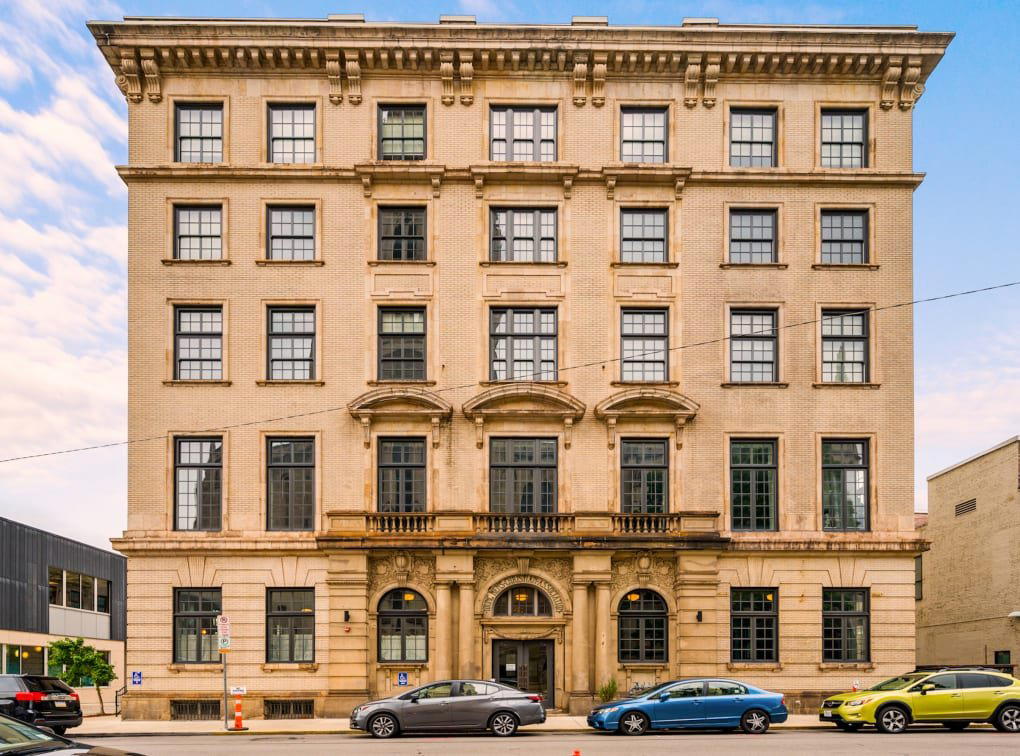
Juniper Grill is located at 2030 Mackenzie Way, Suite 800, in Cranberry Township, Pennsylvania 16066, within a commercial development that is accessible by car from Interstate 76 and Route 19. The Mackenzie Way corridor has ample parking, which makes it a practical choice for groups arriving from different directions across Butler County. Given the township's suburban character, driving remains the most direct way to reach the restaurant. For current hours, booking availability, and menu information, contacting the restaurant directly or checking its current digital presence is advisable, as operational details vary seasonally.
Recognition history
Dated appearances from independent guides and award organizations, with the underlying list record or original source where available.
Wine Spectator Award of Excellence
Wine Spectator
Continue exploring
More in Cranberry Township
Restaurants in Cranberry Township
Browse all →
Bars in Cranberry Township
Browse all →
Hotels in Cranberry Township
Browse all →
At a Glance
- Cozy
- Modern
- Date Night
- Group Dining
- Family
- Casual Hangout
- Open Kitchen
- Craft Cocktails
- Extensive Wine List
- Beer Program
Current opening hours
- Monday
- 11 AM–10 PM
- Tuesday
- 11 AM–10 PM
- Wednesday
- 11 AM–10 PM
- Thursday
- 11 AM–10 PM
- Friday
- 11 AM–10 PM
- Saturday
- 11 AM–10 PM
- Sunday
- 11 AM–9 PM
Hours can change for holidays and private events. Last verified .
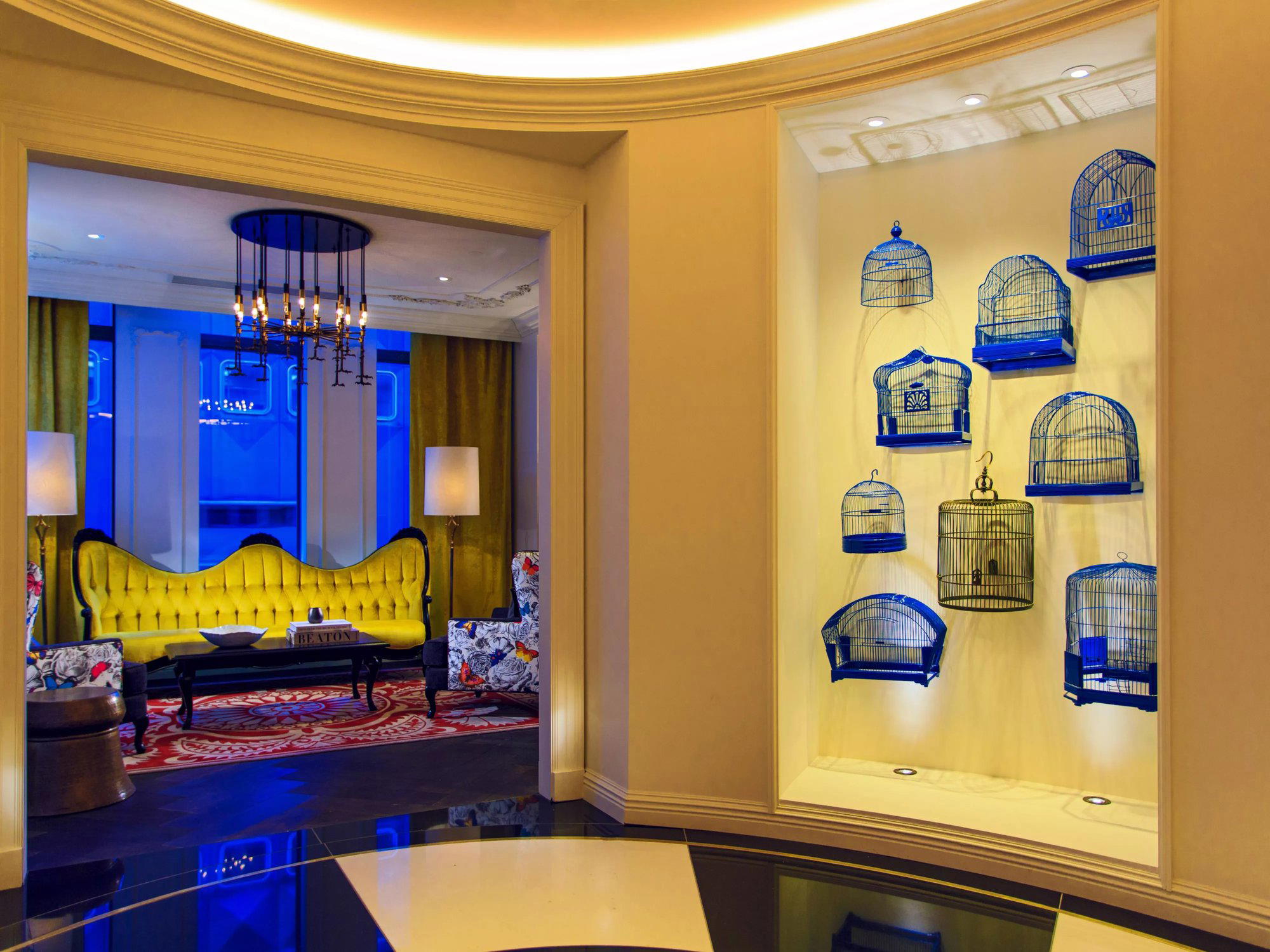
Modern yet cozy atmosphere with a relaxing and fun vibe for dining and drinks.
Know Before You Go
- Getting there
- 2030 Mackenzie Way Suite 800, Cranberry Twp, PA 16066