Willie G's
Willie G's on the West Loop occupies a distinct position in Houston's seafood dining conversation — a classic Gulf Coast steakhouse-and-seafood format that has held its ground while the city's fine dining scene has modernized around it. The menu reads as a document of regional loyalty, with Gulf shrimp, oysters, and whole fish as the structural anchors rather than chef-driven conceits.
Pearl is the En Primeur Club membership app — saves, bookings, and concierge access live there. Same editors, same standards.
- Address
- 1640 W Loop S, Houston, TX 77027
- Phone
- +17138407190
- Website
- williegs.com
- Directions
- Get directions
 Saves & bookings on Pearl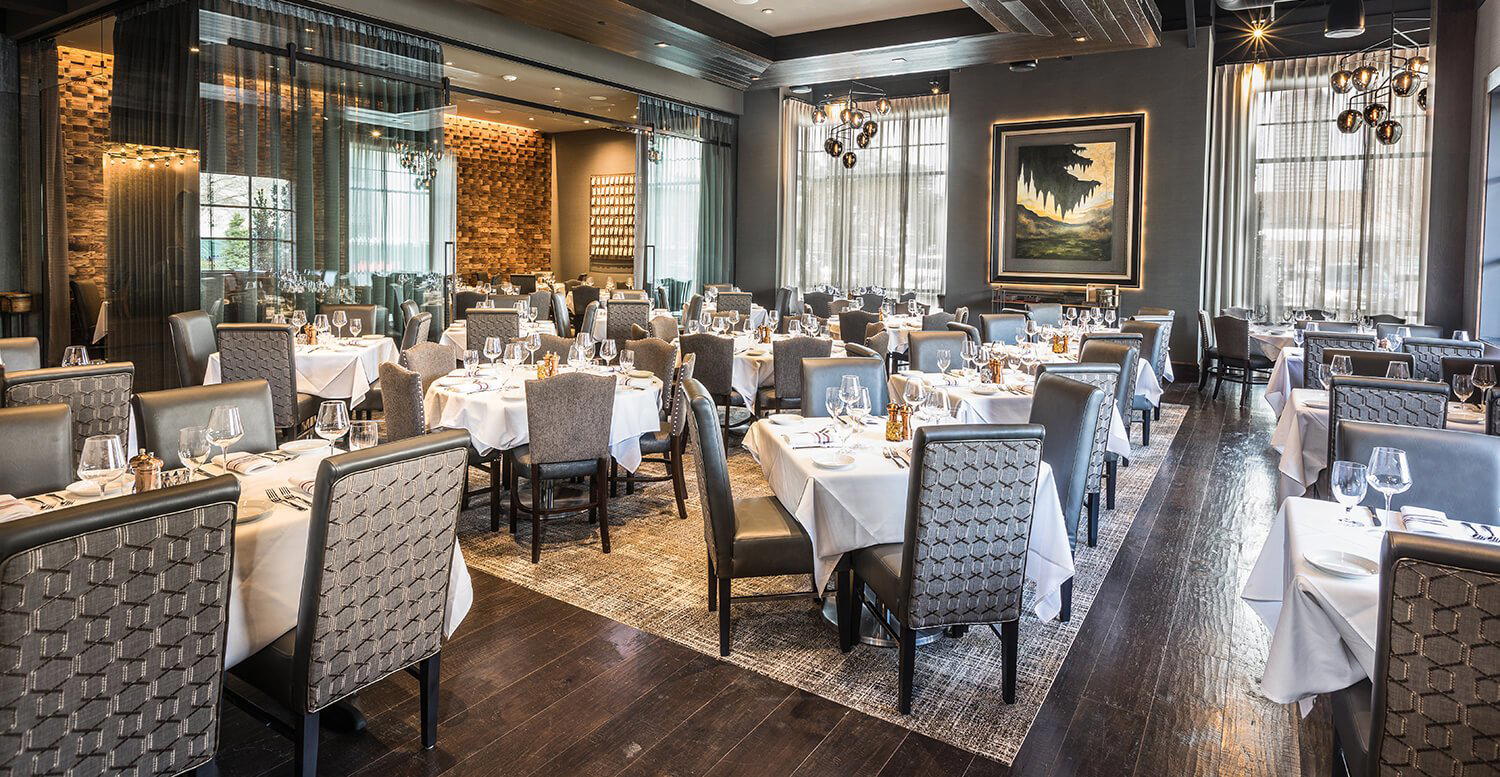
Gulf Coast on the West Loop
Houston's dining scene has split decisively over the past decade. On one side sits a generation of technique-driven rooms — venues like March, where the menu moves through Venetian culinary history, and Musaafer, which maps Indian regional cooking across a long tasting format. On the other side sits a smaller, more durable cohort of rooms that predate the city's rise as a fine dining destination and have earned their longevity not through reinvention but through consistency. Willie G's, positioned on the West Loop at 1640 W Loop S, belongs to that second group. It is a Gulf Coast seafood house in the older American tradition: wide-ranging menus, generous portions, and a kitchen whose credibility rests on sourcing proximity to the water rather than on contemporary plating conventions.
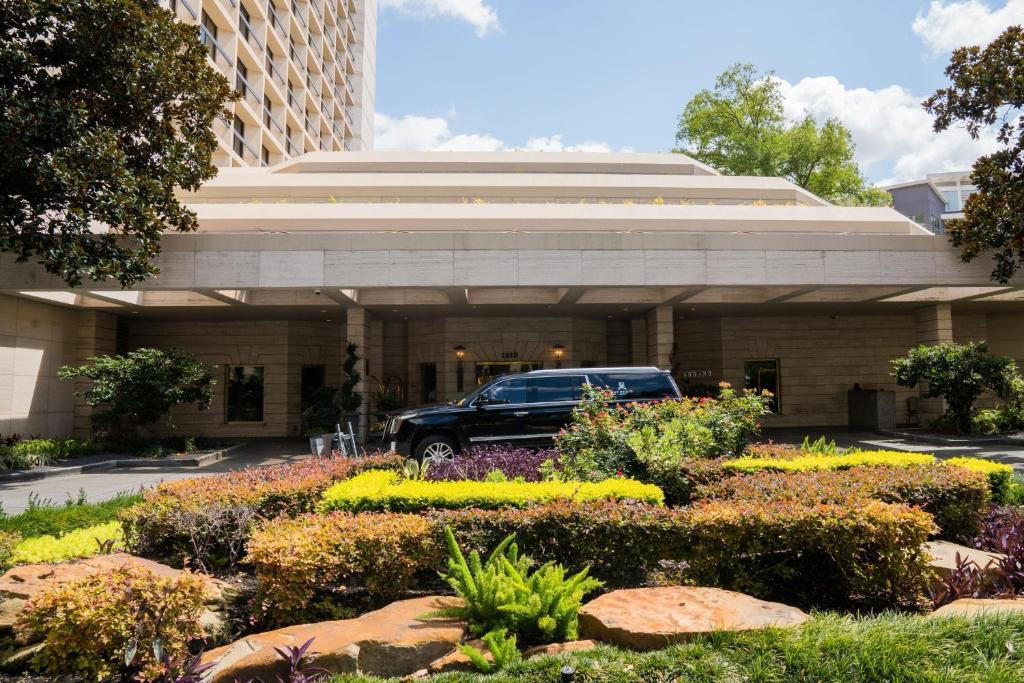
The address places it firmly in the Galleria corridor, one of Houston's densest intersections of expense accounts and leisure dining. That geography matters. Restaurants in this stretch compete less for adventurous first-timers than for repeat business from residents and business travelers who have already decided what kind of meal they want. Willie G's draws from that repeat economy, which explains the durability of its format even as the city's critical conversation has moved toward the tasting-menu and modern-casual registers occupied by places like Tatemó and BCN Taste & Tradition.
How the Menu Is Built
The architecture of a Gulf Coast seafood menu tells you something about how a kitchen understands its own tradition. At the category level, the format separates into raw bar, soups and starters, and a main course tier that runs shellfish, whole fish, and combination plates alongside a short list of beef. That last element — the steakhouse adjacency, is characteristic of the Houston Gulf seafood house in a way that distinguishes it from pure seafood operations in, say, New Orleans or coastal New England. The combination plate logic acknowledges that not every table arrives with a singular appetite, and the surf-and-turf convention is embedded deeply enough in the Gulf Coast dining tradition to read as regional rather than compromised.
Raw bar is typically where these kitchens make their most direct argument for quality. Gulf oysters, harvested from relatively warm, mineral-forward waters, behave differently on the palate from Pacific or northeastern Atlantic varieties, and a kitchen that sources them well can make the regional case without any kitchen intervention at all. Shrimp, similarly, functions as a signal: the gap between fresh Gulf shrimp and commodity frozen product is wide enough that a kitchen's approach to it communicates something about supply chain discipline. These are the structural anchors around which the rest of Willie G's menu makes sense, not decorative starters but the actual measure of what the restaurant is.
Menu's breadth is itself an editorial position. Contemporary fine dining in Houston has moved toward constraint, fewer dishes, tighter focus, longer tasting sequences. Venues like Le Jardinier Houston operate within a more curated, French-influenced framework. Willie G's runs in the opposite direction, offering a menu wide enough that two guests with entirely different appetites can eat satisfying, different meals at the same table. That generosity of scope is not a failure of editorial discipline; it reflects a different theory of what a restaurant is for.
Where It Sits in Houston's Seafood Conversation
Houston has produced serious seafood dining in multiple registers. At the highest technical end, kitchens approach Gulf product the way that Le Bernardin in New York City or Providence in Los Angeles approach the ocean: as a subject for precision cooking and fine-ingredient sourcing, with the full apparatus of modern technique applied. Willie G's does not compete in that tier.
That peer group is actually smaller than it looks from the outside. Classic Gulf seafood houses have contracted in Houston as real estate costs have risen and the market for direct, ingredient-forward seafood dining has fragmented into fast-casual on one end and high-concept on the other. The middle ground, full-service, table-cloth or near-table-cloth seafood with a broad menu and a real raw bar, has fewer occupants than it did twenty years ago. Willie G's long tenure in the Galleria corridor places it as one of the more established addresses in that specific format.
For context, the broader American fine dining conversation around seafood has moved considerably. Operations like Single Thread Farm in Healdsburg and Blue Hill at Stone Barns in Tarrytown have redefined what farm-to-table and water-to-table sourcing can look like at the premium end. Willie G's makes no such claim. It is a different kind of argument: that the Gulf Coast tradition, executed with consistency and without pretension, is worth preserving on its own terms.
Planning Your Visit
Willie G's sits in the Galleria area, accessible by car with parking typical of the West Loop corridor. For visitors using Houston's restaurant scene as a multi-night exploration, it fits naturally alongside the city's broader dining range, see our full Houston restaurants guide for how the city's neighborhoods map across cuisines and price tiers. Given its position in the Galleria business district, weekday evenings tend toward a corporate dining rhythm; weekend service skews more toward local regulars. Booking in advance is advisable for larger groups; smaller parties may find walk-in availability, particularly earlier in the evening.
Diners arriving from cities with strong seafood traditions, New Orleans, with its Emeril's as a reference point, or San Francisco's Lazy Bear for the contemporary end, will recognize the format immediately, even if the specific Gulf Coast ingredients are distinctly regional. The experience is not designed to challenge expectations; it is designed to meet them at a level of consistency that earns repeat visits.
Continue exploring
More in Houston
Restaurants in Houston
Browse all →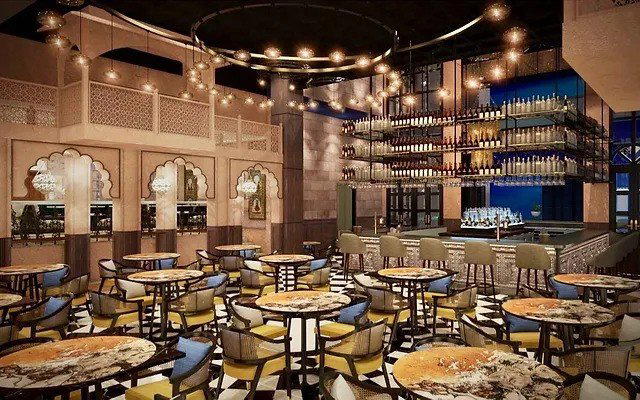
Bars in Houston
Browse all →
Hotels in Houston
Browse all →
At a Glance
- Sophisticated
- Elegant
- Modern
- Special Occasion
- Business Dinner
- Celebration
- Group Dining
- Hotel Restaurant
- Private Dining
- Standalone
- Craft Cocktails
- Extensive Wine List
- Sommelier Led
- Local Sourcing
Current opening hours
- Monday
- 11 AM–9 PM
- Tuesday
- 11 AM–10 PM
- Wednesday
- 11 AM–10 PM
- Thursday
- 11 AM–10 PM
- Friday
- 11 AM–11 PM
- Saturday
- 4–11 PM
- Sunday
- 11 AM–9 PM
Hours can change for holidays and private events. Last verified .
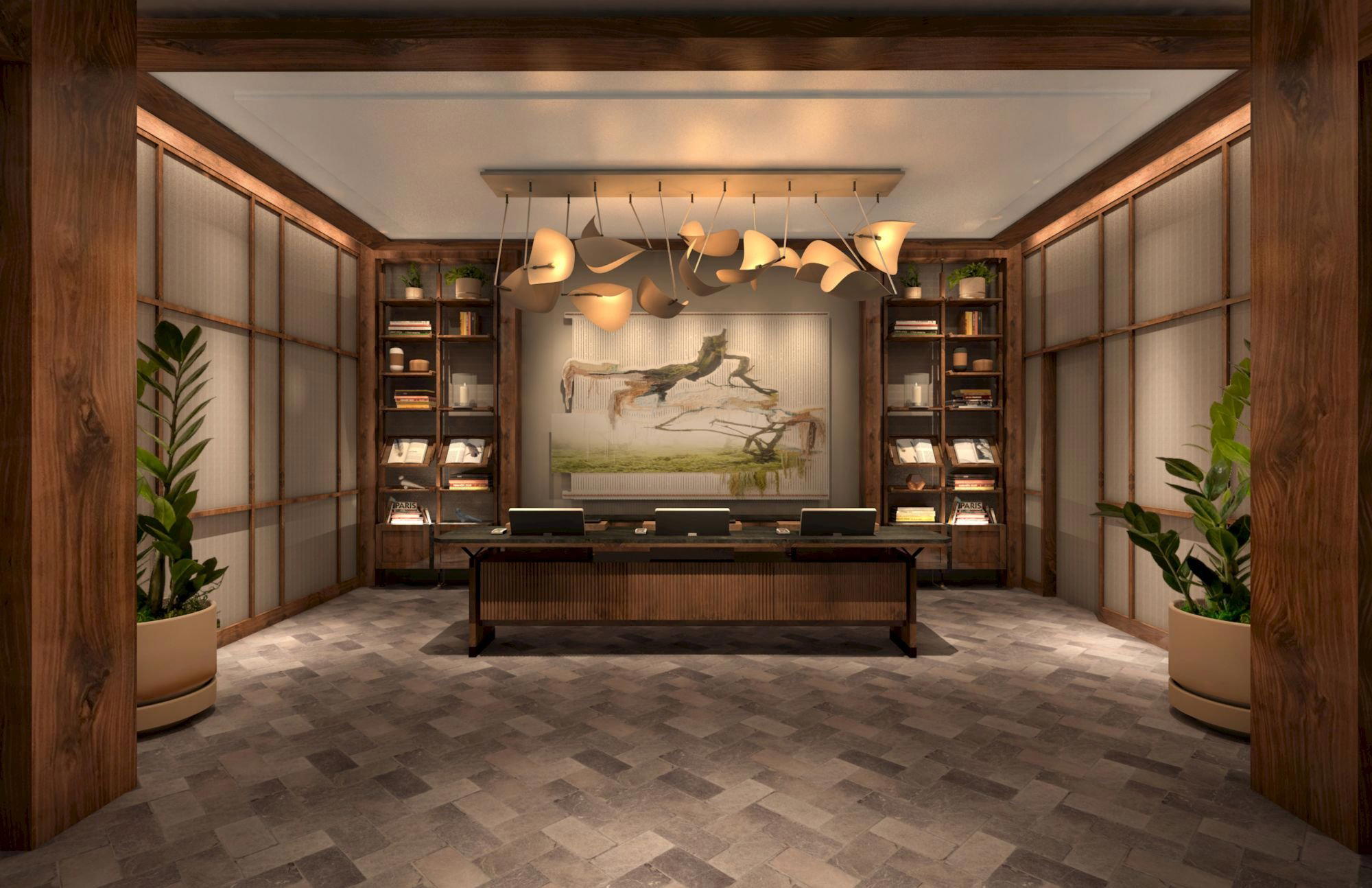
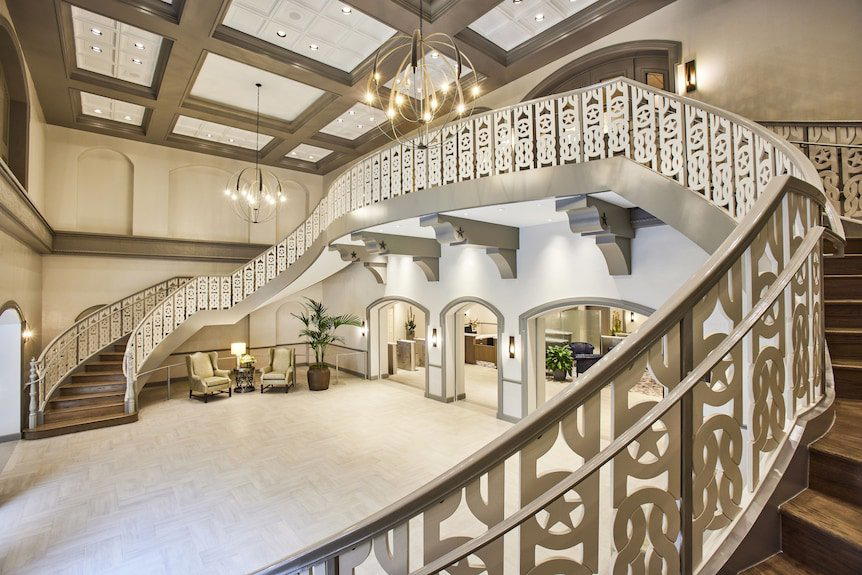
Refined and upscale, with a business-casual atmosphere suited to special occasions and business meals.
Know Before You Go
- Getting there
- 1640 W Loop S, Houston, TX 77027