JINBAR sits at 24 4 St NE in Calgary's Bridgeland neighbourhood, a stretch increasingly defined by independent operators running tight, intentional formats. The address places it within a cluster of restaurants that have helped shift how the city thinks about neighbourhood dining — away from destination-only anchors and toward daily-use spots with genuine kitchen ambition.
Pearl is the En Primeur Club membership app — saves, bookings, and concierge access live there. Same editors, same standards.
- Address
- 24 4 St NE, Calgary, AB T2E 2W5, Canada
- Phone
- +1 587 349 9008
- Website
- jinbar.ca
- Directions
- Get directions
 Saves & bookings on Pearl
Bridgeland's Quiet Shift and Where JINBAR Fits
Calgary's northeast inner-city has been renegotiating its dining identity for the better part of a decade. Bridgeland, anchored by 1st Avenue NE but extending into the side streets off the Bow River corridor, has attracted a specific type of operator: independent, format-conscious, and resistant to the kind of scale that defines the downtown core. The address at 24 4 St NE puts JINBAR squarely inside that movement, on a block that rewards the kind of deliberate neighbourhood exploration that Calgary's dining culture has been slowly learning to support. This is not the city's historic fine dining corridor, which has long run through the 17th Avenue SW strip or the Stephen Avenue pedestrian mall. It's a newer kind of anchor — smaller radius, tighter clientele, more specific in its ambitions.
In a city where comparison venues like Ten Foot Henry and Pigeonhole have defined what thoughtful New Canadian cooking looks like at a mid-scale format — vegetable-forward, wine-literate, technically grounded without theatrical excess, the question for any Bridgeland operator is how they position relative to that established playbook. Calgary's dining scene does not yet operate at the density of Toronto or Vancouver, where a restaurant like Alo or AnnaLena sits inside a layered competitive set of fifty peers. Here, individual venues carry more weight in defining neighbourhood character, which is precisely why the structural choices a kitchen makes, what it serves, how it sequences, what it leaves off the menu, carry outsized meaning.
Reading a Menu as an Argument
Menu architecture is rarely accidental at the format level where Bridgeland operators play. The decision to run a compact card versus a sprawling one, to organise by ingredient rather than course, to anchor in a specific regional tradition rather than adopt a catch-all Modern Canadian framing, each of these is an editorial stance about what kind of restaurant this wants to be. Nationally, the most critically recognised Canadian restaurants tend to make those arguments clearly. Tanière³ in Quebec City organises its menu around indigenous Canadian ingredients as a philosophical commitment. Restaurant Pearl Morissette in Lincoln integrates its biodynamic wine program directly into how dishes are sequenced. Even a more loosely structured operation like Eigensinn Farm in Singhampton uses format, the fixed, farm-driven evening, as the menu's primary statement.
In Calgary, that same logic plays out at a more accessible price tier. The city's successful neighbourhood operators tend to structure menus that reflect a clear point of view rather than attempting to cover every preference. A short, rotating card signals sourcing-led cooking. A longer, stable menu signals reliability and accessibility. The choice between them tells a regular diner more than any single dish can. What distinguishes Bridgeland's stronger operators from the looser mid-market is precisely this: the menu reads as a set of considered decisions, not as a grid of options assembled to minimise risk.
The Neighbourhood's Competitive Position
Bridgeland's dining cluster competes partly with Kensington across the river and partly with the denser 17th Avenue corridor to the south. What it offers that neither of those areas fully delivers is a walkable residential intimacy, the sense that a restaurant here is genuinely embedded in its surroundings rather than positioned for destination traffic. That character shapes the kind of formats that succeed: moderate seat counts, personal service ratios, menus that reward return visits rather than single-occasion showcase dining.
Across Calgary, the venues that have established durable reputations in this register tend to combine kitchen seriousness with social accessibility. Alloy on the southeast edge of the city has operated that balance for years, while newer entrants like Aloha Modern Kitchen and Annabelle's Kitchen Downtown show how different culinary frameworks can find footing without defaulting to the same New Canadian template. The more interesting operators bring a specific tradition or structural angle, a regional cuisine, a produce philosophy, a counter format, that differentiates them from the category default.
For the full picture of where JINBAR sits within Calgary's broader independent dining geography, the EP Club Calgary restaurants guide maps the city's current scene across neighbourhoods and formats.
How Calgary Compares to the National Reference Points
Canadian restaurant criticism has historically centralised around Montreal and Toronto, with Vancouver operating as a quieter third pole. The result is that serious operators in cities like Calgary, Halifax, or Saskatoon tend to be underrepresented in national editorial coverage relative to their actual quality. Venues like Jérôme Ferrer's Europea in Montreal or Le Bernardin in New York operate with the full tailwind of their city's media and critic ecosystems. A Bridgeland restaurant operates without that infrastructure, which means credibility is built almost entirely through the dining room, through repeat customers, word-of-mouth, and the cumulative weight of consistent execution.
That is, in some ways, a purer test. Restaurants in less-covered cities cannot rely on a single strong review to sustain them for years. The model closer to a place like Busters Barbeque in Kenora or Narval in Rimouski, regional credibility earned through community consistency rather than national profile, is actually the more durable one. Calgary's leading independent operators have learned to work within that logic.
Planning a Visit
JINBAR is located at 24 4 St NE, Calgary, AB T2E 2W5, in Bridgeland, accessible from downtown Calgary via a short drive across the Bow River or by foot over the Centre Street Bridge for those staying centrally. The neighbourhood is compact enough to combine a visit with other Bridgeland stops. Given Bridgeland's pattern of small-format operators with limited seat counts, checking availability in advance is advisable, particularly for weekend evenings when the neighbourhood's residential traffic peaks.
For context on comparable Calgary experiences within a similar radius or dining register, Alforno Eau Claire and A Certain Flair Catering at Lougheed House offer reference points across different format types. Further afield, Fogo Island Inn Dining Room and Lazy Bear in San Francisco represent what format-discipline and ingredient specificity look like at greater scale and investment, useful benchmarks for understanding what Bridgeland's operators are working toward in their own register. The Pine in Creemore offers a useful Canadian parallel for what serious, community-embedded cooking looks like outside a major urban centre.
Continue exploring
More in Calgary
Restaurants in Calgary
Browse all →

Bars in Calgary
Browse all →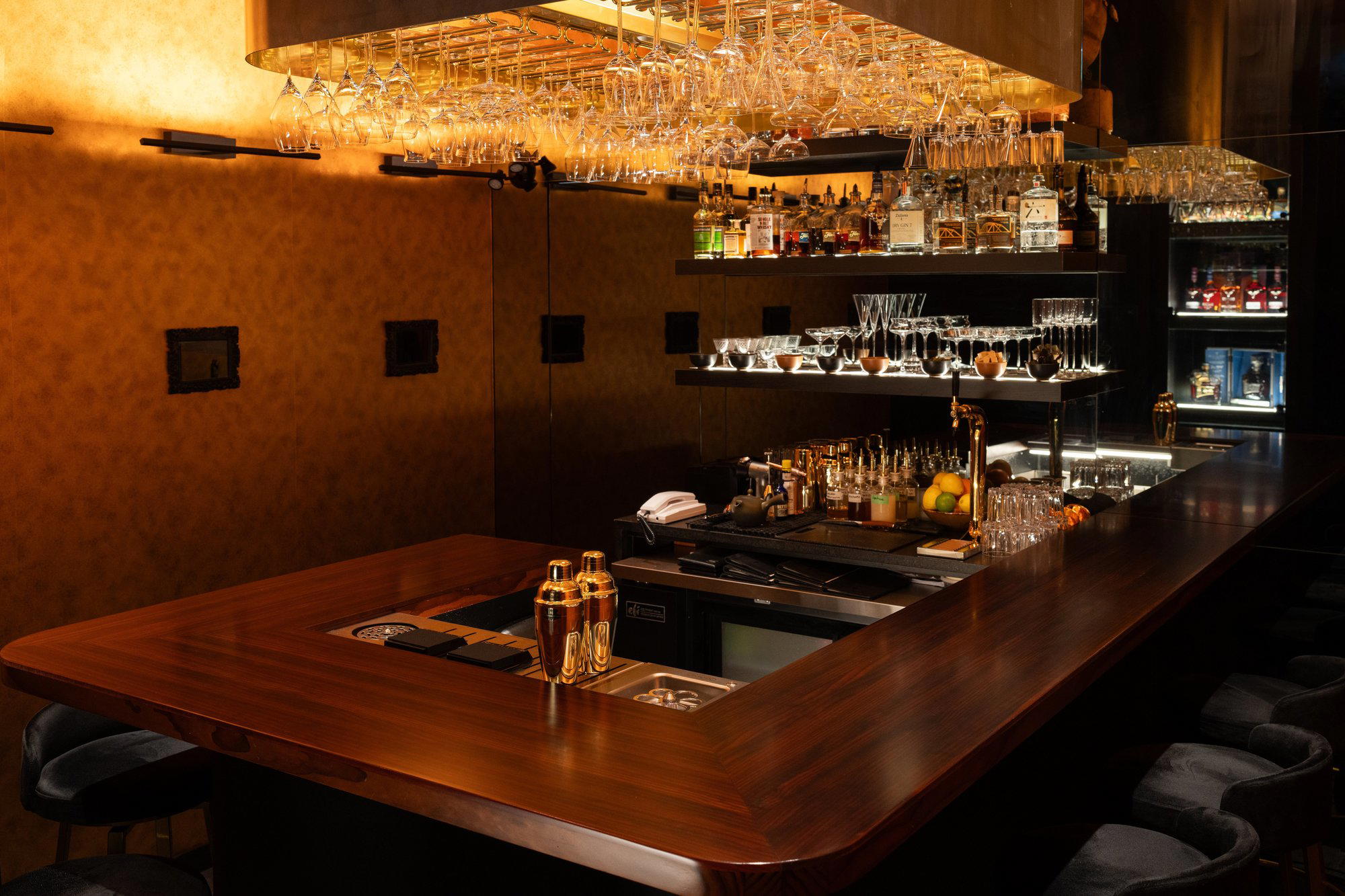

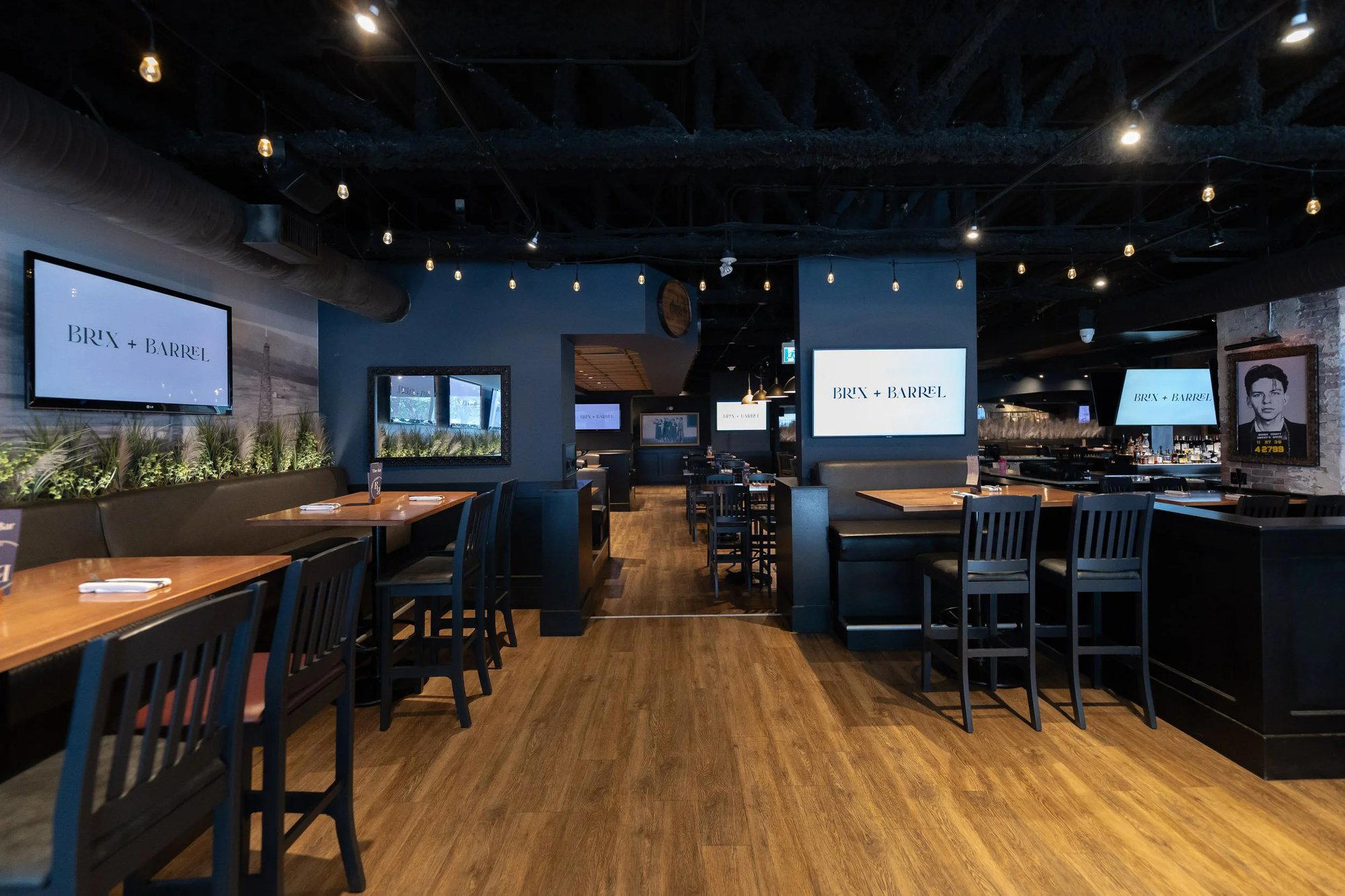
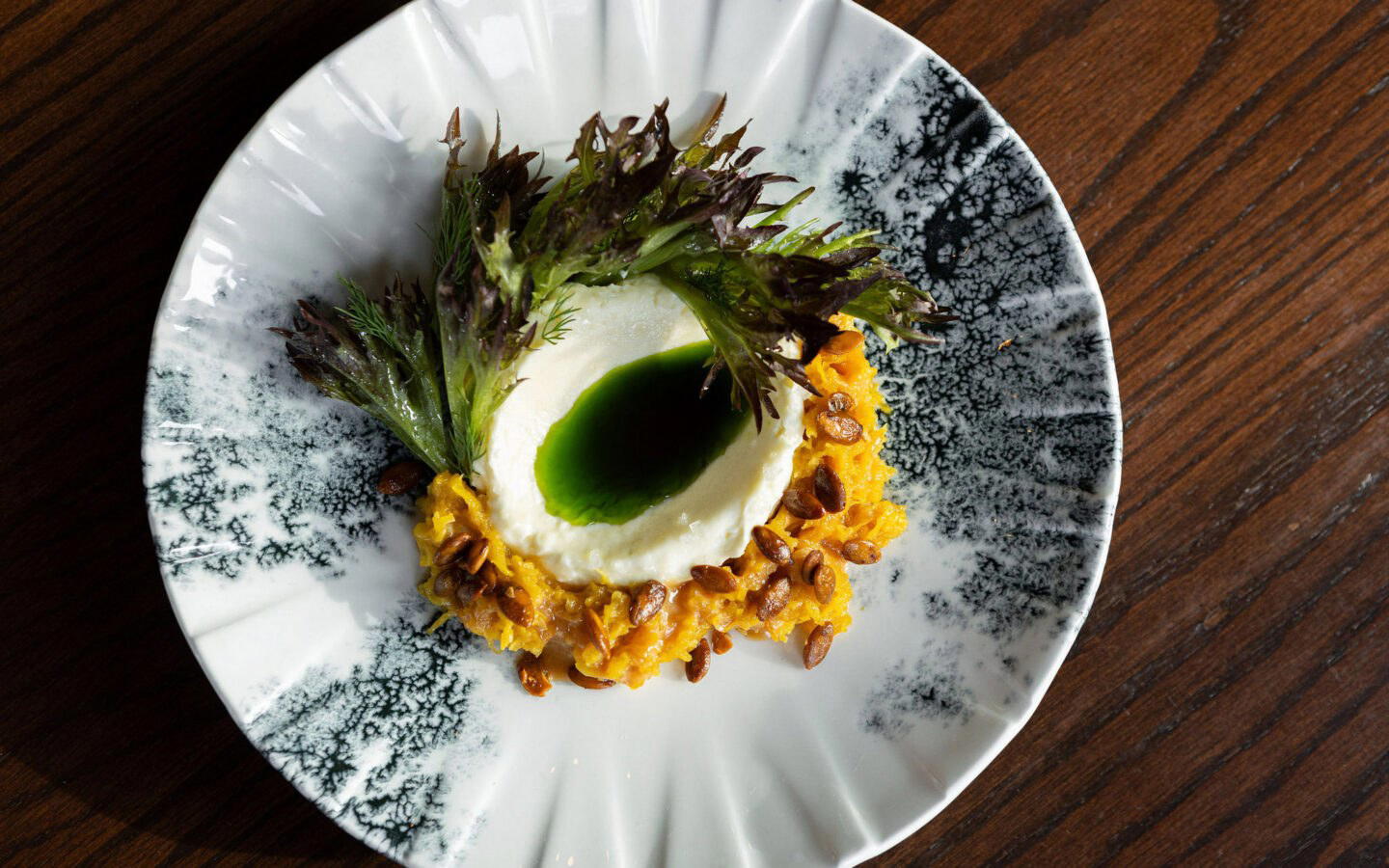
Hotels in Calgary
Browse all →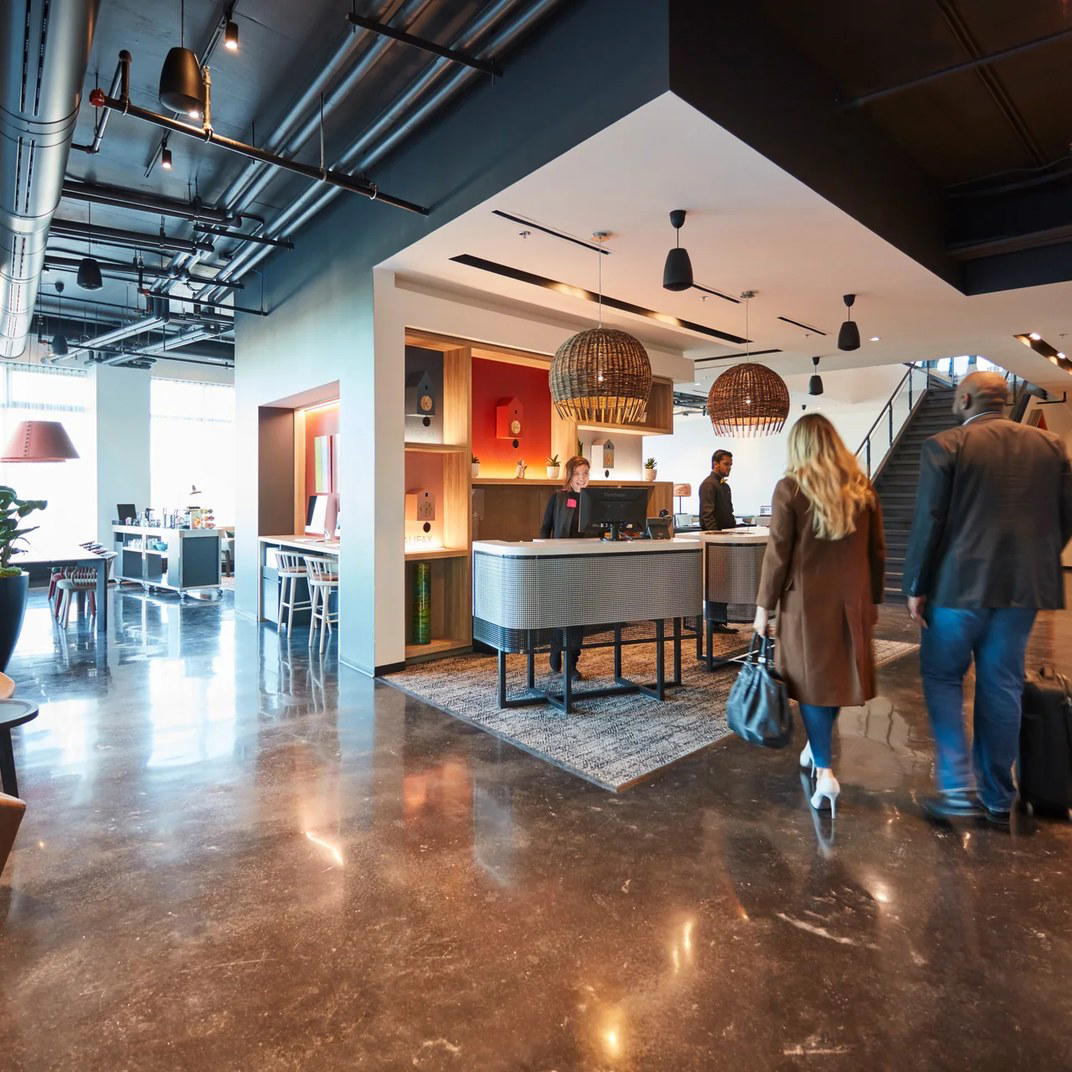

Wineries in Calgary
Browse all →
At a Glance
- Lively
- Trendy
- Cozy
- Date Night
- Group Dining
- Casual Hangout
- Brunch
- Open Kitchen
- Craft Cocktails
- Sake Program
Current opening hours
- Monday
- 4–10 PM
- Tuesday
- 4–10 PM
- Wednesday
- 4–10 PM
- Thursday
- 4–10 PM
- Friday
- 4–11 PM
- Saturday
- 4–11 PM
- Sunday
- 4–10 PM
Hours can change for holidays and private events. Last verified .
Cozy neighborhood spot with lively open kitchen, moderate noise, and lively atmosphere blending comfort and innovation.
Know Before You Go
- Getting there
- 24 4 St NE, Calgary, AB T2E 2W5, Canada