
Tabelog 100 #7
Our verdict
Jidori Yaki Fukase gives Ozu a chicken-focused address with more gravity than its rural setting suggests. The cooking sits inside Japan’s ingredient-led toriryori tradition, backed by selection for Tabelog’s Chicken Cuisine 100 in 2025, with yakitori, chicken dishes, oyako-don, sake, and shochu defining the frame rather than a broad restaurant menu.

Pearl is the En Primeur Club membership app, where members save venues, book tables and use the concierge.
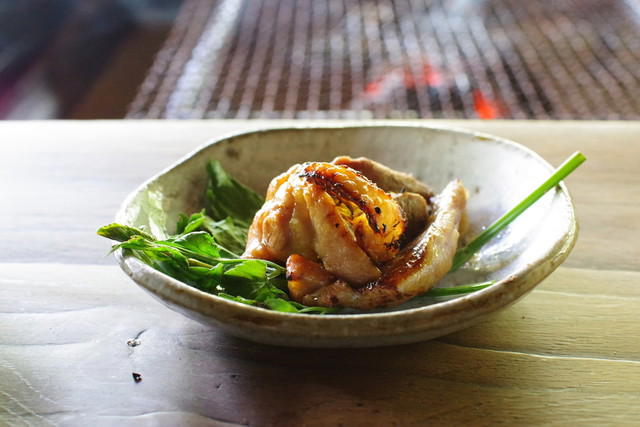
The menu
What to order
- Yakitori (grilled chicken skewers)
- Oyakodon (chicken and egg bowl)
- Karaage (deep-fried chicken)
The approach to regional chicken cooking in Ozu is different from the urban counter ritual of Tokyo yakitori. It is less about a chef performing a sequence of skewers under theatrical lighting, more about the logic of place: local roads, regional pacing, a local dining-room setting, and a narrow commitment to bird cookery. Jidori Yaki Fukase belongs to that register. In Ozu, where dining is often tied to countryside drives and small-format local rooms, a chicken specialist carries more weight than a generalist with a longer menu.
That matters because toriryori, Japan’s chicken-cuisine category, is broader than yakitori alone. It can include grilled chicken, rice bowls, set meals, and drinking food built for sake or shochu. The better regional examples tend to make sourcing feel like structure rather than decoration: the bird is not a garnish on a tasting menu, it is the reason the table exists. Selection for Tabelog’s Chicken Cuisine 100 in 2025 places Jidori Yaki Fukase in a national conversation about that category, not merely in a local lunch circuit.
Chicken as the organizing principle, not a menu section
Japan’s specialist restaurants often reveal their seriousness by what they refuse to be. A soba house does not need tempura theatrics to justify itself; a unagi counter does not need a dozen unrelated proteins. Here, the relevant frame is chicken dishes, yakitori, and oyako-don, a compact vocabulary that keeps attention on texture, fat, smoke, stock, rice, and egg rather than novelty. That restraint is a useful signal in a country where specialization can be more revealing than luxury.
For travelers, the comparison is not with a broad izakaya crawl. It is closer to the way a destination soba room or countryside eel house operates: the trip is part of the appetite, and the reward is a focused regional meal rather than a checklist of signatures. Around Ozu, that makes sense. The city’s dining rhythm is not built around late-night density; it rewards planning around daylight, local transport, and meals that justify leaving the central tourist path.
The national recognition also clarifies the restaurant’s competitive set. Tabelog’s 2025 Chicken Cuisine 100 is category-specific, which is more useful here than a generic popularity badge. It says the place is being read through the standards of chicken cookery, where grilling discipline, ingredient handling, rice bowls, and compatibility with nihonshu or shochu matter more than décor or service flourish. That is the correct lens for assessing the experience.
Why Ozu changes the expectations
Ozu is not Osaka or Ginza, and that is the point. In major cities, chicken restaurants often compete on counter intimacy, booking heat, and chef lineage. In Ozu, the equation shifts toward destination dining and a more local pace. An Ozu setting changes the tempo before the first order is placed. The meal becomes part of a day arranged around the city and its slower geography.
That slower geography should not be mistaken for casualness. Category awards in Japan can be demanding because they rank restaurants within a specific craft tradition rather than across vague lifestyle appeal. Jidori Yaki Fukase’s place in the 2025 chicken-cuisine selection gives the dining room a clear editorial reason to travel: it is an Ozu specialist in a field where Japan has deep technical standards. The value is not breadth. The value is concentration.
There is also a useful price-tier implication. In Japan, chicken specialists can sit anywhere from inexpensive neighborhood counters to highly controlled omakase rooms. Jidori Yaki Fukase is listed with dinner at JPY 3,000 - JPY 3,999 and lunch at JPY 2,000 - JPY 2,999, which makes its recognition more interesting rather than less. It suggests a category performer where the draw is not luxury signaling but the relationship between ingredient, setting, and form.
How to fold it into an Ozu itinerary
The practical reading is simple: treat this as a planned Ozu meal, not a spontaneous add-on between city sights. Ozu rewards travelers who think in clusters. Pair the restaurant with the rest of the city or a broader regional road day, then leave enough margin for local movement rather than stacking the schedule like a Tokyo station crawl. The location is Ozu, so transport choices shape the experience as much as appetite does.
For a wider city edit, start with Our full Ozu restaurants guide, then build the rest of the stay through Our full Ozu hotels guide, Our full Ozu bars guide, Our full Ozu wineries guide, and Our full Ozu experiences guide. Those city guides are more useful here than a single-meal plan because Ozu’s appeal comes from pacing, not density.
Readers comparing Japanese specialist dining beyond Ozu can use the wider idea rather than a list of unrelated name checks: beef-focused rooms, tuna-and-charcoal counters, cafés, curry specialists, burger shops, mountain huts, and other narrow formats all show how Japanese dining often builds identity through concentration. For Japanese food culture abroad, the same lesson applies when a focused format travels and the ingredient logic remains clear.
The editorial verdict is disciplined rather than romantic: this is the Ozu meal to consider when chicken is the point of the itinerary, not a safe compromise for mixed appetites. The combination of Ozu setting, category-specific national recognition, and a focused bird-cookery format gives it a sharper identity than many broader countryside dining rooms.
Frequently asked questions
Does Jidori Yaki Fukase work for a family meal?
Jidori Yaki Fukase can work for diners looking for a focused chicken meal in Ozu. The listed budget is Dinner: JPY 3,000 - JPY 3,999; Lunch: JPY 2,000 - JPY 2,999.
What's the overall feel of Jidori Yaki Fukase?
It reads as a focused Ozu chicken specialist rather than a broad generalist. The Tabelog 100 Chicken Cuisine 2025 selection gives that setting clear credibility, with chicken dishes, yakitori, and oyako-don as the relevant frame.
What price level is Jidori Yaki Fukase?
Pricing at Jidori Yaki Fukase is listed as Dinner: JPY 3,000 - JPY 3,999; Lunch: JPY 2,000 - JPY 2,999.
What days is Jidori Yaki Fukase closed?
Specific opening days and closing days are not provided here; check directly before planning a meal at Jidori Yaki Fukase.
What's Jidori Yaki Fukase's location?
Ozu.
Fast Comparison
Comparable venues by cuisine and price in the same metro.
| Venue | Cuisine | Price | Awards | Notes |
|---|---|---|---|---|
| Jidori Yaki FukaseThis venue (the venue you are viewing) | Traditional Japanese yakitori and chicken dishes | $20–30 | Tabelog 100 #7 | Not listed |
| カドヤ食堂 本店 | Japanese Ramen | $10–20 | Tabelog 100 #24 | Nishi-Ku / Nishi-Nagahori |
| 蕎麦処 そばの実 | Togakushi Soba | $20–30 | Tabelog 100 #53 | Togakushi |
| Maruyoshi Shokudo | Traditional Miyako Soba | $10–20 | Not listed | Gusukube |
| Kawakyu (とんかつ川久) | 鹿児島黒豚とんかつ | Not listed | Not listed | 鹿児島中央 |
| Kappa | Tonkatsu with Demi-Glace Sauce | $10–20 | Tabelog 100 #78 | Achi |
Recognition history
Dated appearances from independent guides and award organizations, with the underlying list record or original source where available.
Tabelog 100 #7 · No. 7
Tabelog · Tabelog 100 - Chicken cuisine - 2025
Continue exploring
More in Ozu
Restaurants in Ozu
All restaurants in Ozu →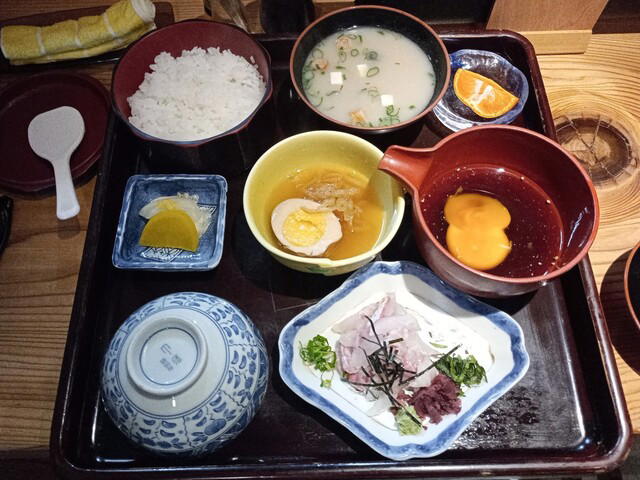
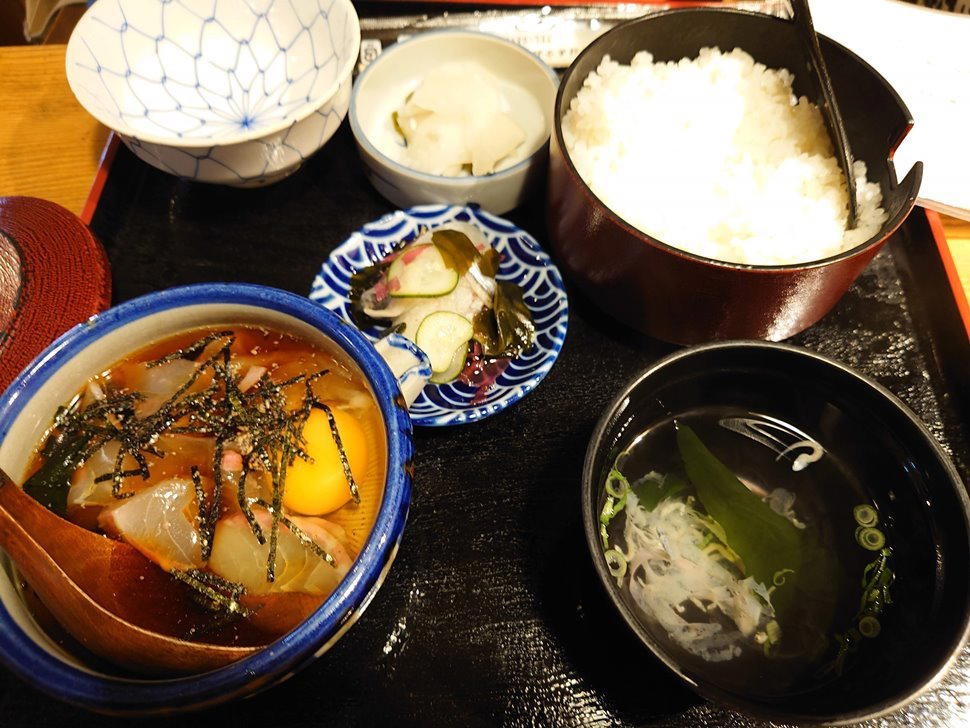
Details
- Casual Hangout
- Solo
- Family
- Group Dining
- Standalone
- A La Carte
- Beer
- Sake
Current opening hours
- Monday
- 11:30 AM–2 PM
- Tuesday
- Closed
- Wednesday
- 11:30 AM–2 PM
- Thursday
- 11:30 AM–2 PM
- Friday
- 11:30 AM–2 PM
- Saturday
- 11:30 AM–2 PM
- Sunday
- 11:30 AM–2 PM
Hours can change for holidays and private events. Hours as of .
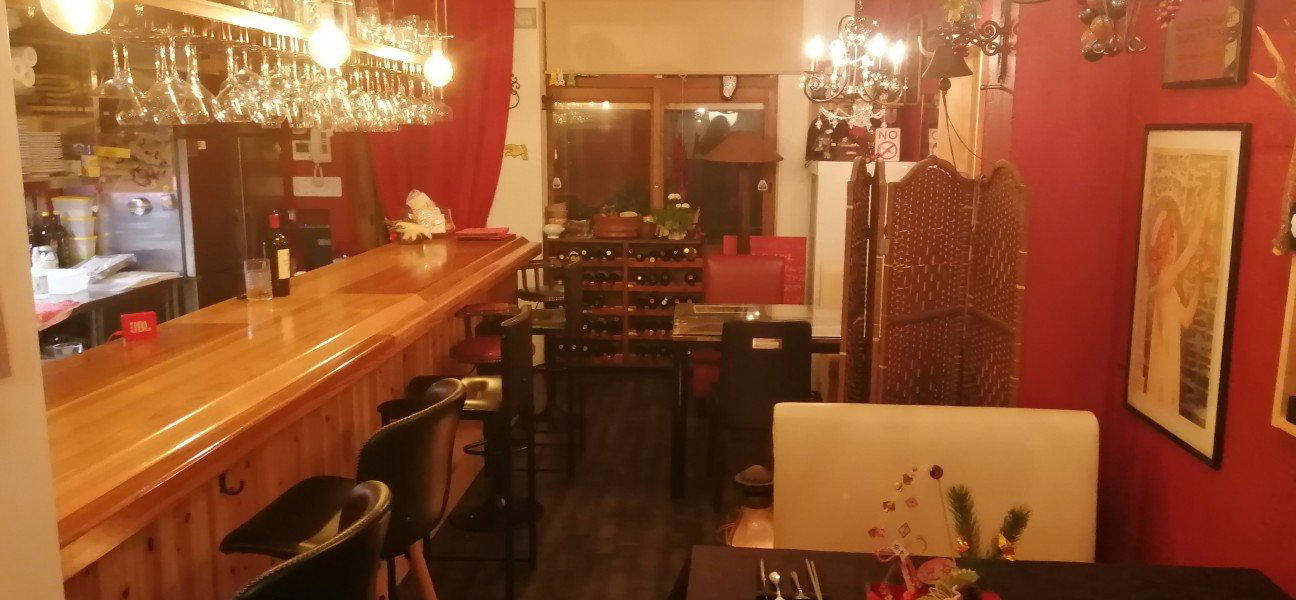
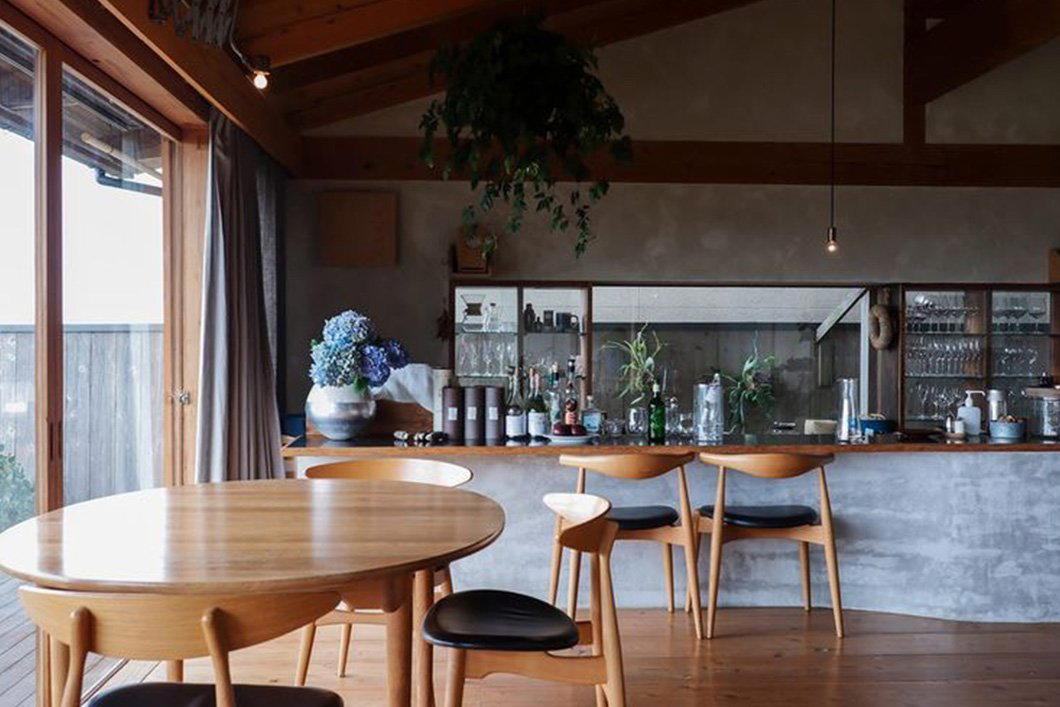
Based on Japanese review platforms, Jidori Yaki Fukase is a simple, rural-style chicken restaurant with a relaxed, no-frills atmosphere focused on hearty grilled chicken rather than design or décor.