
Tabelog 100 #29
Our verdict
Shanghai Tenshin Yoen puts Matsuyama’s Chinese dining scene in a precise, everyday register: dim sum, yum cha, pork buns and dumplings rather than banquet-room grandstanding. Its 2026 Tabelog 100 Chinese WEST selection gives it a clear regional signal, while the format stays useful for families, friends and travelers looking beyond the city’s better-known Japanese cooking routes.

Pearl is the En Primeur Club membership app — saves, bookings, and concierge access live there. Same editors, same standards.
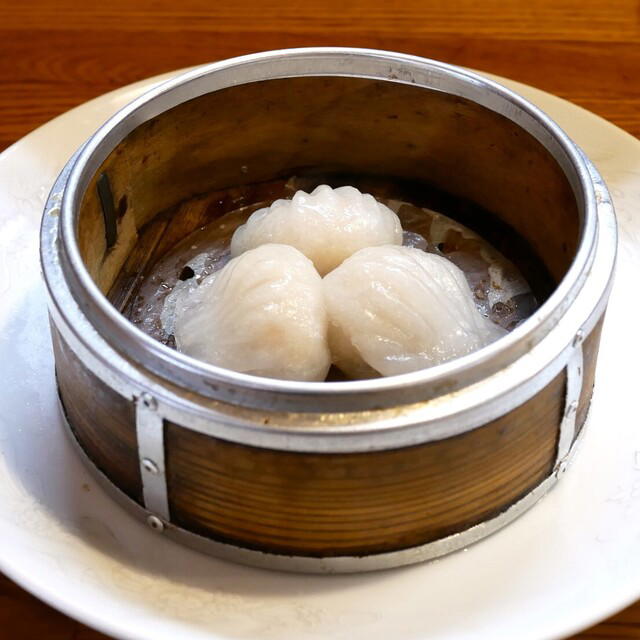
Approaching Shanghai Tenshin Yoen in Matsuyama, the city feels less like restaurant theatre than a place where serious meals fold into ordinary movement: station walks, family errands, small groups meeting before evening. Here, the appeal is direct rather than ceremonial, with dim sum, yum cha, pork buns and dumplings making the case for the table.
That matters because Matsuyama’s dining identity is often read first through local Japanese references: hot-spring travel, Setouchi seafood, udon, izakaya rhythms, and citrus-country brightness. A restaurant gaining 2026 Tabelog Hyakumeiten recognition reframes the city. It shows that Matsuyama’s strongest food addresses are not limited to the most obvious local categories. Ehime has pockets of craft too, and this one is built around dough, steam, filling and the shared-plate logic that makes this style of cooking work outside formal tasting-menu culture.
Dim sum gives Matsuyama's Chinese scene its clearest argument
Dim sum and yum cha are ingredient-led even when the room feels casual. Quality rests on small decisions: how a wrapper holds, how pork filling is seasoned, how dumplings survive the gap between kitchen and table, and how much restraint the kitchen shows with oil, salt and sweetness. Shanghai Tenshin Yoen’s category listing, centered on dim sum, pork bun and dumpling cooking, puts it in a narrow lane rather than the sprawling restaurant model where every style competes for attention.
That focus is a strength. In regional Japanese cities, restaurants in this category often serve as democratic dining rooms for groups that want breadth without ceremony. The better examples use familiar forms to show control: a bun soft without turning heavy, a dumpling structured without feeling mechanical, and a yum cha table paced for ordering in rounds. The point is not luxury, but repetition careful enough to earn loyalty.
The 2026 Tabelog Hyakumeiten recognition is the clearest external trust signal. Tabelog’s Hyakumeiten lists are not Michelin-style star ratings; they are category-specific recognitions. For travelers, that distinction helps: it points to standing inside a cuisine category rather than a fine-dining destination chasing international ceremony. Shanghai Tenshin Yoen’s listed score of 3.67 adds a useful read on its position within that user-review ecosystem.
Price-tier context sharpens the read. Matsuyama ranges from accessible comfort-food institutions such as Kotori and Nabeyaki Udon Asahi to higher local spend categories such as Sakana Kobo Maruman. Shanghai Tenshin Yoen sits in an approachable range, with dinner listed at JPY 3,000 - JPY 3,999 and lunch at JPY 2,000 - JPY 2,999. For travelers mapping the city, it is a useful counterpoint to other Matsuyama dining rooms across Japanese and casual specialist formats.
A grounded format keeps the room accessible
The restaurant’s appeal is best understood through use rather than spectacle. Matsuyama does not need every serious table to announce itself through design language. Here, the experience reads closer to an everyday local dining room than a destination built around ceremony, which suits the format: dumplings and buns are social food, and the meal works best when ordered with sharing in mind.
That practical quality explains the restaurant’s broader utility. Small plates suit solo diners and pairs after a compact meal; shared ordering suits groups; and the category itself gives the restaurant a role in local gathering culture, not just destination dining. The important point is accessibility: a recognized address can still feel like part of everyday Matsuyama rather than a hushed special-occasion room.
The same logic applies to how to order. A meal here is less about chasing a single signature than building rhythm across dim sum, pork buns and dumplings. In Japan’s regional cities, those practical details often say as much about a restaurant’s place in local life as any chef biography, especially when the strongest evidence comes from category focus and outside recognition.
For a wider Matsuyama itinerary, Shanghai Tenshin Yoen works in a city that rewards cross-category eating rather than single-style devotion. Pair small plates with unnamed local noodle stops, Japanese dining rooms, or a broader scan through our full Matsuyama restaurants guide. Travelers building a fuller trip can also use our full Matsuyama hotels guide, our full Matsuyama bars guide, our full Matsuyama wineries guide and our full Matsuyama experiences guide.
How to read it against Japan's broader casual-specialist tier
Across Japan, the casual-specialist restaurant has become one of the country’s strongest dining formats: narrow focus, modest spend, high repeat value. Shanghai Tenshin Yoen fits that pattern more convincingly than the prestige-restaurant model. Its value lies in category discipline and regional recognition, not chef mythology or theatrical service.
That comparison extends beyond Matsuyama without needing a roll call of unrelated addresses. Japan’s city-by-city food culture is full of small-format specialists that gain meaning from repetition, neighborhood use and a clear category promise. The same lesson appears in many places: tight formats travel better than vague ambition, and restaurants with a clear reason to exist are easier for visitors to understand.
The editorial read is simple: choose Shanghai Tenshin Yoen when the meal calls for dim sum, pork buns and dumplings with enough regional validation to justify the detour from Matsuyama’s obvious Japanese routes. The restaurant’s strength is not spectacle, but the confidence of a category specialist in a city where better meals often reveal themselves through everyday formats.
Frequently asked questions
Can I bring kids to Shanghai Tenshin Yoen?
Shanghai Tenshin Yoen is best read as an accessible Matsuyama restaurant rather than a formal destination. For current child, stroller or seating policies, confirm directly with the restaurant before visiting.
What should I expect atmosphere-wise at Shanghai Tenshin Yoen?
Expect a practical Matsuyama restaurant centered on dim sum, yum cha, pork buns and dumplings rather than a polished fine-dining room. The 2026 Tabelog Hyakumeiten recognition frames it as a serious local address with category recognition.
Is Shanghai Tenshin Yoen expensive?
Pricing at Shanghai Tenshin Yoen is listed as dinner JPY 3,000 - JPY 3,999 and lunch JPY 2,000 - JPY 2,999.
What are the operating hours at Shanghai Tenshin Yoen?
Operating hours are not provided here. Check directly with Shanghai Tenshin Yoen before visiting.
Where do I go for Shanghai Tenshin Yoen?
Matsuyama.
How It Stacks Up
Comparable venues by cuisine and price in the same metro.
| Venue | Cuisine | Price | Awards | Notes |
|---|---|---|---|---|
| Shanghai Tenshin YoenThis venue (the venue you are viewing) | Casual Dim Sum & Chinese Comfort Food | $20–30 | Tabelog 100 #29 | Not listed |
| 上海点心 豫園 | Casual Dim Sum & Chinese Comfort Food | $20–30 | Tabelog 100 #29 | 朝生田町 |
| Sakana Kobo Maruman | Seafood Izakaya | $30–50 | Tabelog 100 #61 | Gioncho |
| Sumishin | Traditional Yakitori & Chicken Dishes | $50–100 | Tabelog 100 #51 | Okaido |
| Dogo Kaishu | Setouchi Kaiseki | $150–200 | Tabelog Bronze #155 | Dogo Onsen |
| Kiri no Mori Kashi Kobo Matsuyama ten | Japanese Traditional Sweets | $1–10 | Tabelog 100 #51 | Okaido |
Recognition history
Dated appearances from independent guides and award organizations, with the underlying list record or original source where available.
Tabelog 100 #29 · No. 29
Tabelog · Tabelog 100 - Chinese cuisine - WEST - 2026
Continue exploring
More in Matsuyama
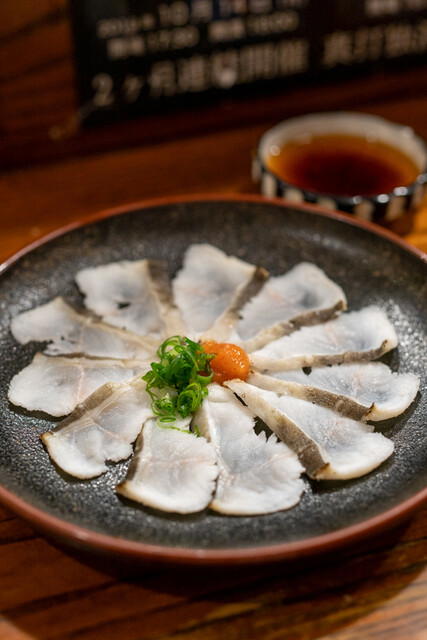
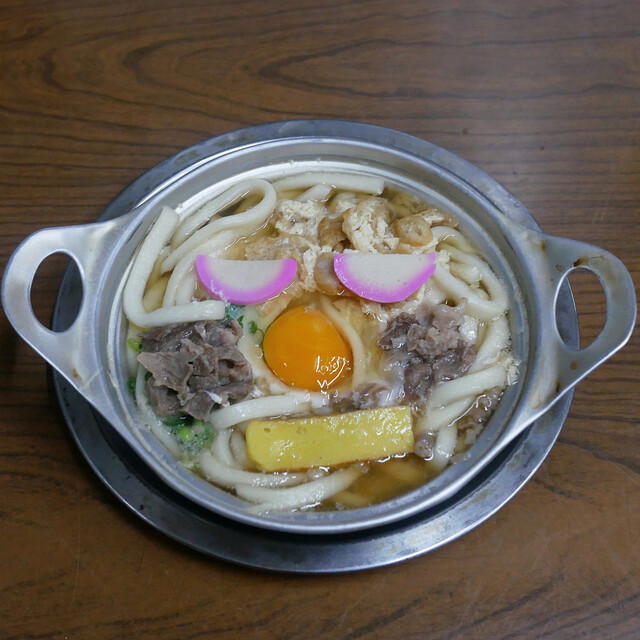
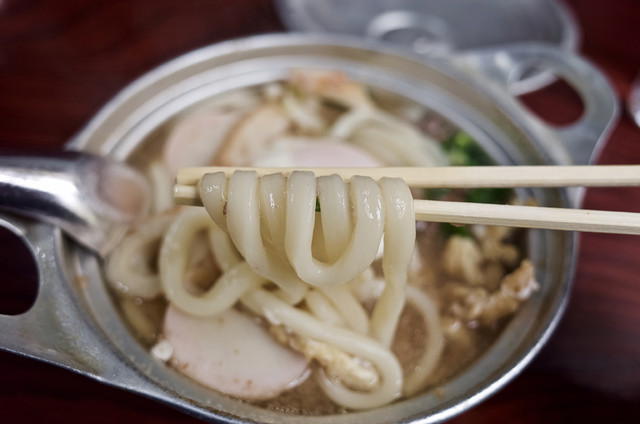
Details
- Cozy
- Lively
- Classic
- Casual Hangout
- Family
- Group Dining
- After Work
- Solo
- Standalone
- A La Carte
- Small Plates
Current opening hours
- Monday
- 11 AM–3 PM, 5–9:30 PM
- Tuesday
- 11 AM–3 PM, 5–9:30 PM
- Wednesday
- Closed
- Thursday
- 11 AM–3 PM, 5–9:30 PM
- Friday
- 11 AM–3 PM, 5–9:30 PM
- Saturday
- 11 AM–3 PM, 5–9:30 PM
- Sunday
- 11 AM–3 PM, 5–9:30 PM
Hours can change for holidays and private events. Last verified .
Casual, house-style Chinese restaurant with a cozy, neighborhood feel, combining counter seats and table seating suited to both solo diners and small groups or banquets.