Jidori Anjo no Hira

Jidori Anjo no Hira puts Miyazaki chicken cooking in a rural Aya context rather than a city dining room frame. Its Tabelog 100 Chicken cuisine 2025 selection, modest lunch pricing, private-room availability, parking, and no-reservation format make it a useful marker for how regional poultry restaurants can carry serious recognition without adopting metropolitan fine-dining codes.
Pearl is the En Primeur Club membership app — saves, bookings, and concierge access live there. Same editors, same standards.
- Address
- 2794-2 Irino, Aya, Higashimorokata District, Miyazaki 880-1301, Japan
- Phone
- +81 985-77-2110
- Website
- tabelog.com
 Saves & bookings on Pearl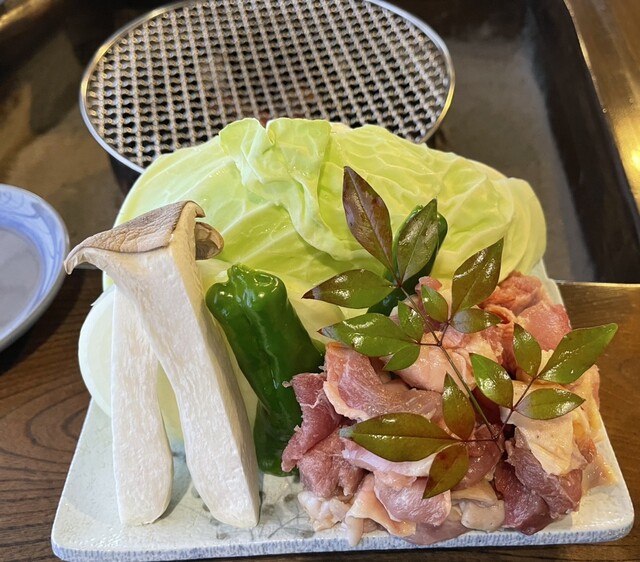
Approaching chicken cooking in Miyazaki means starting with land rather than polish. The prefecture’s jidori culture is tied to farming districts, charcoal heat, and restaurants that often read closer to local eating houses than metropolitan tasting-menu rooms. Jidori Anjo no Hira belongs to that grammar: a rural Aya address, chicken dishes as the stated category, and a level of national recognition that places the restaurant inside Japan’s serious poultry conversation without shifting it into luxury-restaurant theatre.
That matters because chicken in Japan can occupy two different lanes. In major cities, the premium version is often counter-led yakitori, priced by course structure, chef pacing, and scarcity. In regional Kyushu, the emphasis can move toward product identity, directness, and a meal built around the bird rather than the performance of the counter. For readers mapping the wider area, our full Higashimorokata-gun restaurants guide gives the local dining frame, while our full Higashimorokata-gun hotels guide, our full Higashimorokata-gun bars guide, our full Higashimorokata-gun wineries guide, and our full Higashimorokata-gun experiences guide help place the meal within a broader rural Miyazaki itinerary.
Miyazaki chicken culture, measured by sourcing rather than ceremony
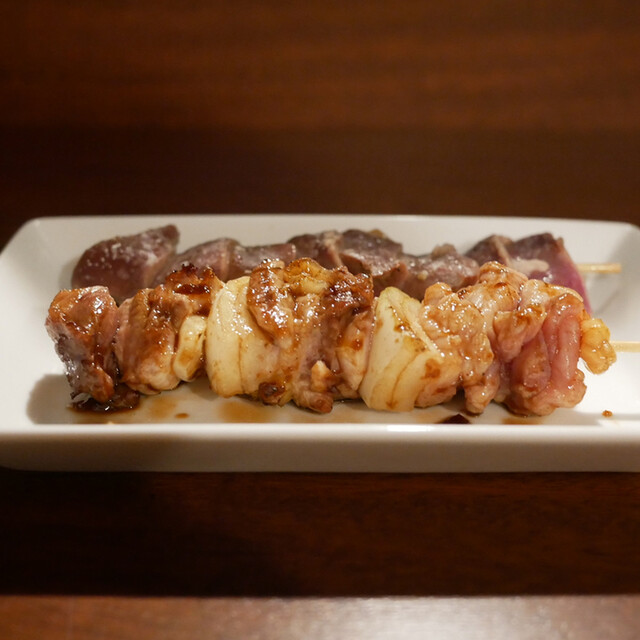
The ingredient story is the central reason to pay attention here. Miyazaki has long had a stronger agricultural and poultry identity than its size on the national dining map might suggest, and restaurants built around jidori are part of that regional self-definition. The point is not rarity for its own sake; it is the way local chicken cooking uses breed, handling, charcoal, and simple accompaniments to make the bird the structure of the meal.
Jidori Anjo no Hira’s selection for Tabelog 100 Chicken cuisine 2025 is the clearest trust signal. Tabelog’s Hyakumeiten lists tend to reward depth within a category rather than general glamour, so a chicken-cuisine selection carries different meaning from a broad fine-dining award. It signals that the restaurant is being judged inside a specialist lane, where the comparison is other poultry-focused venues, not French dégustation rooms or sushi counters.
The pricing also says something about the format. A JPY 2,000 to JPY 2,999 average based on reviews places the experience in an accessible regional band, far below the higher-priced out-of-metro comparison of GIGLI at JPY 15,000 to JPY 19,999 and below midrange peers such as Takamime at JPY 5,000 to JPY 5,999 or Waribashi at JPY 4,000 to JPY 4,999. GRILL Ranman occupies a similar lower price band, but the useful distinction is category focus: Jidori Anjo no Hira is recognised specifically for chicken cuisine, not simply as a casual regional restaurant.
A rural room with national category recognition
Restaurants of this type rarely benefit from the shorthand that city diners use. There is no chef biography to decode, no public tasting-menu architecture to compare, and no star system doing the explanatory work. Instead, the editorial read comes from format signals: chicken dishes, private rooms, parking, credit-card acceptance, and a no-reservation policy. Those details point to a local-use restaurant with enough pull to attract category-focused diners, not a destination engineered only for visitors.
The no-reservation format changes the decision. It makes the restaurant less suitable for tightly staged luxury itineraries and more appropriate for travellers already moving through Aya or Higashimorokata District with flexibility. Lunch carries the clearest published spending guidance, and the opening pattern includes midday and evening service on operating days, with Tuesday and Wednesday closures. That rhythm suits a day built around rural Miyazaki rather than a late-night city crawl.
Private rooms and private use availability add another clue about the feel. This is not necessarily the intimate counter model associated with high-end urban yakitori. It reads as a place where groups can eat chicken seriously without the pressure of hushed ceremony. The listed occasion leans toward friends, which matches the price point and the countryside setting: structured enough to reward a deliberate detour, relaxed enough to avoid the stiffness that can attach itself to award-led dining.
For readers comparing Japan dining formats more broadly, the contrast is useful. -Grilled beef Sukiyaki- KAMAKURA TANUKIAN 鎌倉 たぬき庵 in Kamakura sits in a beef-sukiyaki lane, . 鮪と炭火焼き うお炭 秋葉原店 in Tokyo points toward tuna and charcoal in the capital, and [ki:] in Kyoto belongs to a different urban dining register. The Miyazaki chicken model asks a simpler question: how much character can a region draw from one ingredient when the room is not trying to behave like Tokyo?
How to read it against a wider Japan itinerary
The restaurant is strongest as a regional food stop rather than a trophy reservation. That distinction is important. The reward is not access theatre; reservations are unavailable. The appeal lies in seeing how a specialist category restaurant in Miyazaki can earn national list recognition while keeping a local price structure and practical rural amenities such as parking.
The broader Japan dining map contains many small-format specialists, from .cafe in Osaka and.know in Kumamoto to (Shoku) Vietnam in Kawasaki, [Curry Senmon Ten] Maruyama Kyoju. in Sapporo, #肉といえば松田 奈良本店 in Kashihara, 1/3 HAMBURGER FACTORY in Kanazawa, 1000 in Yokohama, and 1000mヒュッテ 1000m Hut in Kutchan. Seen alongside international Japanese-adjacent addresses such as Jōdo Saké Bar in Los Angeles and Onigiri Time in Pasadena, the Aya address is a reminder that regional Japanese dining often explains itself through product, locality, and habit rather than exportable style.
The editorial recommendation is narrow but firm: make the detour if Miyazaki chicken is part of the reason for being in the area, or if a trip through Aya needs a meal with a clear local anchor. For travellers chasing elaborate service choreography, the better fit will be elsewhere. For those interested in how an agricultural prefecture turns poultry into a recognised dining category, this is the relevant kind of room.
In Context: Similar Options
Comparable venues by cuisine and price in the same metro.
| Venue | Cuisine | Price | Notes |
|---|---|---|---|
| Jidori Anjo no Hira | Traditional Miyazaki jidori chicken over charcoal | $$ | Aya Town, Higashimorokata District |
| RED HOUSE (レッドハウス) | Japanese Slope-Side Casual | $$ | 安比高原 |
| 工房・レストランMORI | Seasonal Japanese Forest Cuisine | $$ | 久美浜町 |
| HIKINIKU TO COME (挽肉と米) | Japanese Hamburger Steak with Rice | $$ | Shibuya |
| Irori (いろり) | 白川郷郷土料理 | $$ | 白川村荻町 |
| Fukutaro (福太郎) | Osaka Okonomiyaki & Negiyaki | $$ | Sennichimae |
Recognition history
Dated appearances from independent guides and award organizations, with the underlying list record or original source where available.
Tabelog 100 #21 · No. 21
Tabelog · Tabelog 100 - Chicken cuisine - 2025
Continue exploring
More in Higashimorokata-gun
Restaurants in Higashimorokata-gun
Browse all →
At a Glance
- Rustic
- Cozy
- Classic
- Group Dining
- Casual Hangout
- Family
- Celebration
- Historic Building
- Standalone
- Private Dining
- Local Sourcing
Current opening hours
- Monday
- 11 AM–2 PM, 6–10 PM
- Tuesday
- Closed
- Wednesday
- Closed
- Thursday
- 11 AM–2 PM, 6–10 PM
- Friday
- 11 AM–2 PM, 6–10 PM
- Saturday
- 11 AM–2 PM, 6–10 PM
- Sunday
- 11 AM–2 PM, 6–10 PM
Hours can change for holidays and private events. Last verified .
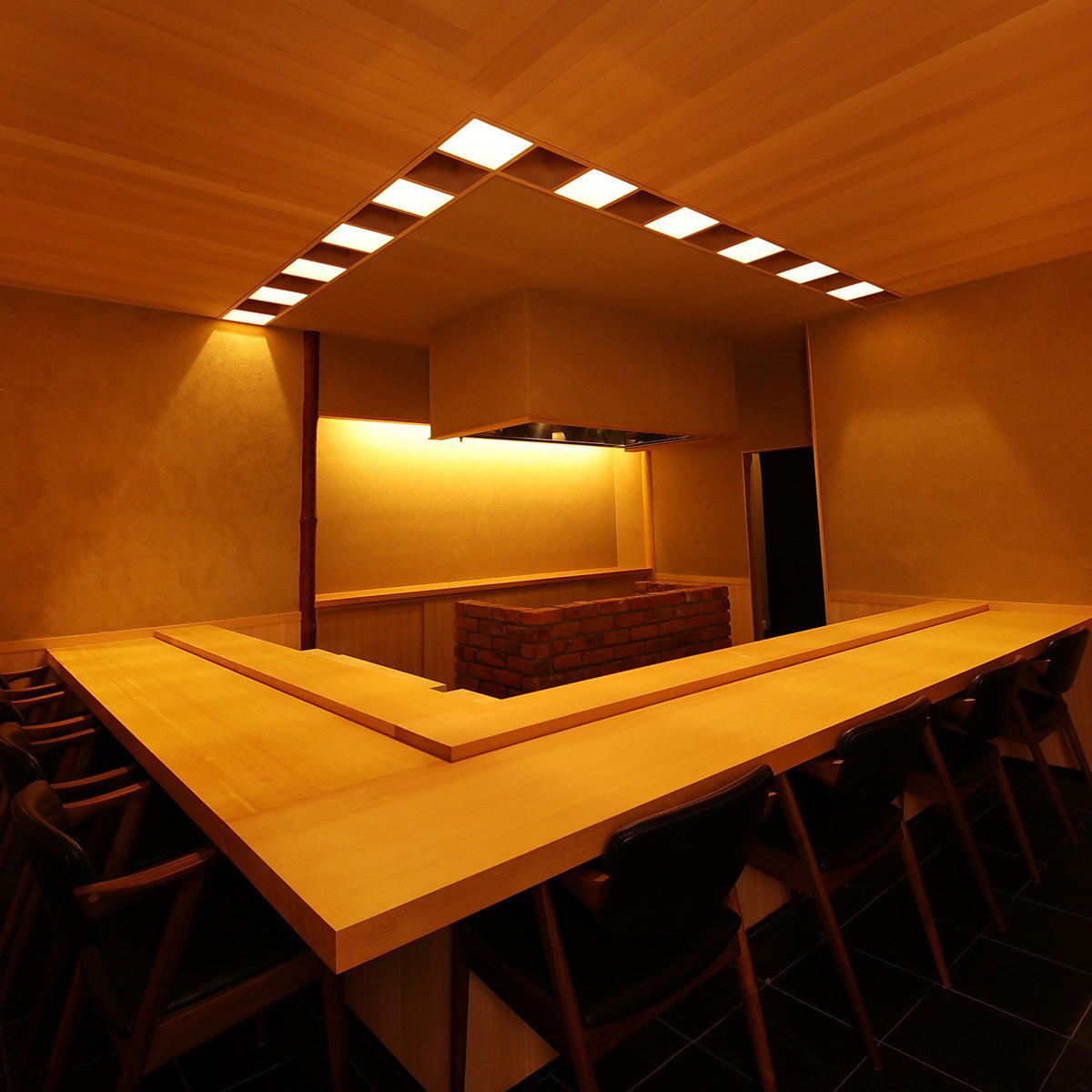
Warm and rustic traditional-house interior centered around an irori sunken hearth, with the smoky aroma of charcoal-grilled chicken and a relaxed, convivial atmosphere suited to friends sharing set meals.