


1 Michelin Star · Les Grandes Tables du Monde Member · Gault & Millau Remarkable Restaurant
Our verdict
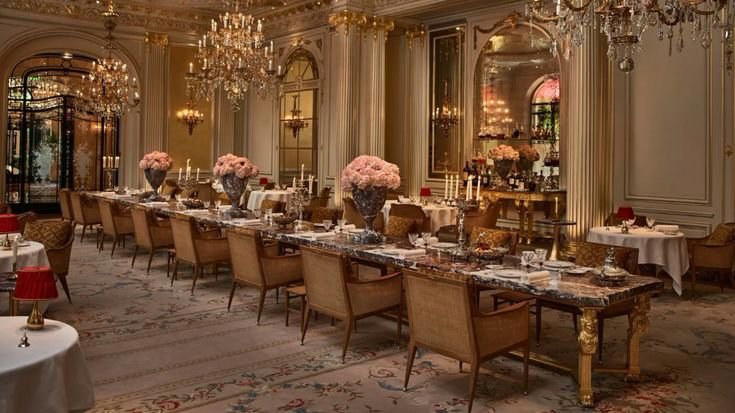
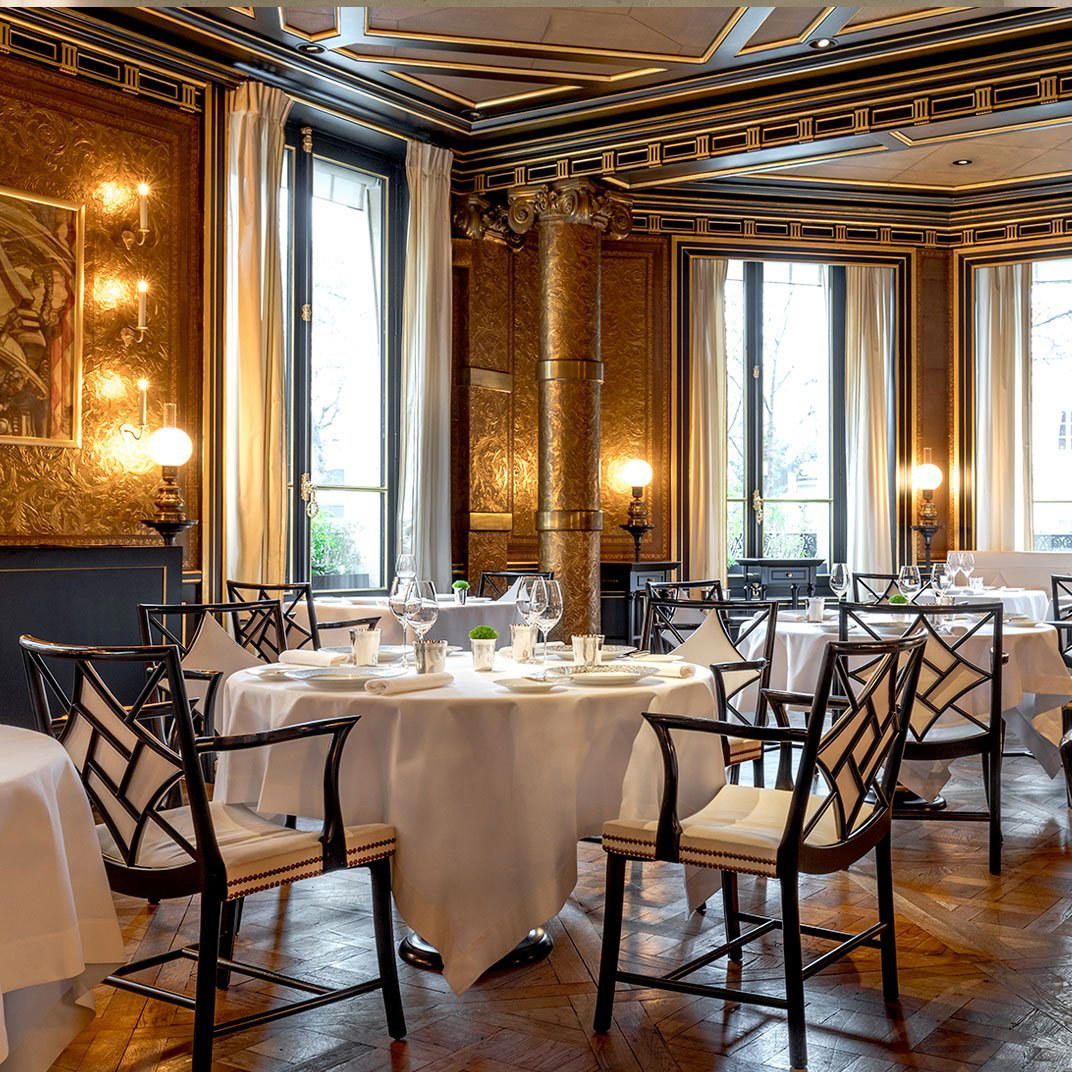
At the Plaza Athénée on Avenue Montaigne, Jean Imbert au Plaza Athénée holds a Michelin star and a 2025 Les Grandes Tables du Monde award for its reinterpretation of French culinary heritage. The marble table d'hôte, gilded mouldings, and chandeliers provide the setting for dishes rooted in classical French sourcing traditions, from Parisian langoustines to Chambertin-sauced seabass. Open Tuesday through Saturday for dinner, with Friday and Saturday lunch service also available.

Pearl is the En Primeur Club membership app — saves, bookings, and concierge access live there. Same editors, same standards.
- Address
- 25 Av. Montaigne, 75008 Paris, France
- Phone
- +33 1 53 67 65 00
- Hours
- Mon ClosedTue–Fri 7:15–9:30 PMSat 12:30–1:30 PM, 7:15–10 PMSun Closed
- Website
- dorchestercollection.com
- Directions
- Get directions
- Booking
- Book on SevenRooms
The menu
What to order
- La brioche Marie-Antoinette au caviar
- Le foie gras de canard Catherine de Médicis
- Le homard cardinal
- The great dessert
Avenue Montaigne, Where French Sourcing Tradition Meets a Grand Dining Room
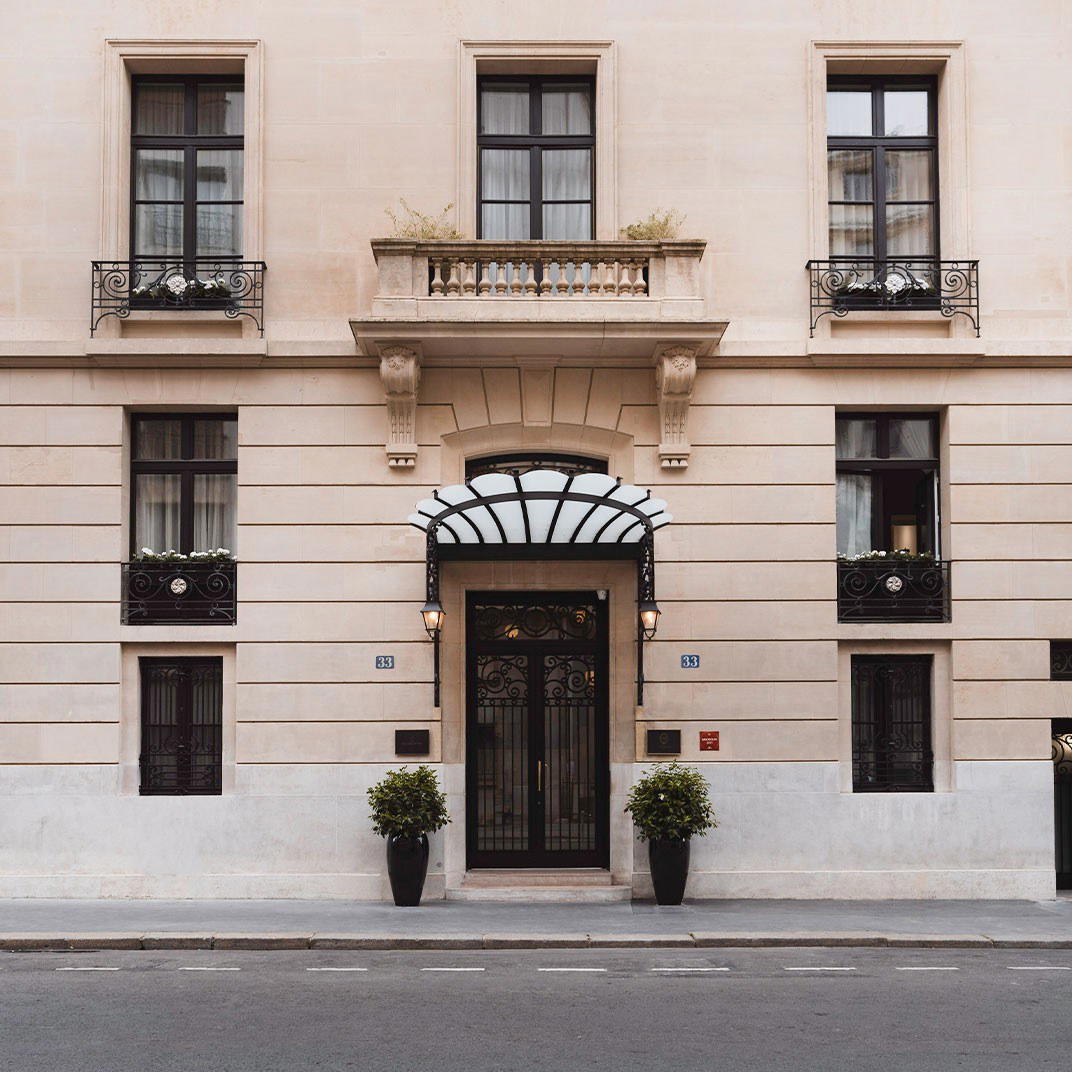
The approach to the Plaza Athénée along Avenue Montaigne sets an expectation that the interior does not contradict. The awnings, the stone façade, the discreet formality of the entrance — all of it reads as a declaration about what Paris once meant for dining and still, in certain rooms, continues to mean. Jean Imbert au Plaza Athénée operates within that register deliberately. The dining room anchors around a majestic marble table d'hôte, a communal centrepiece surrounded by gilded moulding and chandeliers that make the space feel more like a grand salon than a restaurant in any contemporary sense. This is not minimalism or Nordic restraint. It is Paris asserting itself.
That assertiveness extends to the sourcing logic underpinning the menu. The classical French kitchen has always been inseparable from the geography of its ingredients: rivers, coasts, upland pastures, and the appellations that govern them. At this address, the through-line between raw material and finished dish is treated as the narrative rather than a footnote. Our full Paris restaurants guide maps how this approach sits across the city's wider fine dining tier, but within the 8th arrondissement, it positions Jean Imbert au Plaza Athénée alongside the hotels and classical houses that have long treated sourcing provenance as the first act of hospitality, not the last.
Ingredients as Argument: The Sourcing Framework Behind the Menu
French haute cuisine's claim on the world has always rested on a particular relationship with produce: the idea that geography determines flavour, that a langoustine from specific waters off the Île-de-France coast carries a different identity from one caught elsewhere. The menu here operates within that framework. The reference to "Parisian" langoustines is not decorative branding — it is a provenance claim, placing the ingredient within a specific sourcing tradition that the classical kitchen has always relied upon to justify its prices and its authority.
The seabass served in a Chambertin sauce draws on a similar logic. Chambertin, one of Burgundy's grands crus, has historically been associated with richness and depth, it was, famously, Napoleon's preferred wine. Using it as a cooking medium in a sauce is a decision rooted in French culinary heritage rather than novelty. The sauce acts as a reference to the classical repertoire while the fish grounds it in the present. This is the kind of sourcing intelligence that restaurants at the €€€€ tier in Paris are expected to demonstrate, but which not all of them make the central argument of their menu.
The lamb stew extends the logic further. Stew as a format in French fine dining carries class connotations, it is the aristocrat's dish refined from peasant origins, slow-cooked, requiring patience and quality of animal in equal measure. Served in a room of this grandeur, it reads as a statement about continuity rather than nostalgia. The comparison set for this kind of positioning, houses such as L'Escarbille and Maison Rostang, also operates within classical registers, though typically at lower price points and without a hotel address of this scale behind them.
Dessert course, described as the "grand dessert" and presented by a duet of pastry chefs, reflects a kitchen structure in which pastry is treated as a department rather than an afterthought. Two-pastry-chef presentations at table are rare at the one-star level and suggest a brigade investment that aligns more closely with the multi-star houses on Avenue Montaigne's wider competitive tier. La Grande Cascade, another Parisian institution with a comparable grand interior, operates at a similar price register and draws comparison in terms of occasion dining, though it lacks the hotel anchoring of the Plaza Athénée's address.
Within Paris's Top-Tier Dining Map
Paris's Michelin one-star tier at the €€€€ price point occupies a specific position in the city's fine dining structure. It sits below the three-star houses, Alléno Paris au Pavillon Ledoyen operates at that level on the creative side, and above the mid-market bistro tier that dominates local conversation about value. Jean Imbert au Plaza Athénée's one Michelin star (2024) and 2025 Les Grandes Tables du Monde award place it within a recognised tier of serious French restaurants rather than at the apex, which is an accurate reflection of what it is: a dining room with classical ambitions, hotel backing, and a profile that reaches beyond the usual Michelin reader.
The chef's public profile, Jean Imbert is described in the awards literature as a "media darling" and "chef to the stars", creates a friction that the restaurant seems to embrace rather than suppress. In Paris, media visibility and culinary seriousness have historically been treated as separate currencies. That tension has been visible at other French institutions where profile preceded or exceeded recognition, but the combination of an awards trajectory and a credentialled kitchen brigade suggests the operation here is functioning at a level that transcends the associated celebrity narrative.
The kitchen carries the names Alessandro Negrini and Fabio Pisani, credentials that indicate serious brigade depth. Within France's broader constellation of serious restaurants, comparison points outside Paris include Flocons de Sel in Megève, Mirazur in Menton, and institutions such as Troisgros - Le Bois sans Feuilles in Ouches, Auberge de l'Ill in Illhaeusern, Bras in Laguiole, and Paul Bocuse - L'Auberge du Pont de Collonges in Collonges-au-Mont-d'Or, all of which represent France's wider classical and regional tradition at the highest level. Within the hotel fine dining segment specifically, the Plaza Athénée's address on Avenue Montaigne places this restaurant in immediate conversation with the George V's Le Relais Plaza, a peer hotel dining institution in the same arrondissement with a different format and character.
Who Books This Table, and When
Service schedule tells you something about the intended clientele. The restaurant opens Tuesday through Thursday for dinner only (7:15 PM to 10 PM), then adds Friday and Saturday lunch service (12:30 PM to 2 PM) alongside dinner. Sunday and Monday are closed. This is not a volume operation. The dinner-only posture for most of the week, combined with the marble table d'hôte format, suggests an experience calibrated around occasion dining rather than habitual neighbourhood use.
Winter and spring are seasonally relevant periods for the classical menu format here. The Chambertin-based sauce and the lamb stew are dishes that read differently in cold months than they would in high summer, when lighter preparations tend to dominate even in classical kitchens. Booking ahead for the autumn and winter season, when Paris's fashion and cultural calendar also concentrates in this arrondissement, makes practical sense.
For guests exploring Paris's broader hospitality offer beyond this address, our full Paris hotels guide, bars guide, wineries guide, and experiences guide cover the full picture. For those interested in how classical cuisine operates at the top tier beyond France's borders, KOMU in Munich and Meierei Dirk Luther in Glücksburg offer useful reference points within the European classical tradition.
Planning Your Visit
Address: 25 Avenue Montaigne, 75008 Paris. Hours: Tuesday to Thursday, dinner 7:15 PM to 10 PM; Friday and Saturday, lunch 12:30 PM to 2 PM and dinner 7:15 PM to 10 PM; Sunday and Monday closed. Price range: €€€€. Awards: Michelin 1 Star (2024); Les Grandes Tables du Monde (2025). Reservations: Advance booking strongly recommended given the occasion-dining format and limited weekly service windows. Getting there: Alma-Marceau metro station (Line 9) serves Avenue Montaigne directly.
Frequently asked questions
What's the signature dish at Jean Imbert au Plaza Athénée?
The awards documentation for the restaurant references several dishes that define its classical French sourcing approach: "Parisian" langoustines, seabass in a Chambertin sauce, lamb stew, and the "grand dessert" presented tableside by two pastry chefs. The Chambertin-sauced seabass is particularly emblematic of the menu's logic, pairing a precisely sourced fish with one of Burgundy's most historically significant wine appellations as a cooking medium. The grand dessert, served by a duet of pastry chefs, is the theatrical close and the course most frequently cited in relation to this address. The restaurant holds a Michelin star (2024) and a 2025 Les Grandes Tables du Monde award. For further context on how this cuisine style sits within Paris's broader fine dining map, see our full Paris restaurants guide.
A small set of peers for context, based on recorded venue fields.
| Venue | Cuisine | Price | Awards | Notes |
|---|---|---|---|---|
| Jean Imbert au Plaza AthénéeThis venue — the venue you are viewing | Modern Classic French Gastronomy | $200–300 | 1 Michelin Star · Les Grandes Tables du Monde Member | Not listed |
| Alléno Paris au Pavillon Ledoyen | Modern French Fine Dining | $150–200 | 3 Michelin Stars · World's 50 Best #79 | Creative |
| Kei | Modern French with Japanese Influences | $300–500 | 3 Michelin Stars · World's 50 Best #93 | Contemporary French, Modern Cuisine |
| L'Ambroisie | Classic French Haute Cuisine | $300–500 | 2 Michelin Stars · World's 50 Best #23 | French, Classic Cuisine |
| Le Cinq - Four Seasons Hôtel George V | French, Modern Cuisine | Not listed | Not listed | Not listed |
| Plénitude | Modern French Sauce-Led Fine Dining | $300–500 | 3 Michelin Stars · World's 50 Best #14 | Contemporary French |
Recognition history
Dated appearances from independent guides and award organizations, with the underlying list record or original source where available.
Michelin 1 Star
Michelin
Les Grandes Tables du Monde Member
Les Grandes Tables du Monde
Gault & Millau Remarkable Restaurant
Gault & Millau
Full recognition history (5 entries)
Michelin 1 Star
Michelin
Michelin 1 Star
Michelin
Jean Imbert au Plaza Athénée
Featured Guides
Continue exploring
More in Paris
Restaurants in Paris
Browse all →
Bars in Paris
Browse all →
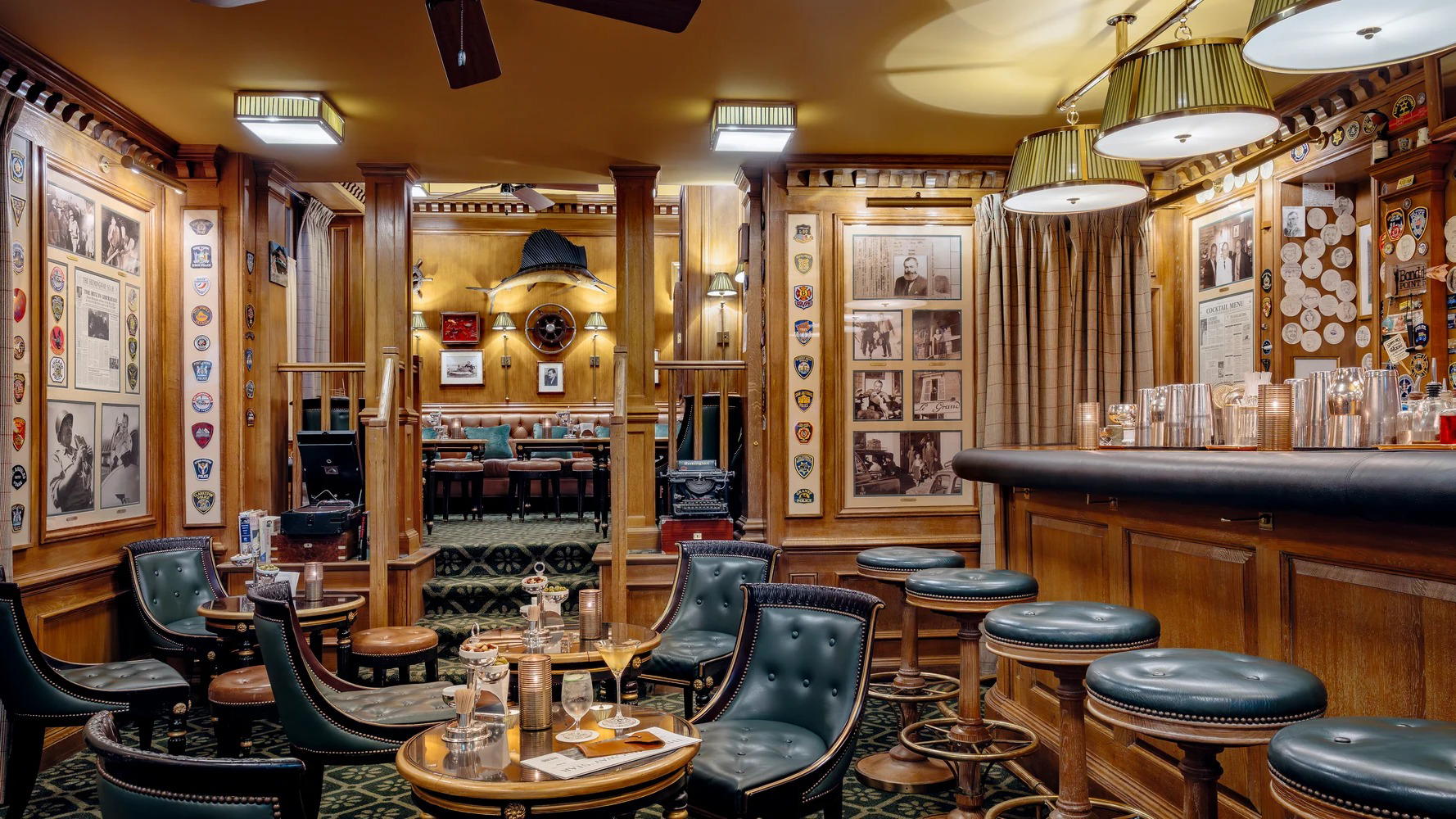
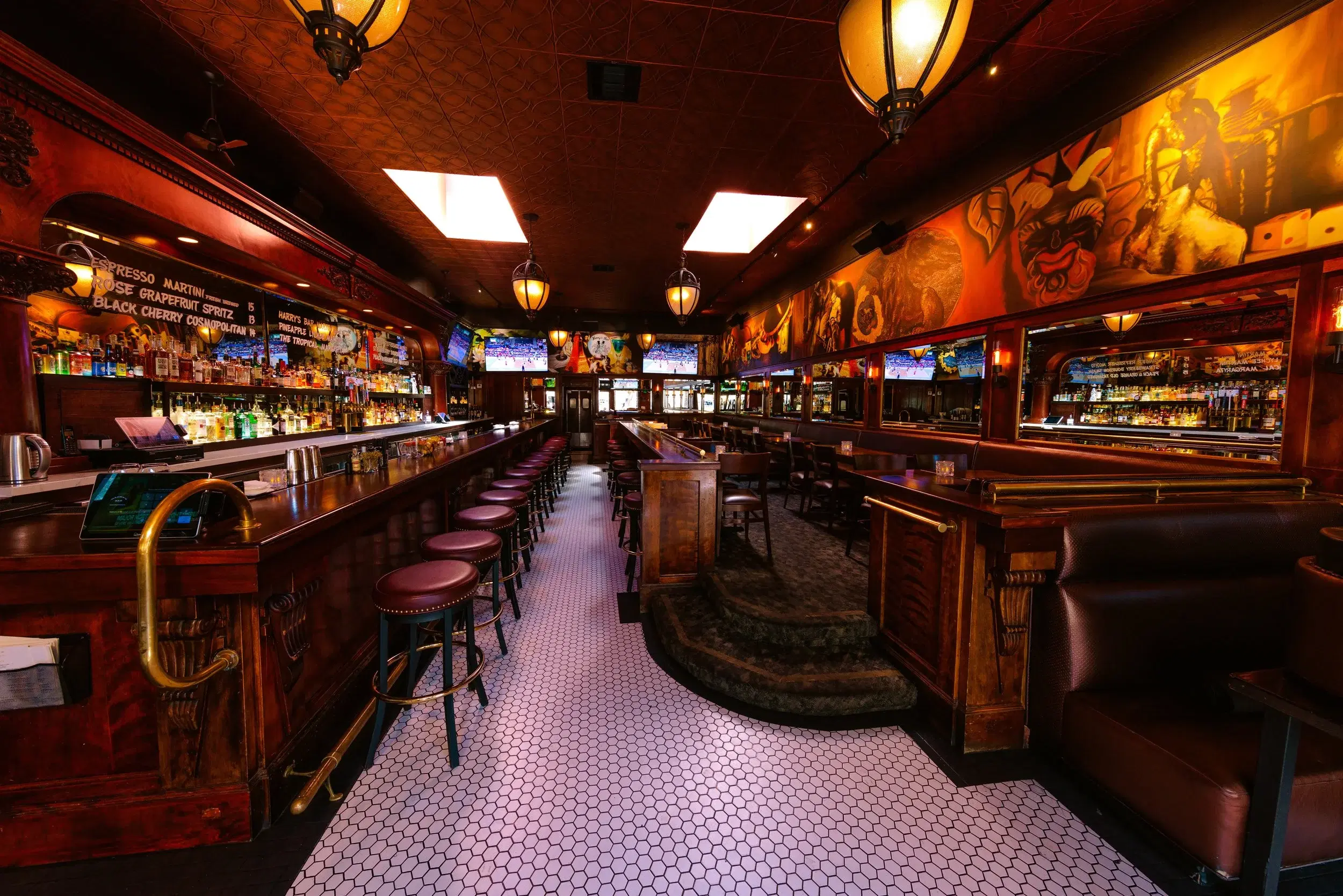
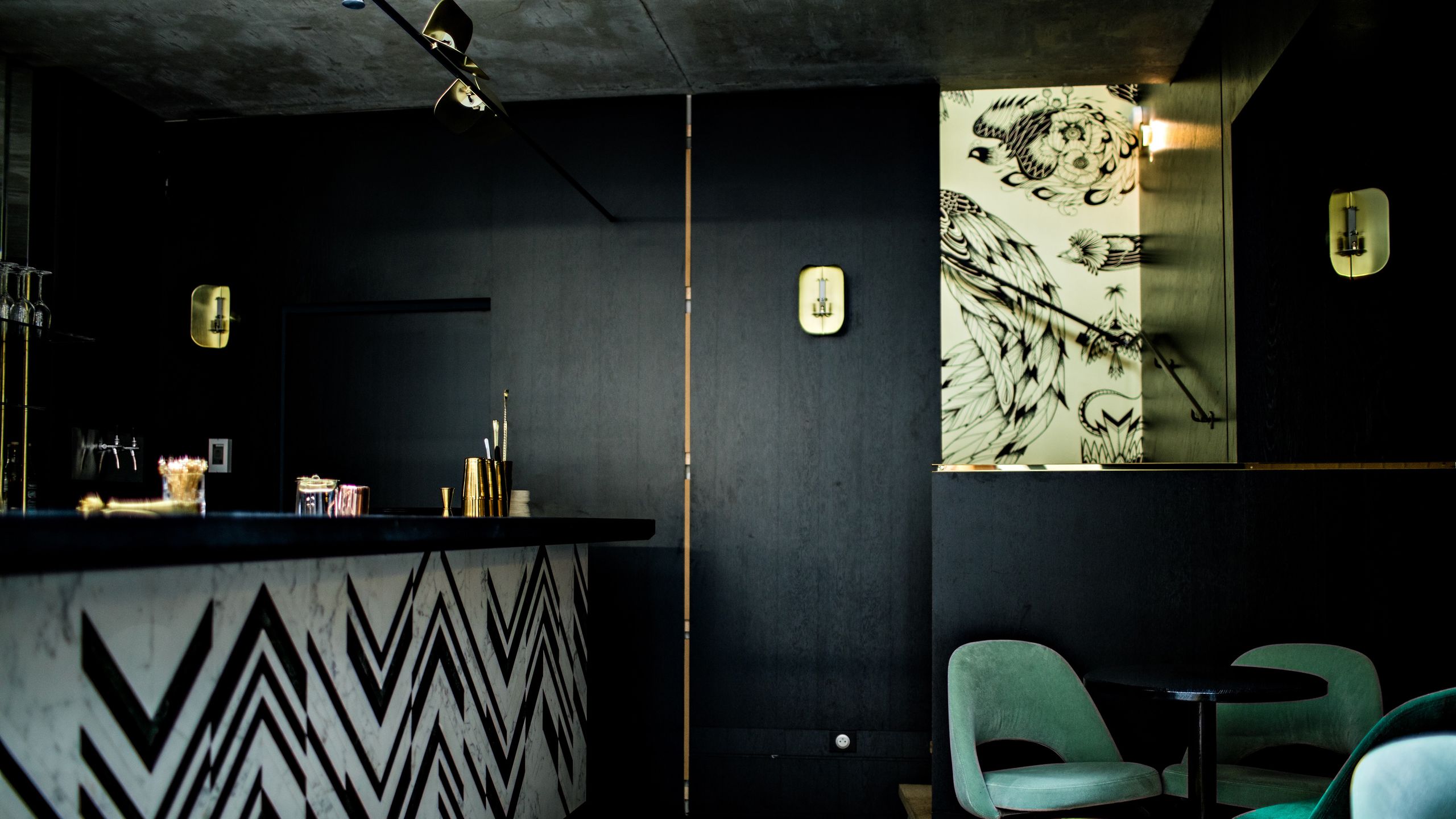
Hotels in Paris
Browse all →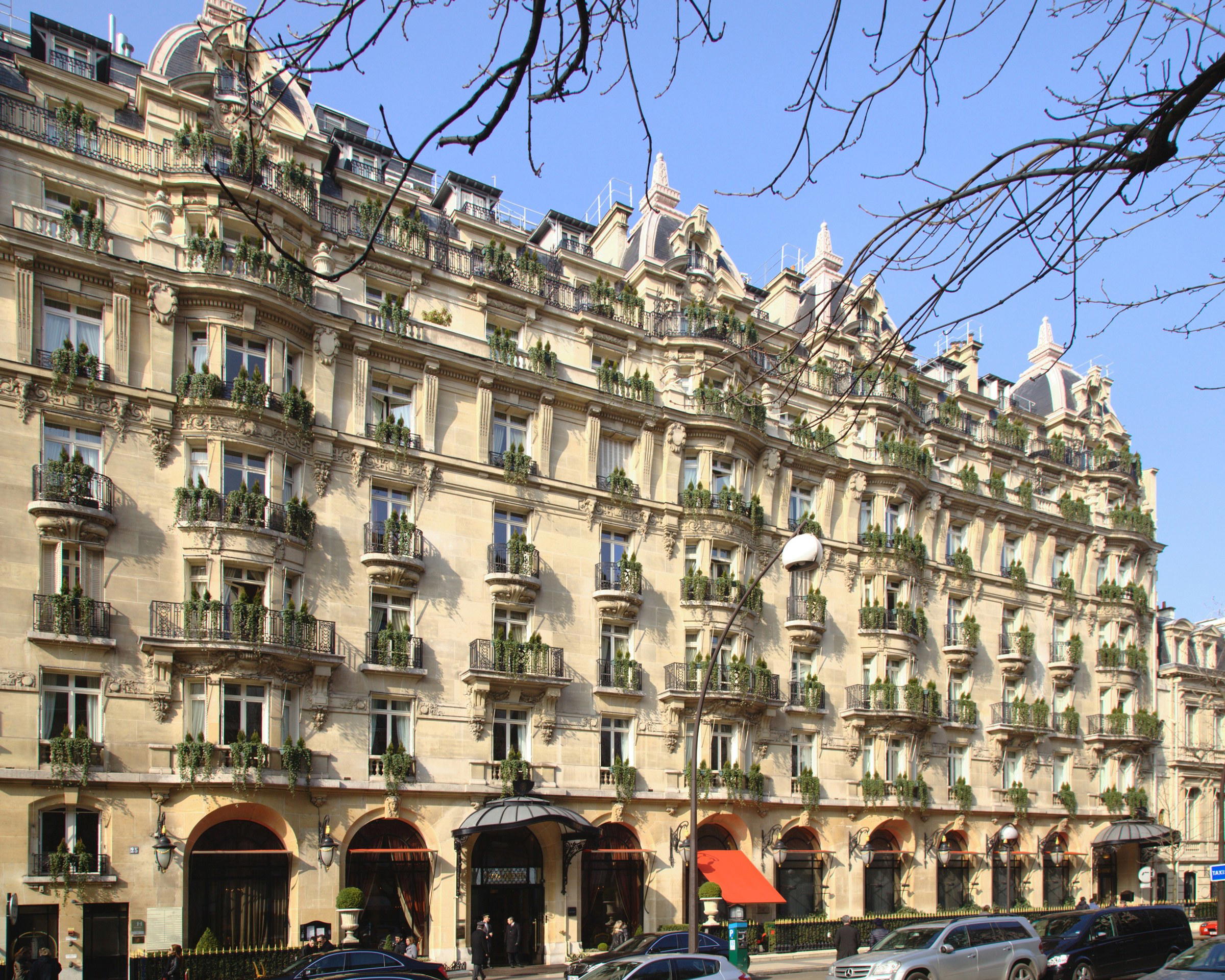



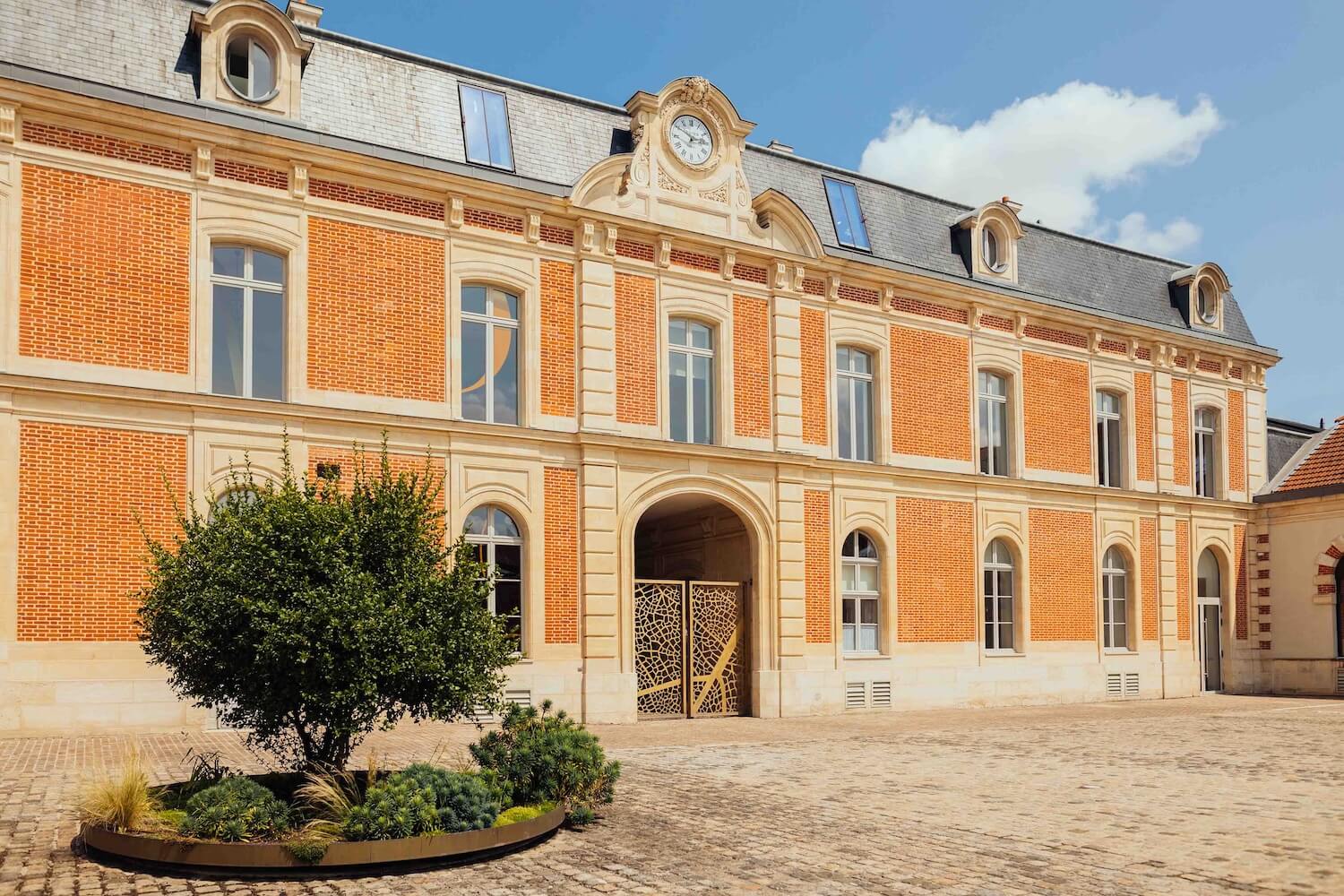
Jean Imbert au Plaza Athénée
The wine
- Wine program
- Exceptional wine program
- Extensive wine list
- Sommelier-led
Details
- Elegant
- Sophisticated
- Ornate
- Well Known
- Special Occasion
- Business Dinner
- Celebration
- Hotel Restaurant
- Historic Building
- Private Dining
- Extensive Wine List
- Sommelier Led
- Tasting Menu
- A La Carte
Current opening hours
- Monday
- Closed
- Tuesday
- 7:15–9:30 PM
- Wednesday
- 7:15–9:30 PM
- Thursday
- 7:15–9:30 PM
- Friday
- 7:15–9:30 PM
- Saturday
- 12:30–1:30 PM, 7:15–10 PM
- Sunday
- Closed
Hours can change for holidays and private events. Last verified .
Ornate dining room adorned with 20,000 gold leaves, gilded ceilings, chandeliers, and majestic marble table d'hôte creating a warm, convivial, and regal atmosphere.