
Relais Chateaux Award
Our verdict
jCUISINE brings the Stubai Valley’s hotel-dining tradition into a produce-led register, with Christian Jeske’s kitchen working from local ingredients and a menu that makes room for classic, vegetarian, vegan and low-carb choices. The appeal is less about spectacle than about how alpine sourcing, contemporary technique and resort dining now meet in Neustift.

Pearl is the En Primeur Club membership app, where members save venues, book tables and use the concierge.

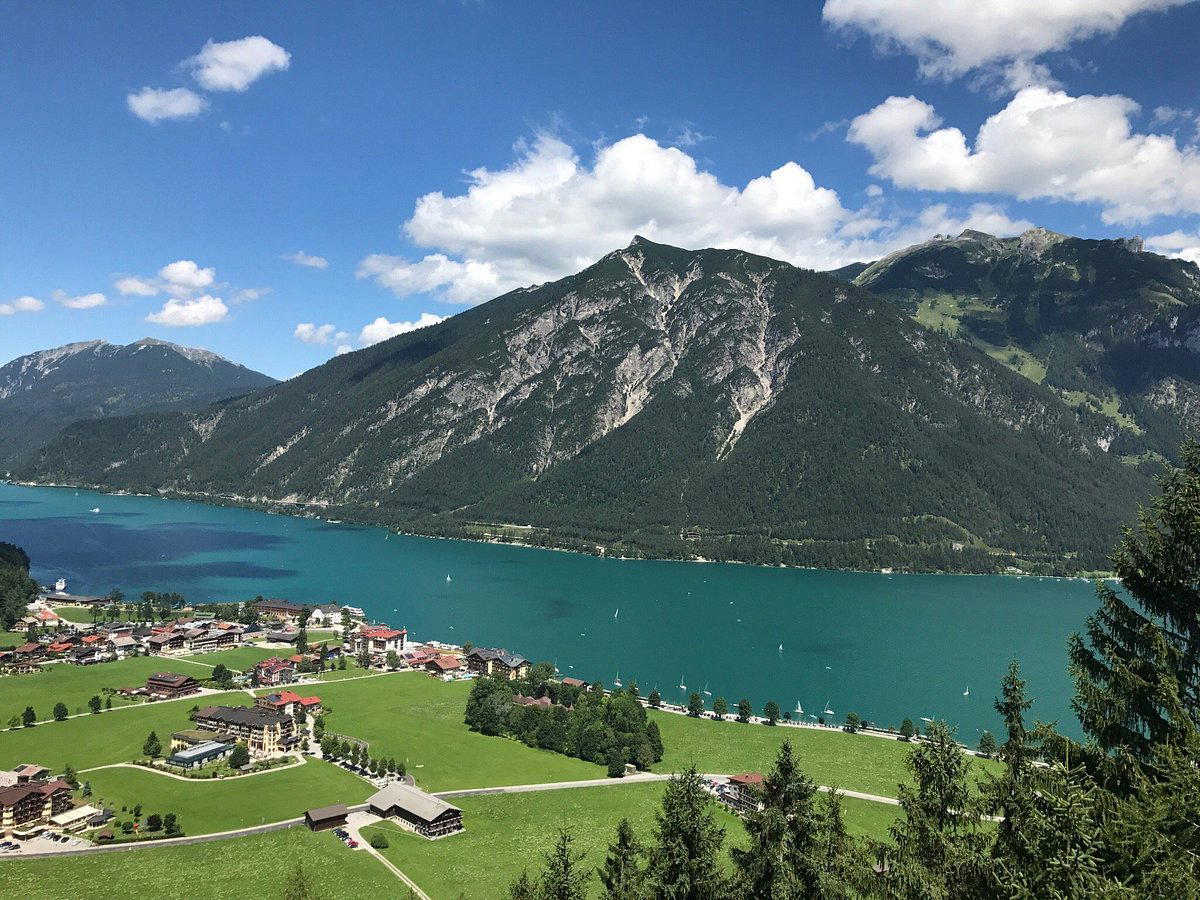
Approaching Neustift, the mountain setting frames the meal before the menu does: village scale, alpine weather, and a dining culture shaped by travelers who often treat dinner as part of the destination. In that context, jCUISINE reads as a Neustift restaurant rather than a standalone urban dining room. Its clearest published markers are concise: Relais & Châteaux lists the restaurant with Christian Jeske as chef and identifies the cuisine as Cooking classics.
Neustift is not Vienna, Salzburg or Kitzbühel, and that matters. The village sits in a mountain setting where restaurants may need to serve visitors with different expectations at the same table: comfort, polish, familiarity and a sense of place. A Neustift restaurant must be legible to international guests without losing the grammar of the Alps. For context, our full Neustift restaurants guide maps the local dining field, while our full Neustift hotels guide explains why much of the area’s more ambitious cooking is tied to hospitality infrastructure.
Alpine classics filtered through sourcing, not nostalgia
The useful way to read this kitchen is through the idea of classics rather than plating theatre. The cuisine type is listed as Cooking classics, which in an alpine village context suggests a restaurant working with familiar forms rather than chasing novelty for its own sake. The important distinction is not whether the cooking is old-fashioned or modern, but whether recognizable dishes can feel attentive, current and suited to the expectations of travelers in Neustift.
Christian Jeske is the named chef, but the stronger point is what that role represents in this setting. In resort villages, chefs often have to reconcile regional familiarity with international expectation: anchored but not provincial, generous but not blunt. The restaurant’s published identity gives readers a basic frame without overpromising a particular tasting-menu style, ranking or culinary manifesto.
That classics-led angle separates this style from grander Central European dégustation rooms where technical progression can dominate. Panorama Restaurant Postblick, MISTRAL Restaurant, Gourmet-Restaurant "Bareiss", Gourmet Restaurant Le Pavillon and Kaminstube also operate in the Cooking classics category, but the question is not whether every room pursues the same ambition. It is whether familiar cooking can feel current without severing it from place. In Neustift, that test is sharp because the village setting is part of the meal’s logic.
For readers cross-shopping Austria, the contrast helps. Other Austrian city restaurants belong to a metropolitan conversation shaped by urban tasting-menu discipline and capital-city competition. Some resort dining points to a louder luxury code, while other alpine markets are shaped by altitude, wine and hotel demand. Neustift is quieter: comfort, clarity and a sense of alpine context matter more than scene-making.
Why hotel dining matters in Neustift
The broader Neustift hospitality context gives the restaurant an important trust signal. In Austrian alpine villages, hotel restaurants often provide serious dining infrastructure, especially where independent restaurant density is limited. That does not make the format lesser; it changes the priorities. Service must work for varied tables, post-outdoor appetites and guests staying several nights; menus need enough range to avoid fatigue; kitchens must deliver consistency through seasonal demand.
This is where a classics-led identity becomes practical rather than merely nostalgic. Mountain destinations have to welcome guests who may want different levels of formality, pace and familiarity. A restaurant described through Cooking classics can speak to that mixed audience without needing to present itself as a laboratory. The measure is whether the meal feels considered, coherent and appropriate to the setting.
Neustift’s hospitality context also rewards restaurants that understand pacing. The local rhythm is set by weather, walks, outdoor plans and recovery time more than city dinner slots. The meal is less performative, more restorative, but still capable of precision. Readers building a stay can place dinner alongside our full Neustift bars guide, our full Neustift wineries guide and our full Neustift experiences guide, because strong alpine itineraries are rarely about a single table. They match food, lodging and terrain.
Within Neustift, other dining rooms show how the village can turn setting into part of the experience. Some lean on format or atmosphere, while jCUISINE is best understood through the quieter grammar of a restaurant meal: a named chef, a published Cooking classics identity and a dining room serving different appetites at once.
How to think about it in an Austrian itinerary
Austria rewards comparative eating because dining culture changes sharply by region. Lakeside cooking, capital-city tasting rooms, ski-resort luxury and village kitchens use similar vocabulary but produce different meals. Other Austrian restaurants may sit closer to lake-country, Danube-side or city-centre food-and-wine settings, each reflecting local pressures: guest traffic, resort demand, regional habits and expectation.
The international comparison is revealing. Cooking classics is an elastic category when filtered through different landscapes and guest cultures. In wine regions, agriculture and cellar culture can change the plate; in more urban or suburban settings, the regional frame does different work. Neustift’s version is alpine and hospitality-driven, with the published cuisine label giving the clearest through-line.
The verdict is simple: this fits travelers who want Austrian mountain dining to acknowledge tradition without being trapped by it. Credibility rests on Christian Jeske’s kitchen and the Relais & Châteaux listing that identifies jCUISINE with Cooking classics in Neustift. For a family meal or a relaxed alpine dinner, that clarity matters. For a couple seeking a highly technical tasting counter, another Austrian address may be sharper. For a Neustift stay where dinner should feel rooted, flexible and considered, the case is stronger.
Frequently asked questions
Does jCUISINE work for a family meal?
It can work for a family meal if the group wants Cooking classics in a Neustift restaurant setting. The format is best suited to diners looking for a considered alpine meal rather than a highly theatrical tasting-menu experience.
What kind of setting is jCUISINE?
jCUISINE is a restaurant in Neustift. The setting is best understood through its published Relais & Châteaux listing, which identifies Christian Jeske as chef and the cuisine as Cooking classics.
What's jCUISINE known for in terms of accolades?
jCUISINE is recognized in its Relais & Châteaux restaurant listing, which names Christian Jeske as chef and identifies the restaurant's cuisine as Cooking classics.
What type of food is jCUISINE known for?
jCUISINE serves Cooking classics cuisine.
Where exactly is jCUISINE?
Neustift.
A Pricing-First Comparison
Nearby venues at a similar price tier for orientation.
| Venue | Cuisine | Price | Awards | Notes |
|---|---|---|---|---|
| jCUISINEThis venue (the venue you are viewing) | Fine Alpine-Tyrolean Hotel Restaurant | $100–150 | Relais Chateaux Award | Not listed |
| Fondue Gondola | Traditional Alpine fondue in a private gondola | Not listed | Relais Chateaux Award | Neustift im Stubaital, Traditional Alpine fondue in a private gondola |
| Posthotel Achenkirch | Refined Alpine & TCM Cuisine | Not listed | Not listed | Achenkirch, Refined Alpine & TCM Cuisine |
| ESSBAR Pertisau | Modern Tyrolean Grill with International Influences | $50–100 | Not listed | Pertisau, Modern Tyrolean Grill with International Influences |
| Berghof | Modern Tyrolean with International Influences | $100–150 | Not listed | Tux, Modern Tyrolean with International Influences |
| Restaurant Café Arkadenhof | Modern Tyrolean with International Influences | $50–100 | Michelin Plate | Innsbruck City Center, Modern Tyrolean with International Influences |
Recognition history
Dated appearances from independent guides and award organizations, with the underlying list record or original source where available.
Relais Chateaux Award
Relais Chateaux
Continue exploring
More in Neustift
Restaurants in Neustift
All restaurants in Neustift →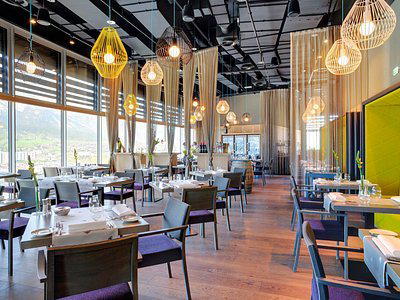
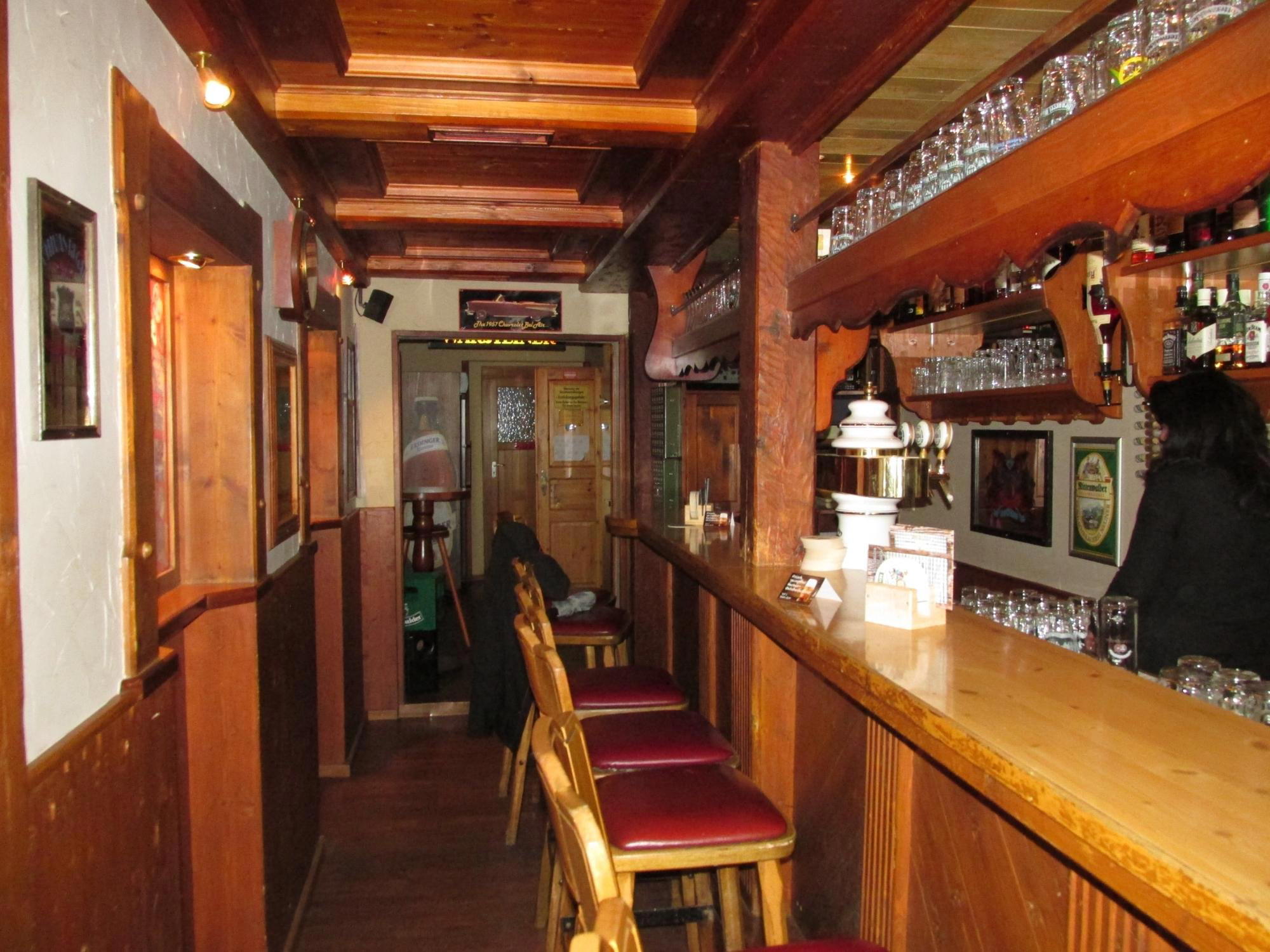
Bars in Neustift
Browse all →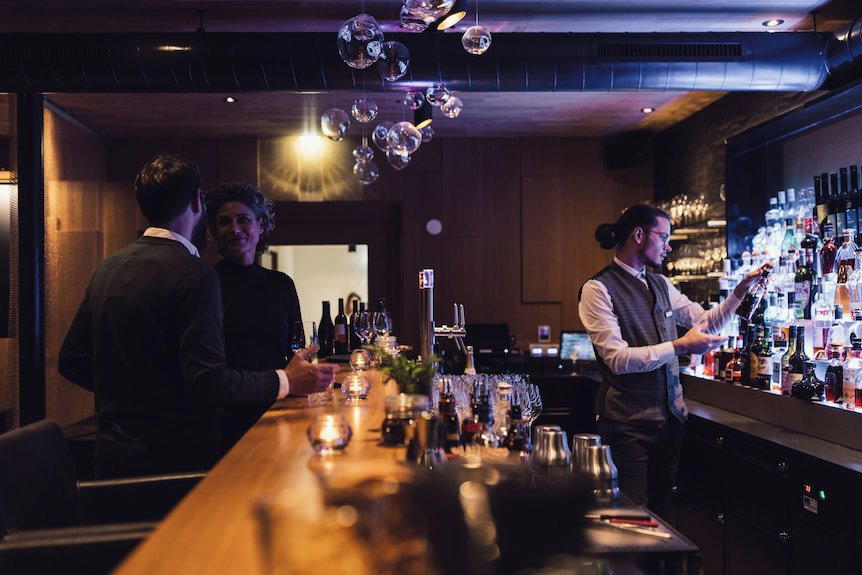

Details
- Elegant
- Cozy
- Romantic
- Sophisticated
- Date Night
- Special Occasion
- Business Dinner
- Group Dining
- Wine Cellar
- Hotel Restaurant
- Standalone
- Extensive Wine List
- Local Sourcing
- Mountain
- A La Carte
- Tasting Menu
- Wine
Current opening hours
- Monday
- Closed
- Tuesday
- Closed
- Wednesday
- 6:30 PM–12 AM
- Thursday
- 6:30 PM–12 AM
- Friday
- 6:30 PM–12 AM
- Saturday
- 6:30 PM–12 AM
- Sunday
- 6:30 PM–12 AM
Hours can change for holidays and private events. Hours as of .
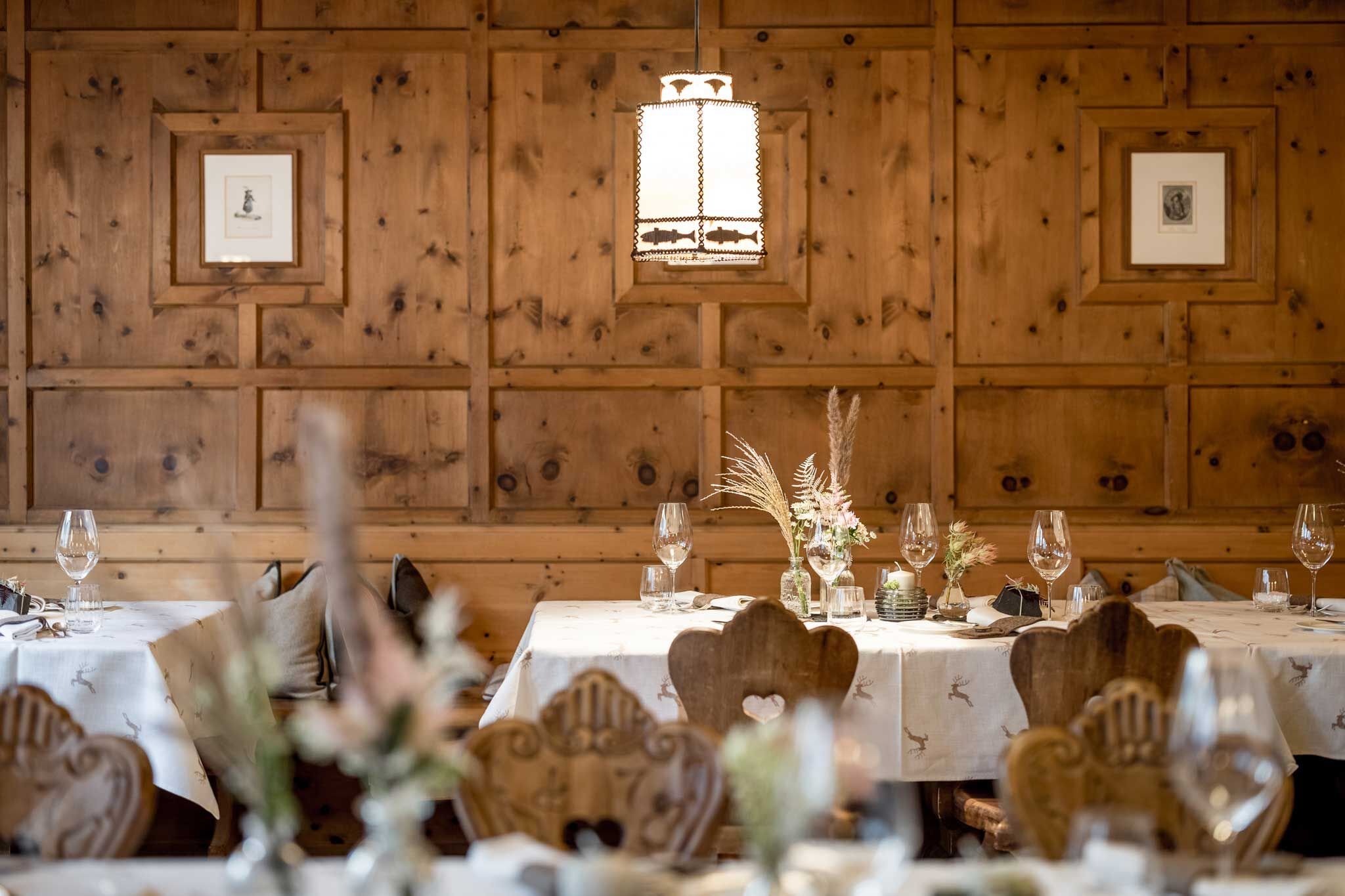
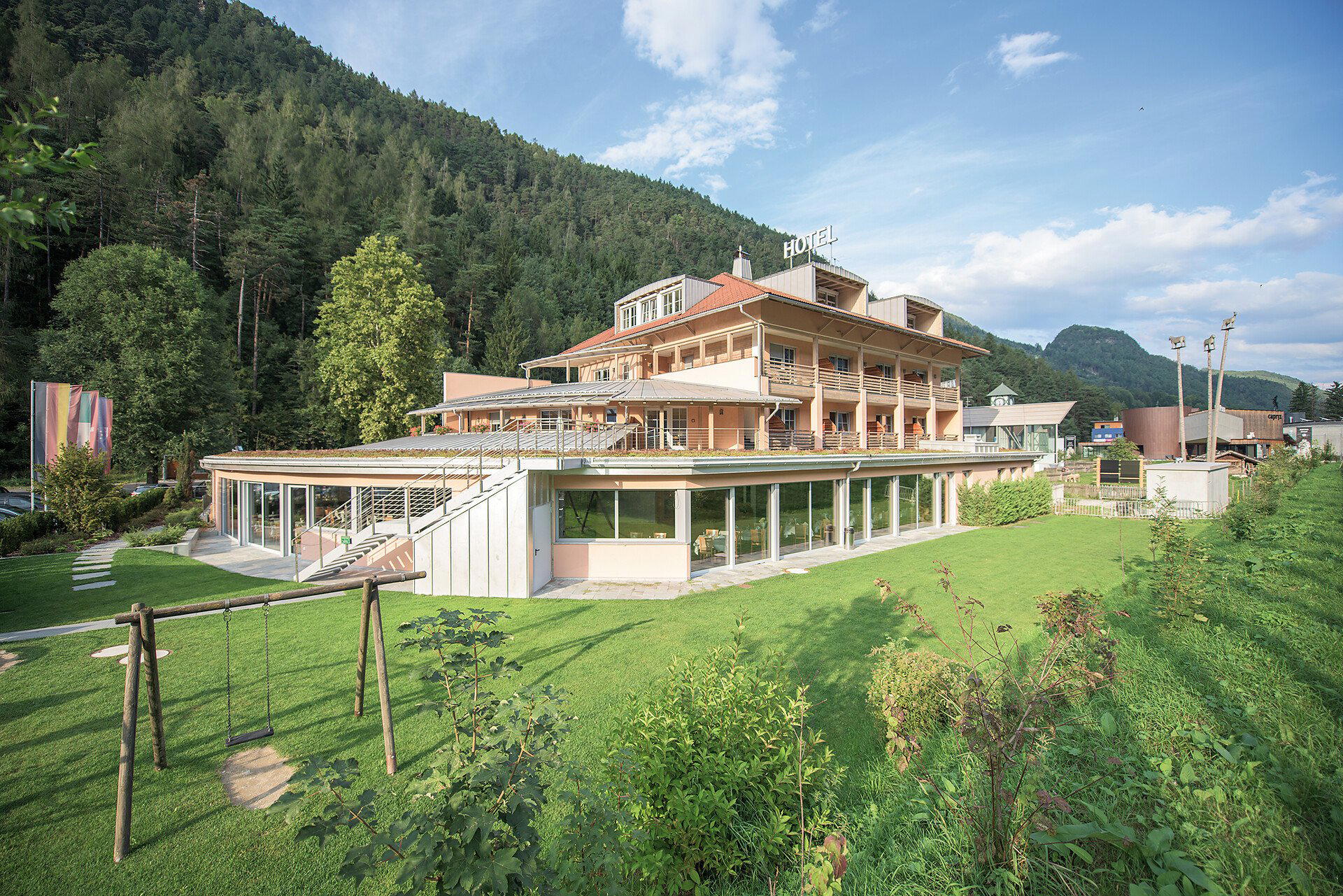
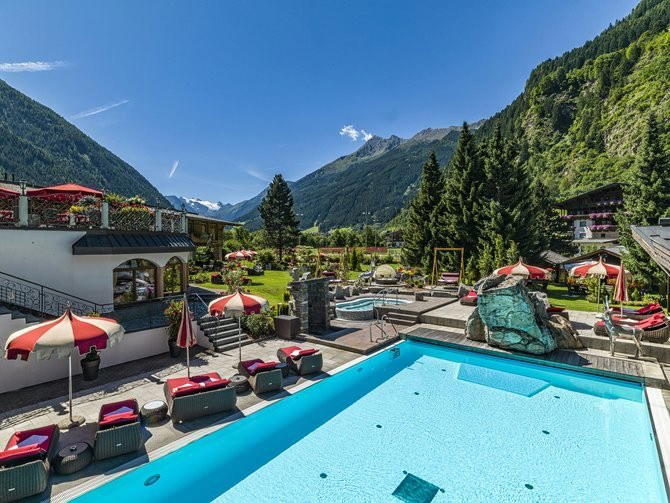
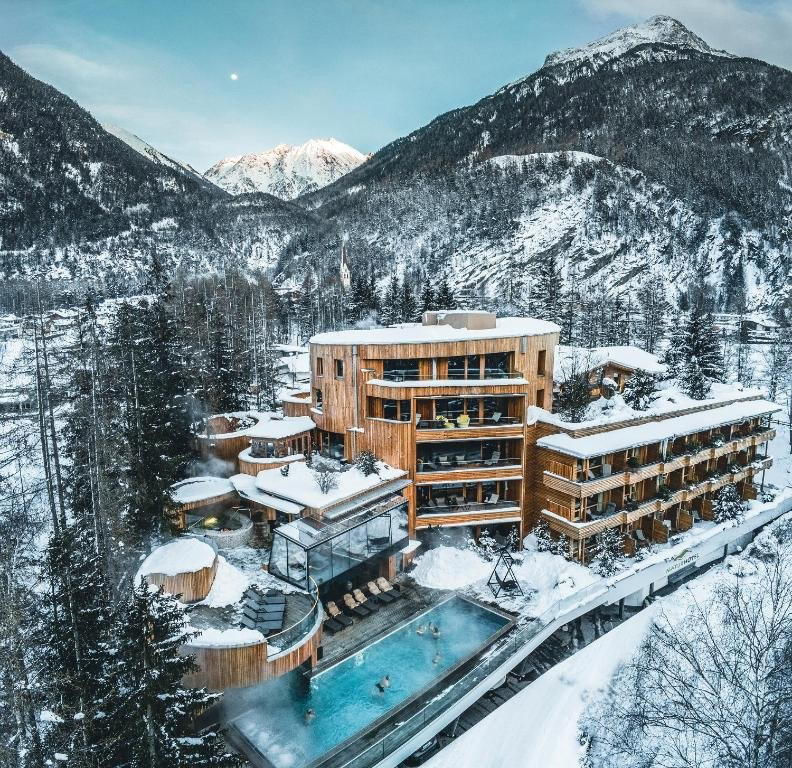
Upscale yet cozy Alpine atmosphere with warm wood, soft lighting, and an intimate, relaxed fine-dining feel inside a luxury spa hotel overlooking the Stubai mountains.