Jardinière

James Beard Award Best Chefs
Our verdict
When Jardinière opened in 1997 on Grove Street near San Francisco's Civic Center, the surrounding Hayes Valley neighbourhood had yet to find its footing. Chef Traci Des Jardins chose the location deliberately, anchoring her French-California flagship in a two-story Art Deco building whose grand staircase and upstairs dining room overlooking the bar announced serious ambition from the outset. The neighbourhood caught up; the restaurant became a pre-curtain destination for the opera and symphony crowds who filled Davies Hall and the War Memorial a few blocks away, and it held that position for over two decades. The cooking drew on classical French technique applied to Northern California's seasonal supply. The menu shifted with what was available, meaning Liberty Farms duck, Maine diver scallops, and Mt. Lassen trout appeared when the sourcing warranted them rather than as permanent fixtures. That discipline reflected Des Jardins's training: she earned the James Beard Foundation Award for Best Chef, Pacific Region in 2007, a credential that placed Jardinière alongside the tier of restaurants where the kitchen's biography actually matters to the food on the plate. Condé Nast Traveler described it as a "Hayes Valley culinary landmark," and SF Eater framed it as a foundational address in San Francisco fine dining. Those assessments were earned through consistency rather than novelty. The room itself carried weight: the Art Deco interior, warm lighting, and two-level layout gave the space a formality that felt earned rather than imposed, the kind of setting where a pre-theatre tasting menu and a long post-performance dinner at the bar occupied the same evening without friction. Jardinière operated at the higher end of San Francisco's fine-dining price range, in line with its positioning as a destination restaurant rather than a neighbourhood bistro. For anyone tracking the arc of California French cuisine from the late 1990s through the 2010s, it served as a useful reference point: less austere than some of its contemporaries, more technically grounded than the farm-to-table wave that followed, and consistently tied to a chef whose name and reputation were inseparable from what arrived at the table.

The menu
What to order
- Seared sea bass
- Chocolate terrine
- Maine Diver Scallops
When Jardinière opened in 1997 on Grove Street near San Francisco's Civic Center, the surrounding Hayes Valley neighbourhood had yet to find its footing. Chef Traci Des Jardins chose the location deliberately, anchoring her French-California flagship in a two-story Art Deco building whose grand staircase and upstairs dining room overlooking the bar announced serious ambition from the outset. The neighbourhood caught up; the restaurant became a pre-curtain destination for the opera and symphony crowds who filled Davies Hall and the War Memorial a few blocks away, and it held that position for over two decades.
The cooking drew on classical French technique applied to Northern California's seasonal supply. The menu shifted with what was available, meaning Liberty Farms duck, Maine diver scallops, and Mt. Lassen trout appeared when the sourcing warranted them rather than as permanent fixtures. That discipline reflected Des Jardins's training: she earned the James Beard Foundation Award for Best Chef, Pacific Region in 2007, a credential that placed Jardinière alongside the tier of restaurants where the kitchen's biography actually matters to the food on the plate.
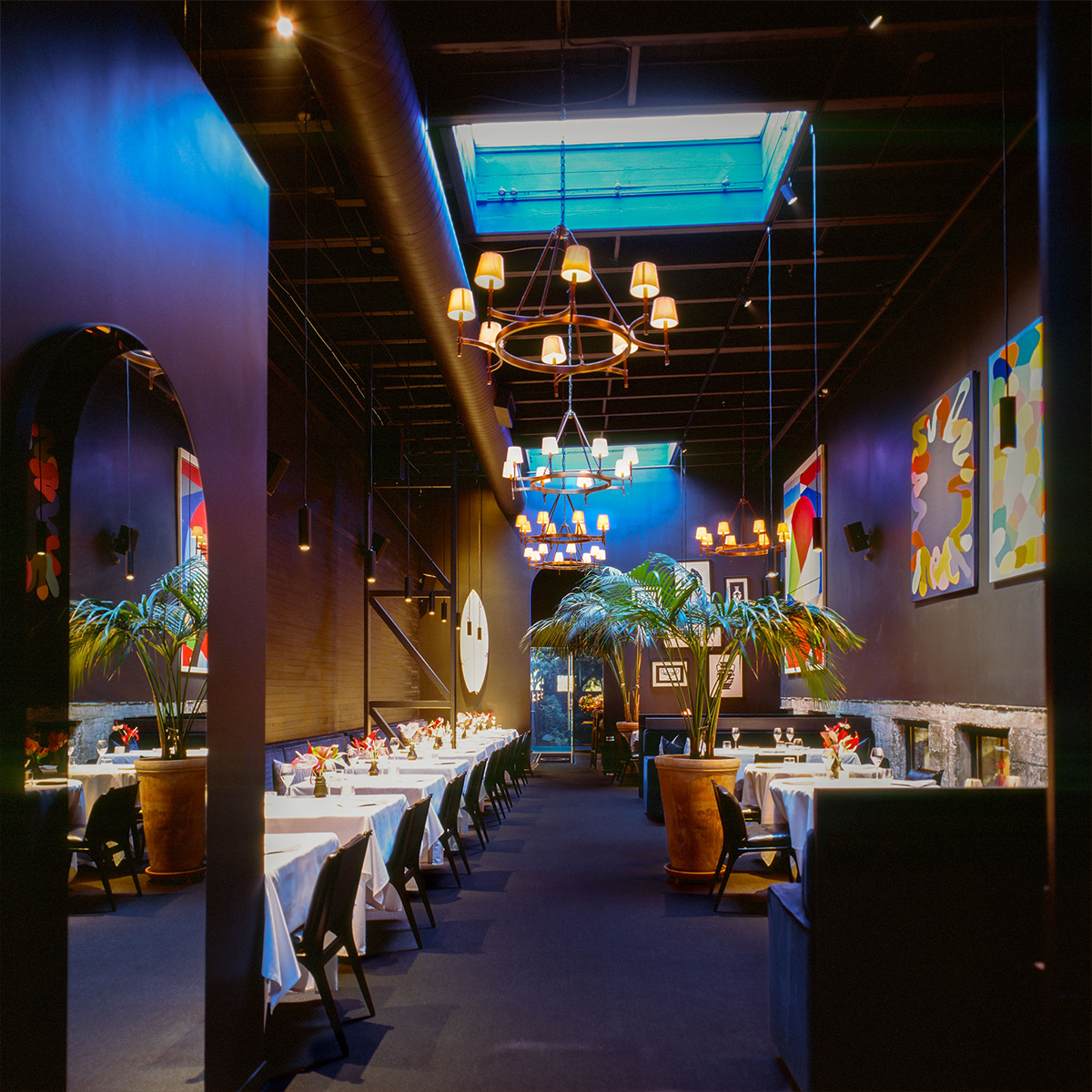
Condé Nast Traveler described it as a "Hayes Valley culinary landmark," and SF Eater framed it as a foundational address in San Francisco fine dining. Those assessments were earned through consistency rather than novelty. The room itself carried weight: the Art Deco interior, warm lighting, and two-level layout gave the space a formality that felt earned rather than imposed, the kind of setting where a pre-theatre tasting menu and a long post-performance dinner at the bar occupied the same evening without friction.
Jardinière operated at the higher end of San Francisco's fine-dining price range, in line with its positioning as a destination restaurant rather than a neighbourhood bistro. For anyone tracking the arc of California French cuisine from the late 1990s through the 2010s, it served as a useful reference point: less austere than some of its contemporaries, more technically grounded than the farm-to-table wave that followed, and consistently tied to a chef whose name and reputation were inseparable from what arrived at the table.
In Context
Comparable venues nearby, for context on price, style, and recognition.
| Venue | Cuisine | Price | Awards | Notes |
|---|---|---|---|---|
| JardinièreThis venue (the venue you are viewing) | French-Californian Fine Dining | Not listed | James Beard Award Best Chefs | Not listed |
| Bisou Bistronomy | French Bistro | Not listed | Not listed | Castro, French Bistro |
| Maruya | Traditional Edomae Sushi Omakase | Not listed | Not listed | Mission District, Traditional Edomae Sushi Omakase |
| Aquitaine Wine Bistro | Southwest French Bistro | $50–100 | Not listed | Downtown, Southwest French Bistro |
| Yakiniku Shodai 初代 | Authentic Japanese Yakiniku | $200–300 | Not listed | Tenderloin, Authentic Japanese Yakiniku |
| Maison Nico | French Bakery & Cafe | $20–30 | Not listed | Chinatown, French Bakery & Cafe |
Recognition history
Dated appearances from independent guides and award organizations, with the underlying list record or original source where available.
James Beard Award Best Chefs
James Beard Award
Continue exploring
More in San Francisco
Restaurants in San Francisco
All restaurants in San Francisco →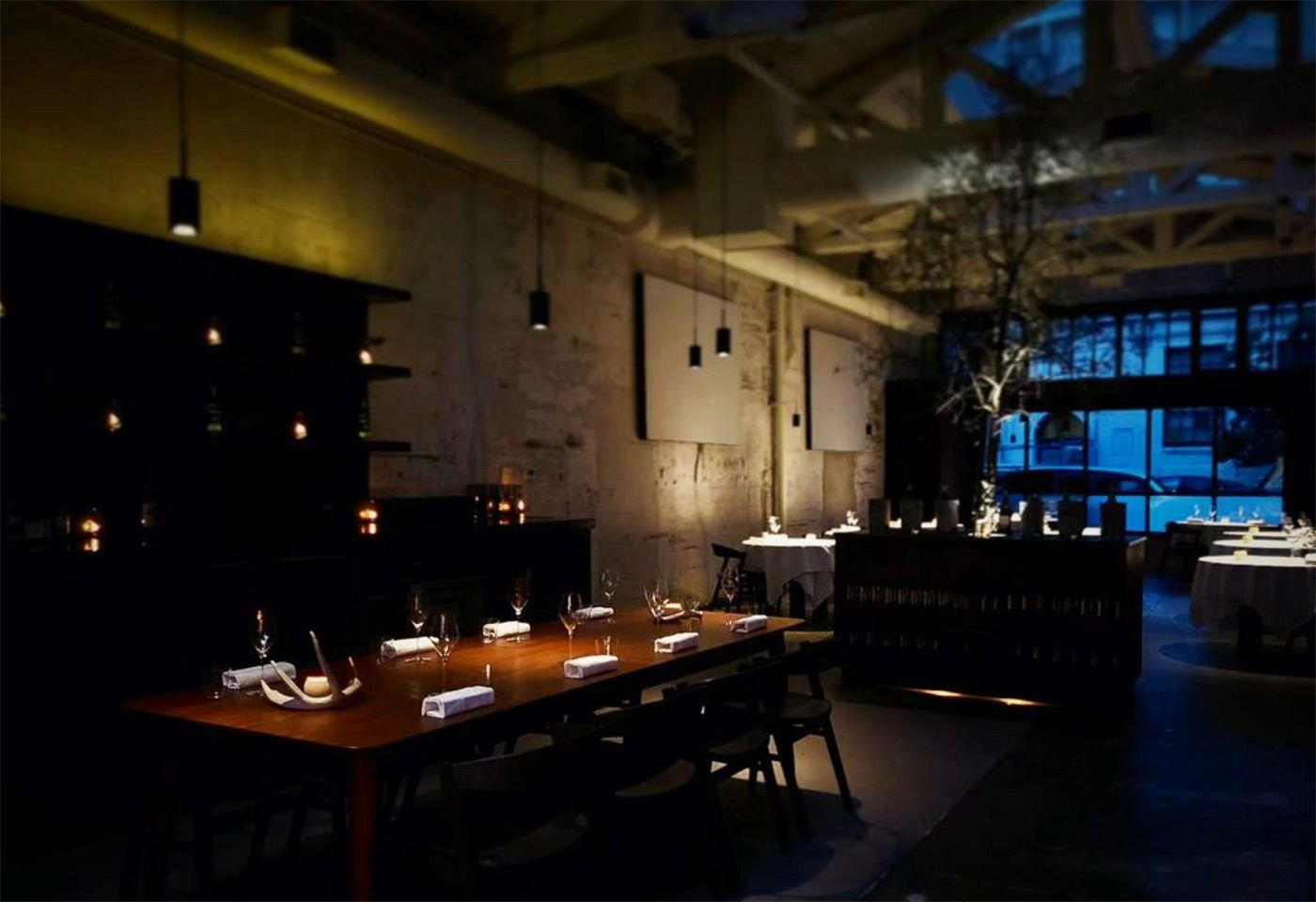
Bars in San Francisco
All bars in San Francisco →
Details
- Romantic
- Elegant
- Sophisticated
- Intimate
- Date Night
- Special Occasion
- Business Dinner
- Historic Building
- Standalone
- Local Sourcing
- Organic
- Prix Fixe
- A La Carte
Terrific ambiance in a historic landmark building with elegant, romantic lighting and sophisticated atmosphere.