Skip to Main Content
← Collection
LocationVouliagméni, Greece
We're Smart World

<h2>Where the Athenian Riviera Eats</h2><p>The coastline south of Athens has always attracted a particular kind of diner: one who wants the sea close enough to hear, food that doesn't require a glossary, and a room that handles a larger table as confidently as a table for two. Vouliagméni, the affluent coastal suburb roughly 25 kilometres from central Athens, sits at the apex of this stretch. Its restaurant scene operates differently from the city proper, where the competitive pressure of Kolonaki and the gastronomic ambitions of venues like <a href="https://www.enprimeurclub.com/restaurants/delta-athens-restaurant">Delta in Athens</a> set the tone. Down here, the water does some of the work, and the kitchens that succeed are the ones that understand the difference between proximity to the sea and actually cooking from it.</p><p>Ithaki occupies a position on the Apollonos waterfront in Vouliagméni that places it squarely in this conversation. The address, along Athenian Riviera's most recognisable coastal strip, means the setting carries weight before a plate arrives. This is a restaurant that commands attention through location, but the more interesting question is what happens once you sit down.</p><h2>The Format: Familiar Ingredients, Unfamiliar Combinations</h2><p>The Athenian dining scene has, over the past decade, divided into two reasonably clear camps. On one side sit the precision-driven contemporary Greek restaurants, including the likes of <a href="https://www.enprimeurclub.com/restaurants/selene-santori-restaurant">Selene in Santorini</a> and <a href="https://www.enprimeurclub.com/restaurants/lycabettus-oia-restaurant">Lycabettus in Oia</a>, where the emphasis falls on reinterpreting Greek produce through a modernist or haute-cuisine lens. On the other sit the direct taverna-format places that lean on tradition without apology. Ithaki sits in neither camp cleanly, and that positioning is the more interesting thing to write about.</p><p>Head chef Spyros Asimis operates a menu that pairs traditional Greek dishes with what the restaurant describes as pure plant sushi, alongside other crossover creations. This isn't fusion for its own sake. It reflects a broader shift in Greek coastal dining, where the assumption that local guests want only grilled fish and horiatiki has given way to menus that carry Japanese-influenced preparations alongside the classics. The approach requires the kitchen to be competent across a genuinely wide technical range, which is the harder half of the proposition. For comparison, <a href="https://www.enprimeurclub.com/restaurants/almiriki-mykonos-restaurant">Almiriki in Mykonos</a> and <a href="https://www.enprimeurclub.com/restaurants/avaton-luxury-beach-resort-halkidiki-restaurant">Avaton Luxury Beach Resort in Halkidiki</a> both navigate similarly hybrid formats along Greece's resort coastline, with varying degrees of conviction.</p><h2>Sourcing Along the Riviera: Why Provenance Matters Here</h2><p>Greek coastal cooking has one structural advantage over almost every other Mediterranean tradition: the supply chain is short almost by definition. The Saronic Gulf, just offshore from Vouliagméni, continues to produce fish that move from boat to kitchen on the same day. The agricultural plains of Attica, the broader region surrounding Athens, supply vegetables, herbs, and pulses that have a different density and flavour profile from their exported equivalents. For a restaurant in this location, the sourcing argument doesn't need to be made loudly because it is built into the geography.</p><p>Where sourcing becomes a genuine editorial point for Ithaki is in its plant-based sushi offer. Sushi rice, nori, and the precision techniques involved are not products of the Greek mainland supply chain. Incorporating them meaningfully into a menu that reads as locally grounded requires a different kind of procurement thinking: sourcing Japanese-origin ingredients from suppliers who can maintain quality standards, then pairing them with Greek vegetables and coastal produce in a way that the result feels coherent rather than cosmetically diverse. This is the harder sourcing challenge, and it's the one that distinguishes kitchens genuinely engaged with the format from those treating it as a menu-padding exercise.</p><p>This tension between local rootedness and technical range also defines how restaurants like <a href="https://www.enprimeurclub.com/restaurants/etrusco-kato-korakiana-restaurant">Etrusco in Kato Korakiana</a> and <a href="https://www.enprimeurclub.com/restaurants/olais-kefalonia-restaurant">Olais in Kefalonia</a> have built their reputations: working with what the island or region genuinely produces, then applying technique that doesn't obscure that origin. Ithaki's version of this plays out against the specific backdrop of the Athenian Riviera, where the clientele is sophisticated enough to notice when a kitchen is coasting on its view.</p><h2>The Room and the Scale</h2><p>Riviera restaurants in this bracket typically face a version of the same operational tension: the location draws large tables, weekend groups, and a high volume of covers, while the ambition of the menu often suits a smaller, more controlled service format. Chef Asimis handles a large audience, which means the kitchen's consistency across that volume is part of the value proposition, not just the food itself. Restaurants at comparable scale and ambition along Greece's coastlines, including <a href="https://www.enprimeurclub.com/restaurants/old-mill-elounda-restaurant">Old Mill in Elounda</a> and <a href="https://www.enprimeurclub.com/restaurants/myconian-ambassador-thalasso-spa-platis-gialos-restaurant">Myconian Ambassador Thalasso Spa in Platis Gialos</a>, demonstrate that high cover counts and menu quality are not mutually exclusive, but they require a kitchen organised around systems rather than improvisation.</p><p>The atmosphere at Ithaki is a product of both the Vouliagméni waterfront and the kind of crowd that gravitates to it: Athenian families with residences nearby, visitors staying at the coast's hotels (for context on where to stay, see <a href="https://www.enprimeurclub.com/hotels/vouliagmeni">our full Vouliagméni hotels guide</a>), and regulars who return specifically because the formula is reliable. The setting lends itself to a long lunch as readily as an evening meal. For those looking at the broader context of what Vouliagméni offers beyond the table, <a href="https://www.enprimeurclub.com/bars/vouliagmeni">our full Vouliagméni bars guide</a>, <a href="https://www.enprimeurclub.com/wineries/vouliagmeni">wineries guide</a>, and <a href="https://www.enprimeurclub.com/experiences/vouliagmeni">experiences guide</a> cover the surrounding territory in full.</p><h2>Placing Ithaki in the Athens Region</h2><p>The Athens restaurant scene at the higher end of the price range, represented by venues like Botrini's, Spondi, and Tudor Hall, operates with a formality and tasting-menu orientation that Ithaki doesn't replicate. Ithaki is not competing in that register. It operates closer to the mid-to-upper tier occupied by venues like Hytra and Aleria: accessible, quality-driven Greek cooking for a restaurant that handles volume. For visitors whose primary frame of reference is the international restaurant circuit, the comparison points are better found in approachable coastal venues abroad, where the experience is grounded in place and produce rather than structured around a chef's formal concept. <a href="https://www.enprimeurclub.com/restaurants/le-bernardin">Le Bernardin in New York City</a> or <a href="https://www.enprimeurclub.com/restaurants/emerils-new-orleans-restaurant">Emeril's in New Orleans</a> represent a different scale of institutional ambition, but both share a commitment to sourcing discipline that coastal Greek cooking at its leading also embodies.</p><p>For a broader map of where Ithaki sits among the Vouliagméni dining options, <a href="https://www.enprimeurclub.com/restaurants/vouliagmeni">our full Vouliagméni restaurants guide</a> provides the context. Among the Greek island and coastal restaurants in the EP Club database, the closest editorial comparisons are <a href="https://www.enprimeurclub.com/restaurants/aktaion-firostefani-restaurant">Aktaion in Firostefani</a> and <a href="https://www.enprimeurclub.com/restaurants/myconian-utopia-resort-mykonos-restaurant">Myconian Utopia Resort in Elia</a>, both of which balance setting-driven appeal with genuine kitchen investment.</p><h2>Planning a Visit</h2><p>Ithaki sits on Apollonos 28 in Vouliagméni, a seafront address that is reachable by taxi from central Athens in around 30 to 40 minutes depending on traffic, or by coastal bus services from the city. Vouliagméni's peak season runs from late May through September, when the Athenian Riviera operates at full capacity and weekend tables at waterfront restaurants fill quickly. Booking ahead, particularly for Friday and Saturday evenings and Sunday lunches during summer, is the practical approach rather than the cautious one. Outside peak season, the restaurant and the broader area are considerably quieter, which changes both the ambience and the booking logistics in the visitor's favour.</p><h2>Frequently Asked Questions</h2><dl><dt>Does Ithaki work for a family meal?</dt><dd>Yes, the menu's breadth and approachable format make it a workable choice for mixed-age groups in Vouliagméni, where family dining along the Riviera is a standard weekend pattern rather than an exception.</dd><dt>What is the atmosphere like at Ithaki?</dt><dd>The waterfront address on the Athenian Riviera positions Ithaki in a social, view-driven setting typical of the area's premium coastal restaurants. The crowd skews Athenian rather than tourist-heavy, and the format suits long meals over a leisurely pace.</dd><dt>What do regulars order at Ithaki?</dt><dd>The menu spans traditional Greek dishes and plant-based sushi alongside other contemporary preparations by Chef Spyros Asimis, so regulars navigate both the familiar and the more adventurous sides of the offer depending on the occasion.</dd><dt>Should I book Ithaki in advance?</dt><dd>Book ahead, particularly during the Athenian Riviera's summer season. A waterfront restaurant in this location, running a menu with genuine range and the ability to handle a large room, draws consistent demand from May through September.</dd></dl>

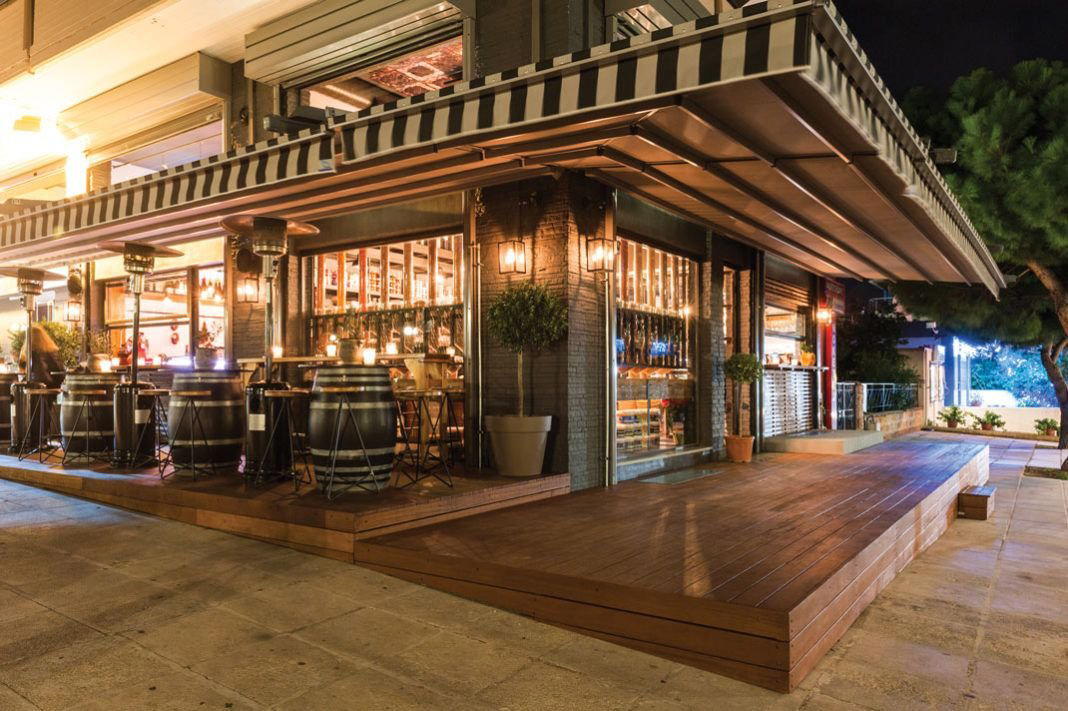
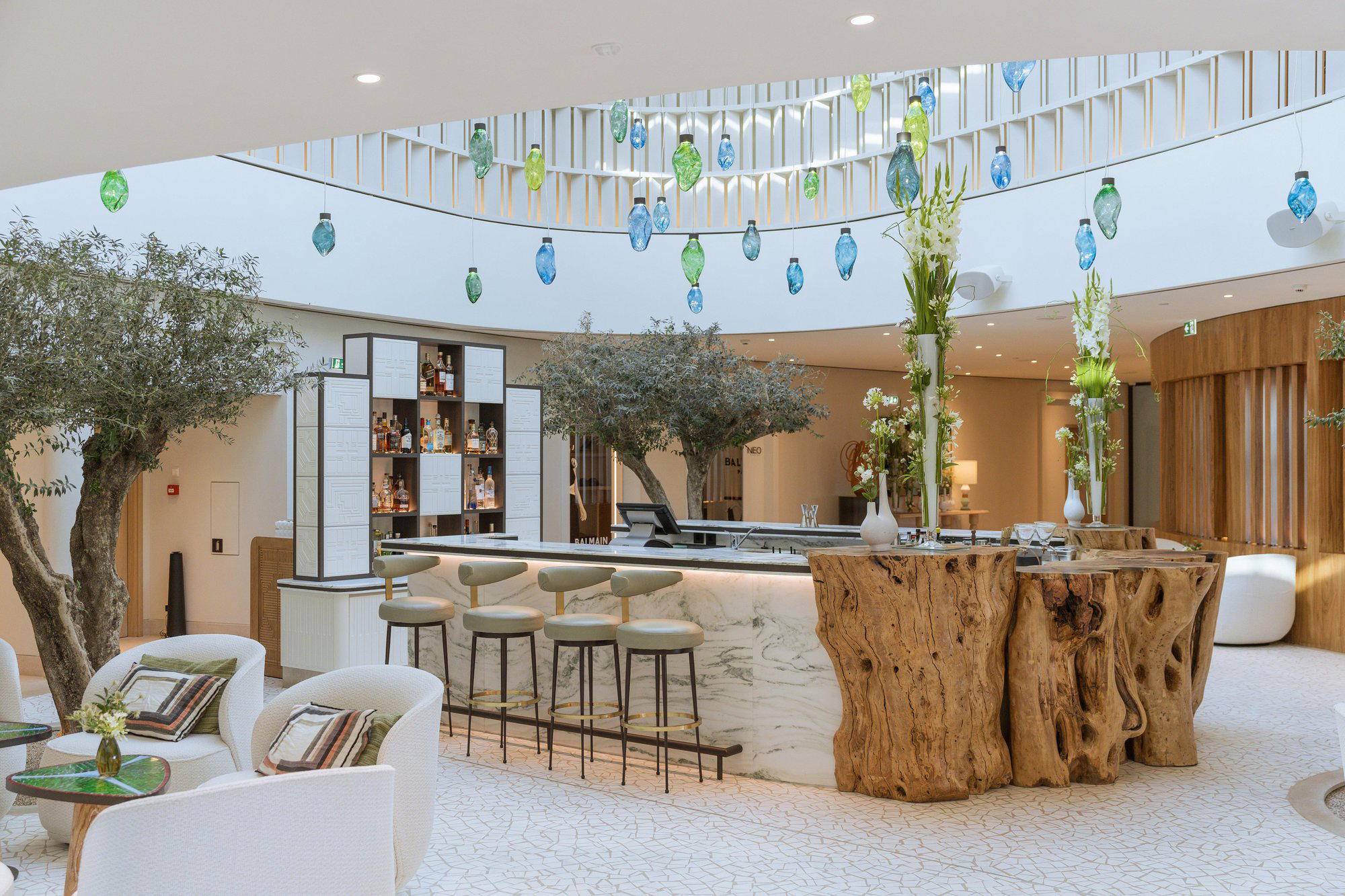
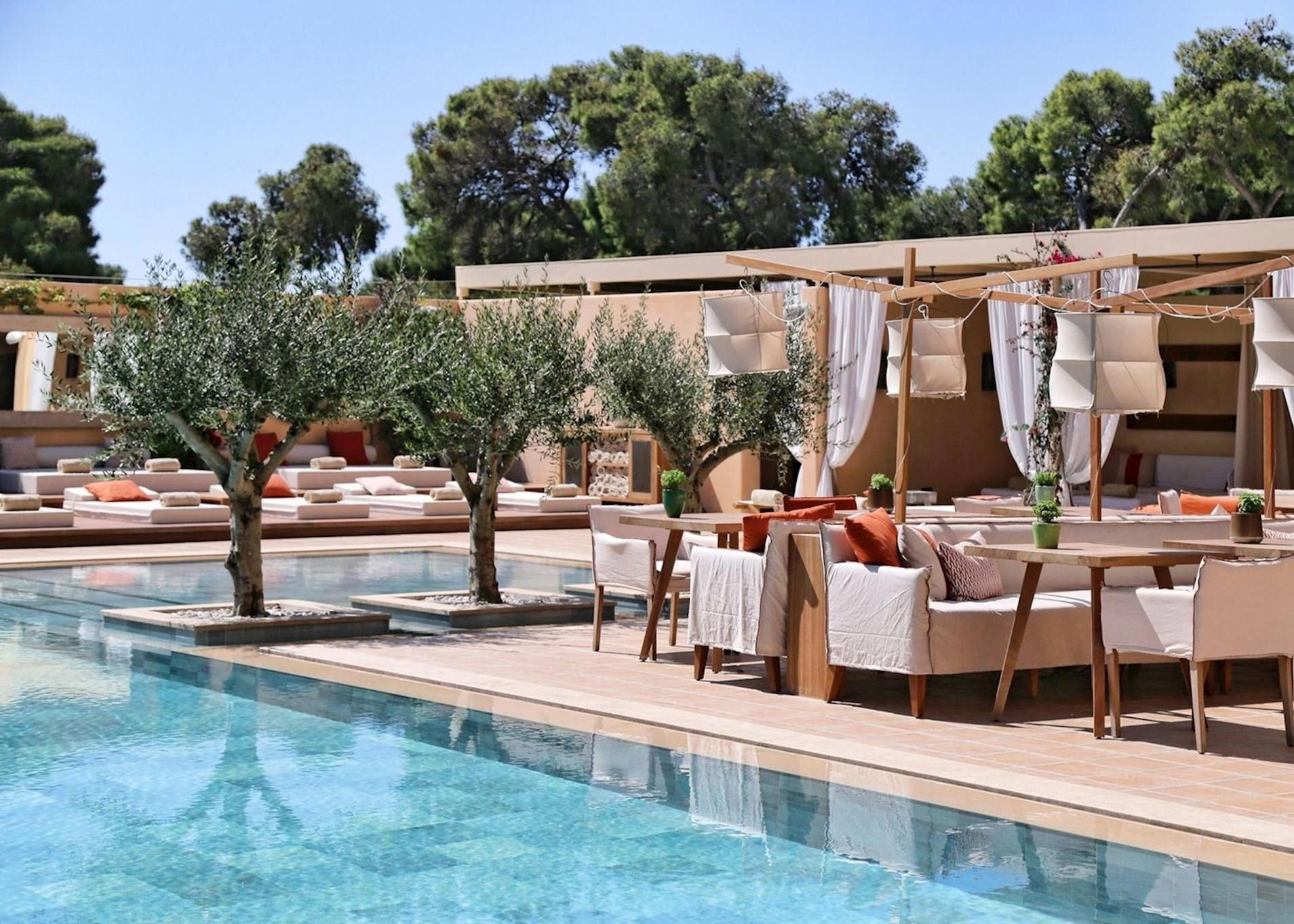
Ithaki restaurant in Vouliagméni, Greece
About

Where the Athenian Riviera Eats

The coastline south of Athens has always attracted a particular kind of diner: one who wants the sea close enough to hear, food that doesn't require a glossary, and a room that handles a larger table as confidently as a table for two. Vouliagméni, the affluent coastal suburb roughly 25 kilometres from central Athens, sits at the apex of this stretch. Its restaurant scene operates differently from the city proper, where the competitive pressure of Kolonaki and the gastronomic ambitions of venues like Delta in Athens set the tone. Down here, the water does some of the work, and the kitchens that succeed are the ones that understand the difference between proximity to the sea and actually cooking from it.

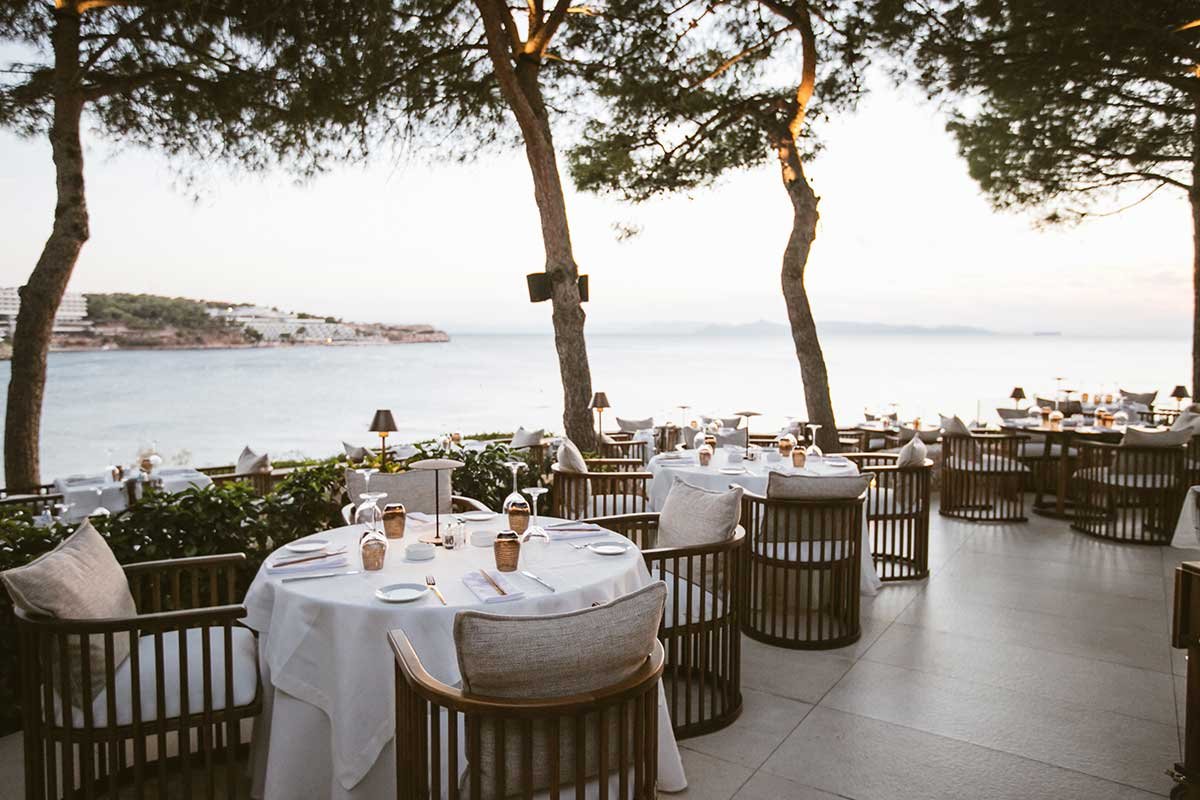
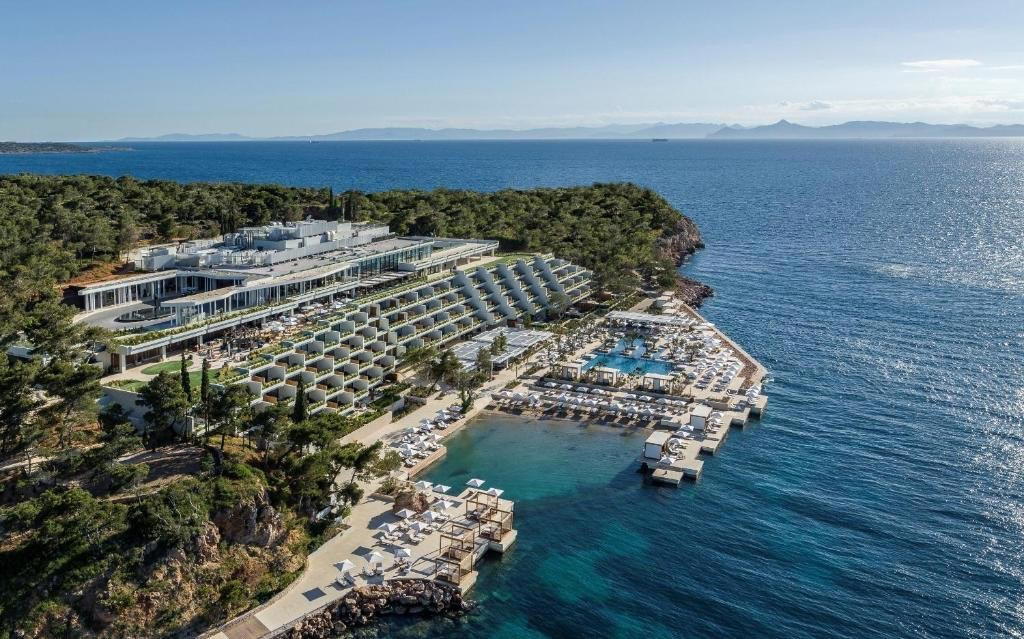
Ithaki occupies a position on the Apollonos waterfront in Vouliagméni that places it squarely in this conversation. The address, along Athenian Riviera's most recognisable coastal strip, means the setting carries weight before a plate arrives. This is a restaurant that commands attention through location, but the more interesting question is what happens once you sit down.

The Format: Familiar Ingredients, Unfamiliar Combinations

The Athenian dining scene has, over the past decade, divided into two reasonably clear camps. On one side sit the precision-driven contemporary Greek restaurants, including the likes of Selene in Santorini and Lycabettus in Oia, where the emphasis falls on reinterpreting Greek produce through a modernist or haute-cuisine lens. On the other sit the direct taverna-format places that lean on tradition without apology. Ithaki sits in neither camp cleanly, and that positioning is the more interesting thing to write about.

Head chef Spyros Asimis operates a menu that pairs traditional Greek dishes with what the restaurant describes as pure plant sushi, alongside other crossover creations. This isn't fusion for its own sake. It reflects a broader shift in Greek coastal dining, where the assumption that local guests want only grilled fish and horiatiki has given way to menus that carry Japanese-influenced preparations alongside the classics. The approach requires the kitchen to be competent across a genuinely wide technical range, which is the harder half of the proposition. For comparison, Almiriki in Mykonos and Avaton Luxury Beach Resort in Halkidiki both navigate similarly hybrid formats along Greece's resort coastline, with varying degrees of conviction.

Sourcing Along the Riviera: Why Provenance Matters Here

Greek coastal cooking has one structural advantage over almost every other Mediterranean tradition: the supply chain is short almost by definition. The Saronic Gulf, just offshore from Vouliagméni, continues to produce fish that move from boat to kitchen on the same day. The agricultural plains of Attica, the broader region surrounding Athens, supply vegetables, herbs, and pulses that have a different density and flavour profile from their exported equivalents. For a restaurant in this location, the sourcing argument doesn't need to be made loudly because it is built into the geography.

Where sourcing becomes a genuine editorial point for Ithaki is in its plant-based sushi offer. Sushi rice, nori, and the precision techniques involved are not products of the Greek mainland supply chain. Incorporating them meaningfully into a menu that reads as locally grounded requires a different kind of procurement thinking: sourcing Japanese-origin ingredients from suppliers who can maintain quality standards, then pairing them with Greek vegetables and coastal produce in a way that the result feels coherent rather than cosmetically diverse. This is the harder sourcing challenge, and it's the one that distinguishes kitchens genuinely engaged with the format from those treating it as a menu-padding exercise.

This tension between local rootedness and technical range also defines how restaurants like Etrusco in Kato Korakiana and Olais in Kefalonia have built their reputations: working with what the island or region genuinely produces, then applying technique that doesn't obscure that origin. Ithaki's version of this plays out against the specific backdrop of the Athenian Riviera, where the clientele is sophisticated enough to notice when a kitchen is coasting on its view.

The Room and the Scale

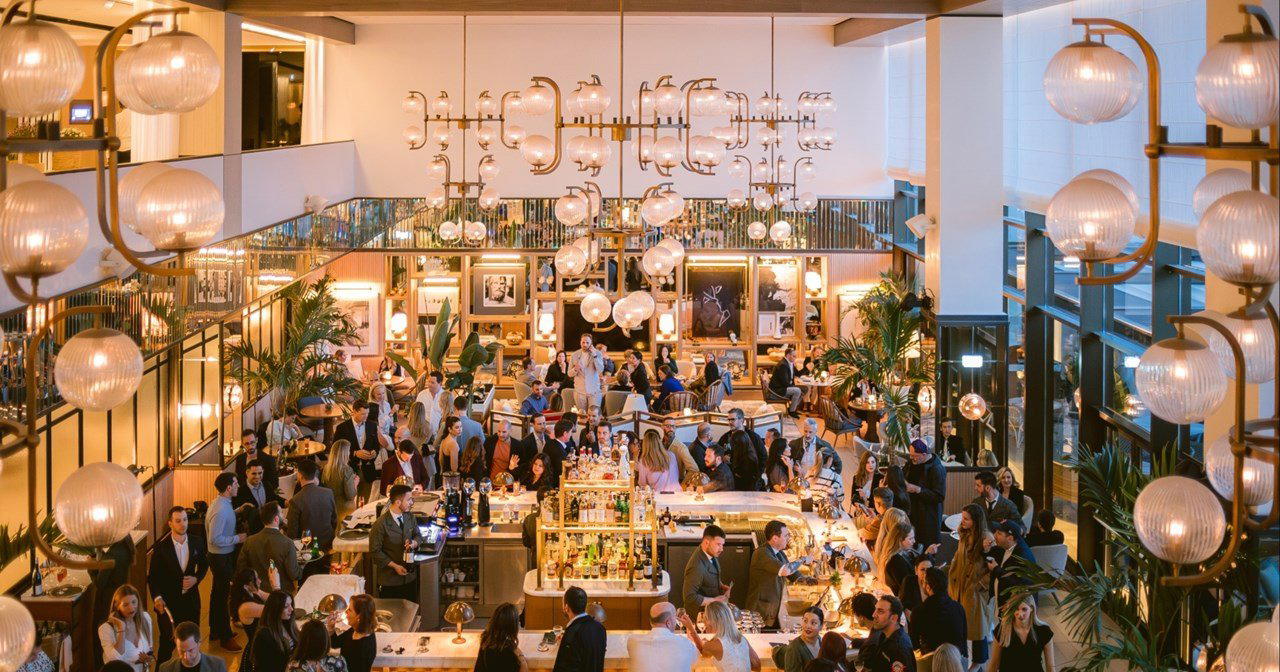
Riviera restaurants in this bracket typically face a version of the same operational tension: the location draws large tables, weekend groups, and a high volume of covers, while the ambition of the menu often suits a smaller, more controlled service format. Chef Asimis handles a large audience, which means the kitchen's consistency across that volume is part of the value proposition, not just the food itself. Restaurants at comparable scale and ambition along Greece's coastlines, including Old Mill in Elounda and Myconian Ambassador Thalasso Spa in Platis Gialos, demonstrate that high cover counts and menu quality are not mutually exclusive, but they require a kitchen organised around systems rather than improvisation.

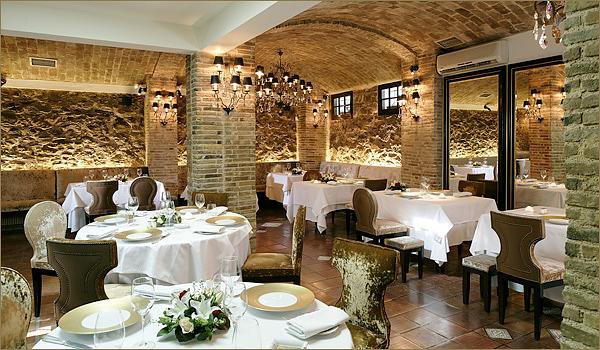
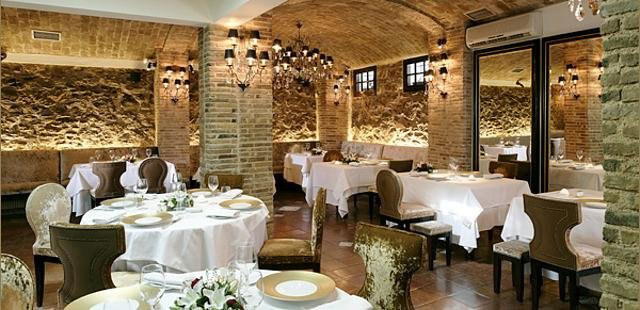
The atmosphere at Ithaki is a product of both the Vouliagméni waterfront and the kind of crowd that gravitates to it: Athenian families with residences nearby, visitors staying at the coast's hotels (for context on where to stay, see our full Vouliagméni hotels guide), and regulars who return specifically because the formula is reliable. The setting lends itself to a long lunch as readily as an evening meal. For those looking at the broader context of what Vouliagméni offers beyond the table, our full Vouliagméni bars guide, wineries guide, and experiences guide cover the surrounding territory in full.

Placing Ithaki in the Athens Region

The Athens restaurant scene at the higher end of the price range, represented by venues like Botrini's, Spondi, and Tudor Hall, operates with a formality and tasting-menu orientation that Ithaki doesn't replicate. Ithaki is not competing in that register. It operates closer to the mid-to-upper tier occupied by venues like Hytra and Aleria: accessible, quality-driven Greek cooking for a restaurant that handles volume. For visitors whose primary frame of reference is the international restaurant circuit, the comparison points are better found in approachable coastal venues abroad, where the experience is grounded in place and produce rather than structured around a chef's formal concept. Le Bernardin in New York City or Emeril's in New Orleans represent a different scale of institutional ambition, but both share a commitment to sourcing discipline that coastal Greek cooking at its leading also embodies.

For a broader map of where Ithaki sits among the Vouliagméni dining options, our full Vouliagméni restaurants guide provides the context. Among the Greek island and coastal restaurants in the EP Club database, the closest editorial comparisons are Aktaion in Firostefani and Myconian Utopia Resort in Elia, both of which balance setting-driven appeal with genuine kitchen investment.

Planning a Visit

Ithaki sits on Apollonos 28 in Vouliagméni, a seafront address that is reachable by taxi from central Athens in around 30 to 40 minutes depending on traffic, or by coastal bus services from the city. Vouliagméni's peak season runs from late May through September, when the Athenian Riviera operates at full capacity and weekend tables at waterfront restaurants fill quickly. Booking ahead, particularly for Friday and Saturday evenings and Sunday lunches during summer, is the practical approach rather than the cautious one. Outside peak season, the restaurant and the broader area are considerably quieter, which changes both the ambience and the booking logistics in the visitor's favour.

Frequently Asked Questions

Does Ithaki work for a family meal?
Yes, the menu's breadth and approachable format make it a workable choice for mixed-age groups in Vouliagméni, where family dining along the Riviera is a standard weekend pattern rather than an exception.
What is the atmosphere like at Ithaki?
The waterfront address on the Athenian Riviera positions Ithaki in a social, view-driven setting typical of the area's premium coastal restaurants. The crowd skews Athenian rather than tourist-heavy, and the format suits long meals over a leisurely pace.
What do regulars order at Ithaki?
The menu spans traditional Greek dishes and plant-based sushi alongside other contemporary preparations by Chef Spyros Asimis, so regulars navigate both the familiar and the more adventurous sides of the offer depending on the occasion.
Should I book Ithaki in advance?
Book ahead, particularly during the Athenian Riviera's summer season. A waterfront restaurant in this location, running a menu with genuine range and the ability to handle a large room, draws consistent demand from May through September.

Side-by-Side Snapshot

These are the closest comparables we have in our database for quick context.

Collector Access

Need a table?

Our members enjoy priority alerts and concierge-led booking support for the world's most difficult tables.

Get Exclusive Access