
Tabelog 100 #60
Our verdict
Iroha sits in Kumamoto’s izakaya tradition rather than the city’s formal dining tier, with horse meat dishes, tripe, sake and shochu anchoring the appeal. Its Tabelog 100 Izakaya WEST selections in 2024 and 2025 give it a useful trust signal for travelers trying to read the local drinking-and-eating scene beyond hotel dining rooms.

Pearl is the En Primeur Club membership app — saves, bookings, and concierge access live there. Same editors, same standards.
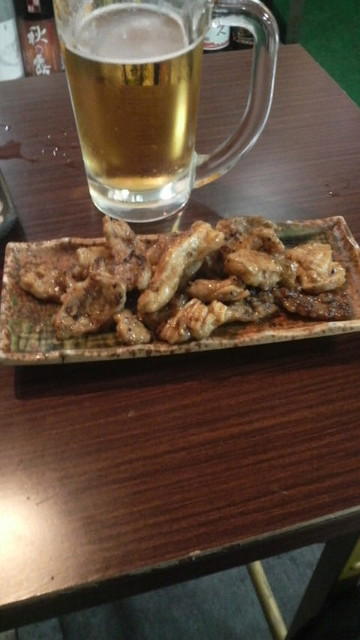
The menu
What to order
- Basashi (raw horse meat sashimi)
- Grilled horse innards
- Tripe dishes
Approaching Kumamoto in the evening, the city’s dining rhythm feels less like destination-restaurant theater than a sequence of working rooms: counters, shared tables, bottles, and menus built for conversation. That frames Iroha, an izakaya where the city’s drinking food carries more cultural weight than its modest format suggests.
Kumamoto is one of Japan’s more distinctive regional food cities because its identity is not built only around sushi, ramen, or kaiseki. Basashi and other horse meat dishes have local significance; tripe and offal cookery sit naturally beside them; the tavern format often matters as much as formal dining. Here, an izakaya can be a serious cultural address without looking formal. Tabelog’s Izakaya WEST 100 selection in 2025 places Iroha in a regional conversation about quality, consistency, and local appeal rather than luxury theater.
Kumamoto izakaya culture, read through horse meat and tripe
The sharper way to understand this room is not as a generic Japanese tavern, but as part of Kyushu’s deeper drinking-food tradition. Izakaya in western Japan work as flexible social rooms, where dishes move across the table while the drinks set the pace. Kumamoto adds its own vocabulary. Horse meat dishes are not novelty; they are a regional staple with enough range for specialist restaurants and everyday drinking rooms. Tripe also reflects a cooking culture that values texture and seasoning as much as luxury ingredients.
That makes the Tabelog recognition useful. It does not turn the room into fine dining, and should not be read that way. It signals that, among izakaya in western Japan, this is a serious local-format pick: grounded, specific, and more relevant to understanding Kumamoto than another polished multi-course room with little prefectural connection. Travelers comparing Kumamoto options will find a different register at antica locanda MIYAMOTO, where the experience sits in another dining lane, or at other Kumamoto dining rooms where the regional conversation takes a different form. Iroha belongs to the table-and-bottle end of the spectrum.
The listed categories also matter. Izakaya, horse meat dishes, and tripe are not incidental labels; together they explain why the room reads as local rather than interchangeable. That combination is part of the format’s intelligence. Izakaya are casual not simply because they are inexpensive or informal, but because dinner can expand or contract around the people at the table.
A local room with a stronger editorial signal than its format suggests
Kumamoto’s restaurant map often asks visitors to choose between regional specificity and polish. Steak Matsushita sits in one local lane, while Jikka and Katsuretsu Tei Minami kumamoto ten occupy other everyday ranges; Mimuro sits elsewhere in the local field with less public detail attached. Iroha’s value is a direct line into the city’s izakaya habits without the grammar of a tasting menu. Its Tabelog score of 3.70, paired with the Izakaya WEST 100 selection, is a clearer signal than décor language or chef mythology.
The drinking-room side is part of the argument. For travelers used to highly polished bar or counter dining, the center of gravity changes in Kumamoto tavern dining. Pairing becomes earthier and more flexible: horse meat dishes, tripe, and other izakaya plates keep pace with the glass rather than perform as isolated courses. For wider Japanese drinking-food comparison, the Kumamoto format sits apart from more polished bar framing and far from quick-service clarity.
Within Kumamoto, this address helps balance an itinerary. A traveler could read the city through a different dining register at antica locanda MIYAMOTO, through everyday local dining at Jikka or Katsuretsu Tei Minami kumamoto ten, or through another angle at Mimuro and Steak Matsushita. The point is not ranking them, but seeing Kumamoto’s plural dining culture: local tavern food, regional specialties, and other dining rooms within a compact city frame.
How to place it in a Kumamoto itinerary
Iroha makes strongest sense for travelers wanting a Kumamoto-specific evening without formal reservation stiffness. The useful planning facts are straightforward: it is listed as an izakaya with horse meat dishes and tripe, and the provided dinner budget sits at JPY 3,000 - JPY 3,999. Treat the meal as a social izakaya session, and check current practical details before going.
The Kumamoto location shapes the night. This is not a claim for luxury polish; it reads as a local dining stop, useful for visitors who want the city’s food culture in a direct form. Because independent restaurants in Japan can change service details, confirm the current schedule and access information before building an evening around it.
For broader planning, Our full Kumamoto restaurants guide maps this against other meals, while Our full Kumamoto hotels guide, Our full Kumamoto bars guide, Our full Kumamoto wineries guide, and Our full Kumamoto experiences guide set the wider trip structure. Readers comparing Japanese regional formats outside Kyushu can also look generically at other dining rooms across Japan, from grilled-beef specialists and seafood taverns to cafes, curry counters, and contemporary small restaurants.
The editorial verdict is simple: this is a Kumamoto izakaya to read culturally, not ceremonially. Its appeal lies in the local tavern frame, horse meat dishes, tripe, and enough third-party recognition to separate it from an ordinary neighborhood stop. For a city whose food identity is often underexplained to visitors, that combination carries real weight.
Frequently asked questions
Would Iroha be comfortable with kids?
Iroha is an izakaya in Kumamoto, so the experience should be considered in that tavern-dining context rather than assumed to be a kids-first family setup. The 2025 Tabelog 100 selection also points to a room built around izakaya dining.
Is Iroha formal or casual?
Iroha reads as casual in format, with Japanese style tavern categories and a location in Kumamoto. The Tabelog 100 Izakaya WEST 2025 selection gives it more editorial weight than the room’s relaxed brief suggests.
What does dinner at Iroha typically cost?
Pricing at Iroha is listed as JPY 3,000 - JPY 3,999 JPY 1,000 - JPY 1,999 View spending breakdown.
What are Iroha's hours?
Current hours for Iroha should be confirmed directly before visiting.
A Pricing-First Comparison
Comparable venues by cuisine and price in the same metro.
| Venue | Cuisine | Price | Awards | Notes |
|---|---|---|---|---|
| IrohaThis venue (the venue you are viewing) | Traditional Kumamoto Izakaya with Horse Meat Dishes | $30–50 | Tabelog 100 #60 | Not listed |
| Katsuretsu Tei Shinishigai honten | Traditional Kumamoto Tonkatsu Restaurant | $20–30 | Tabelog 100 #71 | Shinshigai, Chuo Ward, Traditional Kumamoto Tonkatsu Restaurant |
| Yoshoku no Mise Hashimoto | Japanese-style Western Cuisine (Yoshoku) | $30–50 | Tabelog 100 #55 | Kamitori-cho, Chuo Ward, Japanese-style Western Cuisine (Yoshoku) |
| Tensho Katahei | Seasonal Tempura & Soba Omakase | $100–150 | Tabelog 100 #51 | Chuo Ward, Seasonal Tempura & Soba Omakase |
| Sushi Nakamura | Traditional Japanese Sushi | $100–150 | Tabelog Bronze #307 | Chuo-Ku, Traditional Japanese Sushi |
| Sekka Sanbo | Handmade Soba & Sake | $20–30 | Tabelog 100 #56 | Chuo Ward, Kamidori / Kaminoura-dori area, Handmade Soba & Sake |
Recognition history
Dated appearances from independent guides and award organizations, with the underlying list record or original source where available.
Tabelog 100 #60 · No. 60
Tabelog · Tabelog 100 - Izakaya - WEST - 2025
Continue exploring
More in Kumamoto
Restaurants in Kumamoto
All restaurants in Kumamoto →
Bars in Kumamoto
All bars in Kumamoto →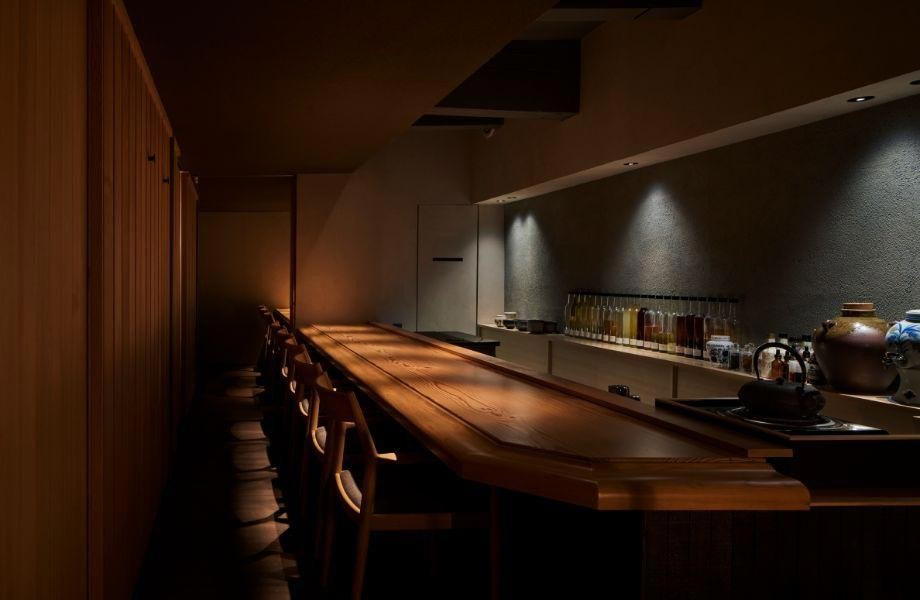
Details
- Lively
- Cozy
- Classic
- Energetic
- After Work
- Casual Hangout
- Group Dining
- Solo
- Celebration
- Late Night
- Standalone
- Sake Program
- Beer Program
- A La Carte
- Small Plates
- Counter Dining
- Sake
- Shochu
- Beer
Current opening hours
- Monday
- Closed
- Tuesday
- 5:30–11 PM
- Wednesday
- 5:30–11 PM
- Thursday
- 5:30–11 PM
- Friday
- 5:30–11 PM
- Saturday
- 5:30–11 PM
- Sunday
- Closed
Hours can change for holidays and private events. Last verified .
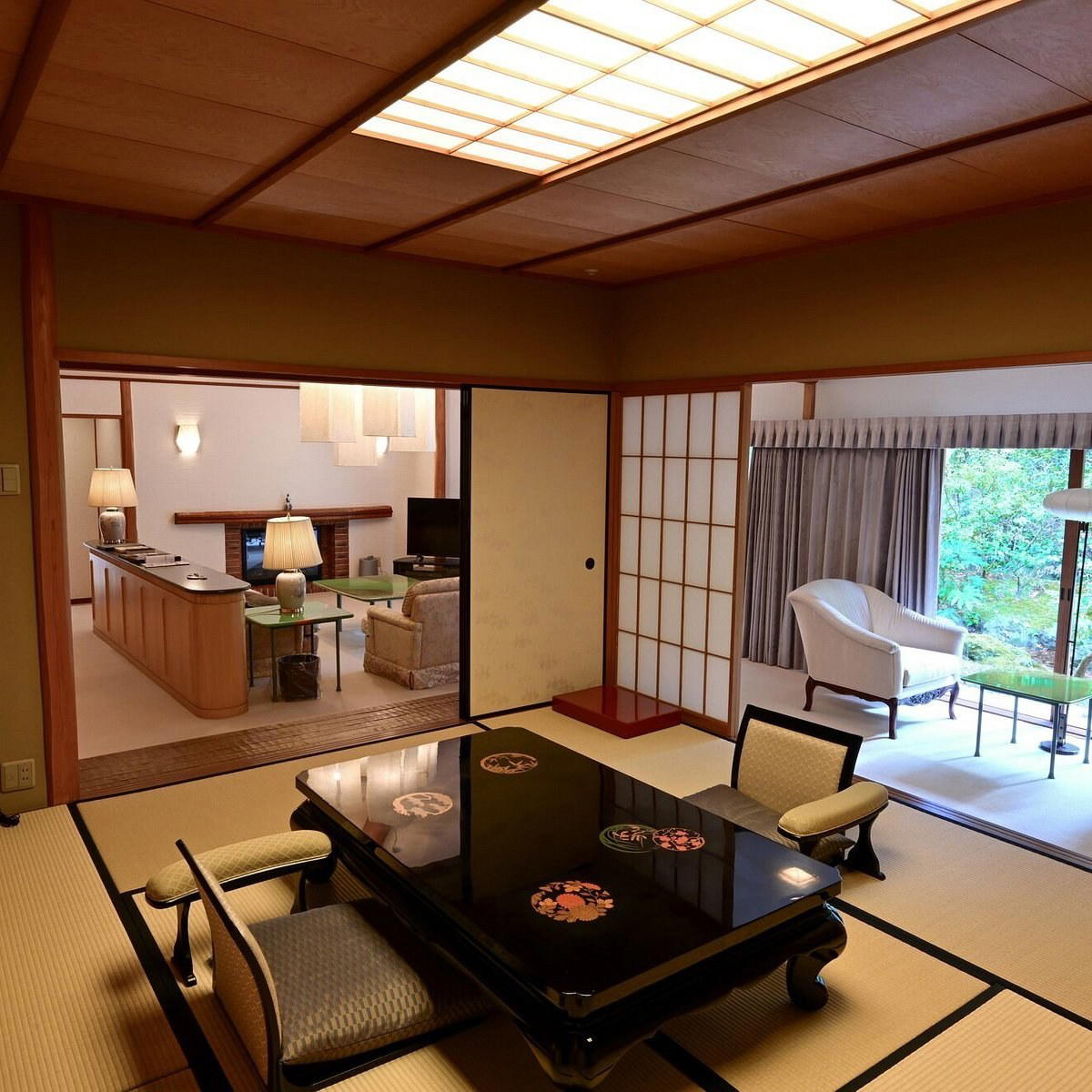
Cozy, lively neighborhood izakaya with counter seats and tatami rooms, a classic Kumamoto feel, and an atmosphere suited to relaxed drinking and sharing plates with friends over long, unhurried meals.