
Tabelog 100 #55
Our verdict
Yoshoku no Mise Hashimoto gives Kumamoto’s western-influenced Japanese cooking a serious dining-room address rather than a retro-café treatment. Its Tabelog Award 2025 Bronze recognition and repeated Tabelog 100 Yoshoku selections place it in a tighter national conversation around curry, demi-glace technique, and regional produce handled with old-school discipline.

Pearl is the En Primeur Club membership app, where members save venues, book tables and use the concierge.
The menu
What to order
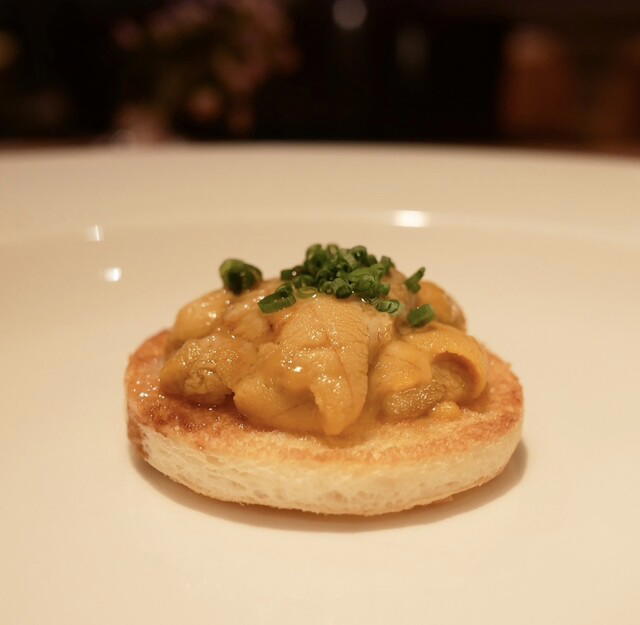
- Foie gras katsu sandwich
- Spicy beef dish
- Curry
In Kumamoto, the meal begins with a familiar Japanese urban signal: a dining room close to the city’s movement yet set apart from it. That suits yoshoku, a cuisine built on translation rather than spectacle. Western forms entered Japan through port cities, hotel kitchens, department-store dining rooms, and neighborhood counters, then became a grammar of sauces, rice, frying, curry, cutlets, gratins, hamburger steak, and omelet rice. In Kumamoto, yoshoku gains another layer from a prefectural food culture tied to land, even when a restaurant does not list farm names or provenance on every plate.
Yoshoku no Mise Hashimoto belongs to the serious end of the tradition. The category is yoshoku and curry, and the signal is recognition: selection in the Tabelog Hyakumeiten / 100 Best Restaurants framework for 2025, with a listed Tabelog score of 3.91. In a genre often treated as comfort food, that presence says the room is judged against specialists, not only general neighborhood dining. The appeal is not novelty, but controlled sauce work, spice bases, rice, meat, and frying technique.
Kumamoto yoshoku works when western technique meets local appetite
Yoshoku is easy to underestimate because its dishes look familiar. Yet it depends on labor-intensive foundations: roux cooked until the raw edge disappears, curry bases with depth beyond heat, sauces with gloss but no heaviness, and meat or seafood handled so the plate reads as Japanese even when the vocabulary began elsewhere. In Kumamoto, this matters because the city’s dining identity is broad. Serious meals can take many forms across specialist rooms and everyday counters alike. Within that spread, yoshoku gives visitors a useful middle register: less ceremonial than formal counter dining, more composed than a casual curry shop.
That middle register is where Yoshoku no Mise Hashimoto earns attention. Compared with other recognized Kumamoto restaurants such as Yakiniku Sudou Kumamoto honten, Amakusa Daiou Senmon Ten Tosaka, China Sichuan Togen, Tensho Katahei, and IL CASINO, this address sits in a different decision category: polished everyday luxury rather than occasion-only dining. The comparison is not cuisine equivalence, but how Kumamoto spends. A city with a range of serious dining rooms also needs a place where curry and yoshoku receive equal care. That is the role here.
The ingredient question is subtle. No public-facing farm list is needed for the cooking to feel regional; in Japan, yoshoku often absorbs locality through staples rather than announcements. Kumamoto gives the kitchen a strong backdrop, while curry fits Japan’s long history of western adaptation. In yoshoku, sourcing shows through consistency: ingredients prepared for sauce, rice chosen to carry curry rather than compete with it, vegetables cooked for texture, and the whole plate organized around balance rather than decoration.
The curry signal is not casual; it is the measure of the room
Curry is the most revealing word in the listing because Japanese curry spans a huge range, from quick lunch counter to specialist craft. At the higher end, it tests patience: spice management, sweetness, bitterness, fat, reduction, and rice proportion must balance. Hashimoto’s Tabelog Hyakumeiten recognition places it among restaurants where that balance is taken seriously. For travelers, curry is not a fallback if richer yoshoku plates are unavailable; it is part of the restaurant’s critical identity.
The absence of a named chef in public-facing materials keeps attention on the tradition rather than personality. Yoshoku has always been less about auteur performance than repetition under pressure. The room’s appeal is best understood through the category itself: Japanese-style western cooking and curry, handled with enough consistency to earn specialist attention. Those details matter because yoshoku can drift into sentimentality. Here, the recognition trail points to craft, not retro charm.
Kumamoto visitors often plan meals around local specialties first, which makes sense. The city offers multiple ways to eat seriously, from highly focused specialists to more familiar everyday formats. Yoshoku cuts across those categories. It lets a traveler read the city through adaptation: how western sauces, curry, rice, and meat were localized without becoming fusion theater. That is why the address belongs in the same planning conversation as Amakusa Daiou Senmon Ten Tosaka, China Sichuan Togen, and other Kumamoto dining rooms for contrasting ways to understand the city.
How to place it in a Kumamoto itinerary
The strongest use case is a meal that gives shape to Kumamoto beyond the obvious regional checklist. Travelers who only chase famous local dishes or quick snacks miss how deeply Japanese cities absorbed western cooking and made it local. Yoshoku no Mise Hashimoto compresses that story into a recognized specialist format: curry and Japanese-style western cooking, an urban Kumamoto setting, and a clear place in the city’s dining map. It is sharper for diners who care about the evolution of everyday Japanese restaurant culture than for those seeking a long tasting-menu performance.
For broader planning, start with a full Kumamoto restaurants guide, then build around movement through the city rather than cuisine labels alone. Kumamoto also rewards a wider lens through hotels, bars, wineries, and experiences, alongside unnamed dining rooms that show how everyday formats can become serious. For readers mapping Japanese comfort formats across cities, compare the category logic generically with specialist curry shops, cafes, grills, bars, and casual counter formats elsewhere in Japan and beyond. The takeaway is simple: in Japan, humble formats become serious when repetition, sourcing, and sauce work are treated as craft.
Frequently asked questions
What does dinner at Yoshoku no Mise Hashimoto typically cost?
Pricing at Yoshoku no Mise Hashimoto is listed as dinner JPY 5,000 - JPY 5,999 and lunch JPY 2,000 - JPY 2,999.
Where is Yoshoku no Mise Hashimoto in Kumamoto?
Kumamoto.
How hard is it to get a table at Yoshoku no Mise Hashimoto?
The Tabelog Hyakumeiten / 100 Best Restaurants recognition for 2025 and listed score of 3.91 suggest planning ahead rather than assuming a same-day opening.
What's the defining dish or idea at Yoshoku no Mise Hashimoto?
The listed categories are yoshoku, meaning Japanese-style western cuisine, and curry. That points to a restaurant built around the genre itself, with Kumamoto pricing in the JPY 5,000–JPY 5,999 dinner range and a lower lunch bracket of JPY 2,000–JPY 2,999.
Can Yoshoku no Mise Hashimoto accommodate dietary restrictions?
Yoshoku no Mise Hashimoto serves yoshoku and curry in Kumamoto. For allergies or stricter dietary needs, the practical step is to confirm directly before dining at +81-96-324-1528.
Quick Comparison
Nearby venues at a similar price tier for orientation.
| Venue | Cuisine | Price | Awards | Notes |
|---|---|---|---|---|
| Yoshoku no Mise HashimotoThis venue (the venue you are viewing) | Japanese-style Western Cuisine (Yoshoku) | $30–50 | Tabelog 100 #55 | Not listed |
| Katsuretsu Tei (勝烈亭 新市街本店) | Japanese Tonkatsu | $10–20 | Not listed | Shinshigai, Chuo-ku |
| Sekka Sanbo | Handmade Soba & Sake | $20–30 | Tabelog 100 #56 | Chuo Ward, Kamidori / Kaminoura-dori area |
| Hi no Kuni Bunryu Souhonten | Kumamoto Tonkotsu Ramen | $10–20 | Tabelog 100 #92 | Higashi Ward |
| Hyogo Dori | Yakitori & Chicken Dishes | $50–100 | Tabelog 100 #57 | Chuo Ward |
| Kumamoto Ramen Kokutei Honten | Kumamoto Ramen | $10–20 | Tabelog 100 #22 | Nihongi |
Recognition history
Dated appearances from independent guides and award organizations, with the underlying list record or original source where available.
Tabelog 100 #55 · No. 55
Tabelog · Tabelog 100 - Yoshoku - WEST - 2025
Continue exploring
More in Kumamoto
Restaurants in Kumamoto
All restaurants in Kumamoto →
Bars in Kumamoto
All bars in Kumamoto →

Details
- Classic
- Cozy
- Well Known
- Date Night
- Group Dining
- Casual Hangout
- Special Occasion
- Standalone
- Beer Program
- Street Scene
- Set Menu
- A La Carte
- Wine
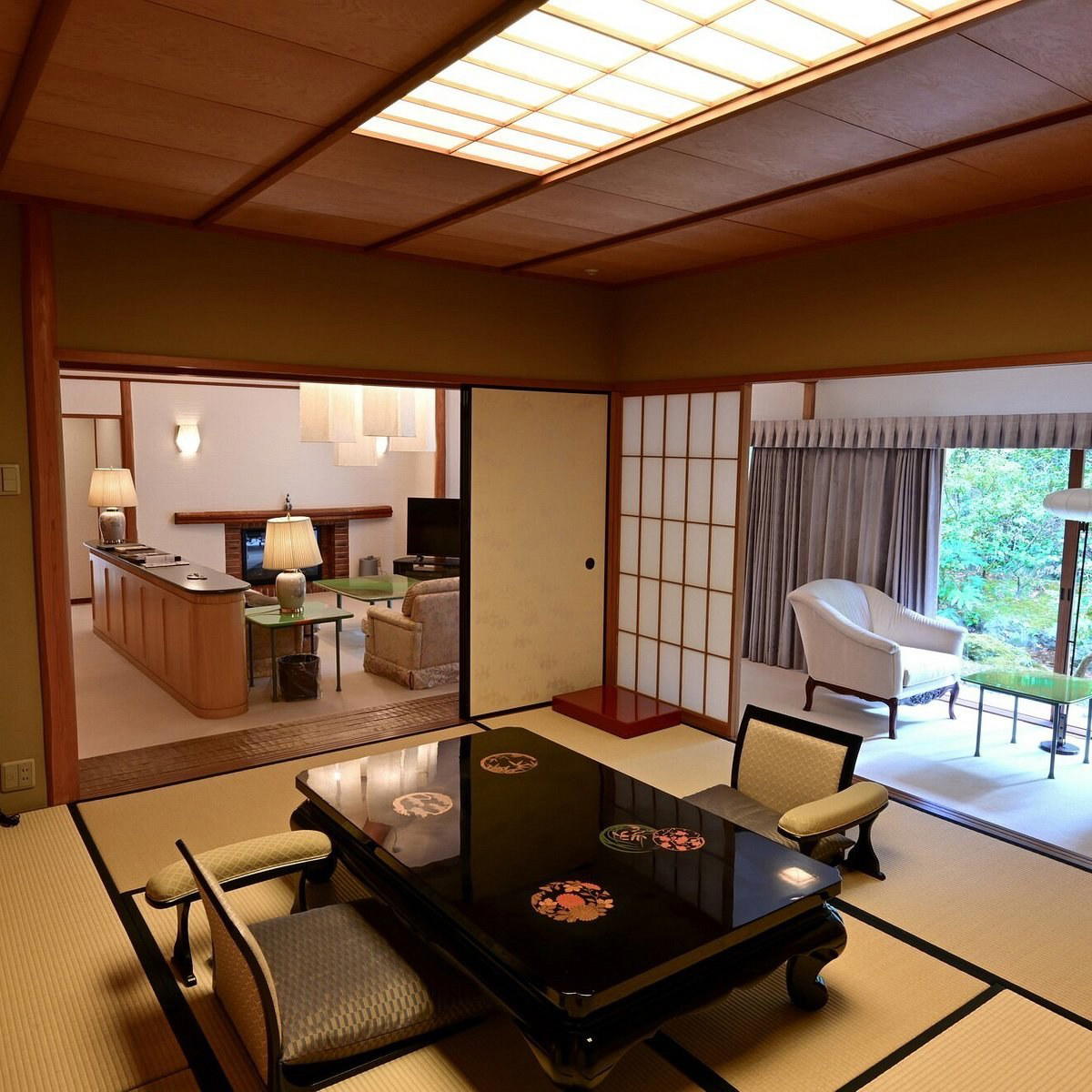
A relaxed, cozy Western-style restaurant atmosphere that feels established and low-key rather than flashy.