
Tabelog 100 #89
Our verdict
Sumibiyaki Steak Tajima places Tokushima’s beef culture in a more formal register, with charcoal steak and shabu shabu framed by a house-restaurant setting rather than a central-city counter. Its 2025 Tabelog 100 selection for Steak / Teppanyaki WEST gives it a clear signal in a category where regional specialists often matter more than national fame.

Pearl is the En Primeur Club membership app — saves, bookings, and concierge access live there. Same editors, same standards.
The menu
What to order
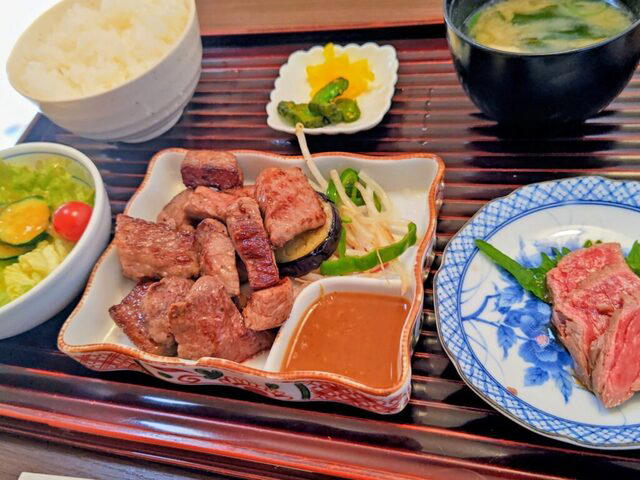
- Charcoal-grilled kuroge wagyu steak
- Kuroge wagyu shabu-shabu
- Kuroge wagyu sukiyaki
- Steak bento
Approaching a specialist restaurant changes the tempo of dinner before the first order is placed. Tokushima’s dining scene often rewards smaller, locally legible rooms: casual counters with civic memory, izakaya tables built around drinking rhythm, and specialist restaurants that sit outside the obvious tourist circuit. In that context, Sumibiyaki Steak Tajima belongs to a quieter premium tier, where steak and shabu shabu carry the meal rather than spectacle or chef theatre.
Beef in Japan is never just beef. The category splits across yakiniku, teppanyaki, sukiyaki, shabu shabu and steak, each with its own assumptions about heat, fat, pacing and the role of the diner. Steak puts attention on control: heat source, timing, cut selection and restraint. Shabu shabu shifts the experience toward broth, texture and dipping sauces. A restaurant that works across both categories is not simply offering variety; it is placing beef into two different Japanese dining traditions, one built around direct cooking and the other around shared simmering.
Steak and shabu shabu in Tokushima's beef vocabulary
Tokushima is often read through casual eating first, especially by travellers who anchor the city around everyday local staples. That is fair, but incomplete. Other Tokushima dining rooms give one version of local identity, compact and deeply rooted. Ishikawa Shoten and Izakaya Harubo point to the everyday drinking-and-eating register, where budget and repetition matter. Steak at this level sits on another axis: less about nightly convenience, more about occasion dining, product confidence and the cultural seriousness Japan gives to beef cookery.
The 2025 Tabelog Hyakumeiten recognition is the clearest public credential here. That signal places a Tokushima restaurant inside a broader conversation about highly regarded Japanese dining rather than only within a local directory. The Tabelog score of 3.61 is not a Michelin-style judgment, but in Japan’s user-review ecosystem it functions as a useful signal when paired with category recognition. The better reading is not that the restaurant is trying to behave like a big-city luxury counter. It is that Tokushima has a serious beef address operating in a category usually dominated in travellers’ minds by Osaka, Kyoto and Kobe.
That distinction is useful for planning a Tokushima food itinerary. NAMAIKI and Ponzu broaden the city’s restaurant map, while our full Tokushima restaurants guide shows how quickly the city moves between casual local staples and more deliberate dining formats. For lodging, drinking, wine and cultural planning around dinner, use our full Tokushima hotels guide, our full Tokushima bars guide, our full Tokushima wineries guide and our full Tokushima experiences guide.
A planned restaurant meal, not a performance-first dinner
The format is part of the argument. A focused steak and shabu shabu restaurant creates a different mode from a loose evening of casual grazing. That makes the meal feel less like a stop on a wider crawl and more like a planned dinner, with the focus resting on the beef categories themselves rather than on urban spectacle.
There is a useful comparison with other Japanese beef formats outside Tokushima. Other dining rooms in Japan point toward sukiyaki’s sweeter, sauce-driven register, while broader grill-focused restaurants show how live-fire cooking can move beyond beef into a wider vocabulary. Those are not substitutes for a Tokushima dinner, but they help frame the decision: steak, sukiyaki and shabu shabu are distinct traditions, not interchangeable labels for premium protein.
For travellers building a wider Japan itinerary, the contrast can sharpen expectations. Different cities attach food to different social roles: cafe culture, regional modern dining, immigrant cooking and specialist curry each sit in their own city-food relationship. Steak in Tokushima has a narrower purpose. It is less about sampling everything and more about choosing a single Japanese beef grammar for the evening.
How to read the meal within a Tokushima itinerary
The restaurant makes sense for diners who want one higher-commitment meal in Tokushima rather than another round of casual snacking. Its published budget places dinner at JPY 15,000 - JPY 19,999 and lunch at JPY 2,000 - JPY 2,999, so the logistics and spending profile suit a planned outing rather than spontaneous grazing.
The drinks direction is best approached without overreading the room. Steak and shabu shabu can support different pairing instincts, from Japanese seasoning logic to the more familiar steak-and-wine frame. That does not require a grand cellar narrative. It simply means the meal can be approached through the food’s two listed categories without forcing the restaurant into one identity.
International readers should resist the habit of treating every Japanese steak dinner as teppanyaki theatre. The stronger lens here is cultural specificity: steak, hotpot, regional recognition and Tokushima context. For Japanese food abroad, the social function can change when formats are translated overseas. In Tokushima, the point is not translation. It is local confidence: beef served through familiar Japanese structures, with enough recognition to justify building an evening around it.
Frequently asked questions
Is Sumibiyaki Steak Tajima a family-friendly restaurant?
Those details are not published. The restaurant is in Tokushima, and diners planning mixed-age meals should check the venue's official channels for the latest details.
What kind of setting is Sumibiyaki Steak Tajima?
It is a restaurant in Tokushima. The 2025 Tabelog Hyakumeiten recognition gives it the kind of formal signal that matches a planned meal.
How much does it cost to eat at Sumibiyaki Steak Tajima?
Pricing at Sumibiyaki Steak Tajima is listed as Dinner: JPY 15,000 - JPY 19,999; Lunch: JPY 2,000 - JPY 2,999.
What is Sumibiyaki Steak Tajima known for?
Sumibiyaki Steak Tajima is known in Tokushima for steak and shabu shabu, with 2025 Tabelog Hyakumeiten recognition and a Tabelog score of 3.61.
Price and Positioning
Side-by-side context: comparable cuisine and price.
| Venue | Cuisine | Price | Awards | Notes |
|---|---|---|---|---|
| Sumibiyaki Steak TajimaThis venue (the venue you are viewing) | Kuroge Wagyu Steak, Yakiniku, Shabu-shabu & Sukiyaki | $20–30 | Tabelog 100 #89 | Not listed |
| 食士わたなべ | Traditional Japanese Kaiseki | $50–100 | Not listed | 籠屋町, Traditional Japanese Kaiseki |
| NAMAIKI | Meat Kappo Bar | $30–50 | Not listed | Ginza, Meat Kappo Bar |
| Inotani Honten | Tokushima-style ramen | $1–10 | Tabelog 100 #82 | .null, Tokushima-style ramen |
| Ishikawa Shoten | Yakitori & chicken dishes | Not listed | Tabelog 100 #79 | Not listed |
| Teuchi Soba Yusan | Traditional hand-made soba | $10–20 | Tabelog 100 #57 | Tokushima-shi Hachimancho Kaminagaya, Traditional hand-made soba |
Recognition history
Dated appearances from independent guides and award organizations, with the underlying list record or original source where available.
Tabelog 100 #89 · No. 89
Tabelog · Tabelog 100 - Steak / Teppanyaki - WEST - 2025
Continue exploring
More in Tokushima
Restaurants in Tokushima
All restaurants in Tokushima →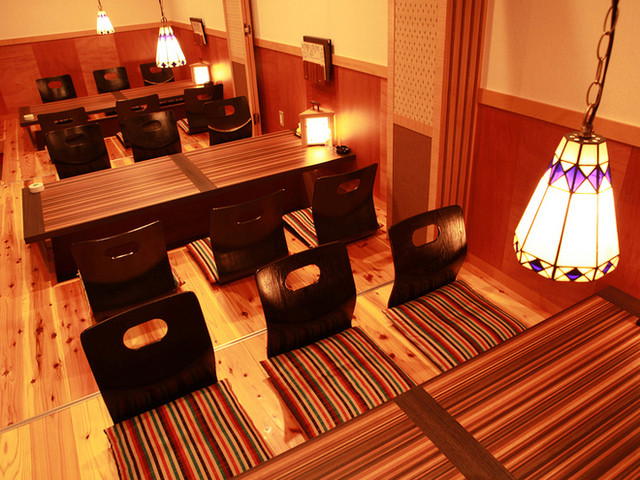
Hotels in Tokushima
Browse all →
Details
- Cozy
- Intimate
- Classic
- Business Dinner
- Date Night
- Group Dining
- Celebration
- Special Occasion
- Private Event
- Private Dining
- Standalone
- Local Sourcing
- Farm To Table
- A La Carte
- Set Menu
- Family Style
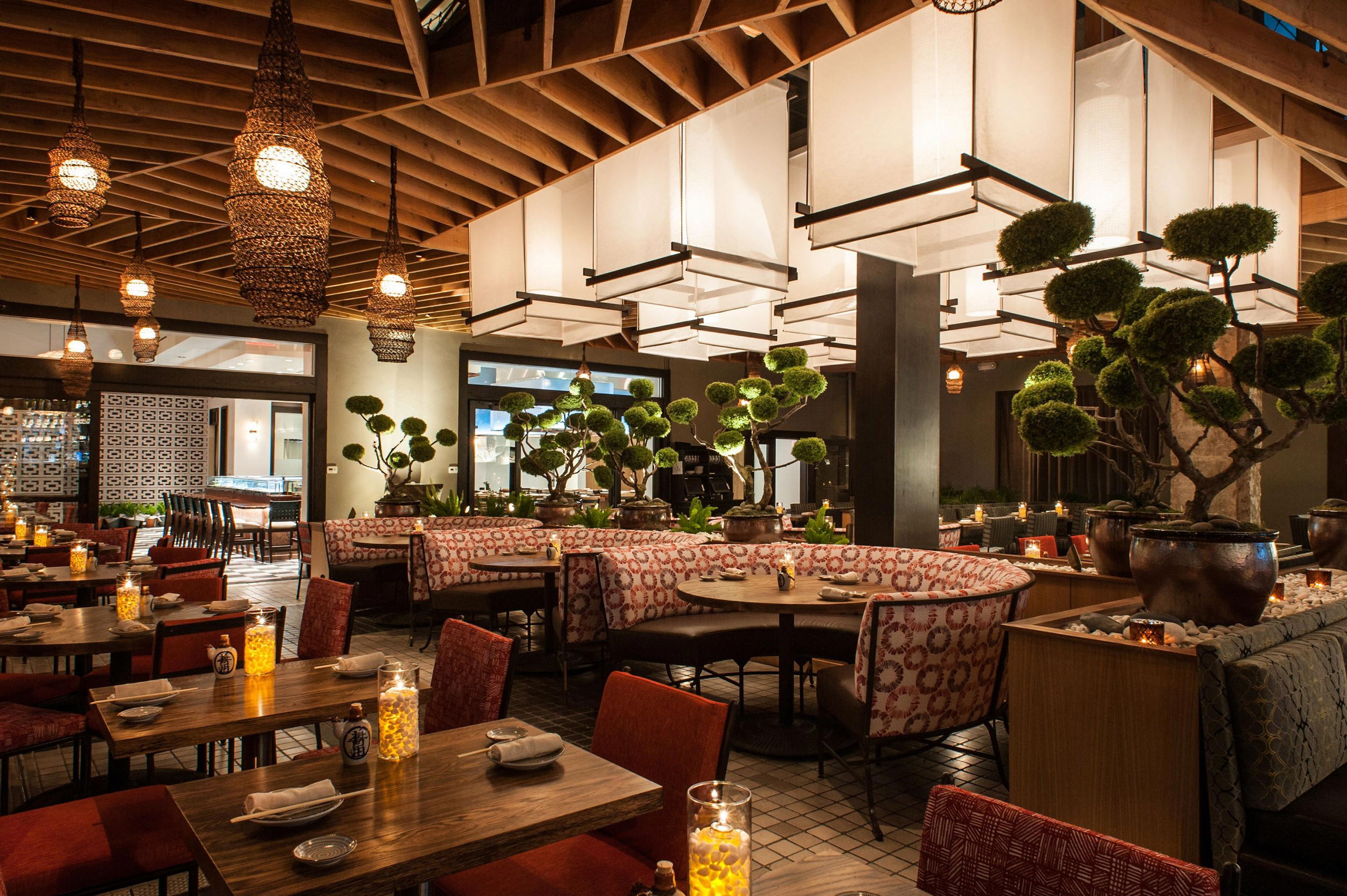
Calm, adult-oriented atmosphere described as a hidden, relaxing space, suited to business dinners and special occasions rather than casual family dining.