Our verdict
In Situ, on Rue Jean Lecanuet in Rouen's city centre, sits within a regional dining scene that takes Norman produce seriously. The restaurant addresses a gap between the city's traditional brasseries and its more ambitious creative kitchens, drawing on the agricultural depth of Normandy to anchor its menu. For visitors orienting around ingredient-driven cooking, it belongs in the same planning conversation as Rouen's more visible addresses.

Pearl is the En Primeur Club membership app, where members save venues, book tables and use the concierge.

The menu
What to order
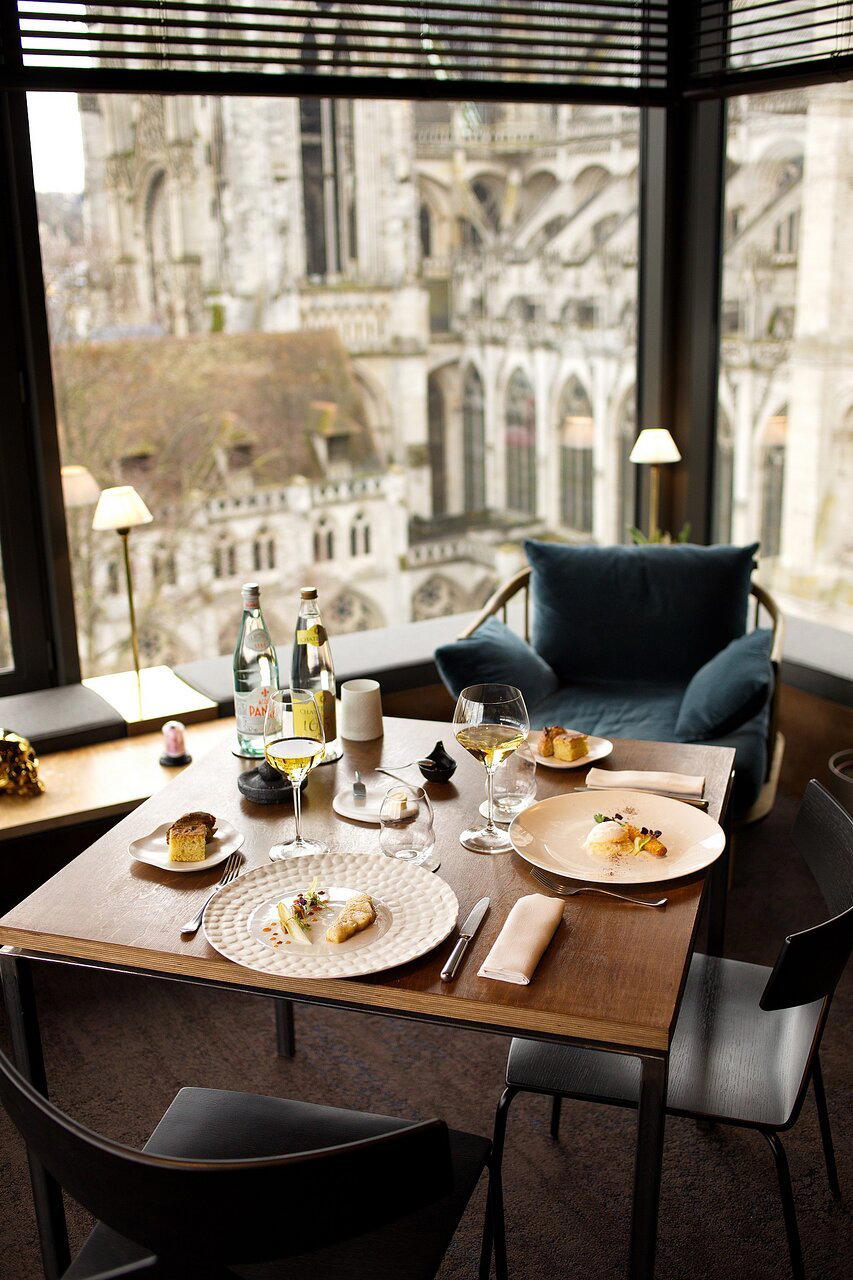
- Tarte au chocolat lactée
- Dorade with vegetables
Rouen's Produce Logic and Where In Situ Fits
Normandy is one of France's most legible food regions. The argument for its produce is made before you reach any restaurant: apple orchards running along the Seine valley, dairy herds on the Pays de Caux plateau, fishing boats working the Channel out of Dieppe and Fécamp. Rouen, sitting at the region's administrative and commercial centre, has long been the city where that produce concentrates. The question for any restaurant on Rue Jean Lecanuet is how seriously it engages with that geography, and whether it treats Norman sourcing as a marketing posture or as the actual structure of the menu.
In Situ, at 35 Rue Jean Lecanuet, occupies a mid-city address that places it within easy reach of Rouen's older dining cluster around the cathedral quarter and its newer, more experimental wave. The street sits roughly between those poles, which is something of a spatial metaphor for where the restaurant positions itself in the broader scene: neither anchored to the classic Norman brasserie format nor operating at the level of abstraction you find at L'Odas, Rouen's most recognisably creative address. That middle register is harder to sustain with conviction than either tradition or avant-garde, but it is also where a well-sourced, ingredient-led kitchen can make the clearest case for a region's larder.
The Norman Ingredient Argument
French regional cooking has spent two decades under pressure from two directions: the homogenising pull of international fine dining, and the revivalist instinct that sometimes tips into folklore. The kitchens that have held the most interest are those that treat local produce as a constraint that generates creativity rather than a comfort that excuses it. In Normandy, that means dealing honestly with dairy richness, the assertive flavour of salt-meadow lamb, the short but intense soft-fruit season, and the way cider and Calvados interact with both sweet and savoury preparation.
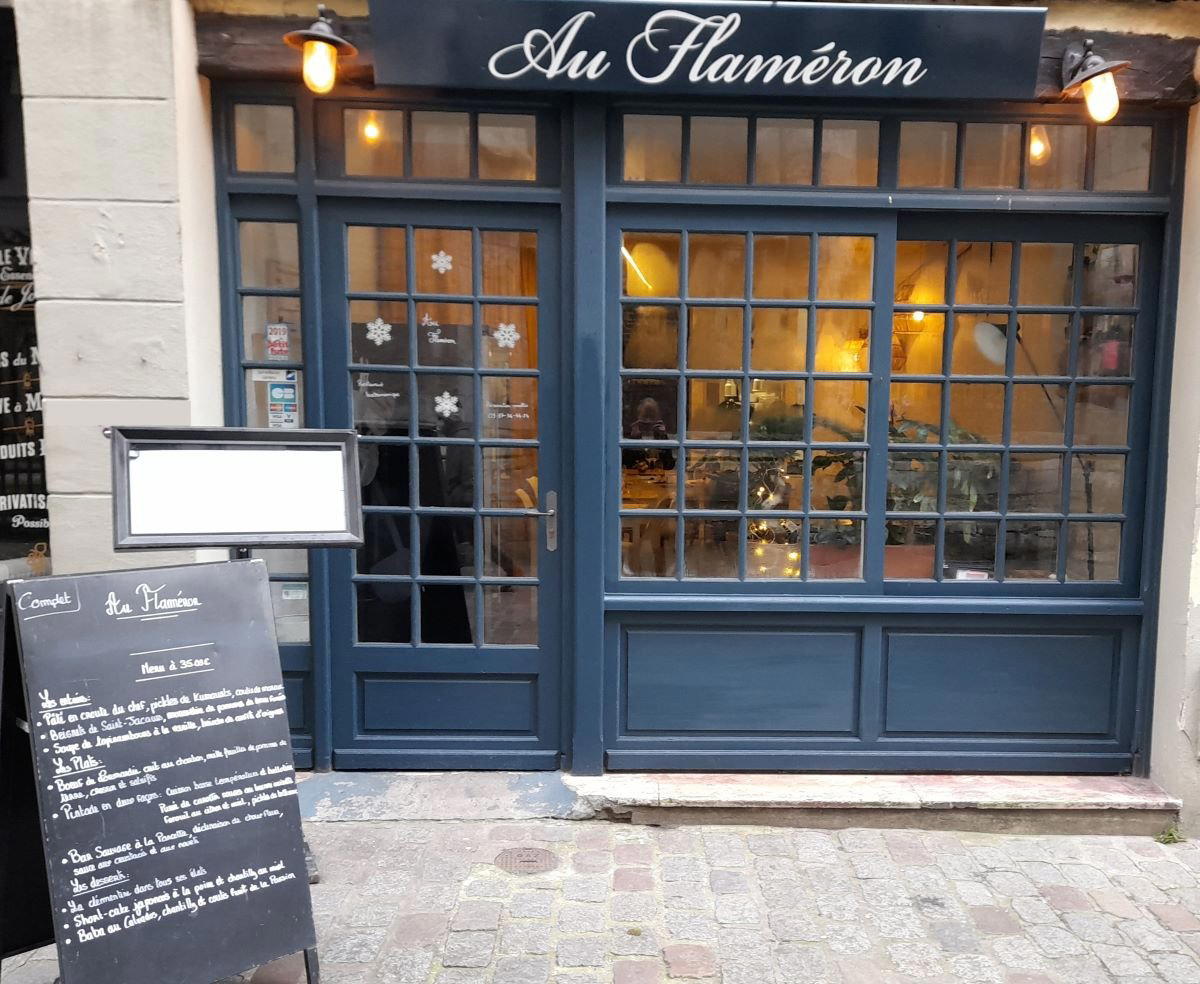
Rouen's dining scene at the higher end has absorbed some of those lessons well. Addresses such as ACQUA & FARINE and Au Flaméron each occupy their own lane within a city that punches above its tourist footprint on food. Brasserie Paul and Chez L'Gros represent the more accessible end of the same spectrum.
That sourcing radius matters because Normandy's agricultural calendar is compressed and seasonal in ways that matter to a kitchen trying to cook honestly. The brief window for Maroilles-adjacent cheeses, the spring arrival of Channel fish before summer heat changes what's running, the autumn apple harvest that underpins both the cidre bouché served in local restaurants and the Calvados that appears in classic Norman sauces, these are not decorative details but structural ingredients. A kitchen that references them seriously operates in a different register from one that uses them as occasional flourishes on an otherwise generic contemporary menu.
Positioning Within Rouen's Dining Tiers
Rouen does not have the density of Michelin-starred restaurants you find in Lyon, Bordeaux, or along the Côte d'Azur, where addresses like Mirazur in Menton or AM par Alexandre Mazzia in Marseille anchor entire gastronomic itineraries. France's provincial starred tier, from Flocons de Sel in Megève to Auberge de l'Ill in Illhaeusern, tends to operate in smaller markets with dedicated national reputations. Rouen's scene is less stratified and, for that reason, more interesting to map: the difference between a kitchen that sources well and one that simply lists Norman cheeses on a tourist menu is visible on the plate in a way that the star system does not always capture.
In Situ's address on Rue Jean Lecanuet is within the city centre, accessible on foot from both the main train station and the cathedral. For visitors arriving from Paris on the train (approximately 1 hour 20 minutes from Saint-Lazare), Rouen's central dining cluster is compact enough that an evening spent across two addresses is logistically direct. The restaurant sits in the same walkable zone as most of the city's other serious kitchens.
For context on how French kitchens at the national tier approach the same ingredient-logic questions, the comparison set is instructive: Bras in Laguiole built its entire identity around Aubrac terroir; Troisgros - Le Bois sans Feuilles in Ouches has anchored successive generations of a kitchen to the Loire valley's supply chains; Assiette Champenoise in Reims and Au Crocodile in Strasbourg demonstrate how provincial France continues to sustain serious kitchens outside the capital. That context frames what an ingredient-committed Norman restaurant can aspire to, even at a more modest scale. The national tier Alléno Paris au Pavillon Ledoyen, Paul Bocuse - L'Auberge du Pont de Collonges in Collonges-au-Mont-d'Or, operates at a different scale of investment and expectation, but the underlying commitment to place-specific produce runs through both.
Planning Your Visit
In Situ's location at 35 Rue Jean Lecanuet is direct to find from the city centre. Rouen is leading reached by train from Paris Saint-Lazare, with regular services running throughout the day. For visitors building a broader Normandy itinerary, the city functions well as a first or last night before heading further into the region. For a wider orientation to what the city offers across different price points and formats, the full Rouen restaurants guide covers the scene in depth. Those planning a wider France trip with serious dining as the through-line might also cross-reference the Le Bernardin in New York City or Atomix in New York City for how ingredient-led French technique translates across different contexts.
Frequently asked questions
Can I bring kids to In Situ?
Nothing in the available record for In Situ at 35 Rue Jean Lecanuet explicitly restricts younger diners.
Is In Situ formal or casual?
In Situ sits in Rouen's mid-to-upper dining tier, a city whose restaurant culture leans toward considered but unfussy eating. The address on Rue Jean Lecanuet places it in a working urban setting rather than a grand hotel dining room, which typically signals a register somewhere between neighbourhood bistro and serious produce-focused restaurant. Confirm the current dress code with the venue.
Is In Situ a good option for visitors to Rouen who want to eat Norman cuisine rather than generic French cooking?
In Situ at 35 Rue Jean Lecanuet is positioned precisely within Rouen's produce-led dining tier, making it a more regionally specific choice than the brasseries and tourist-facing addresses clustered around the cathedral quarter. Normandy's ingredient identity, its cider apples, Camembert-country dairy, and Channel seafood, gives kitchens in this category a clear source logic that generic French restaurants in the city do not apply with the same rigour. For visitors specifically seeking that Norman register, this is the tier worth targeting.
What should I order at In Situ?
The kitchen's logic follows Normandy's larder: apple-based preparations, aged dairy, seafood from the Channel coast, and pastoral meat cuts are the structural pillars of Norman cooking at this level. Without a current published menu on record, the safest approach is to ask the room what has arrived that week, in produce-led restaurants, that question usually gets the most honest answer.
How do I find In Situ?
In Situ is located at 35 Rue Jean Lecanuet, 76000 Rouen, France, Rouen.
How far ahead should I plan for In Situ?
Rouen's better dining addresses, particularly those working with seasonal Norman produce, can fill quickly on weekends and during the autumn harvest window. Contacting the restaurant at 35 Rue Jean Lecanuet directly to check lead times is the practical first step.
Comparable Venues
Comparable venues nearby, for context on price, style, and recognition.
| Venue | Cuisine | Price | Notes |
|---|---|---|---|
| In SituThis venue (the venue you are viewing) | Traditional French Tavern | $20–30 | Not listed |
| L'Espiguette | Traditional French Bistro | $20–30 | Place Saint-Amand |
| Brasserie Paul | Traditional French Brasserie | $30–50 | historic center |
| Gill Côté Bistro | Traditional French Bistro with Norman Specialties | $20–30 | Vieux Marché |
| Rotomagus | French Steakhouse | Not listed | Place Barthélémy |
| Food Truck Comme autrefois | French Food Truck Rôtisserie | $10–20 | Rouen |
Continue exploring
More in Rouen
Restaurants in Rouen
All restaurants in Rouen →
Hotels in Rouen
All hotels in Rouen →
Wineries in Rouen
Browse all →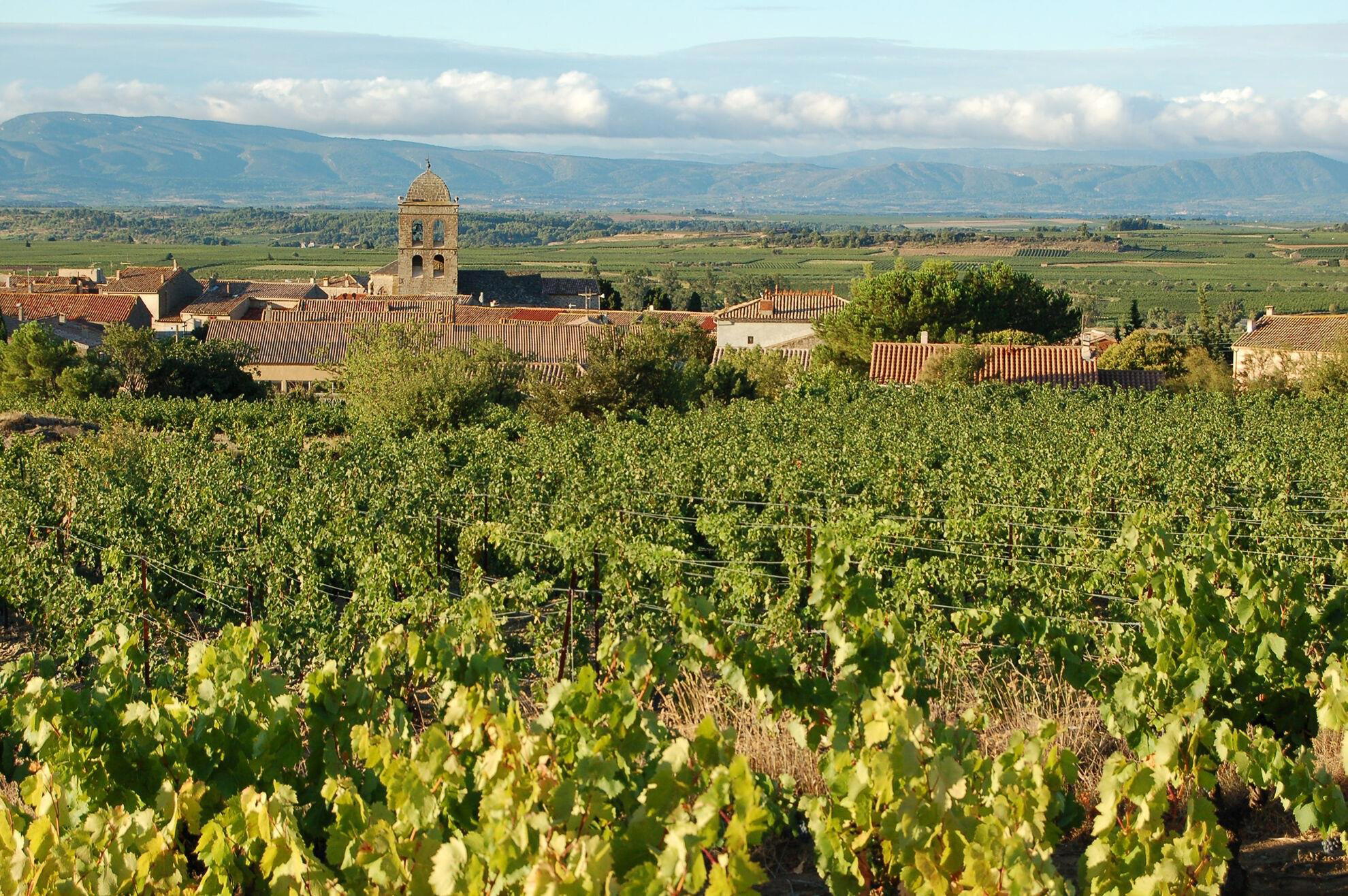
Details
- Modern
- Cozy
- Casual Hangout
- Date Night
- Business Dinner
- Terrace
- Standalone
- Extensive Wine List
- Local Sourcing
- Street Scene
- A La Carte
- Vegetarian Friendly
Current opening hours
- Monday
- 12–11 PM
- Tuesday
- 12–11 PM
- Wednesday
- 12–11 PM
- Thursday
- 12–11 PM
- Friday
- 12–11:30 PM
- Saturday
- 12–11:30 PM
- Sunday
- Closed
Hours can change for holidays and private events. Hours as of .
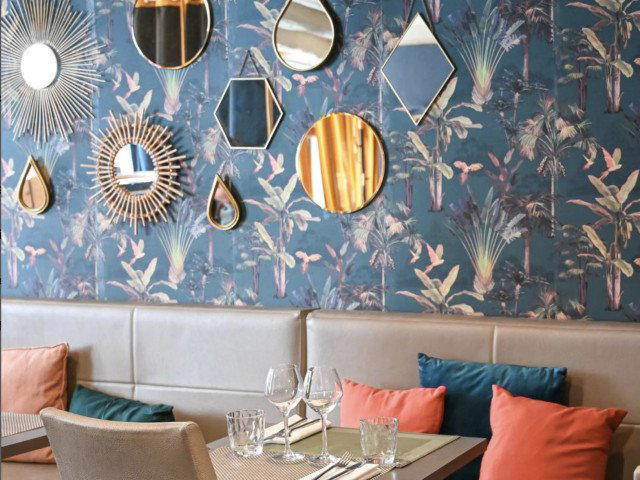
Modern and cozy, with a casual tavern atmosphere and friendly service near the museum and park.