
Imperial Court sits within Macau’s high-end dining culture, where casino-era luxury, Cantonese banquet codes, and mainland award systems increasingly overlap. Its Black Pearl Restaurant Guide 2026 one-diamond recognition places it in a selective Chinese dining conversation, useful for travelers weighing formal dining against Macau’s broader Portuguese, Nikkei, French, and Italian options.
 Request Booking on Pearl
Pearl is the En Primeur Club membership app — saves, bookings, and concierge access live there. Same editors, same standards.
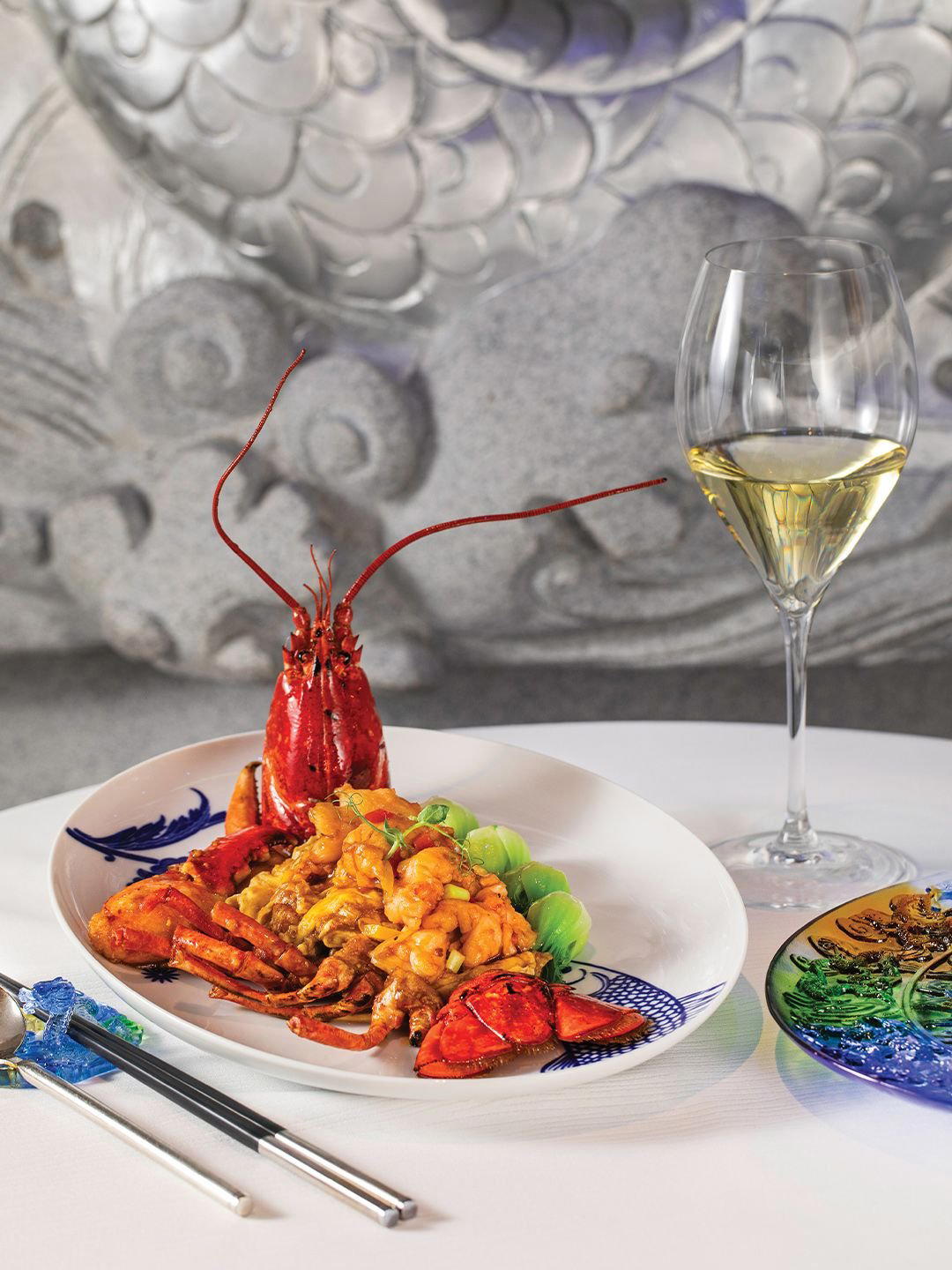
Macau’s formal dining rooms tend to announce themselves before the first course: polished hotel corridors, hushed service rhythms, and a dining public that reads ceremony as part of the meal rather than decoration. Imperial Court belongs to that register, where the room is expected to support conversation, hierarchy, and pacing as much as appetite. In a city shaped by Cantonese banquet culture, Portuguese colonial memory, and casino-era capital, the serious Chinese table is not a nostalgia act; it is a living social format with its own grammar.
Macau's formal Chinese table is built on ceremony, not spectacle
The cultural value of a room like Imperial Court is easiest to understand through Macau itself. The city’s dining identity is often split in shorthand between Macanese home cooking, Portuguese tavern traditions, and luxury hotel restaurants, but the Chinese banquet table remains one of its strongest forms of status dining. Multi-generational family meals, business entertaining, seasonal seafood, and tea-led hospitality all matter here. The measure is not volume or novelty. It is control: pacing, privacy, table spacing, service timing, and a kitchen able to handle dishes that reward exact texture rather than visual excess.
That is why Black recognition carries weight in this part of the market. Imperial Court is listed among the Black Restaurant Guide 2026 one-diamond restaurants, a signal that matters particularly for Chinese fine dining because the guide evaluates a field that Michelin and Western media have not always mapped with the same cultural fluency. A one-diamond rating does not make the decision for the traveler, but it places the restaurant inside a vetted tier of Chinese dining where consistency and formal service count.
Macau rewards diners who understand category before choosing a table. A Portuguese meal at A Lorcha answers a different historical question from a formal Chinese dinner. Contemporary hotel dining at Alain Ducasse at Morpheus, Italian fine dining at 8 1/2 Otto e Mezzo Bombana (Macau), Nikkei cooking at Aji, or grill-led dining at 58 Degree Grill each frames luxury through a separate lens. The restaurant sits in the Chinese ceremonial lane, where the meal is judged by fluency in inherited codes rather than by imported fine-dining choreography.
What the one-diamond signal means for travelers
For visitors, the practical reading of a Black one-diamond restaurant is selectivity without assuming maximal formality. It indicates a restaurant that has entered a national conversation around quality, service, and Chinese dining standards, but it does not by itself reveal the full shape of the meal. Menu format, private-room availability, pricing, and dress expectations should be checked through the restaurant’s current booking channel before planning a special-occasion dinner.
The stronger editorial point is that Macau’s Chinese dining scene cannot be read only through casino spectacle. Rooms such as the restaurant belong to a broader Pearl River Delta tradition in which refinement is often quieter: clear stocks, live seafood handling, precise vegetable cookery, and the social architecture of shared dishes. When the format is handled well, the table has a different rhythm from a Western tasting menu. The host orders for balance; the kitchen manages texture and temperature across the group; the dining room keeps ceremony moving without turning service into theatre.
Travelers building a wider Macau itinerary should treat the restaurant as part of the city’s formal dining chapter rather than as a standalone trophy stop. The broader picture is clearer through our full Macau restaurants guide, with hotel context in our full Macau hotels guide, after-dinner planning in our full Macau bars guide, regional drinking context in our full Macau wineries guide, and cultural planning through our full Macau experiences guide.
A Chinese dining conversation beyond Macau
Black ’s usefulness is comparative at a national scale. It lets diners read Macau alongside Chinese dining rooms in Chengdu, Shanghai, Fuzhou, Hangzhou, Xiamen, and Beijing without pretending those cities cook from the same playbook. A table such as #8 in Chengdu points toward Sichuan depth; 100 Century Avenue Cantonese in Shanghai frames Cantonese dining through a mainland luxury lens; 167 Shan Hai Li in Fuzhou, 1913 in Hangzhou, 1927 Dong Yuan Si Chu in Xiamen, and 1949 - Duck de Chine in Beijing each show how regional identity changes the meaning of polish.
That wider frame matters because Macau can be misread as a city of imported luxury brands with Chinese dining attached. The restaurant argues for a different reading: Chinese formality is one of the city’s central languages of hospitality. For travelers coming from North America, context can be sharpened by looking at how Japanese and Asian formats translate abroad, from Jōdo Saké Bar in Los Angeles to Onigiri Time in Pasadena. Those links are not substitutes for Macau’s banquet tradition; they show how format, service, and cultural expectation change when a cuisine travels.
The decision to book the restaurant should therefore be less about chasing a label than choosing the right dining mode. For a traveler seeking Macau’s formal Chinese register, the one-diamond recognition supplies a credible trust signal. For someone looking for casual local eating, late-night energy, or a chef-led Western tasting menu, another lane will fit better. Macau is compact enough to reward both, but the distinction matters.
- Crispy fried chicken skin with shrimp mousse and salted fish flakes
- Meticulously crafted dim sum set
- Braised partridge porridge with bird’s nest and Yunnan ham
- Wok-fried French blue lobster with minced pork, black bean and garlic
- Stir-fried lobster meat with choy sum
- Baked butterfly puff with mango lava
How It Compares
Comparable venues nearby, for context on price, style, and recognition.
| Venue | Cuisine | Price | Notes |
|---|---|---|---|
| Imperial CourtThis venue — the venue you are viewing | Lingnan / Cantonese Fine Dining | $$$$ | Not listed |
| Chún – MGM Cotai | Modern Cantonese Fine Dining | $$$$ | Cotai |
| Golden Flower | Imperial Tan Cuisine | $$$$ | NAPE |
| Broth by André Chiang at Mizumi - Wynn Macau | Polished Pan-Asian Hotpot | $$$$ | NAPE |
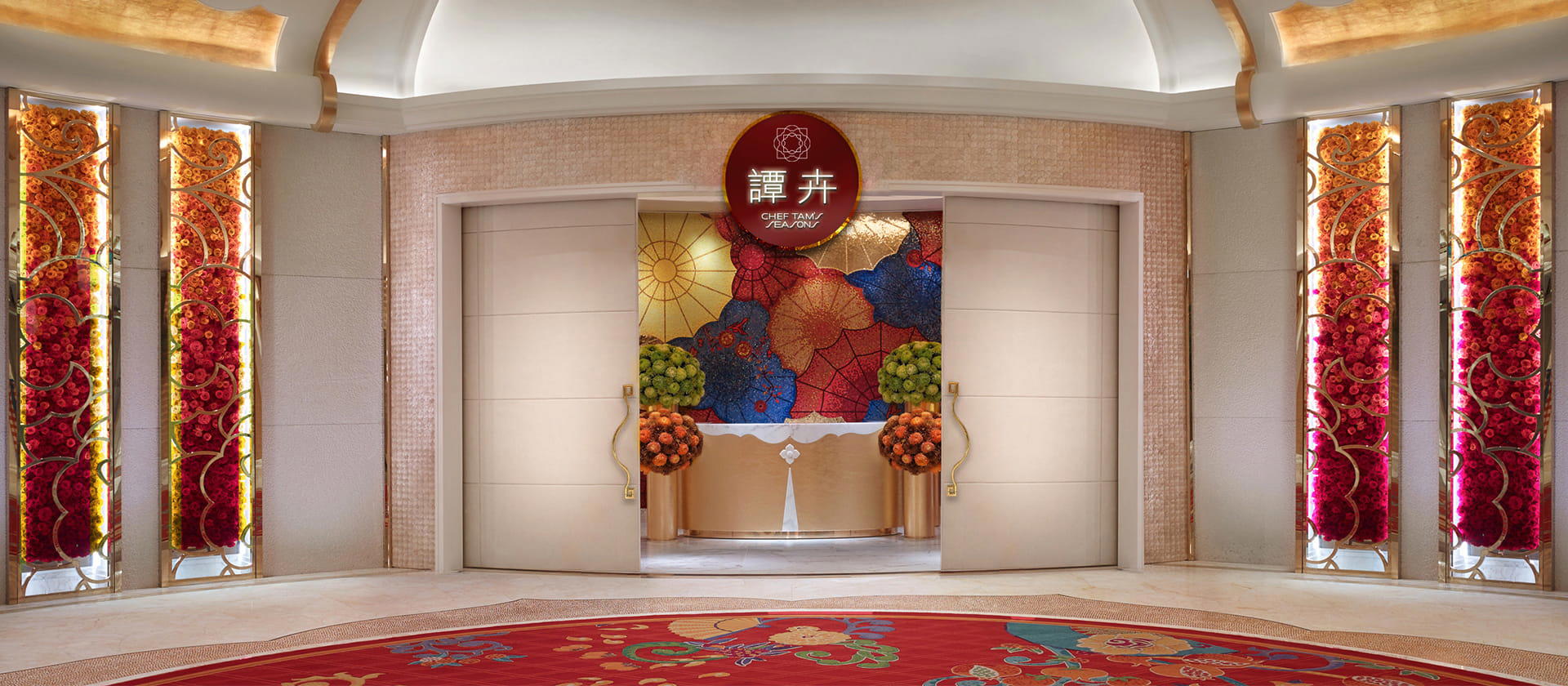
| Wynn Palace Hotel - Chef Tam Season’s | Modern Seasonal Cantonese | $$$$ | Cotai |
| Ying at Altira Macau | Michelin-Starred Cantonese | $$$$ | Taipa |
Recognition history
Dated appearances from independent guides and award organizations, with the underlying list record or original source where available.
Black Pearl 1 Diamond
Black Pearl
Continue exploring
More in Macau
Restaurants in Macau
Browse all →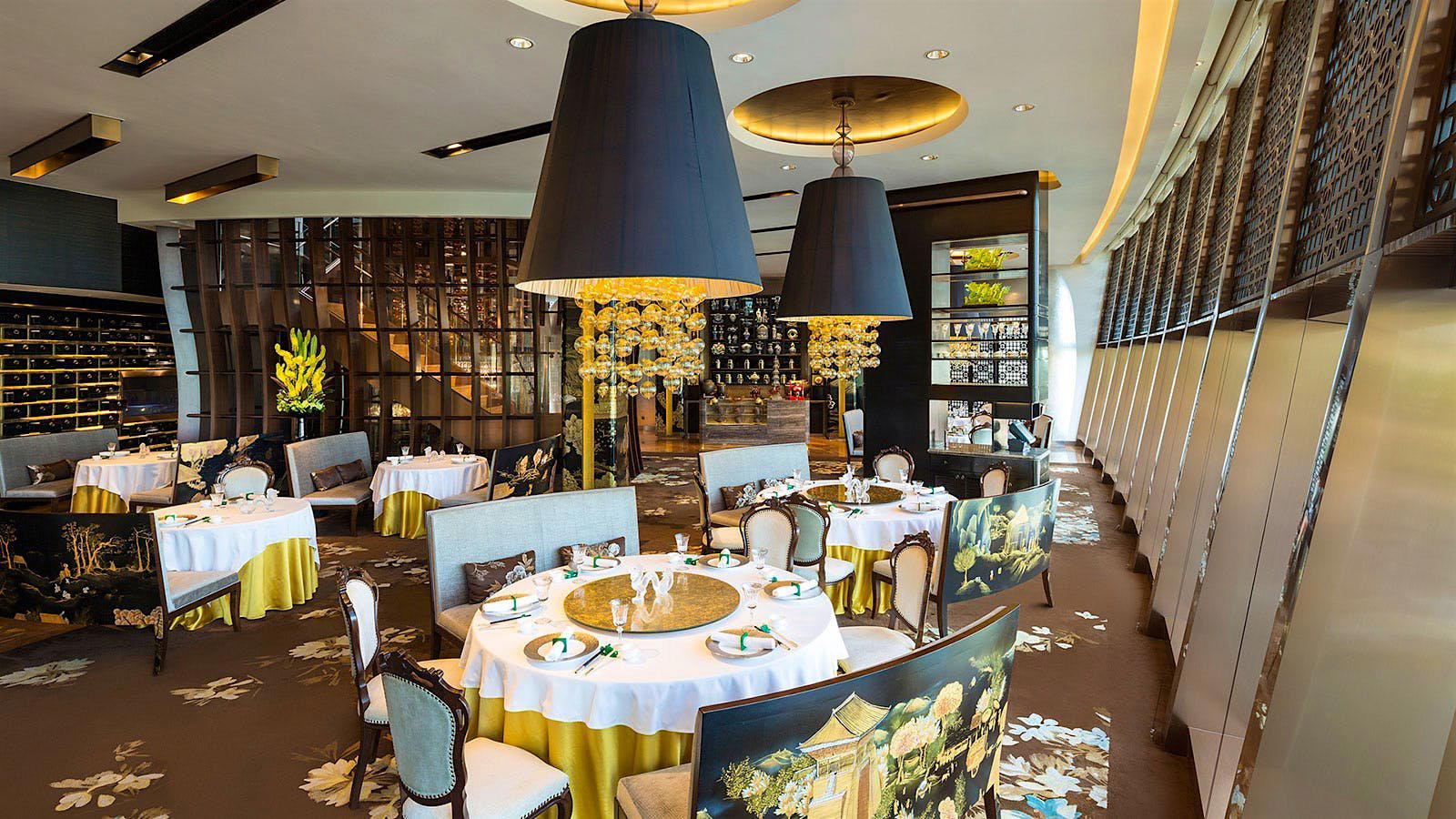
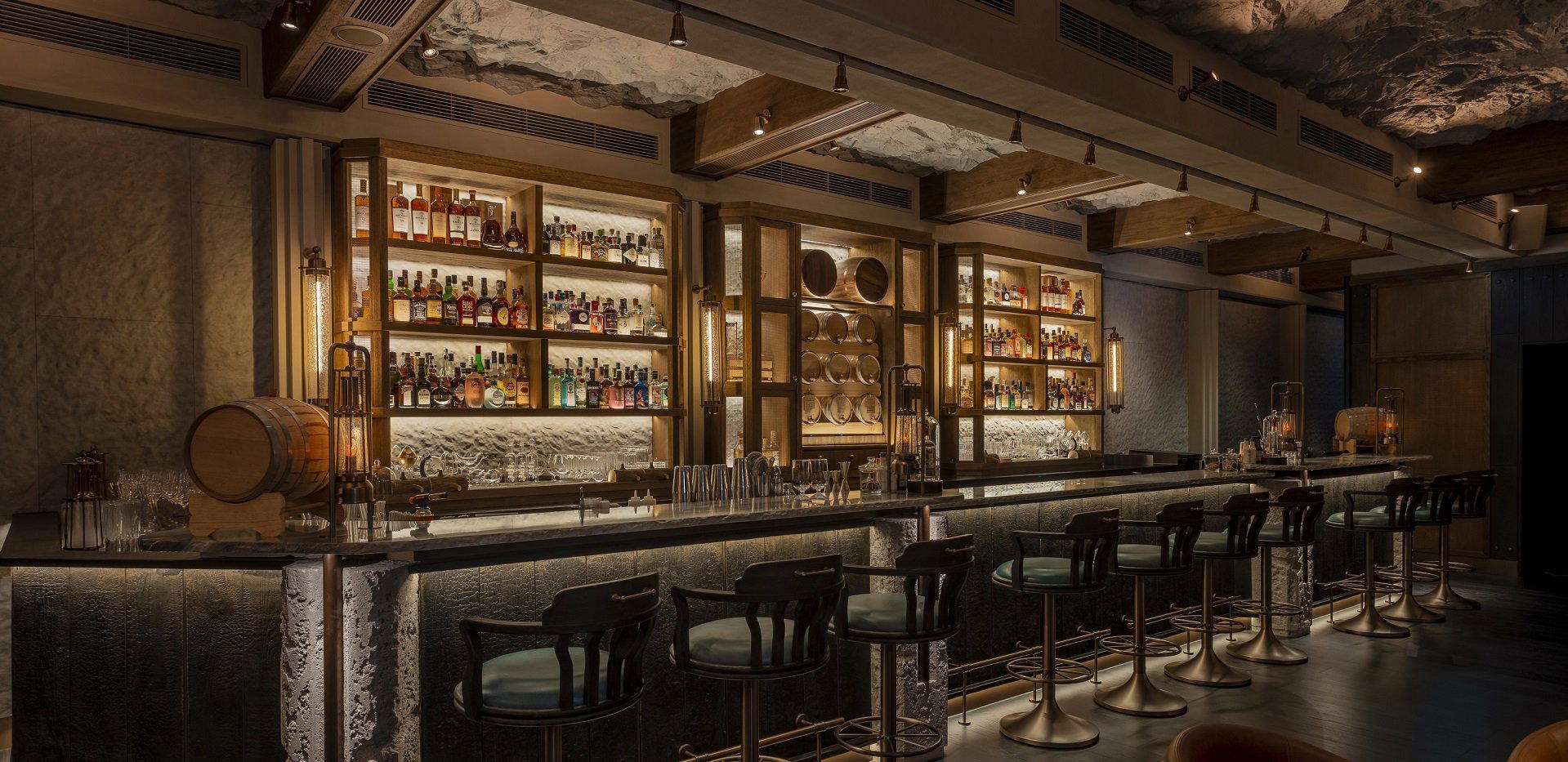
Bars in Macau
Browse all →
Hotels in Macau
Browse all →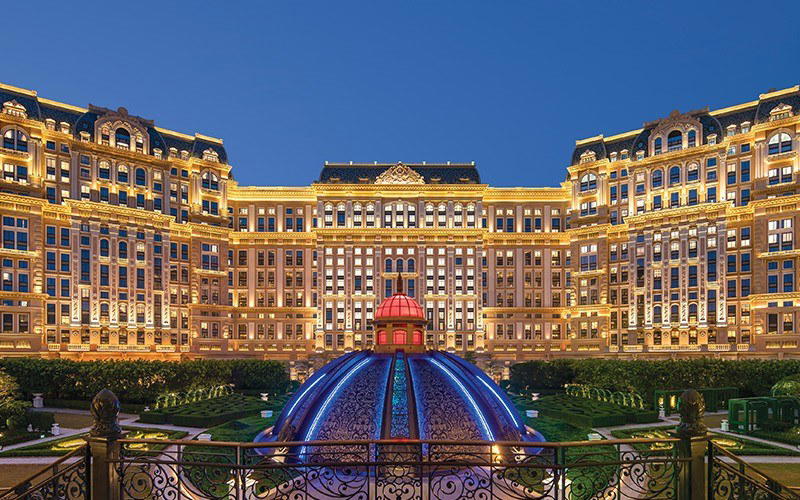
Wineries in Macau
Browse all →
At a Glance
- Elegant
- Ornate
- Sophisticated
- Romantic
- Well Known
- Intimate
- Special Occasion
- Business Dinner
- Group Dining
- Date Night
- Family
- Private Event
- Private Dining
- Design Destination
- Hotel Restaurant
- Extensive Wine List
- Sommelier Led
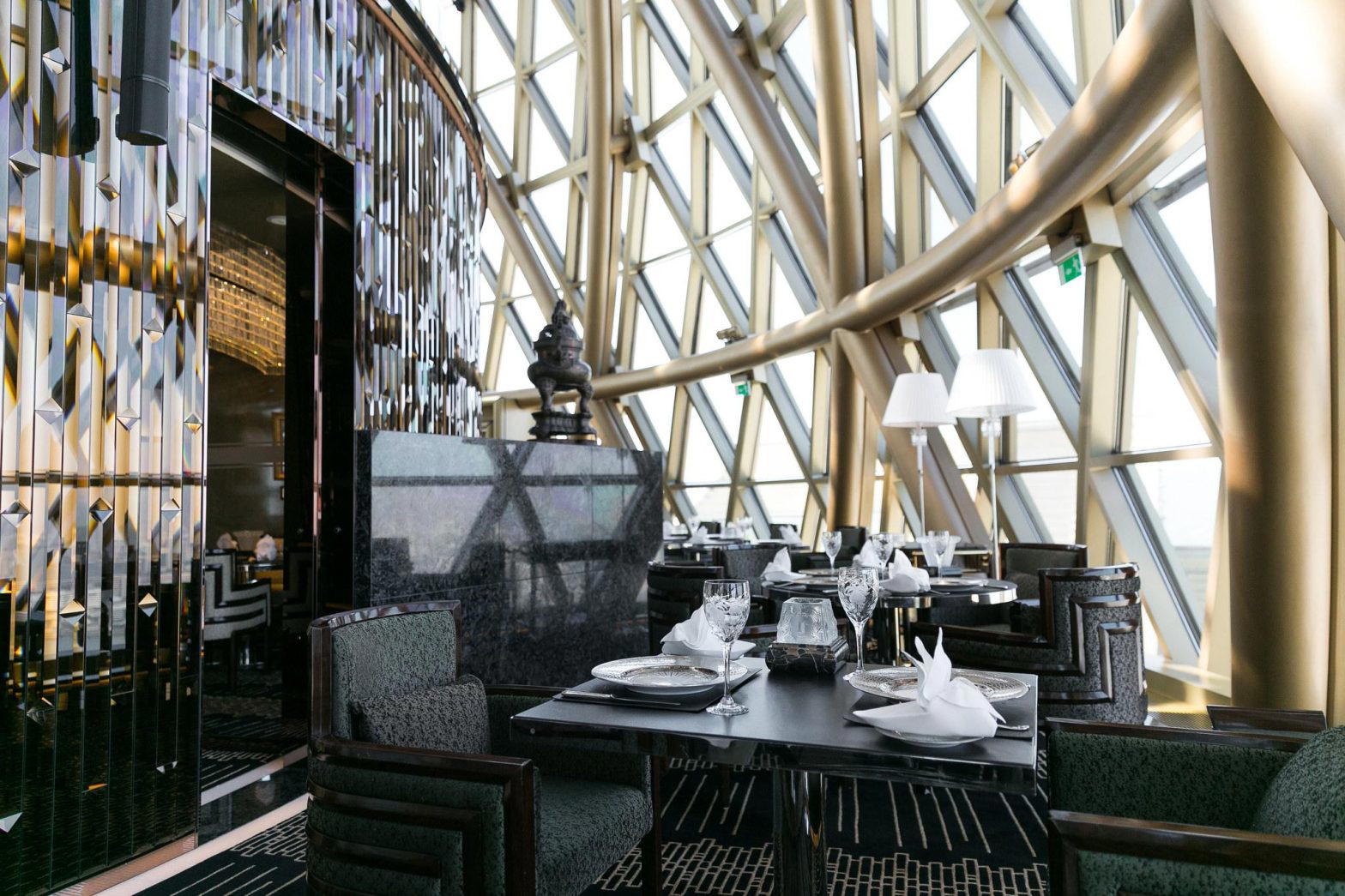
Luxurious and theatrical yet calm, with a garden‑like VIP lobby entrance, emerald walls, gold‑leaf ceiling, a central dragon‑wrapped marble column, colorful chargers and Liuli glassware, and softly lit private rooms that create an intimate, high‑end Chinese dining experience.