
Michelin Bib Gourmand
Our verdict
IDA kuchnia i wino sits on Łazienna 4 in central Wrocław, holding a 2025 Michelin Bib Gourmand for regional Polish cooking delivered at prices that keep the dining room full and the waiting list moving.The menu reads as a disciplined argument for Polish regional produce over imported approximations.

Pearl is the En Primeur Club membership app, where members save venues, book tables and use the concierge.
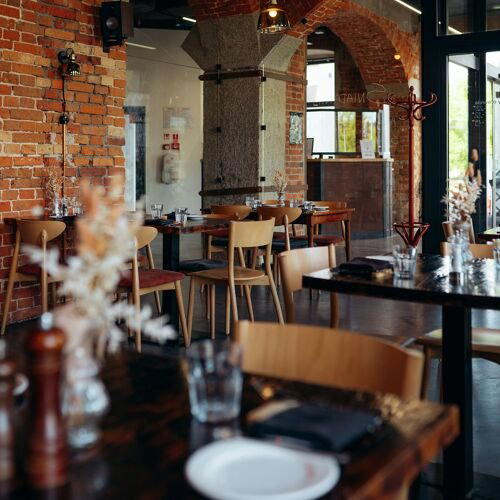
A Street-Level Case for Regional Polish Cooking
Łazienna is not one of Wrocław's showpiece streets. It sits close enough to the Old Town to catch foot traffic from the Rynek but far enough removed that the restaurants here tend to succeed on repeat custom rather than tourist walk-ins. That dynamic suits IDA kuchnia i wino. The room does not perform for passing trade; it operates at the pace of a place that knows its audience and has thought carefully about what to put in front of them. In a city where the upper end of the restaurant scene has moved quickly toward tasting menus and international reference points, a Bib Gourmand holding at the accessible price tier represents a specific editorial choice: to do regional Polish food with enough rigour to earn Michelin attention without shifting the price bracket upward.
The 2025 Bib Gourmand designation is the relevant credential here. Michelin awards the Bib to restaurants it judges to offer good cooking at moderate prices, the €€ tier in Wrocław terms, distinguishing them from starred restaurants in budget, not necessarily in seriousness.
What the Menu Architecture Says
Regional cuisine menus tell you something about their priorities by what they include and, more pointedly, by what they leave out. A kitchen committed to Polish regional cooking is making a claim about geography: that the ingredients available within a specific radius, shaped by specific agricultural traditions, are worth centering rather than supplementing with imported luxury proteins or technique-first modernism. That framing places IDA in a different competitive conversation from Wrocław's modern cuisine tables, such as Acquario (Modern Cuisine), BABA (Modern Cuisine), or dinette (Modern Cuisine), which operate at a higher price point and draw on broader international culinary reference.
The name itself signals the dual commitment: kuchnia (kitchen) and wino (wine). That pairing is an editorial statement about balance, the wine list is not an afterthought appended to a food-first operation, but a co-equal part of the offer. In Polish restaurants at this price tier, a genuinely considered wine program remains less common than the food quality alone would suggest, which makes the explicit naming of wine in the restaurant's title worth taking at face value.
Regional menus at their most disciplined tend to be shorter than their modern cuisine equivalents, with fewer components per dish and more dependence on seasonal availability. The implications for a diner are practical: what is on the menu in autumn will differ from what arrives in spring, and the kitchen's strengths are most visible when the season is in full supply. Wrocław's position in Lower Silesia, a region with strong agricultural traditions and proximity to both Polish and historically Germanic food cultures, gives a regionally anchored menu here more textural depth than the same concept might carry in a city with thinner local food traditions.
Positioning Within Wrocław's Dining Tiers
Wrocław's restaurant scene has developed quickly over the past decade, and the stratification is now legible. At the leading, a small cluster of ambitious modern cuisine restaurants operate at €€€ and above, aiming at tasting menu formats and international recognition. In the middle tier, the city has a growing number of concept restaurants, Korean, Portuguese, grill-focused, that play to specific imported references. IDA occupies a different position: Polish regional cooking at a price that keeps it accessible, with a Michelin credential that signals it is not simply a comfort-food fallback but a kitchen applying genuine craft to familiar material.
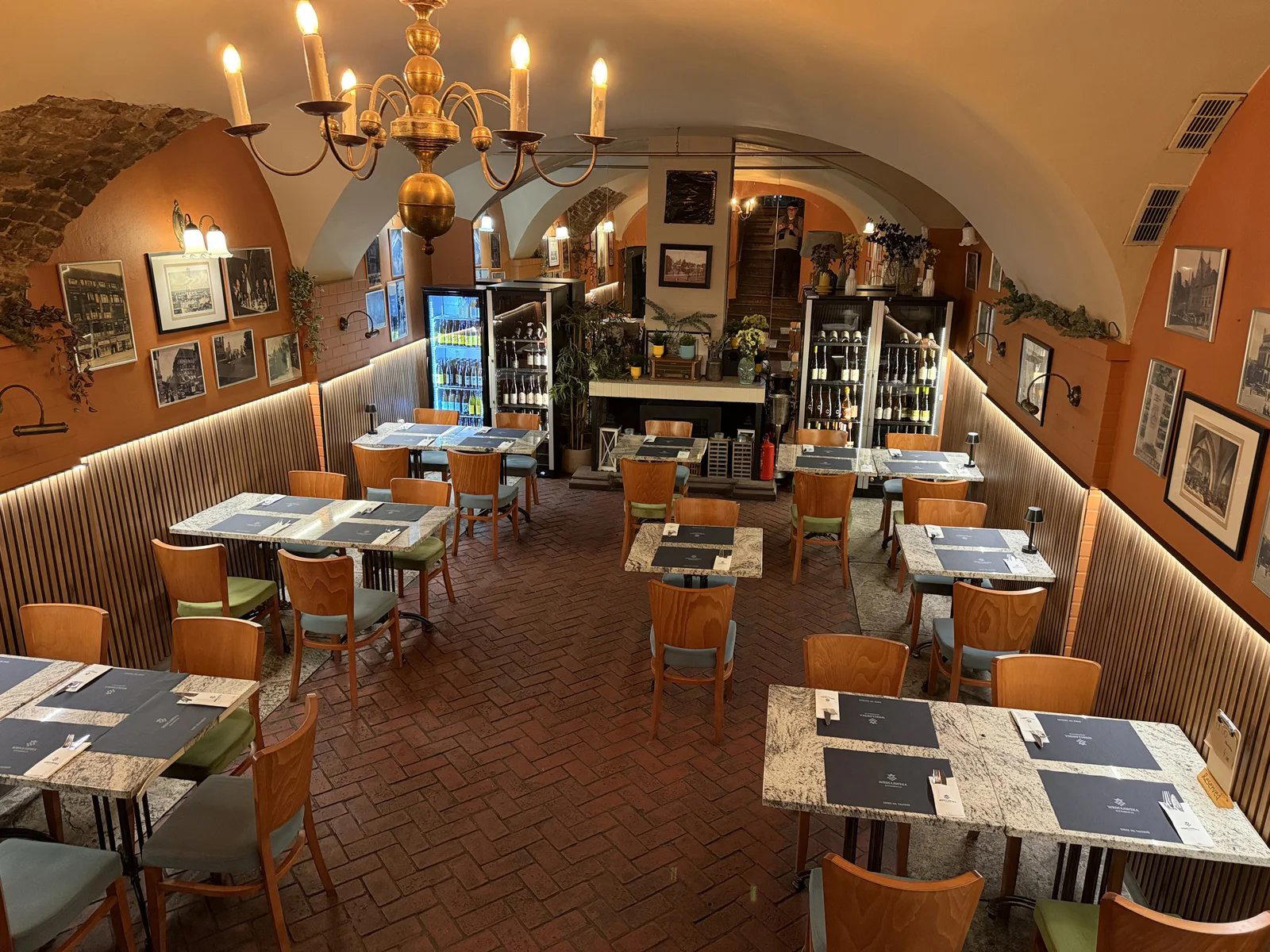
Bottiglieria 1881 Restaurant in Kraków and Muga in Poznań each demonstrate how regional and locally anchored cooking can carry serious recognition outside Warsaw. Within Wrocław, Wrocławska covers adjacent traditional territory, while CAMPO Modern Grill (Meats and Grills) operates in the same city at a higher price tier and a different culinary register. Across Europe, the regional cuisine category at Bib Gourmand level finds comparable practitioners in places like Fahr in Künten-Sulz and Gannerhof in Innervillgraten, where localism and price accessibility combine with technical seriousness.
The Bib Gourmand also positions IDA distinctly from Wrocław's fine dining tier. The city has restaurants pursuing starred recognition, and that trajectory typically involves higher covers prices, smaller menus, and more elaborate presentation.
Planning a Visit
IDA kuchnia i wino is at Łazienna 4 in central Wrocław, within walking distance of the main Rynek square. The single-euro price marker puts it at the accessible end of the city's recognized dining options, making it a natural anchor for a longer evening rather than a quick stop. The wine program warrants attention alongside the food: treating the two as integrated rather than optional adds to the logic the kitchen is laying out. For those building a broader Wrocław itinerary, the EP Club's full Wrocław restaurants guide covers the wider scene, with additional context available across the hotels guide, bars guide, wineries guide, and experiences guide. For context on how IDA fits into a broader Polish dining circuit, Arco by Paco Pérez in Gdańsk, hub.praga in Warsaw, Giewont in Kościelisko, and 1911 Restaurant in Sopot each represent different registers of what serious Polish cooking looks like across the country.
Frequently asked questions
How much does it cost to eat at IDA kuchnia i wino?
Pricing at IDA kuchnia i wino is listed as €.
City Peers
Comparable venues nearby, for context on price, style, and recognition.
| Venue | Cuisine | Price | Awards | Notes |
|---|---|---|---|---|
| IDA kuchnia i winoThis venue (the venue you are viewing) | Modern Polish | $20–30 | Michelin Bib Gourmand | Not listed |
| Gustaw | Modern Polish-European Fusion | Not listed | Michelin Plate | Stare Miasto |
| Lwia Brama² | Modern Polish | Not listed | Michelin Plate | Ostrów Tumski |
| Tarasowa | Modern Polish Brasserie | Not listed | Michelin Bib Gourmand | Hala Stulecia |
| Ze Smakiem | Traditional Polish Pierogi | $1–10 | Not listed | Old Town (west side) |
| Martim | Modern Portuguese Seafood | $50–100 | Michelin Plate | Nadodrze |
Recognition history
Dated appearances from independent guides and award organizations, with the underlying list record or original source where available.
Michelin Bib Gourmand
Michelin
Full recognition history (2 entries)
Michelin Bib Gourmand
Michelin
Continue exploring
More in Wrocław
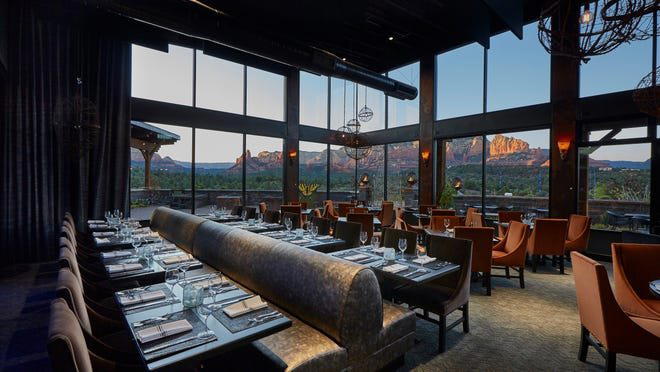
Restaurants in Wrocław
All restaurants in Wrocław →
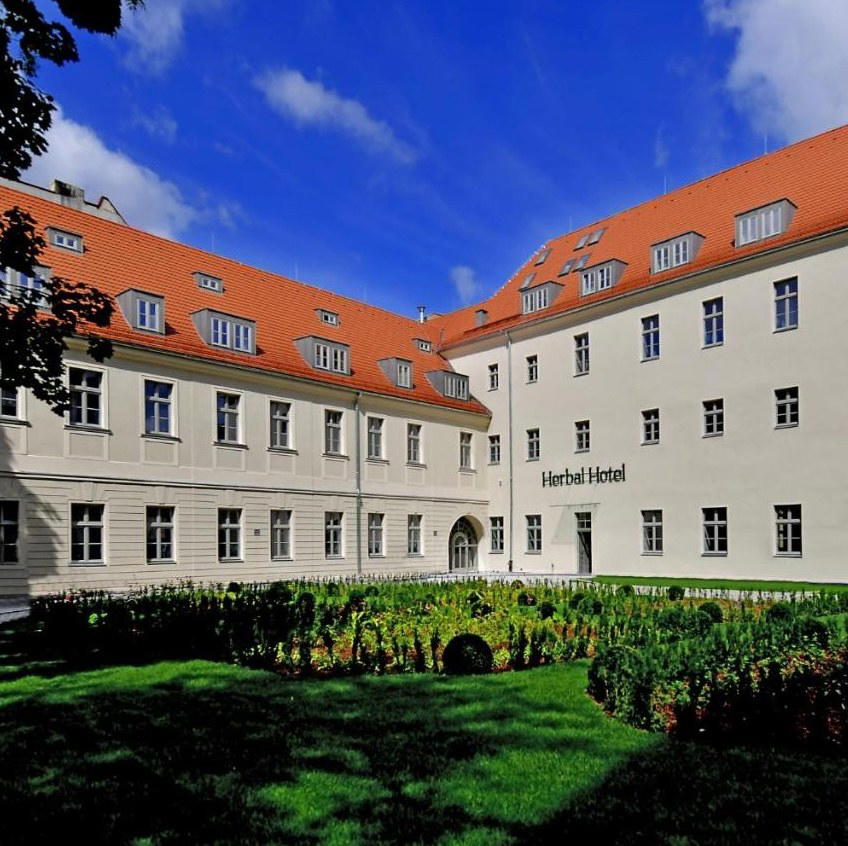
Hotels in Wrocław
All hotels in Wrocław →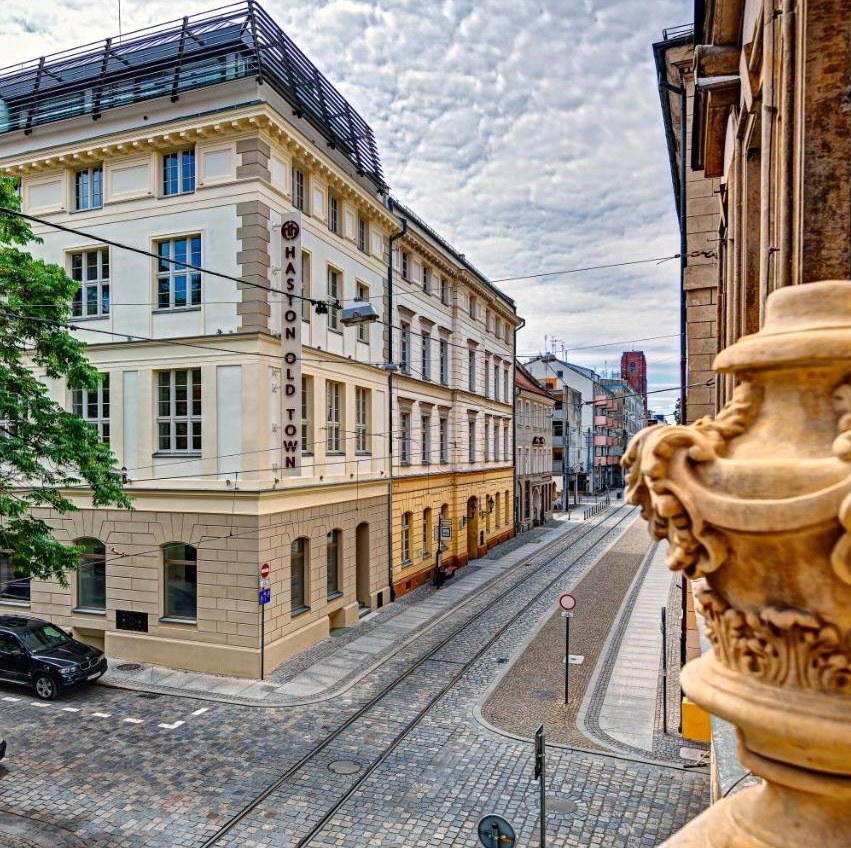
Wineries in Wrocław
Browse all →
Details
- Cozy
- Elegant
- Intimate
- Industrial
- Date Night
- Special Occasion
- Open Kitchen
- Extensive Wine List
- Local Sourcing
- A La Carte
- Tasting Menu
- Wine
- Craft Cocktails
- Vegetarian Friendly
Current opening hours
- Monday
- 12–10 PM
- Tuesday
- 12–10 PM
- Wednesday
- 12–10 PM
- Thursday
- 12–10 PM
- Friday
- 12–10 PM
- Saturday
- 1–10 PM
- Sunday
- 1–7 PM
Hours can change for holidays and private events. Hours as of .
Stylish faux-industrial interior with exposed brickwork, concrete flooring, warm friendly accents, open kitchen, and classic bistro feel.