Our verdict
Manami serves Modern Japanese Sushi & Omakase in Wrocław, with Tsukimi and Wa sets, a sake program, and leisurely dinner pacing.

Pearl is the En Primeur Club membership app, where members save venues, book tables and use the concierge.
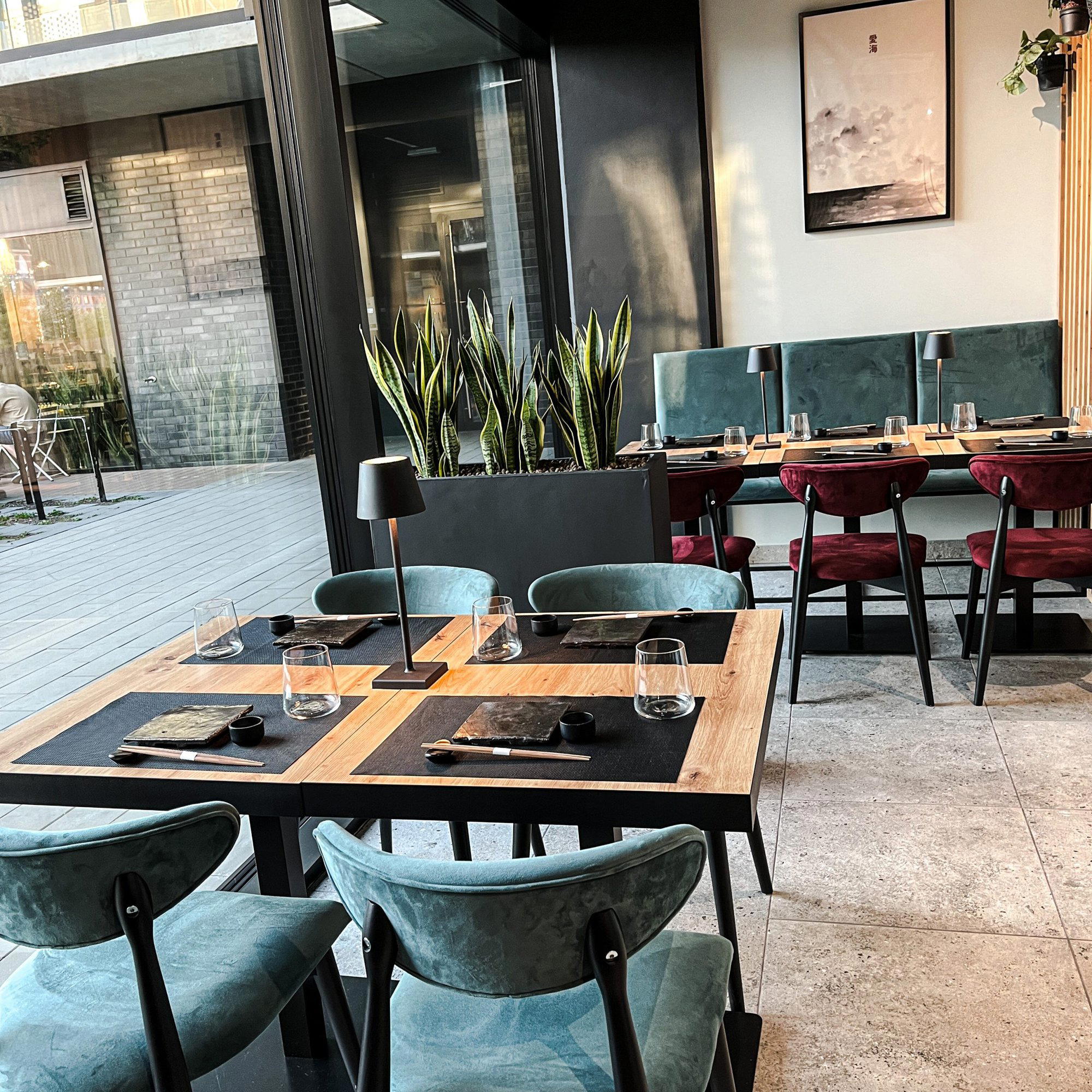
Japanese Dining in the Polish Interior: How Wrocław Positions Its Asian Table
The appetite for serious Japanese cooking in Central European cities has grown faster than the infrastructure to support it. Warsaw gathered the first wave of omakase-style counters and ramen specialists, while Kraków built around its tourist density. Wrocław has followed a quieter arc, accumulating a small set of addresses across cuisines without the same critical mass of press attention. Manami, on Księcia Witolda in the city's Stare Miasto fringe, sits inside that quieter accumulation: a Japanese-leaning address in a city where the category is still thin enough that any serious entry occupies noticeable space.
The address itself frames the experience before you enter. Księcia Witolda runs northwest from the historic core, carrying a residential character that filters out the more tourist-facing foot traffic of the market square. The approach is lower-key than the rynek-adjacent dining strip, which suits a cuisine that tends to reward attention over footfall. Polish cities that have developed credible Japanese dining scenes, and Hashi Sushi in Gdańsk is one example from the north, have generally done so in neighbourhoods where the kitchen can define the room rather than compete with location spectacle.
The Cultural Weight Japanese Cuisine Carries in This Setting
Japanese cooking lands differently in Central Europe than it does in London or New York, where decades of immigration have built the ingredient supply chains, the trained kitchen cohort, and the diner fluency that serious Japanese food depends on. In cities like Wrocław, the cuisine arrives largely through chefs who have trained in Japan or in Western European Japanese kitchens, and through a diner base that has encountered the reference points through travel rather than local habit. That creates a particular pressure on any address that presents itself as Japanese in this geography: the gap between the cultural origin and the local execution is visible in a way it would not be in Tokyo or Osaka.
Poland's broader fine dining conversation has been shaped by a handful of reference points: Bottiglieria 1881 in Kraków holds a Michelin star and anchors the country's high-end reputation; Arco by Paco Pérez in Gdańsk brings a Spanish technical lineage to the northern coast. Japanese cuisine, by contrast, has not yet produced a Polish address with equivalent formal recognition, which means every credible entry into the category operates in a space where peer comparison is still being constructed rather than inherited.
Where Manami Sits in Wrocław's Current Dining Set
Wrocław's restaurant field has diversified substantially over the past decade. The city supports a range of registers: Acquario operates at the modern cuisine tier; CAMPO Modern Grill anchors the higher end of the meat-forward category at the €€€ price point; BABA covers modern cuisine at the mid-range €€ level. For Japanese cooking specifically, the city does not yet have the depth that allows for easy peer sorting. Manami occupies a position where its primary competition is not a set of comparable Japanese addresses but rather the broader category of destination dining in the city, competing for the same discretionary evening against modern European formats like Bernard Bistro-Wino and ramen specialists like Ato Ramen.
That positioning matters for the reader making a booking decision. In cities where Japanese dining is thinly represented, the question is less about which Japanese address to choose and more about whether the category as a whole merits the evening. The available venue data for Manami does not include awards, Michelin recognition, or a confirmed price tier, which places it outside the credentials-led framing that makes certain decisions direct. What the address does have is a fixed location in a city where the category is underserved, and the signal that carries is simply geographic specificity: an address for Japanese dining on a street that does not otherwise trade on dining destination status.
Japanese Dining Traditions and What They Require of a City
Japanese cuisine is not a single register. The distance between a ramen counter, a kappo kitchen, and an omakase sushi bar is roughly equivalent to the distance between a bistro and a three-star tasting menu in European terms. Cities outside Japan tend to cluster Japanese dining at the accessible end first, with ramen and casual sushi preceding the more investment-heavy formats. Warsaw has begun to move up that register; Kraków has several credible mid-range addresses. Wrocław's Japanese dining is at an earlier stage of that progression, which means an address like Manami is likely operating in a format that balances accessibility with a degree of culinary seriousness, though the venue data does not confirm the specific format.
What the cuisine's cultural roots demand, wherever it is practised, is precision in sourcing and technique that is harder to sustain far from the supply networks that Japanese cooking depends on. The leading Japanese addresses outside Japan, from Atomix in New York City to Le Bernardin's approach to Japanese-influenced seafood technique, resolve that sourcing problem through either direct import relationships or creative adaptation.
Wrocław's Dining Scene Beyond the Japanese Category
For visitors using Manami as one stop in a broader Wrocław itinerary, the city's dining options extend across several registers. The regional cuisine end is covered by addresses like BABA, while the full Wrocław restaurants guide maps the city's full current offering. Polish cities with strong regional identities, from Muga in Poznań to Kwestia Czasu in Białystok, have tended to anchor their dining reputations on local ingredient and tradition. Wrocław's position as a historically layered city, with German, Czech, and Polish influences running through its food culture, means that Japanese dining here operates at a particular remove from any local culinary narrative. The cuisine arrives without a supporting local tradition to draw on, which can be either a limitation or a clean slate depending on the kitchen's ambitions.
For context on how Japanese cooking has taken root in other Polish cities, Hattori Hanzo in Częstochowa represents the smaller-city Japanese dining format, while the wider network of addresses across the country, including hub.praga in Warsaw, Górnik in Kraków, and Cudne Manowce in Olsztyn, illustrates how varied Polish dining has become at the city-by-city level.
Planning Your Visit
Manami is located at Księcia Witolda 32a, in a residential stretch northwest of Wrocław's market square. The address is reachable on foot from the historic centre in under fifteen minutes. The surrounding neighbourhood operates at a lower intensity than the tourist-facing rynek area, which means weekday and weekend dynamics may differ less than at venues closer to the central square.
Frequently asked questions
Where is Manami located?
Manami is located at Księcia Witolda 32a, 50-202 Wrocław, Poland, Wrocław.
Is Manami one of the only dedicated Japanese restaurants in Wrocław?
Wrocław has a notably sparse Japanese dining category compared to Warsaw, which gathered the earliest concentration of Japanese kitchens in Poland. Manami, positioned at Księcia Witolda 32a in a residential stretch northwest of the market square, operates in a city where few venues focus specifically on Japanese cuisine. That scarcity shapes both demand and the expectations serious diners bring to the address.
What's the signature dish at Manami?
For a Japanese address operating in Wrocław, where the Japanese dining category is thin relative to Warsaw or Kraków, the kitchen's treatment of foundational Japanese formats, whether raw fish preparations, composed small plates, or cooked courses, is typically what defines the house identity.
Can I walk in to Manami?
Walk-in policy for Manami has not been confirmed through available data. At a named Japanese address on Księcia Witolda 32a in a city where Japanese dining options are limited, covers tend to move quickly, particularly on weekend evenings. Contacting the venue directly before arrival is the safest approach.
Cost Snapshot
Comparable venues nearby, for context on price, style, and recognition.
| Venue | Cuisine | Price | Awards | Notes |
|---|---|---|---|---|
| ManamiThis venue (the venue you are viewing) | Modern Japanese Sushi & Omakase | $30–50 | Not listed | Not listed |
| Ato Ramen | Modern Vegan Ramen | $10–20 | Not listed | Stare Miasto, Modern Vegan Ramen |
| Acquario | Modern Mediterranean Fine Dining | $50–100 | Michelin Plate | Stare Miasto, Modern Mediterranean Fine Dining |
| Bernard Bistro-Wino | Polish Seasonal Bistro with Natural Wine Focus | $20–30 | Star Wine List | Old Town Square (Rynek), Polish Seasonal Bistro with Natural Wine Focus |
| Myeongchon | Korean | $20–30 | Not listed | Wrocław City Center, Korean |
| Gustaw | Modern Polish-European Fusion | Not listed | Michelin Plate | Stare Miasto, Modern Polish-European Fusion |
Continue exploring
More in Wrocław
Restaurants in Wrocław
All restaurants in Wrocław →
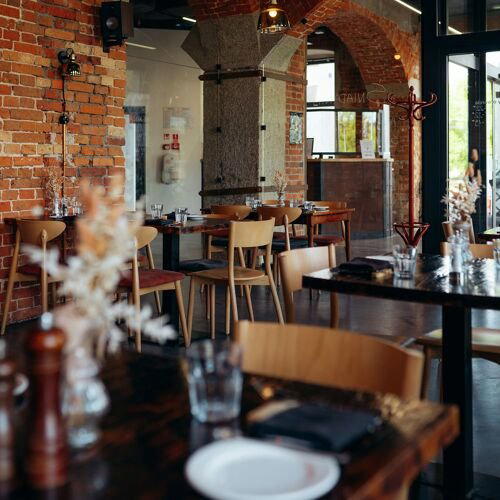
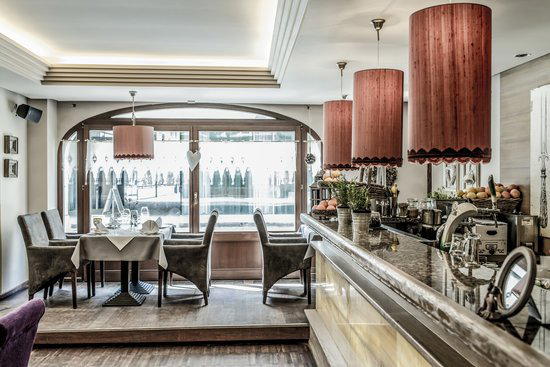
Hotels in Wrocław
All hotels in Wrocław →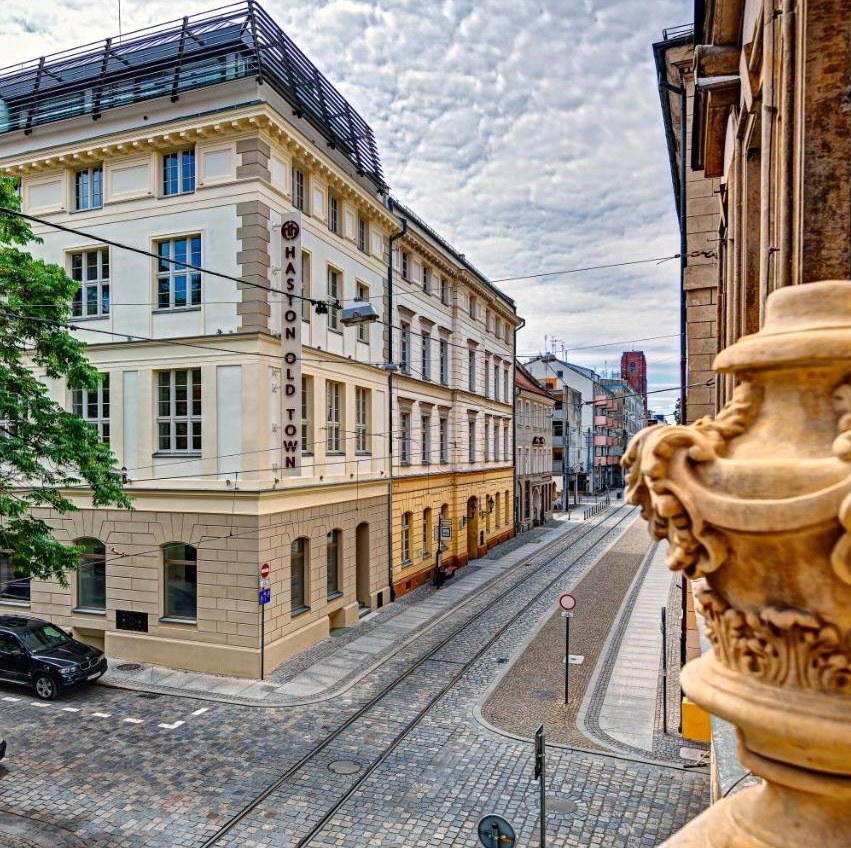
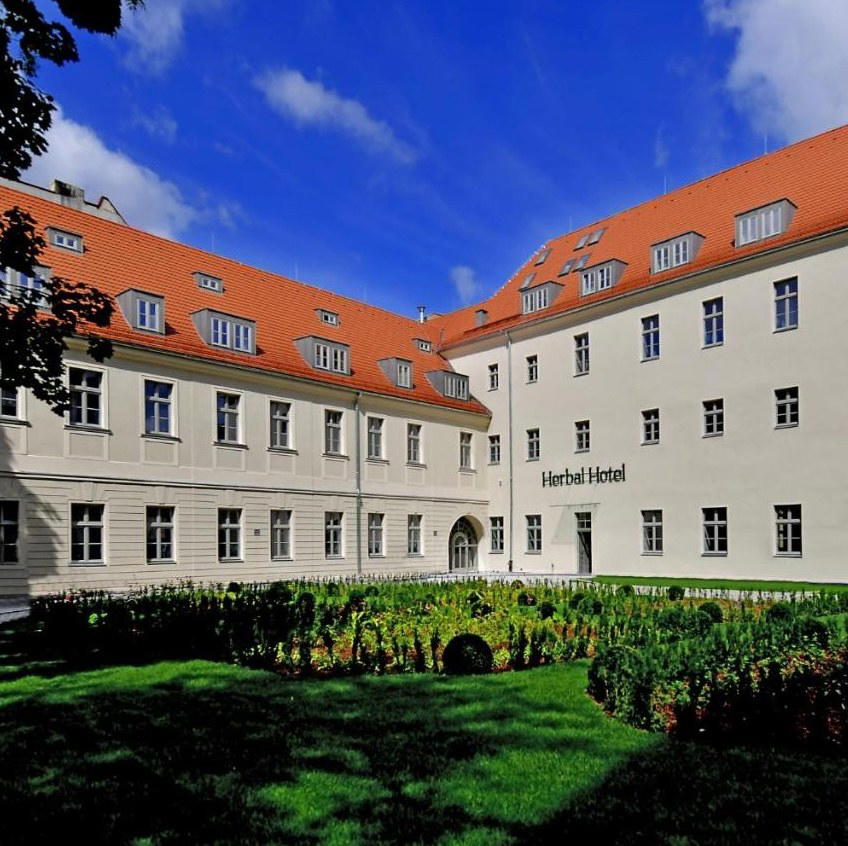
Wineries in Wrocław
Browse all →
Details
- Modern
- Elegant
- Intimate
- Date Night
- Special Occasion
- Sake Program
- Omakase
- A La Carte
- Vegetarian Friendly
Current opening hours
- Monday
- 4–10 PM
- Tuesday
- 4–10 PM
- Wednesday
- 4–10 PM
- Thursday
- 4–10 PM
- Friday
- 4–10 PM
- Saturday
- 1–10 PM
- Sunday
- 1–10 PM
Hours can change for holidays and private events. Hours as of .
Sophisticated modern atmosphere blending Japanese tradition with contemporary design, praised for its intimate setting and high-quality sushi craftsmanship.