
Michelin Plate
Our verdict
HuThoPi serves a Modern French Gastro-Bistro menu with natural wine at 53 rue de Charenton; Michelin Plate recognition in 2026 supports a lunch-or-dinner choice.

Pearl is the En Primeur Club membership app, where members save venues, book tables and use the concierge.
Stone Walls, Open Kitchen, Serious Produce
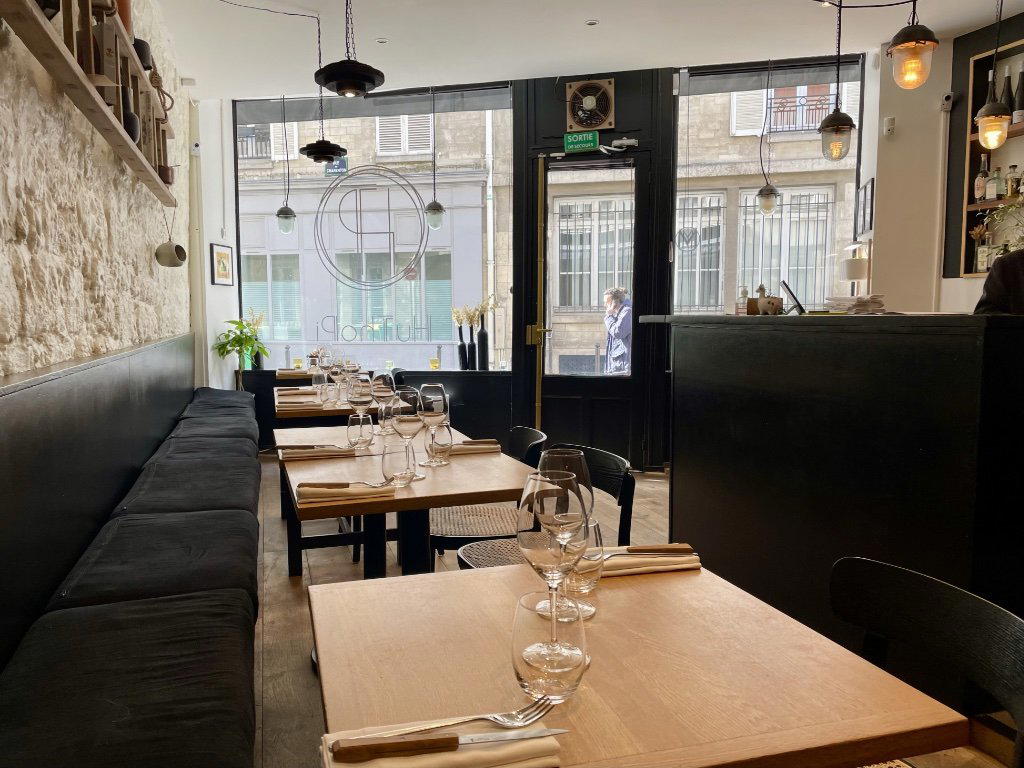
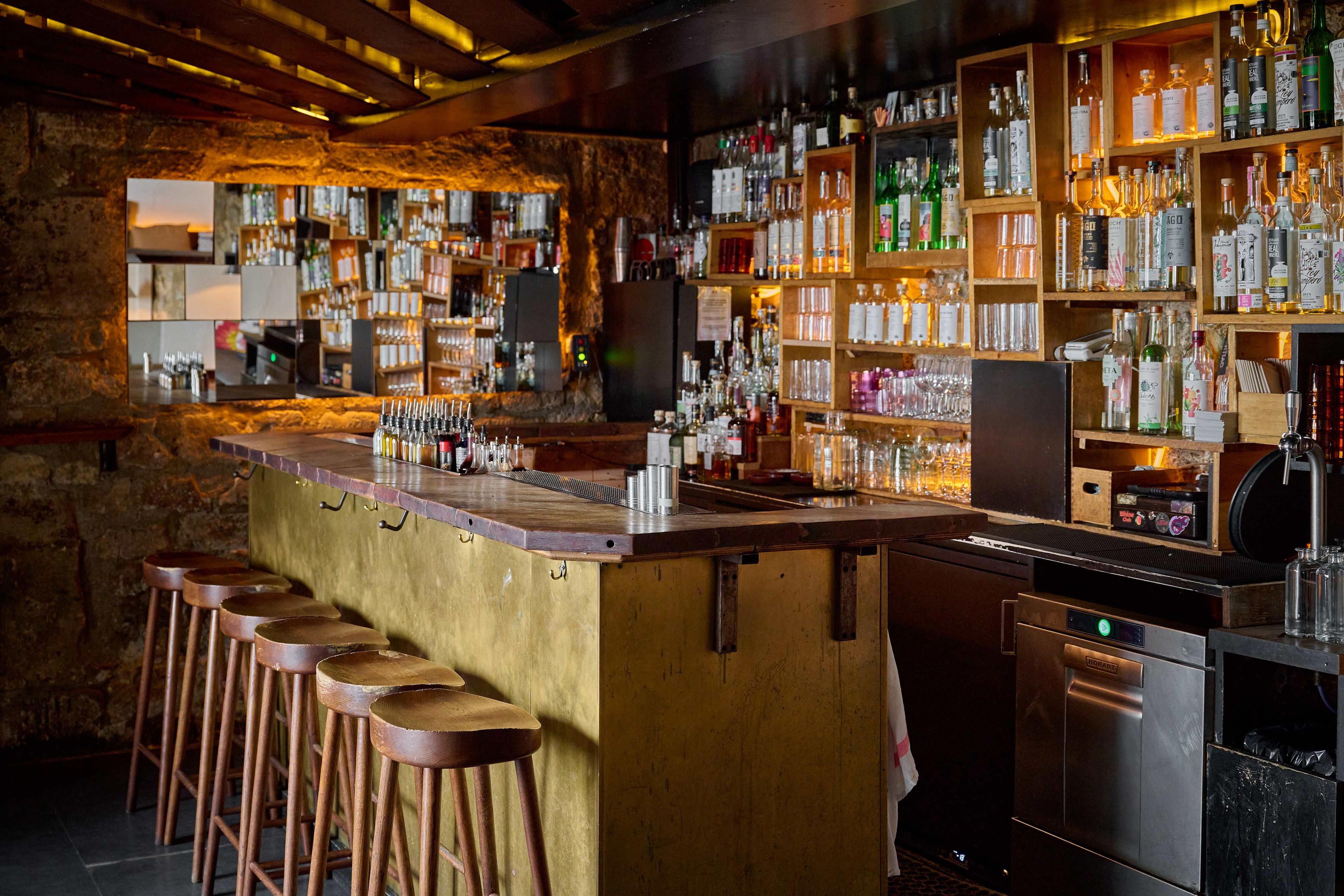
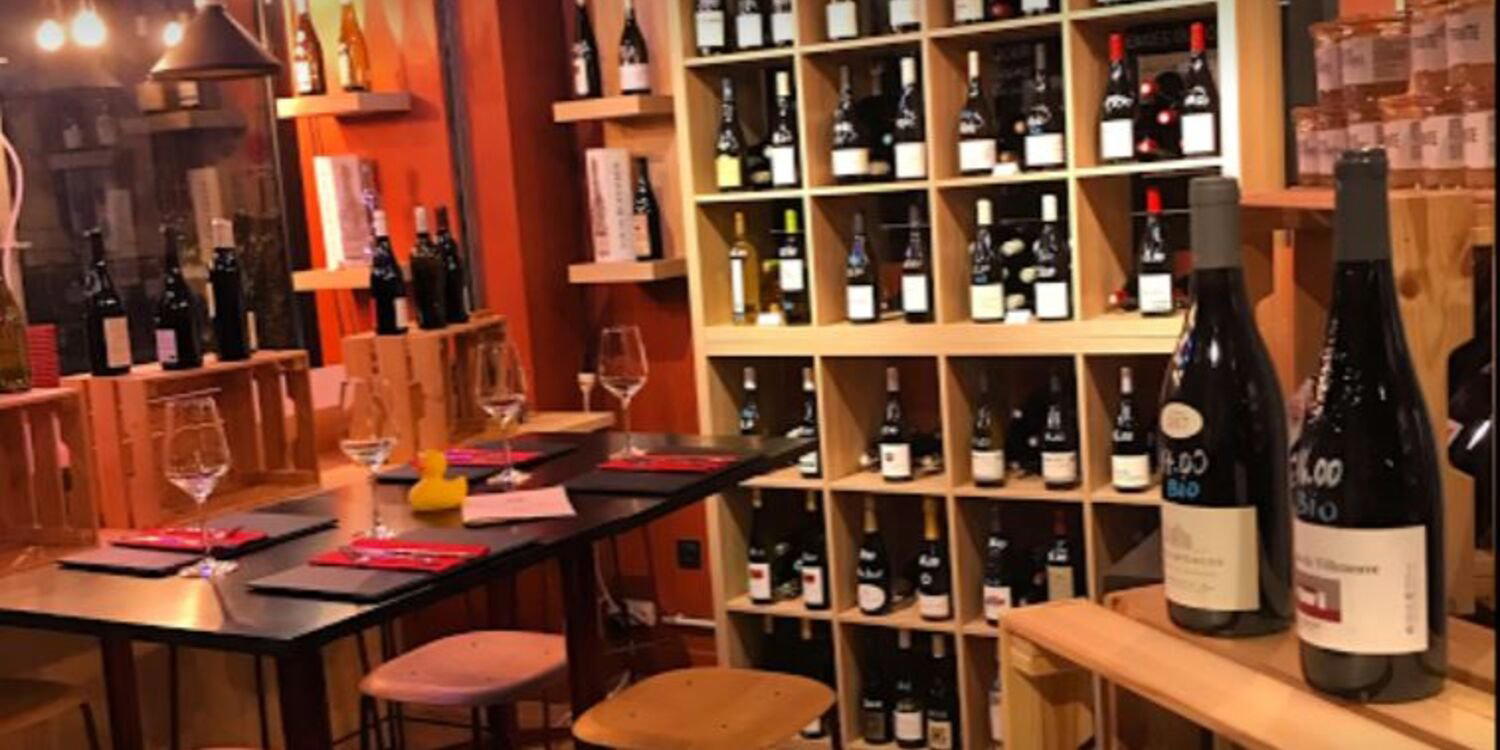
At 53 rue de Charenton, a short walk from the Marché d'Aligre in the 12th arrondissement, HuThoPi occupies the kind of room that Paris's mid-tier restaurant scene increasingly favours: exposed stone walls, hardwood floors, jars of fermented vegetables lining the shelves, and an open kitchen where the three cooks behind the project work in plain view. Nothing about the space is performing luxury. The decor is deliberately unpolished, in keeping with a neighbourhood that built its identity around one of the city's most serious food markets rather than around hotel dining or destination tourism.
The Marché d'Aligre context is worth pausing on. Unlike the grands marchés of more visited arrondissements, Aligre retains a working-market character: produce traders, a covered hall, prices that reflect local demand rather than tourist premiums. Restaurants that orbit this market tend to reflect its rhythms, and HuThoPi is no exception. The seasonal-produce framing at the core of the kitchen's approach aligns with what sourcing near Aligre makes possible, and the menu reads accordingly: Marmande tomatoes, Paimpol beans, red mullet with saffron sabayon. These are not generic seasonal gestures but specific ingredient references that signal genuine supplier relationships.
A Vegetable-Forward Approach in Context
French gastronomy has long been protein-centric, with vegetables appearing as garnish or supporting structure rather than as the point of a dish. The shift toward vegetable-forward cooking has been gathering speed across Paris for the better part of a decade, but it tends to appear in one of two registers: either the high-investment tasting-menu format (where single vegetables receive elaborate treatment) or the casual natural-wine bistro (where simplicity is the statement). HuThoPi sits between those poles. The kitchen's training history places it in conversation with serious French cooking, while the neighbourhood setting and ingredient choices push it toward something more immediate and less ceremonial.
The credentials behind the project are worth noting as context rather than as biography. Hugo, Thomas, and Pierre, the trio behind the HuThoPi name, have worked across a range of significant Paris addresses: Le Meurice and Plaza Athénée at the formal end, Cobéa, Oka, and L'Ours in more contemporary registers. That spread matters because it describes a kitchen that has absorbed multiple vocabularies, from classical French technique to the fermentation and sourcing disciplines that characterize newer natural-leaning restaurants. The fermented-vegetable jars on display are not decorative; they are functional evidence of a kitchen that treats preservation and fermentation as part of its working method rather than as an aesthetic choice.
The Sustainability Frame: Sourcing, Fermentation, Waste
Paris restaurants that genuinely engage with sustainable practice tend to do it in one of a few ways: strict supplier traceability, nose-to-root vegetable cookery, fermentation programs that extend ingredient life, or rejection of premium out-of-season produce. HuThoPi's menu, as described, suggests engagement with several of these simultaneously. Marmande tomatoes are a heritage variety from the Lot-et-Garonne with a short high-summer window. Piperade espuma draws from Basque tradition and typically uses local sweet peppers during their seasonal peak. Paimpol beans from Brittany are a protected-designation legume with a specific autumn harvest period. The specificity of these references implies a kitchen that plans menus around what is available rather than constructing a fixed format and sourcing to fit it.
Ajoblanco, the cold Andalusian almond-and-garlic soup that appears paired with yellowtail crudo, is a useful example of how borrowing from outside the French tradition can serve a sustainability logic: it is a no-cook preparation that concentrates flavour from inexpensive raw materials and wastes very little. Lardo di Colonnata, the cured fatback from Tuscany that appears with red mullet, is similarly a product that transforms an underused cut through long aging. These are not random cross-cultural references; they describe a kitchen that reaches for technique and ingredient traditions that align with its apparent approach to using the full ingredient and extending its life.
For diners whose frameworks around responsible eating tend to resolve at the high end of the market, where Michelin sustainability recognition and dedicated tasting menus carry the institutional weight, HuThoPi represents a different register of the same commitment. Addresses like Bras in Laguiole, where Michel and Sébastien Bras built their reputation substantially on terroir-led vegetable cookery over decades, or Mirazur in Menton, which has formalized its biodynamic garden sourcing into the structure of the tasting menu, operate at a different scale and price point. HuThoPi works without that formal apparatus, which means the sustainable credentials are embedded in daily sourcing decisions rather than in a certified program. That has its own kind of rigour.
Where HuThoPi Sits in the Paris Restaurant Picture
The Paris restaurant market in 2024 occupies a wide spectrum. At one end: multi-starred formal houses such as L'Ambroisie, Alléno Paris au Pavillon Ledoyen, and Le Cinq at the Four Seasons George V, where the full apparatus of classical French service, wine programs, and ceremony frames every plate. Kei and Arpège occupy slightly different registers within that bracket, with Arpège in particular built around a vegetable-forward philosophy at the starred level. At the other end: the casual natural-wine bistrots and neighbourhood tables that have proliferated across the 10th, 11th, and 12th arrondissements. HuThoPi reads as a considered mid-level proposition: kitchen training that is serious enough to produce technically accomplished food, a setting that removes any formal obligation, and a price point the 12th arrondissement context implies is calibrated for repeat local visitors rather than one-time destination diners.
That positioning is increasingly where interesting cooking happens in Paris. The formal houses carry the institutional prestige and attract international visitors; the casual bistrots carry the social energy. The mid-level, training-heavy, market-proximate restaurant is the format that tends to produce the most consistent and seasonally responsive food, because the economics require it. HuThoPi's proximity to Aligre makes that logic explicit.
For broader orientation across the city, EP Club's full Paris restaurants guide maps the market from formal to casual, as do the Paris hotels guide, bars guide, and experiences guide for visitors building a wider itinerary. France's broader restaurant geography, from Troisgros in Ouches to Flocons de Sel in Megève and Auberge de l'Ill in Illhaeusern, offers context for how Paris mid-tier cooking like HuThoPi's sits within a national tradition with deep roots.
Planning a Visit
HuThoPi is located at 53 rue de Charenton in the 12th arrondissement. The nearest Metro access is via Ledru-Rollin or Gare de Lyon, both within comfortable walking distance. The Marché d'Aligre operates Tuesday through Sunday and is a natural pairing for visitors who want to understand the sourcing context of this kind of cooking before sitting down to eat it. Given the compact scale typical of restaurants at this address type in the 12th, walk-in availability at peak dinner service is likely limited. Visiting earlier in the service or at lunch, if the kitchen operates that format, improves the chances of securing a table.
Frequently asked questions
Where is HuThoPi in Paris?
HuThoPi is located at 53 rue de Charenton, Paris.
Does HuThoPi have a Michelin star or similar recognition?
HuThoPi has received recognition including: Run by Hugo, Thomas and Pierre – aka HuThoPi – this compact restaurant a stone's throw from the Marché d'Aligre boasts a vibrant, unpolished decor with exposed stone walls, hardwood floors, jars of fermented vegetables and an open kitchen. ….
What dish is HuThoPi famous for?
HuThoPi doesn't anchor its identity to a single signature dish; the menu rotates around seasonal produce, so what appears one month may not the next. Documented preparations include yellowtail crudo with ajoblanco, red mullet with saffron sabayon, and Marmande tomatoes with piperade espuma, combinations that reflect the kitchen's vegetable-forward approach and the classical French training the three founders brought from Le Meurice, Plaza Athénée, and Cobéa.
Can I walk in to HuThoPi?
The restaurant at 53 rue de Charenton is compact, and its proximity to the Marché d'Aligre makes it a draw for the neighbourhood crowd, so walk-in availability on evenings and weekends is limited. Booking ahead is the practical approach; no reservation contact details are currently listed on EP Club, so check directly via the venue or a Paris reservation platform.
A Credentials Check
Comparable venues nearby, for context on price, style, and recognition.
| Venue | Cuisine | Price | Awards | Notes |
|---|---|---|---|---|
| HuThoPiThis venue (the venue you are viewing) | Modern French Gastro-Bistro | $50–100 | Michelin Plate | Not listed |
| L'Esquisse | Modern French Bistronomic | $30–50 | Michelin Plate | 18th arrondissement (Montmartre) |
| Le Mermoz | Modern French Neo-Bistro | $30–50 | Michelin Plate · Star Wine List | 8th arrondissement (Champs-Élysées area) |
| Bloom Garden | Modern French Mediterranean | $50–100 | Michelin Plate | 10th arrondissement |
| Le Petit Sommelier | Classic French Brasserie | $30–50 | Star Wine List | 14ème |
| Le Gentil | Modern French with Japanese influences | $30–50 | Michelin Plate | 7th arrondissement |
Recognition history
Dated appearances from independent guides and award organizations, with the underlying list record or original source where available.
Michelin Plate
Michelin
Continue exploring
More in Paris
Restaurants in Paris
All restaurants in Paris →
Bars in Paris
All bars in Paris →



Details
- Intimate
- Cozy
- Elegant
- Date Night
- Special Occasion
- Open Kitchen
- Natural Wine
- Local Sourcing
- Tasting Menu
- A La Carte
- Vegetarian Friendly
Current opening hours
- Monday
- 7:30–9:30 PM
- Tuesday
- 7:30–9:30 PM
- Wednesday
- 12–2 PM, 7:30–9:30 PM
- Thursday
- 12–2 PM, 7:30–9:30 PM
- Friday
- 12–2 PM, 7:30–9:30 PM
- Saturday
- Closed
- Sunday
- Closed
Hours can change for holidays and private events. Hours as of .
Simple, warm, and intimate atmosphere with exposed stone walls, open kitchen, peaceful room without too many tables, and a friendly vibe.