

Star Wine List · Macarfi 7.3 Food Rating
Our verdict
Hotel Restaurante Xabier sits on the Paseo de la Abadía in Navarra, a region where the Pyrenean foothills and the Ebro basin produce some of Spain's most grounded and seasonally driven ingredients. Recognised as a White Star on Star Wine List in January 2025, it operates as both a hotel and restaurant, making it a practical base for exploring one of northern Spain's most compelling food and wine territories.

Pearl is the En Primeur Club membership app, where members save venues, book tables and use the concierge.
Navarra's Ingredient Logic, and Where Xabier Fits Into It
Navarra is the kind of Spanish region that feeds its neighbours before it feeds its own reputation. The Ribera Alta produces artichokes that Basque chefs have been sourcing for decades. The Tudela valley sends white asparagus south to Madrid and east to Catalonia. Piquillo peppers from Lodosa appear on menus across the country with varying degrees of acknowledgment of their origin. This is a region defined less by culinary celebrity and more by what it grows, and Hotel Restaurante Xabier, sitting on the Paseo de la Abadía in the Pyrenean foothills, operates within that logic rather than against it.
Understanding Xabier requires understanding where Navarra sits in Spain's broader gastronomic map. The high-profile creative restaurants that have shaped Spanish fine dining over the past thirty years Arzak in San Sebastián, Azurmendi in Larrabetzu, Mugaritz in Errenteria, Martin Berasategui in Lasarte-Oria, cluster in the Basque Country, a short drive north. Navarra sits just to their southeast, sharing their climate logic and much of their raw material, but producing a quieter category of hospitality: properties where the hotel and the table are genuinely integrated, where the wine list draws from the DO Navarra appellation and its undervalued Garnacha producers, and where sourcing geography is the menu's primary organising principle.
The Physical Setting: Abadía as Context
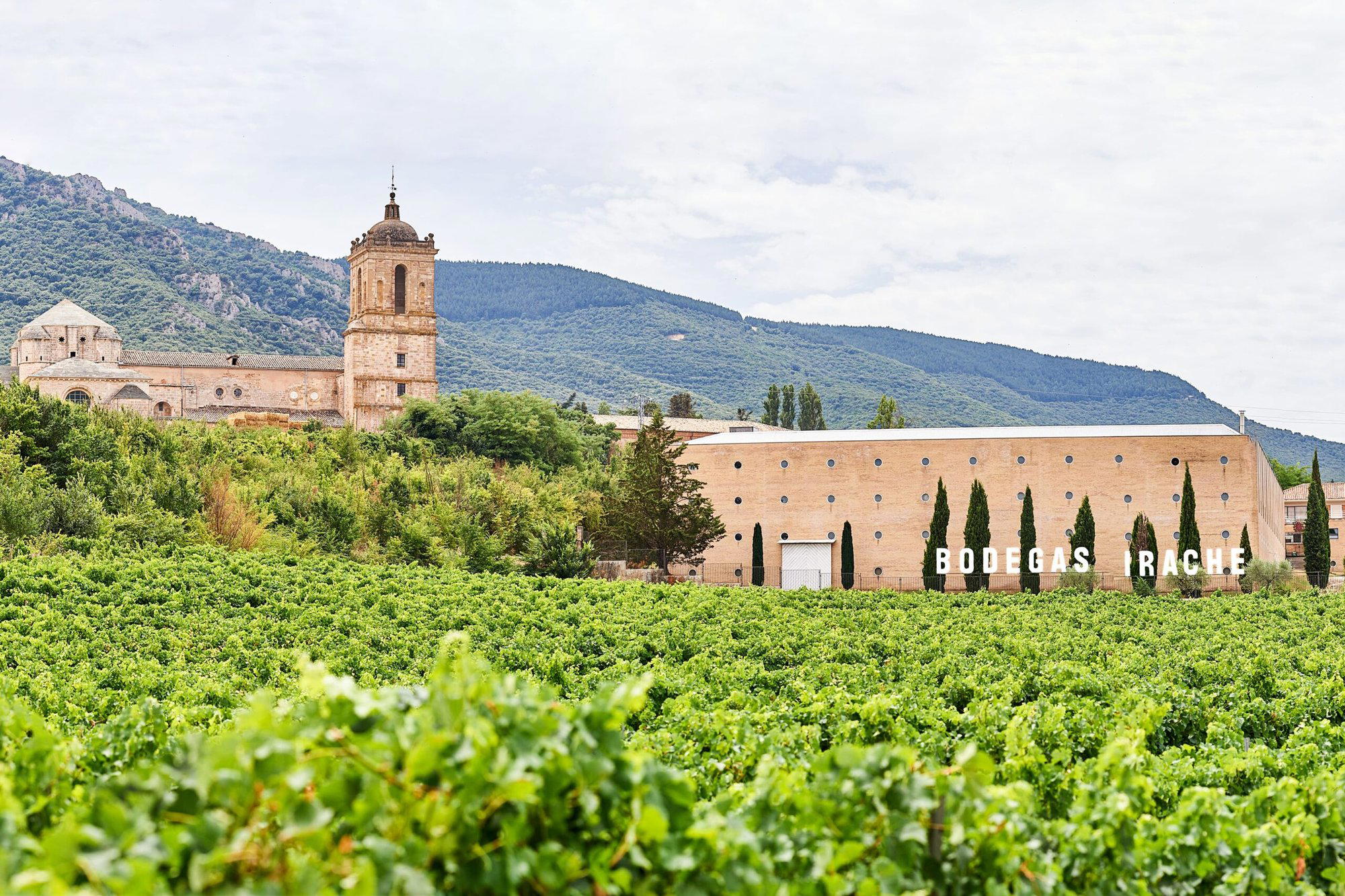
The address, Paseo de la Abadía, places Xabier within a part of Navarra where ecclesiastical and agricultural history run in parallel. The region's monasteries were, for centuries, its primary institutions of viticulture and food preservation, and the towns that grew around them tend to carry that legacy in their built environment: stone, quietude, a pace that doesn't perform itself for visitors. Arriving at a property on the Paseo de la Abadía means arriving somewhere that doesn't signal its ambitions loudly. The architecture of Navarrese rural hospitality typically favours substance over statement, thick walls, interiors that respond to altitude and seasonal temperature swing, dining rooms that function as genuine shelter rather than theatrical backdrop.
That physical grammar matters for a property that combines accommodation and dining under one roof. The integrated hotel-restaurant format is common in northern Spain's rural hospitality tier, and it creates a specific kind of guest relationship with the table: you eat there not because you've made a pilgrimage from the city, but because you're staying, and because the kitchen is the natural centre of the building's daily rhythm.
The Wine Recognition and What It Signals
Xabier's publication on Star Wine List in January 2025, where it received a White Star designation, is the primary verifiable signal of the property's wine program. Star Wine List's White Star category recognises wine lists with genuine commitment and coherent range, and the January 2025 date places this recognition as a recent development rather than legacy reputation.
For a Navarrese property, a credible wine list almost certainly means a serious engagement with the DO Navarra appellation. Navarra's wine identity has shifted considerably over the past two decades, away from the rosado production it was once almost synonymous with and toward a more considered Garnacha-led red program, alongside Tempranillo blends and, in the cooler northern sub-zones, some increasingly interesting white varieties. A property recognised for its list in this region is likely positioning itself against the better Rioja-adjacent lists to the west rather than against the volume-led tourism wine culture that characterises parts of southern Spain. For reference on what serious Spanish wine programs can look like at the fine-dining tier, El Celler de Can Roca in Girona and Quique Dacosta in Dénia both operate at the upper end of the national wine list tier, though they represent a different scale and price point entirely.
Sourcing as the Kitchen's Governing Logic
The editorial angle that makes most sense for a property like Xabier is ingredient geography. Navarra's agricultural output is specific and traceable in a way that many Spanish regions are not. The denomination of origin for piquillo peppers is geographically tight. The asparagus season is short and the difference between Tudela-grown white asparagus and generic Spanish asparagus is measurable in texture and sweetness. The artichokes of Mendavia and Cintruénigo have been part of the Basque culinary conversation for long enough that their Navarrese origin has become, in certain kitchens, a sourcing credential rather than mere provenance.
A kitchen in Navarra that doesn't use these materials would be making a deliberate choice to ignore its own geography. The more interesting question, for any serious property in this region, is how specifically it sources them: which farms, which seasonal windows, which preparations allow the ingredient to carry its own character rather than being submerged in technique. This is the standard by which Navarrese restaurant kitchens are increasingly being assessed, and it places them in a different conversation from the progressive creative restaurants further north like Aponiente in El Puerto de Santa María or Cocina Hermanos Torres in Barcelona, where ingredient sourcing is also central but the culinary language is more technically transformed.
Planning a Visit
Xabier sits at Paseo de la Abadía, 2, in Navarra, Spain, at postcode 31411. As both a hotel and restaurant, the most natural mode of engagement is to stay, which allows the kitchen's rhythm to make itself felt across more than a single meal. Navarra is accessible by road from Pamplona, which sits roughly at the region's administrative centre and connects via the AP-15 to the Pyrenean foothills where the property is located. For those building a broader northern Spain itinerary, the property serves as a logical staging point between the Basque coast and the Rioja wine country to the west. For a wider orientation to eating, drinking, and staying in the region, see our full Navarra restaurants guide, our full Navarra hotels guide, our full Navarra bars guide, our full Navarra wineries guide, and our full Navarra experiences guide.
Frequently Asked Questions
- Can I bring kids to Hotel Restaurante Xabier?
- Navarra's rural hotel-restaurant format generally accommodates families more readily than urban fine dining properties at a comparable price point. If the kitchen is oriented around seasonal Navarrese ingredients and the setting is a working hotel rather than a destination tasting-menu venue, the atmosphere is likely to be relaxed enough for younger guests.
- What is the atmosphere like at Hotel Restaurante Xabier?
- The combination of a Paseo de la Abadía address, a Navarrese hill-country setting, and the integrated hotel-restaurant format suggests an atmosphere shaped by place rather than performance. This is the kind of property where the dining room functions as the social centre of a working hotel in a historically grounded town, not as a separate destination exercise. Its Star Wine List White Star recognition in January 2025 indicates that the wine program adds a layer of seriousness that lifts it above standard rural hospitality. For comparison with the more high-intensity creative dining atmosphere found elsewhere in northern Spain, see DiverXO in Madrid or Ricard Camarena in València.
- at Hotel Restaurante Xabier?
- What can be said is that any kitchen in Navarra with a credible wine list and a hotel-format dining room is most likely to reward orders that follow the region's seasonal produce calendar: white asparagus in spring, piquillo peppers in autumn, and the artichokes that have made the region a sourcing destination for Basque chefs across the border. Those are the ingredients that define what a Navarrese kitchen does at its most grounded. For reference on how Spanish chefs at different tiers handle ingredient-led menus, Casa Marcial in Arriondas offers a useful northern Spain comparison point, as does Le Bernardin in New York City for an international benchmark on how singular ingredient focus shapes a menu at the highest level.
Frequently asked questions
Can I bring kids to Hotel Restaurante Xabier?
Xabier operates as both a hotel and restaurant at Paseo de la Abadía, 2 in Navarra, a format that generally accommodates families more readily than a standalone fine dining counter. Navarra's agricultural table, artichokes, piquillo peppers, local lamb, tends to translate into straightforwardly ingredient-led cooking that doesn't require a specific adult context. check the venue's official channels to confirm any age-specific arrangements before arrival.
What is the atmosphere like at Hotel Restaurante Xabier?
The address on Paseo de la Abadía places the property within a part of Navarra where ecclesiastical architecture and working farmland share the same horizon, which shapes the register of the place more than any interior design decision could. A White Star recognition from Star Wine List, published in January 2025, points to a wine programme taken seriously enough to anchor the dining room's identity. Expect a setting calibrated around regional produce and considered wine service rather than urban spectacle.
Is Hotel Restaurante Xabier Michelin-listed?
Hotel Restaurante Xabier has received recognition including: Hotel Restaurante Xabier is a restaurant venue.without_translation_and hotel in Navarra, Spain. It was published on Star Wine List on January 9, 2025 and is a White Star.
What's the best thing to order at Hotel Restaurante Xabier?
What the Star Wine List White Star designation does confirm is that the wine list warrants attention, and pairing it against Navarra's seasonally driven produce, the region supplies artichokes, asparagus, and piquillo peppers to tables well beyond its own borders, is the logical approach. Ask the restaurant directly about current market-driven dishes when booking.
What's the address for Hotel Restaurante Xabier?
Hotel Restaurante Xabier is located at Paseo de la Abadía, 2, 31411, Navarra, Spain, Navarra.
At-a-Glance Comparison
Comparable venues nearby, for context on price, style, and recognition.
| Venue | Cuisine | Price | Awards | Notes |
|---|---|---|---|---|
| Hotel Restaurante XabierThis venue (the venue you are viewing) | Navarran Gourmet | $20–30 | Star Wine List · Macarfi 7.3 Food Rating | Not listed |
| Churreria The Mañueta | Traditional Spanish Churros | Not listed | Not listed | historic district |
| Bar Sport | Basque Pintxos | $10–20 | Macarfi 6.8 Food Rating | Parte Vieja |
| Bar Martinez | Traditional Basque Pintxos | $10–20 | Macarfi 6.5 Food Rating | Parte Vieja (Old Town) |
| Los Fueros | Modern Basque | $30–50 | Michelin Bib Gourmand · Macarfi 7.8 Food Rating | Casco Viejo |
| La Galería | Modern Spanish-Rioja restaurant | $30–50 | Macarfi 6.5 Food Rating · Guía Repsol 1 Sol | Logroño |
Recognition history
Dated appearances from independent guides and award organizations, with the underlying list record or original source where available.
Star Wine List
Star Wine List
Macarfi 7.3 Food Rating
Macarfi
Continue exploring
More in Navarra
Restaurants in Navarra
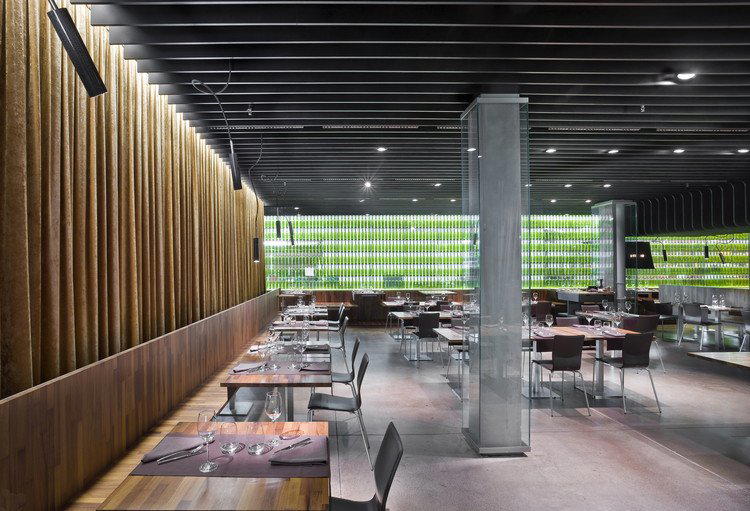
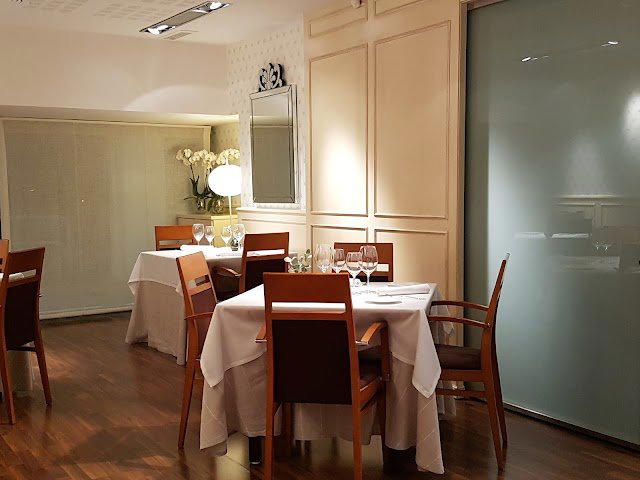
All restaurants in Navarra →
Bars in Navarra
Browse all →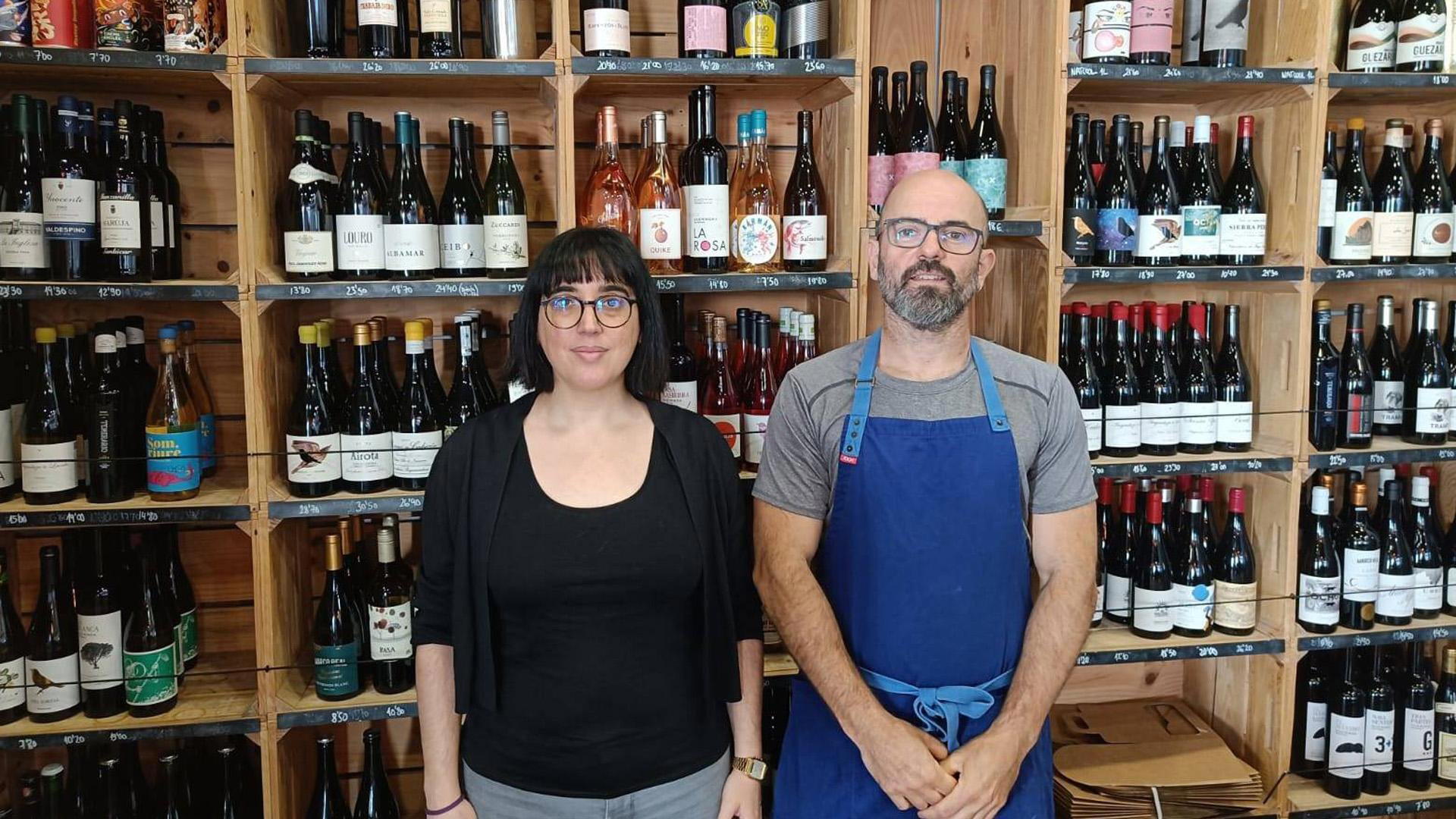
Hotels in Navarra
Browse all →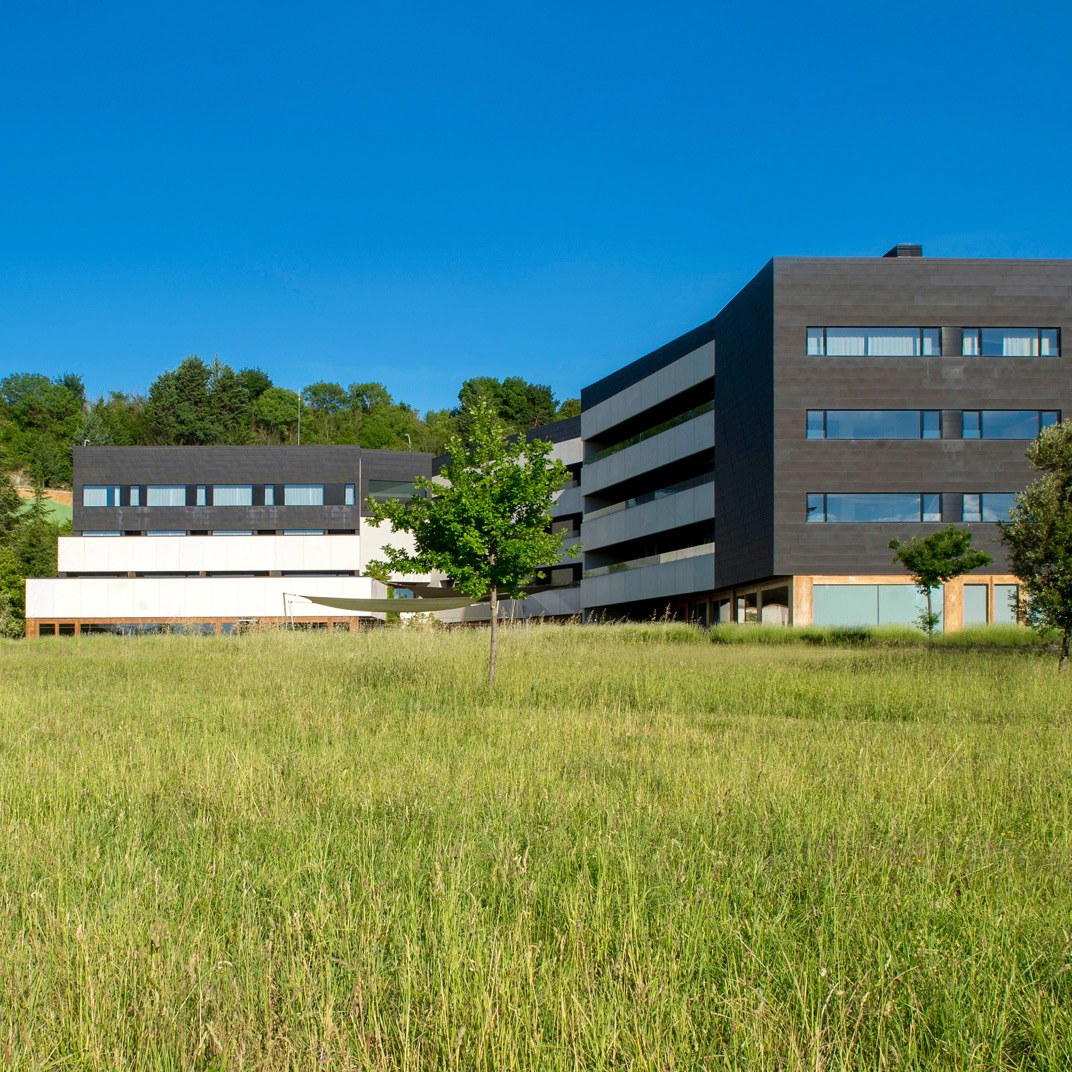
Details
- Classic
- Rustic
- Cozy
- Special Occasion
- Family
- Hotel Restaurant
- Terrace
- Extensive Wine List
- Local Sourcing
- Street Scene
- A La Carte
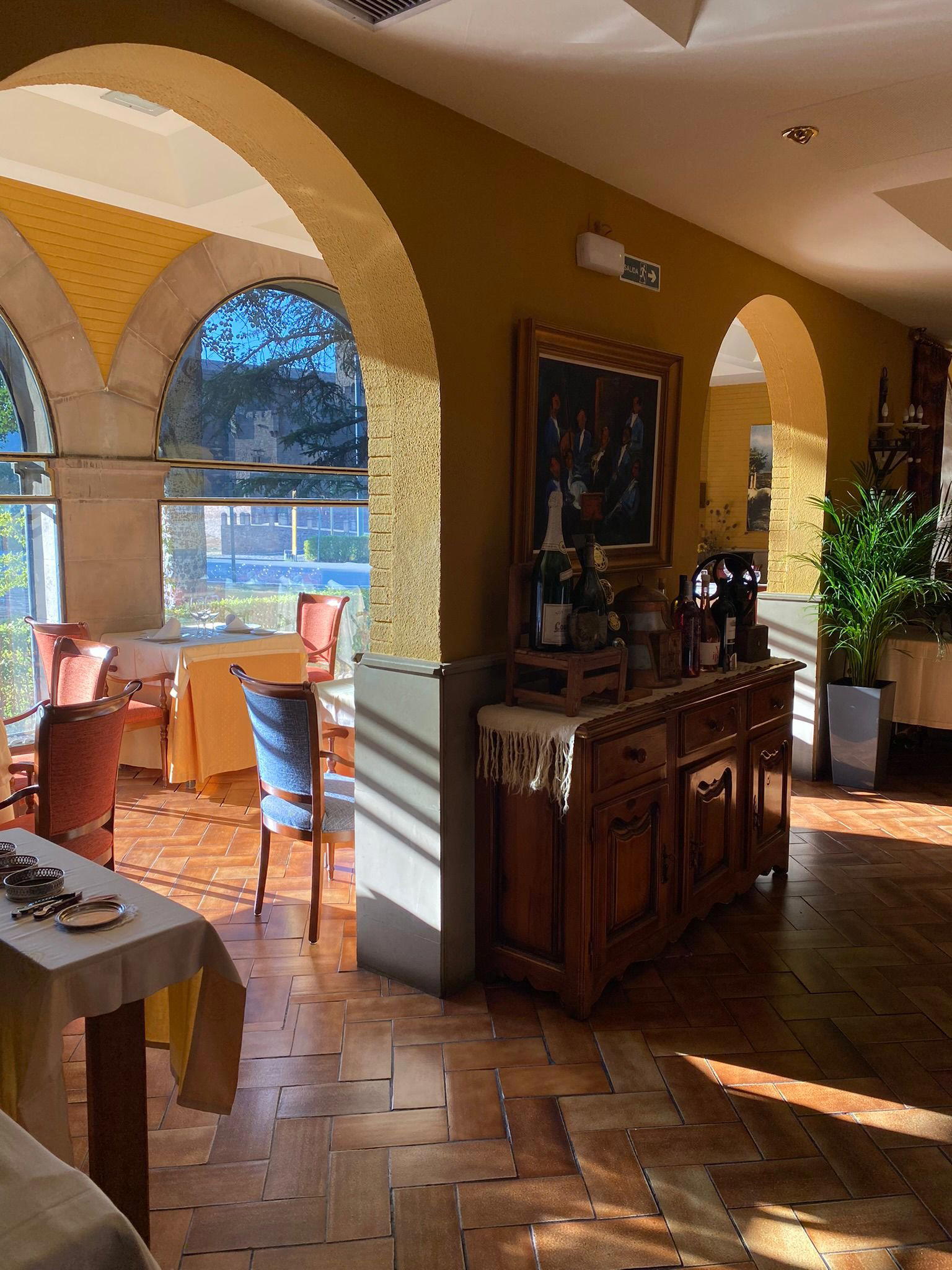
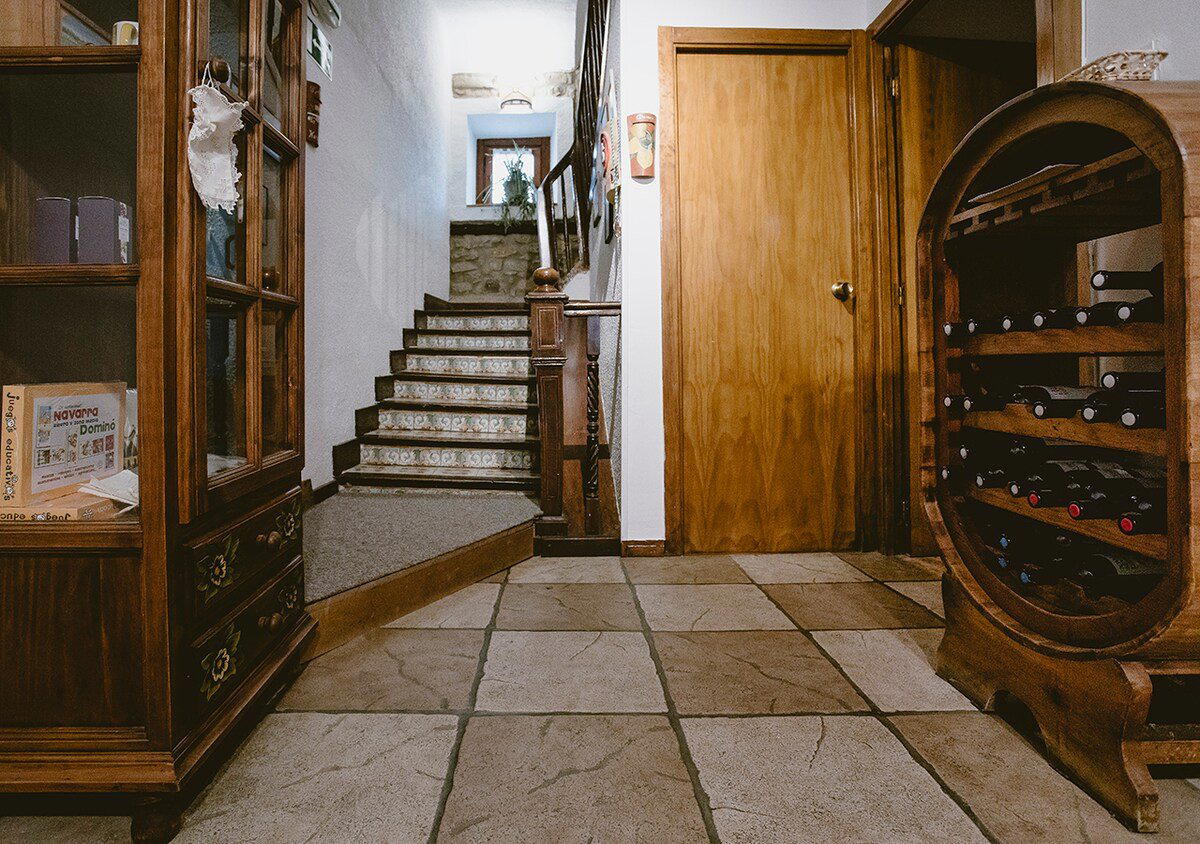
Traditional charm with wooden furniture, antique decor, and castle views; some areas feel dated but warm and welcoming.