HOOK on Jefferson Avenue puts St Clair Shores' waterfront proximity to work, drawing on the Great Lakes and Midwest regional sourcing traditions that define serious freshwater dining. The address places it within the local dining corridor alongside Cedar Garden and Pegasus Taverna, offering a point of reference for visitors tracking the area's seafood-forward restaurant scene.
Pearl is the En Primeur Club membership app — saves, bookings, and concierge access live there. Same editors, same standards.
- Address
- 24214 Jefferson Ave, St Clair Shores, MI 48080
- Phone
- +15864458080
- Website
- hookscs.com
- Directions
- Get directions
 Saves & bookings on Pearl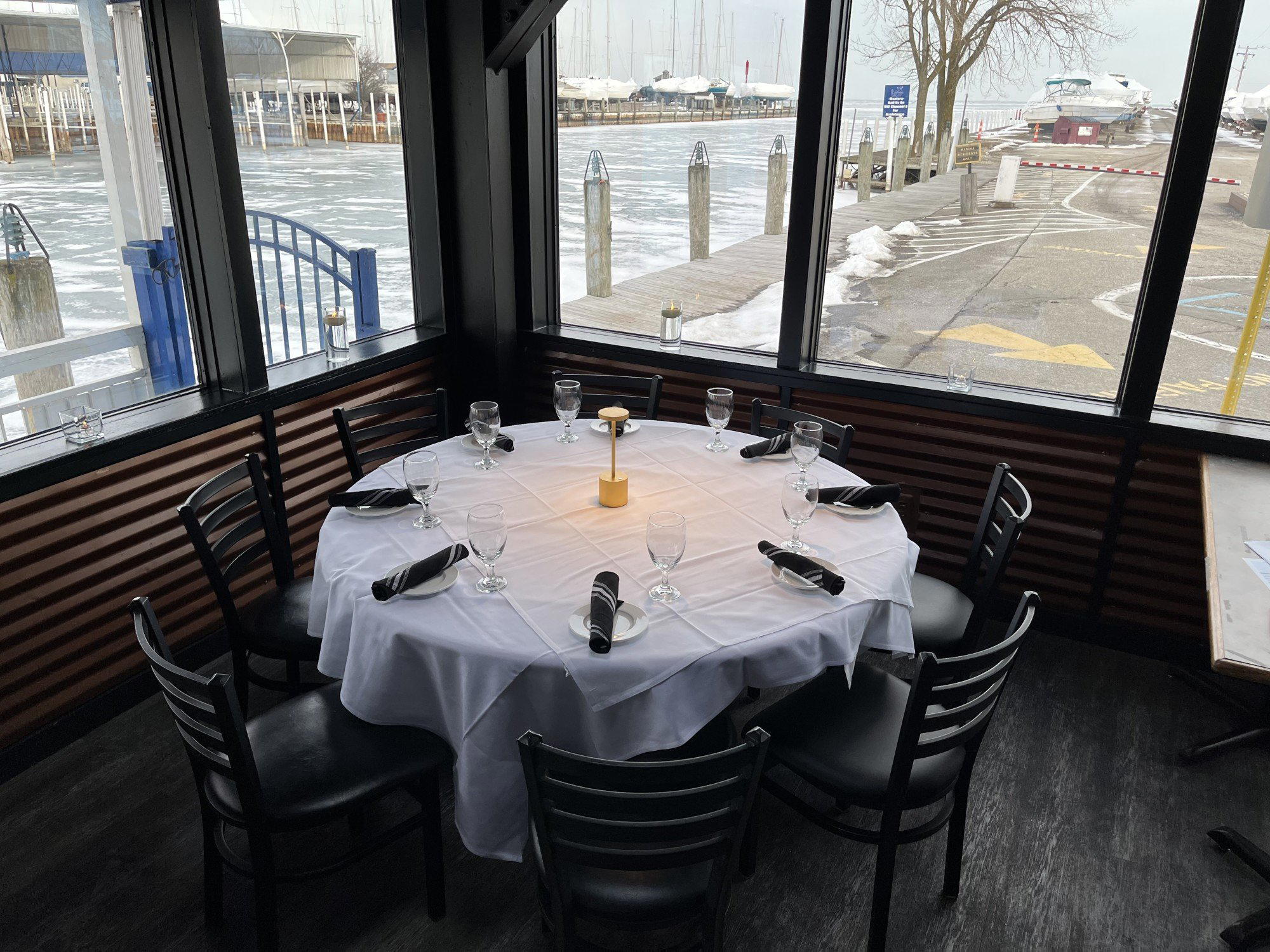
Jefferson Avenue and the Freshwater Sourcing Tradition
St Clair Shores sits at the edge of Lake St Clair, a body of water that connects Lake Huron to Lake Erie and has long shaped what ends up on plates in Macomb County. Waterfront communities along Michigan's eastern shore have built dining identities around freshwater fish: walleye, perch, whitefish, and the seasonal rhythms that govern what's available and when. HOOK, at 24214 Jefferson Ave, occupies that culinary geography directly. The name alone signals intent. In a dining corridor where Fishbone's St. Clair Shores and Cedar Garden anchor different ends of the local register, a venue that leads with a fishing reference is positioning itself inside a specific conversation about what the region's waters produce.
That sourcing framework matters more than it might appear at first glance. The Great Lakes system represents the largest surface freshwater system on Earth, and the fish that come from it carry distinct characteristics shaped by cold, deep water and seasonal feeding patterns. A kitchen that takes that seriously operates differently from one that sources generic frozen fillets through a broadline distributor. The proximity of St Clair Shores to the lake is not just atmospheric backdrop; it is a logistical advantage that a committed kitchen can translate directly into the quality of what arrives at the table.
The Jefferson Avenue Dining Corridor
Jefferson Avenue functions as the commercial spine of St Clair Shores' restaurant scene, running parallel to the lake with a density of independently operated venues that gives the stretch more character than a suburban strip typically manages. The corridor includes Pegasus Taverna, which anchors the Greek-American dining tradition that has deep roots in the broader Detroit metropolitan area, as well as several seafood-leaning operations that feed off the same waterfront identity. HOOK sits within this pattern, drawing on the same geographic logic that made lakeside dining a durable category across the region's history.
For visitors approaching from Detroit, the drive along Jefferson Avenue offers a useful orientation: this is not a tourist waterfront engineered for spectacle. The dining scene here reflects the tastes and expectations of residents who live near the water year-round, which tends to produce a more grounded, less performative version of lakeside eating than resort destinations deliver. That is a meaningful distinction for anyone arriving with calibrated expectations rather than postcard fantasies.
Ingredient Sourcing in the Great Lakes Context
The most consequential question any serious fish restaurant in this region faces is provenance. Michigan's commercial and sport fishery operates under state and federal oversight, and the chain of custody from lake to kitchen is shorter here than in coastal markets where freshwater fish must travel significant distances before reaching a plate. Lake perch, in particular, has experienced supply pressure over the decades as populations shifted, which means the leading local kitchens have had to become selective about where their fish originates, distinguishing between locally caught product and imports from Canadian lakes or farmed sources.
This supply question has shaped the reputation of freshwater seafood dining across the Midwest in ways that parallel how oyster sourcing shaped coastal raw bar culture. Restaurants that can credibly point to a local supply chain carry a different kind of authority than those that cannot. The expectation for a venue like HOOK, given its name and location, is that sourcing specificity is part of the offer, not incidental to it. How far that commitment extends in practice is something a visit would confirm, but the address and positioning place it squarely inside that tradition.
For context on how the most rigorous sourcing-focused kitchens in the United States approach this question at scale, the contrast with operations like Single Thread Farm in Healdsburg or Blue Hill at Stone Barns in Tarrytown is instructive. Both venues have made ingredient provenance their primary editorial statement, and both have received sustained critical recognition for doing so. The Midwest freshwater tradition has its own version of that logic, operating at a different price point and without the same national spotlight, but rooted in equally specific geography.
Where HOOK Sits in the Broader Seafood Conversation
American seafood dining at the upper end of the market has long been dominated by coastal references: the tasting menus at Le Bernardin in New York City, the sourcing-driven programs at Providence in Los Angeles, or the ingredient-first approach at Addison in San Diego. Freshwater fish has occupied a more peripheral position in that national conversation, which is partly a function of coastal media concentration and partly a genuine difference in the scale of the restaurant categories involved.
What St Clair Shores offers is a version of that seafood dining identity that is rooted in a different geography and a different supply chain. Those are the same questions that define quality at any seafood venue, from the casual to the formal, and they apply here regardless of scale or ambition.
The broader national picture, where Lazy Bear in San Francisco, Alinea in Chicago, and Atomix in New York City define one end of the American fine dining spectrum, represents a different kind of conversation entirely. The value of the St Clair Shores dining scene, covered in full in our full St Clair Shores restaurants guide, is that it operates outside that high-stakes performance register while still maintaining a distinct and defensible identity shaped by place.
Planning a Visit
HOOK is located at 24214 Jefferson Ave, accessible along the main dining corridor of St Clair Shores. For current hours, reservation availability, and menu information, contacting the venue directly or checking their current listings is the most reliable approach, as operational details are subject to change. Given the category and location, walk-in availability is plausible on weeknights, though weekend evenings along Jefferson Avenue tend to fill earlier than visitors from outside the area often anticipate.
Continue exploring
More in St Clair Shores
Restaurants in St Clair Shores
Browse all →
Bars in St Clair Shores
Browse all →



At a Glance
- Elegant
- Modern
- Scenic
- Sophisticated
- Date Night
- Special Occasion
- Waterfront
- Open Kitchen
- Craft Cocktails
- Sustainable Seafood
- Waterfront
Current opening hours
- Monday
- Closed
- Tuesday
- Closed
- Wednesday
- Closed
- Thursday
- 4–9 PM
- Friday
- 4–10 PM
- Saturday
- 11 AM–10 PM
- Sunday
- 11 AM–8 PM
Hours can change for holidays and private events. Last verified .
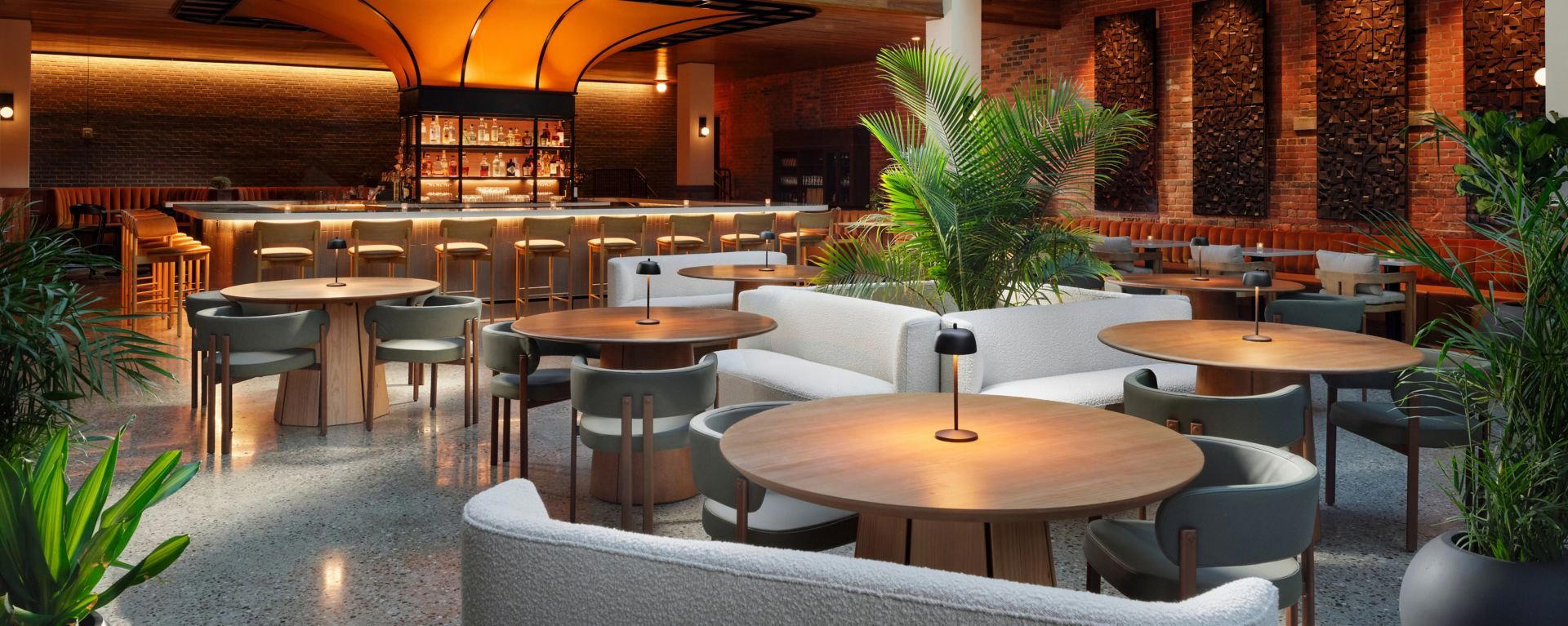
Refined waterfront atmosphere with tablecloths, bustling kitchen views, and scenic patio seating.
Know Before You Go
- Getting there
- 24214 Jefferson Ave, St Clair Shores, MI 48080