Hiroki

Michelin Plate
Our verdict
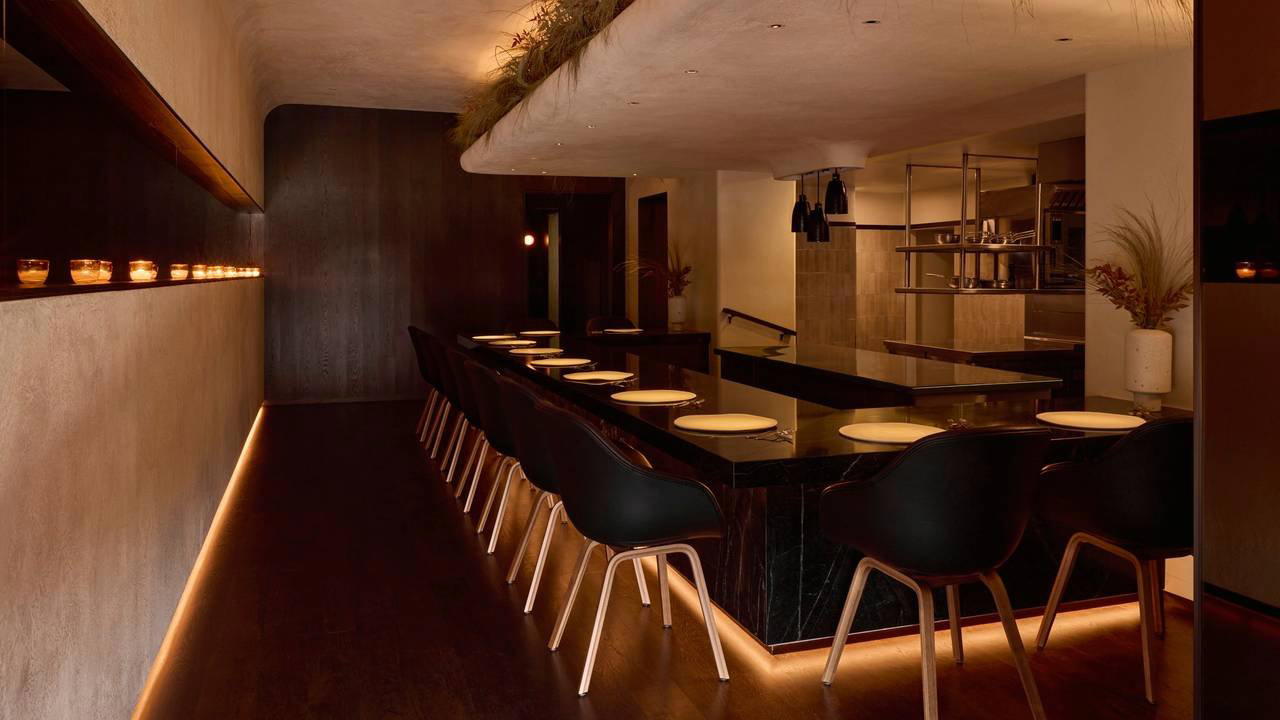
A Fishtown omakase counter modelled on the machiya architecture of Kyoto, Hiroki delivers a 20-course progression that moves from firefly squid and Japanese snow crab through grilled black cod and red miso wagyu to a closing sequence of small-cut nigiri. The 12-seat counter is where the experience lands most precisely. Sake pairing across seven styles makes the case for the counter as the only seat worth booking.

Pearl is the En Primeur Club membership app — saves, bookings, and concierge access live there. Same editors, same standards.
- Address
- Corner of Lee &, Master St, Philadelphia, PA 19125, 1355 N Front St, Philadelphia, PA 19122
- Phone
- (215) 422-3222
- Hours
- Mon 6–9 PMTue–Wed ClosedThu–Sun 6–9 PM
- Website
- hirokisan.com
- Directions
- Get directions
- Booking
- Book on Resy
Counter Culture: Fishtown's Japanese Omakase in the Machiya Tradition
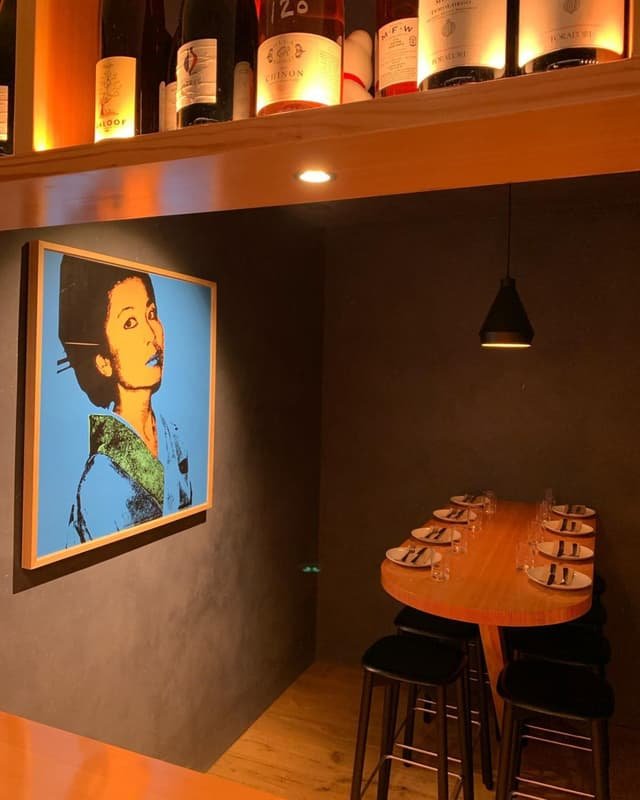
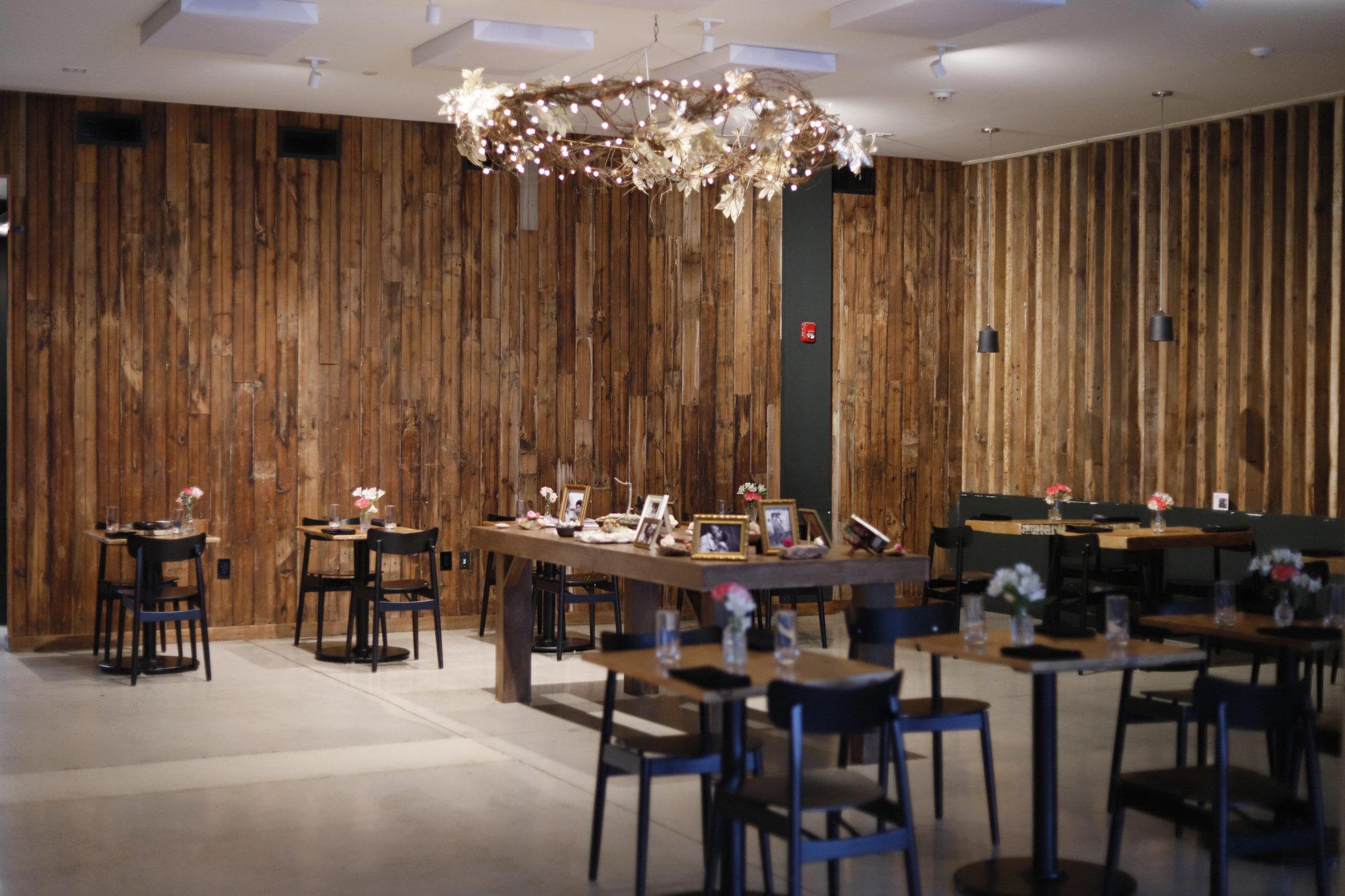
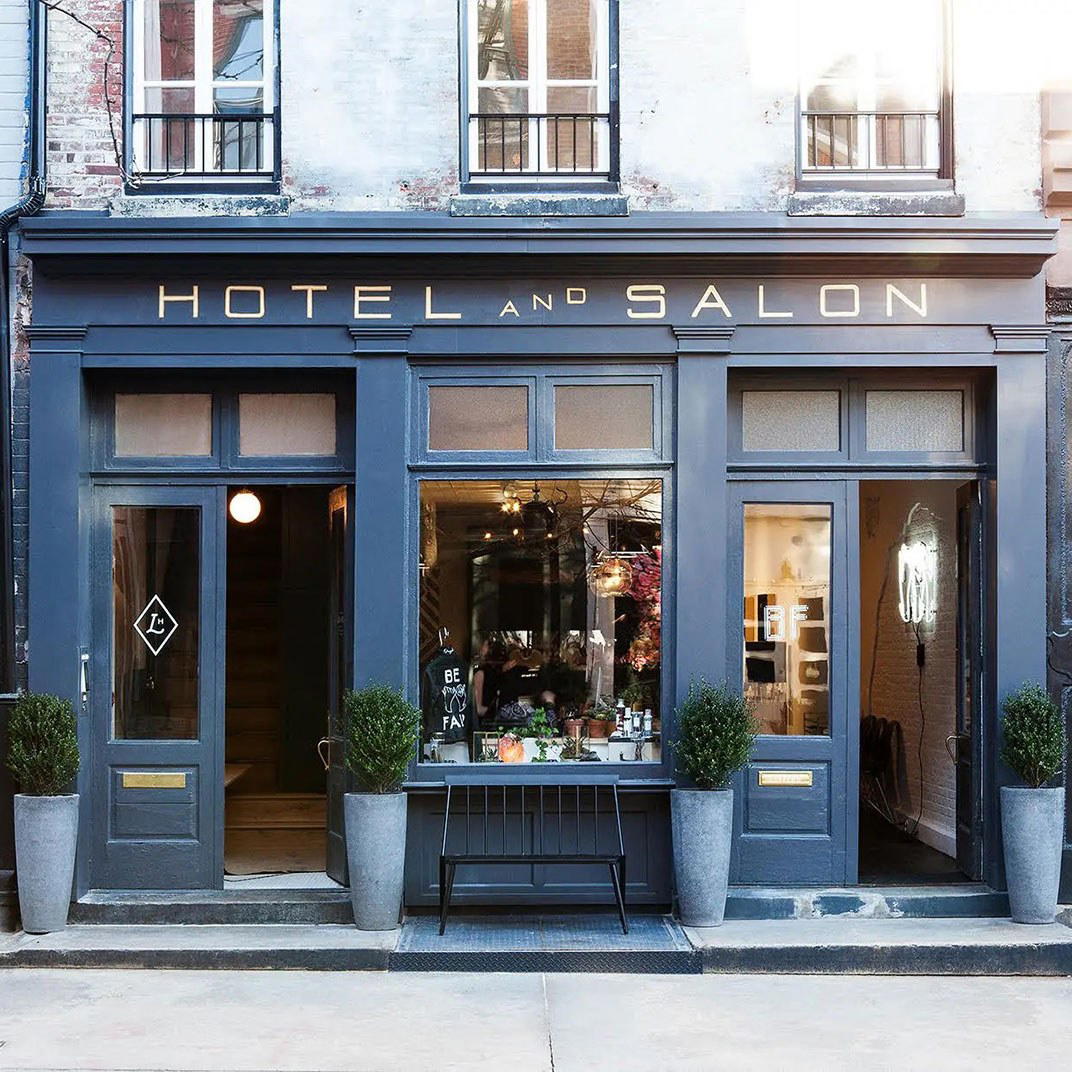
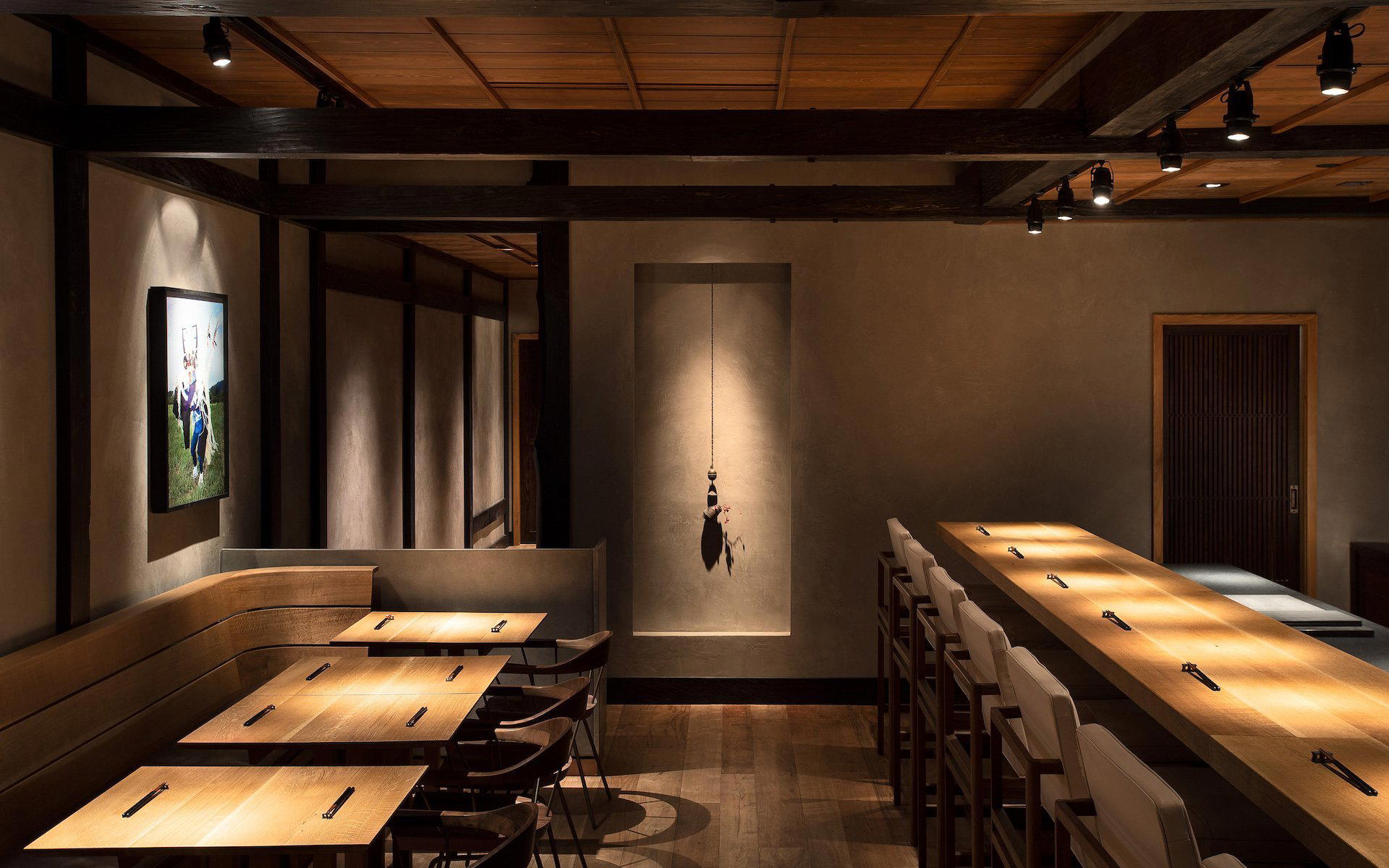
Omakase dining in American cities has split into two distinct operating modes. The first is the destination format: high-ceilinged rooms with visible investment in stone, steel, and celebrity-grade name recognition. The second is quieter — a counter, a spare room, a façade that tells you almost nothing from the street. Hiroki, at the corner of Lee and Master in Fishtown, belongs to the second school. The exterior gives little away. Inside, a 12-seat counter and a handful of tables define a space designed after the machiya — the narrow, deep townhouse form that organises domestic and commercial life in Kyoto. The aesthetic is not nostalgic reproduction; it reads as a considered translation, with custom furnishings that feel contemporary without dismissing where the reference came from.
Philadelphia's omakase scene is small compared to the dense concentrations in New York or Los Angeles, and that scarcity changes how a room like Hiroki functions within the city. It is not competing against a dozen peer counters a few blocks away. It is, for many Philadelphians, the clearest available answer to what a serious Japanese counter experience looks like at the neighbourhood scale, the kind of operation that in another city might sit alongside Atomix in New York City or The French Laundry in Napa in a broader conversation about counter dining as a distinct format. Here, it holds that position more or less alone in its tier.
The Counter as the Unit of Measure
In omakase format, the counter is not simply a seating option, it is the architectural argument for why the format works. The sequence of approximately 20 courses is designed to be delivered across a specific geometry: the chef a few feet away, the pacing controlled by proximity, the conversation between kitchen and guest structured by sightlines rather than a printed menu. At Hiroki, the tables exist, but the counter is where the format operates as intended. Booking the counter means committing to the logic of the experience rather than approximating it from across the room.
The progression at Hiroki moves through a recognisable omakase grammar while maintaining its own internal logic. Early courses establish register: firefly squid and Japanese snow crab arrive as calibration, delicate, cold-toned, setting expectations for precision. The middle section shifts weight with grilled black cod and red miso wagyu, introducing heat and umami density without abandoning restraint. The nigiri sequence closes the meal with deliberate escalation. Pieces are cut small enough that ten can be consumed without the sequence becoming exhausting; the toppings move from lighter profiles, snapper, scallop, toward stronger, more assertive finishes as the sequence progresses. The structural decision to size the nigiri smaller is worth noting as a philosophy point: it prioritises range and pacing over individual piece impact, which is a different bet than many counters make.
The Team Behind the Counter
The editorial angle on any serious omakase counter is never purely about the headline chef. The format depends on coordination across at least three roles: the chef reading the room and adjusting tempo, the sake or beverage lead making pairing decisions that either extend or flatten what the kitchen is doing, and the front-of-house managing a format where the pacing itself is the product. At Hiroki, the sake pairing, approximately seven types and styles across the meal, is designed as a structural component rather than an optional add-on. The range across seven styles means the pairing covers enough ground to be genuinely instructive about sake's spectrum, from junmai through aged or sparkling expressions, depending on what the kitchen's sequence calls for.
Kyoto-born Executive Chef Hiroki Fujiyama's training background connects the space to the machiya-inspired design in ways that go beyond aesthetic choice. The architectural reference is not decoration; it is the framing for a service approach that values discretion and control over spectacle. In a small-team format, that matters. The strength of the experience on any given evening is a function of how well the team as a unit, whoever is at the pass, maintains the standard the format sets. The front-of-house role in managing that expectation honestly with guests is part of what separates well-run small counters from inconsistent ones.
Philadelphia's dining scene has developed a strong track record for this kind of operationally serious, lower-profile restaurant. Fork (New American) and Friday Saturday Sunday (New American) represent the New American side of that pattern; Mawn (Cambodian, Pan-Asian) and My Loup (French-Inspired) extend it across other traditions. Hiroki sits within this cohort, venues where the investment is in the cooking and the service logic, not the room's spectacle or marketing overhead. South Philly Barbacoa (Mexican) operates similarly in its own register: deeply sourced, low on decoration, serious in execution.
Fishtown as a Setting for This Format
Fishtown's character as a neighbourhood is relevant context. The area's transformation over the past decade has brought in a range of restaurants that operate outside the Center City premium-dining conventions. A discreet Japanese counter on a Fishtown corner reads differently than it would in Rittenhouse Square, the neighbourhood's mix of working-class persistence and independent food businesses gives a format like Hiroki a kind of legitimacy it might have to work harder to establish elsewhere. The understated façade is not a liability here; it fits the block.
On a national counter-dining map, Hiroki occupies a tier below the most-documented US omakase rooms but represents the type of serious regional counter that any informed traveller should account for. Operations like Lazy Bear in San Francisco, Alinea in Chicago, or Single Thread Farm in Healdsburg define what the counter-format can scale to in terms of resource and recognition.
Planning Your Visit
The 12-seat counter books ahead; given the format's limited capacity, reservations are the only reliable path in. Walk-ins work for table seats but not for the counter, which is the seat the format is built around. The sake pairing is the beverage option to take: across approximately seven styles, it covers enough range to function as an education in the category as much as a meal companion. If your interest is in how a well-run Japanese counter operates as a team sport, kitchen, beverage, floor working in coordination, then the counter seats are where that becomes visible. For a broader map of where Hiroki sits in Philadelphia's dining geography, [our full Philadelphia restaurants guide]() covers the field; [our full Philadelphia bars guide](), [Philadelphia hotels guide](), [Philadelphia wineries guide](), and Philadelphia experiences guide round out the city picture for anyone building a longer itinerary.
Frequently asked questions
Has Hiroki won any awards?
Hiroki has received recognition including: Kyoto-born Executive Chef Hiroki Fujiyama was inspired by the machiya of his hometown when creating this stylish and discreet Fishtown spot. From the understated façade to the custom-designed furnishings, it feels authentic but also contemp….
How do I find Hiroki?
Hiroki is located at Corner of Lee &, Master St, Philadelphia, PA 19125, 1355 N Front St, Philadelphia, PA 19122, Philadelphia.
What's the best thing to order at Hiroki?
The 12-seat counter seat is the specific request worth making when booking — the counter experience is architecturally distinct from the table seats and central to the omakase format. Within the roughly 20-course progression, the nigiri sequence is the editorial centrepiece: around 10 small-sized pieces that build in intensity from snapper and scallop toward stronger toppings. The sake pairing, covering approximately seven styles, is considered good value relative to what it unlocks across the meal.
Can I walk in to Hiroki?
Walk-ins can access the table seats, but the 12-seat counter operates on reservations and books ahead given its limited capacity. If the counter is the reason you're going — and for omakase format, it is — a reservation is the only reliable path in.
What do critics highlight about Hiroki?
The consistent editorial note is the machiya reference point: Kyoto-born chef Hiroki Fujiyama drew on the traditional townhouse aesthetic when designing the Fishtown space, from the understated façade to the custom furnishings. The omakase itself is noted for balancing traditional Japanese technique with contemporary progression, and dishes like firefly squid, Japanese snow crab, grilled black cod, and red miso wagyu appear as benchmarks. One practical caveat that surfaces in coverage: Fujiyama-san is not always behind the counter personally.
What if I have allergies at Hiroki?
The omakase format at Hiroki runs approximately 20 courses with a fixed progression — firefly squid, snow crab, black cod, wagyu, and a nigiri sequence among them — so the menu is structured rather than à la carte. For specific dietary requirements or serious allergies, contacting the restaurant directly ahead of your reservation is the appropriate step; the counter format requires the kitchen to know in advance rather than adjust on the night.
Cuisine and Awards Snapshot
Comparable venues nearby, for context on price, style, and recognition.
| Venue | Cuisine | Price | Awards | Notes |
|---|---|---|---|---|
| HirokiThis venue — the venue you are viewing | Japanese Omakase | $150–200 | Michelin Plate | Not listed |
| Tuna Bar | Modern Japanese Raw Bar | $30–50 | Not listed | Old City |
| Vernick Food and Drink | Modern American with Global Influences | $50–100 | Michelin Plate · James Beard Award Semi Finalist | Rittenhouse Square |
| Butcher and Singer | Classic American Steakhouse | $150–200 | Star Wine List · Wine Spectator Best of Award of Excellence | Rittenhouse Square |
| Uchi | Modern Japanese Sushi | Not listed | Not listed | Rittenhouse Square |
| Rockwell & Rose | Asian-Inspired Steakhouse | $100–150 | Not listed | Washington Square West |
Recognition history
Dated appearances from independent guides and award organizations, with the underlying list record or original source where available.
Michelin Plate
Michelin