Himalayan Flavor-Logan
On North Main Street in Logan, Utah, Himalayan Flavor brings the ingredient-led cooking traditions of the Himalayan region to a college town more accustomed to burgers and burritos. The kitchen draws on spice-forward techniques rooted in Nepali and Indian culinary practice, offering a counterpoint to the chain-heavy dining strip that defines much of Cache Valley's restaurant scene. For Logan, that specificity matters.
Pearl is the En Primeur Club membership app — saves, bookings, and concierge access live there. Same editors, same standards.
- Address
- 130 N Main St, Logan, UT 84321
- Phone
- +14357871757
- Website
- himalayanflavor.com
- Directions
- Get directions
 Saves & bookings on Pearl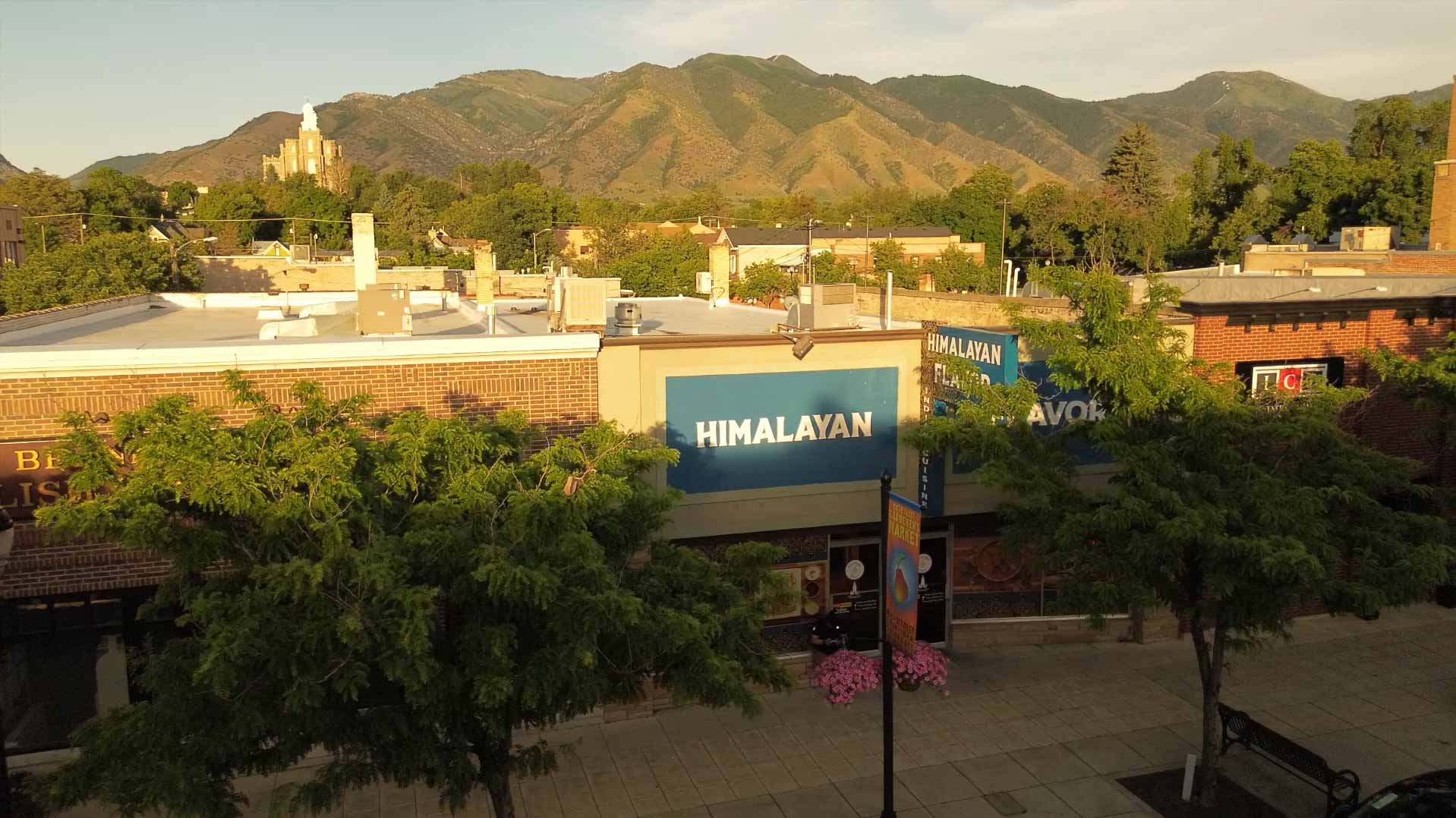
Where Spice Routes Meet the Wasatch Front
Logan, Utah sits at the northern end of Cache Valley, a mountain-rimmed agricultural corridor where the dominant dining culture leans heavily toward American comfort food and fast-casual chains. Against that backdrop, a restaurant committed to Himalayan cooking traditions occupies a specific and somewhat improbable position. The address at 130 N Main St places Himalayan Flavor squarely in the commercial heart of the city, a stretch of downtown that serves both Utah State University's student population and the wider Cache Valley community. That dual audience shapes what the kitchen has to do: hold enough familiarity to work as a weeknight option for local families while delivering the depth of spice and technique that defines subcontinental cooking at its most serious.
Himalayan cuisine, taken as a regional tradition, draws from a geography of scarcity and altitude. The cooking of Nepal, Tibet, and the Indian hill states that border them developed around ingredients that survive cold climates and long storage: dried legumes, preserved meats, fermented vegetables, and spice blends that function as much for warming the body as flavoring the plate. That origin story matters because it explains why the food reads so differently from the lowland Indian cooking most American diners know from urban takeout culture. The spice logic is layered rather than aggressive, and the emphasis on slow-cooked proteins and dal-based dishes reflects a culinary tradition built around sustenance and depth rather than speed.
The Ingredient Case for Himalayan Cooking in a Mountain Town
There is an argument to be made that Logan, of all places in the American West, is an appropriate setting for this kind of cooking. Cache Valley's agricultural output is real: the valley floor supports dairy farming, grain production, and produce growing at scale, and the surrounding mountains have historically been hunting and foraging territory. None of that connects directly to Himalayan sourcing traditions, but the underlying logic of mountain-climate cooking, of using what the land provides at altitude and preserving against hard seasons, rhymes with the valley's own food history.
Himalayan kitchens at their most ingredient-conscious treat spice not as a mask but as a building system. Cumin, coriander, turmeric, and fenugreek appear in sequence rather than simultaneously, each added at a different point in the cooking process to develop distinct aromatic layers. Garam masala enters late, as a finishing note rather than a base. This sequencing is the technical signature of serious subcontinental cooking, and it's what separates a kitchen that understands the tradition from one that simply replicates surface flavors. Diners accustomed to the blunter spice profiles of Americanized Indian food often find Himalayan cooking more nuanced and, on reflection, more complex.
For context on how ingredient provenance functions as a restaurant's primary editorial argument, operations like Blue Hill at Stone Barns in Tarrytown and Single Thread Farm in Healdsburg have made sourcing transparency central to their identity at the highest price tier. The logic scales down: even at a neighborhood level, a kitchen that thinks seriously about where its spices originate and how its proteins are treated sits in a different category from one that works off a bulk supplier list. Frasca Food and Wine in Boulder demonstrates a similar regional commitment in a college-town context not unlike Logan's, where academic population and local community overlap in ways that reward genuine cooking over convenience.
Logan's Dining Context and Where This Fits
Cache Valley's restaurant scene is not without ambition. Cafe Sabor has held ground as a local benchmark for Mexican cooking, and the broader downtown corridor continues to develop around Utah State's growing enrollment. But subcontinental cooking remains underrepresented relative to the region's population size, which means a Himalayan restaurant in Logan operates without the competitive density that would push it to sharpen or narrow its offer. That can cut both ways: without peer pressure, kitchens sometimes settle into a comfortable generalism. The more productive reading is that a restaurant in this position can build a loyal, returning audience without the constant churn of novelty that urban dining markets demand.
The wider Rocky Mountain corridor has seen growing interest in cuisines that step outside the steakhouse-and-brewpub template. Brutø in Denver represents one direction that ambition takes at the high end, while Causa in Washington, D.C. shows how a specific regional cuisine, in that case Peruvian, can anchor a serious restaurant identity in a competitive market. Himalayan Flavor's challenge and opportunity in Logan is the same: own the category clearly enough that the cuisine itself becomes the reason to visit, rather than proximity or convenience.
For a broader picture of what Logan's dining scene offers across categories and price points, the EP Club Logan restaurants guide maps the full range.
Planning a Visit
Himalayan Flavor is located at 130 N Main St in downtown Logan, walking distance from Utah State University's main campus and accessible from the central parking structure on First West. Logan's downtown core is compact enough that it pairs naturally with pre- or post-dinner browsing of the main street commercial strip.
Continue exploring
More in Logan

At a Glance
- Cozy
- Casual Hangout
- Group Dining
- Family
- Standalone
Current opening hours
- Monday
- Closed
- Tuesday
- 11:30 AM–9 PM
- Wednesday
- 11:30 AM–9 PM
- Thursday
- 11:30 AM–9 PM
- Friday
- 11:30 AM–9 PM
- Saturday
- 11:30 AM–9 PM
- Sunday
- 12–7 PM
Hours can change for holidays and private events. Last verified .
Casual neighborhood restaurant with warm, welcoming atmosphere focused on authentic flavors and quality preparation.
Know Before You Go
- Getting there
- 130 N Main St, Logan, UT 84321