High Timber
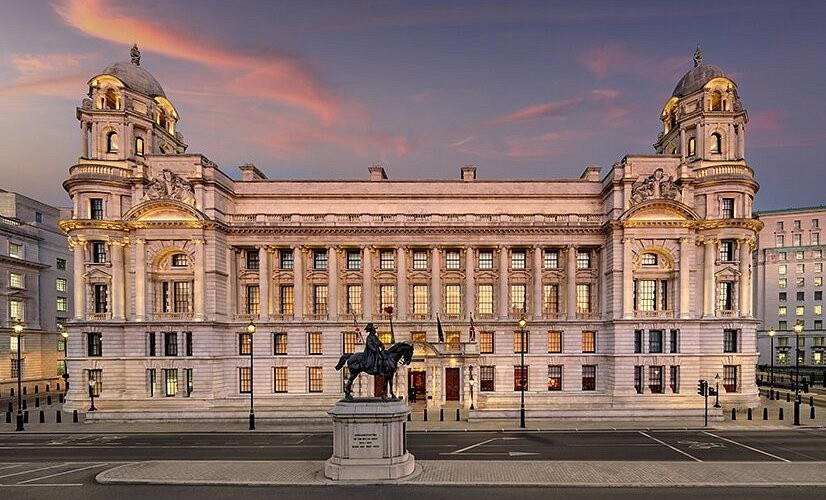
High Timber occupies a riverside address on the City of London's northern bank, where the Thames and the financial district converge at Broken Wharf. The restaurant has built a following among City professionals and visitors drawn to its South African wine program and grill-focused menu. Its position on High Timber Street places it within easy reach of St Paul's and Tate Modern, making it a natural anchor for a full day on the South Bank corridor.
Pearl is the En Primeur Club membership app — saves, bookings, and concierge access live there. Same editors, same standards.
- Address
- Broken Wharf House, 8 High Timber St, London EC4V 3PA, United Kingdom
- Phone
- +44 20 7248 1777
- Website
- hightimber.com
- Directions
- Get directions
 Saves & bookings on Pearl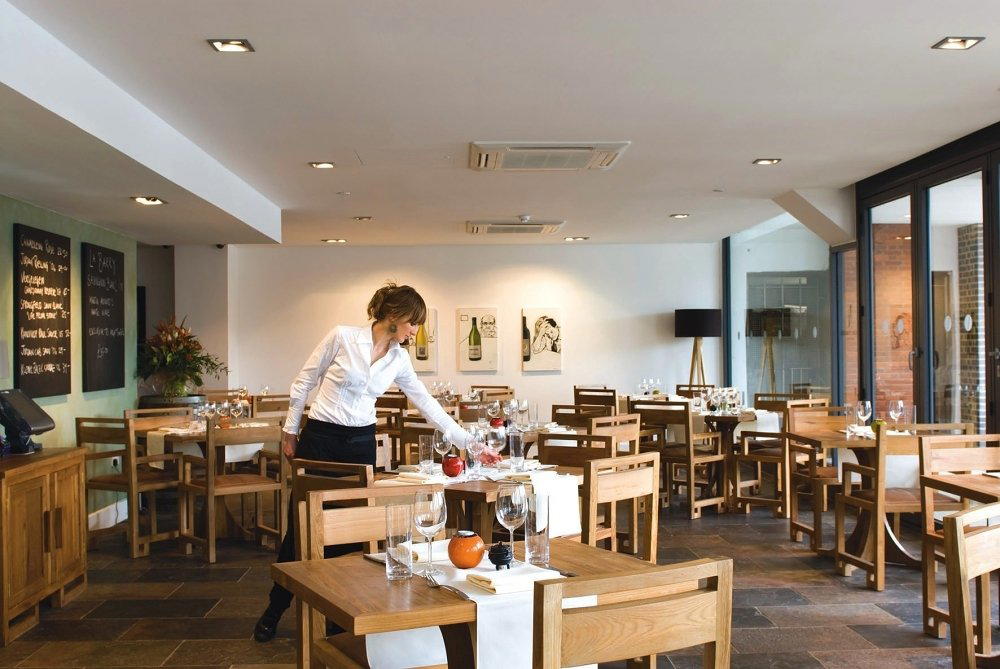
A City Address with a River Edge
The stretch of Thames riverfront between Southwark Bridge and Blackfriars has changed character repeatedly over the past four centuries. What was once a working wharf district handling timber, wool, and coal gradually emptied out as the Port of London shifted east, leaving warehouses and counting houses that were later absorbed into the City's commercial expansion. By the 2000s, the northern bank between those two bridges had become something of a gap in London's dining map: close to the financial centre, visible from the Millennium Bridge, yet less trafficked by restaurants than the South Bank directly opposite. High Timber is a South African steakhouse in London, with. High Timber, on High Timber Street at Broken Wharf House, positioned itself into that gap and has held it since.
The restaurant's Thames-facing position matters in a practical sense. Tables along the window look directly across the river to Tate Modern and the Bankside skyline, a view that few City restaurants can offer. In a part of London where the river is often glimpsed between buildings rather than sat beside, that physical relationship with the water shapes the experience from the first course onward.
The Arc of a Meal: How the Sequence Reads
Tasting-progression formats have spread considerably across London's formal dining tier since the mid-2010s. The city's highest-profile addresses, CORE by Clare Smyth, Restaurant Gordon Ramsay, Sketch, The Lecture Room and Library, and The Ledbury, all operate within a multi-course framework where the sequencing of dishes carries as much weight as any individual plate. Outside the capital, the same logic applies at L'Enclume in Cartmel, Moor Hall in Aughton, and The Fat Duck in Bray, where narrative arc is a deliberate part of the kitchen's proposition.
The restaurant operates with a different rhythm than those Michelin-starred addresses but shares an understanding that a meal's structure communicates something. The grill-centred approach that the restaurant is associated with has a built-in progression logic: lighter preparations at the start, heavier protein cuts as the meal deepens, then a wind-down through dessert courses. That rhythm is familiar to anyone who has eaten at South African-influenced restaurants, where braai culture organises the table around fire and meat in a sequence that is social as much as culinary.
The South African connection is one of the restaurant's more distinct markers in the London dining context. The wine list draws heavily from South African producers, a focus that separates it from the default Burgundy-and-Bordeaux anchoring of most City restaurants at its price tier. For diners accustomed to working through a wine pairing alongside food courses, that list opens a different set of conversations: Chenin Blanc from the Swartland in place of white Burgundy, Pinotage or Cape blends alongside red meat rather than the expected Rhône or Bordeaux selections. It is a pairing framework that rewards curiosity and benefits from guidance from floor staff who know the producers.
Where It Sits in the City Dining Tier
London's City and Canary Wharf restaurant tier has historically skewed toward volume and convenience over ambition, serving a clientele with limited lunch windows and a preference for reliability. That pattern has shifted since approximately 2015, with a second tier of more considered restaurants establishing themselves in EC4, EC2, and the surrounding postcodes. The restaurant sits within that second tier: not at the Michelin-starred level occupied by Dinner by Heston Blumenthal or the three-star addresses in Mayfair and Chelsea, but above the generic expense-account steak house that still dominates much of the City's dining offer.
The comparison that is most useful is with other river-facing or landmark-adjacent restaurants in London that have built a reputation on a specific ingredient focus or regional wine identity rather than on a celebrity chef brand. Gidleigh Park in Chagford and Hand and Flowers in Marlow illustrate how regional specificity can anchor a restaurant's identity outside the headline tier; the restaurant applies a comparable logic to its South African program within a City address. Internationally, the same principle of using a singular wine or culinary tradition to define a room applies at Le Bernardin in New York City and Atomix in New York City, though both operate at a higher formal register.
For visitors building a London itinerary around serious dining, hide and fox in Saltwood offers a useful point of comparison in terms of regional commitment at a mid-formal level, even at a significant geographic distance from EC4.
Timing, Access, and Practical Framing
The City's restaurant trade is shaped by the working week in ways that differ from Mayfair or the West End. Lunch service from Monday to Friday draws the heaviest professional traffic; weekend covers tend to be lighter and the atmosphere shifts accordingly. Visitors who prefer a less business-oriented room may find Saturday lunch a more relaxed entry point, though confirming current service patterns directly with the restaurant is advisable before booking. Seasonal variation also affects the riverside experience: the terrace-adjacent position that makes the Thames view so immediate in warmer months reads differently in a grey January, and a late-summer or early-autumn visit aligns leading with the grill-forward menu's natural register.
Peer Comparison: City and Riverside Dining
| Venue | Location | Tier | Primary Identity |
|---|---|---|---|
| The restaurant | EC4, Thames-facing | Mid-formal | South African wine, grill |
| CORE by Clare Smyth | Notting Hill | Michelin 3-star | Modern British tasting menu |
| Restaurant Gordon Ramsay | Chelsea | Michelin 3-star | Classical French-European |
| Dinner by Heston Blumenthal | Knightsbridge | Michelin 2-star | Historic British |
| The Ledbury | Notting Hill | Michelin 3-star | Modern European tasting |
Same-City Peers
Comparable venues nearby, for context on price, style, and recognition.
| Venue | Cuisine | Price | Notes |
|---|---|---|---|
| High TimberThis venue — the venue you are viewing | South African Steakhouse | $$$ | Not listed |
| The Bull Steak Expert | Authentic Argentinian Steakhouse | $$$ | Bloomsbury |
| Gaucho Charlotte Street | Argentinian Steakhouse | $$$$ | Fitzrovia |
| Mr Steak Fulham | Argentine Steakhouse | $$$ | Parsons Green |
| Steak and Company Leicester Square | Interactive Steakhouse with Hot Stone Cooking | $$ | Leicester Square |
| Hawksmoor St. Pancras | British Steakhouse & Seafood | $$$$ | King's Cross |
Continue exploring
More in London
Restaurants in London
Browse all →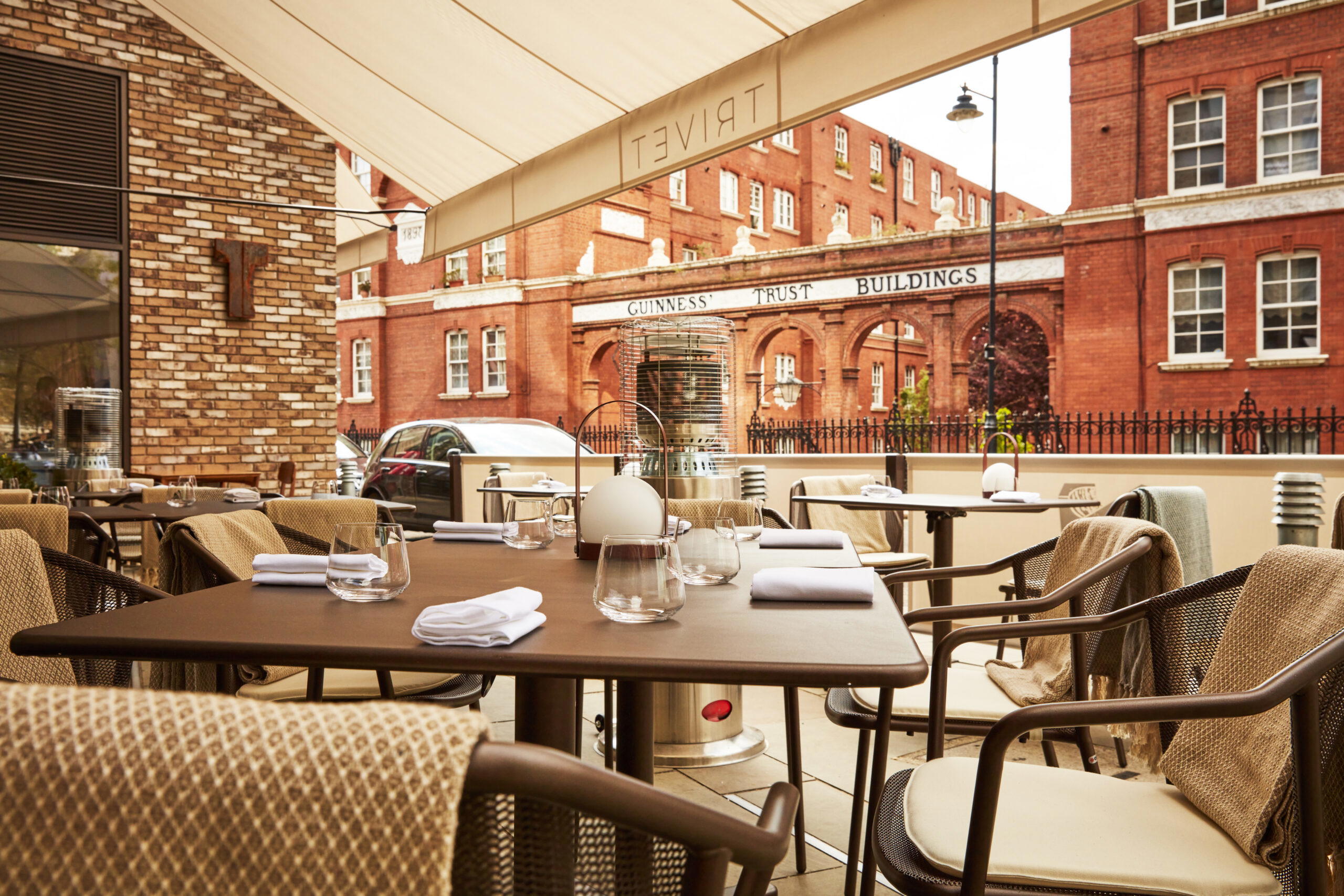
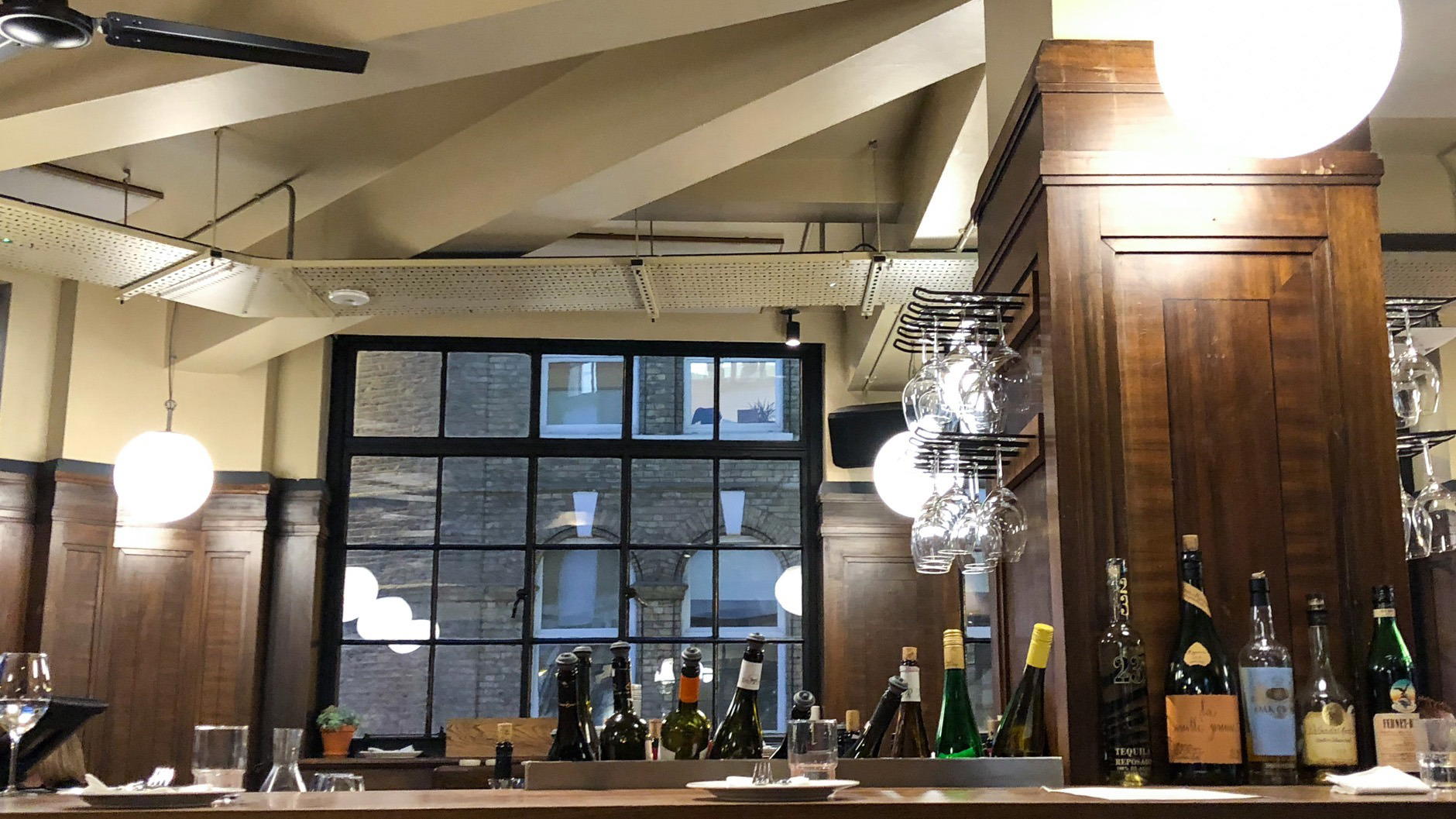
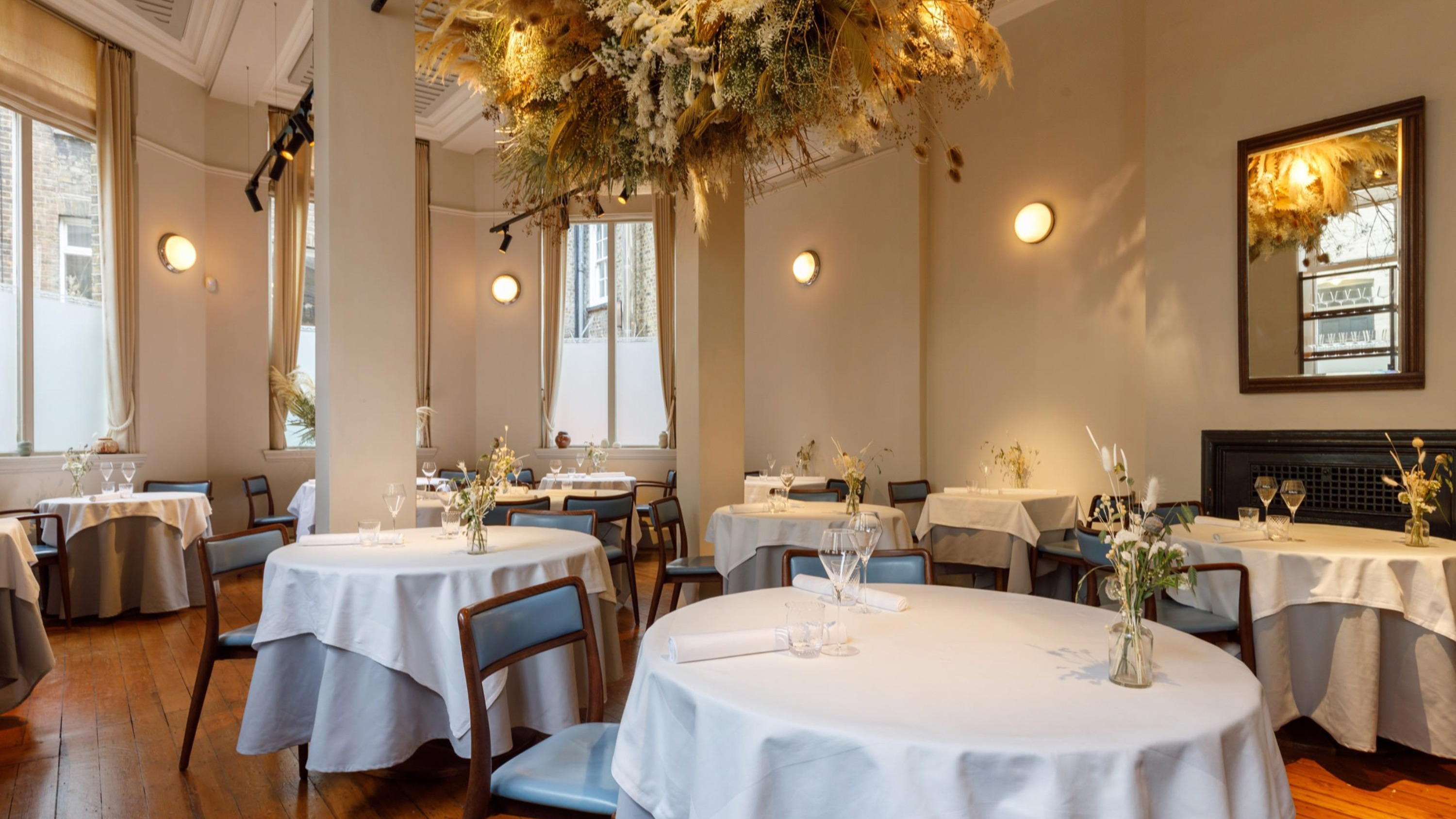
Bars in London
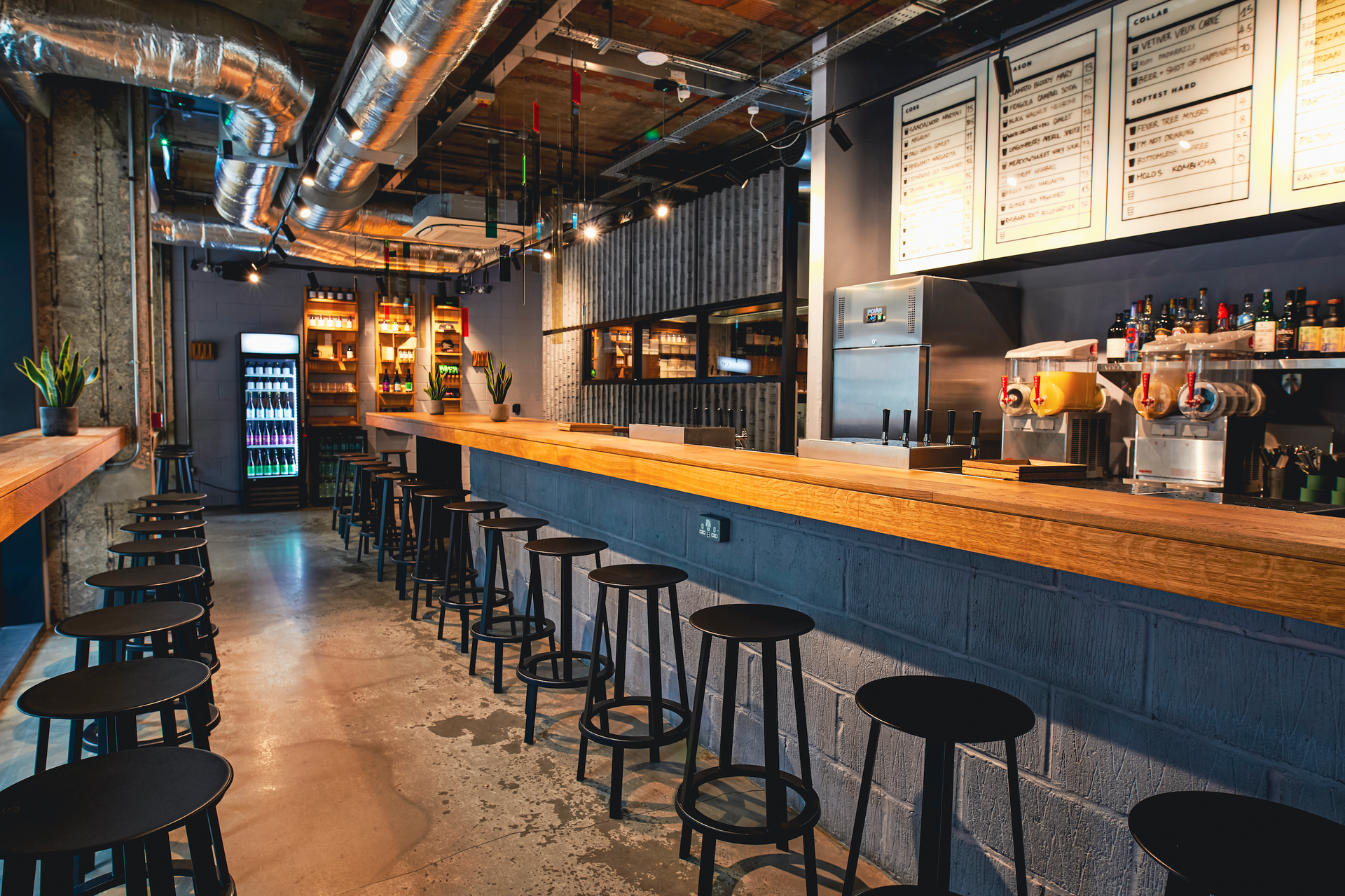
Browse all →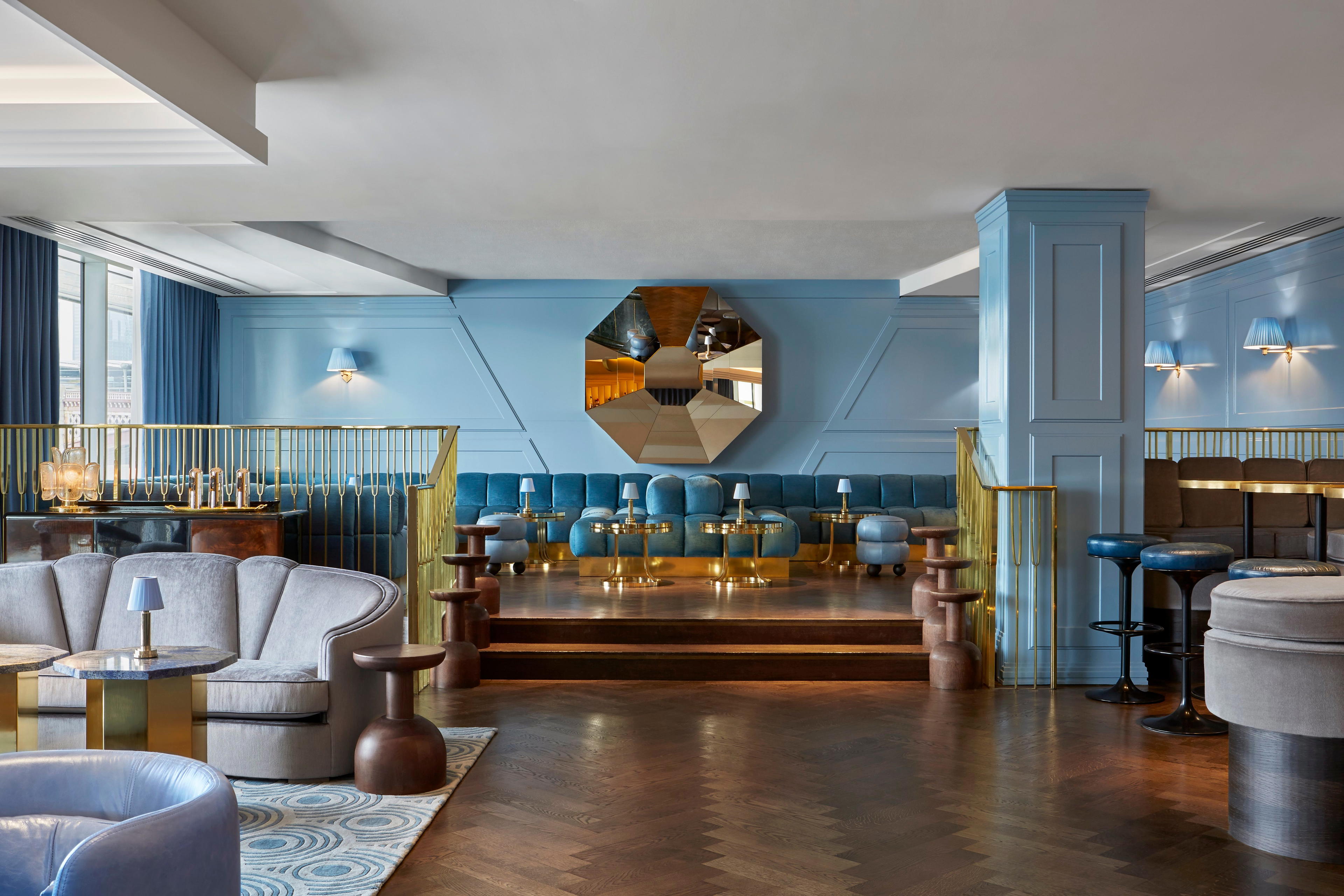
Hotels in London
Browse all →

At a Glance
- Elegant
- Scenic
- Sophisticated
- Business Dinner
- Date Night
- Celebration
- Group Dining
- Waterfront
- Wine Cellar
- Private Dining
- Terrace
- Extensive Wine List
- Sommelier Led
- Local Sourcing
- Waterfront
Current opening hours
- Monday
- 12–2:30 PM, 6–9:30 PM
- Tuesday
- 12–2:30 PM, 6–9:30 PM
- Wednesday
- 12–2:30 PM, 6–9:30 PM
- Thursday
- 12–2:30 PM, 6–9:30 PM
- Friday
- 12–2:30 PM, 6–9:30 PM
- Saturday
- Closed
- Sunday
- Closed
Hours can change for holidays and private events. Last verified .
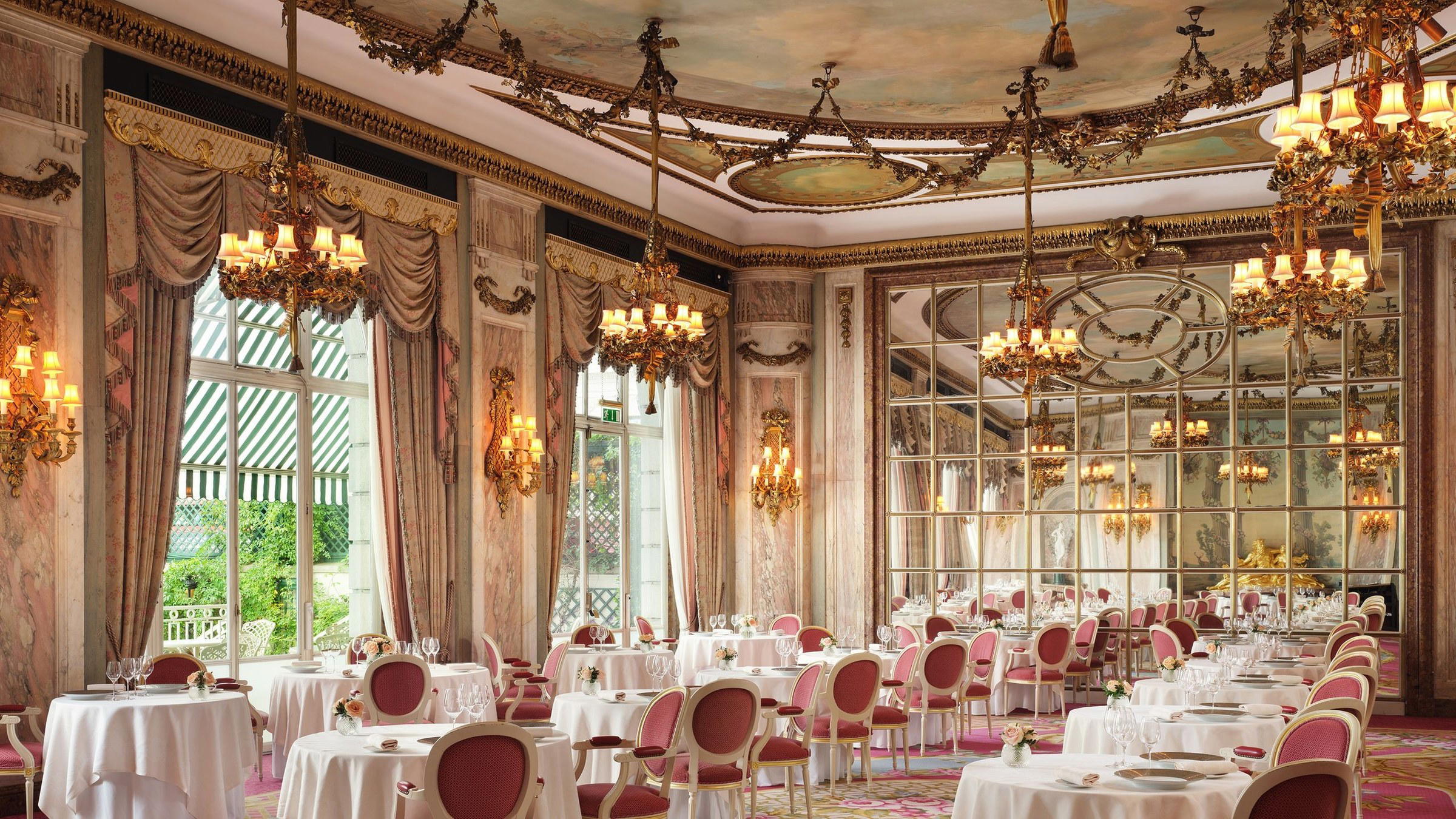
Light, airy, and understated with a relaxed, unpretentious atmosphere despite its upscale location. The dining room features riverside views and South African décor including animal photography and a rhino sculpture in reception.