Hibiscus

World's 50 Best #43
Our verdict
Hibiscus placed twice in the World's 50 Best Restaurants list (2010 and 2011) and represents a strand of British fine dining that briefly rivalled London's dominant French-influenced tier. Now operating from a heritage setting at Delapre Abbey in Northampton, it occupies an interesting position: a decorated name with national competition credentials, set away from the capital's dense restaurant cluster. Rated 4.6 on Google across 83 reviews.

Pearl is the En Primeur Club membership app, where members save venues, book tables and use the concierge.
The menu
What to order
- Ravioli with White Truffle and Smoked Potato
- Roast Cornish Dover Sole with Ceps and Kaffir Lime
- Smoked Pork Belly with Artichoke Purée
- Scallop with Mustard Breadcrumb Crust
A Listed Setting and What It Signals About British Fine Dining Outside London
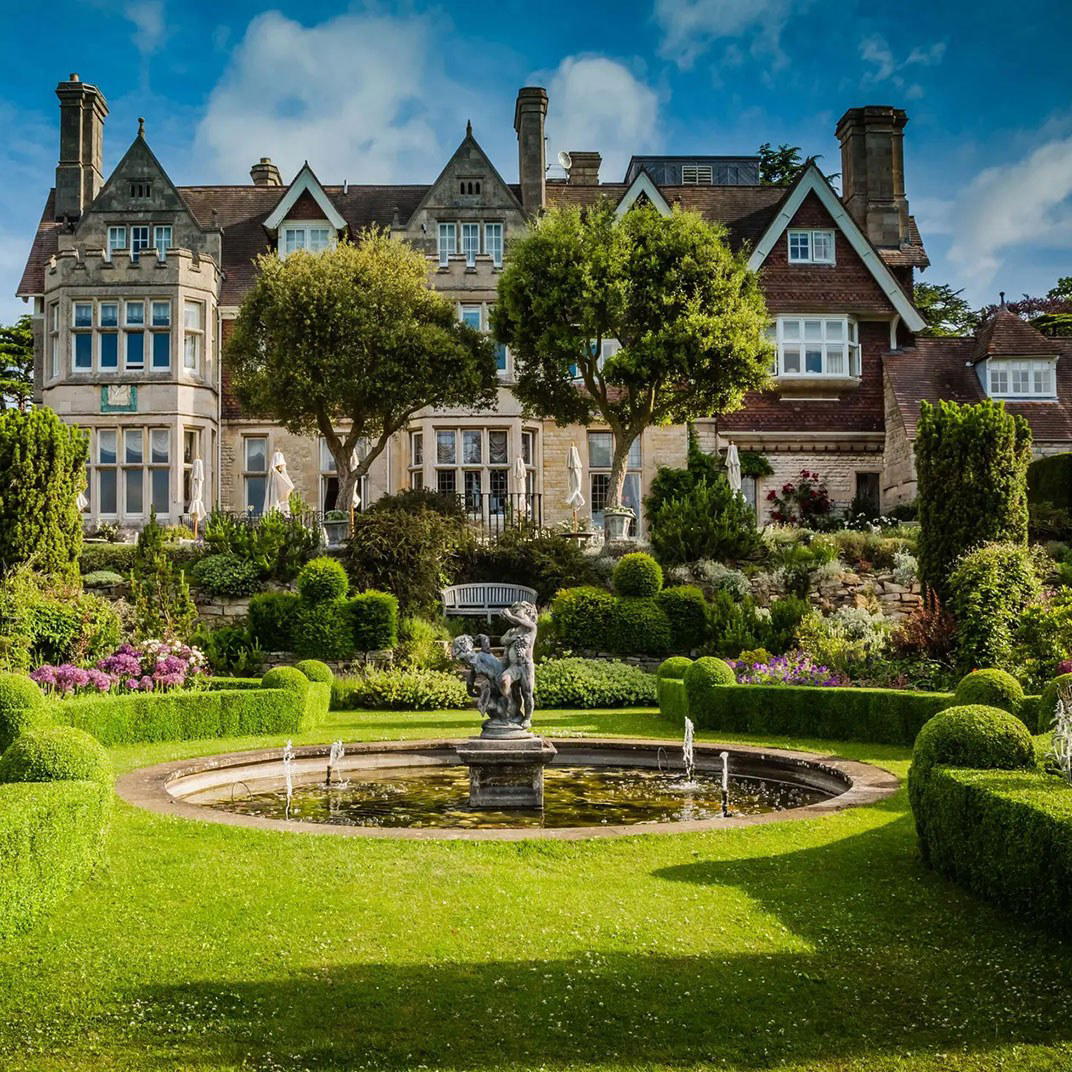
Delapre Abbey sits on the southern edge of Northampton, a medieval building repurposed over centuries and now operating as a heritage venue with food and hospitality at its core. Arriving along London Road, the scale of the grounds registers before the building does: broad lawns, mature trees, and a structure that reads more country estate than restaurant address. That setting is the first editorial point worth making about Hibiscus. In a category where premium British dining has historically concentrated inside the M25 or in well-mapped rural destinations like Bray or Cartmel, a decorated name appearing in the Northamptonshire countryside represents a different kind of geography entirely.
British fine dining outside London has always operated in a smaller peer group. The best-known examples, places like The Fat Duck in Bray, L'Enclume in Cartmel, and Moor Hall in Aughton, draw destination diners willing to travel for food on its own terms. Gidleigh Park in Chagford and Hand and Flowers in Marlow occupy similar territory. Hibiscus at Delapre Abbey enters that conversation carrying credentials from the World's 50 Best list, which gives it a trust signal that most county-level restaurants cannot match.
The 50 Best Pedigree and What It Measures
Appearing at number 49 in the World's 50 Best Restaurants in 2010 and climbing to number 43 in 2011 placed Hibiscus inside a tier of British restaurants that were, at that point, registering on the international critical radar alongside the dominant London names. For context, those same years saw the UK represented by a handful of restaurants, most of them London addresses with significant Michelin hardware behind them. Breaking into that list from outside the capital's concentration of reviewers and critics is a structural achievement, not just a culinary one.
The 50 Best methodology, built on peer votes from chefs, critics, and hospitality professionals across defined global regions, rewards consistency and distinctiveness over novelty. A restaurant reaching that list in consecutive years, and moving up rather than down, signals something about the reliability of the cooking and the strength of reputation among professionals.
Fish and Chips and the Broader Question of British Identity on the Plate
The editorial angle that defines British fine dining at its most ambitious is the tension between the national canon, a cuisine historically reduced to a few recognisable dishes, and the more complex reality of what British kitchens have produced over the last three decades. Fish and chips sits at one end of that spectrum: a dish with genuine heritage, built on battered white fish and thick-cut potatoes cooked in dripping or oil, originally a working-class staple that became a national symbol. The critical question for any restaurant operating under a British fine dining identity is how that tradition informs the menu without reducing it.
Restaurants that have navigated this most effectively tend to treat British culinary heritage as material rather than constraint. Dinner by Heston Blumenthal built an entire concept around historical British recipes, presenting dishes drawn from centuries-old texts in a contemporary idiom. CORE by Clare Smyth grounds its Modern British identity in produce-first cooking where the ingredient's provenance carries the narrative. The tradition-versus-transformation question runs through all of them. A kitchen with Hibiscus's competition history is necessarily engaged with that question, whether the answer appears as a reworked classic, a sourcing philosophy, or a structural approach to the menu.
At the level of craft, the distance between a well-executed traditional fish and chips and the fine dining interpretation of a similar set of ingredients is significant. Temperature control, batter composition, fish sourcing and handling, oil quality and frying technique: each variable that a casual chippy resolves by habit becomes a deliberate choice at a decorated kitchen. The same logic applies across the British canon. The gap between ordinary and considered is not primarily about complexity or presentation. It is about precision and intention applied to ingredients that carry cultural weight.
Where Hibiscus Sits in the London-Adjacent Fine Dining Map
London's premium dining tier has consolidated considerably since Hibiscus first appeared in the 50 Best. The city now holds a cluster of three-Michelin-star addresses in Modern British and French-influenced categories: Restaurant Gordon Ramsay, Sketch's Lecture Room and Library, and The Ledbury all operate at ££££ pricing within the capital. For diners in that bracket, the question of whether to travel north to Northamptonshire rather than book a central London table is a real one, and it is answered differently depending on what the diner is seeking.
The case for destination dining outside London rests on a few consistent arguments: a different pace of service, settings that a central London site cannot replicate, and occasionally a price point that reflects lower operational costs. Delapre Abbey's heritage setting addresses the second point directly. The Abbey's grounds and listed architecture provide a physical context that no basement or townhouse restaurant in London can offer. That is not a comparative criticism of London's format. It is an observation about what a heritage rural address makes possible for the dining experience as a whole.
For international visitors building a UK dining itinerary, the positioning sits in an interesting gap. Northampton is accessible from London by rail in under an hour, which places Delapre Abbey within day-trip range of the capital without requiring an overnight stay. It is further from London than Marlow or Bray, but not in the same category as a destination that requires regional travel planning. Hide and Fox in Saltwood operates in a comparable London-adjacent but non-capital geography, and the dynamics are similar: accessible enough for a focused day trip, distinctive enough to justify the departure from the city.
That dynamic tends to produce more accurate ratings than high-volume venues where casual footfall introduces more variance.
A count of 83 at 4.6 points to a measured, perhaps intimate operation where service ratios and room capacity remain a priority over turnover.
Planning a Visit
Delapre Abbey is located on London Road, Northampton, approximately one hour from London Euston by train to Northampton station. For those travelling from elsewhere in the UK or from international entry points, Northampton sits on the West Coast Main Line, making it accessible without significant deviation from major routes. The Abbey grounds are signposted from the town and the heritage setting is distinct from the commercial centre.
Current hours, pricing, and reservation availability are best confirmed directly through the venue. For broader planning across London and the wider UK dining circuit, EP Club's regional guides cover the full range of options: our full London restaurants guide, London hotels guide, London bars guide, London wineries guide, and London experiences guide each map the relevant tier for planning purposes. For international comparison, the decorated cooking format Hibiscus represents also appears in different registers at Le Bernardin in New York City and Atomix in New York City, both of which illustrate what sustained 50 Best and Michelin recognition looks like across different culinary traditions.
Quick reference: Hibiscus at Delapre Abbey, London Road, Northampton NN4 8AW. World's 50 Best: #49 (2010), #43 (2011). Approximately one hour from London Euston by rail. Advance booking recommended; confirm current hours and pricing directly with the venue.
What to Order at Hibiscus
What the 50 Best credentials and British fine dining classification do indicate is a kitchen oriented around considered sourcing, disciplined technique, and a menu that engages with the British culinary tradition at a level above the ordinary. In that context, the approach to fish, seasonal produce, and classically anchored preparations is typically where the cooking earns its credibility. The most reliable guide to what to order is a direct conversation with the front-of-house team at the time of booking, who will be leading placed to indicate the current format and any menu highlights relative to the season. The heritage setting and competition pedigree suggest a tasting or prix-fixe format is the most likely primary offering, but this should be confirmed at reservation.
At a Glance
| Venue | Cuisine | Price | Awards | Notes |
|---|---|---|---|---|
| HibiscusThis venue (the venue you are viewing) | Modern French Fine Dining | $150–200 | World's 50 Best #43 | Not listed |
| The Ledbury | Modern British Fine Dining | $300–500 | 3 Michelin Stars · World's 50 Best #42 | Modern European, Modern Cuisine |
| Sketch, The Lecture Room and Library | Modern French Fine Dining | $200–300 | 3 Michelin Stars · World's 50 Best #18 | Modern French |
| CORE by Clare Smyth | Modern British Fine Dining | $150–200 | 3 Michelin Stars · World's 50 Best #97 | Modern British |
| Restaurant Gordon Ramsay | French Fine Dining | $200–300 | 3 Michelin Stars · World's 50 Best #13 | Contemporary European, French |
| Dinner by Heston Blumenthal | Historic British Fine Dining | $200–300 | 2 Michelin Stars · World's 50 Best #45 | Modern British, Traditional British |
Recognition history
Dated appearances from independent guides and award organizations, with the underlying list record or original source where available.
World's 50 Best Restaurants #43
World's 50 Best
Full recognition history (2 entries)
World's 50 Best Restaurants #49
World's 50 Best
Continue exploring
More in London
Restaurants in London
All restaurants in London →
Bars in London
All bars in London →
Hotels in London
All hotels in London →
Wineries in London
All wineries in London →
Details
- Elegant
- Sophisticated
- Intimate
- Quiet
- Special Occasion
- Date Night
- Business Dinner
- Open Kitchen
- Private Dining
- Sommelier Led
- Corkage Allowed
- Local Sourcing
- Tasting Menu
- Set Menu
- Wine
Current opening hours
- Monday
- Closed
- Tuesday
- Closed
- Wednesday
- Closed
- Thursday
- 6:30–11 PM
- Friday
- 6:30–11 PM
- Saturday
- 6:30–11 PM
- Sunday
- Closed
Hours can change for holidays and private events. Hours as of .
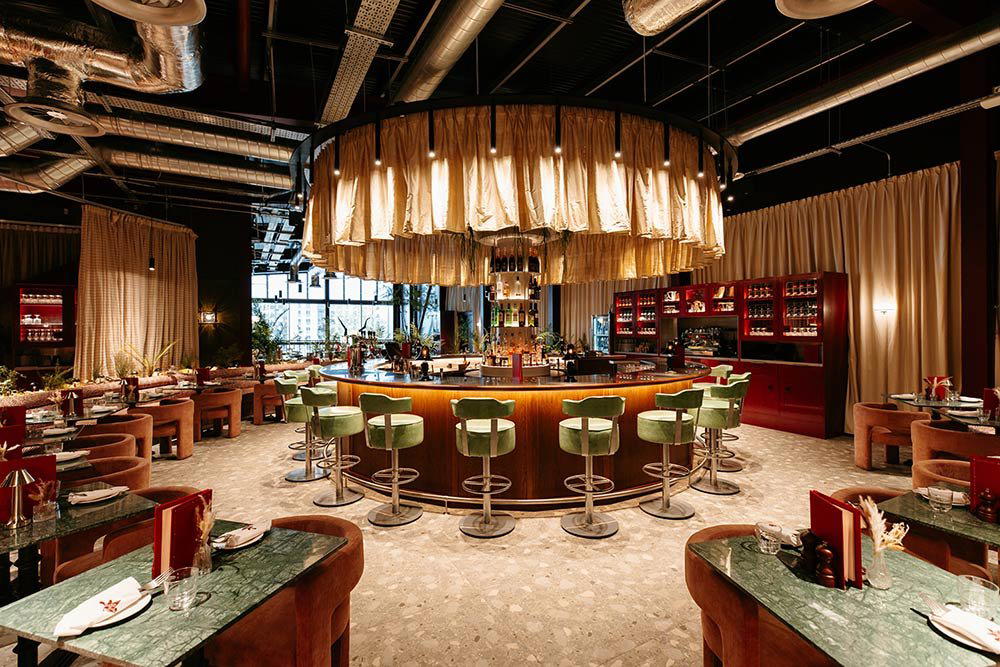
Comfortably quiet with down-to-earth elegance; intimate setting with approximately 16 tables in the main dining area, creating an almost home-like atmosphere despite fine dining formality.