Harry's Shack
Our verdict
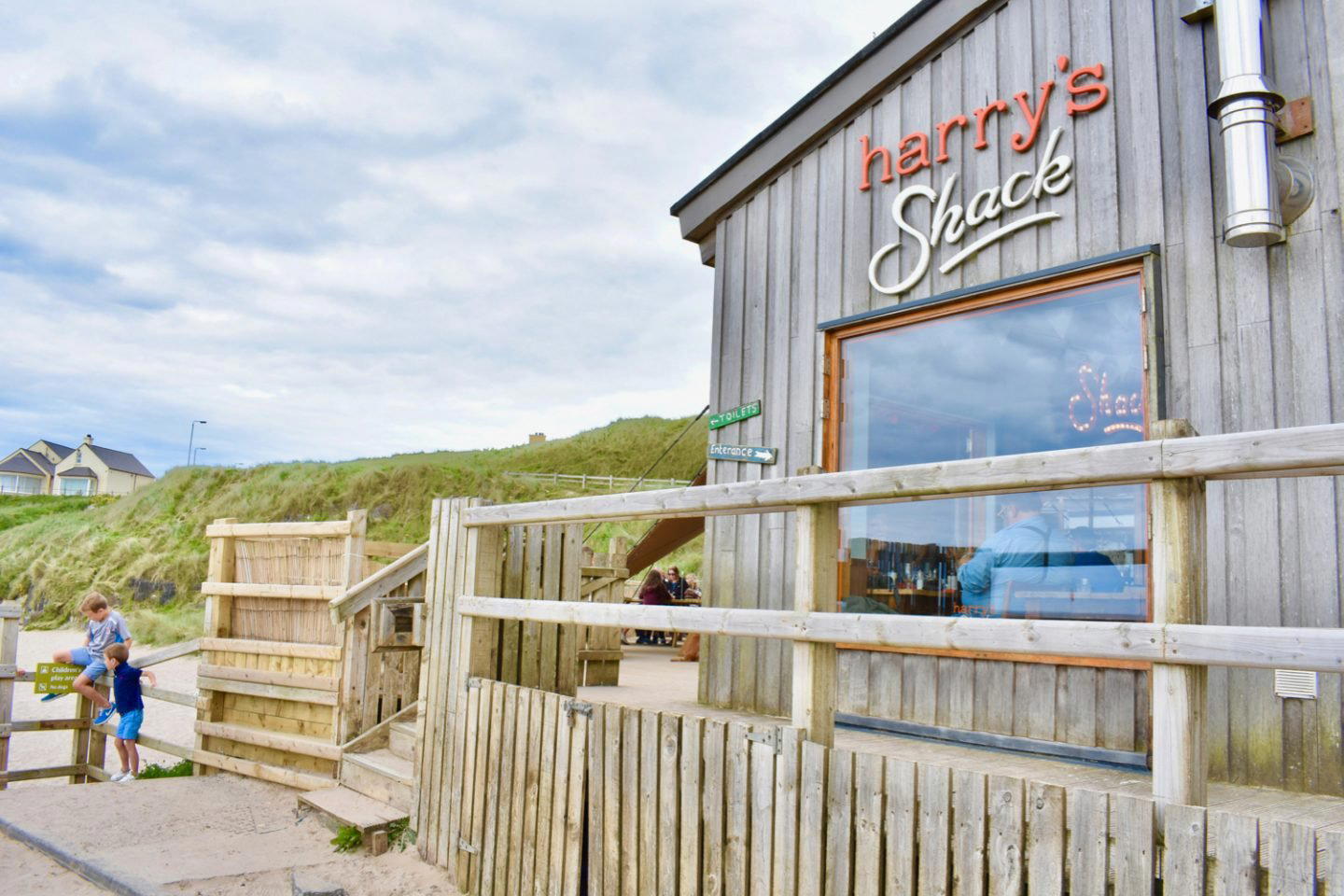
Harry's Shack sits on the Portstewart Strand, one of Northern Ireland's most windswept Atlantic stretches, and has built a reputation on seafood pulled from the waters directly in front of it. The format is informal, the sourcing is hyper-local, and the result is a dining experience that places the North Coast's natural larder at the centre of the plate. Check our full Portstewart guide for context on the broader dining scene.

Pearl is the En Primeur Club membership app, where members save venues, book tables and use the concierge.
The menu
What to order
- Fish and chips
- Haddock and chips
- Lobster thermidor
Where the Atlantic Sets the Menu
Northern Ireland's Causeway Coast has spent the better part of a decade attracting serious food attention, and not simply because of scenery. The region's cold Atlantic waters, combined with a relatively compact fishing and farming ecosystem along the North Coast, have made it possible for restaurants here to operate with a degree of ingredient proximity that most urban kitchens can only approximate. Harry's Shack, sitting directly on the Portstewart Strand, is one of the clearest expressions of that model: a place where what arrives on the plate is shaped, first and foremost, by what the sea and land around it can reliably provide.
This is not a remote outpost that happens to have decent food. The Shack has developed a following serious enough to draw visitors from Belfast and beyond, competing for tables not against local pub grub but against the broader category of destination coastal dining in the British Isles. That positioning matters. In a country where premium seafood restaurants tend to cluster in cities or in destination hotel dining rooms, a low-key structure on a windswept strand operating at this level of quality occupies a genuinely distinct position in the regional dining conversation.
The Strand as Larder
The editorial logic of Harry's Shack begins with geography. The Portstewart Strand runs along a stretch of coastline managed by the National Trust, and the waters off the North Coast are among the most productive in Ireland for shellfish, particularly crab, lobster, and langoustine. These are not ingredients that travel far before they reach the kitchen here. The shorter the supply chain between ocean and plate, the less intervention is required to make the food interesting, and that principle tends to produce cooking that reads as confident rather than elaborate.
This model of hyper-local coastal sourcing has parallels elsewhere in the British Isles. Operations like Hide and Fox in Saltwood and Moor Hall in Aughton demonstrate how proximity to primary ingredients can anchor a restaurant's identity as effectively as any formal culinary tradition. At the more technically ambitious end of the spectrum, venues such as L'Enclume in Cartmel and Ynyshir Hall in Machynlleth have made hyper-regional sourcing the defining logic of their menus. Harry's Shack operates in a less formal register, but the underlying commitment to place as the primary ingredient is recognisably the same.
That informality is worth dwelling on. The physical structure of the Shack, its name being accurate rather than ironic, sets expectations that the kitchen then consistently exceeds. Coastal dining in the British Isles has a long tradition of this dynamic: modest exteriors housing food that punches well above its apparent weight. The format rewards visitors who arrive without preconceptions shaped by urban fine dining rooms, and it tends to frustrate those who arrive expecting tablecloths and sommelier trolleys.
Coastal Dining, Not Country House
The broader context for Harry's Shack is a shift, visible across the British Isles over the past fifteen years, away from the country house hotel model of destination dining and toward more immediate, produce-led formats. Restaurants like Waterside Inn in Bray, Le Manoir aux Quat'Saisons in Oxford, and Gidleigh Park in Chagford represent one end of that spectrum: formal, multi-course, deeply invested in classical technique and service architecture. Harry's Shack sits at the opposite end, not as a lesser version of that model but as a different proposition entirely.
The distinction matters for how you plan a visit. Destination dining in the country house tradition typically requires forward planning of several weeks, formal dress codes, and a half-day time commitment. Coastal casual formats, even those operating at Harry's Shack's level of quality, tend to be more spontaneous in practice, though popular tables on the Portstewart Strand on a clear summer weekend will still require advance booking. The North Coast's tourist season runs roughly from Easter through September, with July and August representing the period of highest demand. Visiting outside this window offers a different experience: fewer competing diners, a rawer version of the Atlantic environment, and a kitchen working at a less pressured pace.
For visitors approaching from Belfast, the drive to Portstewart runs approximately 60 miles along the A26 and A2, a journey that takes around an hour in normal conditions. The Strand itself is accessed via Strand Road, and parking adjacent to the beach puts visitors within direct walking distance of the Shack. There is no meaningful public transport option for this route, so the visit is effectively car-dependent for most travellers.
Where Harry's Shack Sits in the Wider Picture
Northern Ireland's food scene has developed considerable ambition in the years since Belfast's post-conflict regeneration. The capital draws attention from critics covering the broader UK dining scene, but the coastal strip from Portstewart to Ballycastle has developed its own culinary logic, one rooted in access to exceptional primary produce rather than the density of hospitality infrastructure. In this sense, the North Coast dining scene has more in common with the approach found at 33 The Homend in Ledbury or Hand and Flowers in Marlow, where a specific location and a clear culinary identity create a destination independently of urban critical mass, than it does with city-centre restaurant clusters.
At the technically rigorous end of the British dining spectrum, venues like CORE by Clare Smyth in London, Restaurant Sat Bains in Nottingham, Midsummer House in Cambridge, and Opheem in Birmingham represent a different mode of destination dining, one driven by technical ambition and formal recognition. Internationally, the sourcing-first model finds its most refined expression at places like Le Bernardin in New York City, where the primacy of the ingredient is the organising principle of a formally ambitious kitchen. Harry's Shack operates without that level of formality, but the underlying respect for the primary product is recognisably the same instinct.
For visitors with broader interest in the UK's destination dining circuit, the comparison set might also include Restaurant Andrew Fairlie in Auchterarder, The Glenturret Lalique in Crieff, and Atomix in New York City as reference points for how ingredient provenance and regional identity can anchor a serious dining proposition. Harry's Shack argues that you do not need Michelin citations or formal tasting menus to make that argument compellingly.
Frequently asked questions
Would Harry's Shack be comfortable with kids?
Harry's Shack sits on Portstewart Strand, a National Trust beach on the Causeway Coast, which gives families a natural context before and after eating. The informal, shack-style format is well suited to a relaxed meal with children rather than a formal sit-down occasion. Families with younger diners tend to find the setting more forgiving than a city-centre restaurant.
What is the atmosphere like at Harry's Shack?
The room takes its energy from the Strand itself: floor-to-ceiling views of the Atlantic set the tone, and the format leans deliberately casual rather than polished. The Portstewart location means the crowd is a mix of locals and visitors drawn to the Causeway Coast, giving the space a neighbourhood feel even at peak times. It reads as a serious food destination that wears its setting lightly.
Is Harry's Shack worth visiting specifically for the location on Portstewart Strand?
The address at 116 Strand Rd places Harry's Shack directly alongside one of the Causeway Coast's most significant stretches of National Trust-managed coastline, which makes the setting integral to the experience rather than incidental. Few restaurants on Northern Ireland's north coast combine a serious food reputation with direct Atlantic frontage at this scale. For visitors already travelling the Causeway Coast, the geography alone makes the detour logical.
What dish is Harry's Shack famous for?
Harry's Shack has built its reputation on cooking rooted in what the Causeway Coast produces: the proximity to Portstewart Strand and the North Atlantic puts seafood at the centre of the offer. Specific menu details change with season and supply, so the kitchen's menu reflects what is landed rather than a fixed signature. Checking current availability directly with the venue is the reliable approach.
Where is Harry's Shack located?
Harry's Shack is located at 116 Strand Rd, Portstewart BT55 7PG, United Kingdom, Portstewart.
Fast Comparison
Comparable venues nearby, for context on price, style, and recognition.
| Venue | Cuisine | Price | Notes |
|---|---|---|---|
| Harry's ShackThis venue (the venue you are viewing) | Local Seafood Shack | $20–30 | Not listed |
| Bonnie Gull | British Seafood Shack | Not listed | Soho |
| Atlantic Gate | Seafood & Grill | $30–50 | Herbert Walker Avenue / Dock Gate 8 |
| Sichuan Fry and Dumpling Shack | Sichuan Fried Chicken & Dumplings | $10–20 | London Fields |
| Glencoe Gathering | Scottish Highland Pub and Seafood | $20–30 | Glencoe Village |
| Picture | Dining | Not listed | London |
Continue exploring
More in Portstewart
Restaurants in Portstewart
All restaurants in Portstewart →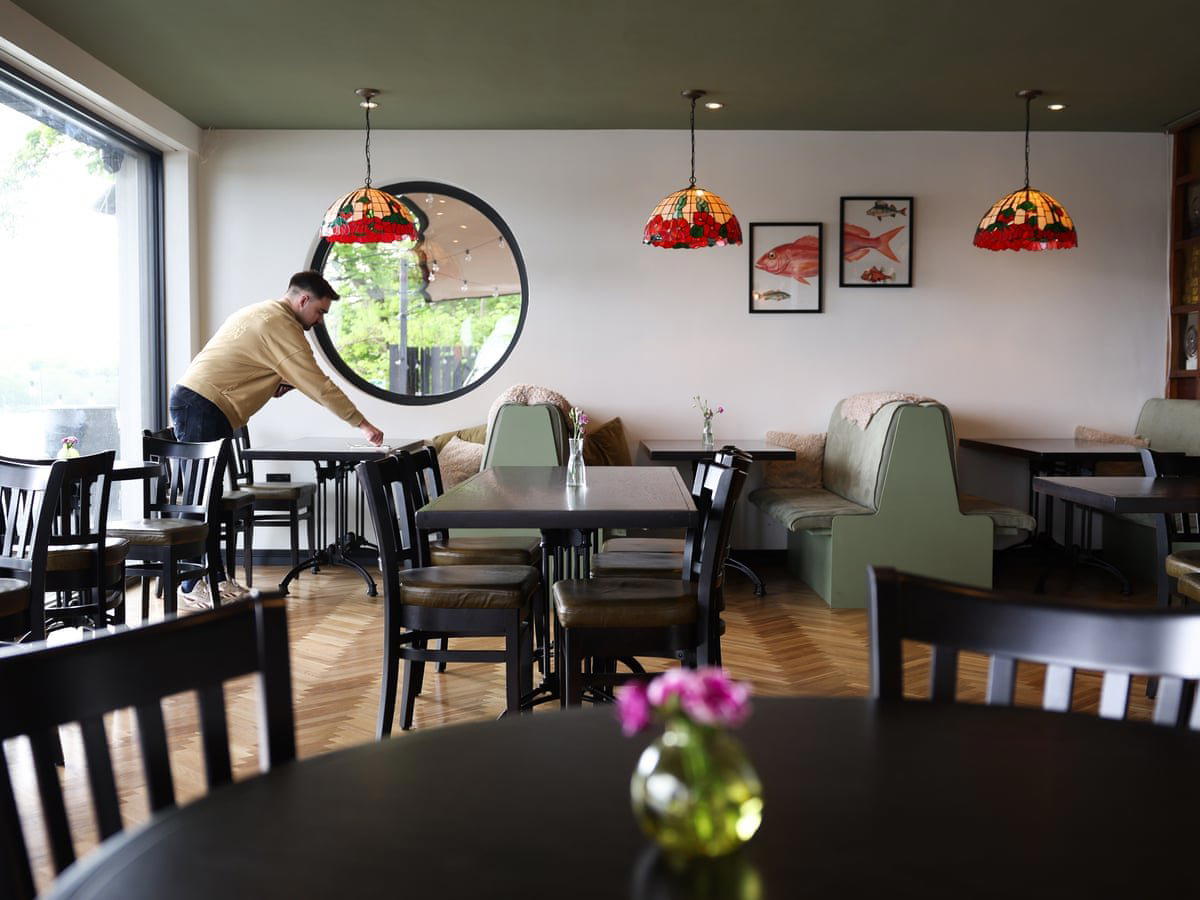
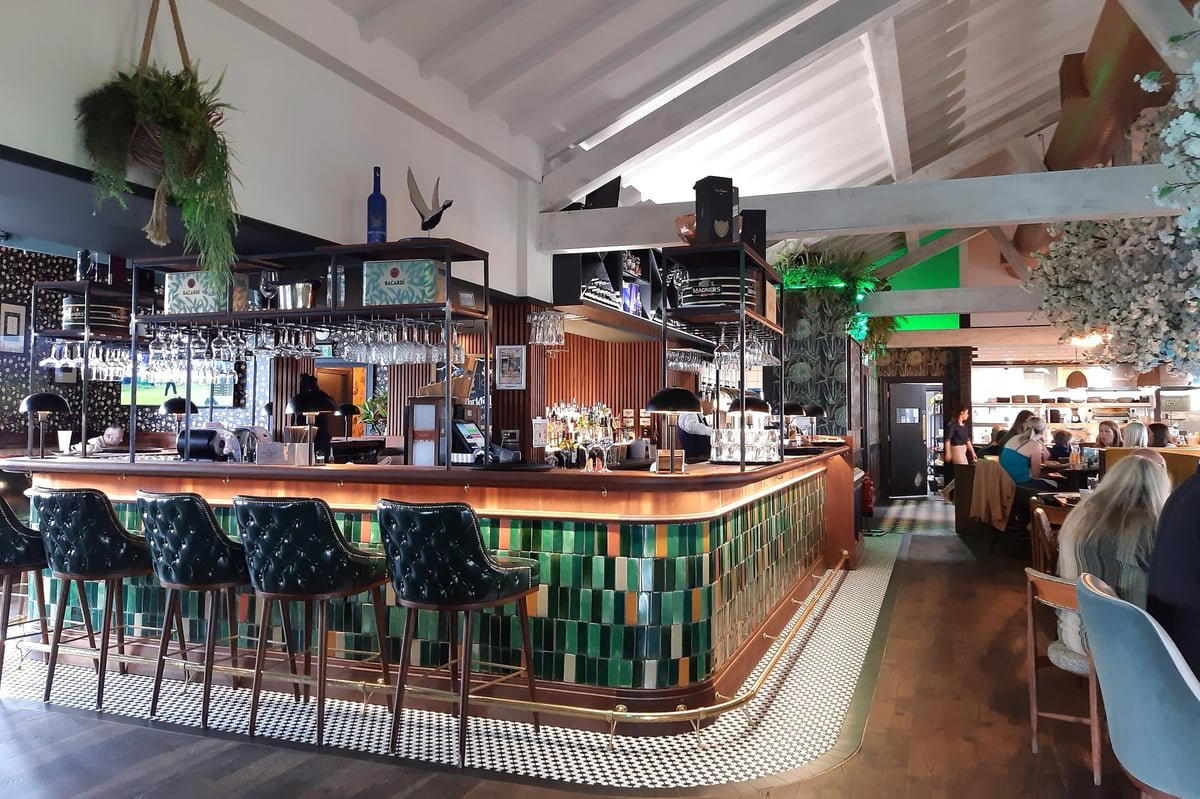
Bars in Portstewart
Browse all →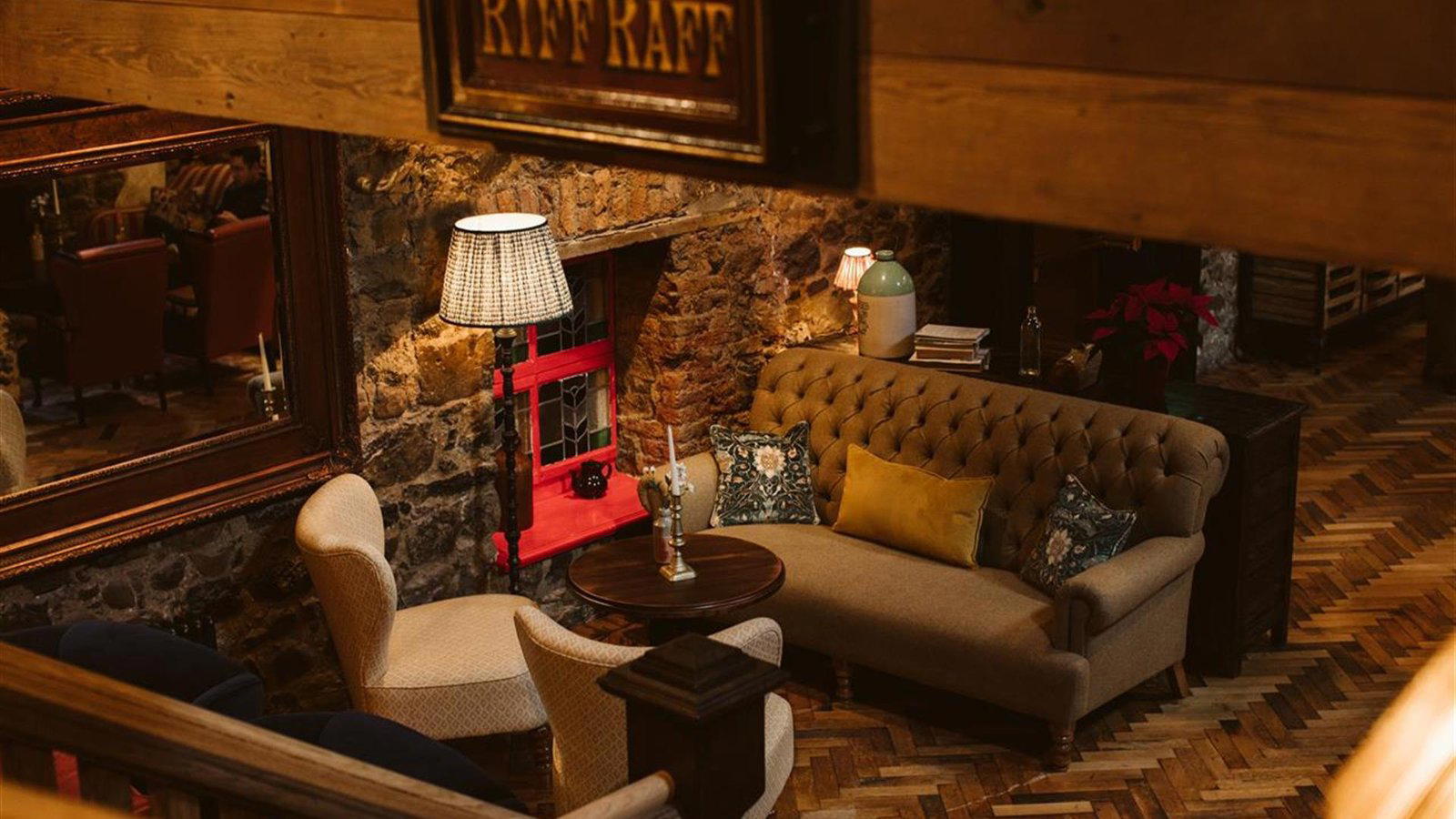
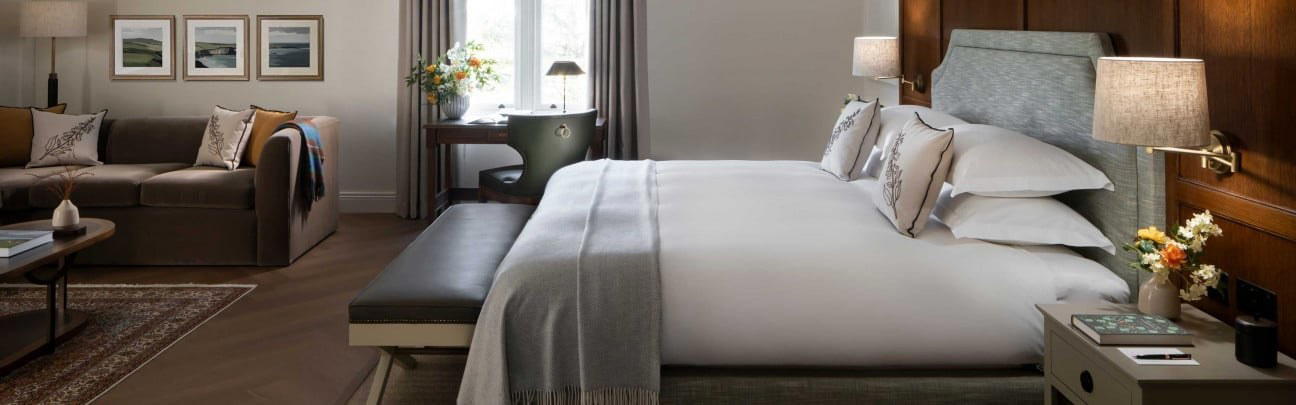
Hotels in Portstewart
Browse all →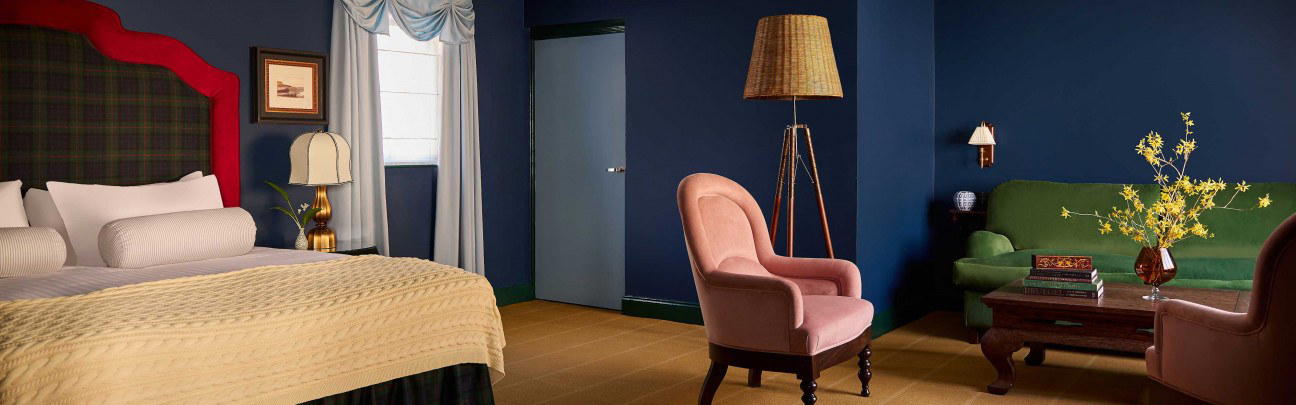
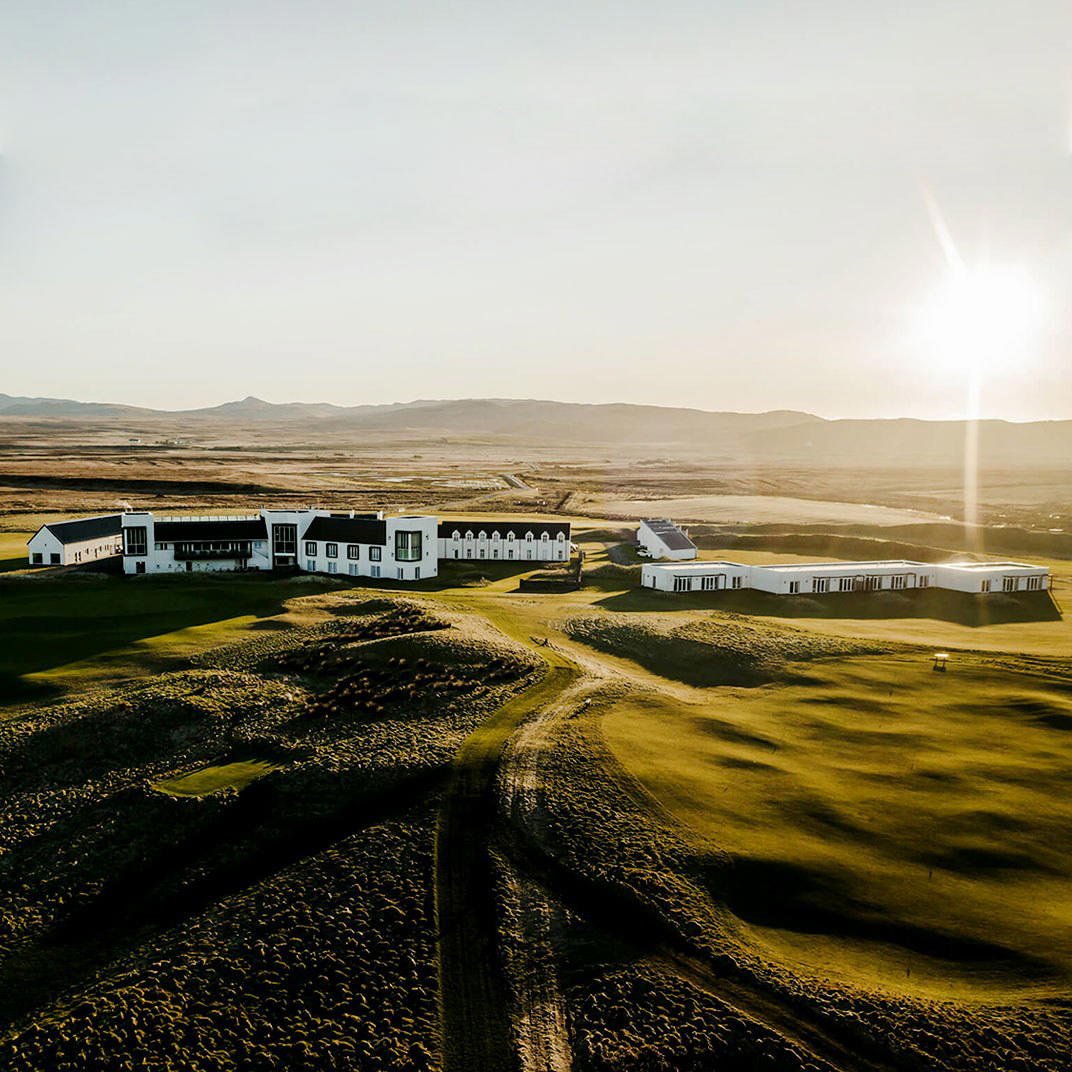
Wineries in Portstewart
Browse all →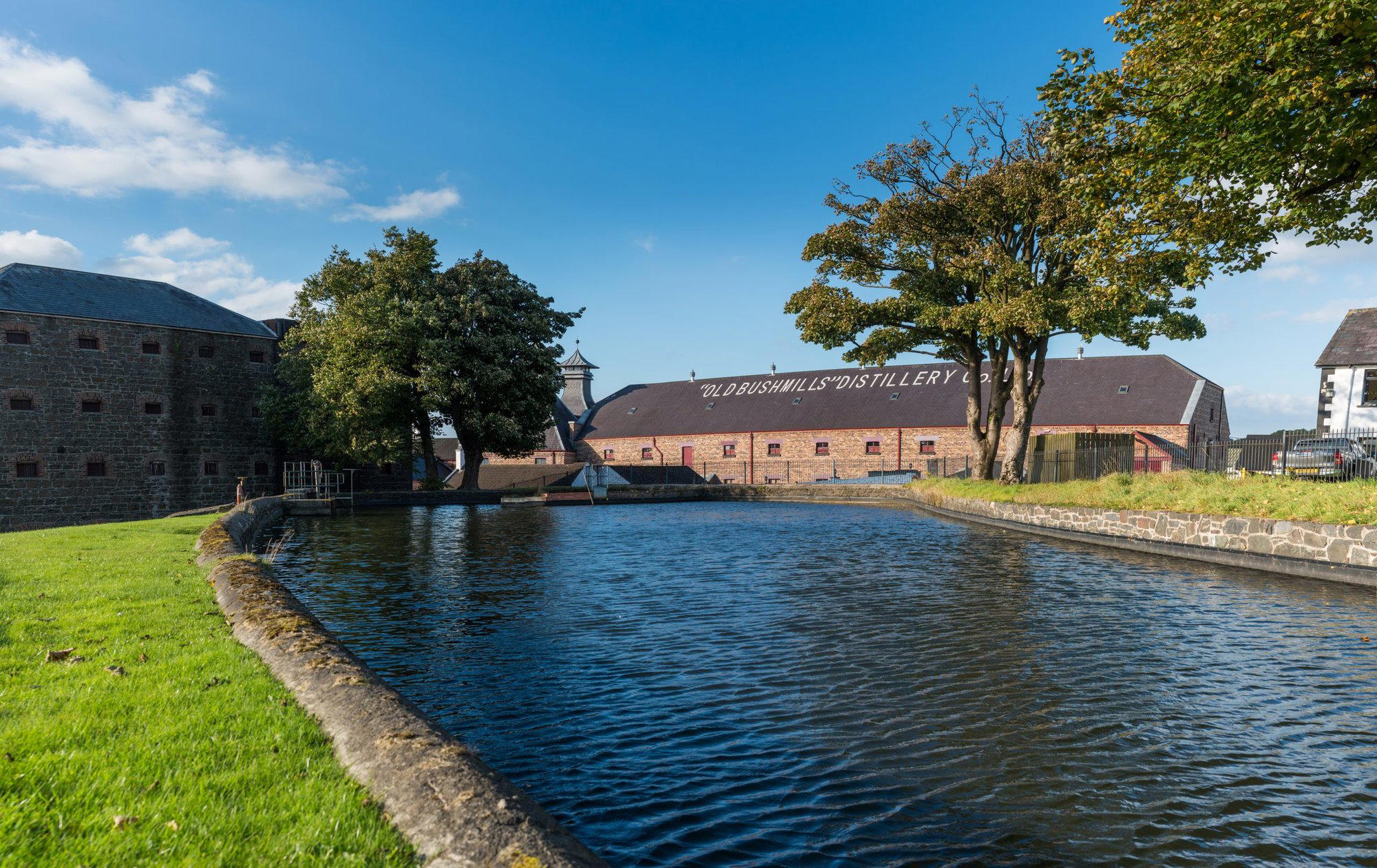
Details
- Rustic
- Cozy
- Scenic
- Relaxed
- Casual Hangout
- Family
- Brunch
- Waterfront
- Terrace
- Open Kitchen
- Local Sourcing
- Waterfront
- A La Carte
- Vegetarian Friendly
- Gluten Free Options
Current opening hours
- Monday
- 12:30–6:30 PM
- Tuesday
- 12:30–6:30 PM
- Wednesday
- 12:30–6:30 PM
- Thursday
- 12:30–6:30 PM
- Friday
- 12:30–8 PM
- Saturday
- 12:30–8:30 PM
- Sunday
- 12:30–6:30 PM
Hours can change for holidays and private events. Hours as of .
Relaxed beach shack with roughly hewn wooden tables, warm wood-burner, and panoramic windows overlooking crashing Atlantic waves.