Harper's Table
On North Main Street in downtown Suffolk, Virginia, Harper's Table occupies a corner of the Hampton Roads dining scene that takes local sourcing seriously. The restaurant sits within a small but growing cohort of Southern independents using regional supply chains as a culinary foundation rather than a marketing point. For Suffolk, it represents a dining option that reads well above the city's strip-mall baseline.
Pearl is the En Primeur Club membership app — saves, bookings, and concierge access live there. Same editors, same standards.
- Address
- 122 N Main St, Suffolk, VA 23434
- Phone
- +17575392000
- Website
- harperstable.com
- Directions
- Get directions
 Saves & bookings on Pearl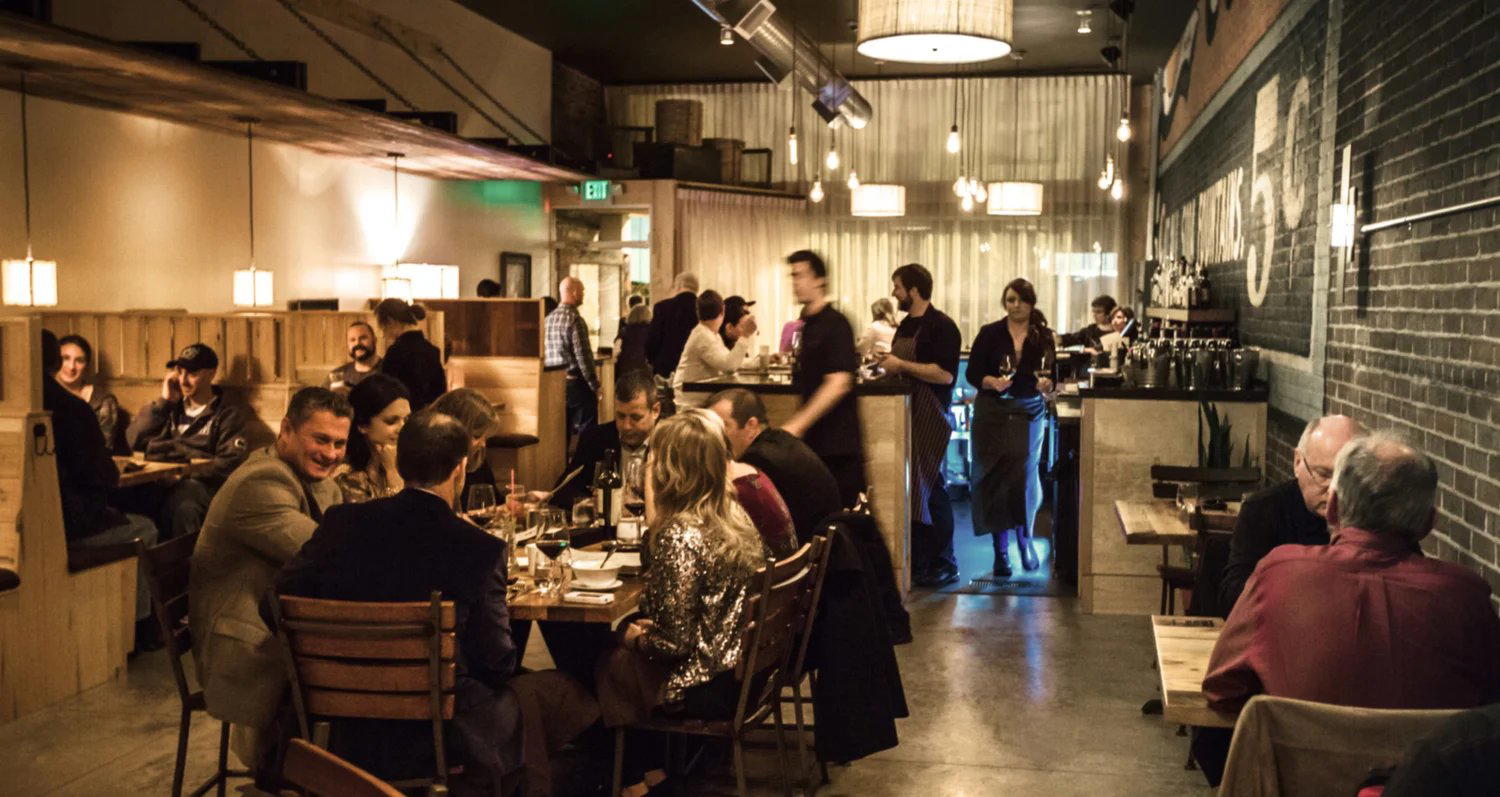
Downtown Suffolk and the Question of Where the Food Comes From
Harper's Table is a restaurant in Suffolk, Virginia, serving Southern Farm-to-Table cooking at 122 N Main St. The city sits in Hampton Roads, the broad tidal region where the James, Nansemond, and Elizabeth rivers converge before meeting the Chesapeake Bay, a geography that historically supplied some of the American South's most productive farmland and waterways. Peanut farming defined the local economy for generations; the bay and its tributaries still yield blue crab, oysters, and finfish at a scale that larger coastal cities spend considerable effort importing. What Suffolk has lacked, until recently, is a restaurant culture ambitious enough to treat that supply chain as a foundation rather than an afterthought.
Harper's Table, at 122 N Main St, operates from that foundation. In a regional dining environment where the default is either national chain formats or traditional Southern comfort food with little sourcing transparency, a restaurant that anchors its menu in local and regional ingredients occupies a distinct position. The comparison is not to Blue Hill at Stone Barns in Tarrytown or Single Thread Farm in Healdsburg, which are farm-to-table operations built around agricultural estates in destinations where that model draws national press and premium reservation demand. Suffolk's scale is different, and the ambition here is proportionally grounded: to serve the Hampton Roads table well, honestly, and with more care than the market strictly requires.
The Ingredient Argument in the American South
Southern American cooking has always been, at its core, a cuisine of place. The repertoire that runs from Virginia through the Carolinas and into Georgia developed around what the land and water produced: cured pork, field peas, low-country shellfish, sweet potatoes, and the particular bitter greens that thrive in humid coastal climates. The problem with much contemporary Southern dining is not the tradition, it is the supply chain interruption. A restaurant can describe itself as Southern while sourcing protein from national distributors, vegetables from industrial farms in California, and seafood from imported stocks, and the food, however competent, loses the argument it is trying to make.
Restaurants that take regional sourcing seriously, the way Bacchanalia in Atlanta has done in Georgia, or the way The Inn at Little Washington has done in Virginia's Rappahannock County, do something structurally different. The menu becomes a moving document, responsive to season and proximity rather than fixed to a year-round format built around reliable commodity supply. That responsiveness is harder to manage operationally, but it closes the gap between what a restaurant claims about its food and what the food actually delivers. Harper's Table sits within this approach, even without the national recognition or destination traffic that the comparison properties attract.
Virginia's agricultural diversity gives this approach real material to work with. The state produces oysters from the Chesapeake Bay and its tributaries that rank among the more varied in North America by salinity and flavor profile. Peanuts from the Suffolk area itself remain a significant agricultural output. Seasonal produce from the Shenandoah Valley and the coastal plain moves through regional distribution networks that a restaurant willing to source locally can access without the friction that similar efforts face in less agriculturally dense states. The Hampton Roads area also connects to a working waterman culture that supplies local restaurants with product that moves quickly from water to kitchen, a supply chain that favors restaurants ready to build menus around what arrives rather than what was planned months in advance.
Where Harper's Table Fits in the Suffolk Picture
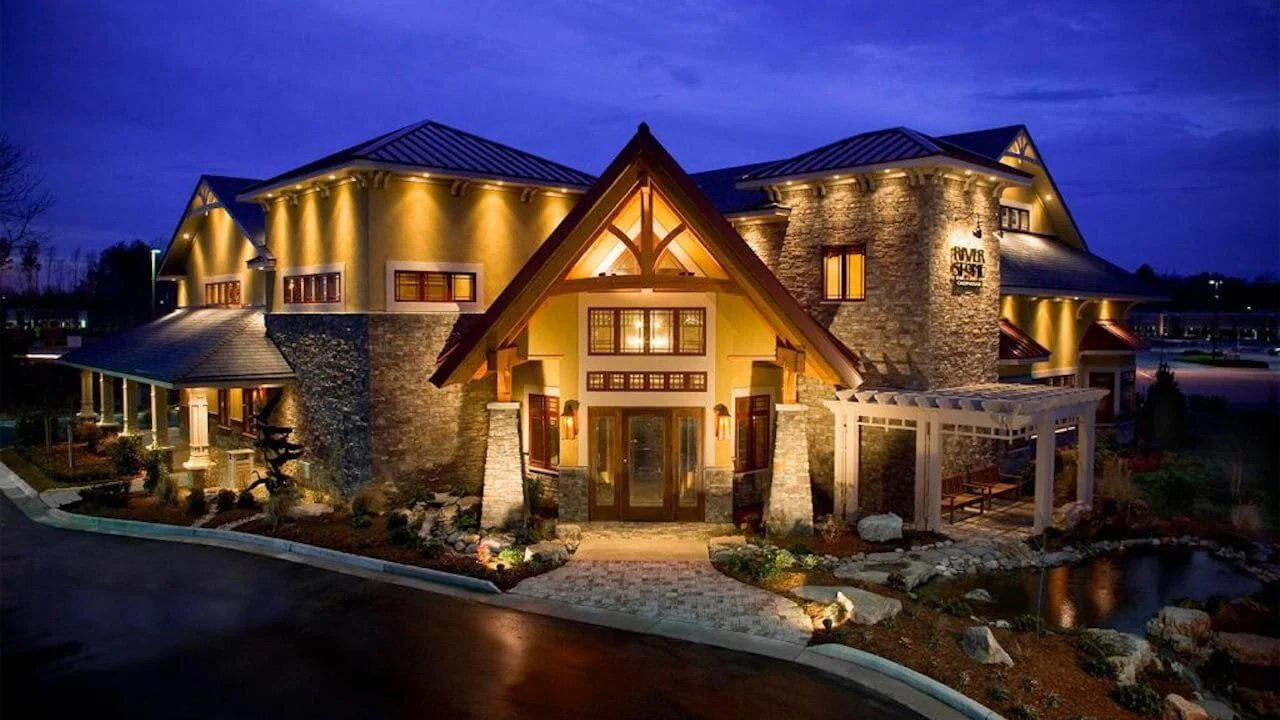
Suffolk's dining scene is thin at the upper end. The city has grown steadily as Hampton Roads has expanded westward, and its downtown corridor along North Main Street has seen incremental investment, but it has not yet developed the critical mass of independent restaurants that distinguishes a dining destination. The restaurants that do operate at a higher register here, the restaurant alongside Vintage Tavern and River Stone Chophouse, compete less with each other than with the broader inertia of a market where dining out often defaults to familiarity.
The North Main Street address places the restaurant in the working downtown rather than a suburban corridor or a waterfront development. That context matters: downtown Suffolk has the bones of a traditional Virginia market town, and a restaurant anchored there participates in something closer to a genuine neighborhood than the highway-adjacent dining that characterizes much of the region. Arriving on foot or by car, the building reads as part of the street rather than a standalone destination pad, which sets the register before the meal begins.
For travelers moving through Hampton Roads, Norfolk, Virginia Beach, Chesapeake, and Suffolk form a loosely connected metropolitan area, the restaurant offers a reason to spend time in a part of the region that most itineraries skip. It does not carry the awards infrastructure of Virginia's most-discussed dining addresses: The Inn at Little Washington holds three Michelin stars and operates at a different price and ambition tier entirely. But the restaurant is not competing in that bracket. It is doing something more locally specific: providing Suffolk with a table worth sitting at.
Planning Your Visit
Suffolk sits roughly 20 miles west of downtown Norfolk and is accessible via Route 58 or Interstate 664, making it reachable as a standalone dinner destination from anywhere in the Hampton Roads metro. Those driving from Virginia Beach should allow 30 to 40 minutes depending on traffic. The downtown location on North Main Street has street parking available in the surrounding blocks. The restaurant is open Tuesday through Sunday from 11 AM to 9 PM, closed Monday, and reservations are recommended. The restaurant sits in the mid-range to upper-mid-range pricing tier.
The broader Hampton Roads trip pairs well with the region's maritime heritage sites, the Great Dismal Swamp, and the Chesapeake Bay watershed, all of which connect directly to the agricultural and ecological story that sourcing-focused restaurants like Harper's Table are, in their own way, telling through their menus.
How It Stacks Up
Comparable venues nearby, for context on price, style, and recognition.
| Venue | Cuisine | Price | Notes |
|---|---|---|---|
| Harper's TableThis venue — the venue you are viewing | Southern Farm-to-Table | $$$ | Not listed |
| River Stone Chophouse | Steakhouse Chophouse | $$$ | Northern Suffolk |
| Vintage Tavern | Seasonally Southern American | $$$ | Governor's Pointe |
| Codex | Modern American Farm-to-Table | $$$ | Ghent/Downtown Norfolk |
| Soko | Modern American Butcher Deli | $$ | Downtown Leesburg |
| Upper Shirley Vineyards | American Wine Bar | $$$ | Charles City |
Continue exploring
More in Suffolk
Restaurants in Suffolk
Browse all →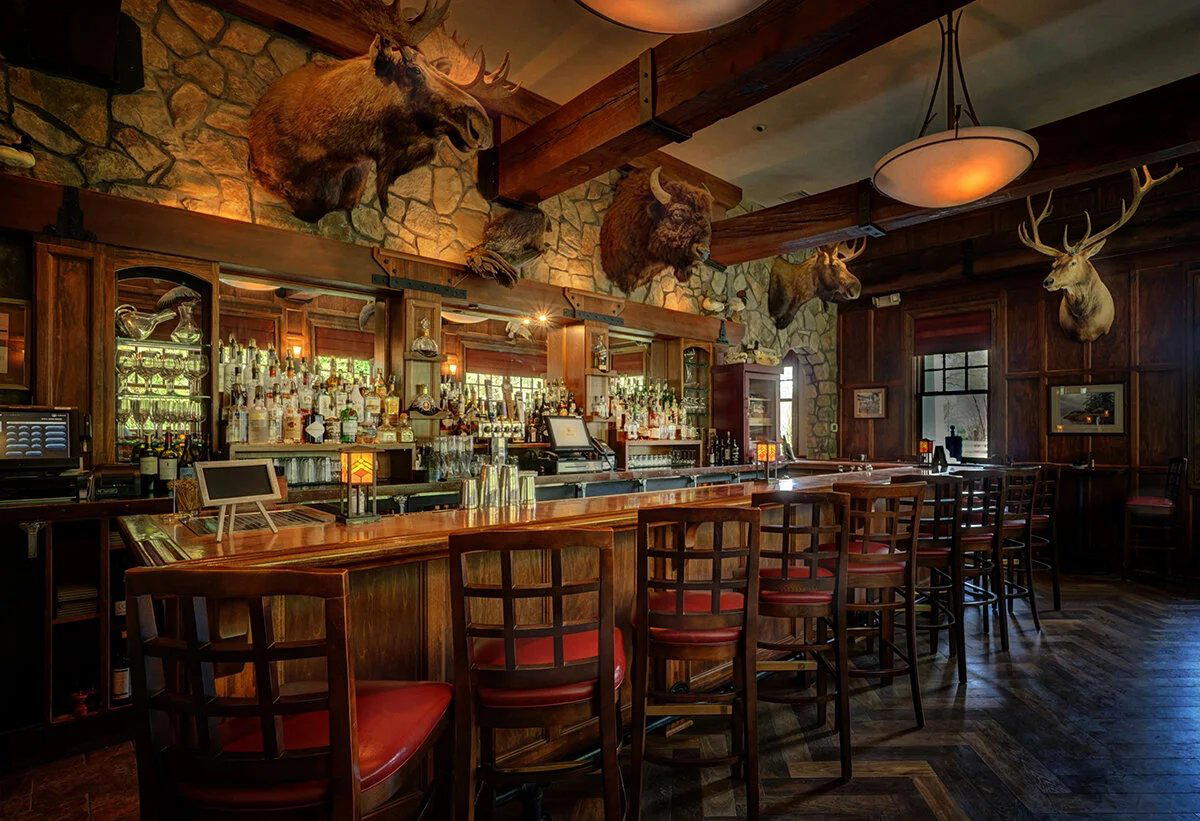
Bars in Suffolk
Browse all →
Hotels in Suffolk
Browse all →
Wineries in Suffolk
Browse all →At a Glance
- Rustic
- Cozy
- Elegant
- Sophisticated
- Date Night
- Special Occasion
- Brunch
- Open Kitchen
- Private Dining
- Historic Building
- Craft Cocktails
- Farm To Table
- Local Sourcing
Current opening hours
- Monday
- Closed
- Tuesday
- 11 AM–9 PM
- Wednesday
- 11 AM–9 PM
- Thursday
- 11 AM–9 PM
- Friday
- 11 AM–9 PM
- Saturday
- 11 AM–9 PM
- Sunday
- Closed
Hours can change for holidays and private events. Last verified .
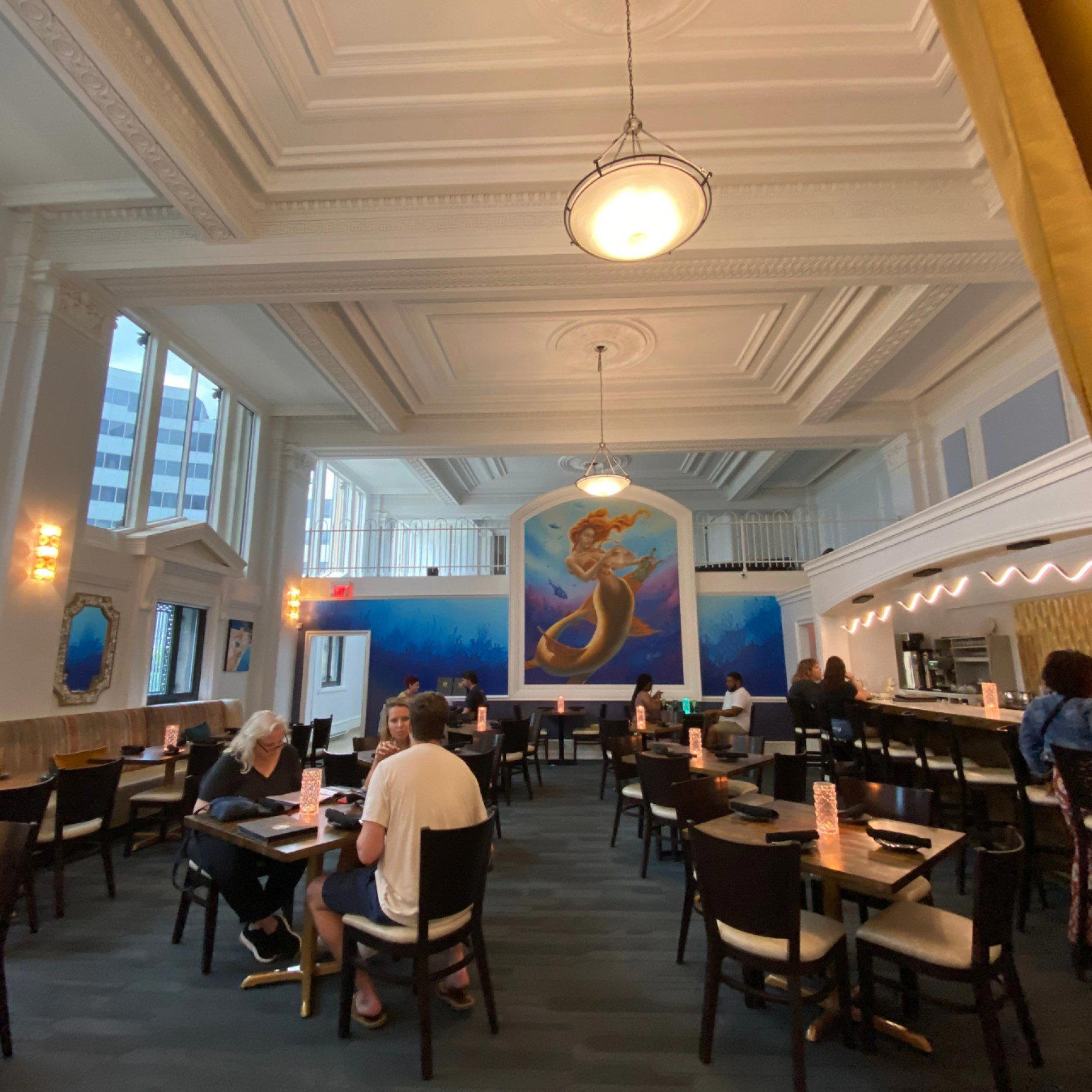
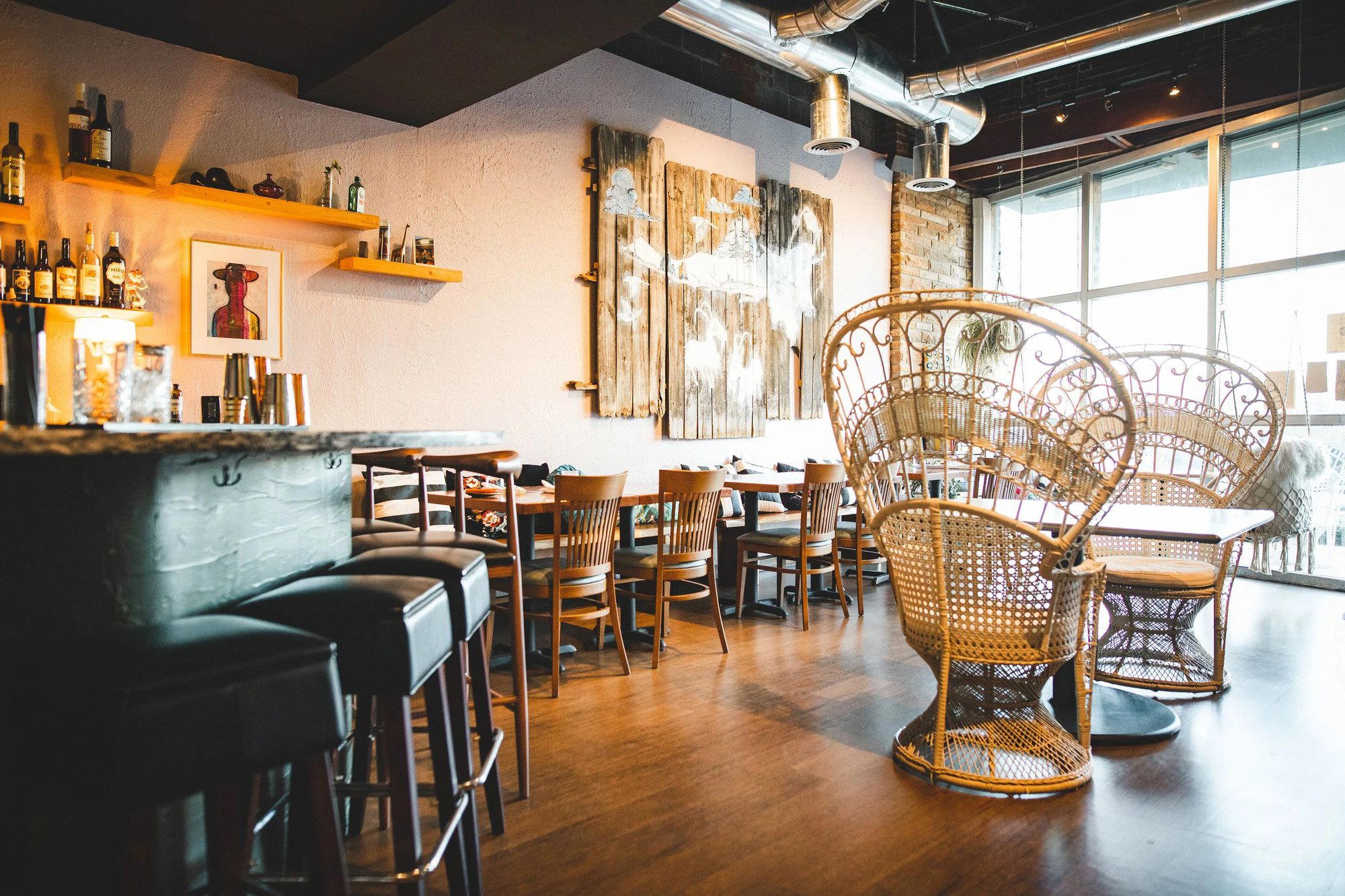
Rustic yet cosmopolitan atmosphere with high ceilings, exposed brick, concrete and steel accents, vintage pine canopy, and a turn-of-the-century mural, creating a blend of retro and modern charm.