
Relais Chateaux Award
Our verdict
Haroma occupies a serious position in Madrid's Salamanca district, where chef Mario Sandoval applies modern technique to Spanish terroir with a discipline that earned the restaurant its Expression of the Terroir recognition. Positioned within the post-elBulli generation of Spanish cooking, the kitchen draws on regional produce and creative methodology to produce a menu that reads as both culturally grounded and technically ambitious.

Pearl is the En Primeur Club membership app — saves, bookings, and concierge access live there. Same editors, same standards.
- Address
- Calle de Diego de León, 43, Salamanca, 28006 Madrid, Spain
- Phone
- +34 910 88 41 42
- Hours
- Daily 1–4 PM, 8–11 PM
- Website
- heritagemadridhotel.com
- Directions
- Get directions
- Booking
- Book on CoverManager
The menu
What to order
- Crustacean_ravioli
- Suckling_pig
- Hake_cheeks
Where Salamanca Meets the Spanish Larder
Calle de Diego de León runs through one of Madrid's more composed dining neighbourhoods, where the Salamanca district's broad avenues and established residential character have long attracted kitchens that prioritise craft over spectacle. This is not the Madrid of late-night taberna culture or the tourist-facing tapas corridor — it is a quartier where serious cooking tends to land quietly, accumulating a loyal local following before the broader conversation catches up. Haroma fits that pattern precisely.
The broader context matters here. Spain's post-elBulli generation produced a wave of chefs who absorbed the language of avant-garde technique and then asked a harder question: what do you do with it once the novelty fades? The answer, at the most considered end of the spectrum, has been a turn toward terroir — not as a marketing concept but as a structural principle. Regional ingredients, seasonal cycles, and geographic identity have become the raw material that technique is applied to, rather than the other way around. Haroma's recognition as an Expression of the Terroir places it squarely within that movement.
Mario Sandoval and the Terroir Argument
Within Spain's contemporary cooking scene, terroir-led restaurants occupy a particular position: they tend to require more from the diner, familiarity with regional produce, attention to seasonal rhythm, and more from the kitchen, which must make geography legible on a plate without resorting to folklore. Chef Mario Sandoval operates in this space, and Haroma functions as the articulation of that approach in Madrid's Salamanca address.
Sandoval's profile in the Spanish culinary conversation predates Haroma, which positions the restaurant as a considered project rather than a debut. That matters when reading the Expression of the Terroir recognition: it is not a credential attached to an emerging voice, but to a chef with an established point of view now applied in a specific, neighbourhood-rooted context. Compare that positioning to the more overtly theatrical end of Madrid's high-end scene, DiverXO (Progressive - Asian, Creative), which holds three Michelin stars and operates at maximum provocation, and Haroma's quieter register becomes its clearest distinguishing signal.
Spain's Terroir Movement in a Madrid Frame
Spain's regional cooking traditions are among the most geographically differentiated in Europe. The Basque Country, Galicia, Andalusia, and Castile each operate with distinct larder logics, and Madrid has historically played the role of aggregator, a capital city that draws produce and people from across the peninsula without necessarily owning a single terroir of its own. The more interesting kitchens in the city have leaned into that tension, using Madrid's position as a crossroads to build menus that reference regional specificity without being locked into a single geography.
Haroma's Expression of the Terroir recognition suggests a more committed stance than the aggregator model, a kitchen that has made explicit choices about where its ingredients come from and what those choices mean for the plate. That kind of editorial discipline in sourcing is increasingly the differentiator at this tier of Spanish cooking, where technique is assumed and the argument is made through provenance. Restaurante Montia takes a similar stance in the Madrid context, while beyond the capital, Azurmendi in Larrabetzu and Aponiente in El Puerto de Santa María represent the most rigorous versions of terroir commitment in Spanish fine dining.
High-volume positive scores at creative fine dining addresses in Madrid tend to cluster around the mid-fours when the kitchen is technically sound and service matches the ambition of the food; a score sustained across more than four hundred responses carries more interpretive weight than a thinner sample.
Placing Haroma in Madrid's Creative Tier
Madrid's Michelin-decorated creative tier is anchored by a handful of addresses that together define what the city's cooking currently argues for internationally. Coque holds two stars with a Spanish-creative approach; Deessa and Paco Roncero operate in similar Michelin-recognised territory. A'Barra Restaurante y Barra Gastronómica pursues modern Spanish cooking with a format emphasis on the counter experience. Haroma, with its terroir recognition rather than a star count in the available record, occupies an adjacent register, serious in ambition, neighbourhood-rooted in character, and positioned for a diner who is not chasing institutional validation but looking for cooking that has something to say about place.
That positioning also connects to a wider pattern in Spanish fine dining. El Celler de Can Roca in Girona and Martin Berasategui in Lasarte - Oria are the canonical examples of what Spanish cooking becomes when technique, territory, and generational depth converge. Arzak in San Sebastián is the historical anchor of the Basque avant-garde. Cocina Hermanos Torres in Barcelona pursues a similar terroir-conscious creative methodology from a Catalan base. Haroma is the Madrid entry point to that conversation, not a scaled-down version of those addresses, but a kitchen asking the same fundamental questions from a Salamanca street.
The city's offer extends well beyond the creative fine dining tier. El Lince and Corral de la Morería represent different dimensions of what Madrid does with tradition, the former contemporary, the latter one of the capital's most established cultural dining formats. For visitors building a broader picture of Madrid's food and cultural scene, [our full Madrid restaurants guide](), [hotels guide](), [bars guide](), [wineries guide](), and experiences guide cover the range. Modern Spanish cooking also travels well: 55 Pasos in A Coruña and Basque Kitchen by Aitor in Singapore show how the idiom functions outside its home geography.
Know Before You Go
- Address: Calle de Diego de León, 43, Salamanca, 28006 Madrid, Spain
- District: Salamanca
- Chef: Mario Sandoval
- Cuisine: Modern Spanish
- Recognition: Expression of the Terroir
Frequently asked questions
Who is the chef at Haroma?
The chef associated with Haroma is Mario Sandoval.
Can I walk in to Haroma?
Walk-in availability is not confirmed. Securing a reservation in advance is the safer approach.
What has Haroma built its reputation on?
Haroma's Expression of the Terroir recognition places it within the Spanish cooking movement that applies post-elBulli technical discipline to regional ingredients and place-specific produce. Chef Mario Sandoval's name carries weight in this conversation, positioning Haroma among Madrid addresses that treat the Spanish larder as an argument rather than a backdrop.
Side-by-Side Snapshot
Comparable venues nearby, for context on price, style, and recognition.
| Venue | Cuisine | Price | Awards | Notes |
|---|---|---|---|---|
| HaromaThis venue — the venue you are viewing | Avant-Garde Spanish Fine Dining | $50–100 | Relais Chateaux Award | Not listed |
| Villoldo | Traditional Castilian | $50–100 | Macarfi 7.6 Food Rating · Guía Repsol 1 Sol | Castellana |
| Dani Brasserie | Modern Spanish Brasserie | $50–100 | Star Wine List · Wine Spectator Best of Award of Excellence | Sol |
| Yantar Sidrería Gastronómica | Traditional Asturian Cuisine | $50–100 | Not listed | Barrio de las Letras |
| Haramboure | Modern Basque-French Bistro | $50–100 | Michelin Plate · Guía Repsol 1 Sol | Madrid |
| Taberna Verdejo | Traditional Spanish Tapas & Escabeches | $50–100 | Macarfi 8.7 Food Rating · Guía Repsol 2 Soles | Lista |
Recognition history
Dated appearances from independent guides and award organizations, with the underlying list record or original source where available.
Relais Chateaux Award
Relais Chateaux
Full recognition history (2 entries)
Relais Chateaux Award
Relais Chateaux
Continue exploring
More in Madrid
More from Chef Mario Sandoval
Browse all →
Restaurants in Madrid
Browse all →
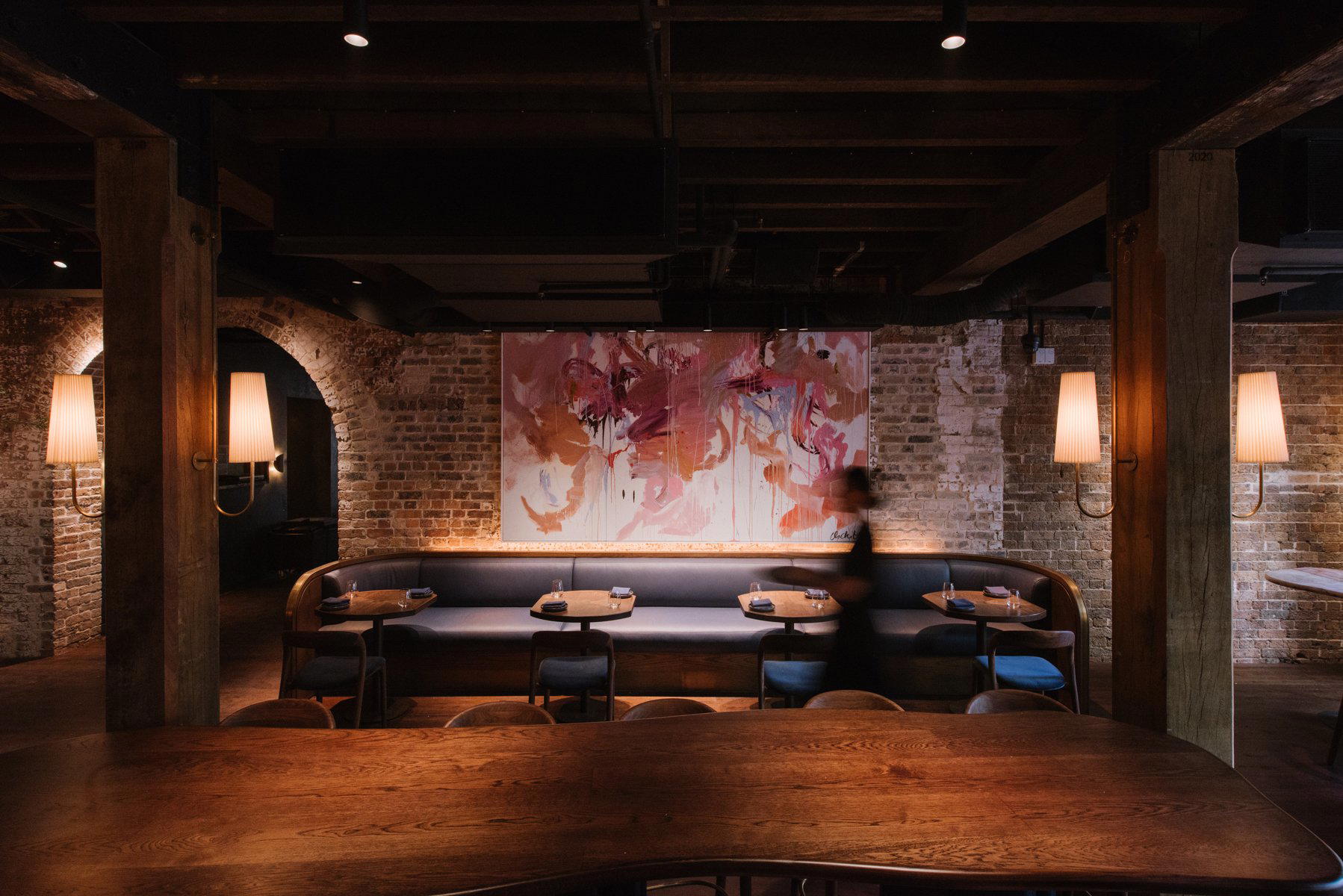
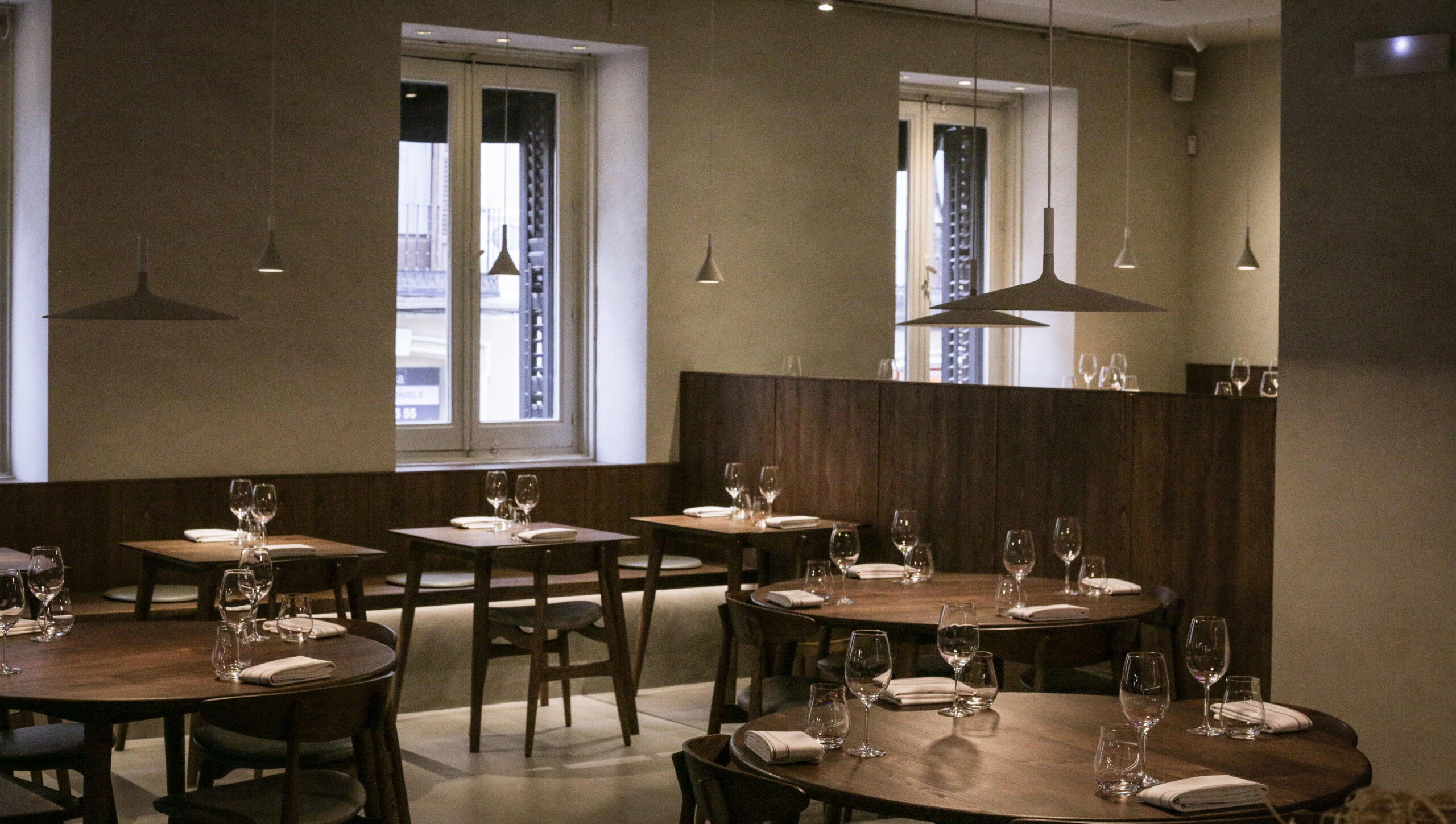
Bars in Madrid
Browse all →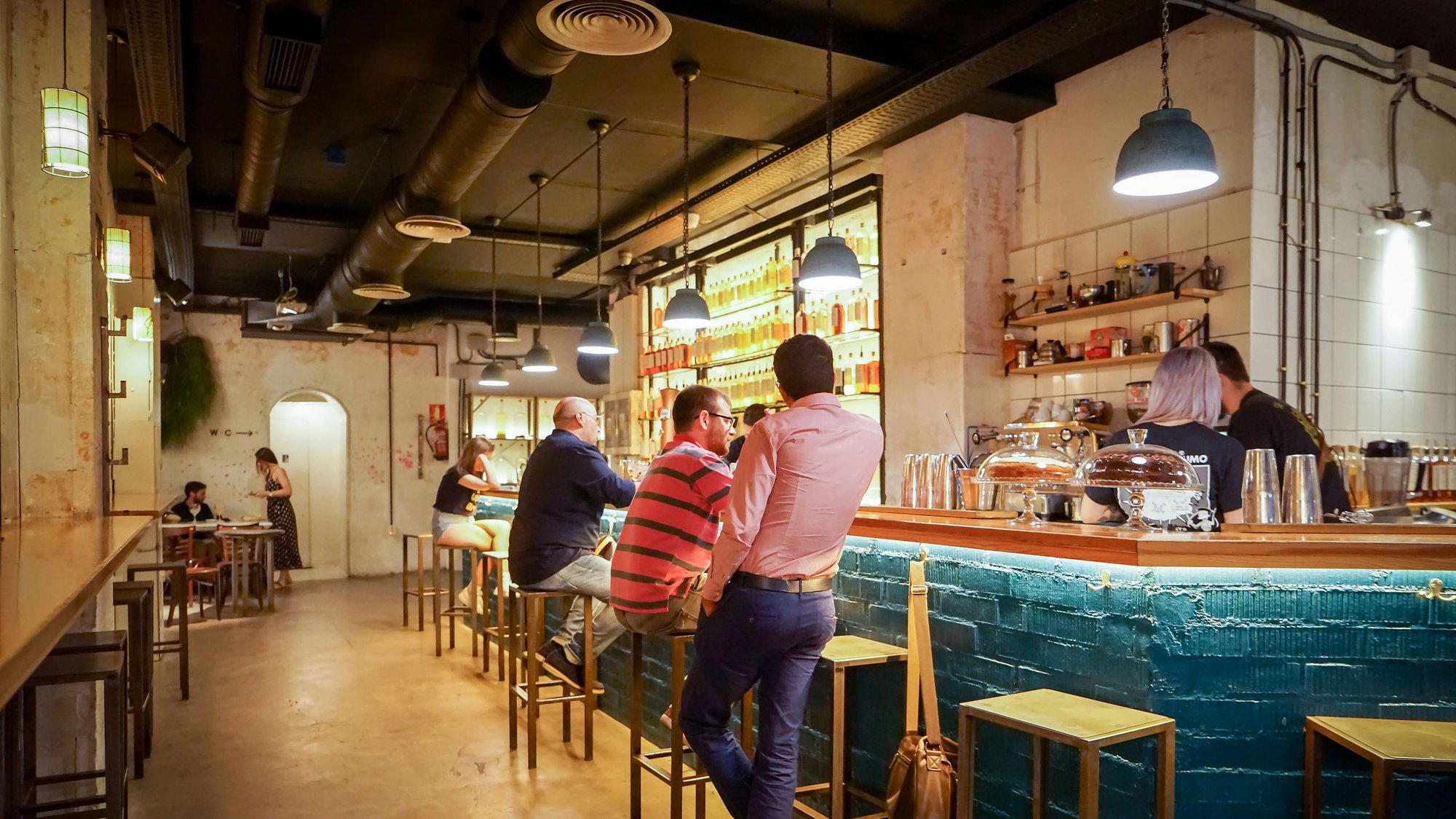
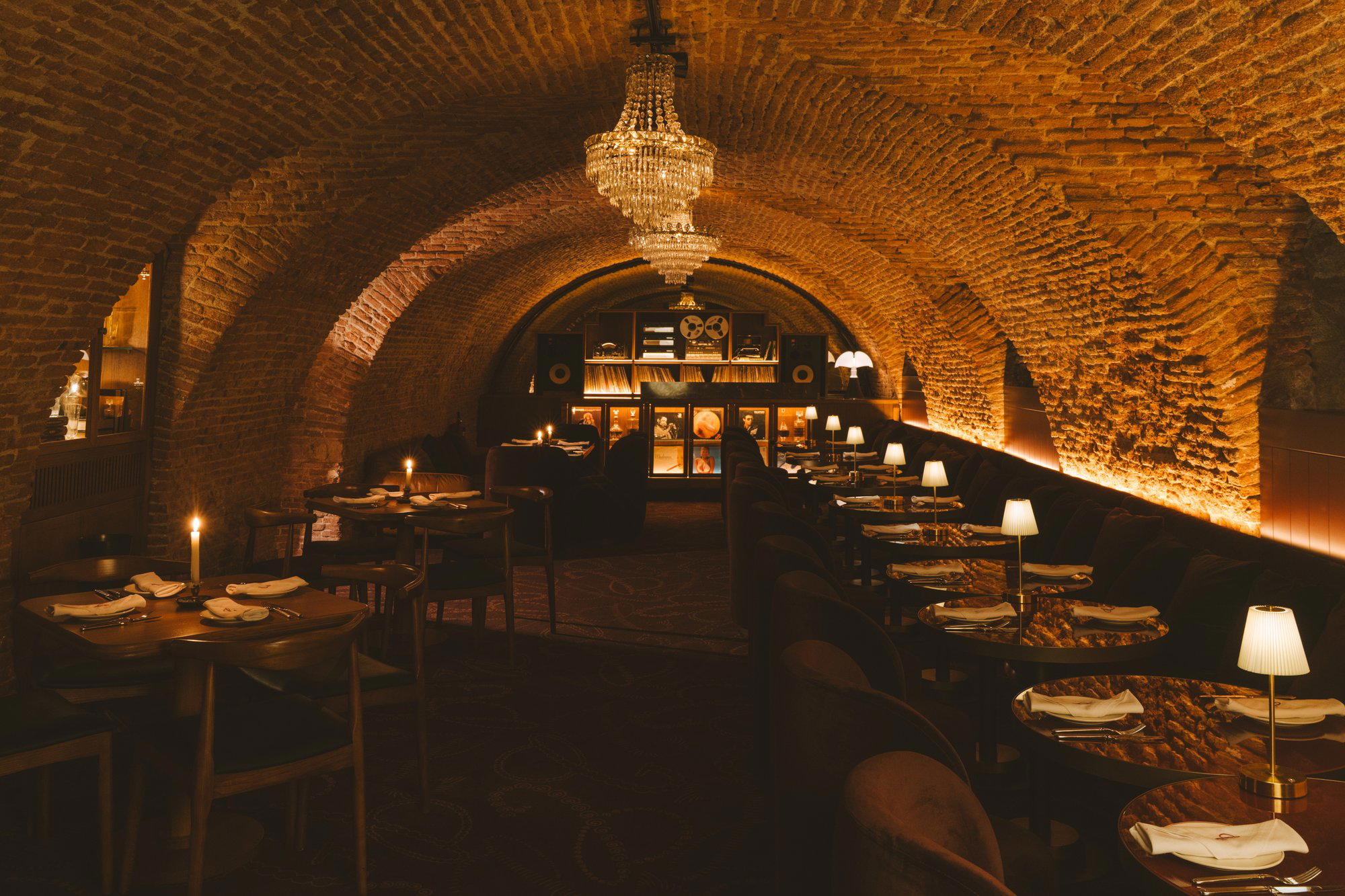
Hotels in Madrid
Browse all →

Details
- Romantic
- Elegant
- Sophisticated
- Intimate
- Date Night
- Business Dinner
- Special Occasion
- Hotel Restaurant
- Open Kitchen
- Terrace
- Extensive Wine List
- Local Sourcing
- Street Scene
- Tasting Menu
- A La Carte
- Set Menu
- Vegetarian Friendly
- Allergy Accommodating
Current opening hours
- Monday
- 1–4 PM, 8–11 PM
- Tuesday
- 1–4 PM, 8–11 PM
- Wednesday
- 1–4 PM, 8–11 PM
- Thursday
- 1–4 PM, 8–11 PM
- Friday
- 1–4 PM, 8–11 PM
- Saturday
- 1–4 PM, 8–11 PM
- Sunday
- 1–4 PM, 8–11 PM
Hours can change for holidays and private events. Last verified .
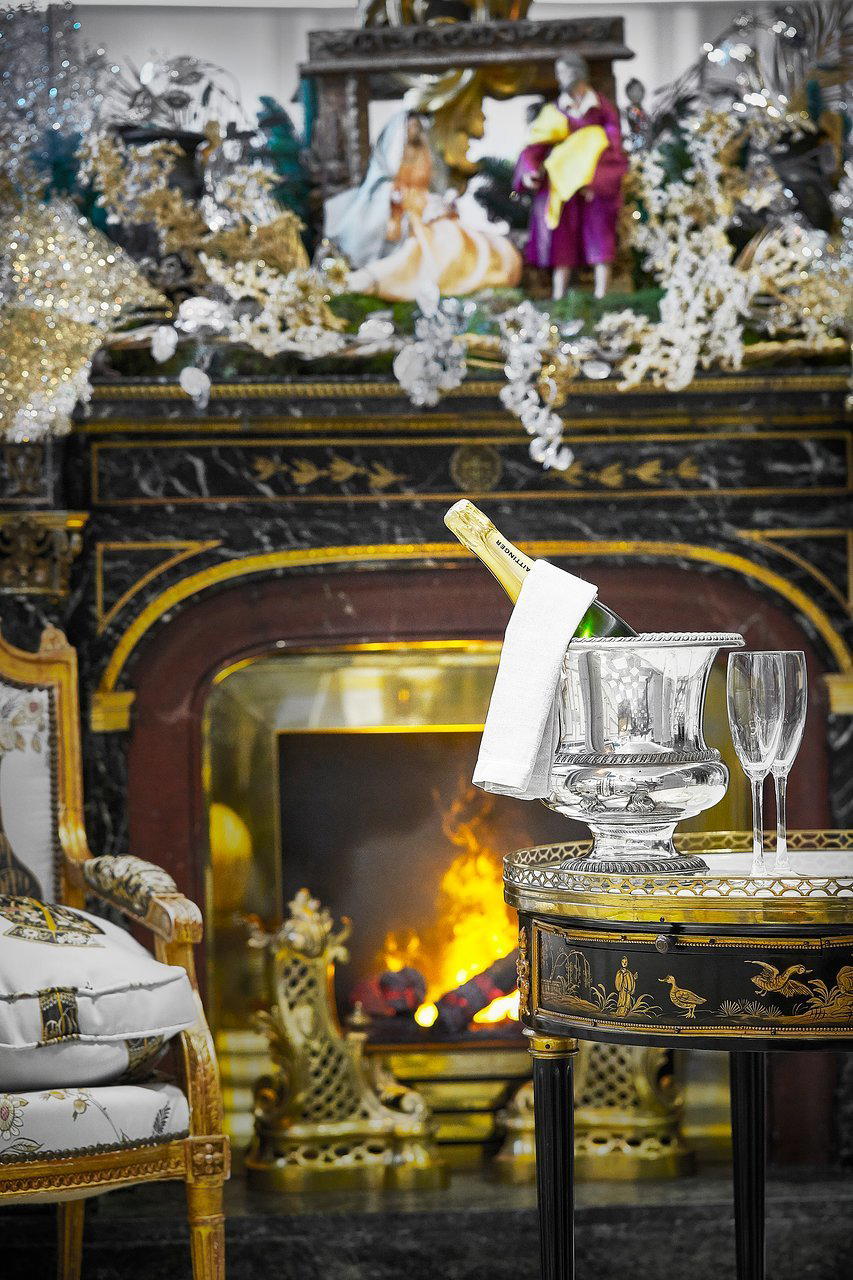
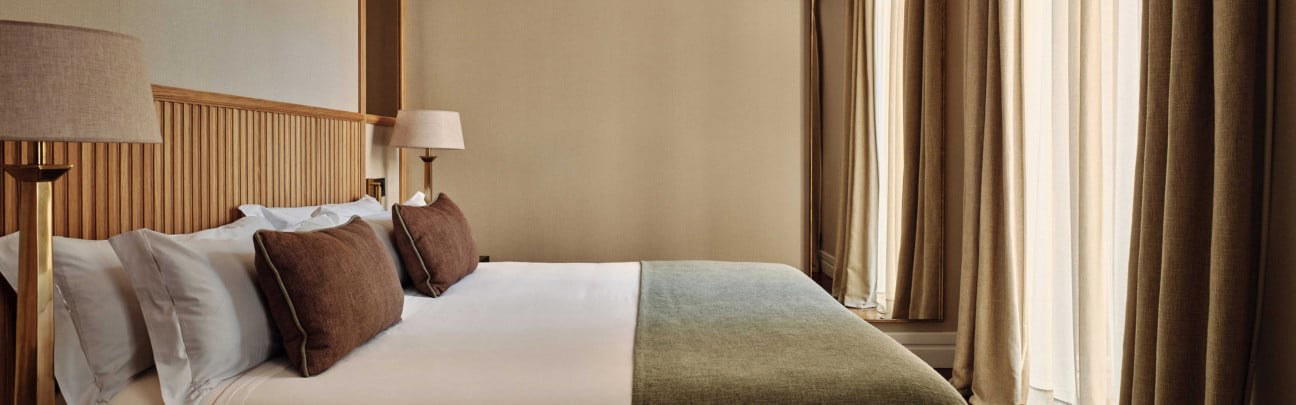
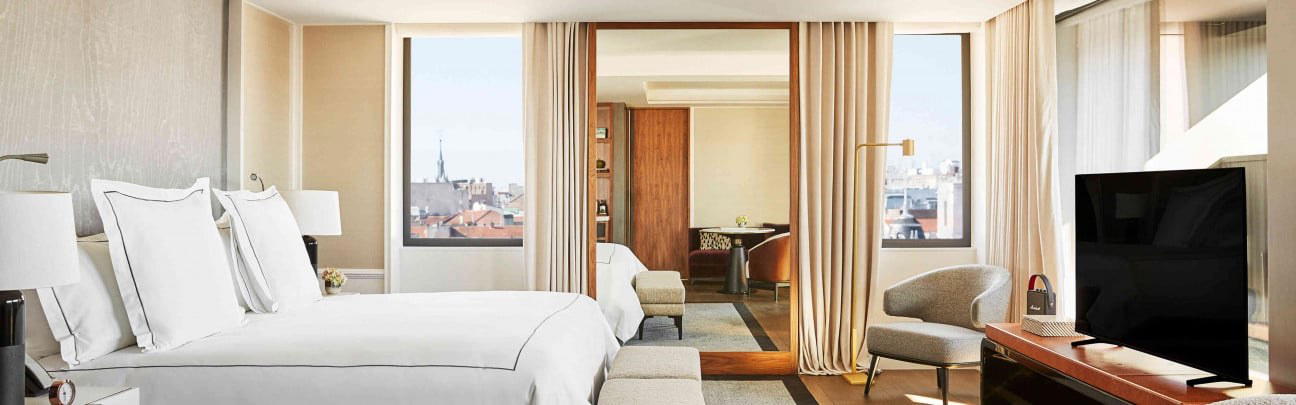
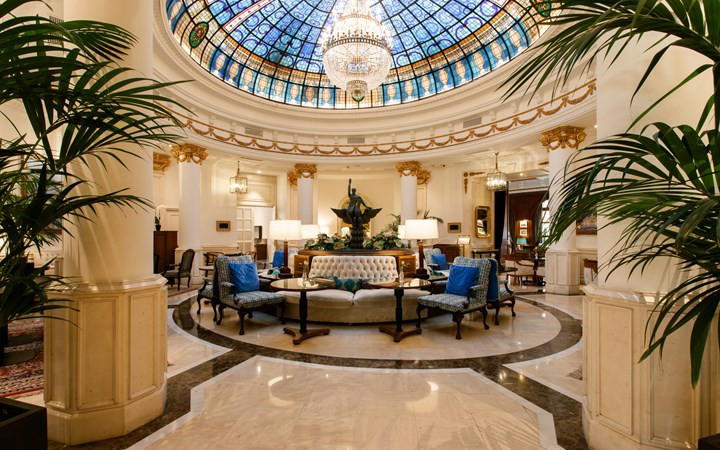
Sophisticated French-style interior with silk paneling, warm natural light from large windows, and an enveloping, exclusive atmosphere.