Hachi-Ko
Located on Concourse C at Seattle-Tacoma International Airport, Hachi-Ko operates in a dining tier where convenience and quality rarely overlap. The name and placement suggest a Japanese-influenced concept, positioning it among the more considered food options available to SEA travelers before departure. For a fuller picture of eating options in the area, see our complete Seatac restaurants guide.
Pearl is the En Primeur Club membership app — saves, bookings, and concierge access live there. Same editors, same standards.
- Address
- Concourse C (SEA Airport), SeaTac, WA 98158
 Saves & bookings on Pearl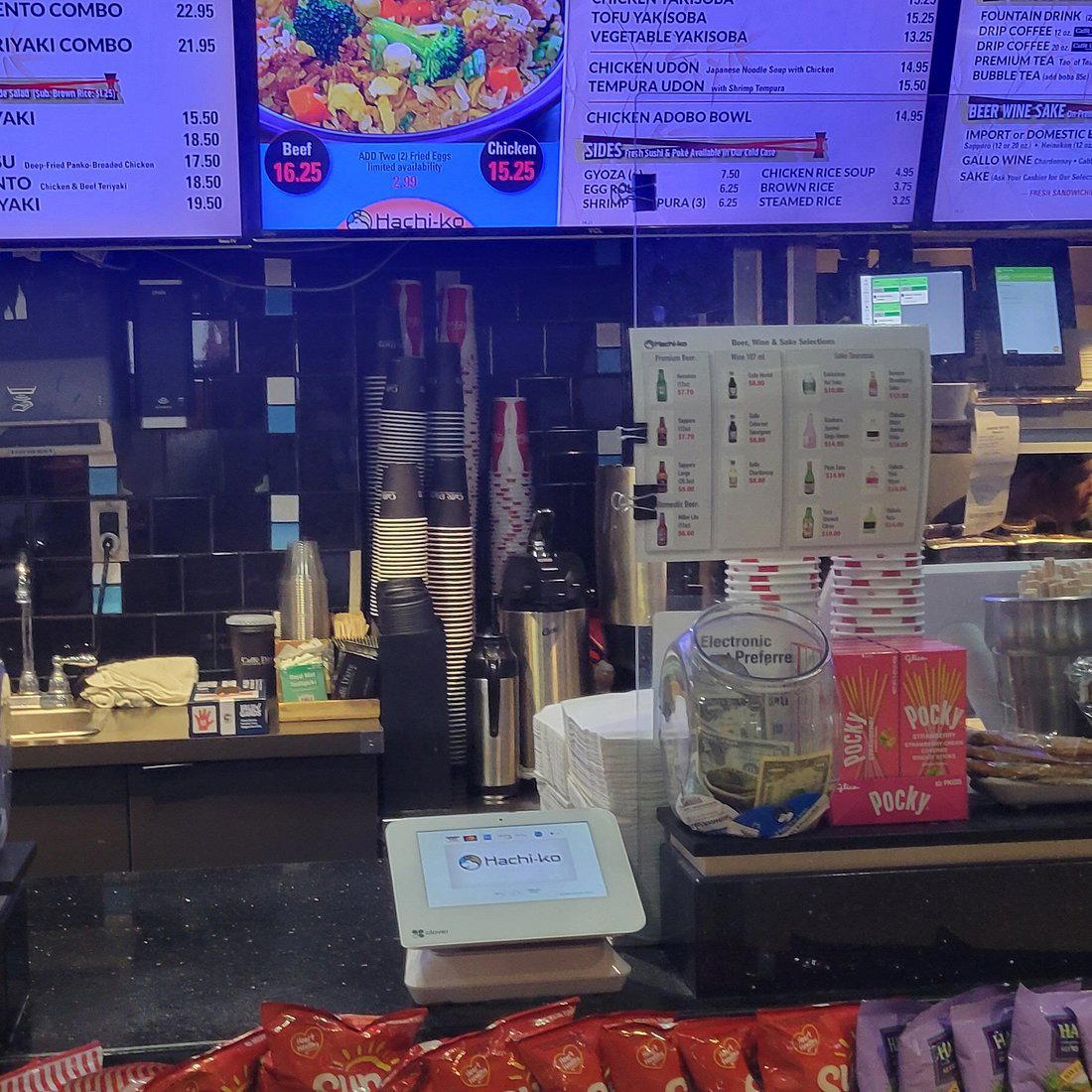
Eating Well in Transit: What Airport Dining at SEA Actually Looks Like
Most airport concourses operate on a single governing principle: capture the traveler who has no other option. The food that results from that logic is familiar everywhere from Atlanta to Amsterdam. Seattle-Tacoma International Airport, however, sits in a region with genuine culinary infrastructure behind it, and that geographic reality has slowly reshaped what operators bring through its security checkpoints. Hachi-Ko, located on Concourse C at SEA Airport in SeaTac, is a casual Northwest-inspired Asian restaurant priced at about $15 per person, offering a Japanese-influenced format to passengers in one of the Pacific Northwest's most transit-heavy terminals.
The name itself carries weight. Hachi-Ko references the famous Akita dog whose story became shorthand in Japanese culture for loyalty and patient waiting, qualities that carry an ironic double meaning in an airport environment where waiting is the central activity. Whether the concept leans into that reference through its food, its décor, or its service approach is a question the available record does not answer in detail, but the name alone signals an intent to connect the experience to something beyond generic concourse fare.
The Sourcing Question: Where Airport Food Actually Comes From
The ingredient-sourcing conversation that defines serious dining in the Pacific Northwest rarely extends past security. Restaurants like Single Thread Farm in Healdsburg and Blue Hill at Stone Barns in Tarrytown have built their entire identities around farm-to-table provenance, with menus that function almost as agricultural calendars. That standard does not transfer easily to airport kitchens, which face supply chain constraints, volume demands, and regulatory requirements that make artisan sourcing genuinely difficult. The question worth asking about any airport concept is whether it does more than the floor.
Pacific Northwest sets a relevant baseline here. Washington State agriculture produces Dungeness crab, Yakima Valley produce, Columbia River fish, and a range of Japanese-influenced preserved and fermented ingredients that reflect the region's deep ties to Japanese culinary culture. A Japanese-inflected concept at SEA has access, in principle, to a sourcing region that actually supports the cuisine. Whether Hachi-Ko draws on that proximity or relies on standard airport supply channels is a distinction that matters to any traveler making a considered choice between concourse options.
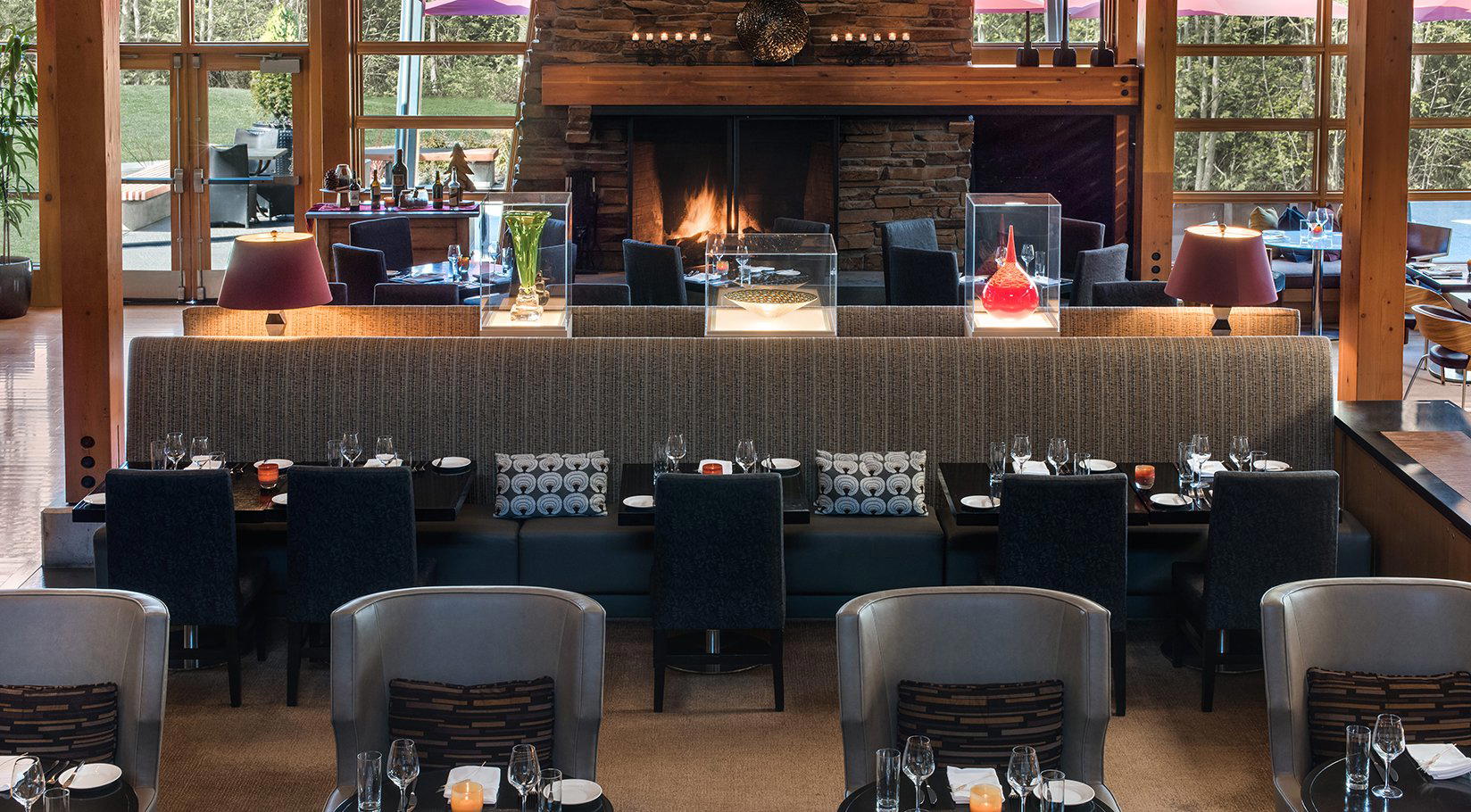
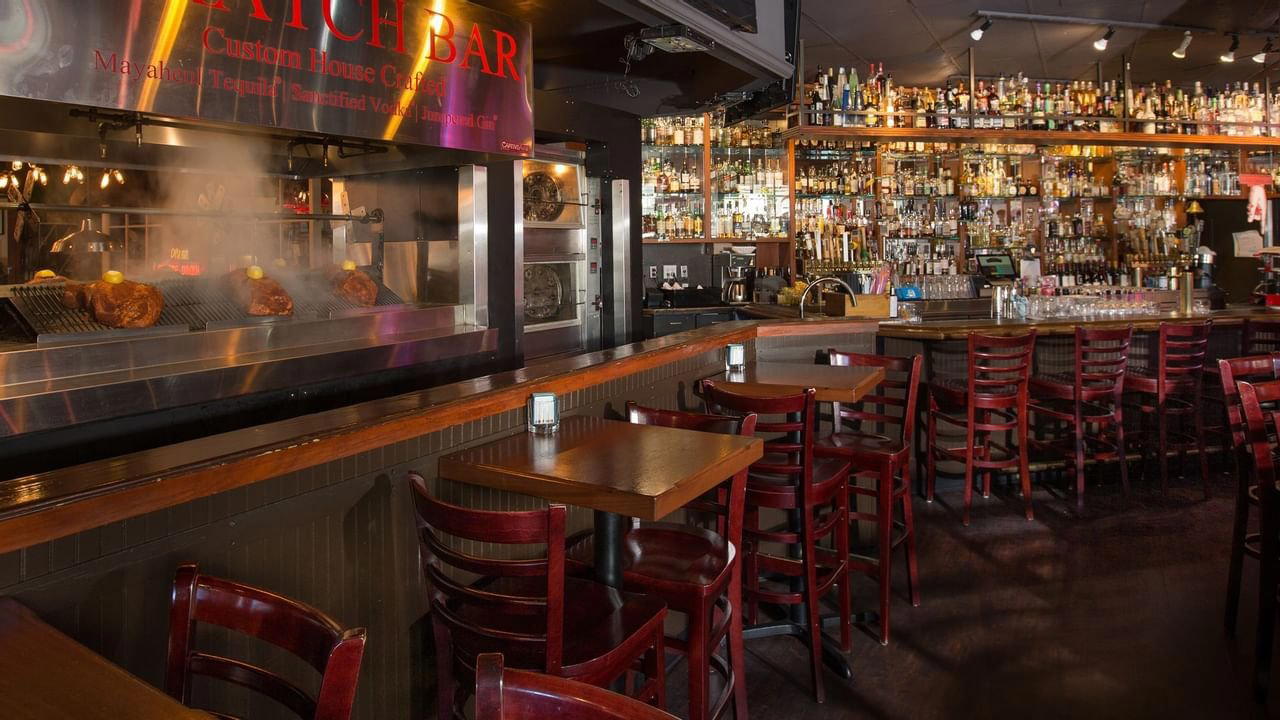
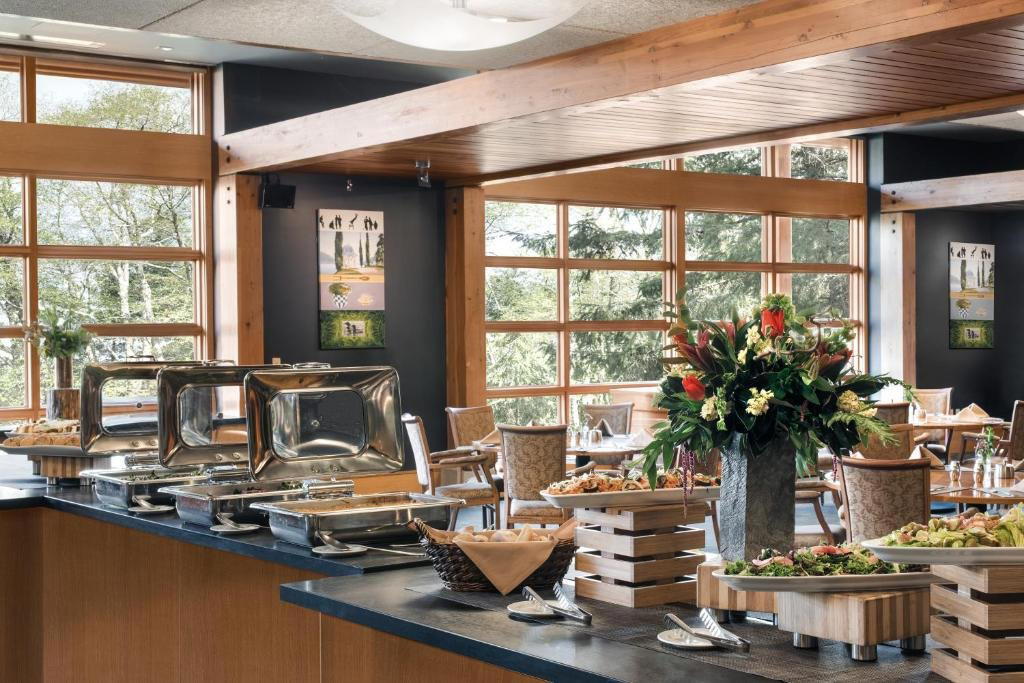
For context, the airport dining options around Concourse C at SEA include a range of formats. Copperleaf Restaurant and Sharps RoastHouse represent different points on the quality and format spectrum available to travelers in the SeaTac corridor. Hachi-Ko sits within that competitive set, and the choice between them depends on what the traveler prioritizes: format, cuisine type, or positioning relative to the gate.
Japanese Dining in a Northwest Context
Japanese cuisine has a longer and more deeply rooted presence in the Pacific Northwest than in most American regions. Seattle's Nihonmachi history, the influence of Japanese American communities in Washington and Oregon, and the city's geographic proximity to Japan have all contributed to a local dining culture where Japanese food is neither novelty nor approximation. The city supports serious ramen shops, omakase counters, and izakaya formats that a traveler arriving from elsewhere in the country might not expect to find at this density.
That context makes a Japanese-influenced airport concept in Seattle more legible than the same concept might be in a city without that culinary history. It also raises the bar. A traveler who has eaten at serious Japanese restaurants in the city, or who is familiar with what the format looks like at its more demanding end, as seen in venues like Atomix in New York City, arrives at the restaurant with calibrated expectations. The airport format will not replicate the omakase counter experience, but the regional context does give operators a meaningful sourcing and culinary vocabulary to draw from.
That same regional vocabulary informs the ingredient conversations happening at farm-anchored American restaurants across the country. Concepts like Lazy Bear in San Francisco and Alinea in Chicago operate in entirely different formats, but the underlying pressure on airport dining concepts to do more with local sourcing comes from the same cultural shift those restaurants represent. Bacchanalia in Atlanta, Brutø in Denver, and Causa in Washington, D.C. each reflect regional ingredient identities in their menus, and the expectation that airport dining should at least gesture toward that standard has grown alongside the destination-restaurant conversation.
What to Expect at Concourse C
Airport dining logistics follow predictable patterns regardless of concept quality. Concourse C at SEA serves a high volume of international and domestic departures, and operators in that environment balance speed of service against format ambition. The practical reality for a traveler with a two-hour layover is different from one with thirty minutes, and airport concepts that work well are those designed with that range in mind.
Travelers connecting through SEA who want a sit-down format before an international departure will find Concourse C a reasonable zone in which to do it. The airport's expansion in recent years has added dining capacity, and the mix of concepts available reflects a market that has moved beyond the worst of legacy airport food. The restaurant, as a Japanese-influenced format on that concourse, fits a dining niche that the Pacific Northwest traveler is likely to find familiar, even if the execution necessarily differs from what the city's restaurant district provides.
For those planning a pre-flight meal or a longer layover, the practical approach is to confirm availability in the concourse directory before you head over. The restaurant is walk-in friendly, so no booking is needed.
Placing Hachi-Ko in the Wider American Dining Conversation
The serious end of American dining now covers a wide range of regional formats and sourcing philosophies. Le Bernardin in New York City, The French Laundry in Napa, Providence in Los Angeles, Addison in San Diego, and The Inn at Little Washington each represent the ceiling of what American restaurant dining can deliver. Emeril's in New Orleans and 8 1/2 Otto e Mezzo Bombana in Hong Kong extend that reference frame internationally. The more useful frame is what airport dining in a culinarily serious American city can reasonably achieve, and whether a given concept tries to achieve it or simply occupies the space.
On that narrower question, a Japanese-named concept at SEA, in a city with genuine Japanese culinary heritage and a sourcing region that supports the cuisine, has more to work with than most airport operators do. Whether the restaurant uses that advantage is the question a traveler at Concourse C is in the leading position to answer firsthand.
Comparable Spots, Quickly
Comparable venues nearby, for context on price, style, and recognition.
| Venue | Cuisine | Price | Notes |
|---|---|---|---|
| Hachi-KoThis venue — the venue you are viewing | Northwest-inspired Asian | $ | Not listed |
| Sharps RoastHouse | American Roasthouse & BBQ | $$ | SeaTac |
| AmEx Centurion Studio | American Airport Lounge Fare | $$$$ | SeaTac Airport |
| Copperleaf Restaurant | Northwest Farm-to-Table American | $$$ | SeaTac |
| Shinsen Sushi | Modern Japanese Sushi | $$ | Vancouver Waterfront |
| Kushibar | Japanese Street Food & Kushiyaki | $$ | Belltown |

At a Glance
- Casual Hangout
- Solo
- Family
Casual airport counter-service spot with quick, fresh preparations amid terminal bustle.