Greyhound Inn



Michelin Plate · SquareMeal UK Top 100 Restaurants #63 · The Good Food Guide GFG Good
Our verdict
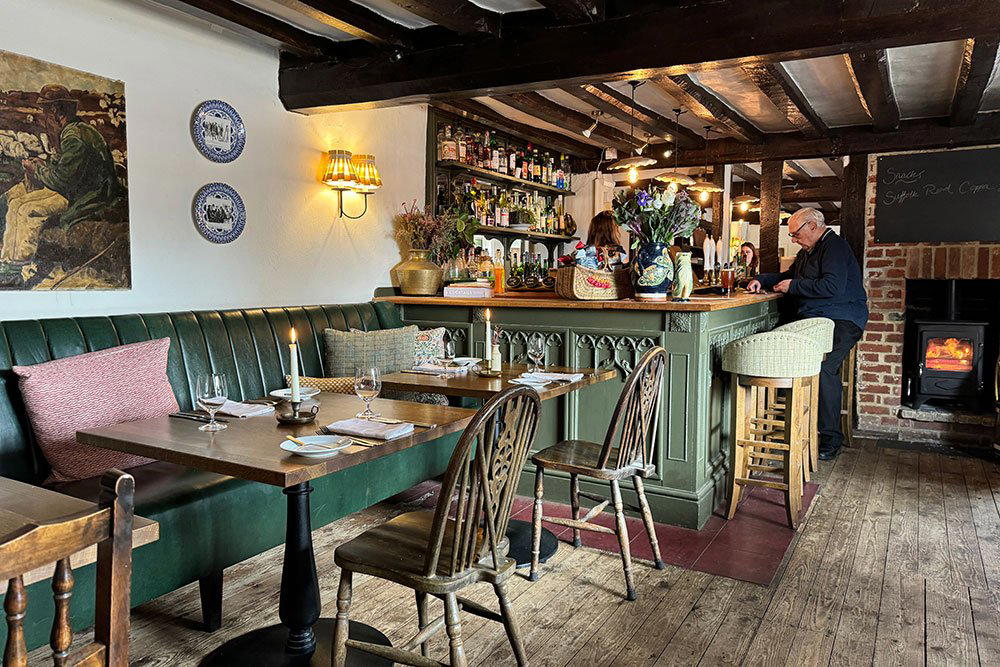
A no-nonsense country pub in the Suffolk hamlet of Pettistree, the Greyhound Inn draws on prime local produce and open-fire cooking to deliver hearty, confident dishes in surroundings that feel rooted in a slower, older England. The kitchen's wood-roasted quail and its glossy roasting-juice sauce have become shorthand for what this kind of cooking, done well, actually tastes like.

Pearl is the En Primeur Club membership app, where members save venues, book tables and use the concierge.
The menu
What to order
- Roast rack of wild roe doe
- Venison parmentier
- Suffolk saucisson
A Suffolk Village Pub That Earns Its Reputation the Hard Way
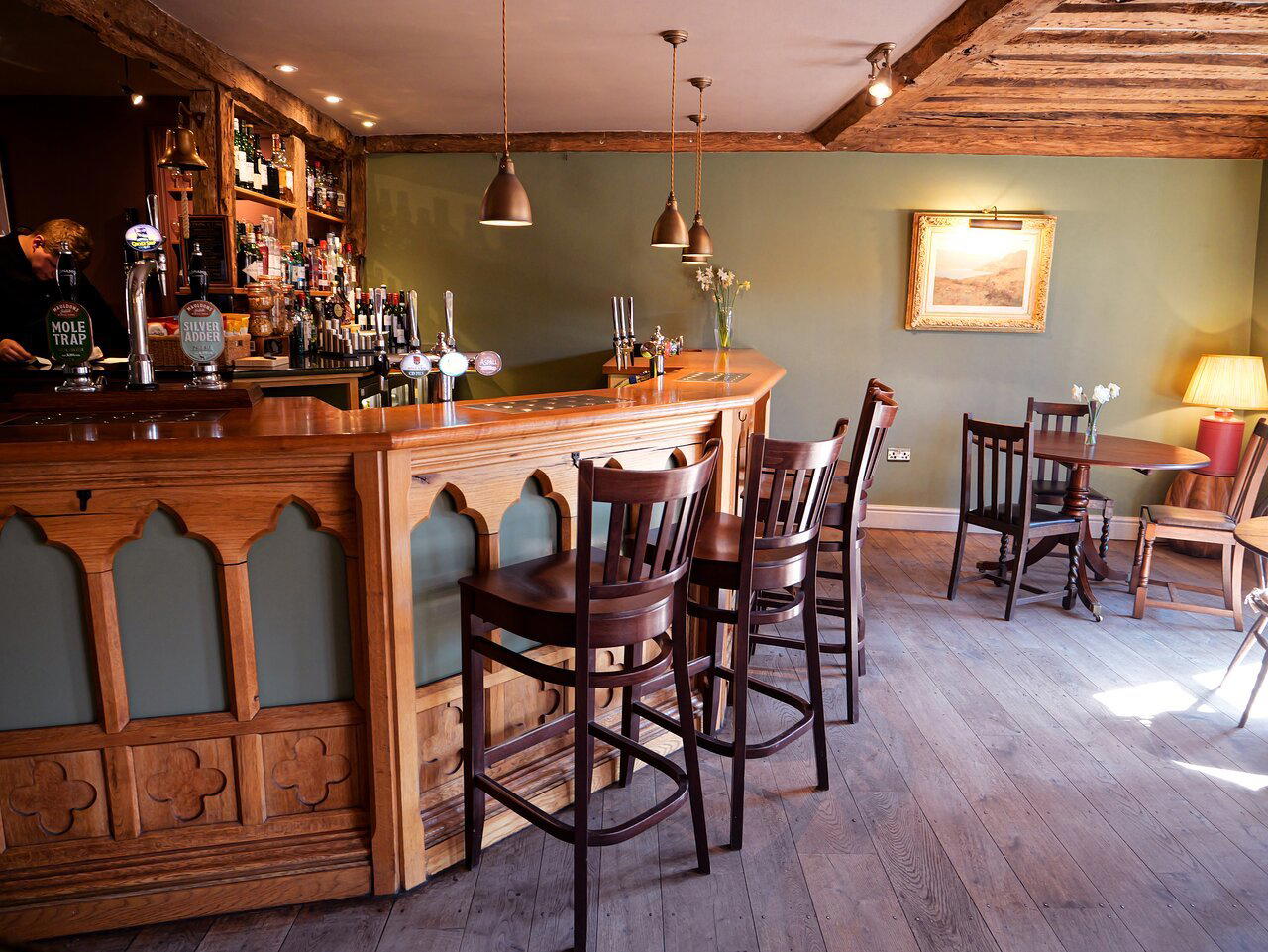
The road into Pettistree barely registers on most maps. A handful of houses, a medieval church, and the Greyhound Inn, that is more or less the full inventory of this corner of east Suffolk. Arriving here, the pub sits in the shadow of that church in a way that feels less like proximity and more like continuity: two old institutions sharing the same patch of English countryside for reasons neither needs to explain. The building itself carries the quiet confidence of a place that has never needed a rebrand.
That sense of continuity matters when thinking about what the Greyhound Inn represents. The country pub dining tradition in England is under genuine pressure, squeezed between gastropub chains optimising for volume and destination restaurants drawing customers out of villages altogether. What survives, when it does, tends to do so through a specific kind of conviction: local sourcing taken seriously, fire used as a technique rather than a marketing gesture, and a menu short enough that every dish on it has been earned. The Greyhound operates on those terms.
Fire, Produce, and the Logic Behind the Menu
The editorial framing of ingredient sourcing as a central story is not incidental here. Suffolk's agricultural hinterland is one of the more productive in England, with arable farms, game estates, and coastline within a short radius of Pettistree. Country pubs in this part of East Anglia have always had access to material that restaurants in larger cities pay premium prices to import. The question is whether a kitchen does anything interesting with that access, or treats it as a given.
At the Greyhound, the approach is direct. The kitchen favours what critics of the venue have described as a no-nonsense methodology: big, hearty flavours anchored in prime produce rather than layered technique for its own sake. Wood-roasted quail, served with a sauce built from its own roasting juices, is a clear example of this philosophy made edible. The dish asks the bird to do most of the work. Fire concentrates flavour at the surface; the jus captures and extends what the heat produces. There is no supplementary garnish carrying the plate, the cooking is the argument.
This matters in the context of where British pub cooking sits in spring 2025. The most decorated end of British restaurant culture, places like CORE by Clare Smyth in London, L'Enclume in Cartmel, or Moor Hall in Aughton, has moved toward precision and elaboration as its primary expression of quality. Further down the price spectrum, Hand and Flowers in Marlow established that a pub format could sustain Michelin recognition without abandoning its identity. What the Greyhound represents is something adjacent but distinct: a kitchen that takes the sourcing and fire-work as seriously as any of those operations, but without the destination-restaurant framing, the tasting menus, or the booking lead times measured in months.
Reading the Room: What the Greyhound Is, and What It Isn't
Visitors approaching the Greyhound with expectations calibrated to Le Manoir aux Quat' Saisons in Great Milton or Gidleigh Park in Chagford will find themselves in the wrong frame entirely. This is a village pub, and its character is inseparable from that fact. The team has been described as welcoming in a way that is specific rather than formulaic, the warmth that comes from a place run by people who appear to genuinely want to be there. That quality is harder to manufacture than a good sauce.
The menu is reportedly written so that most dishes across it are worth ordering, not a common achievement. A menu designed with that kind of internal coherence tends to reflect a kitchen that knows its own strengths and doesn't overreach. For a pub this size and this remote, that discipline is a meaningful signal about how the operation is run.
Spring is a particularly strong time to visit. East Suffolk in February through April sees the first signs of seasonal shift before the summer tourist traffic picks up along the coast. Game lingers on menus from winter shoots, and the sourcing logic that drives cooking like this starts to include spring vegetables and early-season produce from nearby farms. The village itself is at its quietest and most atmospheric during this shoulder season, the church grounds in particular take on a different character when the trees are just beginning to turn.
Where the Greyhound Fits in the Wider Regional Picture
East Anglia has historically been underrepresented in national conversation about serious British cooking, overshadowed by the Home Counties, the southwest, and Scotland. That gap has narrowed in recent years, with producers and cooks in Suffolk and Norfolk drawing attention from critics who have noticed that the supply chain here is exceptional and the food culture increasingly confident. The Greyhound is part of that shift, not as a flagship, but as evidence that the quality floor has risen across the region.
Visitors to Suffolk with a specific interest in the region's dining character should read our full Pettistree restaurants guide alongside context from our Pettistree hotels guide, Pettistree bars guide, Pettistree wineries guide, and Pettistree experiences guide for a fuller picture of the area. For readers comparing this end of British cooking against the fine-dining tier, our coverage of hide and fox in Saltwood, Midsummer House in Cambridge, and Opheem in Birmingham gives a sense of the range within regional British cooking more broadly. For those curious about how fire-led, produce-first cooking translates at an international scale, Le Bernardin in New York City and Atomix in New York City offer instructive contrasts in how different traditions approach the same underlying respect for primary ingredients. And for a sense of where British cooking sits at its most technically ambitious, The Fat Duck in Bray, Restaurant Andrew Fairlie in Auchterarder, and Opheem provide useful poles of comparison.
Planning a Visit
Pettistree sits near Woodbridge in Suffolk, accessible from the A12 corridor that connects Ipswich to the coast. The address, The Street, Pettistree, Woodbridge IP13 0HP, anchors the pub within the village in the most literal sense. Given the size of the operation and the reputation it has built, booking ahead is advisable, particularly through the spring peak months of February to April when the combination of seasonal menus and quieter countryside conditions draws visitors from across the region. This is not a walk-in operation on a Saturday lunch.
Frequently asked questions
Is Greyhound Inn suitable for children?
The Greyhound operates as a genuine village pub, and the welcoming team noted in reviews suggests a relaxed, unpretentious environment. That said, Pettistree is a tiny hamlet and the pub fills quickly, so confirm current policy and availability directly before arriving with young children.
What's the vibe at Greyhound Inn?
A medieval church next door, a handful of houses, and a kitchen cooking over fire: the Greyhound is a proper rural Suffolk pub with no aspirations to hotel-restaurant formality. Critics describe the team as genuinely welcoming and the cooking as joyous rather than studied.
Is Greyhound Inn Michelin-listed?
Greyhound Inn has received recognition including: A trip to this enthusiastically run country pub feels a little like stepping back in time, in the best possible way. Serving the kind of menu where you could happily eat every dish, the kitchen favours a no-nonsense approach where big, hear….
What dish is Greyhound Inn famous for?
Wood-roasted quail, finished with a sauce built from its own roasting juices, is the dish critics have used to define the kitchen's approach. It illustrates the pub's broader logic: fire, prime produce, and nothing surplus to requirements.
Where exactly is Greyhound Inn?
Greyhound Inn is located at The St, Pettistree, Woodbridge IP13 0HP, UK, Pettistree.
Should I book Greyhound Inn in advance?
Yes. A pub of this reputation in a hamlet this size fills fast, particularly through spring when the peak visitor season aligns with a strong local following. Book ahead; walk-ins at the Greyhound Inn on The Street, Pettistree, are a gamble not worth taking.
Quick Comparison
Comparable venues nearby, for context on price, style, and recognition.
| Venue | Cuisine | Price | Awards | Notes |
|---|---|---|---|---|
| Greyhound InnThis venue (the venue you are viewing) | Seasonal British Gastropub | $50–100 | Michelin Plate · SquareMeal UK Top 100 Restaurants #63 | Not listed |
| Greyhound Inn | Seasonal British Gastropub | $50–100 | Michelin Plate · SquareMeal UK Top 100 Restaurants #63 | Pettistree |
| Holborn Dining Room | Modern British Brasserie | $50–100 | World's Best Wine Lists Awards WBWL 2-Star | Lincoln's Inn |
| The Unruly Pig | Modern British with Mediterranean Influence | $50–100 | Michelin Plate · AA Rosettes 3 Rosettes | Bromeswell |
| The Ingham Swan | British Gastropub | $50–100 | Michelin Plate · AA Rosettes 3 Rosettes | Ingham |
| Leaping Hare | Modern British Farm-to-Table | $50–100 | Michelin Plate · The Good Food Guide GFG Very Good | Stanton |
Recognition history
Dated appearances from independent guides and award organizations, with the underlying list record or original source where available.
Michelin Plate
Michelin
SquareMeal UK Top 100 Restaurants #63
SquareMeal
The Good Food Guide GFG Good
The Good Food Guide
Continue exploring
More in Pettistree
Restaurants in Pettistree
All restaurants in Pettistree →
Bars in Pettistree
Browse all →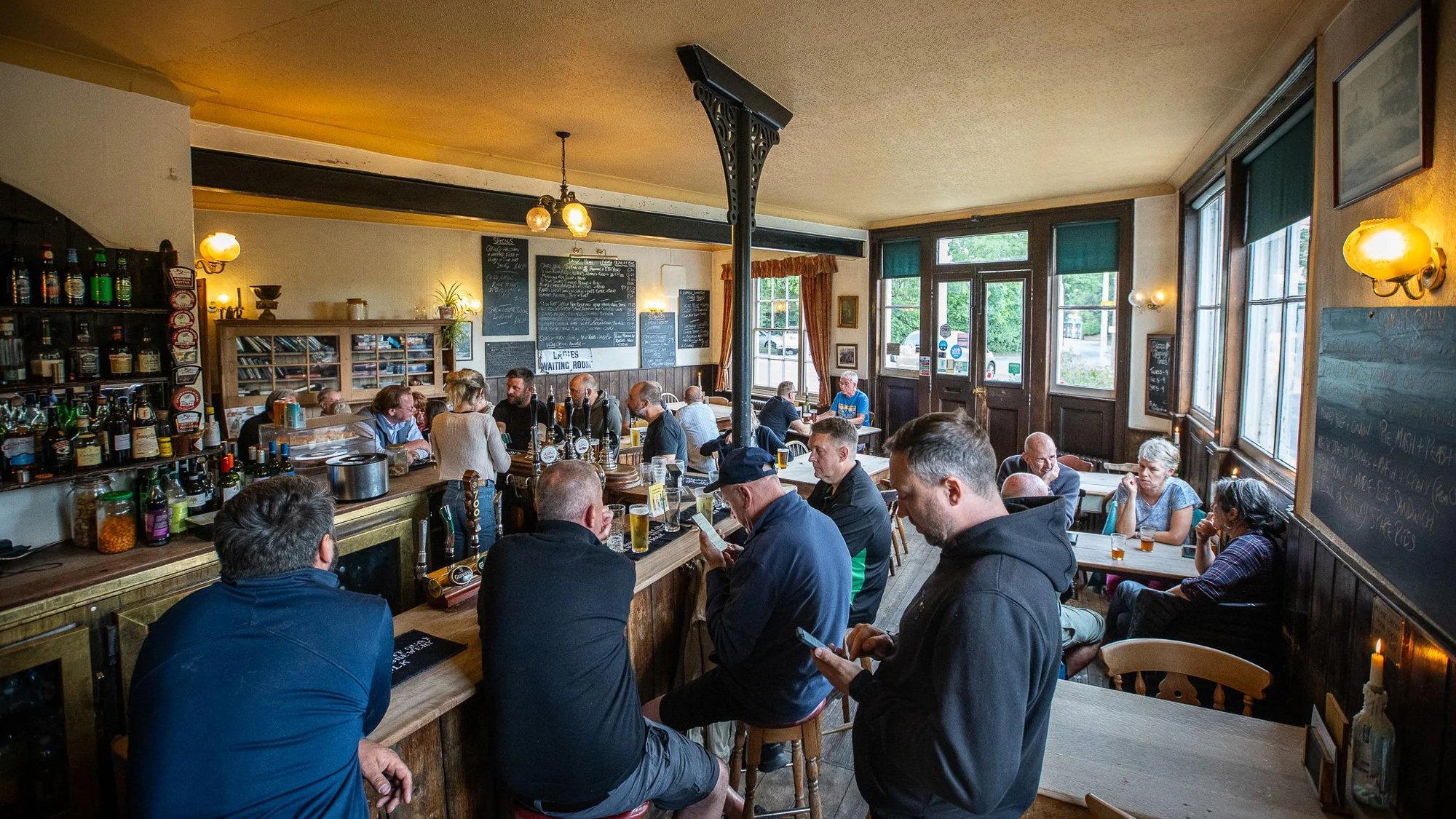
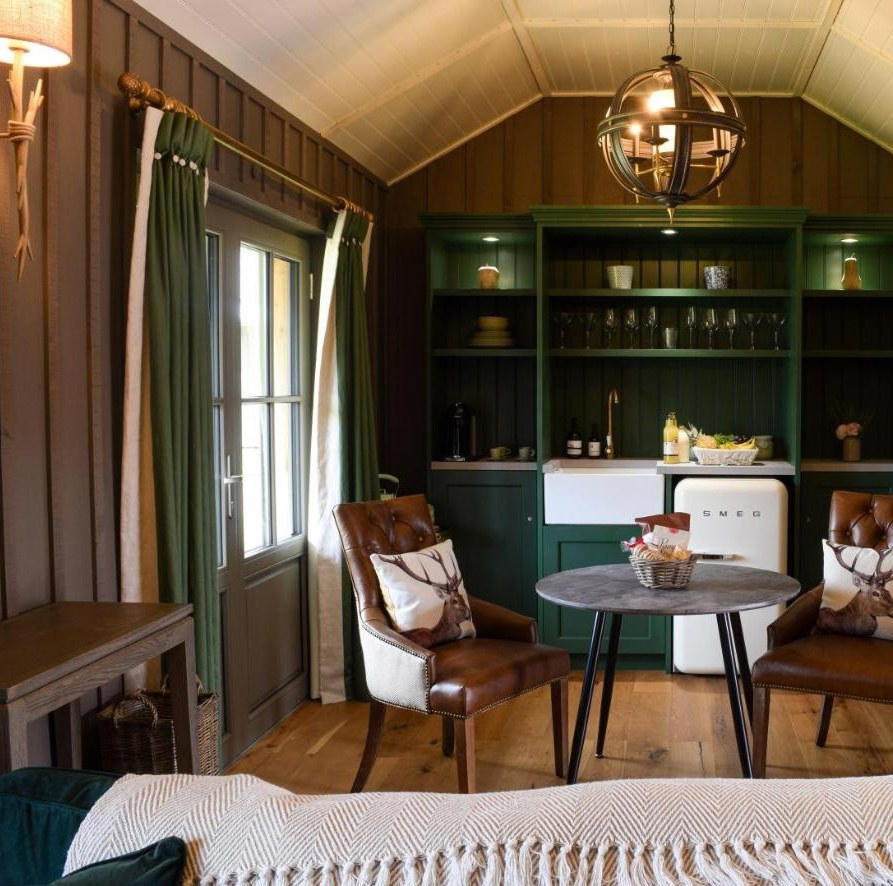
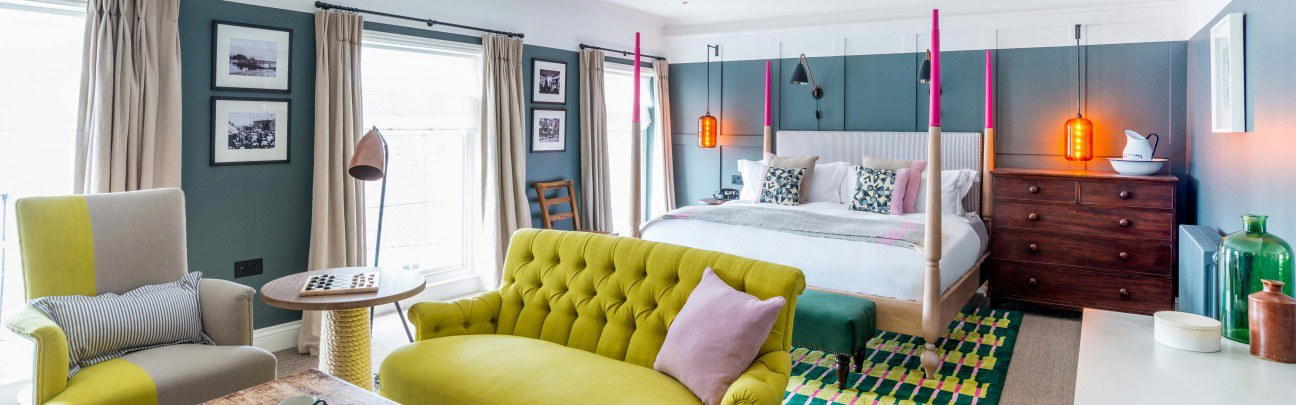
Hotels in Pettistree
Browse all →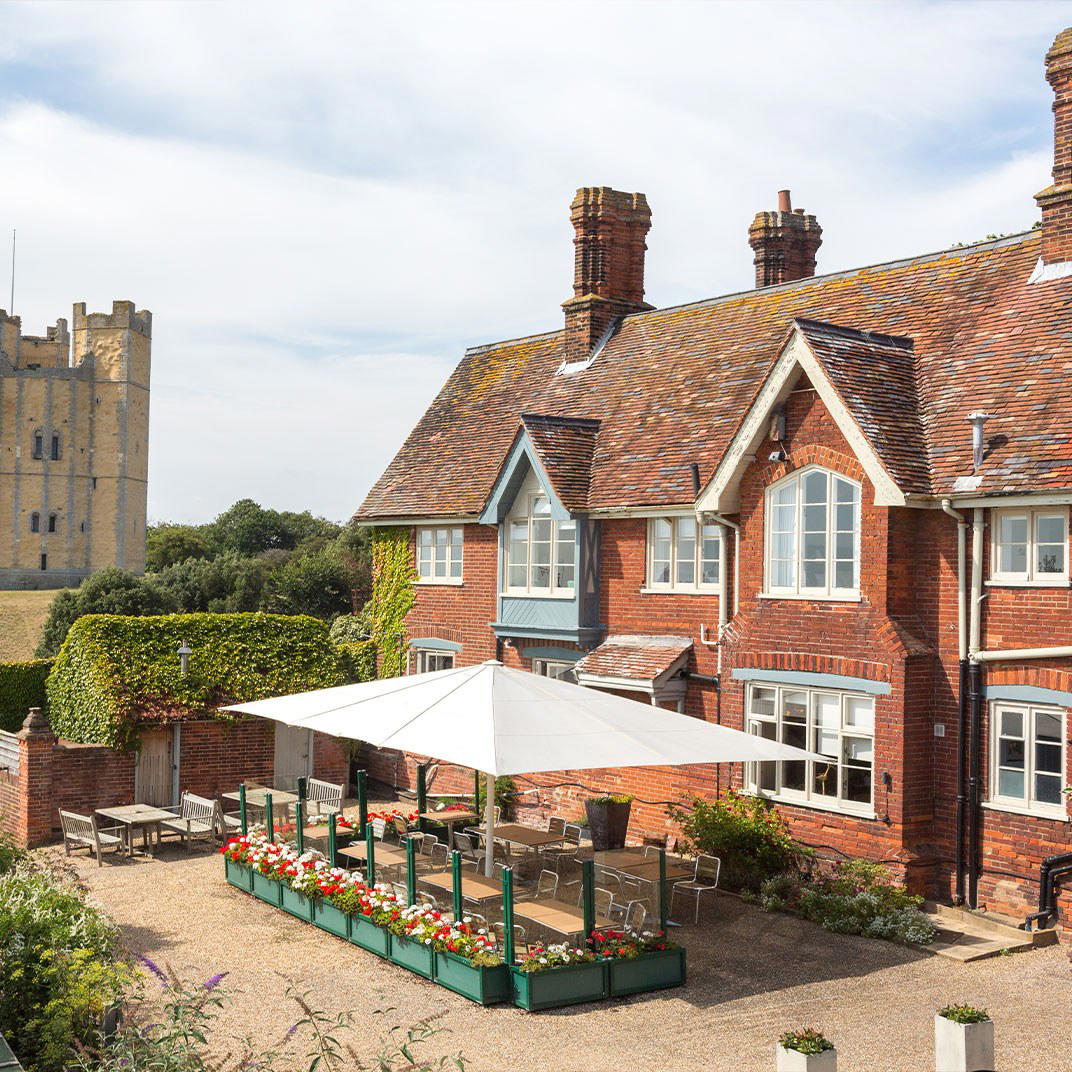
Details
- Classic
- Cozy
- Rustic
- Casual Hangout
- Family
- Group Dining
- Special Occasion
- Historic Building
- Standalone
- Beer Program
- Local Sourcing
- A La Carte
- Local Cask Beer
- Wine
- Vegetarian Friendly
A beautiful old rural pub with an inviting, atmospheric dining room and a warm countryside inn feel.