Grassington House

Where the Dales Begin on the Plate Approach Grassington on a clear morning and the village square does most of the persuading before you reach the door. The cobbles, the low stone buildings, and the open moorland pressing in from every direction...
Pearl is the En Primeur Club membership app — saves, bookings, and concierge access live there. Same editors, same standards.
- Address
- 5 The Square, Grassington, Skipton BD23 5AQ, United Kingdom
- Phone
- +44 1756 752406
- Website
- grassingtonhouse.co.uk
- Directions
- Get directions
 Saves & bookings on Pearl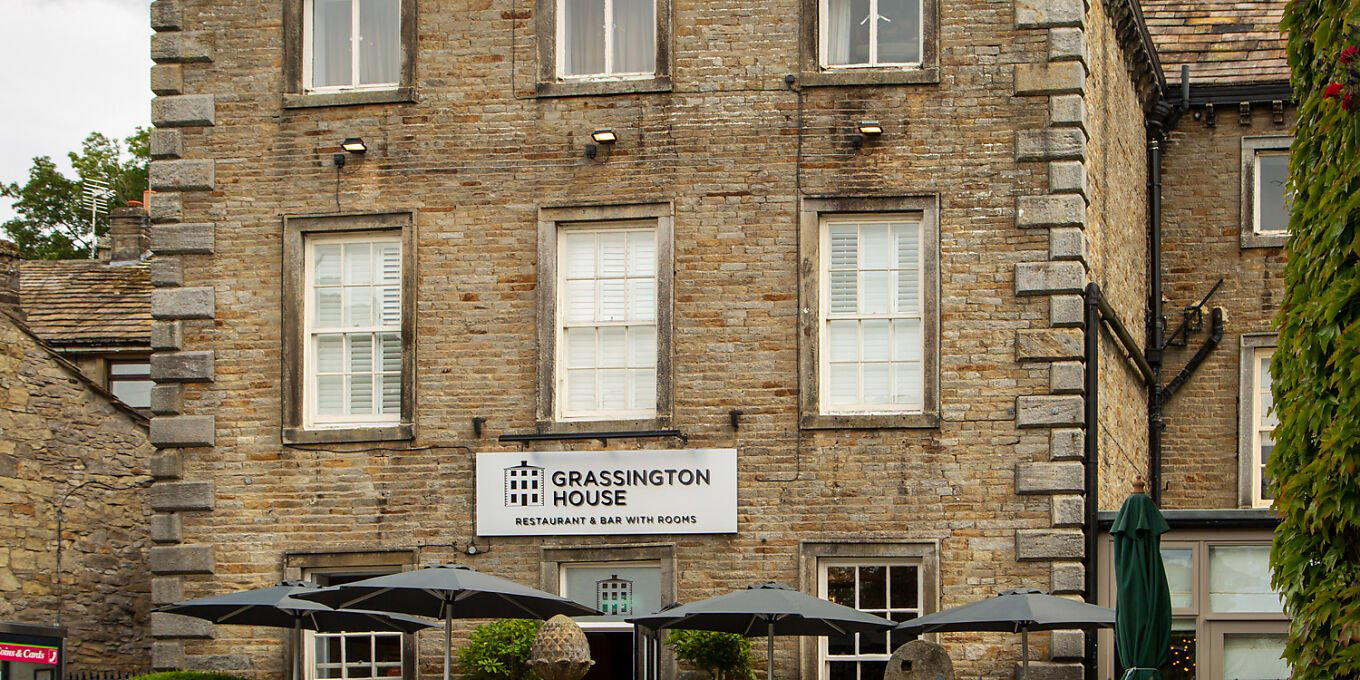
Where the Dales Begin on the Plate
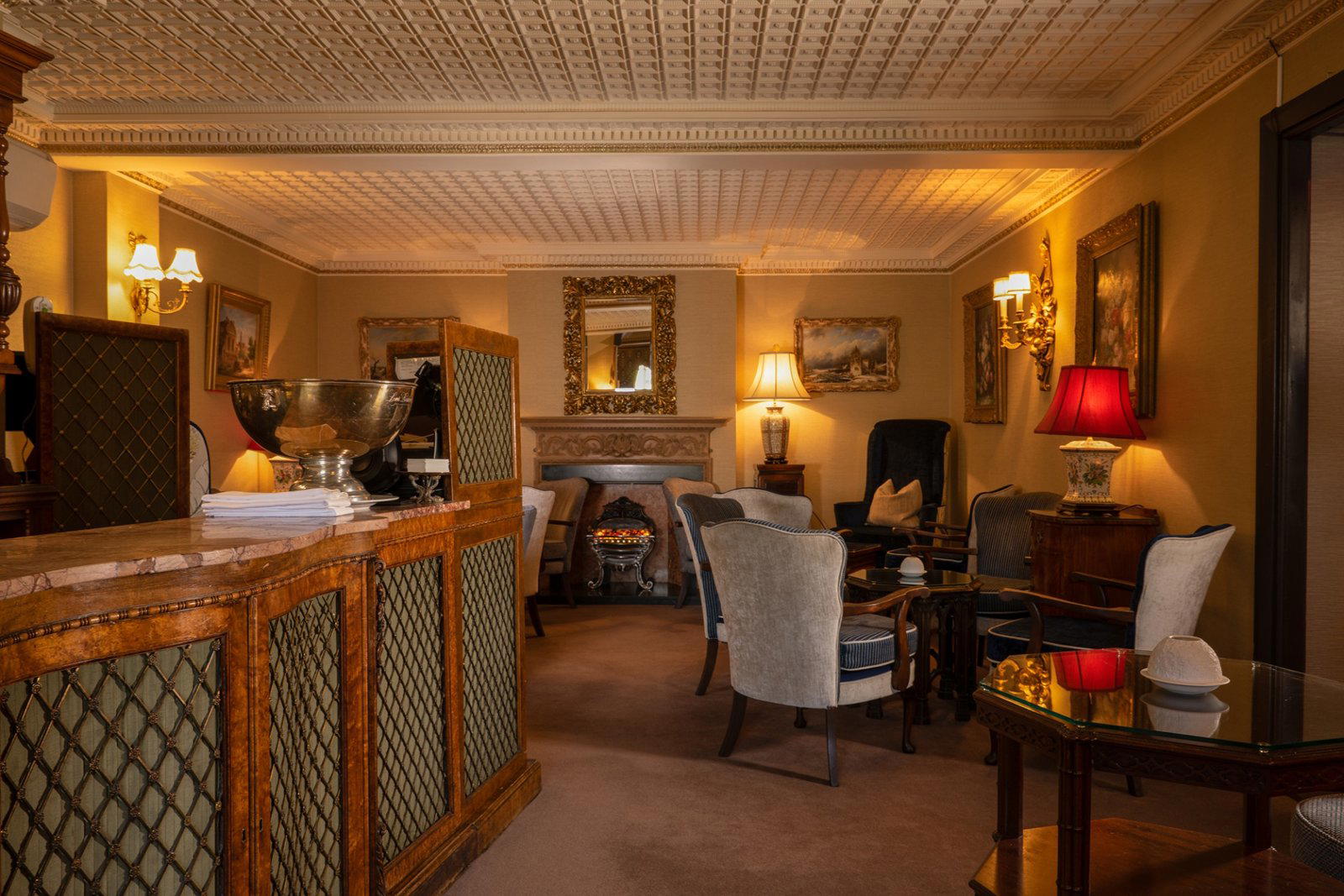
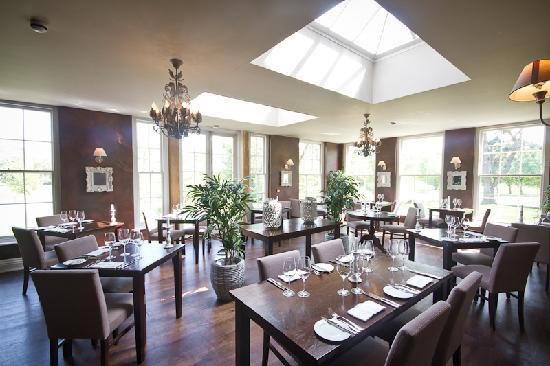
Approach Grassington on a clear morning and the village square does most of the persuading before you reach the door. The cobbles, the low stone buildings, and the open moorland pressing in from every direction establish a specific kind of place: one where the landscape is not scenery but infrastructure, the raw material from which daily life, and in this case daily cooking, is built. Grassington House occupies a Georgian townhouse on that square, refurbished with enough care to keep the bones without fetishising the period detail. The dining room runs to biscuit-brown walls and the kind of calm that lets a table of two talk at a normal volume. A bar and terrace handle the more informal end, and a private dining pod added in recent works creates a self-contained room for groups who want separation from the main service.
The format is restaurant-with-rooms rather than hotel-with-a-restaurant, which is a useful distinction in a market town this size. The kitchen is the point of the operation, and the accommodation exists to serve guests who do not want to drive back across the Dales at midnight.
Regional Sourcing as a Structural Commitment
The debate about provenance in British cooking has, in many venues, become a branding exercise: a paragraph on the menu about named farms, followed by a plate that could have been sourced anywhere. What distinguishes the more credible end of regional cooking is when the sourcing shapes the structure of the menu rather than decorating it. At Grassington House, the menu is explicitly organised around Yorkshire meat, game, and East Coast fish, with those categories doing the architectural work rather than acting as a footnote.
Yorkshire beef arrives well-aged, served with triple-cooked chips in a preparation that respects the time and fat the aging process requires. Lamb appears in two registers on the same plate: seared loin for texture and tenderness, slow-cooked breast for depth, accompanied by roast onion, broad beans, and onion puree, a combination that reads as a considered seasonal composition rather than a garnish list. The beef mignon served with a traditional suet rag pudding, steamed in a cloth, is the kind of dish that requires confidence to put on a modern bistro menu. The suet pudding is an old Yorkshire technique, and its presence alongside a prime cut signals a kitchen that is not embarrassed by the regional archive it is drawing from.
Fish arrives from the East Coast ports, which in practical terms means a shorter cold chain than produce routed through southern distribution networks. A dish built around cod, scallop, and tiger prawn thermidor sits at the more elaborate end of the fish section. The cheeseboard features local names rather than the standard French and Spanish selection that fills most British restaurant cheese trolleys by default, a small decision that carries some weight in a county with a genuine dairy tradition.
The sourcing argument extends to the wine list, which opens at £23.50 and is described as well-annotated, meaning the annotations are doing editorial work rather than just naming grape varieties. A wine list that starts at that price point in a North Yorkshire village is making a deliberate choice about accessibility over margin-padding at the entry level.
The Bistro Register and What It Delivers
Modern bistro cooking in the UK now covers a wide range of ambition and execution. At one end, the category has become a euphemism for doing less with less. At the more considered end, it describes a genuine commitment to the bistro contract: direct flavours, regional materials, plates that do not require explanation, and pricing that does not require a special occasion to justify. Grassington House operates closer to the latter model.
The milk chocolate tart with salted peanut butter and popcorn ice cream sits in the dessert section as the kind of combination that requires some technical confidence to balance. The salt and fat of the peanut butter against milk chocolate is not a new idea, but the popcorn element adds a textural note that places the dish in a more contemporary register. It is not trying to be a London fine-dining kitchen, and the comparison would be a category error. The relevant comparable set is serious regional cooking in market towns and rural destinations across the north of England, a category that includes some genuinely strong performers.
For context, the upper tier of British destination dining includes venues like Moor Hall in Aughton and L'Enclume in Cartmel, both of which operate in the fine-dining register with tasting menus and the associated price structures. Grassington House is not in that tier and does not position itself there. It occupies the space between the destination fine-dining circuit and the capable gastropub, and in that space, the regional sourcing commitment and the cooking range give it genuine footing. Those seeking the tasting-menu format might look at Restaurant Sat Bains in Nottingham or the more accessible southern options like Hand and Flowers in Marlow, but the calculus in Grassington is different: you are not travelling for a single restaurant; you are travelling for a region, and the kitchen here earns its place in that itinerary.
Sunday Service and the Weekly Rhythm
The Sunday menu centres on a 14-hour slow-cooked rump of beef, a commitment that requires preparation starting in the early hours and a kitchen structured around a longer production cycle than weekday service demands. Slow-cooking rump over that duration is a technique that converts a secondary cut into something with a different texture and depth than a roast prepared in a conventional window. It is also a practical signal about what the kitchen values: the patience to work with the whole animal across a week, not just the prime cuts on a Friday night.
Sunday lunch in a Dales village carries social weight that is distinct from the London or Manchester restaurant calendar. Local custom and seasonal visitor patterns intersect on that day in a way that puts different demands on a kitchen than midweek dinner. The evidence here is a menu built around a dish that takes most of a day to prepare, which suggests the kitchen is taking Sunday service seriously in this specific place.
Planning a Visit
Grassington sits in the Yorkshire Dales National Park, accessible from Skipton, which is on the Leeds-Lancaster rail line. The village is small, and the square is the centre of it, which means arrival is direct for those driving in from the Dales themselves or coming up from the south. As a restaurant-with-rooms, the property suits a one or two-night stay that combines dinner with walking or cycling in the Dales during the day. The bar and terrace offer a grazing menu for those arriving between meals or wanting something lighter, which gives the venue a flexibility that a reservation-only dining room would not. Booking the private dining pod for groups requires advance planning, particularly in the summer walking season and around bank holiday weekends when Dales visitor numbers are at their highest.
If you are building a wider northern England itinerary, Moor Hall in Aughton and L'Enclume in Cartmel represent the region's fine-dining ceiling. For comparison with other rurally-positioned British restaurants at a similar register, Gidleigh Park in Chagford and hide and fox in Saltwood offer useful reference points across different English regions. Those whose travel extends to London will find the upper end of British cooking at The Ledbury, Midsummer House in Cambridge, and Opheem in Birmingham, each operating in a different city with a different argument. Internationally, the sourcing-led approach has analogues at venues like Le Bernardin in New York City, where the product origin drives the menu structure, and the contrast with a place like Emeril's in New Orleans illustrates how regional identity can anchor a dining program across different culinary traditions. For classically-framed destination dining in the UK, Waterside Inn in Bray and Le Manoir aux Quat' Saisons in Great Milton occupy the establishment end of the country-house dining category.
How It Stacks Up
Comparable venues nearby, for context on price, style, and recognition.
| Venue | Cuisine | Price | Notes |
|---|---|---|---|
| Grassington HouseThis venue — the venue you are viewing | Modern British Bistro | $$$ | Not listed |
| Flawd | Modern British Small Plates | $$$ | Ancoats & Beswick |
| The Yellow Bittern | Irish-influenced British set-menu lunch | $$$ | King's Cross |
| Four & Twenty | Modern British Gastropub | $$$ | Town Centre |
| Long Friday | Modern British Small Plates | $$$ | Jesmond |
| Tamburrini & Wishart, Cameron House Loch Lomond | Modern Scottish Fine Dining | $$$$ | Loch Lomond |
Recognition history
Dated appearances from independent guides and award organizations, with the underlying list record or original source where available.
The Good Food Guide GFG Good
The Good Food Guide
Continue exploring
More in Grassington
Restaurants in Grassington
Browse all →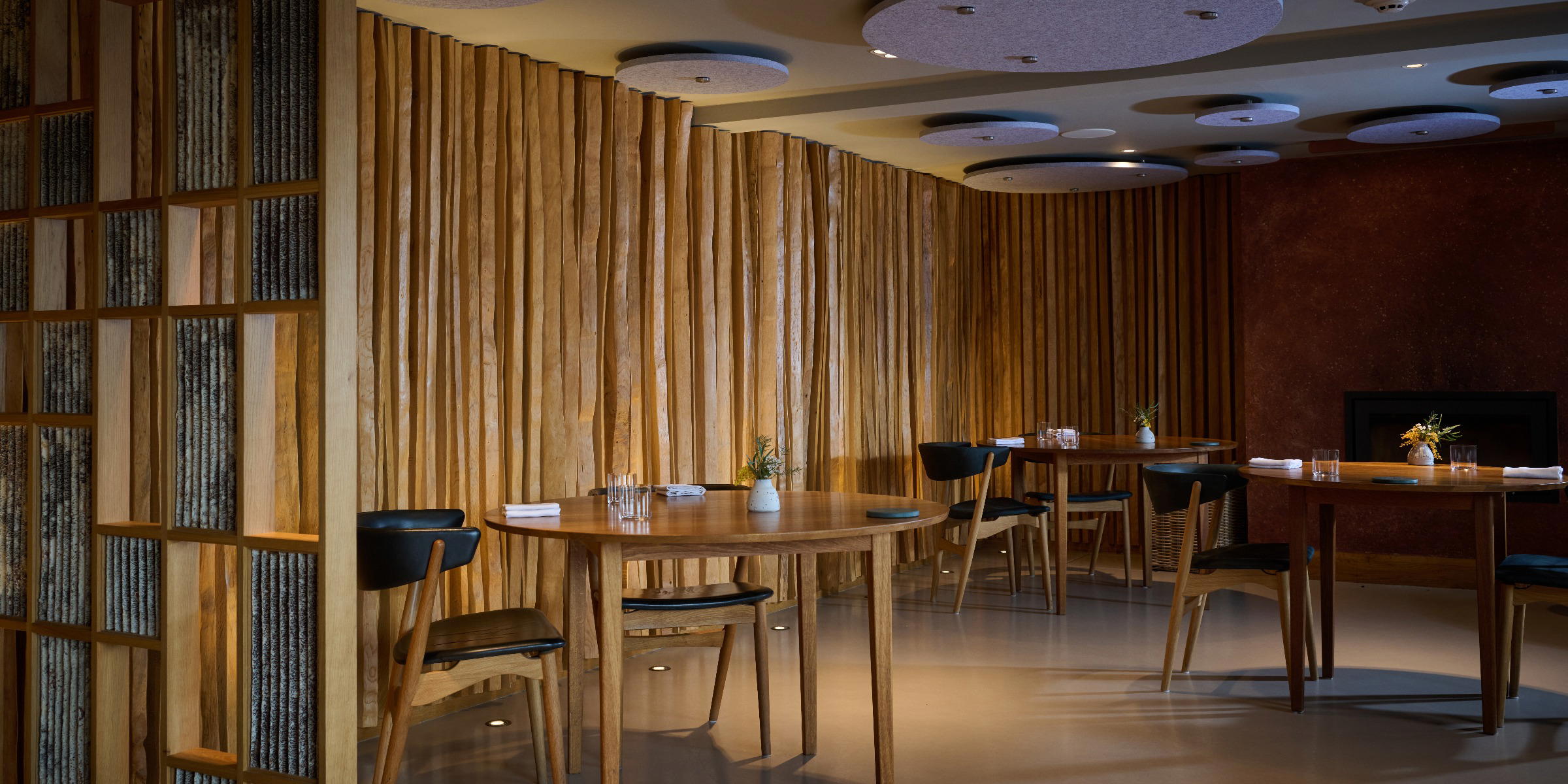
Bars in Grassington
Browse all →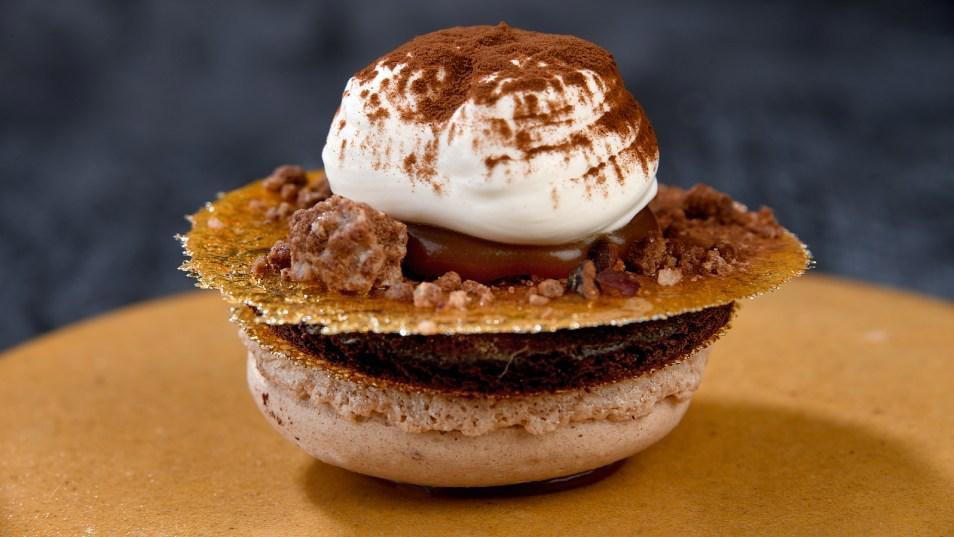
At a Glance
- Cozy
- Elegant
- Rustic
- Classic
- Special Occasion
- Family
- Celebration
- Terrace
- Historic Building
- Private Dining
- Hotel Restaurant
- Extensive Wine List
- Local Sourcing
- Farm To Table
- Street Scene
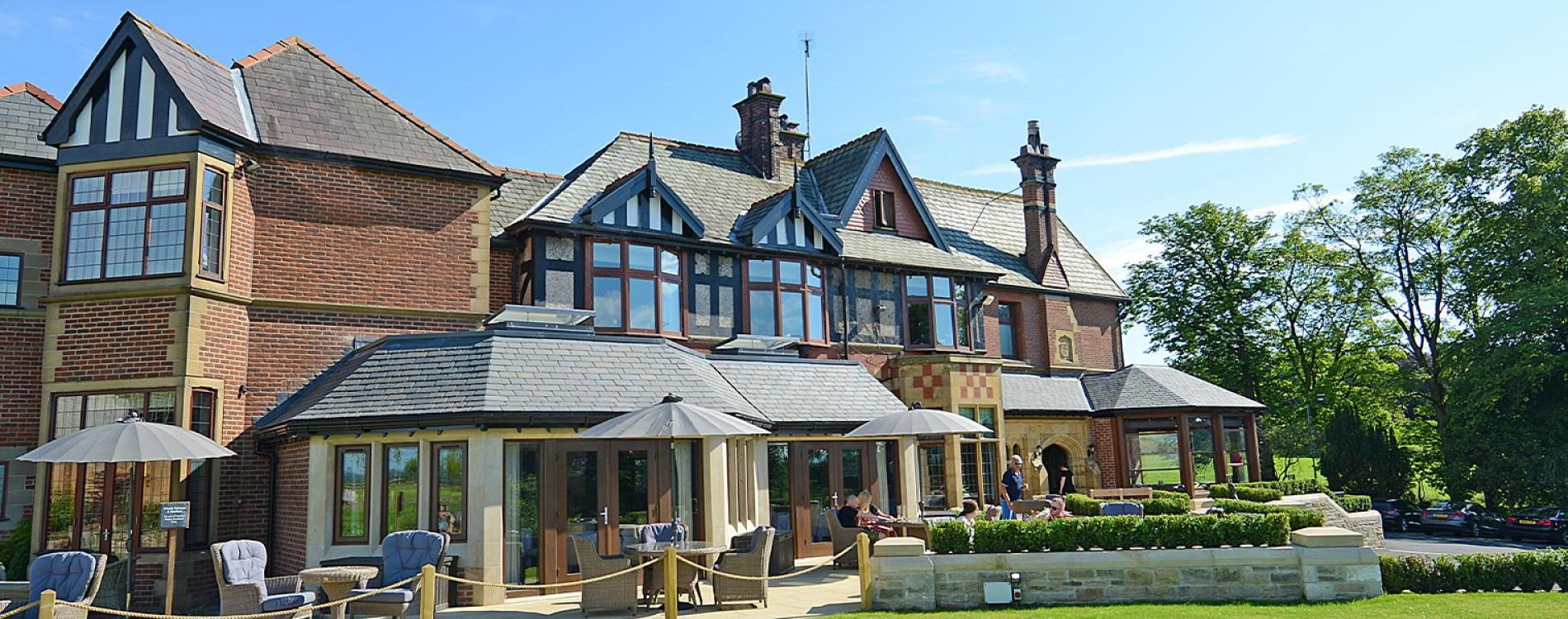
Elegant biscuit-brown dining room with warm hospitality, bright conservatory, bar, and terrace overlooking Grassington Square.