Grand St. Cafe
Our verdict
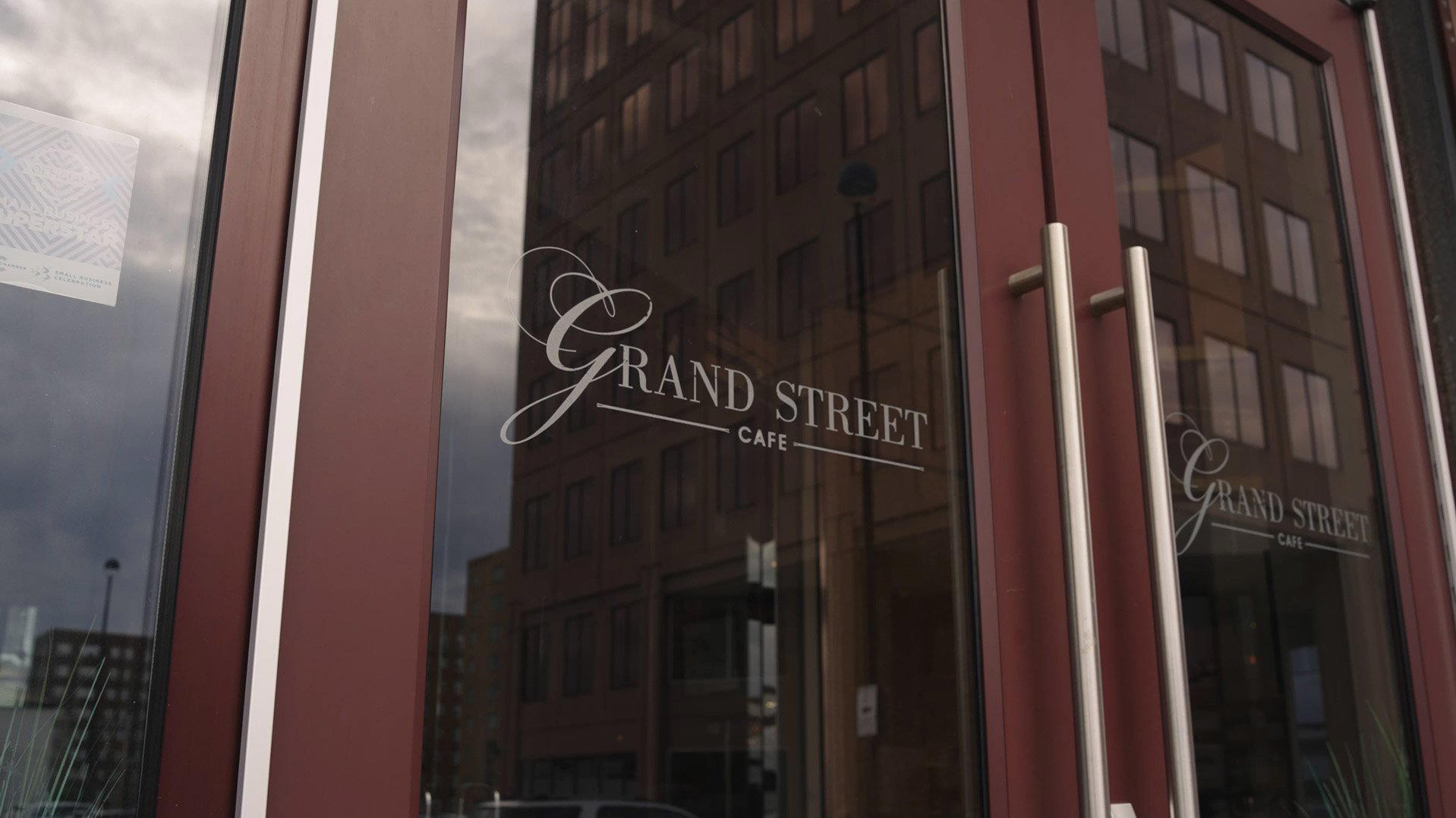
Grand St. Cafe sits on Kansas City's Grand Avenue in the Midtown corridor, a stretch that has quietly shaped the city's neighborhood dining culture for decades. Where much of KC's restaurant conversation gravitates toward the Plaza or Crossroads, this address holds ground in a more residential register — the kind of room that earns repeat custom rather than destination traffic.

Pearl is the En Primeur Club membership app — saves, bookings, and concierge access live there. Same editors, same standards.
- Address
- 4740 Grand Ave, Kansas City, MO 64112
- Phone
- (816) 561-8000
- Hours
- Mon–Thu 11 AM–9 PMFri–Sat 11 AM–10 PMSun 10:30 AM–2 PM
- Website
- grandstreetkc.com
- Directions
- Get directions
- Booking
- Book on OpenTable
The menu
What to order
- Grand Street Cheese Burger
- White Flatbread
- Pork Chop
- Eggs Benedict
Midtown's Anchor, Not the Plaza's Satellite
Kansas City's dining geography tends to organize itself around a few loud centers: the Power and Light District for volume, the Crossroads Arts District for ambition, and the Country Club Plaza for the kind of polished American cooking that travels well on expense accounts. Midtown sits slightly apart from all three, and that distance is not a liability. The neighborhood's restaurant character runs closer to the European model of the local institution — places that earn loyalty through consistency and context rather than through seasonal reinvention cycles and opening-week press.
Grand St. Cafe occupies a specific position within that pattern. Its address on Grand Avenue places it in a stretch of Midtown that draws from the surrounding residential blocks, the medical district just north, and the overflow from Westport's busier corridors. The venue has operated long enough to function as a reference point rather than a novelty, which in Kansas City's dining culture carries its own form of authority. Longevity in a mid-market American city like KC is harder to sustain than it looks: the cost structures that make new openings viable can erode the older rooms if the kitchen doesn't hold its standard.
What the Neighborhood Asks of a Room Like This
Midtown Kansas City demands a particular kind of restaurant. It is not the neighborhood that rewards maximalism or tasting-menu architecture — that demand exists, but it concentrates elsewhere. What the area sustains is a certain quality of the everyday room: a menu broad enough to absorb weeknight regulars and weekend occasions without collapsing into generic American fare, a bar program that takes its wine list and cocktail selection seriously without performing for an industry crowd, and a physical space that holds enough warmth to make the return visit feel earned rather than obligatory.
That model has parallels across the country's mid-sized cities. It is the category that produces the most reliable dining in any urban area, and also the most underdiscussed. The critical apparatus tends toward extremes: the barbecue institution that defines a city's national identity, or the ambitious tasting room that competes on a coastal shortlist. Kansas City has strong representatives in both directions. Arthur Bryant's Barbeque commands the first register; Antler Room has staked a claim in the second, building one of the more considered tasting programs in the region. Grand St. Cafe occupies neither extreme, which is precisely what makes it useful to understand.
The Competitive Set and What It Tells You
To place Grand St. Cafe accurately, it helps to map the broader Midtown and adjacent neighborhood dining field. Affäre has established a German-influenced wine-bar format on the opposite end of the city's dining register, smaller, more tightly edited, more explicitly wine-forward. Aixois runs a French bistro program that draws from the same Midtown residential base and has built its own repeat-customer economy through a consistent Provençal focus. Beer Kitchen anchors a more casual tier in the Westport corridor, where the emphasis shifts toward gastropub programming.
Within that set, Grand St. Cafe holds the broadest brief: a full-service American restaurant with enough range to cover the territory between a casual weeknight dinner and a more considered occasion meal. That positioning is harder to execute well than a focused format, and the rooms that manage it tend to develop a specific kind of institutional trust among their regulars. The menu depth has to be real, not just apparent, a wide menu that doesn't hold quality across its range is a vulnerability, not a strength.
For those tracking Kansas City's dining development against national reference points, the city's strongest venues now compete seriously with counterparts in larger markets. Antler Room draws comparisons that wouldn't have seemed credible a decade ago, and the city's barbecue institutions occupy a category where national context is irrelevant, they define the category. The neighborhood dining tier, exemplified by addresses like Grand St. Cafe, is what connects those poles into a functioning city food culture rather than a collection of individual trophy rooms. For a broader map of where the city's dining is heading, the full Kansas City restaurants guide lays out the competitive field across price points and neighborhoods.
The National Frame: Where KC Sits
American fine dining has shifted considerably in the past decade. The technical ambition that once concentrated almost exclusively in coastal cities, the tasting-menu format that defines rooms like Alinea in Chicago, The French Laundry in Napa, or Le Bernardin in New York City, has distributed more broadly. Programs like Lazy Bear in San Francisco, Single Thread Farm in Healdsburg, and Blue Hill at Stone Barns in Tarrytown have each shaped what the category means at its most ambitious. Providence in Los Angeles, Addison in San Diego, Atomix in New York City, and The Inn at Little Washington represent the tier where formal ambition and regional identity intersect most productively. At the international scale, rooms like 8 1/2 Otto e Mezzo Bombana in Hong Kong and Emeril's in New Orleans illustrate what happens when a strong culinary personality becomes embedded in a city's identity over time.
Grand St. Cafe does not compete in that formal tier, and it doesn't need to. Its relevance is to a different question: what does the non-destination, non-barbecue layer of Kansas City dining look like when it works? The answer, historically, has been a room that holds its neighborhood with enough consistency to become load-bearing for the area's food culture, the kind of address that residents recommend to visitors not as a spectacle but as evidence that the city's everyday dining is worth taking seriously.
Planning Your Visit
Grand St. Cafe sits at 4740 Grand Avenue, Kansas City, MO 64112, in the Midtown corridor roughly equidistant from the Crossroads and the Country Club Plaza. The location is accessible by car with street parking available on surrounding blocks, and the Midtown address puts it within range of the 39th Street dining corridor and Westport without the parking friction of those denser nodes. Given the neighborhood's residential character, the room tends to draw a local crowd rather than a tourist concentration, which shapes the atmosphere across service periods. As with most Kansas City dining, specific hours, current reservation policy, and booking availability are best confirmed directly with the venue before planning an occasion visit.
Frequently asked questions
What's Grand St. Cafe's location?
Grand St. Cafe is located at 4740 Grand Ave, Kansas City, MO 64112, Kansas City.
How does Grand St. Cafe compare to other Midtown Kansas City restaurants?
Grand St. Cafe occupies a specific position in Midtown Kansas City, sitting geographically and conceptually between the more experimental Crossroads Arts District scene and the polished Country Club Plaza corridor. Where nearby competitors such as Affäre pursue European-influenced tasting formats, Grand St. Cafe leans into the kind of grounded, neighborhood-serving dining that Midtown's residential character tends to reward. It is the kind of room that regulars rely on rather than one that courts attention through format novelty.
What dish is Grand St. Cafe famous for?
Grand St. Cafe has built its reputation on consistent, approachable cooking that reflects the Midtown Kansas City neighborhood it serves rather than chasing a single signature dish. Specific menu details are best confirmed directly with the restaurant at 4740 Grand Ave. The kitchen's strength appears to lie in reliable execution across the menu rather than one marquee item.
Can I walk in to Grand St. Cafe?
Walk-in availability at 4740 Grand Ave, Kansas City depends on the day and time. Midtown dining rooms of this type tend to fill on weekend evenings, so contacting the restaurant in advance is the practical move. Weekday visits generally offer more flexibility.
What do critics highlight about Grand St. Cafe?
Grand St. Cafe's position in the Midtown corridor, roughly between the Crossroads Arts District and the Country Club Plaza, draws attention to its role as a neighborhood anchor rather than a destination concept. Critics covering Kansas City's broader dining shift note that rooms like this one hold the middle ground as the city's culinary range expands beyond its coastal-adjacent fine dining phase. Specific published reviews are best sourced through Kansas City's local editorial outlets.
Can Grand St. Cafe adjust for dietary needs?
Most Kansas City restaurants operating at this level accommodate common dietary requirements when notified ahead of the visit. Contacting Grand St. Cafe directly at 4740 Grand Ave is the most reliable way to confirm specific accommodations before arrival. Assumptions about menu flexibility without advance confirmation are worth avoiding.
Just the Basics
Comparable venues nearby, for context on price, style, and recognition.
| Venue | Cuisine | Price | Notes |
|---|---|---|---|
| Grand St. CafeThis venue — the venue you are viewing | Modern American Gastropub | $30–50 | Not listed |
| Beer Kitchen | American Gastropub | $20–30 | Westport, American Gastropub |
| Arthur Bryant's Barbeque | Kansas City-Style Barbecue | $20–30 | 18th and Vine, Kansas City-Style Barbecue |
| Jack Stack Barbecue - Plaza | Kansas City BBQ | $20–30 | Country Club Plaza, Kansas City BBQ |
| blue bird bistro | Farm-to-Table American Bistro | $30–50 | Crossroads, Farm-to-Table American Bistro |
| The Lunch Box | Classic American Diner | $10–20 | West Bottoms, Classic American Diner |
Continue exploring
More in Kansas City
Restaurants in Kansas City
Browse all →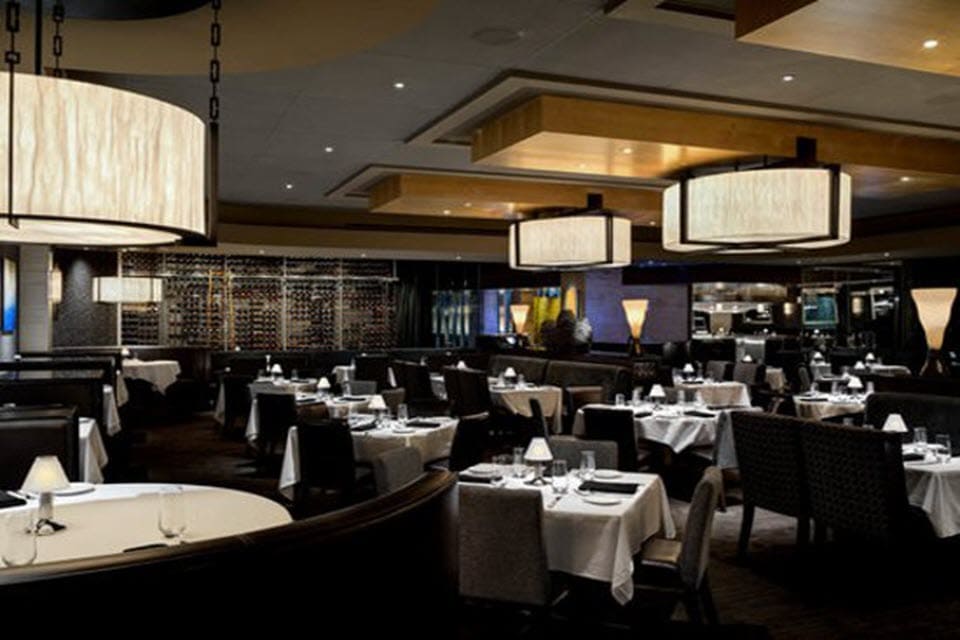
Bars in Kansas City
Browse all →
Details
- Elegant
- Lively
- Modern
- Date Night
- Brunch
- Business Dinner
- Group Dining
- Open Kitchen
- Craft Cocktails
- A La Carte
- Full Bar
- Vegetarian Friendly
- Vegan Options
- Gluten Free Options
Current opening hours
- Monday
- 11 AM–9 PM
- Tuesday
- 11 AM–9 PM
- Wednesday
- 11 AM–9 PM
- Thursday
- 11 AM–9 PM
- Friday
- 11 AM–10 PM
- Saturday
- 11 AM–10 PM
- Sunday
- 10:30 AM–2 PM
Hours can change for holidays and private events. Last verified .
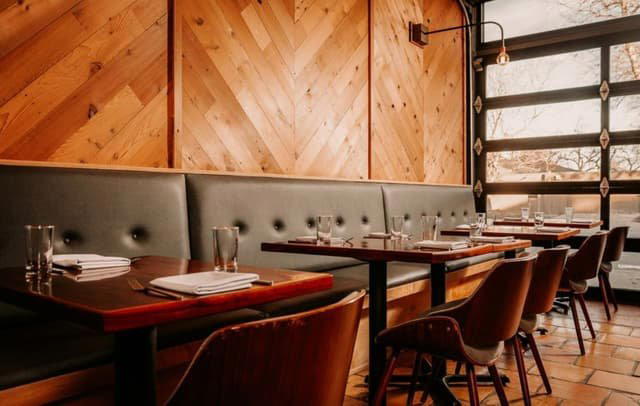
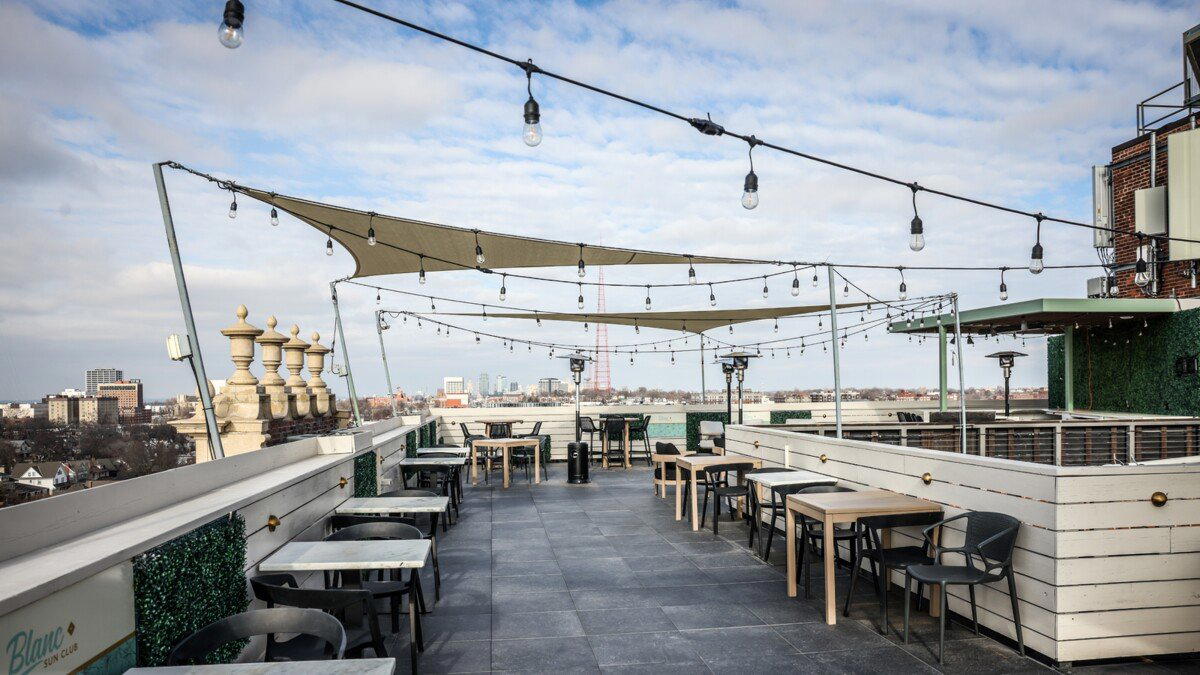
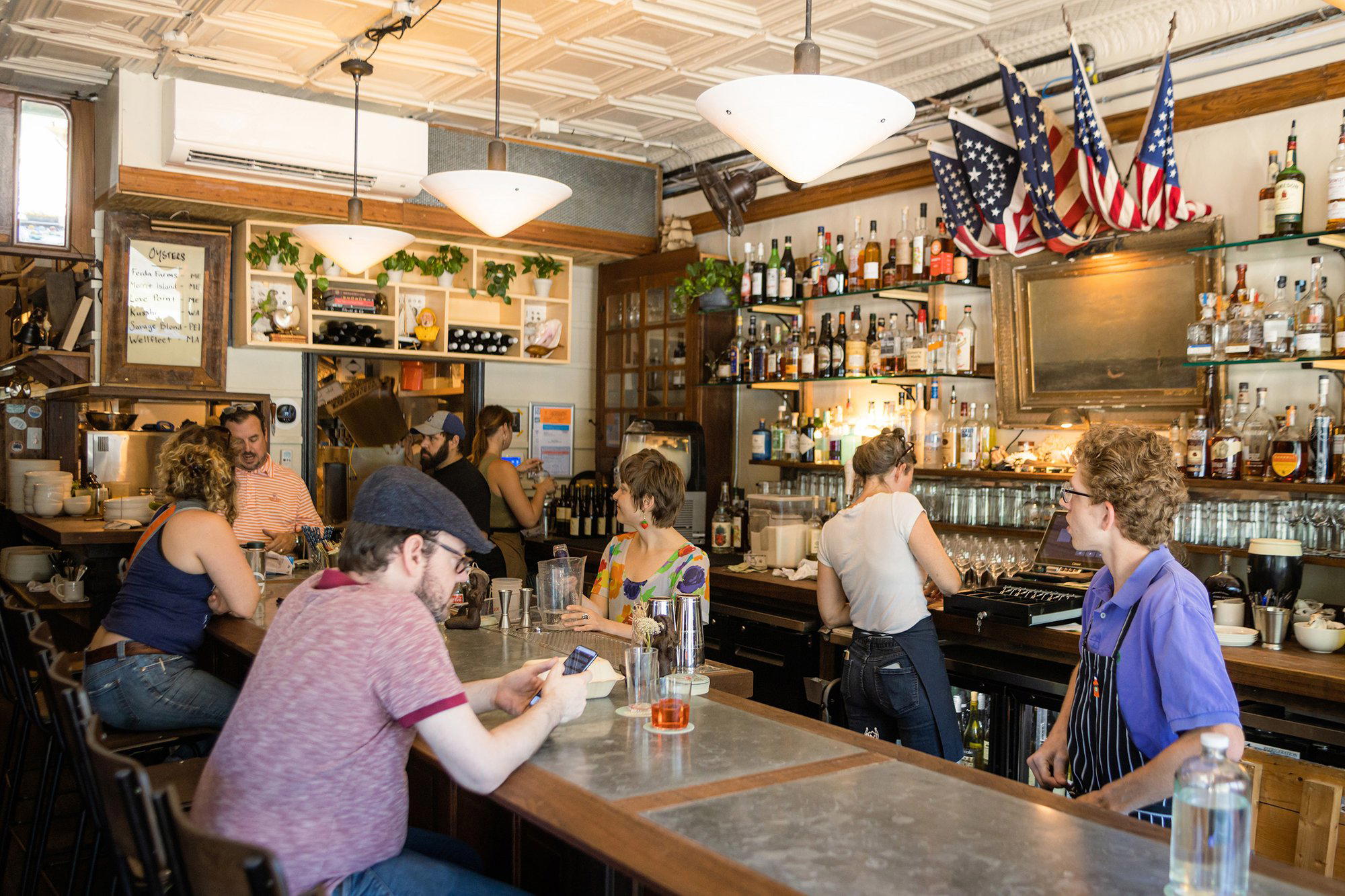
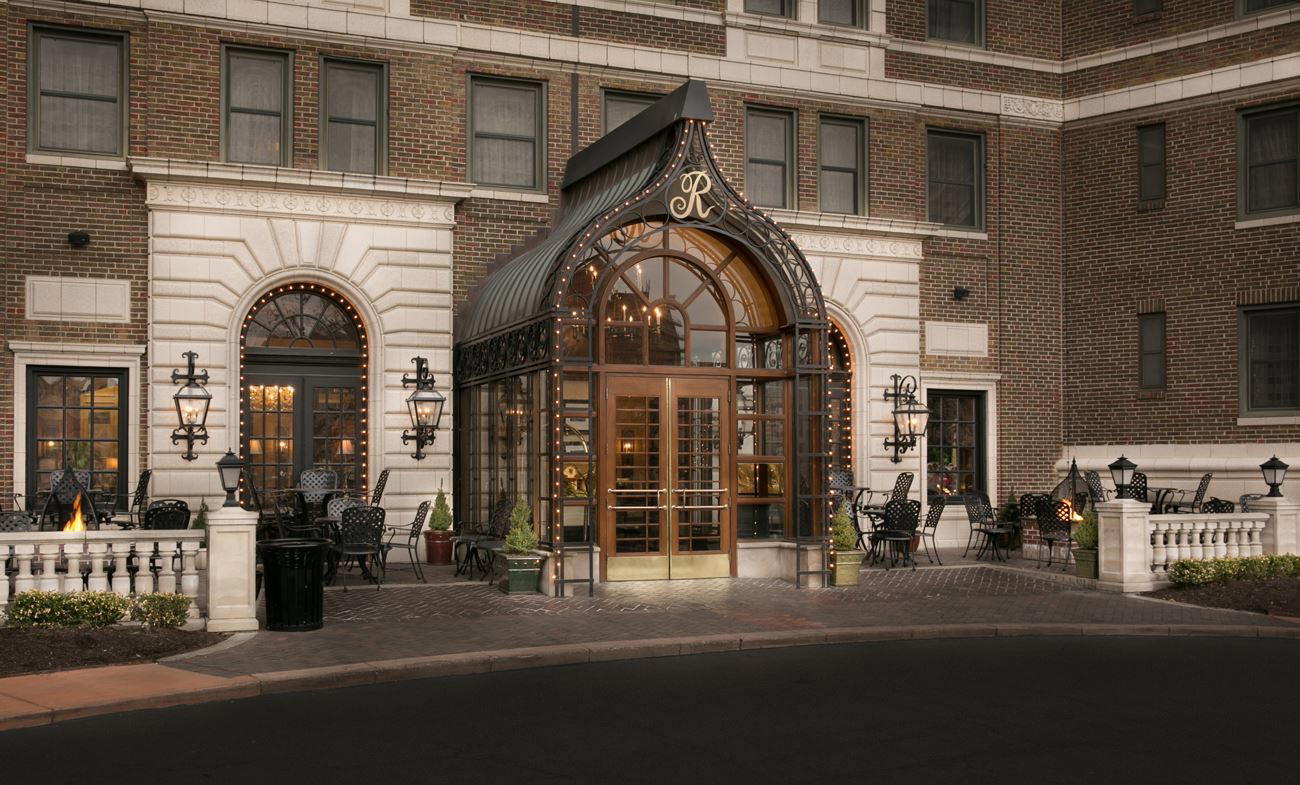
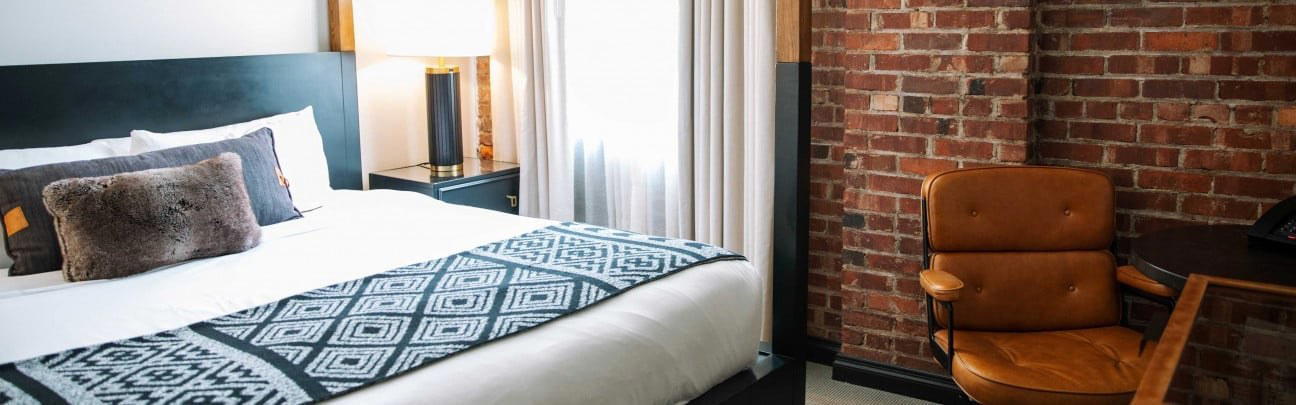
Pleasant, open room with modern touches, elegant and inviting atmosphere.