Grand Café
Our verdict
Grand Café sits at 2500 E 2nd St in Reno, Nevada, occupying a corner of the city's dining scene where the question of sourcing and setting still shapes what ends up on the plate. For visitors cross-referencing Reno's growing roster of serious restaurants, it merits consideration alongside the city's other independently minded dining rooms. Check directly for current hours and reservations before visiting.

Pearl is the En Primeur Club membership app, where members save venues, book tables and use the concierge.
The menu
What to order
- Steak & Eggs
- Grand Omelet
- Prime Rib
Where Reno's Dining Character Shows Up on the Plate
Reno has spent the better part of a decade pulling itself out from under the long shadow of casino buffets and high-volume resort dining. The city's independent restaurant scene now operates in a narrower, more deliberate register: smaller rooms, shorter menus, and an increasing interest in where ingredients come from rather than simply what format they arrive in. Grand Café, at 2500 E 2nd St, sits within that shift. The address places it in the eastern residential corridor of Reno, away from the casino district's gravitational pull, which already signals something about the kind of dining experience the space is built around.
The broader context matters here. Northern Nevada occupies a useful position geographically: close enough to California's agricultural valleys to draw from serious produce networks, yet removed from the premium pricing pressure that defines dining in San Francisco or the Napa corridor. Restaurants in this tier of the Reno scene tend to benefit from that positioning, accessing supply chains that would otherwise be reserved for destination restaurants like Single Thread Farm in Healdsburg or The French Laundry in Napa, while pricing to a local market that rewards value over spectacle.
The Sourcing Question in Nevada Dining
In American fine dining over the past fifteen years, the conversation about ingredient sourcing has moved from marketing language to operational philosophy. Restaurants that once listed farm names as a kind of credential have increasingly built their menus backward from producer relationships. The result, at its clearest, is the model demonstrated by places like Blue Hill at Stone Barns in Tarrytown, where the farm is the kitchen's primary collaborator. That level of vertical integration is rare, but the underlying principle, that what grows nearby and what arrives at peak condition should anchor a menu, has filtered into mid-tier American dining in meaningful ways.
Nevada presents particular challenges for that philosophy. The state's arid climate limits local agriculture, which means restaurants operating with any seriousness about sourcing tend to look west toward California's Central Valley and the Sierra Nevada foothills, or work with regional ranchers and specialty producers who supply across state lines. This isn't a compromise so much as a practical framework. Dining rooms in comparable inland Western cities like Boise, Salt Lake City, or Albuquerque have developed their own sourcing vocabularies around exactly these constraints. Reno's more established restaurants have done the same.
For context, Grand Café's Reno peers include Beaujolais Bistro, which operates in the European bistro tradition with an emphasis on seasonal rotation, and Bistro 7, which has built a reputation on tighter, more ingredient-focused menus. On the heavier end of the protein spectrum, Atlantis Steakhouse and Bimini Steakhouse represent the city's casino-adjacent beef tradition. Grand Café occupies a different register from both ends of that spectrum, positioned in the independent middle where sourcing decisions carry more editorial weight.
How Grand Café Fits the City's Current Moment
Reno's dining expansion over recent years has tracked closely with the city's broader population and economic growth, driven in part by an influx of California residents and tech-sector arrivals who brought with them expectations shaped by restaurants like Lazy Bear in San Francisco and Providence in Los Angeles. That audience is comfortable spending at a higher price point, attentive to menu language, and likely to notice when a kitchen is working from serious ingredients versus doing the minimum. It has accelerated the city's move away from volume-driven dining and toward rooms that reward closer attention.
Grand Café's location in the E 2nd St corridor puts it in the residential-commercial mix that increasingly defines where Reno's independent dining culture takes root. This is a pattern visible in cities across the American West: the interesting rooms have migrated away from tourist-heavy downtown cores and toward neighborhoods where foot traffic is local and repeat visits sustain the business model. Arario Midtown represents the same geographical logic in Reno's Midtown district. Both sit outside the casino perimeter, and both are better for it.
For readers building a broader picture of where American restaurant culture is heading, the dining at this level in secondary cities often moves faster than the national media acknowledges. The tasting-menu format pioneered at places like Alinea in Chicago and Atomix in New York City has, in diluted but sincere form, influenced how independent American kitchens think about pacing, portion discipline, and the relationship between the menu and the season. That influence reaches Reno, and it shows in how the better independent rooms approach their menus.
Planning Your Visit
Grand Café is located at 2500 E 2nd St, Reno, NV 89595. This applies particularly if you are traveling from out of state or coordinating Grand Café as part of a broader Reno dining itinerary.
For broader orientation, our full Reno restaurants guide maps the city's dining options across cuisines and price tiers, including the casino steakhouses, the Midtown independents, and the European-influenced bistro category. Reno rewards planning: the room count in serious independent restaurants is generally small, and the city's weekend dining traffic is refined by visitors arriving from Sacramento and the Bay Area, particularly during ski season when Tahoe draws a regional crowd.
Those cross-referencing Reno against destination-dining benchmarks elsewhere in the US, restaurants like Le Bernardin in New York City, Addison in San Diego, The Inn at Little Washington, or Emeril's in New Orleans, will find that Reno operates at a different register, but the city's better independent rooms are engaged with the same questions about sourcing, seasonality, and format that drive those larger conversations. Grand Café, from what its address and positioning suggest, is part of that engagement. The specifics are worth verifying before you go, but the broader category it occupies is one worth taking seriously.
Frequently asked questions
Where is Grand Café located?
Grand Café is located at 2500 E 2nd St, Reno, NV 89595, Reno.
Is Grand Café part of Reno's shift away from casino-driven dining?
Yes, in terms of geography and positioning. Grand Café's address at 2500 E 2nd St places it outside Reno's casino core, in a corridor that has tracked the city's broader move toward neighborhood-rooted independent restaurants over the past decade. Reno's economic and population growth, partly driven by an influx of California transplants, has expanded demand for this category of dining room. Whether Grand Café specifically reflects that positioning is best confirmed directly with the venue.
Should I book Grand Café in advance?
Independent dining rooms along Reno's E 2nd St corridor tend to run smaller seat counts than the city's resort properties, which means walk-in availability can be limited during peak evening hours. Reaching out to the venue ahead of time is advisable, particularly on weekends.
In Context: Similar Options
Comparable venues nearby, for context on price, style, and recognition.
| Venue | Cuisine | Price | Notes |
|---|---|---|---|
| Grand CaféThis venue (the venue you are viewing) | American Café | $20–30 | Not listed |
| The Twisted Fork | Modern American with Latin Twist | $20–30 | South Reno |
| Süp | American Soup, Salad & Sandwiches | $10–20 | Midtown |
| Skyline Kitchen & Vine | New American Tapas & Small Plates | $30–50 | Skyline Boulevard |
| Homegrown Gastropub | Organic Gastropub | $20–30 | Midtown |
| The Grand Buffet | International Buffet | $50–100 | Grand Sierra Resort |
Continue exploring
More in Reno
Restaurants in Reno
All restaurants in Reno →
Details
- Classic
- Cozy
- Family
- Casual Hangout
- Late Night
- Brunch
- Hotel Restaurant
- A La Carte
- Vegetarian Friendly
- Vegan Options
- Gluten Free Options
Current opening hours
- Monday
- 7 AM–11 PM
- Tuesday
- 7 AM–11 PM
- Wednesday
- 7 AM–11 PM
- Thursday
- 7 AM–11 PM
- Friday
- 7 AM–2 AM
- Saturday
- 7 AM–2 AM
- Sunday
- 7 AM–12 AM
Hours can change for holidays and private events. Last verified .
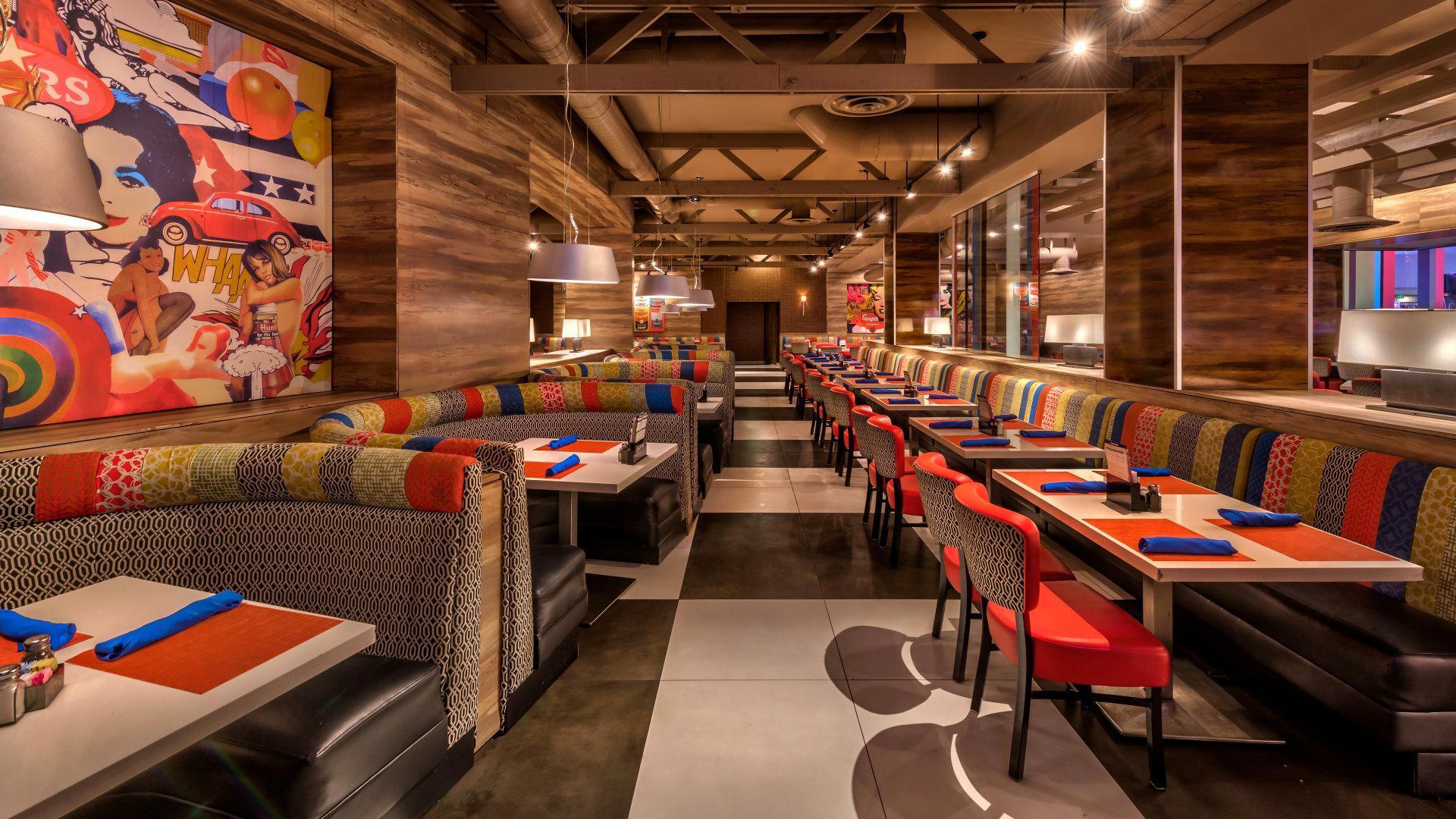
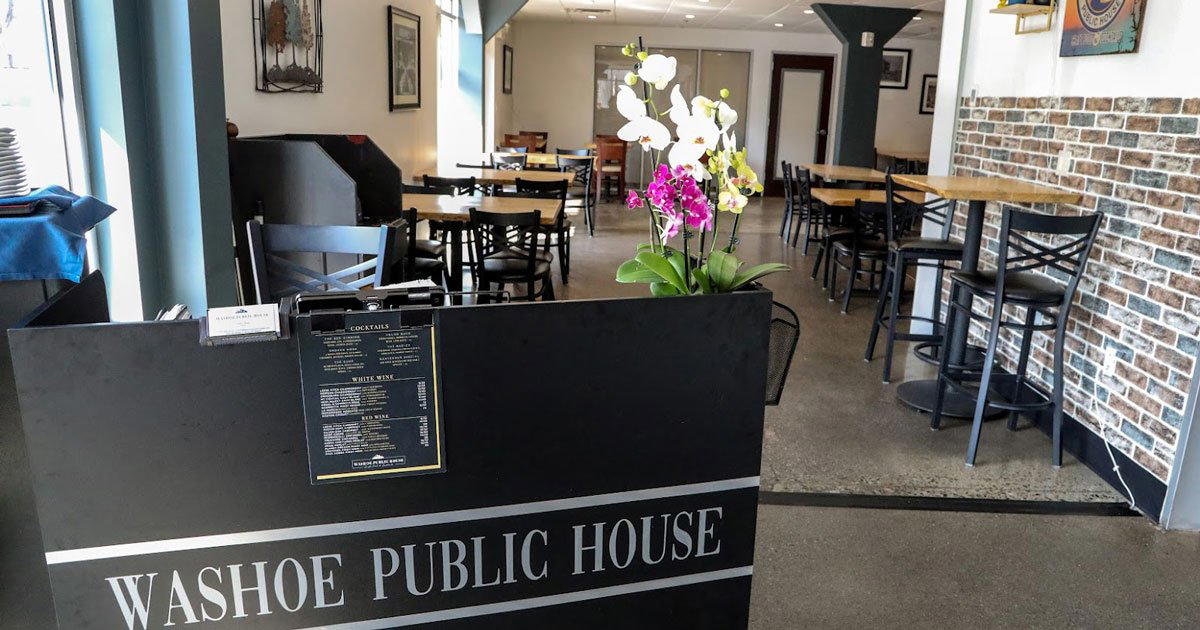
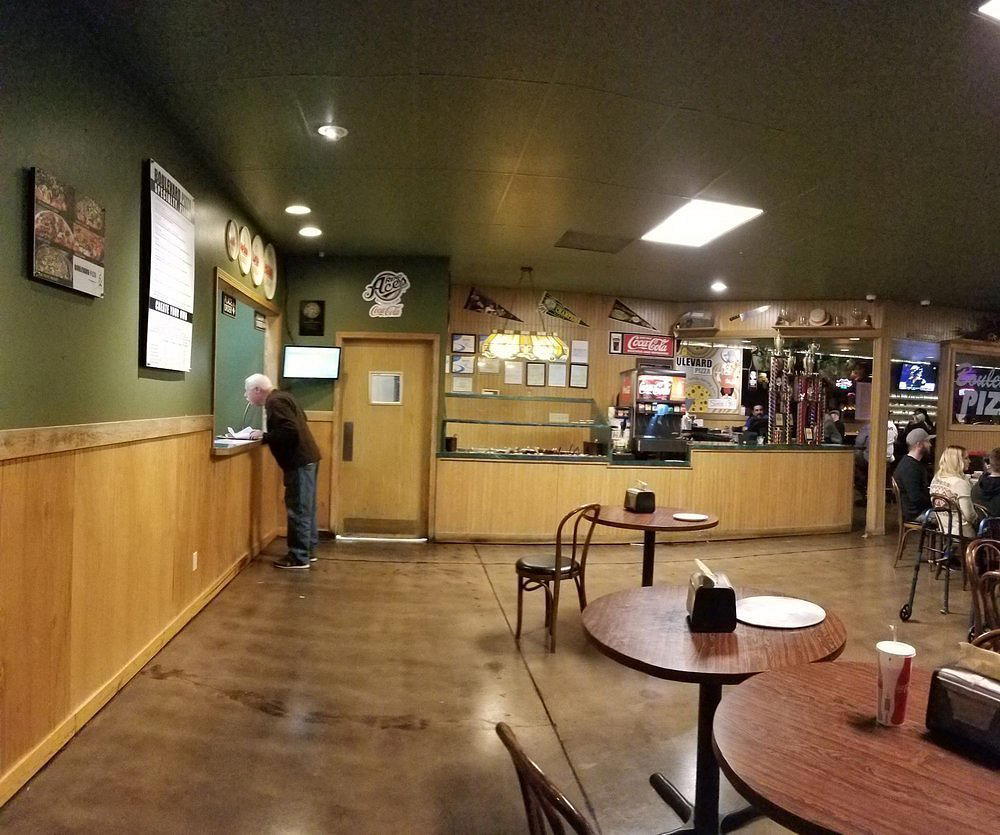
Comfortable and welcoming café atmosphere with classic diner lighting, ideal for relaxed family meals or late-night bites.